Attractions and Places To See in Armavir - Top 6
Best attractions and places to see in Armavir include a blend of ancient sites, religious landmarks, and scenic landscapes. The province is situated within the fertile Ararat Valley, framed by Mount Ararat and Mount Aragats. This region offers a rich historical and cultural experience, with numerous significant architectural and archaeological sites. Visitors can explore the spiritual center of the Armenian Apostolic Church and ruins of ancient cathedrals.
Best attractions and places to see in Armavir
- The most popular attractions is…
Last updated: June 25, 2026
Etchmiadzin Cathedral
Highlight • Religious Site
Translated by Google •
Tip by

Zvartnots Cathedral Ruins
Highlight • Historical Site
Translated by Google •
Tip by
Sign up now to discover places like this
Get recommendations on the best single tracks, peaks, & plenty of other exciting outdoor places.
Sign up for free
The Church of Etchmiadzin
Highlight • Religious Site
Translated by Google •
Tip by

Khachkar Monument
Highlight • Monument
Tip by

Pontifical Residence of All Armenians
Highlight • Religious Site
Tip by
Machanents Tourism and Art Center
Highlight • Structure
Tip by
Start today with a free account
Your next adventure awaits.
Login or Signup
Tips from the Community

The stone is very hard to carve…took real effort and has a deep meaning.
0
0

A church building, constructed from 301 on the orders of the first Catholicos, Gregory the Illuminator, over the foundations of a pagan temple, is said to have been consecrated in August 303. A new building with a wooden roof was added in the 480s, and a precursor to the present central building was erected on its site at the beginning of the 7th century. The church, which was extensively restored in the 17th century, has been listed as a UNESCO World Heritage Site since 2000 (Wikipedia).
6
0

The Pontifical Residence was built a century ago under the patronage of prominent Mr. Alexandr Mantashyan. Today, due to the charity of the benefactor Mr. Samvel Karapetyan and his family, the Pontifical Residence appears with sublimity proper to the Catholicoses of All Armenians.
0
0
Khachkars are characteristic of medieval Christian Armenian art. Since 2010, khachkars, their symbolism and craftsmanship are inscribed in the UNESCO list of Intangible Cultural Heritage.
0
0
Social enterprise and a cultural, educational, art and tourism center. It is located in Echmiadzin, the spiritual city of Armenia.
0
0

Zvartnoz (Armenian Զվարթնոց), other transcriptions Svarthnoz, Zvartnots, Zuart'noc', is a ruined site in the central Armenian province of Armavir near Echmiadzin with the remains of a cathedral dedicated to Saint Gregory built in the middle of the 7th century and the palace of their founder, the Catholicos Nerses III, who reigned from 641 to 662 and was associated with the Byzantine Empire. Destroyed in the 10th century, the Gregory Church of Zvartnots was the oldest and largest tetraconchos in the Caucasus and has been imitated a number of times. The four cones of the central building were surrounded by a circular ambulatory with a diameter of 37.7 meters and a presumed height of the three-tiered cylindrical structure of around 45 meters. St. Gregory's Church, mentioned in several medieval sources, has been recognized as the pinnacle of 7th-century Armenian architecture and one of the best-known architectural symbols of the Armenian Apostolic Church since its ruins were excavated in the early 20th century. The excavation site, located next to the village of the same name, has been on the UNESCO World Heritage List since 2000. Source: https://de.m.wikipedia.org/wiki/Swartnoz
1
0
The Cathedral of Etchmiadzin (Armenian Մայր Տաճար Սուրբ Էջմիածին Majr Tatshar Surb Etchmiazin, German 'Mother of God Church of Saint Etchmiadzin') is an Armenian Apostolic church in the Armenian province of Armavir. It is part of a monastery complex and cathedral of the Patriarch of the Armenian Apostolic Church, the Catholicos of the Holy See of St. Etchmiadzin and All Armenians. A church built from 301 onwards at the behest of the first Catholicos, Gregory the Illuminator, over the foundations of a pagan temple is said to have been inaugurated in August 303. In the 480s a new building with a wooden roof was built, in its place at the beginning of the 7th century a forerunner of today's central building was built. The church, which was fundamentally restored in the 17th century, has been listed as a UNESCO World Heritage Site since 2000. There is a museum in the cathedral where relics and treasures are exhibited. Source: https://de.m.wikipedia.org/wiki/Kathedrale_von_Etschmiadsin
1
0

Frequently Asked Questions
What historical and religious sites can I visit in Armavir?
Armavir is rich in ancient history and religious landmarks. You can explore the Etchmiadzin Cathedral, the spiritual center of the Armenian Apostolic Church and a UNESCO World Heritage site. Nearby, discover the breathtaking ruins of Zvartnots Cathedral, another UNESCO-listed site showcasing remarkable 7th-century architecture. Other significant sites include Saint Hripsime Church, Saint Gayane Church, and the Khachkar Monument, which represents medieval Armenian art.
Are there any archaeological sites in the Armavir province?
Yes, the Armavir province is home to significant archaeological discoveries. The Metsamor Archaeological Site and Museum offers a glimpse into an ancient settlement dating back to the 5th millennium BCE, featuring remains of a fortress, temple, and an observatory. Additionally, near Nor Armavir Village, you can find the ruins and excavations of the ancient capital of Armenia, the Armavir Archaeological Site.
What natural features define the landscape of Armavir?
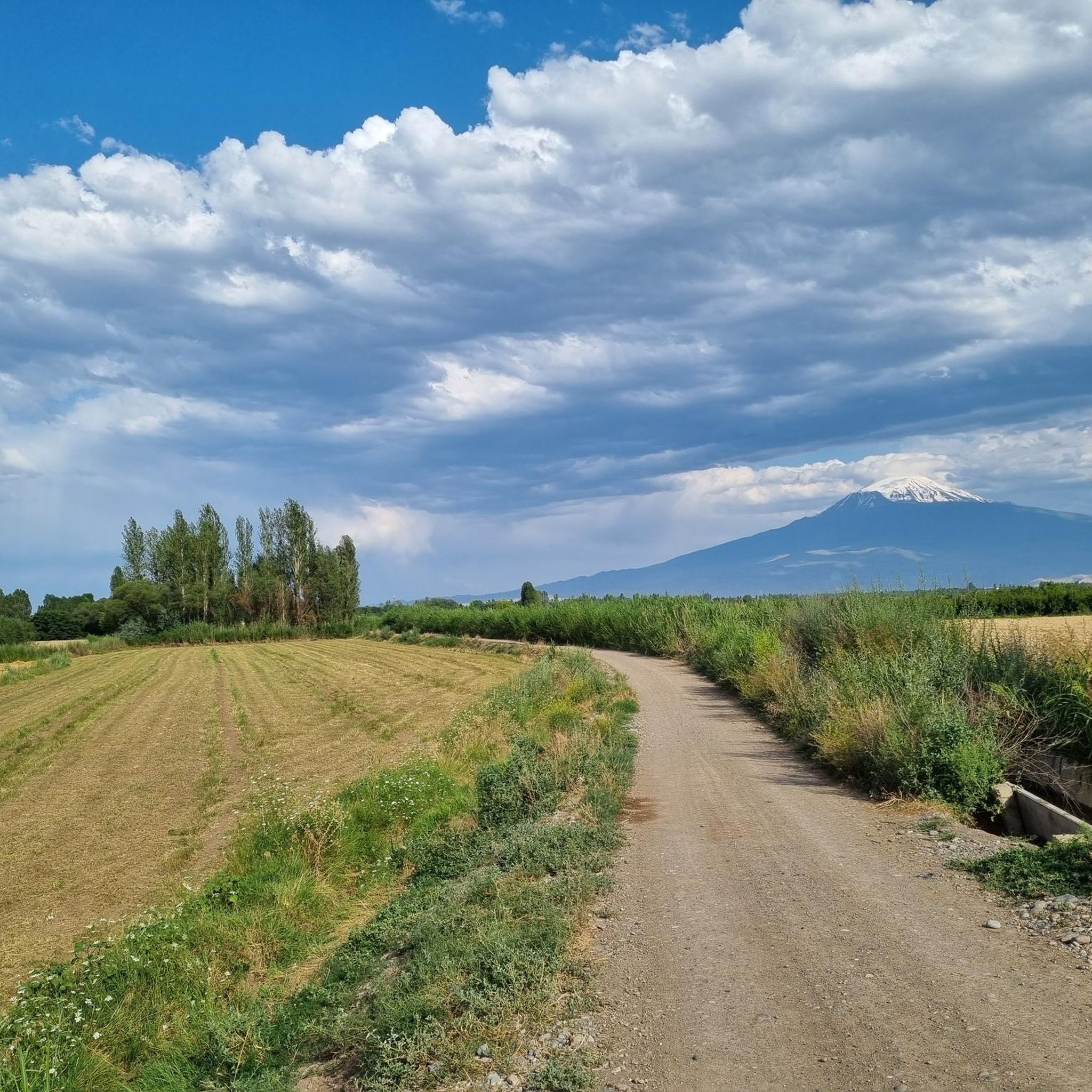
Armavir is situated entirely within the fertile Ararat Valley, offering scenic views and vast agricultural landscapes, particularly known for its apricot orchards and vineyards. While not directly within the province, the towering peaks of Mount Ararat and Mount Aragats frame the region, providing impressive panoramic backdrops. The Metsamor River is the only river originating in the region, fed by the Kasagh River and Lake Aikhr.
What cultural experiences can I find in Armavir?
Beyond ancient sites, Armavir offers insights into Armenian culture. The Sardarapat Memorial complex includes the Ethnography Museum of Armenia, which showcases Armenian daily life, crafts, and historical traditions. You can also experience local life at the Armavir Shuka (Central Market) in Armavir town, a vibrant hub for local produce and goods. The region is also known for its food traditions, wine tasting, and local artisan crafts.
Are there family-friendly attractions in Armavir?
Many of Armavir's historical and religious sites, such as the Etchmiadzin Cathedral and Machanents Tourism and Art Center, are considered family-friendly, offering educational and engaging experiences for all ages. Exploring the vast grounds of the Sardarapat Memorial or the Metsamor Archaeological Site can also be an enriching outing for families.
What outdoor activities can I do near Armavir's attractions?
The Armavir region offers various outdoor activities. For cycling enthusiasts, there are routes like the 'Bike loop from Բարեկամություն' or the longer 'Soviet Children's Railway – Aghi Lake loop'. Runners can enjoy trails such as the 'Soviet Children's Railway loop from Ուրախություն'. If you prefer hiking, you can find easy routes like 'The Cascade Complex – Mother Armenia Statue loop from Yerevan'. You can find more details on these activities in the Cycling in Armavir, Running Trails in Armavir, and Easy hikes in Armavir guides.
What is the Sardarapat Memorial and why is it significant?
The Sardarapat Memorial is an architectural and sculptural complex commemorating the decisive victory of Armenians over Turkish aggressors in the 1918 Battle of Sardarapat. It stands as a powerful symbol of Armenian resilience and includes a museum that narrates the heroic events, offering a deep dive into a pivotal moment in the nation's history.
What is the best time of year to visit Armavir?
The fertile Ararat Valley, where Armavir is located, experiences distinct seasons. Spring (April-May) and autumn (September-October) generally offer pleasant weather for sightseeing, with comfortable temperatures and beautiful landscapes. Summers (June-August) can be hot, while winters (December-February) are cold, though attractions remain accessible. Consider your preferred activities when planning your visit.
Are there any unique natural preserves in Armavir?
Yes, the Vordan Karmir Nature Preserve, established in 1987, is a unique ecological site in Armavir. It is dedicated to safeguarding the habitats of the Armenian cochineal, an endangered species. This preserve is notable for its saline environments and the specialized saltwater plants that thrive there, supporting this rare insect.
What do visitors enjoy most about the attractions in Armavir?
Visitors frequently appreciate the profound historical and spiritual significance of sites like the Etchmiadzin Cathedral and Zvartnots Cathedral Ruins, often highlighting their architectural grandeur and the sense of ancient history. The craftsmanship of monuments like the Khachkar Monument also leaves a lasting impression, with many noting the effort and deep meaning behind the carvings.
How long should I plan to spend at major attractions like Etchmiadzin or Zvartnots?
For major sites like Etchmiadzin Cathedral and its complex (including the museum and other churches), plan for at least 2-3 hours to fully explore. The Zvartnots Cathedral Ruins typically require 1-2 hours to appreciate the site and its historical context. If visiting multiple sites in the area, a full day is recommended to allow for travel and thorough exploration.
Is public transport available to reach attractions in Armavir?
While specific public transport routes can vary, marshrutkas (minibuses) and taxis are common modes of transport between towns and major attractions in Armavir, particularly connecting the city of Armavir with Etchmiadzin and its surrounding historical sites. It's advisable to check local schedules or arrange transport in advance for more remote locations.

Get inspired with the komoot mobile app


Explore more
Still not found the Highlight you’re looking for? See guides of the top attractions in other regions:
