Top 6 Castles around Saint-Même-Les-Carrières
Best castles around Saint-Même-Les-Carrières are found in a region known for its historical quarries, a 12th-century church, and a dolmen. While the commune itself has limited prominent castles, the surrounding Charente department offers a rich historical landscape. This area features diverse architectural styles and histories, often connected to local aristocracy and the Cognac industry. Visitors can explore various historical sites within easy reach of Saint-Même-Les-Carrières.
Best castles around Saint-Même-Les-Carrières
- The most popular castles is Saint-Brice Castle, a castle constructed…
Last updated: July 4, 2026
Bourg-Charente Castle
Highlight • Castle
Acquired …
Translated by Google •
Tip by

Château de Bouteville
Highlight • Castle
Translated by Google •
Tip by

Sign up now to discover places like this
Get recommendations on the best single tracks, peaks, & plenty of other exciting outdoor places.
Sign up for free
Gademoulin Castle in Gensac-la-Pallue
Highlight • Castle
Translated by Google •
Tip by

Manor of Bois-Charente (Graves-Saint-Amant) – Jean Fougerat Foundation
Highlight • Historical Site
The main building has a 16th century tower and extensions dating from the 19th century.
Translated by Google •
Tip by

Saint-Brice Castle
Highlight • Castle
Tip by

Sign up for free to discover even more castles around Saint-Même-Les-Carrières.
Sign up for free
Already have an account?
Start today with a free account
Your next adventure awaits.
Login or Signup
Popular around Saint-Même-Les-Carrières



Tips from the Community

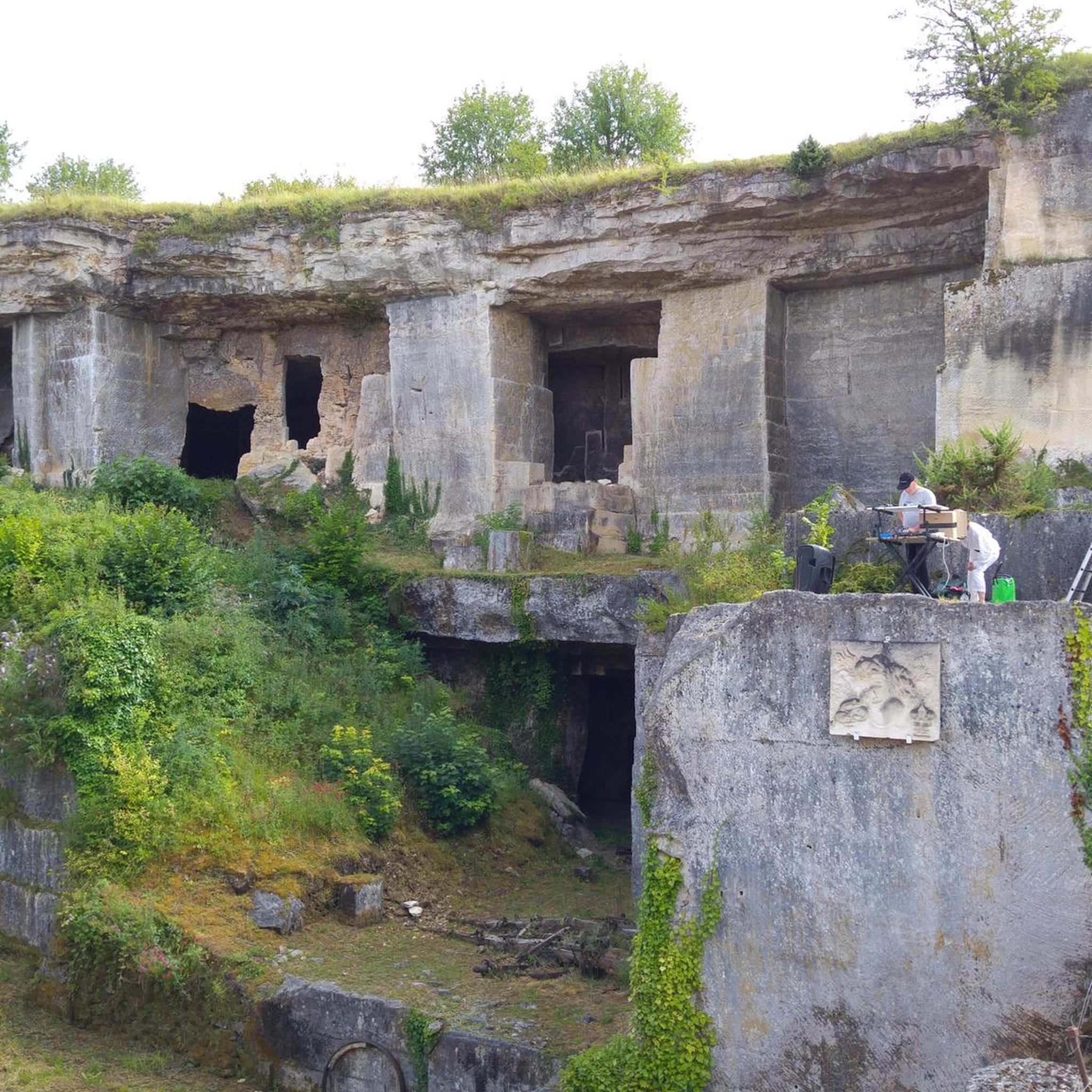
The Giraud d'Anqueville, lords of Bois-Charente, built the castle in the 16th century. The main building has a 16th century tower and extensions dating from the 19th century. In 1680, the castle passed through marriage to François Goulard, lord of La Faye, and it became the property of Jean Thioulet, gentleman of the king, at the beginning of the 18th century. Bois-Charente belonged in 1900, at the beginning of the 20th century, to Jean Fougerat known as Élie, a wealthy owner and benefactor for the development of the Cognac vineyard. The Charente pharmacist and winegrower Jean Fougerat (1863-1932) made a fortune by exploiting several pharmaceutical specialties, in particular the famous Rami syrup to treat the bronchi. This bachelor amassed a "considerable fortune", part of his income came from the exploitation of large vineyards that he had acquired around Graves-Saint-amant, his native land. Indeed, after the phylloxera, in 1897, he replanted 350 hectares of vines on his land acquired in the communes of Graves (logis de Bois Charente), Champmillon (domaine de la Chapelle), Saint-Preuil, in 1897 and Lignières-Sonneville between 1898 and 1901. In 1906, he harvested 22,000 hl of wine and produced 3,000 hl of brandy. He developed the logis de Bois Charente and enlarged its park. He planted more than 500 different species there. He set up a wine station where, with his colleagues, he prepared future plantations and improved the distillation processes. In the absence of immediate outlets, he distilled and aged the eau-de-vie and built numerous ageing cellars in Champmillon, Saint-Preuil and Bourg-Charente. When he died, Fougerat donated his estate and his Bois-Charente manor to the city of Angoulême, the universal legatee. She set up an "Institut de la viticulture charentaise" there (soon renamed the "Bureau interprofessionnel du cognac" and repatriated to Cognac in the 1980s). The Manor was active until the early 1980s, then between 2003 and 2016 it became an educational center for young people in judicial protection. The educational support was based on a high-end application restaurant, with the preparation of CAP and BEP certificates as a key. In his will, Jean Fougerat also had an imposing monument erected in Bois-Charente to the glory of Charente viticulture and cognac. Created by the sculptors R. Lamour de dieu and Émile Peyronnet, the work represents "six figures engaged in viticultural work, in bronze bas-relief; a distillery is engraved in marble". Jean Fougerat gave his name to a street in Angoulême and to his foundation, based in Graves-Saint-Amant. The latter supported the Institute of Viticultural Research in 1936, then currently supports the educational center with the CCAS.
0
0

Bourg-Charente castle is a 17th century mansion. Nestled on a rocky promontory, it is located a few kilometers from Cognac. It also houses the remains of a medieval fortress. Acquired in the 20th century, this château houses cellars for producing Grand Marnier. It can be visited from Monday to Friday from 8 a.m. to 5 p.m.
0
0

The ruins of Bouteville Castle were built around the year 1000 on the site of a Roman villa.
3
0
It is in this castle that the cognac cellars of the Marnier-Lapostolle family are located, used for the production of Grand Marnier cognac.
4
0


In 1262, the land of Bourg already belonged to the Ollivier family. In 1363, Sir Ollivier, Baron de Bourg, paid homage to the Prince of Wales, the remarriage of Eleanor of Aquitaine having made the castle of Bourg-Charente an English possession. It then passed to the Bragier, Gouffier, Pons de Pons families, to the Count of Miossens (lord of Pons and governor of Guyenne). The current castle was built by Pons de Pons, to replace the fortified castle destroyed by Marshal de Sancerre while trying to take it back from the English. A Le Camus de Neville was the last lord. In 1921, it was bought by the Marnier-Lapostolle family to set up its cognac cellars there, necessary for the production of Grand Marnier. Since 2012, there are also stills used for the distillation of bitter oranges used in the recipe for Grand Marnier liqueurs.
1
0
Construction of the second half of the 19th century, the castle of Gademoulin stands proudly in the town of Gensac-la-Pallue. Neo-Gothic in style, it takes place on the remains of an old medieval castle destroyed in the 16th century during the protests against the salt tax. Sold as national property under the French Revolution, it now houses a luxury accommodation space.
0
0

a true wonder and at its feet, do not forget to visit a local artisan manufacturer of balsamic vinegars sold in the best restaurants!
0
0
Frequently Asked Questions
What are some of the most popular castles to visit near Saint-Même-Les-Carrières?
The komoot community particularly enjoys Saint-Brice Castle, known for its 16th-century construction and ties to the Hennessy Cognac family. Another favorite is Bourg-Charente Castle, a 17th-century mansion housing Grand Marnier cellars, and the impressive ruins of Château de Bouteville, which dates back to around the year 1000.
Are there any family-friendly castles to visit in the region?
Yes, Bourg-Charente Castle is categorized as family-friendly. Its historical significance and unique connection to Grand Marnier production can be an interesting experience for all ages.
What kind of historical significance do the castles around Saint-Même-Les-Carrières have?
The castles in this region showcase a rich history, ranging from medieval origins, like the ruins of Château de Bouteville built on a Roman villa site, to 16th and 17th-century constructions such as Saint-Brice Castle and Bourg-Charente Castle. Many are also deeply intertwined with the local aristocracy and the renowned Cognac industry.
Can I explore the area around these castles through hiking or cycling?
Absolutely! The region offers various outdoor activities. You can find numerous hiking trails, such as the 'Bourg-Charente – Bourg-Charente Castle loop from Jarnac-Charente', or explore MTB trails like the 'Saint-Brice Castle – Bourg-Charente Castle loop from Jarnac-Charente'. For more options, check out the dedicated guides for Hiking around Saint-Même-Les-Carrières, MTB Trails around Saint-Même-Les-Carrières, and Gravel biking around Saint-Même-Les-Carrières.
What makes Bourg-Charente Castle unique?
Bourg-Charente Castle is a 17th-century mansion that uniquely houses cellars for producing Grand Marnier. It also incorporates remains of a medieval fortress, offering a blend of different historical periods and a fascinating connection to the region's famous spirits.
Are there any castles with connections to the Cognac industry?
Yes, Saint-Brice Castle has been owned by the Hennessy Cognac family since 1906. Additionally, Bourg-Charente Castle is home to the cognac cellars of the Marnier-Lapostolle family, used for Grand Marnier production, and even has stills for distilling bitter oranges.
What can I expect to see at Château de Bouteville?
Château de Bouteville offers the impressive ruins of a castle built around the year 1000 on the site of a Roman villa. It dominates the Charente valley, providing spectacular views. The most striking view of the castle can be found by taking the D 152 towards Malaville.
Is there a castle that has been converted into accommodation?
Yes, Gademoulin Castle in Gensac-la-Pallue, a Neo-Gothic construction from the second half of the 19th century, now houses a luxury accommodation space. It stands on the remains of an older medieval castle.
What is the history behind the Manor of Bois-Charente?
The Manor of Bois-Charente was originally built in the 16th century by the Giraud d'Anqueville family. It later became the property of Jean Fougerat, a wealthy pharmacist and winegrower who significantly developed the Cognac vineyard. He bequeathed his estate to the city of Angoulême, which established an Institute of Viticultural Research there.
Are there any viewpoints near the castles?
Yes, Château de Bouteville is noted as a viewpoint, offering an imposing presence dominating the Charente valley. The most spectacular view of this castle can be seen from the D 152 towards Malaville.
What do visitors appreciate most about the castles around Saint-Même-Les-Carrières?
Visitors appreciate the diverse architectural styles and the rich historical narratives tied to the local aristocracy and the Cognac industry. The variety of castles provides insights into different periods of French history, from medieval ruins to 17th-century mansions, all within easy reach of Saint-Même-Les-Carrières.
Most popular routes around Saint-Même-Les-Carrières
Most popular attractions around Saint-Même-Les-Carrières

Get inspired with the komoot mobile app


Explore more
Looking for the best castles somewhere else? Discover other guides around Saint-Même-Les-Carrières:
