Top 9 Castles around Saint-Didier-Au-Mont-D'Or
Best castles around Saint-Didier-Au-Mont-D'Or are found in a region known for its historical châteaux and strategic forts, situated north of the Lyon conurbation. This area, part of the Monts du Lyonnais, features a landscape blending historical architecture with natural spaces like parks and wooded areas. Many of these historical sites, ranging from medieval fortified houses to Renaissance mansions, contribute to the rich heritage of the region. While some are private residences, their architectural presence offers insight into centuries of history.
…Last updated: July 4, 2026
Fort du Paillet
Highlight • Historical Site
Translated by Google •
Tip by

Rochetaillée-sur-Saône Castle
Highlight • Castle
Translated by Google •
Tip by

Sign up now to discover places like this
Get recommendations on the best single tracks, peaks, & plenty of other exciting outdoor places.
Sign up for free
Fort de Bruissin
Highlight • Historical Site
Today, Contemporary Art Center.
Translated by Google •
Tip by
Fort de Vancia
Highlight • Monument
Translated by Google •
Tip by

Château le Poirier
Highlight • Castle
Translated by Google •
Tip by

Sign up for free to discover even more castles around Saint-Didier-Au-Mont-D'Or.
Sign up for free
Already have an account?
Start today with a free account
Your next adventure awaits.
Login or Signup
Popular around Saint-Didier-Au-Mont-D'Or

Tips from the Community

A large part (3/4) of the hike is on shaded paths and very pleasant pedestrian/bicycle paths. Only the last part (1 good km) is on a narrow road without a sidewalk, less pleasant.
0
0

Built between 1883 and 1886, Fort du Paillet was part of the fortified belt of Lyon. This well-preserved site housed up to 400 soldiers and controlled the strategic routes to Paris. Decommissioned in 1899, it was an internment center during the Second World War. Today, a trail allows you to discover its 35 hexagonal markers and its rich military past. A place combining history and nature, perfect for a break on your trail or hike.
0
0

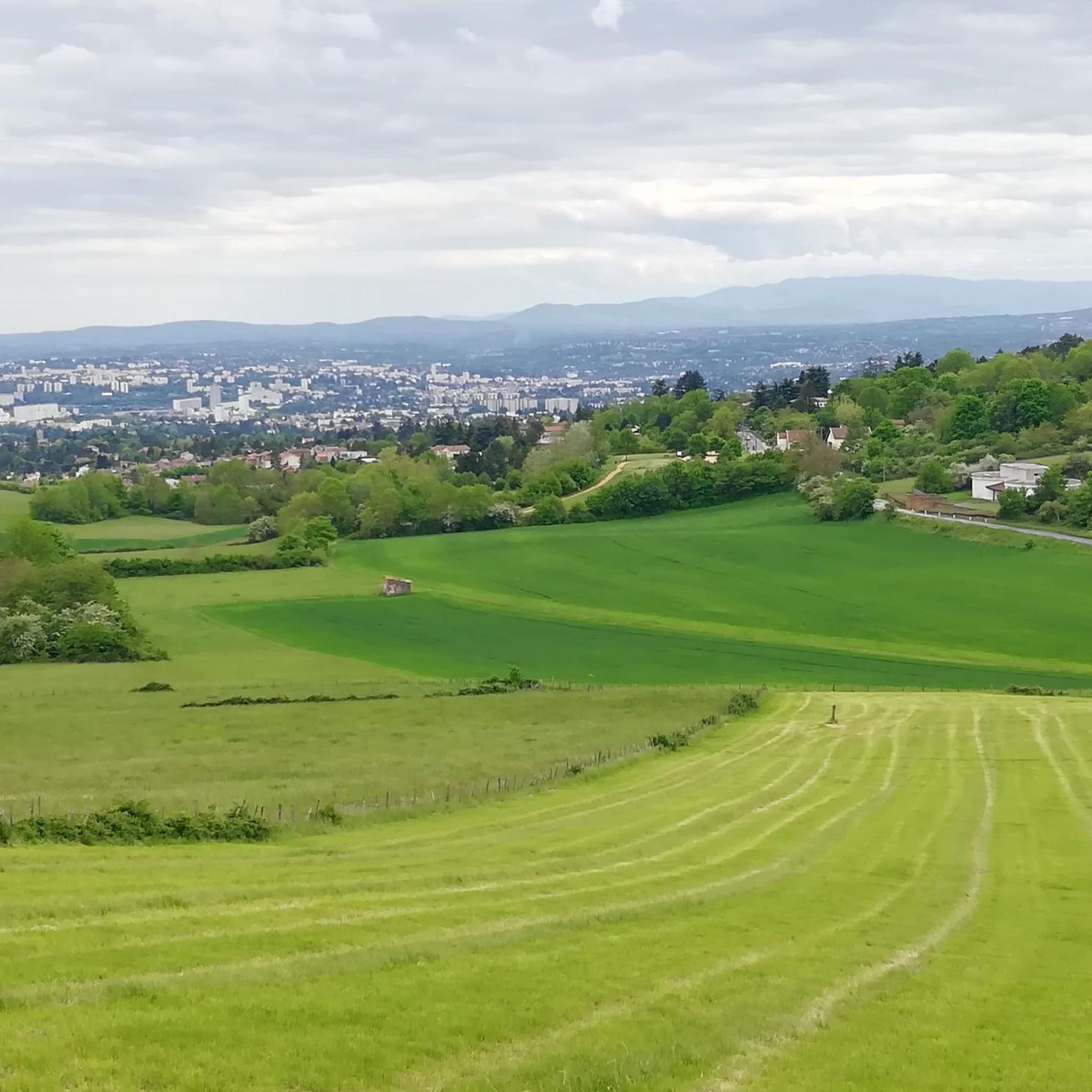
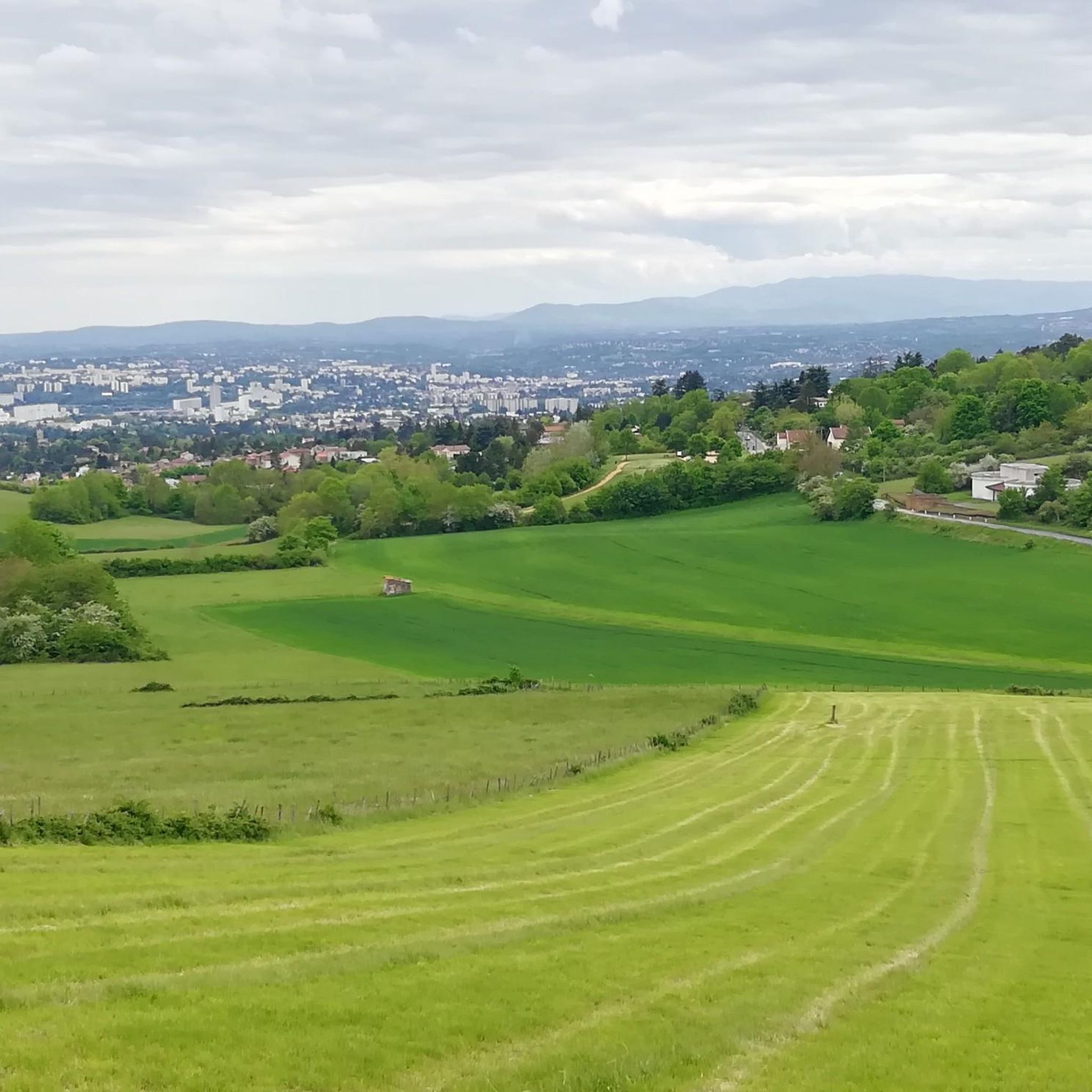
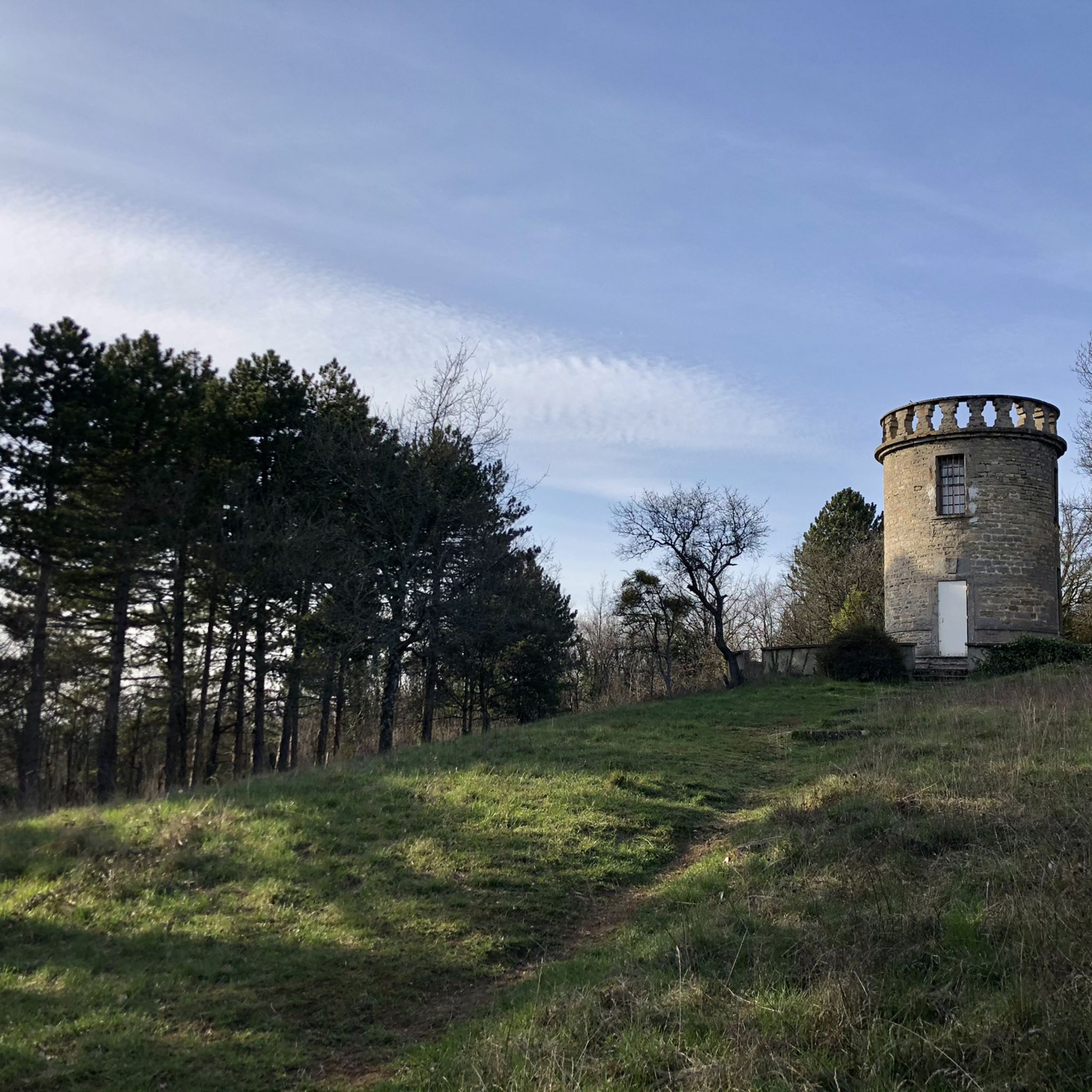
The Fort du Paillet, located in the Monts du Lyonnais, is a historic site surrounded by nature offering a breathtaking view of the surrounding region. This fort, once strategic, is today a peaceful place where vegetation has regained its rights, creating a unique setting for a walk.
0
0

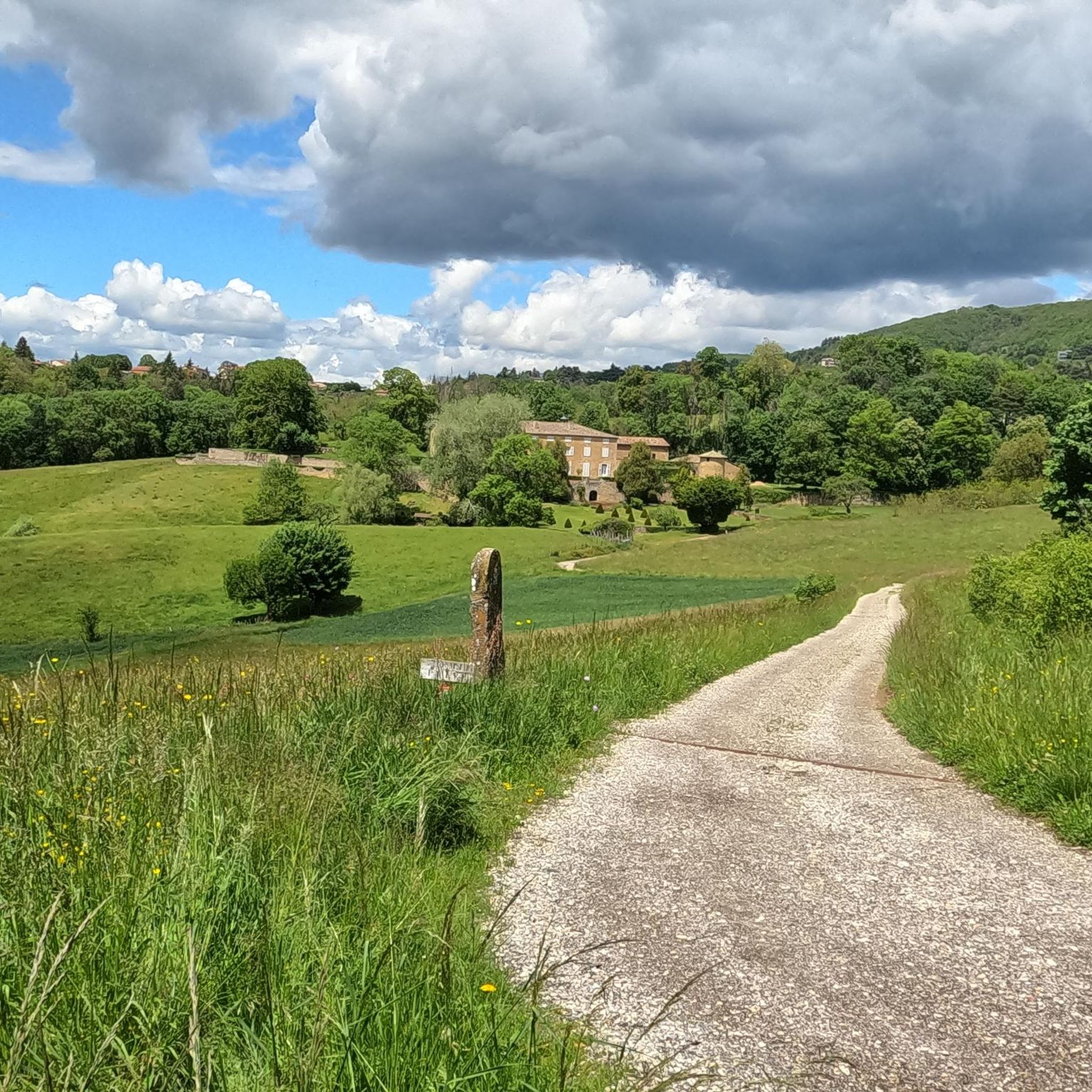
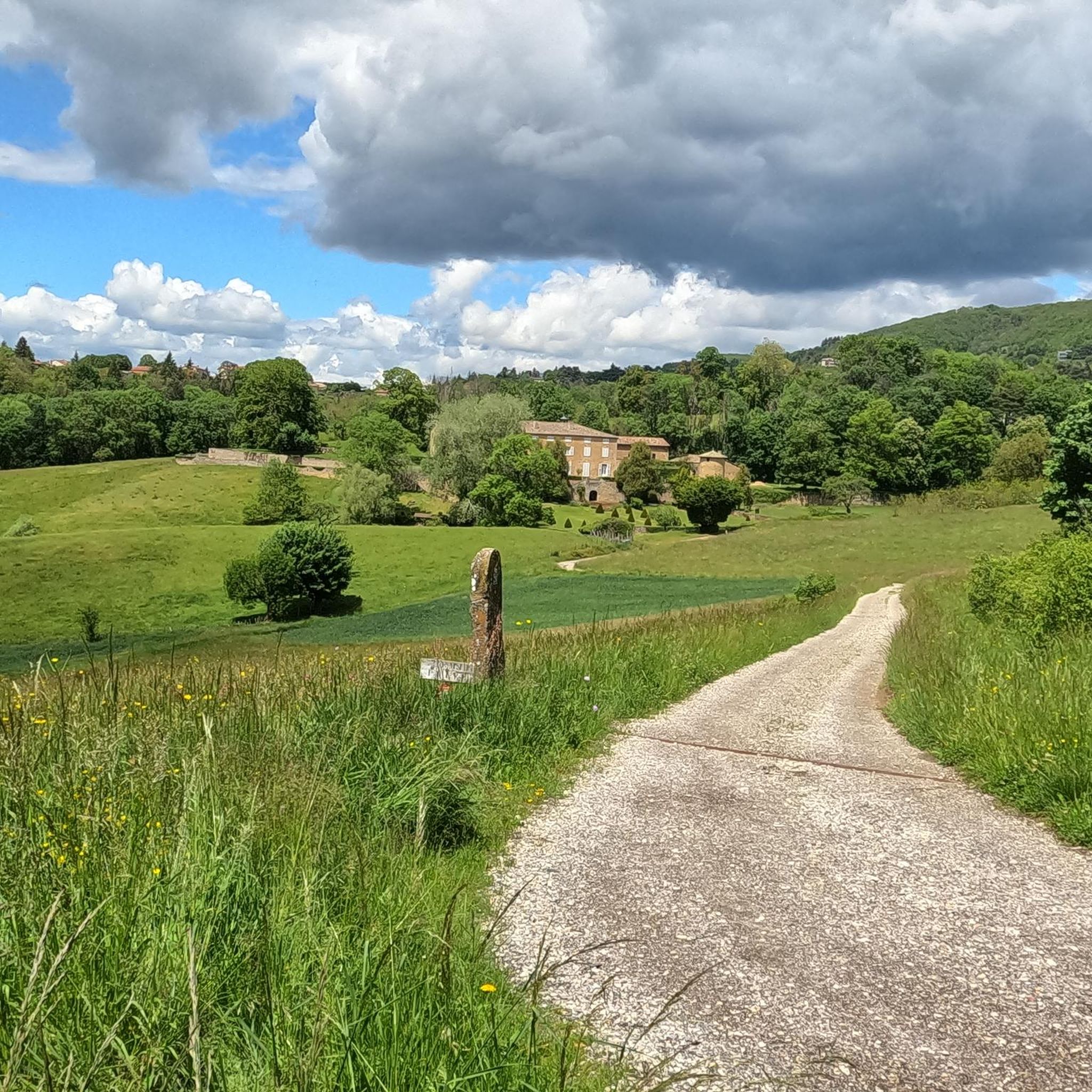
Chateau le Poirier is nestled in the picturesque countryside and offers you a blend of history and scenic beauty. This historic estate, surrounded by its gardens, gives you a glimpse of the grandeur of its past through its well-preserved architecture and majestic presence.
1
0

Built at the highest point of Francheville, this fort made it possible to control the south-west entrances to Lyon. It served as an ammunition depot for the Germans during the Second World War. Today this place has become a living space for artistic creation and host of arts and music festivals.
0
0
Built between 1874 and 1878, Fort de Vancia is part of the second defensive belt of the city of Lyon. Designed by General Séré de Rivières, the 14 forts, including that of Vancia, served to protect the city from Prussian and Italian invasions. The secondary objective was to control the Lyon insurrections such as the revolt of the Canuts.
0
0
Built between 1883 and 1886 as part of the protection of Lyon, this fort could shelter up to 300 men. Today the walk around the fort is most pleasant when the weather is nice.
0
0

The castle of Rochetaillée is a former fortified castle, from the 12th century1, remodeled in the 19th century1, which stands in the town of Rochetaillée-sur-Saône in the Metropolis of Lyon in the Auvergne-Rhône-Alpes region. The castle houses the Henri-Malartre automobile museum.
2
0
Frequently Asked Questions
Which castles around Saint-Didier-Au-Mont-D'Or are open to the public?
Many historical châteaux in Saint-Didier-Au-Mont-D'Or are private residences and not open for public visits. However, you can explore sites like Fort du Paillet, Fort de Bruissin, and Fort de Vancia, which are part of Lyon's defensive belt and offer historical exploration. Lacroix-Laval Park also features a superb castle within its large natural space, accessible to visitors.
Are there family-friendly castles or historical sites to visit in the area?
Yes, several sites are great for families. Lacroix-Laval Park is a large natural space with meadows, ponds, and a castle, perfect for a family day out. The grounds of Fort du Paillet and Fort de Bruissin also offer pleasant walks and historical exploration suitable for all ages.
What kind of historical architecture can I expect to see among the castles?
The region showcases a diverse range of architectural styles. You can find medieval fortified houses, Renaissance mansions, and 19th-century forts. For example, the Château de Fromente exhibits elements from the Middle Ages, Renaissance, and 19th century, while the Château de Saint-André du Coing (a private property) dates back to the 16th century. The forts, like Fort du Paillet, are examples of late 19th-century military architecture.
Are there hiking trails near the castles around Saint-Didier-Au-Mont-D'Or?
Absolutely! The Mont d'Or area is excellent for hiking. You can find numerous trails, including loops like 'Mount Thou – Caborne' or 'La Porte du Pinay – The stairs'. Many of these trails offer views of the surrounding landscape and may pass by historical sites. For more details on routes, check out the Hiking around Saint-Didier-Au-Mont-D'Or guide.
Can I cycle or mountain bike near these historical sites?
Yes, the region offers great opportunities for cycling and mountain biking. There are routes like the 'Col de la Luère (714 m) – Malval Pass (732 m) loop' for touring bicycles, and 'Rampau Cross Viewpoint – The S-curves of Mont Verdun loop' for mountain biking. These routes often traverse scenic areas near the historical forts and châteaux. Explore more options in the Cycling around Saint-Didier-Au-Mont-D'Or and MTB Trails around Saint-Didier-Au-Mont-D'Or guides.
Which castles offer good viewpoints of the surrounding region?
The Fort du Paillet, located in the Monts du Lyonnais, provides breathtaking views of the surrounding area. Lacroix-Laval Park also features various viewpoints across its extensive landscaped green space.
What is the history behind the forts in the Saint-Didier-Au-Mont-D'Or area?
The forts, such as Fort du Paillet, Fort de Bruissin, and Fort de Vancia, were built in the late 19th century (between 1874 and 1886) as part of Lyon's defensive belt after the Franco-Prussian War. Their purpose was to protect the city from invasions and control its entrances. Today, they serve various purposes, from historical sites to centers for artistic creation.
Are there any castles that house museums or special attractions?
The Rochetaillée-sur-Saône Castle, though slightly further afield, is notable for housing the Henri-Malartre automobile museum. Fort de Bruissin has been transformed into a center for artistic creation, hosting arts and music festivals.
Can I visit the Château de Saint-André du Coing or Château de Fromente?
The Château de Saint-André du Coing is a private property and not open for visits, despite its historical monument status. The Château de Fromente serves as the Chevreul-Fromente college, and while historically significant, access is primarily for those associated with the college. You can often admire their exteriors from nearby public areas or during hikes.
What do visitors enjoy most about the castles and historical sites in this region?
Visitors appreciate the blend of history and nature. The forts offer pleasant walks around their grounds and often provide scenic views. Lacroix-Laval Park is loved for its vast green spaces, valleys, meadows, and ponds, providing a tranquil escape. The historical significance and diverse architecture of the châteaux, even those not publicly accessible, contribute to the rich heritage that visitors find appealing.
Are the historical sites around Saint-Didier-Au-Mont-D'Or accessible by public transport?
While specific public transport routes to each individual château or fort can vary, Saint-Didier-Au-Mont-D'Or is part of the Lyon conurbation, which has a public transport network. It's advisable to check local bus routes or regional transport options for the specific site you plan to visit, as some may require a short walk from the nearest stop.
Is it possible to visit these castles during winter?
Most outdoor historical sites like the grounds of Fort du Paillet, Fort de Bruissin, and Lacroix-Laval Park remain accessible in winter, weather permitting. However, some facilities or specific areas might have reduced hours or be closed. It's always best to check the current status before your visit and dress appropriately for cold weather.
Most popular routes around Saint-Didier-Au-Mont-D'Or
Most popular attractions around Saint-Didier-Au-Mont-D'Or

Get inspired with the komoot mobile app


Explore more
Looking for the best castles somewhere else? Discover other guides around Saint-Didier-Au-Mont-D'Or:
