Top 7 Castles around Lannion
Best castles around Lannion are found in a region rich in history, offering glimpses into the past. While Lannion itself does not host major castles, several notable examples are located nearby, providing day-trip opportunities. This area of Brittany features diverse historical periods and architectural styles. The castles are often set against picturesque backdrops, including forested valleys and the rugged coastline.
Best castles around Lannion
- The most popular castles is Tonquédec Castle, a castle that dominates the Léguer river by…
Last updated: August 25, 2026
view of Costaérès Island and Castle
Highlight • Castle
Translated by Google •
Tip by

Bastille Beach
Highlight • Castle
Translated by Google •
Tip by

Sign up now to discover places like this
Get recommendations on the best single tracks, peaks, & plenty of other exciting outdoor places.
Sign up for free
Tonquédec Castle
Highlight • Castle
Translated by Google •
Tip by

View of Costaérès castle
Highlight • Castle
Translated by Google •
Tip by

View of Château de Costaérès
Highlight • Viewpoint
Translated by Google •
Tip by
Domaine du bois Riou
Highlight • Castle
Translated by Google •
Tip by
Château de Rosanbo
Highlight • Castle
Translated by Google •
Tip by

Start today with a free account
Your next adventure awaits.
Login or Signup
Popular around Lannion
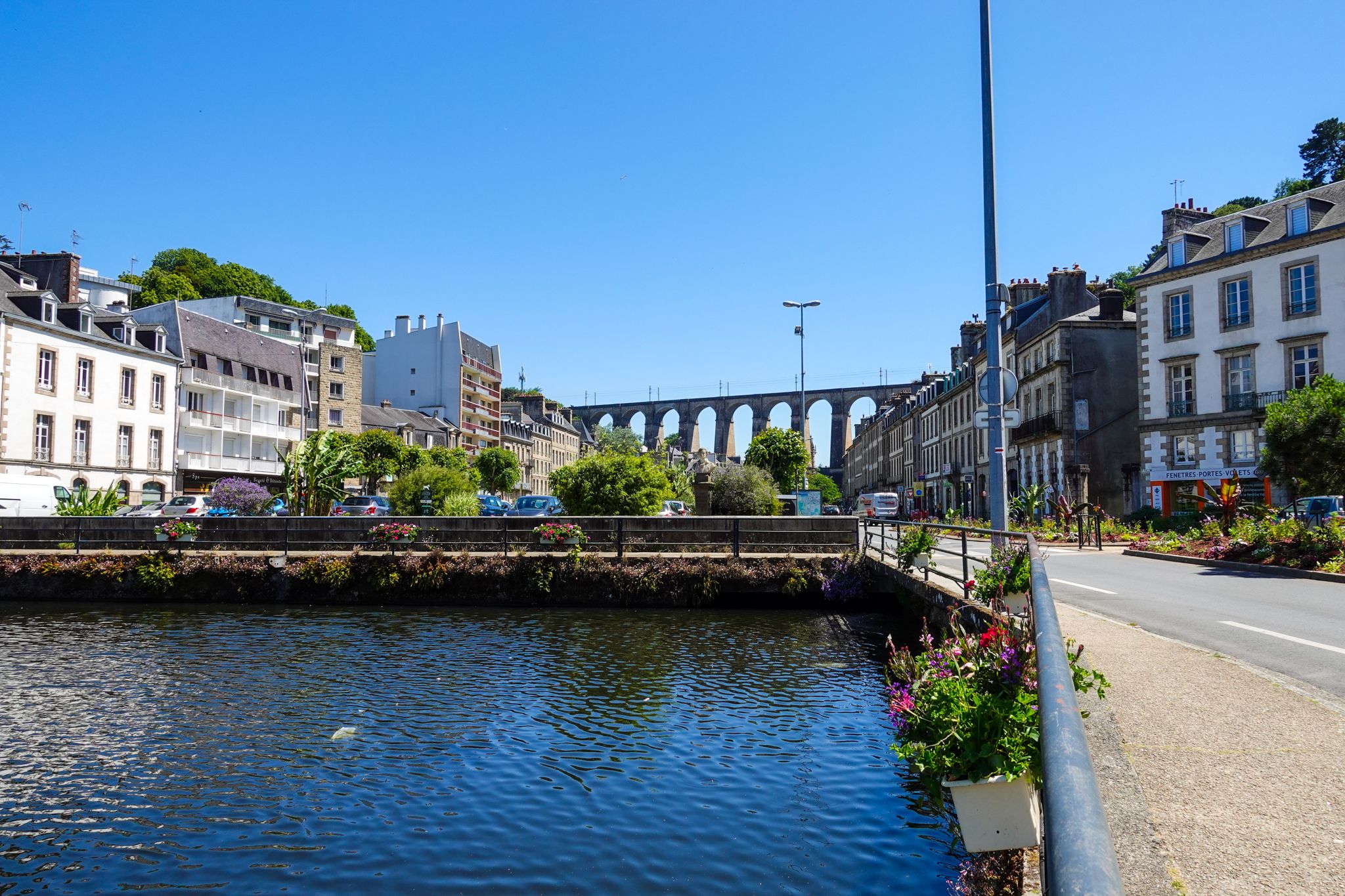
EuroVelos 1 and 4 — Cycle-touring a week in Brittany
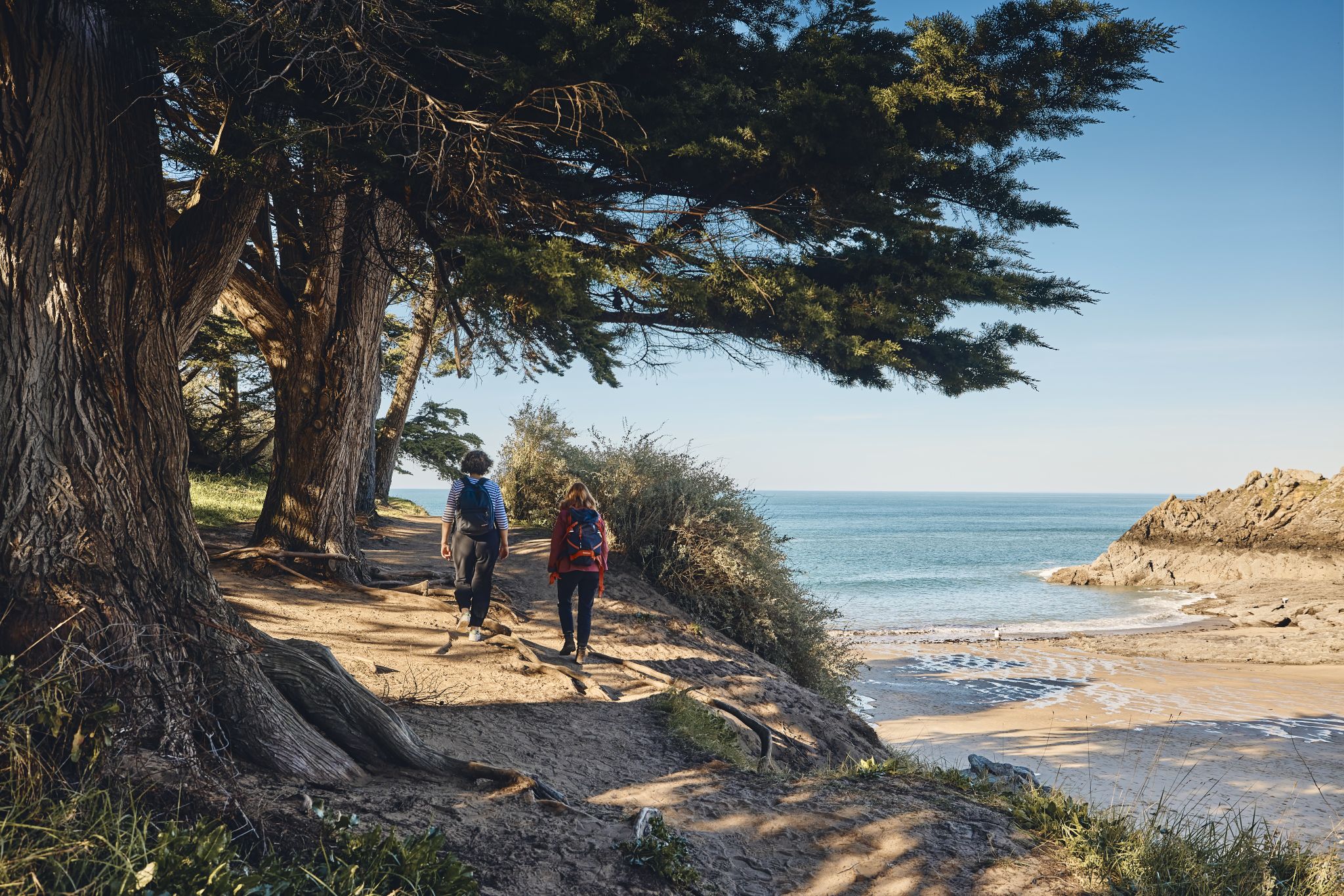
10 of the most beautiful walks in Brittany
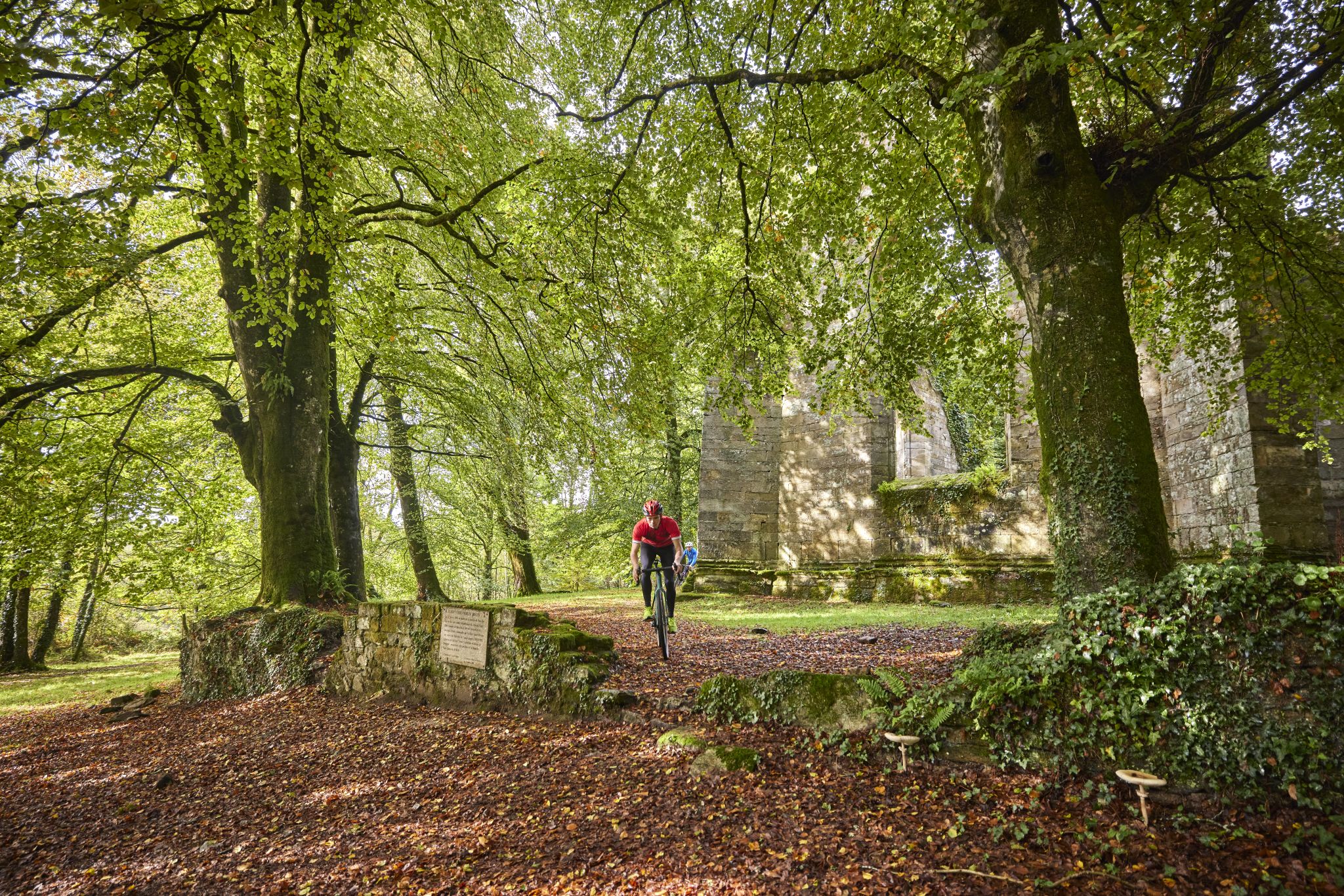
7 gravel routes to discover in Brittany
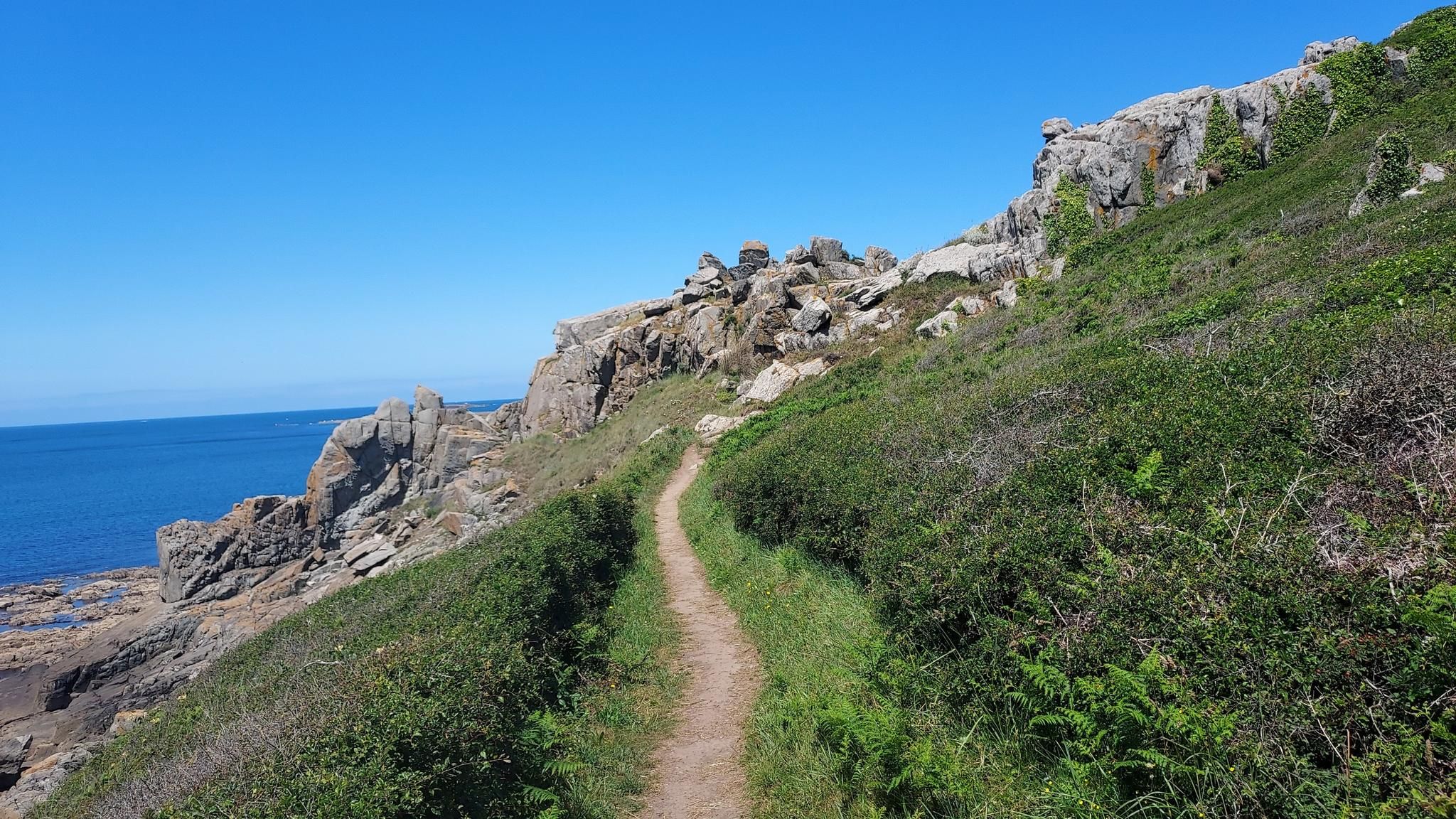
Customs Officers’ Path – GR 34 between Lannion and Paimpol
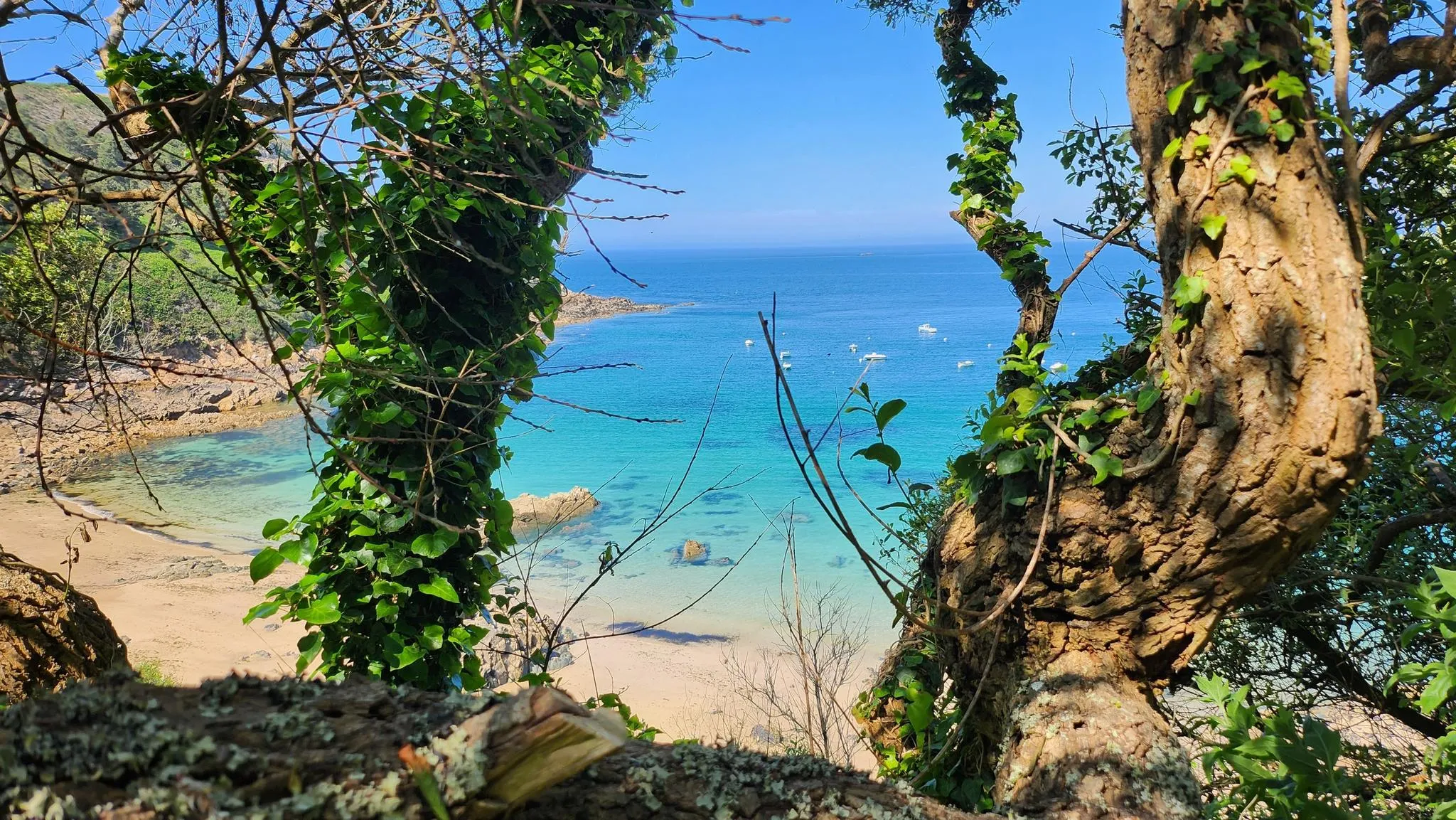
The Customs Officers’ path – GR 34 in Brittany between Morlaix and Lannion
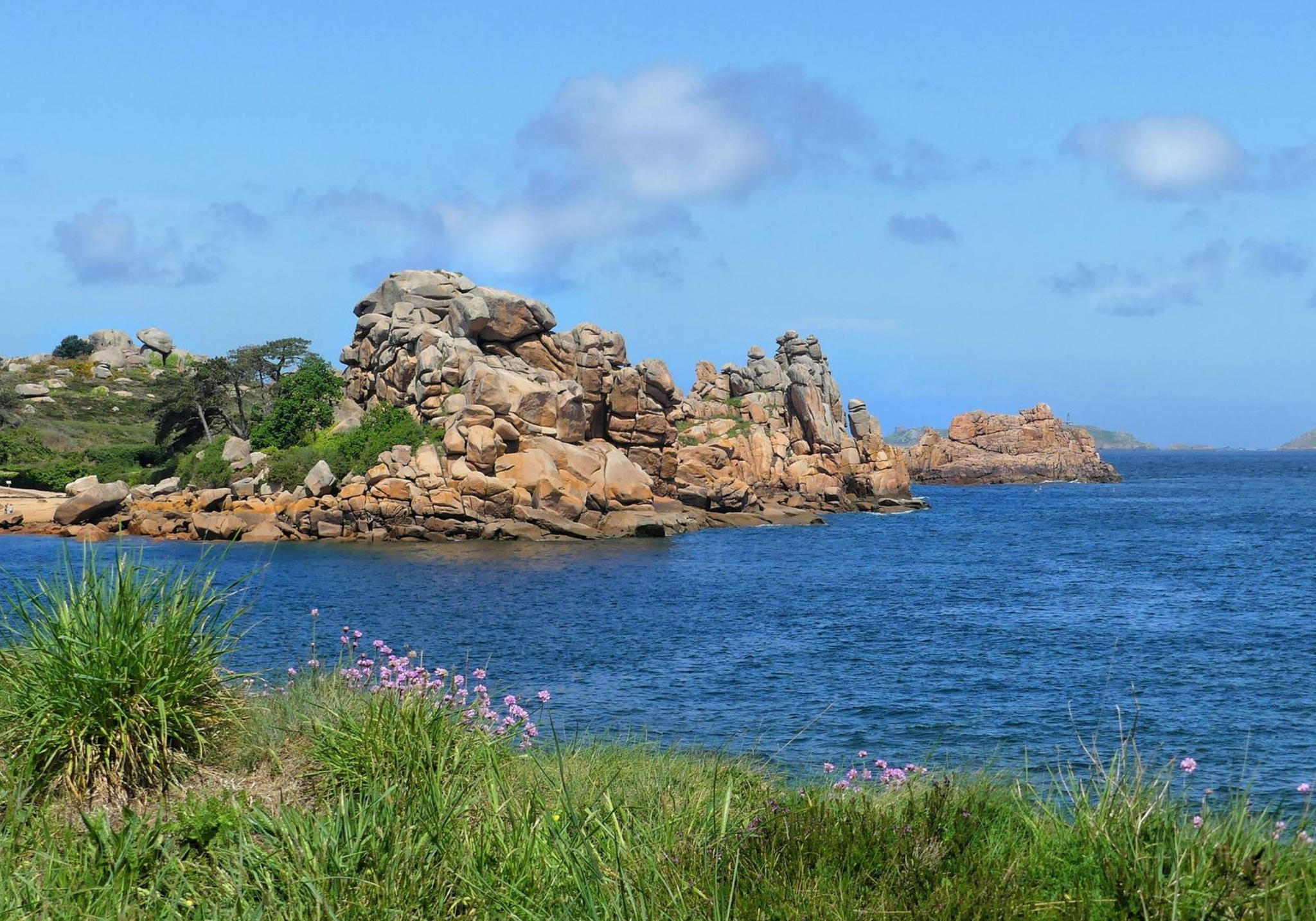
A hiking break in Brittany
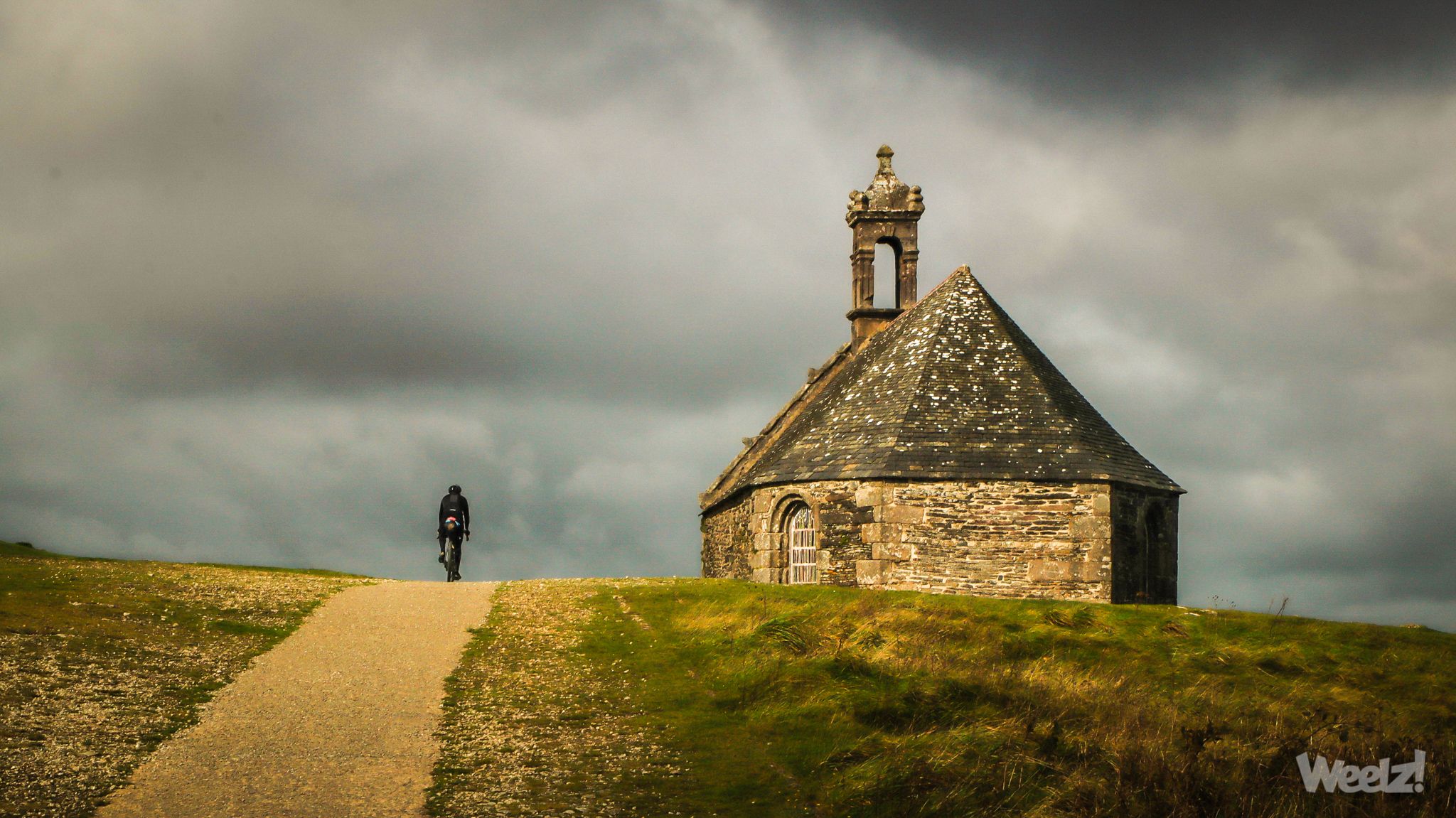
The Seven Saints Pilgrimage — France’s Tro Breizh revisited
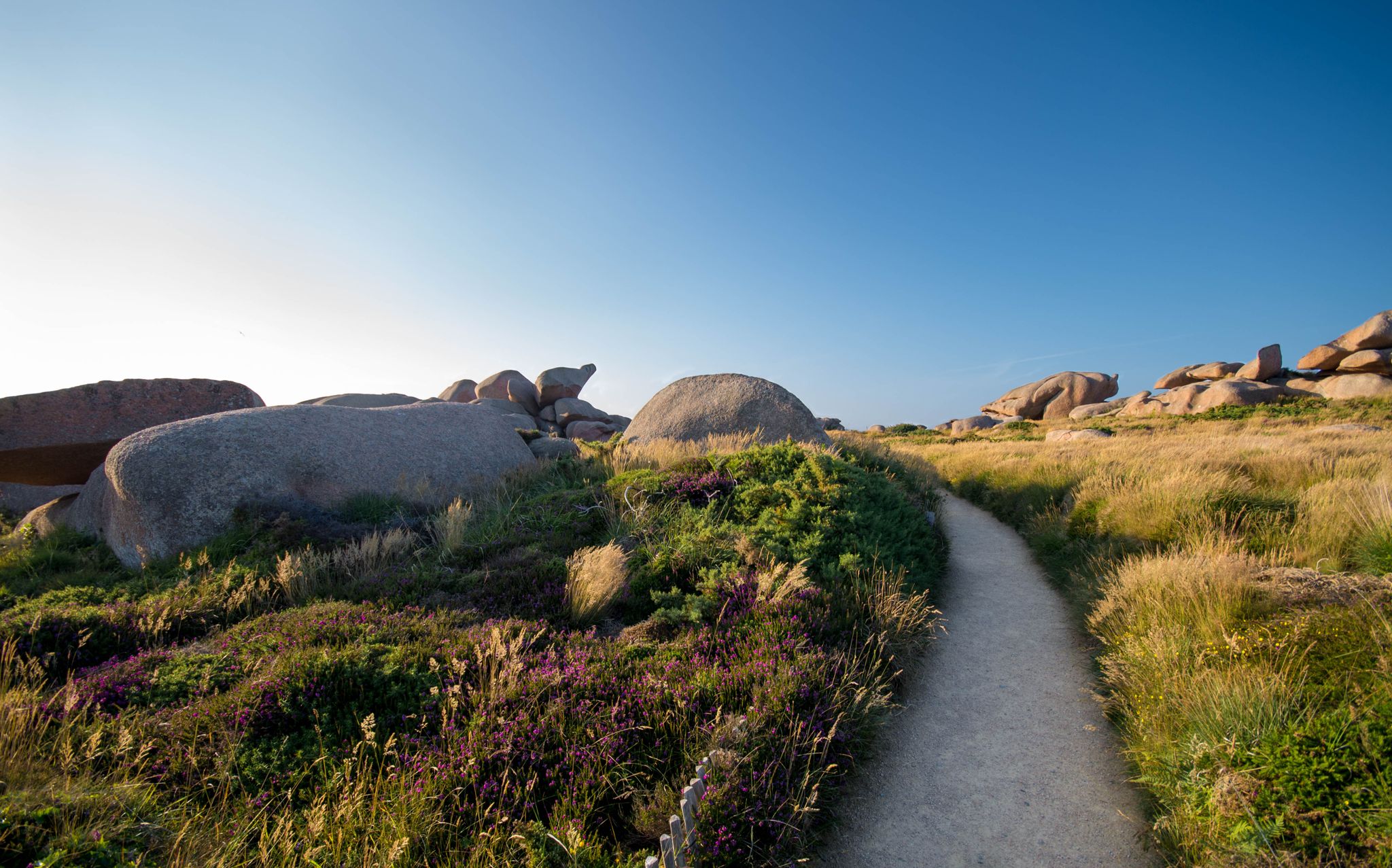
A Breton hike from Bréhec to Perros-Guirec — France’s GR 34A
From pink granite to the Opal Coast — cycle France’s la Vélomaritime
Coastlines of the English Channel — Tour de Manche
Other adventures around Lannion


Tips from the Community


The bay is surrounded by large granite rocks and is only fully accessible at low tide, as the sandy beach largely disappears at high tide.
1
0
The neo-Gothic castle, with its towers and battlements, was built in the early 20th century. Although the island is private and the castle is off-limits, it is clearly visible from hiking trails such as the Sentier des Douaniers or from the water. Over the years, it has served as a summer residence and meeting place for artists and celebrities.
1
0

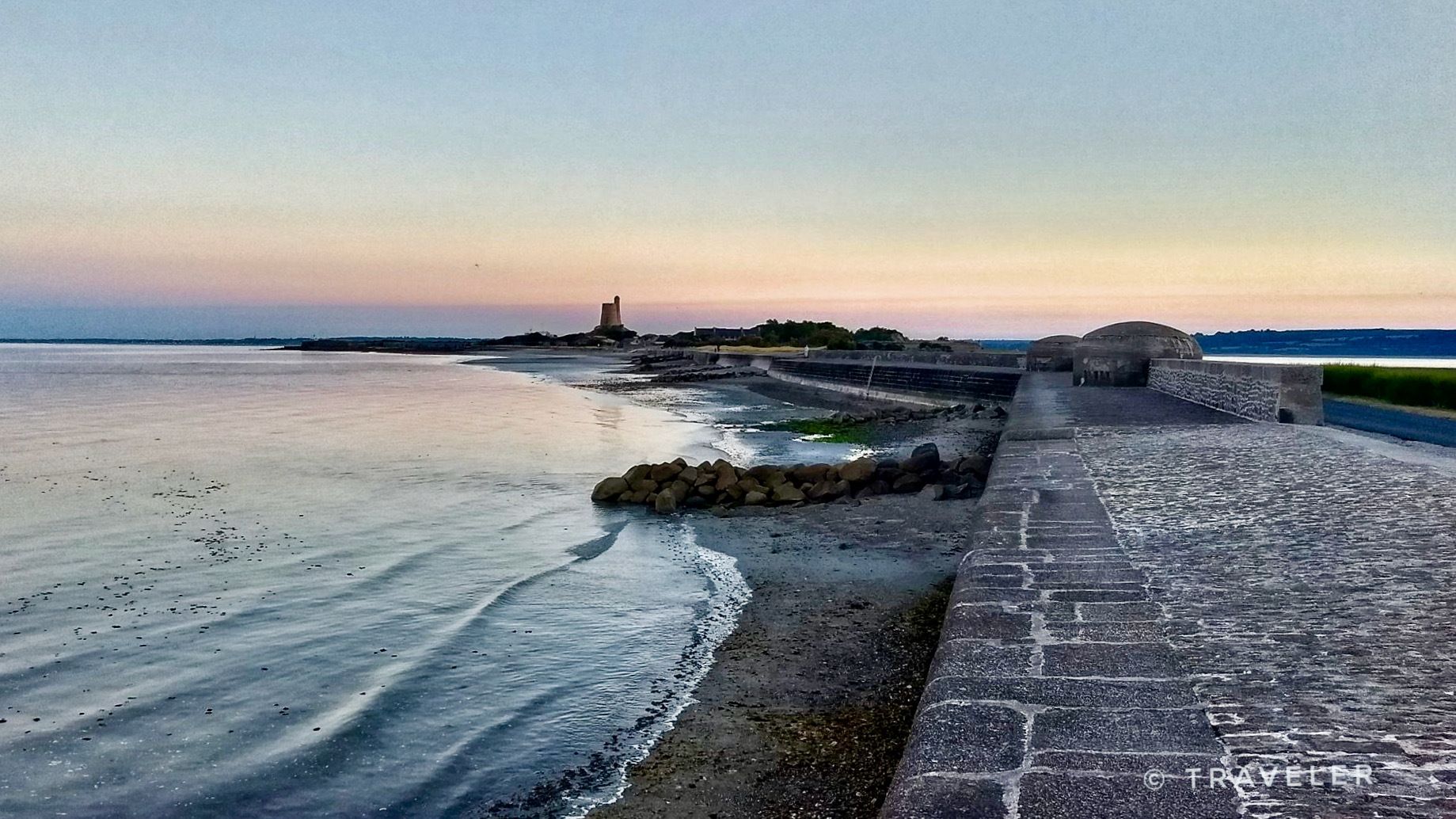
Bastille Beach (Plage de la Bastille) is a small beach in the commune of Perros-Guirec in Brittany, France, known for its view of Château Costaérès. It is located between the port and Saint-Guirec Beach, near Ploumanac'h.
1
0
Costaérès Castle (French: Château de Costaérès, Breton: Kastell Kostaerez) is a neo-Gothic manor house built in the 1890s. It was commissioned by the Lithuanian-Polish mathematician, electrical engineer, and inventor Bruno Abdank-Abakanowicz on a previously uninhabited island of the same name. Because of its magnificent architectural design, it is also referred to as a castle (French: château). The island with the castle is located in the Côtes-d'Armor department in Brittany, France, off the Côte de Granit Rose. Administratively, the manor house belongs to the municipality of Ploumanac'h, but is still located within the municipality of Trégastel. In 1988, the German comedian and actor Dieter Hallervorden purchased the property and had it converted into a second home.
3
0


A medieval fortress originally built in the 12th century and reconstructed multiple times throughout its turbulent history. The castle was demolished in 1395 by the Duke of Brittany due to its owner's rebellion, then rebuilt in 1406, and partially dismantled again in 1626 on Richelieu's orders after another conspiracy. The fortress features impressive defensive architecture including a barbican, gatehouse with 6-8 meter thick walls, and two major towers - the Tour de Rougé and Tour d'Acigné - both over 20 meters high.
2
0

Frequently Asked Questions
Which castles near Lannion are most popular with visitors?
Among the castles near Lannion, Tonquédec Castle is highly regarded for its impressive medieval architecture and strategic position overlooking the Léguer river. Fort de La Latte is also a very popular choice due to its dramatic coastal location and well-preserved defensive features. The unique Château de Costaérès, though not publicly accessible, is a frequently admired landmark from the mainland.
Are there any family-friendly castles to visit around Lannion?
Yes, Château de Hunaudaye is an excellent choice for families. It offers engaging and educational experiences, including guided tours, 3D experiences, exhibitions, and often hosts family-friendly activities and workshops to help children discover the Middle Ages. The well-preserved Fort de La Latte also provides an immersive experience into military history that can be fascinating for all ages.
Which castles near Lannion welcome dogs?
Dogs on a leash are welcome in the domain of Château de Tonquédec, allowing you to explore the grounds with your canine companion. For other castles, it's advisable to check their specific pet policies before visiting.
Are there any accessible castles for visitors with reduced mobility?
Fort de La Latte is partially accessible to people with reduced mobility, allowing some visitors to experience its spectacular location and medieval architecture. For other castles, accessibility can vary, so it's recommended to contact them directly for specific details regarding your needs.
What is the best time of year to visit the castles around Lannion?
Most castles, like Château de Tonquédec, are open to the public from April to October. This period generally offers pleasant weather for exploring the grounds and interiors. Visiting during the shoulder seasons (spring and autumn) might provide a more uncrowded experience compared to the peak summer months.
Can I find castles that are open during the winter months near Lannion?
Many castles in the region, such as Château de Tonquédec, typically close for the winter season, usually from November to March. It's best to check the individual castle's official website for their specific opening hours and seasonal closures before planning a winter visit.
What kind of outdoor activities can I do near these castles?
The region around Lannion offers various outdoor activities. You can find numerous cycling routes, including La Vélomaritime: Lannion to Perros-Guirec, and easy loops like Île-Grande — loop. For running, explore trails like The tour of l'Ile Grande or the Customs Path: Pointe de l'Armorique Loop. Mountain biking enthusiasts can enjoy routes such as the Mountain Bike Trail – Tonquédec loop near Tonquédec Castle.
What makes Château de Rosanbo unique among the castles in the area?
Château de Rosanbo stands out as a 14th to 18th-century castle that has been continuously inhabited by the same family for over 500 years. It features richly furnished interiors, a vast library, and magnificent formal French gardens designed by Achille Duchêne, including one of France's longest vaulted hornbeam hedges. It offers a unique glimpse into centuries of noble life and architectural evolution.
Can I visit the Château de Costaérès?
The Château de Costaérès, a distinctive neo-medieval mansion built of pink granite on a small island, is not open to the public. However, its unique architecture and dramatic seaside location make it an iconic sight best admired from the mainland, particularly from Tourony beach. At low tide, you can often walk closer to the island for a better view, and the surrounding coastal paths (GR34) offer stunning photographic opportunities.
Are there any ruins or less-preserved castles to explore for historical interest?
Yes, the ruins of Château de Coatfrec, a 14th-century medieval fortress, offer a glimpse into medieval Breton building methods and defensive features. While generally not open to the public except for special heritage events, it holds significant archaeological and historical interest for those keen on exploring less-preserved sites.
What can I expect to see at Château de Bienassis?
Château de Bienassis is a 15th and 17th-century stately home that is still inhabited. Visitors can explore its furnished ground floor, including the great salon, guardroom, medieval kitchens, and an 18th-century dining room. The castle also boasts elegant French-style gardens, moats, stables, and a chapel. Both guided and self-guided tours, enhanced with audio and virtual reality, provide an immersive experience of its eight centuries of history.
How can I get to Château de Tonquédec?
Château de Tonquédec is located about 8.5 km south of Lannion. It is accessible by car, and its picturesque, forested backdrop overlooking the Léguer Valley makes for a scenic drive. Specific directions can be found using GPS or local maps, leading you directly to this impressive medieval site.
Most popular routes around Lannion
Most popular attractions around Lannion

Get inspired with the komoot mobile app


Didn’t find what you were looking for?
Explore Lannion’s best castles region by region:
