Attractions and Places To See in Messenia - Top 20
Best attractions and places to see in Messenia include a diverse landscape of historical sites, natural wonders, and coastal areas. This region in Greece offers a mix of ancient ruins, dramatic gorges, and waterfalls. Visitors can explore a variety of environments, from mountainous terrain to serene beaches. Messenia provides numerous opportunities for outdoor activities and cultural discovery.
Best attractions and places to see in Messenia
- The most popular attractions is Polylimnio Waterfalls, a waterfall system featuring multiple cascades and pools. The area involves climbing and navigating smooth rocks, making it an engaging experience for those seeking a challenge.
- Another must-see spot is Nestor's Cave below old Navarino Castle ⛰️🗿, a cave steeped in Greek mythology. Inside, visitors can observe stalactites and stalagmites, with views of the surrounding coastline.
- Visitors also love Rindomo Gorge, a gorge known for its challenging terrain and scenic beauty. This route requires sturdy shoes and good physical condition due to climbing over large rocks.
- Messenia is known for its historical sites, natural monuments, and coastal settlements. The region offers a variety of attractions to see and explore, from ancient castles to picturesque beaches.
- The attractions in Messenia are appreciated by the komoot community, with more than 170 upvotes and over 80 photos shared.
Last updated: October 9, 2026
Nestor's Cave below old Navarino Castle ⛰️🗿
Highlight • Cave
Inside, you'll discover mesmerising stalactites and stalagmites while listening to the soothing sound of waves crashing nearby.
Tip by

Polylimnio Waterfalls
Highlight • Waterfall
Have already made some difficult tours in the Alps and think to be able to judge the difficulty of a hike.
Translated by Google •
Tip by

Sign up now to discover places like this
Get recommendations on the best single tracks, peaks, & plenty of other exciting outdoor places.
Kardamyli Old Town
Highlight • Historical Site
Translated by Google •
Tip by

Old Navarino Fortress (Palaiokastro)
Highlight • Castle
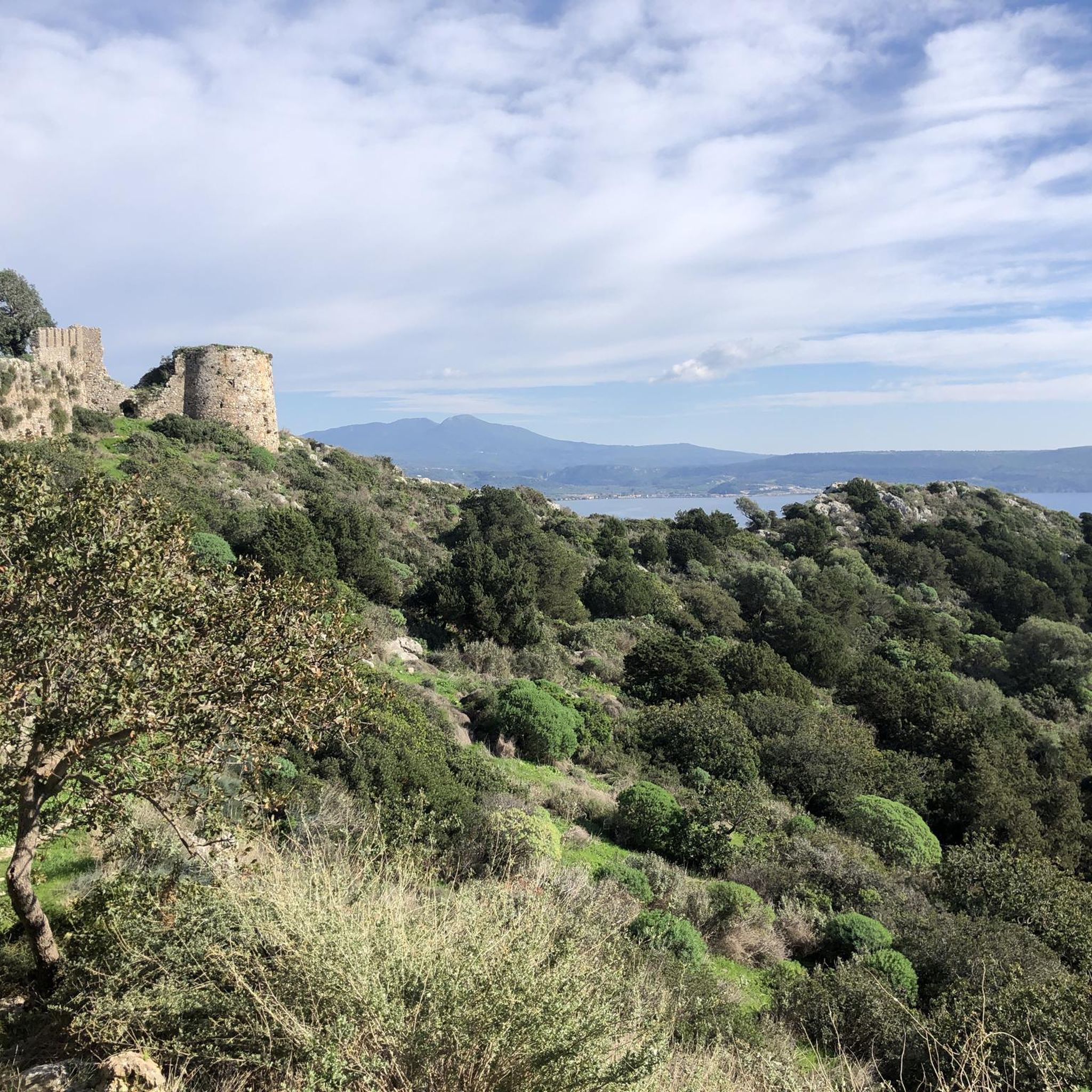
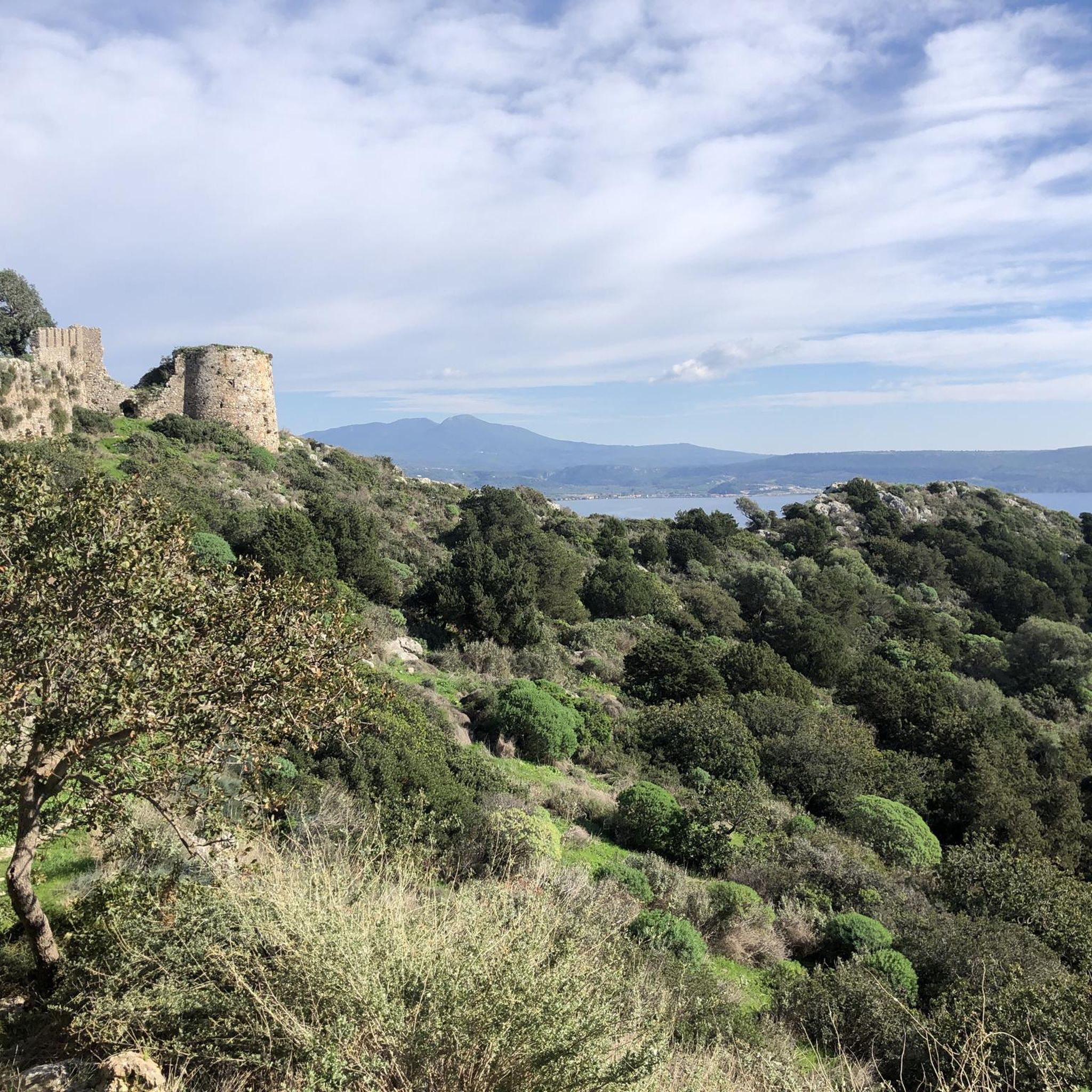
Perched on the hillside overlooking the bay, the views are spectacular. Just bear in mind that the castle is in poor condition today, so explore with care.
Tip by
Rindomo Gorge
Highlight (Segment) • Gorge
Translated by Google •
Tip by
Voidokilia Beach
Highlight • Beach
The beach is also steeped in mythology, with legends suggesting it may have been the location of Odysseus' homecoming.
Tip by
Old Town of Koroni
Highlight • Settlement
Translated by Google •
Tip by

Kalamaris Waterfall
Highlight • Waterfall
Translated by Google •
Tip by

Methoni Castle — main gate
Highlight • Castle
Translated by Google •
Tip by

Ancient Theater of Messene
Highlight • Historical Site
Translated by Google •
Tip by
Sign up for free to discover even more attractions in Messenia.
Already have an account?
Start today with a free account
Your next adventure awaits.
Other adventures in Messenia

Tips from the Community

The route necessarily passes (no alternative) through the castle entrance which could collapse on your head at any moment. Large holes are also present and are not signposted. Komoot should not suggest this hike.
0
0

Rewarding, "simple museum" that informs about the culture of Mani. Entrance fee for the entire ensemble (depending on status) €3-5
1
0

The climb to the cave is easy and offers a magnificent view of the bay and the coastal landscape. Those wishing to continue up to the fortress ruins face a well-secured but nonetheless challenging, strenuous, and steep ascent. Komoot's "easy" rating is therefore misleading.
2
0
According to the sign, entry is prohibited due to the danger of collapse!
2
0

The tour is definitely worth it, but there were some really difficult sections. It's "only" along the riverbed, but at 5'1" (1.54 m) I still had a bit of trouble climbing up some spots, as there were no good footholds and the rocks were slippery. It reminded me of bouldering. We also had to check two or three places where the climb was really difficult. Bring water and plan for at least four hours.
0
0

In 1498, the Ottomans conquered the city, which, like the entire Morea, came under the rule of Venice again from 1686 to 1715. During this phase, the Venetians expanded the land side of the fortress with modern bastions, although the work was not completed before they had to evacuate the Peloponnese. Sultan Bayezid II, who was trying to remove the Qizilbāsh, whom he considered infidel, from Anatolia, made the coastal areas of Greece, including Modon, a major destination for deportations.
1
0
During the Byzantine rule - a Venetian fleet conquered and plundered the city under the leadership of Doge Domenico Michiel as early as 1125 - and the Venetian rule that began in 1206, the city was provided with mighty city walls that are still very well preserved today. Methoni and the Koroni fortress on the east side of the finger served as the "two eyes of Venice" on the Peloponnese at the time and were important bases for shipping. The top management was appointed annually in Venice, more precisely in the Great Council there. In 1381, Michele Steno, the later Doge, took over the office of castellan of Modon and Koron together with Paolo Marcello. Another Doge, Giovanni Gradenigo, also held the post of castellan of the double fortress in his political career in 1358 and 1359.
1
0
Methoni is already mentioned in Homer's Iliad as Pedasos. The polis was an important trading and storage center in ancient times because of its natural harbor, but also of great military importance. Together with Pylos, it was the last to be held by the Messenians against Sparta in the Second Messenian War until 620 BC, but was then under Spartan rule until 370 BC. In 431 BC, the Athenians tried to conquer the city. During the Roman civil wars, Marcus Antonius heavily fortified Methoni, but Marcus Vipsanius Agrippa conquered the city before the Battle of Actium. The Roman Emperor Trajan declared Methoni a free city at the beginning of the 2nd century.
1
0
Frequently Asked Questions
What are the best natural attractions to visit in Messenia?
Messenia boasts several impressive natural sites. The Polylimnio Waterfalls offer a system of cascades and pools, though the terrain can be challenging. Another notable spot is Rindomo Gorge, known for its scenic beauty and demanding trails. For a unique experience, explore Nestor's Cave below old Navarino Castle ⛰️🗿, steeped in mythology with views of the coastline.
Are there family-friendly attractions in Messenia?
Yes, Messenia offers several family-friendly locations. The Methoni Castle is a great historical site for families to explore. Coastal towns like Koroni and Foinikounda 🏖️🏘️ provide beaches and charming settlements suitable for all ages. The Panorama of Kyparissia Port ⚓⛵ also offers pleasant views for a relaxed family outing.
What historical sites can I visit in Messenia?
Messenia is rich in history. You can explore the ancient ruins of Ancient Theater of Messene, offering a glimpse into the region's past. The Methoni Castle is a well-preserved medieval fortress, and Kardamyli Old Town provides a historical settlement experience with beautiful stone buildings.
What is the best time to visit Messenia for outdoor activities?
The best time to visit Messenia for outdoor activities like hiking and cycling is typically during the spring (April-May) and autumn (September-October). During these months, the weather is pleasantly mild, making it ideal for exploring natural sites and historical attractions without the intense heat of summer. Summer (June-August) is excellent for beach activities, but can be very hot for strenuous hikes.
Are there any hidden beaches in Messenia?
While the guide highlights popular coastal areas like Foinikounda 🏖️🏘️, Messenia's extensive coastline means there are many smaller, less crowded coves and beaches to discover. Exploring the areas around towns like Koroni or Pylos can lead to charming, secluded spots. Local inquiry or detailed maps might reveal truly 'hidden' gems.
What outdoor activities can I do near these attractions?
Messenia offers a variety of outdoor activities. You can find numerous cycling routes, including easy and moderate options, around coastal areas and towns. For example, there are routes like the 'Gialova coast – Golden Beach ⛱️ loop' for cycling. Mountain biking enthusiasts can explore trails such as the 'Olive Grove Path – Agios Andreas loop'. For more details on routes, check the komoot guides for Gravel biking in Messenia, Cycling in Messenia, and MTB Trails in Messenia.
What should I wear for hiking in Messenia during summer?
For hiking in Messenia during summer, it's crucial to wear lightweight, breathable clothing to combat the heat. Opt for moisture-wicking fabrics, a wide-brimmed hat, and sunglasses. Sturdy, comfortable hiking shoes are essential, especially for challenging terrains like Polylimnio Waterfalls or Rindomo Gorge. Always carry plenty of water and sun protection.
Are there any circular walks in Messenia?
While specific circular walks are not detailed for every attraction, many areas in Messenia are suitable for creating your own loops. For instance, the area around Polylimnio Waterfalls has a described circular route that involves climbing. Exploring the trails around historical sites or coastal towns often allows for circular paths. You can find various cycling and MTB loops in the komoot guides for the region.
What are the best beaches near Pylos?
Near Pylos, you'll find beautiful beaches. While not explicitly listed as a highlight in this guide, the region is famous for Voidokilia Beach, known for its unique omega shape. Other coastal areas and settlements like Foinikounda 🏖️🏘️ are also popular for their sandy shores and clear waters, offering excellent beach experiences within a short drive from Pylos.
Can I find cafes or restaurants near historical sites like Methoni Castle?
Yes, historical sites like Methoni Castle are typically located near towns or settlements that offer amenities. The town of Methoni itself, adjacent to the castle, has cafes and restaurants where you can relax and enjoy local cuisine. Similarly, Old Town of Koroni, another historical settlement with a castle, is known for its many shops, taverns, and bars right by the sea.
What kind of wildlife can be spotted in Messenia?
Messenia's diverse landscapes, from coastlines to gorges, support various wildlife. Birdwatching is popular, especially in wetland areas. You might spot frogs and geckos around natural water features like Polylimnio Waterfalls. The region's natural parks and protected areas are home to a range of species, including various birds of prey and smaller mammals. Marine life can also be observed along the coast.
Most popular routes in Messenia
Most popular attractions in Messenia

Get inspired with the komoot mobile app


Didn’t find what you were looking for?
Are you keen on exploring more awesome places nearby? Browse our guides:
Explore more
Still not found the Highlight you’re looking for? See guides of the top attractions in other regions:
