The 11 Most Amazing Peaks around Pontassieve
Best mountain peaks around Pontassieve are found in the Tuscan hills, where the Arno and Sieve rivers converge. This region features rolling terrain, elevated areas, and hills rather than rugged mountain peaks. These locations offer hiking opportunities, panoramic views, and historical significance. The landscape provides a blend of natural beauty and cultural heritage for explorers.
Best mountain peaks around Pontassieve
- The most popular mountain peaks is Poggio All'Aia (Third Peak), a summit that is the highest peak of Monte…
Last updated: October 14, 2026
Poggio Pratone Summit
Highlight • Summit
Translated by Google •
Tip by

Poggio All'Aia (Third Peak)
Highlight • Summit
Translated by Google •
Tip by

Sign up now to discover places like this
Get recommendations on the best single tracks, peaks, & plenty of other exciting outdoor places.
Poggio Casaccia Summit and Cross
Highlight • Summit
Translated by Google •
Tip by

Monte Giovi (992 m)
Highlight • Summit
The trails are poorly maintained, especially those descending into the Mugello, often eroded by rainwater and reduced to drainage ditches.
Now, …
Translated by Google •
Tip by

Monte Ceceri Summit
Highlight • Summit
Tip by

Sign up for free to discover even more peaks around Pontassieve.
Already have an account?
Start today with a free account
Your next adventure awaits.

Tips from the Community

The climb from the Selletta is quite challenging. At the top, there is a fantastic view of Florence and the plain. You can also rest on the meadow.
0
0
The highest peak of Monte Morello. Getting there requires a bit of effort, but once at the top you are rewarded with a beautiful view of the Florentine plain. Here you can stop to rest, enjoy the view and meditate.
0
0

A panoramic mountain between the Sieve Valley and Mugello. The trails are poorly maintained, especially those descending into the Mugello, often eroded by rainwater and reduced to drainage ditches. Now, as in many other areas of Tuscany, the Path of the Gods, now popular with young people, has been removed and kept clean, and brambles and undergrowth are everywhere, often obscuring the old trails and making them inaccessible. A real shame! Because the views offered by the ridges and peaks deserve much greater attention, both politically (by local authorities) and socially (by volunteers).
4
0


Monte Giovi, also known as "Monte di Giove", stands at an altitude of 992 meters and is located on the Apennine ridge between the Morello and Senario mountains. Its slopes are dotted with paths perfect for walking or mountain biking, also thanks to themed routes, including some that remember and celebrate the Resistance.
0
0
At 921 meters above sea level, Poggio Casaccia is one of the highest peaks above Calenzano and Sesto Fiorentino. There is a cross on the summit and a large clearing where you can rest and enjoy nature in peace.
1
0

Getting there by mountain bike or emtb when the terrain is wet is a bit difficult, but it's worth it
0
0

It is the highest peak of Monte Morello or third point as the Florentines call it! Beautiful panorama, to get to the top of the Selletta I had to push for the most part.
1
0
Frequently Asked Questions
What are the most popular elevated areas and viewpoints around Pontassieve?
Visitors frequently enjoy Poggio All'Aia (Third Peak), the highest point of Monte Morello, known for its panoramic views and technical trails. Another favorite is Poggio Casaccia Summit and Cross, offering a peaceful clearing at 921 meters above sea level. For historical significance and views of Florence, Monte Ceceri Summit is a must-see, famous as the site where Leonardo Da Vinci tested his flying machine.
Are there family-friendly hiking options among the elevated areas near Pontassieve?
While many trails offer intermediate to challenging sections, the general landscape of rolling hills around Pontassieve provides opportunities for various levels. For specific family-friendly recommendations, it's best to check individual route descriptions for elevation gain and terrain. Areas like Montefiesole, with its vineyards and historical sites, might offer gentler walks combined with other activities.
What historical and cultural sites can be found on or near these elevated areas?
Several elevated areas boast rich history. Monte Giovi (992 m) is particularly notable, with Etruscan and Roman remains, and its role as a Resistance bastion during WWII. It also features restored 'burraie' (traditional butter huts). Monte Ceceri Summit is famous for Leonardo Da Vinci's flying machine experiments. Montefiesole, though a hill, is a site of medieval archaeology and home to historic wineries.
What kind of natural features can I expect to see while exploring the peaks around Pontassieve?
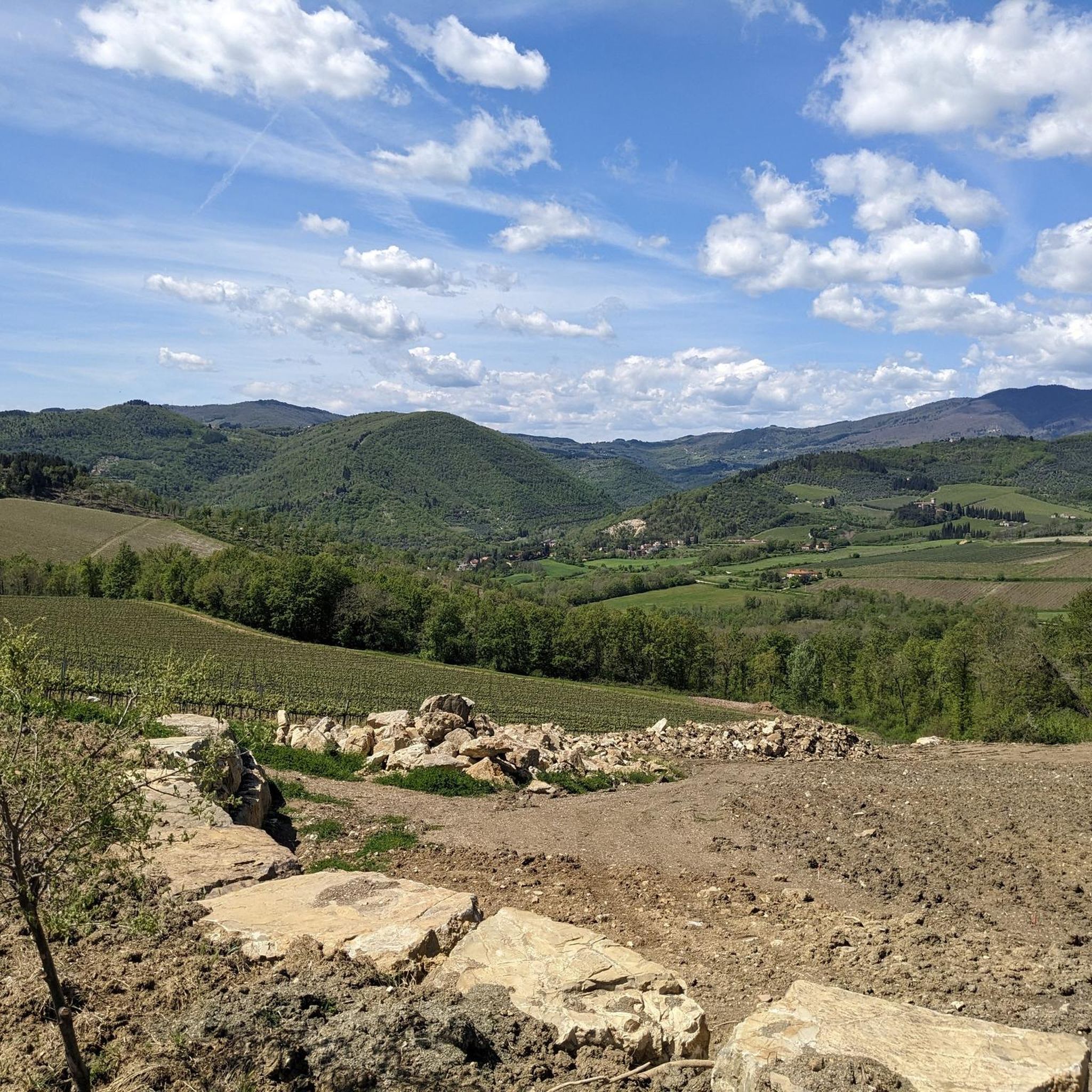
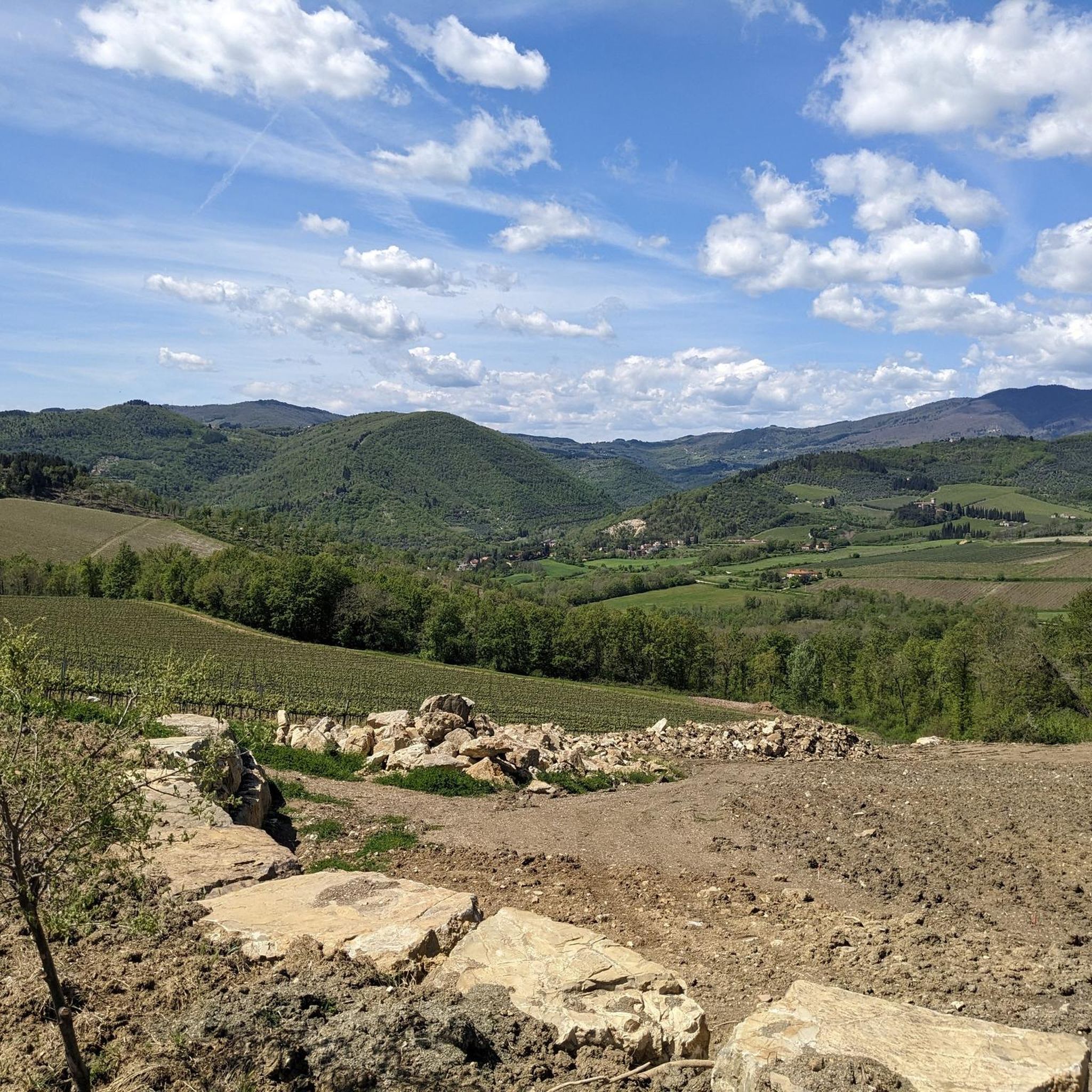
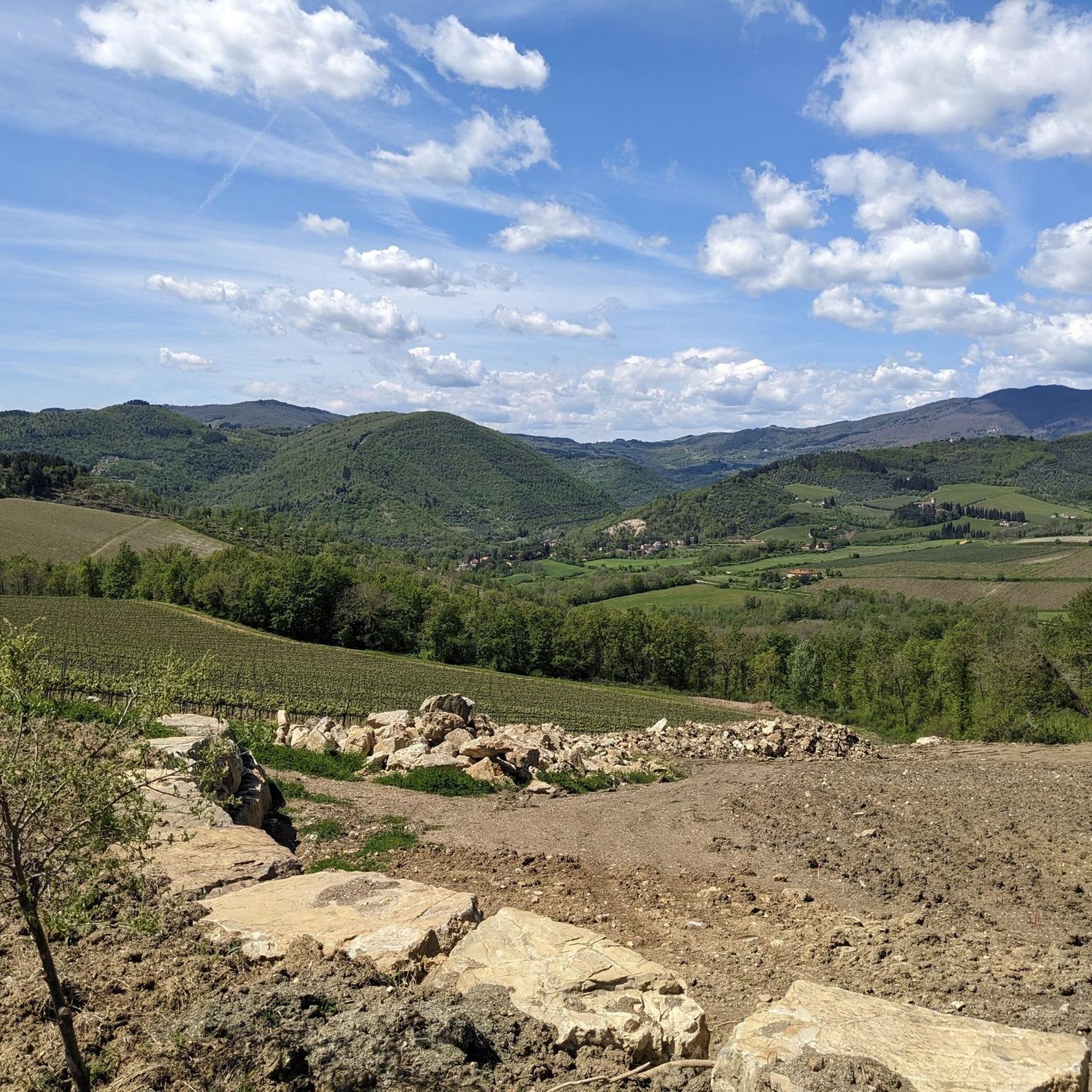
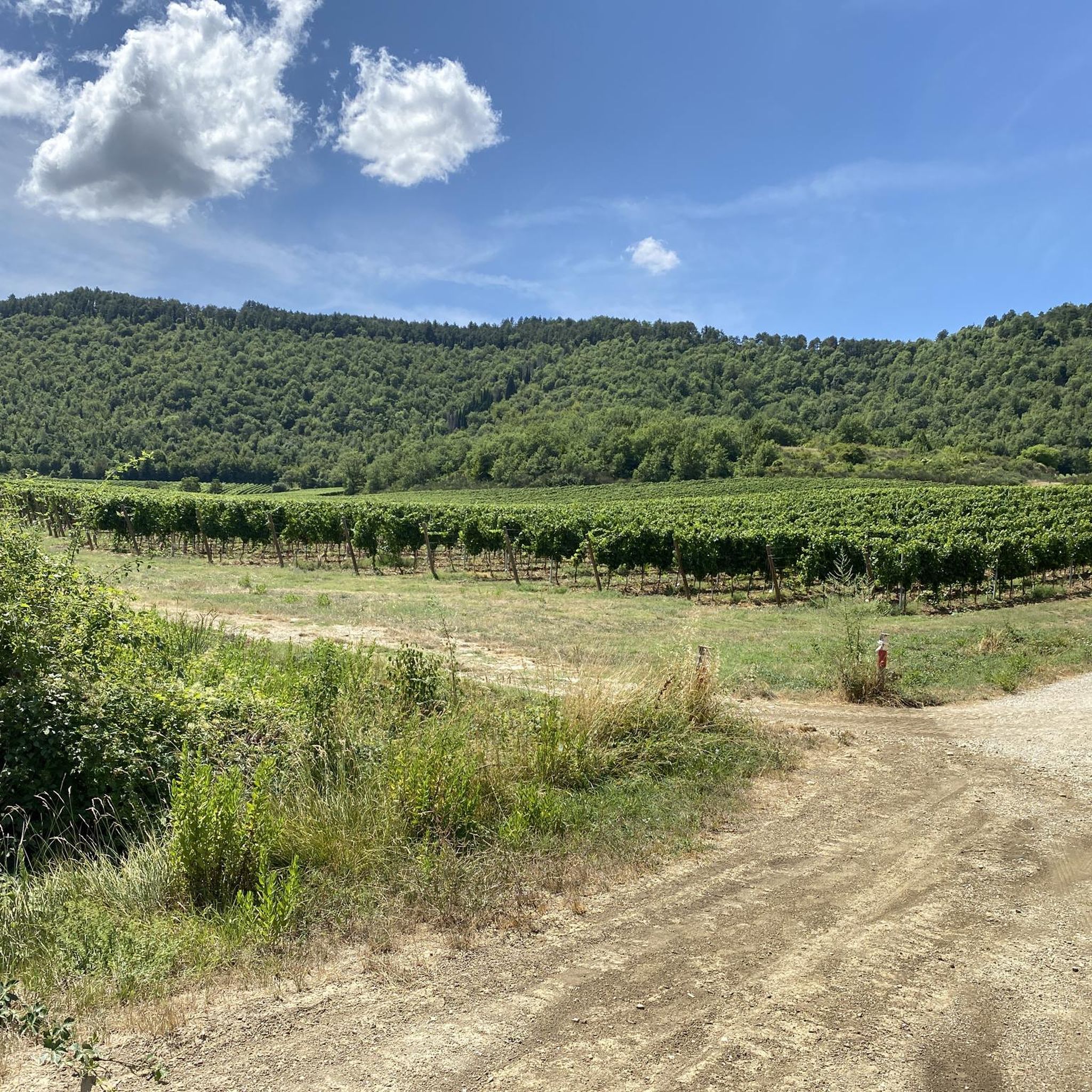
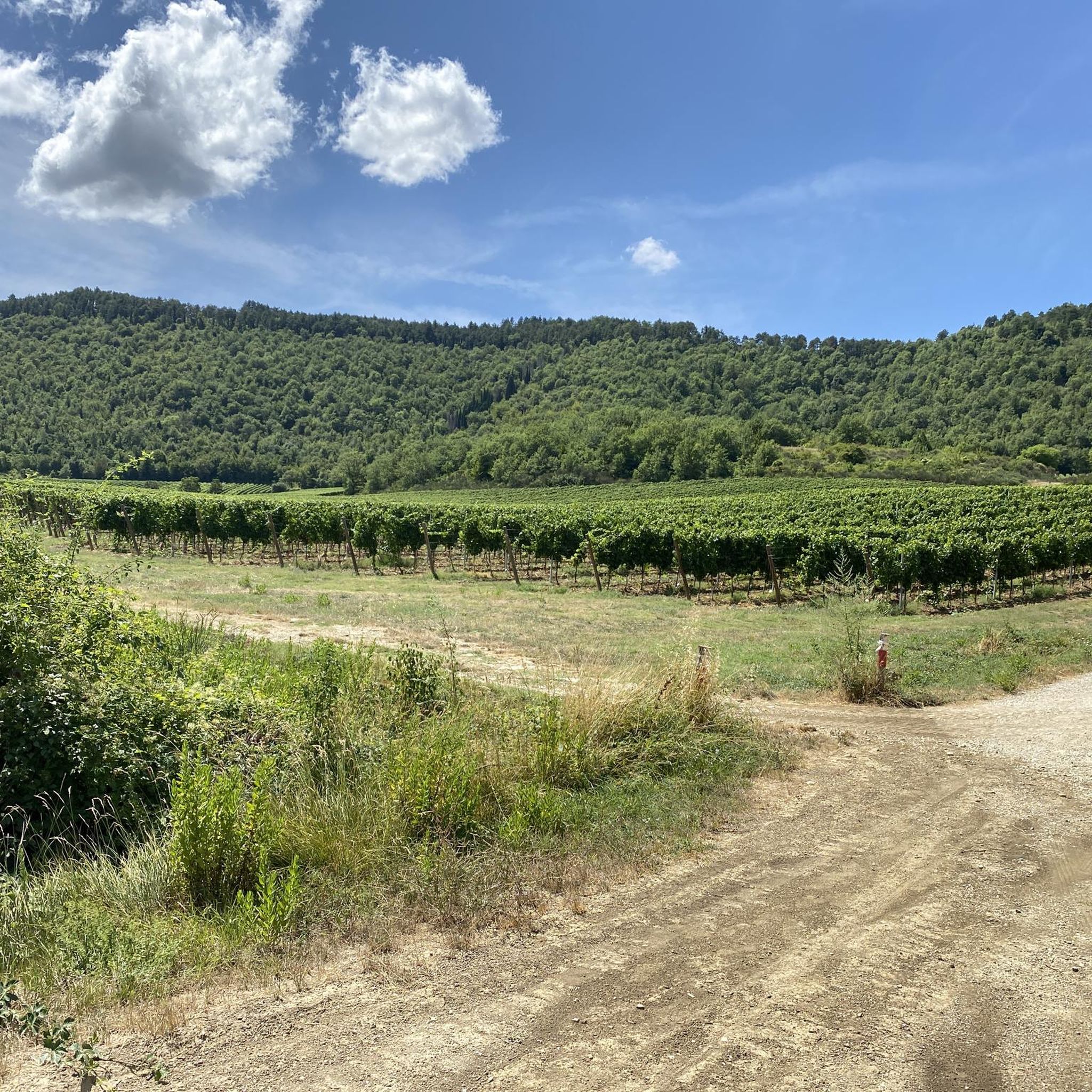
The region is characterized by rolling Tuscan hills, lush forests, and picturesque vineyards. From various viewpoints like Poggio Pratone Summit and Montecucco Viewpoint, you can enjoy expansive panoramic views of Florence and the surrounding Sieve valley. The hike to Consuma, for instance, takes you through extensive forest walks and offers stunning morning vistas of the Tuscan hills.
What are the best viewpoints for seeing Florence from the elevated areas near Pontassieve?
For comprehensive vistas of Florence, Montecucco Viewpoint is highly recommended and accessible via hiking trails directly from Pontassieve. Poggio Pratone Summit also offers panoramic views of the city. Additionally, Monte Ceceri Summit provides great views of Florence, especially from its rest area.
Are there challenging mountain climbs or difficult trails near Pontassieve?
Yes, for those seeking a challenge, the area offers several difficult routes. The hike to Consuma from Pontassieve involves a significant total ascent of 1138 meters. Poggio All'Aia (Third Peak) is known for its technical trails, and Poggio Casaccia Summit and Cross is categorized as challenging. Monte Giovi (992 m) also features challenging trails, particularly those descending into the Mugello region.
What outdoor activities can I do near the elevated areas of Pontassieve?
Beyond hiking, the region offers a variety of outdoor activities. You can find numerous running trails, such as the 'Boschetto di bamboo loop' or the 'Paretaio di Teano loop' from Pontassieve. For cyclists, there are many routes, including challenging ones like 'View of Florence – View of Florence from Fiesole loop'. Gravel biking is also popular, with routes like 'Vallombrosa Abbey – Secchieta Wind Turbines loop'. You can explore more options on the Running Trails around Pontassieve, Cycling around Pontassieve, and Gravel biking around Pontassieve guide pages.
What is the best time of year to visit the elevated areas around Pontassieve for hiking?
The Tuscan region generally enjoys pleasant weather for outdoor activities during spring (April-May) and autumn (September-October), when temperatures are milder and the landscapes are particularly beautiful with blooming flowers or vibrant fall foliage. Summer can be hot, especially for strenuous hikes, while winter might bring cooler temperatures and occasional rain, though it can still be suitable for hiking on clear days.
Are there any unique cultural experiences related to the elevated areas near Pontassieve?
Yes, the region offers unique cultural insights. On Monte Giovi (992 m), you can explore the restored 'burraie,' traditional stone huts used for making butter, which form a ring circuit near Santa Brigida. Montefiesole is known for its vineyards and wineries, offering opportunities for wine tasting experiences combined with historical exploration. The hike to Consuma is also part of the 'Via di Francesco' pilgrimage route, adding a spiritual dimension to the journey.
What do visitors enjoy most about the elevated areas and peaks around Pontassieve?
Visitors particularly appreciate the blend of natural beauty, historical significance, and panoramic views. The opportunity to see Florence from a distance, explore ancient sites, and immerse oneself in the tranquil Tuscan countryside are frequently mentioned highlights. The variety of trails, from intermediate to challenging, also caters to different preferences, with many enjoying the peaceful clearings and rest areas found at summits like Poggio Casaccia Summit and Cross.
Can I find accommodation or places to eat near the hiking trails in Pontassieve?
Pontassieve itself offers various amenities, including cafes, pubs, and accommodation options. While specific establishments directly on remote trails might be limited, villages and towns like Pontassieve, S. Brigida, and Consuma (a destination on a notable hiking route) provide facilities for hikers to rest and refuel. Montefiesole also has wineries where you can enjoy local produce.
Is public transport available to access the elevated areas around Pontassieve?
Pontassieve is well-connected, and some elevated areas are accessible via hiking trails directly from the town, such as Montecucco Viewpoint. For more remote locations, public transport might take you to nearby villages, from where you can start your hike. It's advisable to check local bus schedules and routes for specific starting points, as direct access to every peak by public transport might not be available.
Most popular routes around Pontassieve
Most popular attractions around Pontassieve

Get inspired with the komoot mobile app


Explore more
See even more amazing summits around Pontassieve with these guides:
