Attractions and Places To See in Περιφερειακή Ενότητα Σερρών - Top 20
Best attractions and places to see in Περιφερειακή Ενότητα Σερρών include a blend of historical sites, cultural landmarks, and diverse natural landscapes. The region features significant archaeological sites, ancient fortresses, and Byzantine monasteries. Natural attractions range from wetlands and caves to forests and thermal springs, offering varied exploration opportunities.
Best attractions and places to see in Περιφερειακή Ενότητα Σερρών
- The most popular attraction is Lion of Amphipolis, a man-made monument that is a funerary monument from the 4th century…
Last updated: October 9, 2026
Lion of Amphipolis
Highlight • Monument
Translated by Google •
Tip by

Monastery of Ikosifinissa
Highlight • Religious Site
Translated by Google •
Tip by

Sign up now to discover places like this
Get recommendations on the best single tracks, peaks, & plenty of other exciting outdoor places.
Ano Poroia Village
Highlight • Settlement
Translated by Google •
Tip by

Kerkini Dam
Highlight • Structure
Translated by Google •
Tip by

Fort Roupel Observation Post
Highlight • Historical Site
Translated by Google •
Tip by
Tomb and Treasures of General Brasidas
Highlight • Historical Site
Brasidas stammte aus einer angesehenen spartanischen Familie. Sein Vater war Tellis, der 421 v. Chr. den Nikiasfrieden mitschwor, …
Tip by
Lake Kerkini Wetland
Highlight • Lake
Translated by Google •
Tip by
Finish Parcours #TCRNo9 // Thessaloniki
Highlight (Segment) • Settlement
Tip by

Head of the Sphinx, Archaeological Museum of Amphipolis
Highlight • Historical Site
Translated by Google •
Tip by
Alistratis Cave Entrance
Highlight • Cave
Translated by Google •
Tip by
Sign up for free to discover even more attractions in Περιφερειακή Ενότητα Σερρών.
Already have an account?
Start today with a free account
Your next adventure awaits.
Other adventures in Περιφερειακή Ενότητα Σερρών

Tips from the Community

Opening hours are from 9 a.m. to 5 p.m. year-round, and from 9 a.m. to 7 p.m. in August.
1
0

Finish Parcours #TCRNo9 // Thessaloniki
0
0

TCRNo9 finishes on the shores of the Aegean Sea, where the city of Thessaloniki marks the end of the adventure for our successful riders, having started thousands of kilometres away on the edge of western Europe. The history of the city is a rich tapestry of radicalism and anarchy, borne from its place on the historical frontier of Europe and Asia, and mirrored in the architecture we see today. At its heart lies the White Tower, which in its various guises — Byzantine, Ottoman, and modern Greek — has stood witness to this transient border since the 12th Century. Here our riders will finish, and have the opportunity to dip their wheels into the Aegean, signalling the end of their Transcontinental journey, and the chance to rest their weary bodies.
0
0

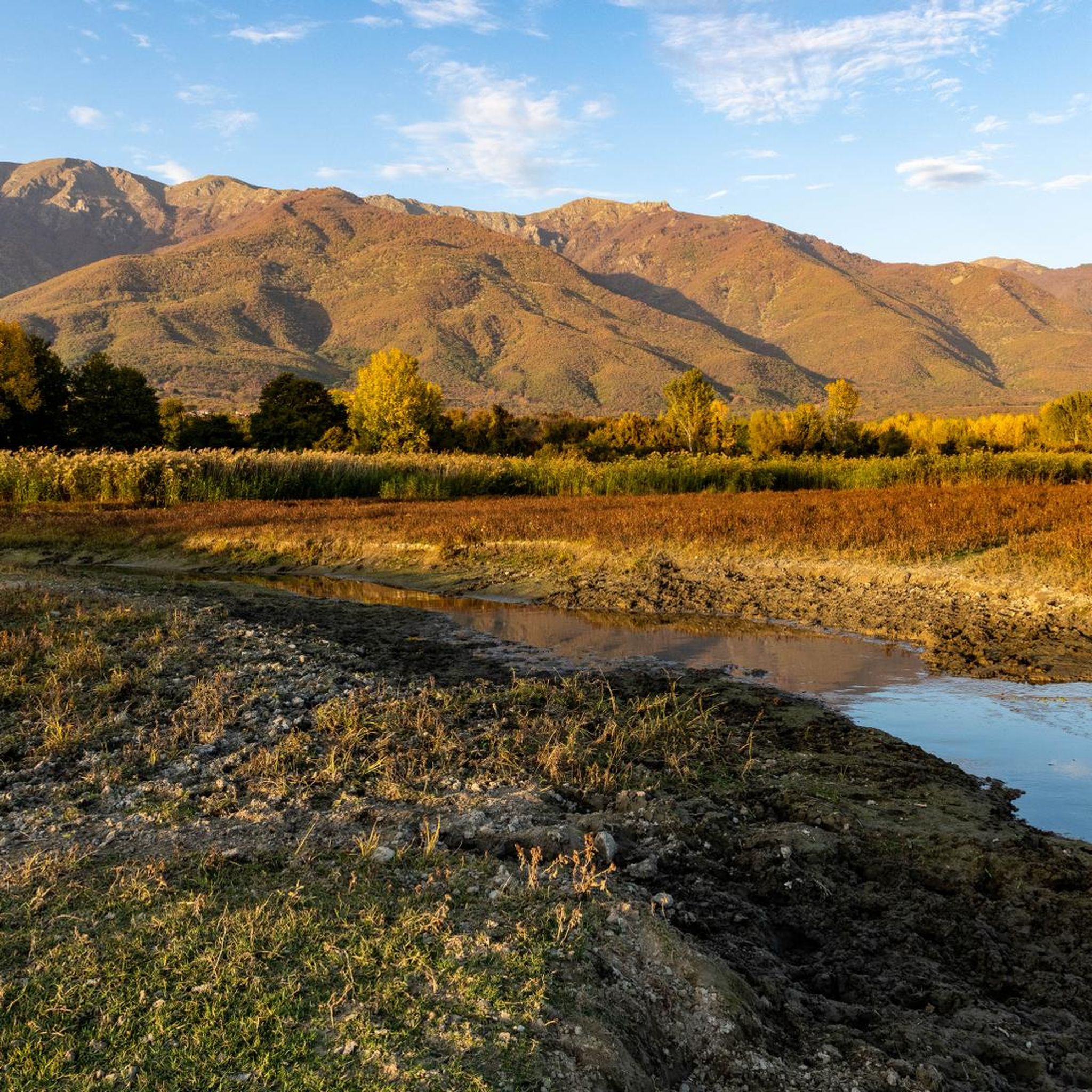
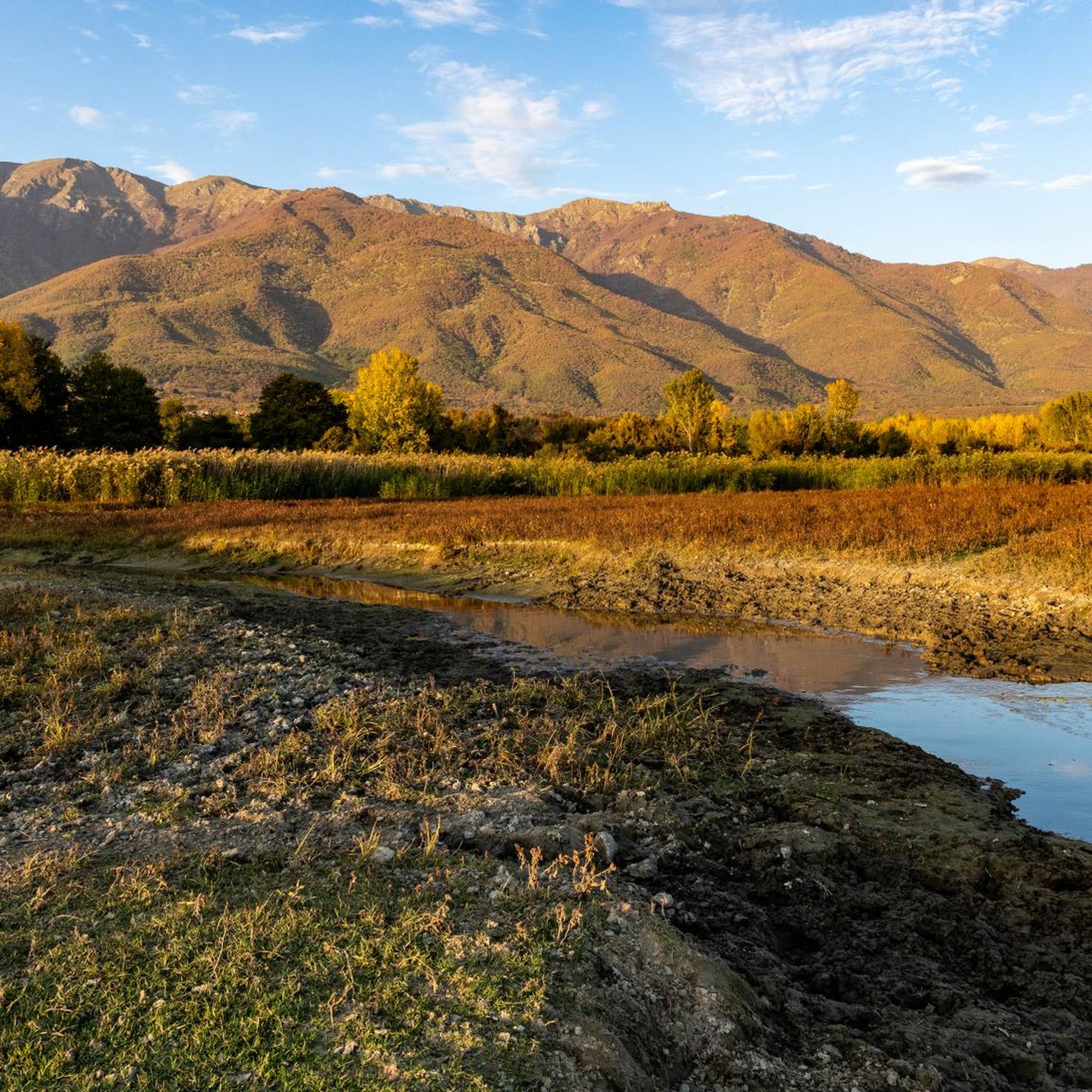
Lake Kerkini dams the Strymonas (Struma) river coming from Bulgaria. It is an artificial lake that was created from a dam in 1932 and over time has transformed the surrounding area into a true paradise. A sanctuary for birds and people alike, the calm, serene lake is ideal for bird watching and fishing. The original purpose of Lake Kerkini was to regulate the water level of the Strymonas to prevent flooding further downstream. In addition to this use, water was increasingly withdrawn from Lake Kerkini over the years to irrigate agricultural areas along the Strumas plain and the Serres-Sidirokastro plain. A new dam was built in 1982 as a result of the meanwhile lower water level, also due to the sediment input of the river Strymonas and thus the reduced capacity. In addition to being used for flood protection and for irrigating agricultural land, Lake Kerkini has developed into an important wetland biotope. 30 species of freshwater fish and 300 species of birds live in and around Lake Kerkini. In addition to birds and fish, there are also rare animals such as wolves. Thousands of flamingos wintering here have been a highlight since the 1990s. Source: Excerpts from https://de.wikipedia.org/wiki/Kerkini-See and https://www.discovergreece.com/de/macedonia/lake-kerkini
4
0
Ano Poroia was founded in the late 18th century (c. 1800) by Aromanians (mainly) from the Pindus mountains after expulsions led by Ali Pasha from Ioannina. During the 19th century the village was one of the largest and most developed in Demirhisar Kaza des Serres Sandjak. The main occupations were agriculture (tobacco, flax, cotton, barley, rye), silkworm farming and trade. The population was made up of Greeks, Aromanians, Bulgarians and Turks. In the "Ethnographie des vilayets d'Adrianople, de Monastir et de Salonique" (published in 1878 in Constantinople and in relation to the population) it was written that Gorni Poroi was a village and had 320 households with 1,000 Bulgarians and 60 Aromanians. At first, both Bulgarians and Aromanians adhered to the same liturgy and belonged to a unified church ministering in Greek. More about the checkered history at https://en.wikipedia.org/wiki/Ano_Poroia
4
0
Fort Roupel is a fortress on the northern border of central Macedonia in Greece, built in 1914 because this place is of strategic importance for access to either Greek or Bulgarian territory. During World War I, on May 25, 1916, the Royal Greek Government of Athens allowed the fortress to be surrendered to the Germans and their Bulgarian allies as a counterweight to the Allied forces stationed in Thessaloniki. The German-Bulgarian troops then occupied most of East Macedonia without resistance. The fortress also became famous during the Second World War, when the advance of the German armies on this section of the front was stopped here. On the eve of World War II, Fort Roupel was incorporated into the Metaxas Line, a new line of defenses built to repel an invasion of Greece by Bulgaria. For three days the fortress withstood the German attack and was only abandoned by its men after the surrender of the Greek army in Thessaloniki. Today one of the galleries of the fortress is open to visitors, as well as a small museum and the pavilion for visitors, the observatory and the memorial to fallen soldiers. On the gallery, the visitor has the opportunity to relive the moments of the battle. In addition, parts of the 23-kilometer tunnel are accessible to visitors.
4
0
It is a unique stalactite cave, one of the largest in Europe and one of a kind. For the first time in the world, it has a robot guide, albeit for the first 150 meters, and it speaks 32 languages. The stalactite cave is 1,100 meters long. However, there is a section about 500 meters long that has not yet been opened to visitors.
1
0
the monastery was built in 454 AD. in modern times the monastery was burned on June 12th, 1943 by the Bulgarians who fought with the Germans in the Second World War against Greece.
0
0
Frequently Asked Questions
What natural attractions can I explore in Περιφερειακή Ενότητα Σερρών?
The region boasts diverse natural beauty. You can visit the Lake Kerkini Wetland, a significant bird-watching destination, or explore the impressive stalactite formations of Alistrati Cave. Other natural highlights include the dense Lailia Forest, the scenic Angitis River Gorge, the tranquil Valley of Agioi Anargyroi, and the rejuvenating thermal springs of Sidirokastro and Agistro.
Are there significant historical and archaeological sites to visit?
Yes, the region is rich in history. Key sites include the ancient city of Amphipolis, home to the monumental Lion of Amphipolis, and the Byzantine Acropolis of Serres with its historic Tower of Orestes. You can also find the Roman Theatre of Serres and the Fortress of Sidirokastro.
What cultural experiences does the region offer?
Beyond archaeological sites, you can immerse yourself in Byzantine heritage at the Monastery of Ikosifinissa, one of the oldest centers of Orthodoxy in the Balkans, or the Monastery of Saint John the Forerunner. The city of Serres also features Ottoman monuments like the Ahmet Pasha Mosque and the Bezesteni, which now houses the Archaeological Museum of Serres.
Can I find family-friendly activities in Περιφερειακή Ενότητα Σερρών?
Many attractions are suitable for families. The Lake Kerkini Wetland offers boat rides and birdwatching, while Alistrati Cave provides an exciting underground exploration. The Ano Poroia Village and the Valley of Agioi Anargyroi are pleasant for walks and picnics. The Lion of Amphipolis and the Strimonas River area also offer accessible historical and natural settings.
What outdoor activities are available, and where can I find routes?
The region is excellent for outdoor enthusiasts. You can find numerous routes for hiking, running, and road cycling. For hiking, explore trails around Ano Poroia Village or the Lake Kerkini Wetland. The Lailia Forest is ideal for hiking and cycling. You can find detailed routes and guides for these activities on the Hiking in Περιφερειακή Ενότητα Σερρών, Running Trails in Περιφερειακή Ενότητα Σερρών, and Road Cycling Routes in Περιφερειακή Ενότητα Σερρών guide pages.
Where can I experience the region's Byzantine heritage?
The Monastery of Ikosifinissa is a prime example, known for its historical significance and beautiful frescoes. The Byzantine Acropolis of Serres, with the Tower of Orestes, also offers insight into the region's medieval past. Additionally, the Monastery of Saint John the Forerunner near Serres is a significant Byzantine site.
What is the best time of year to visit Περιφερειακή Ενότητα Σερρών?
The region offers attractions year-round. Spring and autumn are ideal for hiking and exploring historical sites due to milder weather. Summer is perfect for enjoying Lake Kerkini and the thermal springs. In winter, the Lailias Ski Centre in Lailia Forest provides opportunities for skiing and snowboarding.
Are there any thermal springs for relaxation?
Yes, the region is known for its healing thermal springs. You can find rejuvenating hot springs in Sidirokastro and Agistro, offering opportunities for relaxation and wellness.
What kind of museums can I visit in Περιφερειακή Ενότητα Σερρών?
The Archaeological Museum of Serres, housed in the historic Ottoman Bezesteni building, displays artifacts from prehistoric to Byzantine periods. For a glimpse into local culture, visit the Sarakatsani Folklore Museum, which preserves the heritage of the nomadic Sarakatsani people, or the Serres Handicraft Museum showcasing traditional Greek craftsmanship.
Are there opportunities for birdwatching or wildlife observation?
Absolutely. The Lake Kerkini Wetland is one of Europe's most important wetlands and a premier bird-watching destination, home to over 300 bird species, including the endangered Great White Pelican. The area around the Kerkini Dam also offers excellent opportunities to observe various bird species.
How can I explore the ancient city of Amphipolis?
The ancient city of Amphipolis is a profoundly important archaeological site. You can visit the monumental Lion of Amphipolis, explore remains of ancient walls, an agora, a gymnasium, and early Christian basilicas. The Archaeological Museum of Amphipolis preserves many artifacts from the area, providing deeper insights into its history.
Are there any viewpoints offering panoramic scenery?
Yes, the Byzantine Acropolis of Serres, particularly from the Tower of Orestes, offers panoramic views of the surrounding landscape. The Fort Roupel Observation Post also provides significant views, combining historical interest with scenic vistas.
Most popular routes in Περιφερειακή Ενότητα Σερρών
Most popular attractions in Περιφερειακή Ενότητα Σερρών

Get inspired with the komoot mobile app


Didn’t find what you were looking for?
Are you keen on exploring more awesome places nearby? Browse our guides:
Explore more
Still not found the Highlight you’re looking for? See guides of the top attractions in other regions:
