Top 20 Gorges in Coconino County
Best canyons in Coconino County, Arizona, offer diverse landscapes and geological formations. The region is home to major canyons, including the Grand Canyon, Oak Creek Canyon, Sycamore Canyon Wilderness, and Walnut Canyon National Monument. These areas showcase exposed layers of rock, red sandstone, and unique riparian habitats. Coconino County provides numerous opportunities to explore natural features and ancient cultural sites.
Best canyons in Coconino County
- The most popular canyons is South Kaibab Trailhead, a trail and viewpoint that leads…
Last updated: October 9, 2026
Bright Angel Trailhead
Highlight • Trail
Tip by

South Kaibab Trailhead
Highlight • Trail
Tip by
Sign up now to discover places like this
Get recommendations on the best single tracks, peaks, & plenty of other exciting outdoor places.
Grand Canyon Visitor Center
Highlight • Rest Area
Tip by

Antelope Canyon
Highlight • Canyon
Tip by
The Wave
Highlight • Natural Monument
Tip by
Hanging Garden
Highlight • Natural Monument
A hanging garden is formed when a water source reaches an …
Tip by

Hermit's Rest
Highlight • Monument
Tip by
Mohave Point
Highlight • Viewpoint
Tip by
Mather Point Amphitheater
Highlight • Viewpoint
Tip by

Bright Angel Point
Highlight • Viewpoint
Tip by
Sign up for free to discover even more gorges in Coconino County.
Already have an account?
Start today with a free account
Your next adventure awaits.
Popular around Coconino County
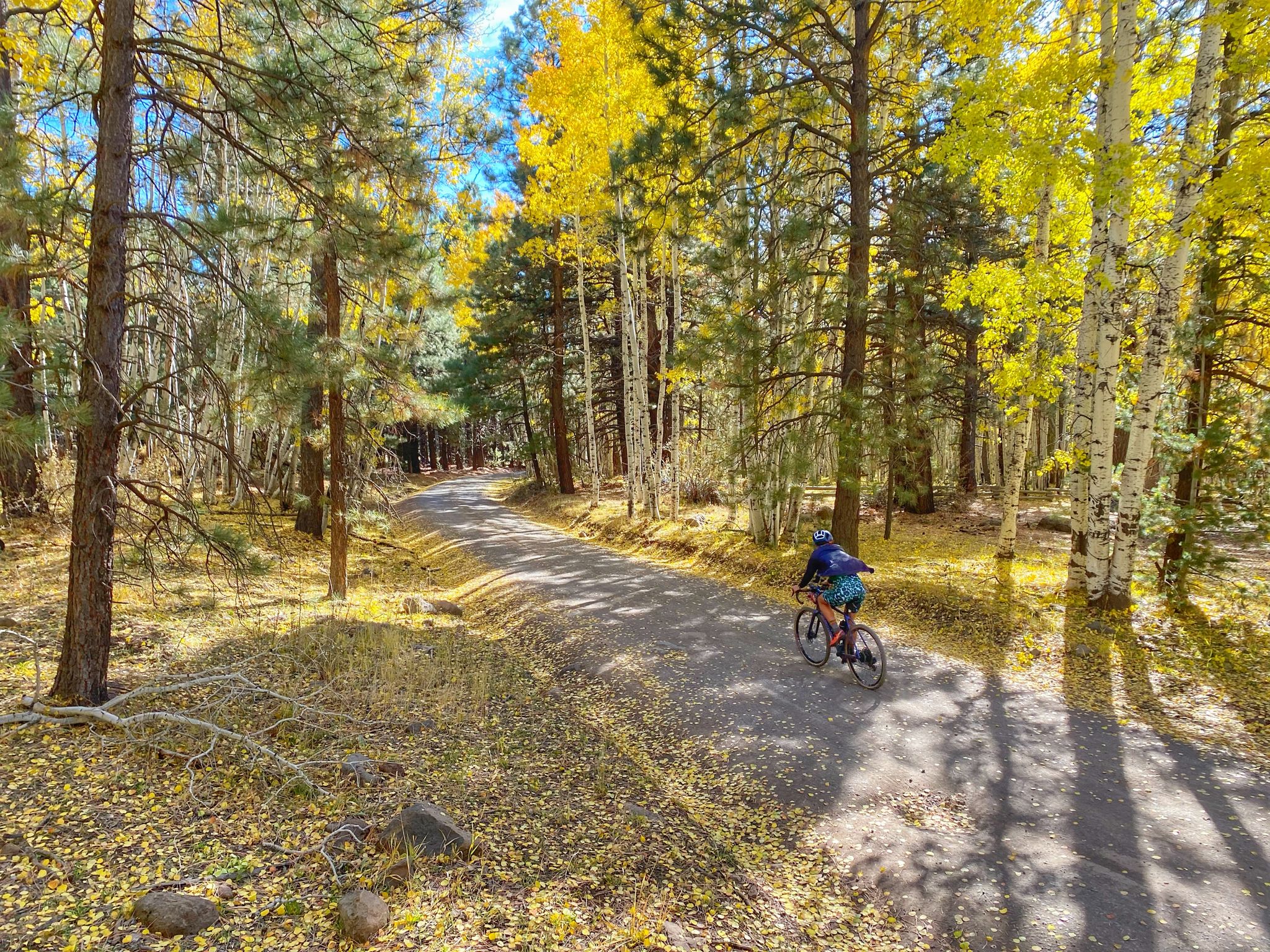
Grand Canyon to Mount Humphreys — a run, bike, run adventure
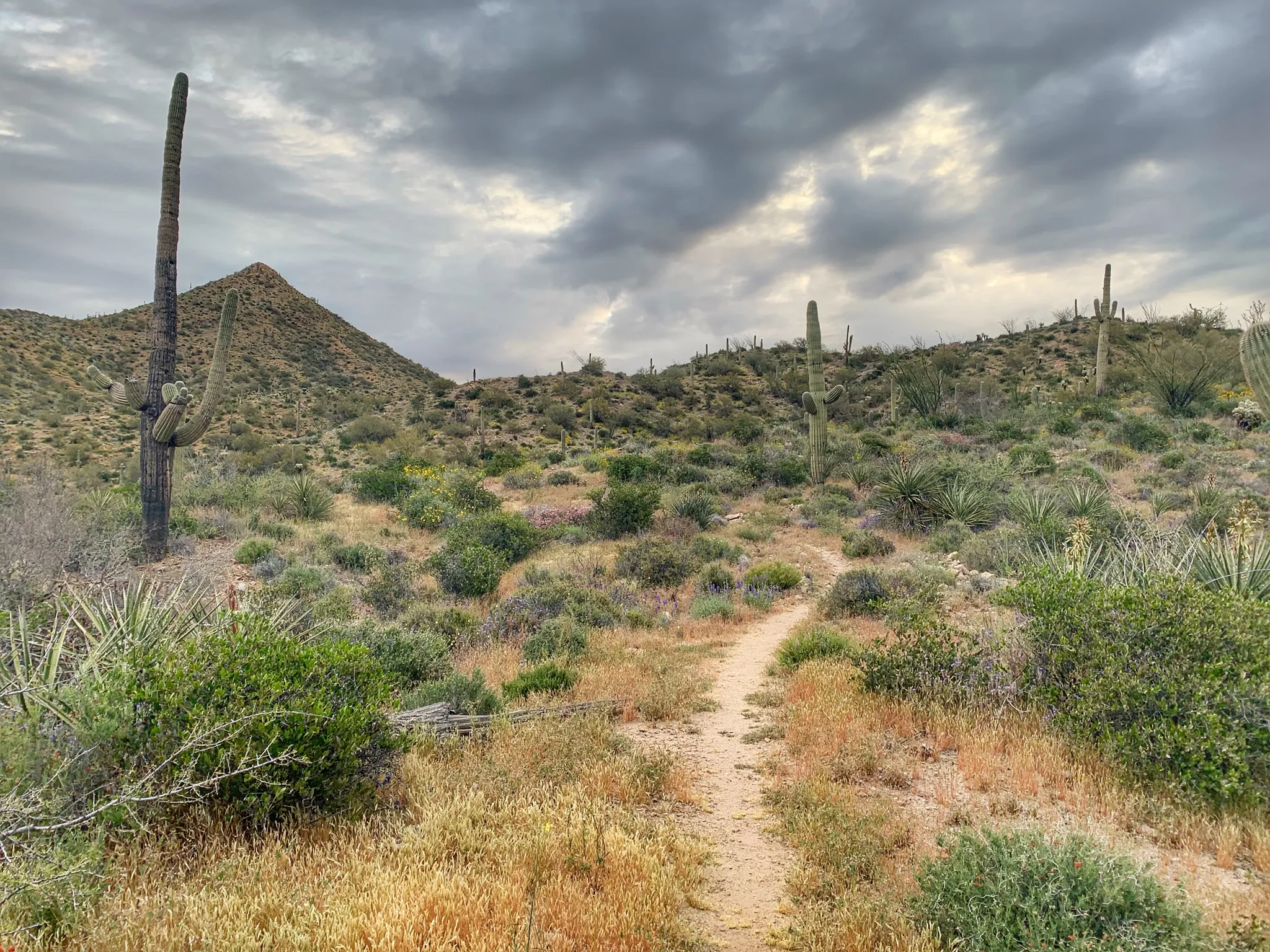
Arizona Trail — A beautiful 800-mile struggle
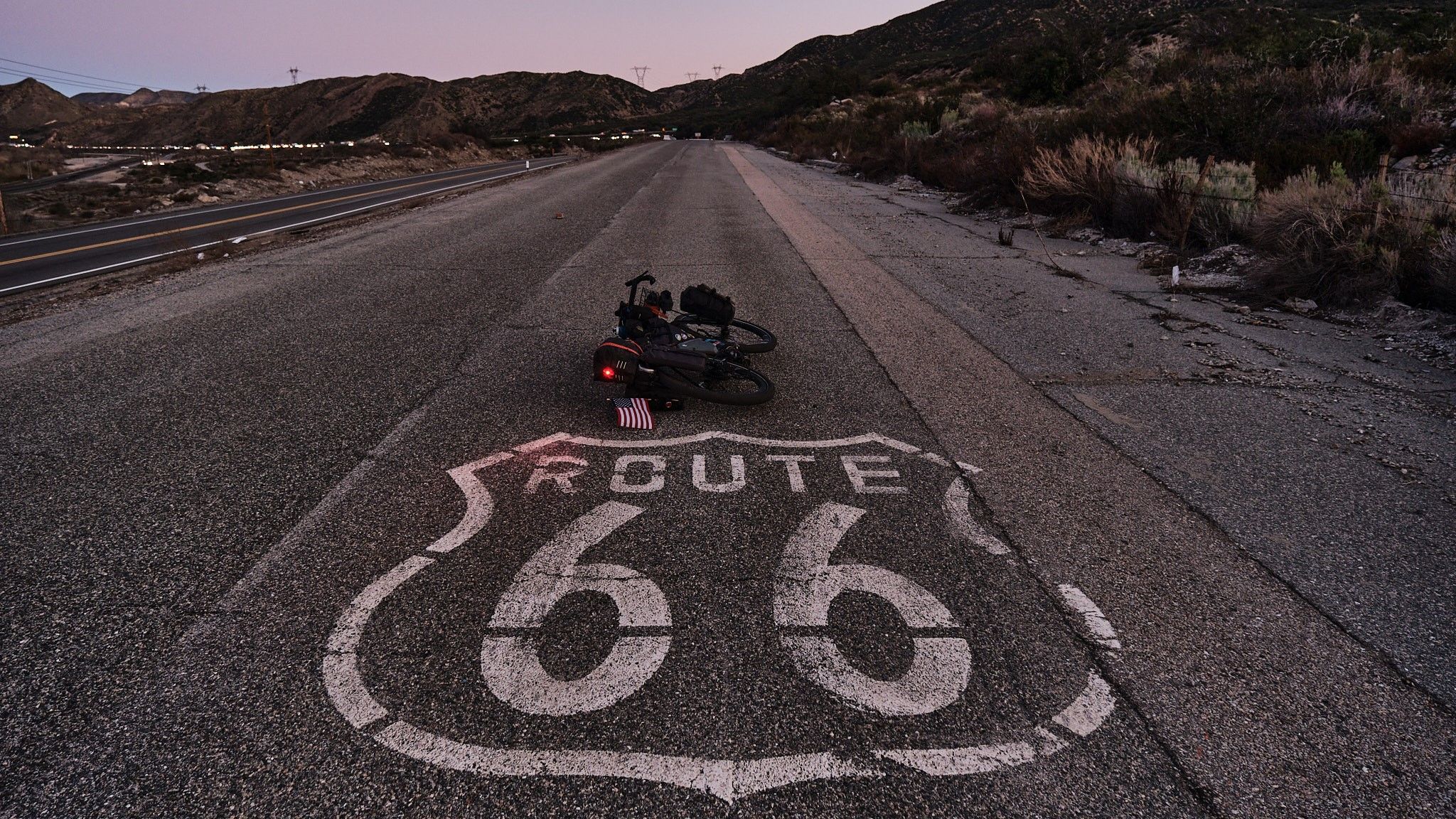
Adventure Cycling Association's Bicycle Route 66 — LA to Chicago
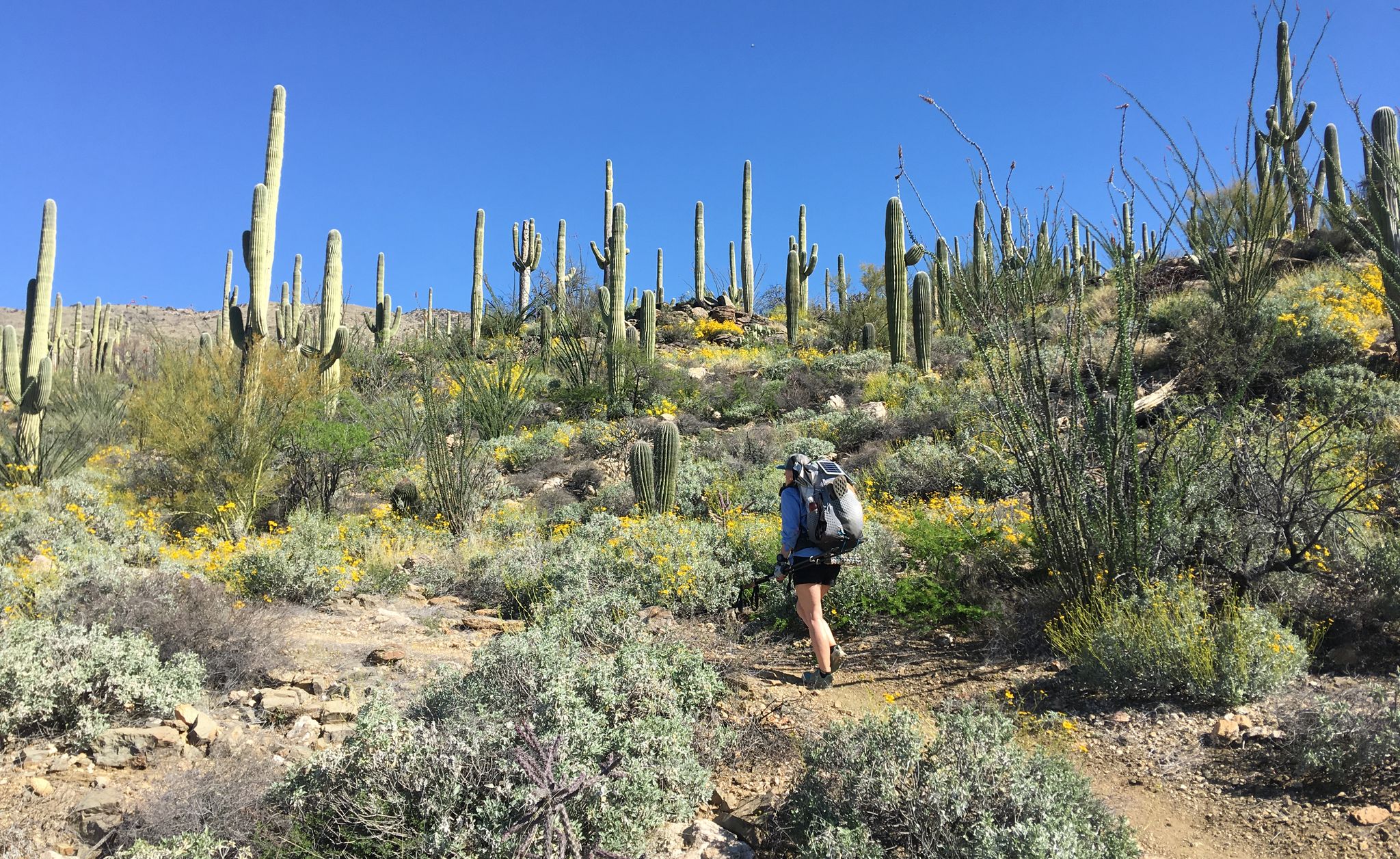
The Arizona Trail — From Mexico to Utah in 43 days
Rim-to-Rim-to-Rim – top to bottom through the Grand Canyon
Rim-to-Rim-to-Rim — Fastpacking into the Grand Canyon’s heart
Historic Route 66 – curiosities, selfie spots and diners
Arizona to Colorado – national parks and Native American culture
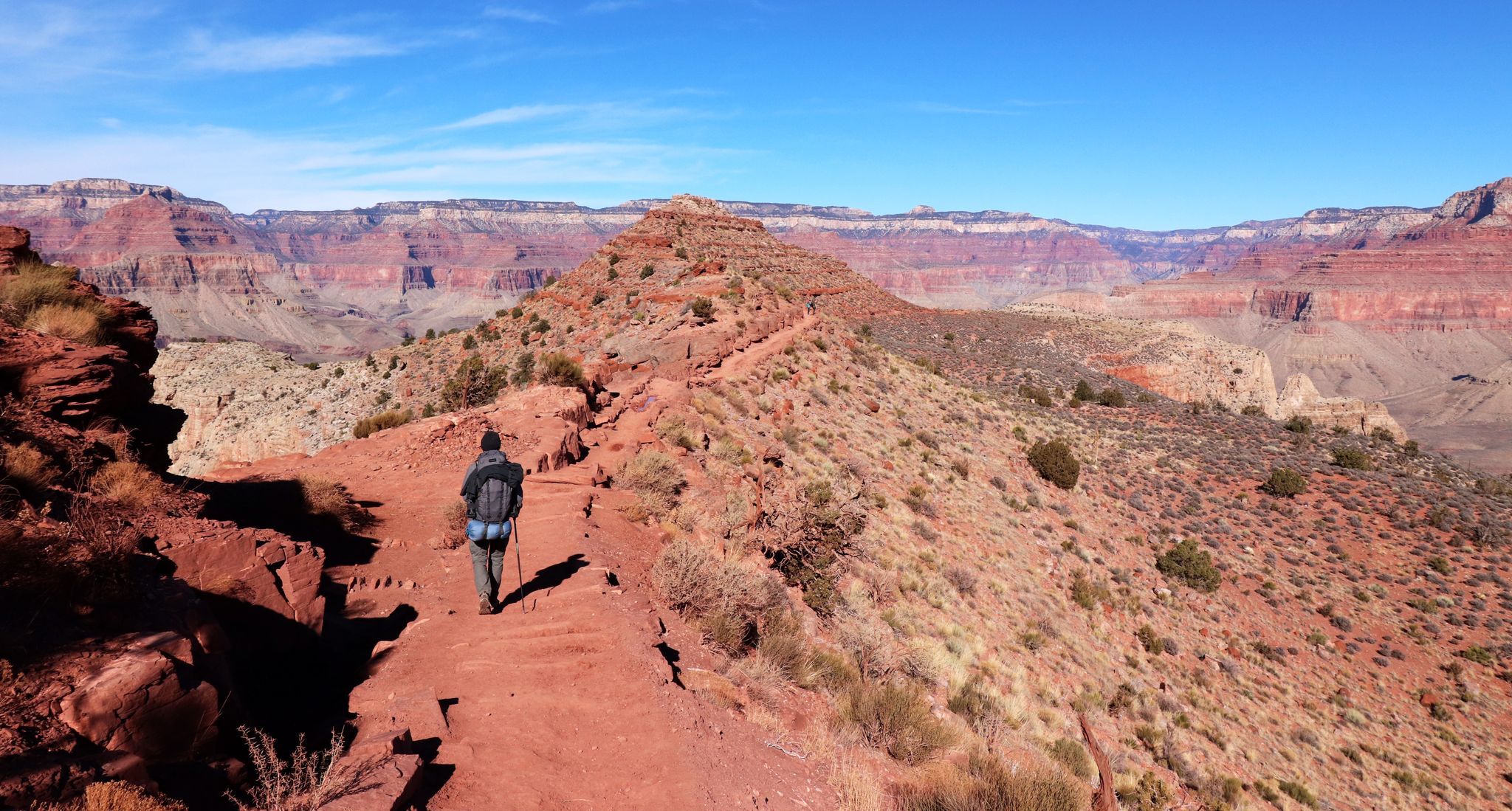
An unforgettable winter hike through the Grand Canyon
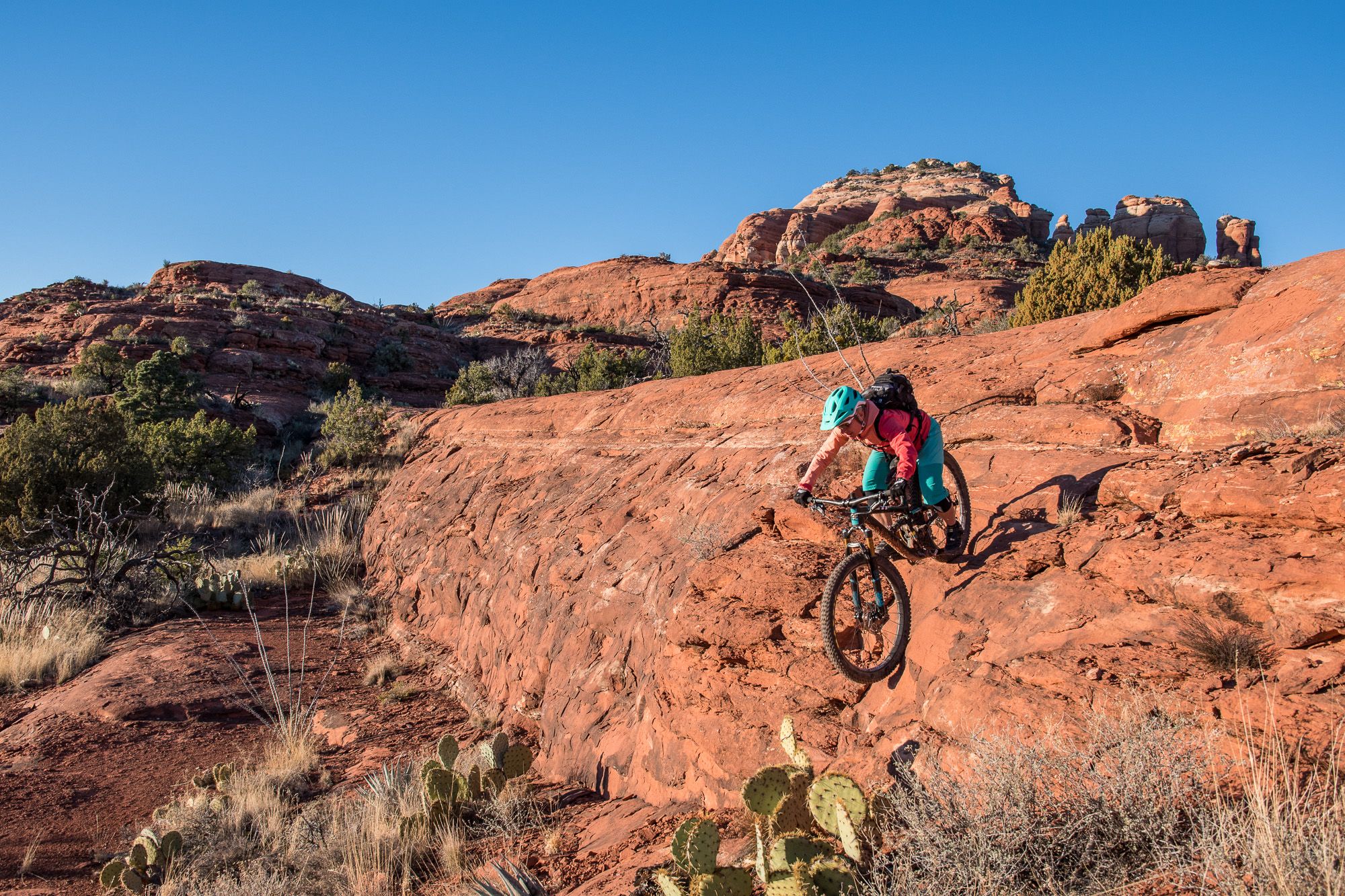
Shred the Red – Mountain biking in Sedona’s MTB hotspot
Other adventures in Coconino County


Tips from the Community


I can recommend starting here in the morning and then gradually making your way back along the rim on foot or by shuttle bus. Super impressive
1
0

Mohave Point offers incredible views over the Grand Canyon, especially at sunset. You’ll also get a perfect view of the Tonto Trail winding deep into the canyon. The trail to the very tip of the point isn’t paved, so you can stop your bike and take a short hike to check it out.
0
0
Hermit's Rest is the endpoint of a stunning and epic ride in the Grand Canyon. Built in 1914, the structure is named after Louis Boucher, a Canadian-born prospector who staked claims near the site around 1891. With help, Boucher carved the trail into the canyon and lived alone at nearby Dripping Springs for many years. The ride is smooth and scenic, offering breathtaking canyon views. No cars are allowed on Hermit Road, making the experience even better, though shuttle buses still run. There's a small snack bar at Hermit’s Rest for a quick break. This is a must-do for any cycling enthusiast!
1
0

This sheltered cove is home to a hanging garden, an interesting feature to see in the rocky Glen Canyon. A hanging garden is formed when a water source reaches an impermeable layer of rock and can no longer move downwards. The water then moves sideways across the rock and once it reaches the wall of a canyon, it seeps out of the rock. If there is an overhang that prevents the water from evaporation quickly, it creates an environment where plants can grow on the rock wall and on the ground below.
0
0
Mather Point Amphitheatre is a perfect place to contemplate the stunning views while seated in elevated seats made from native limestone. The amphitheatre hosts Ranger-led interpretive programs and is easily accessible from the Visitor Center.
1
0

This is the far western end of the Rim Trail, one of the most popular running trails in the park. There's a shuttle bus stop if you started to the east and don't want to run all the way back. At this point, the trail tends to be narrow and near the edge of the canyon, so it's no surprise the views are incredible. If you want a milder run, the section of the Rim Trail that runs between Mather Point and Powell Point is paved, and still has stunning views.
0
0
This is the place for all your trip planning and information needs, or to use the restroom and refill your water before heading out. And of course the views are stunning! If you have the time, duck inside to watch either of two 24-minute movies to orient you to the park and the 11 Indigenous tribes that have lived here since time immemorial.
0
0
Frequently Asked Questions
What are some popular hiking trails in Coconino County's canyons?
Coconino County offers diverse hiking experiences. In the Grand Canyon, popular trails include the challenging Bright Angel Trailhead and the South Kaibab Trailhead, both leading into the canyon's depths. Oak Creek Canyon features numerous trails, with the West Fork of Oak Creek Canyon being particularly renowned for its serene beauty. Sycamore Canyon Wilderness also provides many trails for hiking and horseback riding.
Are there family-friendly canyon experiences in Coconino County?
Yes, several canyons offer family-friendly options. Hermit's Rest and Mohave Point in the Grand Canyon provide accessible viewpoints. Walnut Canyon National Monument is excellent for families, with the Rim Trail offering easy access to scenic overlooks. Within Oak Creek Canyon, Slide Rock State Park is a popular spot for natural swimming pools and a smooth rock slide, perfect for warmer months.
What historical or cultural sites can I explore in Coconino County's canyons?
Walnut Canyon National Monument, just east of Flagstaff, is a significant historical site. Here, you can explore over 300 ancient cliff dwellings built by the Sinagua people between 1100 and 1250 AD. The Island Trail allows for an up-close look at these remarkably preserved ancestral homes.
When is the best time to visit the canyons in Coconino County?
The best time to visit varies by canyon and activity. Spring and fall generally offer pleasant temperatures for hiking in the Grand Canyon. Oak Creek Canyon is beautiful year-round, with stunning fall foliage and refreshing conditions in summer. The North Rim of the Grand Canyon is open seasonally due to snow, typically from mid-May to mid-October. Always check specific park conditions before your visit.
Do I need permits to hike or visit certain canyons?
Yes, some areas require permits or guided tours. For multi-day hikes into the Grand Canyon, such as from Bright Angel Trailhead, a backcountry permit is required and should be applied for months in advance. Visiting Antelope Canyon, including Upper Antelope Canyon, requires booking a guided tour as it is located on Navajo Reservation land.
What unique natural features can I expect to see in Coconino County's canyons?
You'll encounter a wide array of natural wonders. The Grand Canyon showcases immense depth and exposed layers of colorful rock. Oak Creek Canyon features distinctive red rocks, lush riparian woodlands, and ponderosa pines. Sycamore Canyon Wilderness boasts colorful rock formations, unique wildlife, and a lush riparian habitat along Sycamore Creek. Antelope Canyon is famous for its red sandstone slot canyon formations and light beams.
Are any canyon viewpoints in Coconino County wheelchair accessible?
Yes, Mather Point Amphitheater in the Grand Canyon is easily accessible and offers stunning views, including for visitors with disabilities. The Rim Trail at Walnut Canyon National Monument also provides easier access with scenic overlooks.
What other outdoor activities are available near Coconino County's canyons?
Beyond hiking, Coconino County offers various outdoor activities. You can find excellent road cycling routes, including the Grand Canyon Rim Trail, and challenging mountain biking trails in Sedona. For more details on cycling, check out the Road Cycling Routes in Coconino County and MTB Trails in Coconino County guides. Fishing for rainbow trout, brown trout, and bass is popular in Oak Creek Canyon.
What makes Oak Creek Canyon a unique destination?
Oak Creek Canyon, nestled between Flagstaff and Sedona, is often called a 'smaller cousin' to the Grand Canyon due to its scenic beauty. It's characterized by stunning red rocks, lush riparian woodlands, and the perennial flow of Oak Creek. It offers a nature lover's paradise with opportunities for hiking, fishing, and enjoying the serene environment, including the popular Slide Rock State Park.
What can I expect when visiting Sycamore Canyon Wilderness?
Sycamore Canyon Wilderness is Arizona's second-largest canyon, offering a diverse landscape from pine forests to desert. You can expect to see colorful rock formations, unique wildlife like black bears and mountain lions, and a lush riparian habitat along Sycamore Creek. It's an ideal spot for hiking, horseback riding, and exploring secluded blue pools for fishing and swimming. The Sycamore Rim Trail provides excellent views into the canyon.
Where can I find slot canyons in Coconino County?
The most famous slot canyon in Coconino County is Antelope Canyon, known for its stunning red sandstone formations and the dramatic light beams that appear at certain times. It is divided into Upper, Lower, and X sections, each offering a unique experience. Access requires booking a guided tour through the Navajo Nation.
What do visitors particularly enjoy about the canyons in Coconino County?
Visitors consistently praise the breathtaking panoramic views, especially during sunrise and sunset, from points like Mohave Point in the Grand Canyon. The unique geological formations, the serenity of places like the West Fork of Oak Creek Canyon, and the opportunity to explore ancient history at Walnut Canyon National Monument are also highly valued. The diverse ecosystems and abundant wildlife add to the appeal.
Most popular routes in Coconino County
Most popular attractions in Coconino County

Get inspired with the komoot mobile app


Didn’t find what you were looking for?
Want to see even more gorges? See the best ones in Coconino County region by region:
Explore more
Already discovered everything in this region? See additional gorges in Coconino County for your next adventure:
