Top 5 Castles around Wiesen
Castles around Wiesen are located in the Lower Franconian region of Bavaria, Germany. This area is characterized by its forested landscapes, including the Spessart, and historical settlements. The region offers a blend of natural scenery and historical architecture. It is a destination for exploring ancient fortifications and historical sites.
Best castles around Wiesen
- The most popular castles is Ruins of the Birklergrund Glassworks, a historical site that features the foundation walls of a forest glassworks from the 18th century.…
Last updated: June 23, 2026
Schöllkrippen Castle
Highlight • Castle
Translated by Google •
Tip by

Ruins of the Birklergrund Glassworks
Highlight • Historical Site
Translated by Google •
Tip by

Sign up now to discover places like this
Get recommendations on the best single tracks, peaks, & plenty of other exciting outdoor places.
Sign up for free
Wiesen Castle
Highlight • Castle
Translated by Google •
Tip by

Wiesen Village and Castle
Highlight • Settlement
Translated by Google •
Tip by

Start today with a free account
Your next adventure awaits.
Login or Signup

Tips from the Community

The castle is privately owned
1
0

Wiesen Castle was built in 1597 by Wolfgang von Dalberg, Elector of Mainz. Since the castle is privately owned, it is unfortunately not open to the public.
2
0

Wiesen Castle At first glance, Wiesen's traffic situation seems unfavorable, but two state roads cross here. In the late Middle Ages, around 1400, Wiesen was even at the junction of two important supra-regional traffic routes, on Birkenhainer Strasse and Eselsweg. In Wiesen, on the site of the current castle, there was a castle belonging to the Counts of Rieneck, who controlled both of these high-altitude traffic routes from here. The forests and valleys around Wiesen were then dominated by glass production and the glass trade. The current building of the castle was probably built next to the church in the late 16th century. The former Mainz castle and its outbuildings, together with the church, form a slightly elevated, picturesque group of buildings on the edge of the actual village center. The importance of the castle lies in its excellent location in the townscape and its special significance for local history as a bearer of tradition from the old story of the village's founding. During excavations in the castle, Gothic stove tiles were also discovered. They are called Tannenberg type tiles after Tannenberg Castle on the Bergstrasse. Tiles of this type were manufactured in Dieburg from the middle of the 14th century and traded along the Main as far as Holland. The fragments suggest that the lord of the castle in Wiesen - formerly from Rieneck - owned a stove around 1400, the equipment of which reveals a high standard of living. However, the good piece was not only intended to serve as optimal room heating, but above all to impress guests with the proud display of wealth. Source: Information board at the site
4
0

The old boundary stones here at the “sea of government of the past and present” are particularly worth a look
14
0
The old castle in Schöllkrippen is now used as a town hall.
3
0
The old castle has been used as a town hall for many years.
3
0
The castle park is beautiful.
4
0
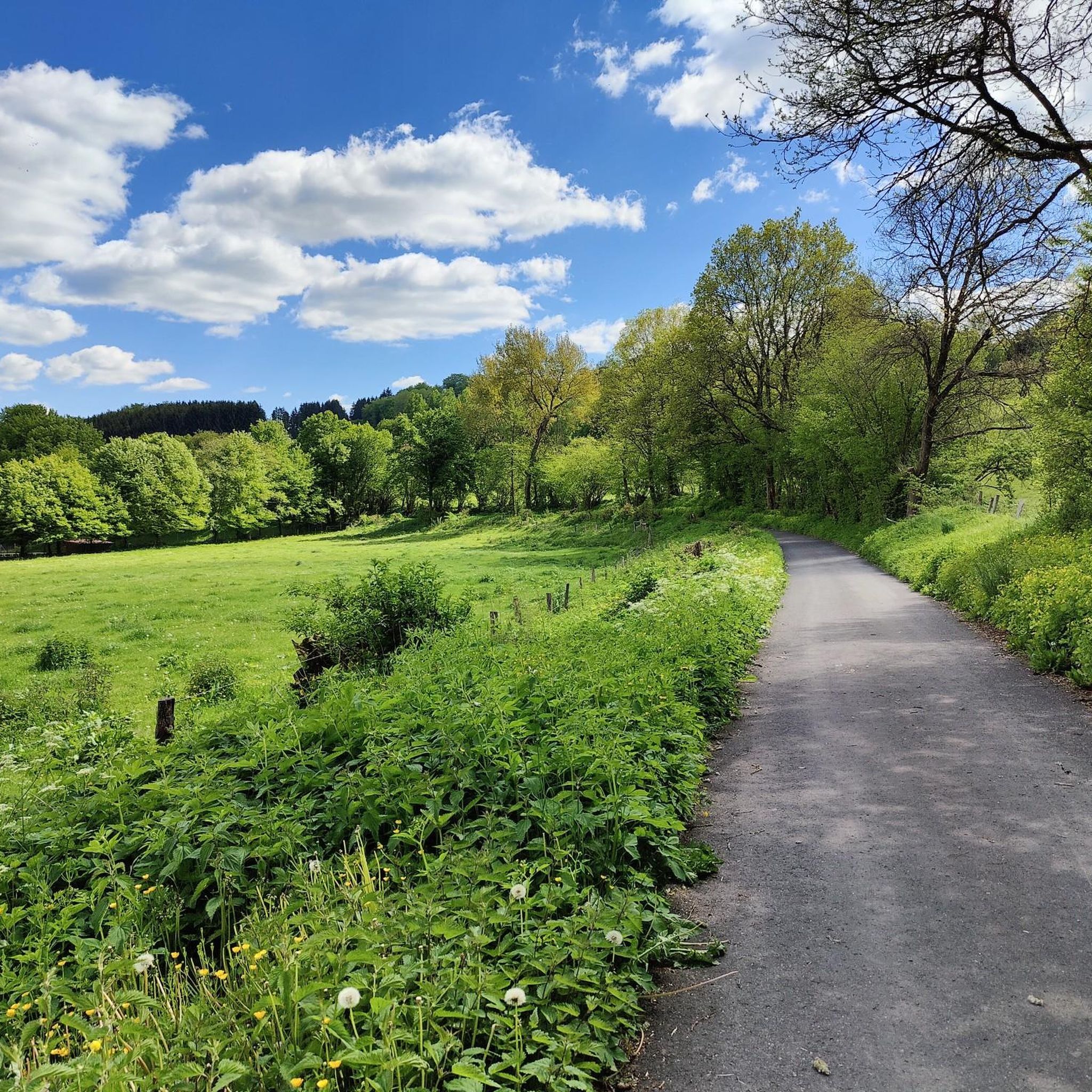
There are many beautiful circular hiking trails here in Wiesen.
0
0
Frequently Asked Questions
What types of historical sites can I explore around Wiesen?
The Wiesen area in Lower Franconian Bavaria offers a variety of historical sites, including ancient fortifications, castle ruins, and former hunting lodges. You can visit places like Ruins of the Birklergrund Glassworks, which showcases an 18th-century forest glassworks, or Schöllkrippen Castle, known for its historical boundary stones.
Are there any family-friendly castles or historical sites in the Wiesen region?
Yes, several sites are suitable for families. The Ruins of the Birklergrund Glassworks is categorized as family-friendly and offers information boards to illustrate glass production, making it an educational visit. Schöllkrippen Castle is also listed as family-friendly, with its interesting lapidarium boundary stone garden.
Can I visit Wiesen Castle, and what can I expect to see?
Wiesen Castle was a former hunting lodge built in 1597. It is now in private hands, so you cannot enter the palace or the manor. However, you can view its Late Medieval to early modern era architecture from the outside, often through the historic bar fence. It is sometimes accessible on specific days, such as the Day of the Monument.
What kind of outdoor activities can I do near the castles around Wiesen?
The forested landscapes around Wiesen are ideal for various outdoor activities. You can find numerous routes for cycling, gravel biking, and mountain biking. For example, there are moderate to difficult cycling routes like the 'Aubach Valley and Aubach Lakes – Glücksweg Heigenbrücken loop' or MTB trails such as the 'Birklergrund Forest Shrine – Aubachtal Valley loop'. You can explore more options in the Cycling around Wiesen, Gravel biking around Wiesen, and MTB Trails around Wiesen guides.
Are there hiking opportunities near the historical sites in Wiesen?
While specific hiking guides for castles aren't listed, the region's forested nature suggests ample walking and hiking opportunities. The Ruins of the Birklergrund Glassworks is located within a forest, implying trails nearby. The nearby cycling and MTB routes also often follow scenic paths suitable for walking.
What is unique about the <a href="https://www.komoot.com/highlight/179085" target="_blank" rel="noopener">Ruins of the Birklergrund Glassworks</a>?
The Ruins of the Birklergrund Glassworks is a historically significant site featuring the foundation walls of an 18th-century forest glassworks. Information boards on-site clearly illustrate the glass production process of that era, offering a unique glimpse into the region's industrial past within a natural setting.
What natural features can I expect to see when visiting castles around Wiesen?
The Wiesen region is characterized by its forested landscapes, particularly the Spessart forest. When visiting historical sites like the Ruins of the Birklergrund Glassworks, you'll be immersed in this natural environment, offering a blend of history and scenic woodland views.
What do visitors appreciate most about the castles and historical sites around Wiesen?
Visitors appreciate the blend of natural scenery and historical architecture. The komoot community has shown significant interest, with over 260 upvotes and more than 140 photos shared across the highlights, indicating a strong appreciation for the historical depth and the opportunity to explore these sites within the forested landscapes.
Is there any information about Emperor Barbarossa related to castles in Wiesen?
Yes, Schöllkrippen Castle is popularly known as Emperor Barbarossa's hunting lodge. This association adds a layer of historical intrigue to the site, which also features interesting old boundary stones and a lapidarium boundary stone garden.
Are there any hidden gems or less-known historical sites to discover around Wiesen?
While the main highlights are well-documented, the region is rich in historical settlements and ancient fortifications. The Ruins of the Birklergrund Glassworks, though popular, offers a unique historical perspective on an 18th-century industry that might be considered a 'hidden gem' for those interested in industrial archaeology within a natural setting.
What is the best time of year to visit the castles and historical sites in Wiesen?
The Wiesen region, with its forested landscapes, is generally pleasant to visit during spring, summer, and autumn. These seasons offer good weather for exploring the outdoor historical sites and engaging in activities like cycling or hiking. Autumn, in particular, might offer beautiful foliage views in the Spessart forest.
Most popular attractions around Wiesen

Get inspired with the komoot mobile app


Explore more
Looking for the best castles somewhere else? Discover other guides around Wiesen:
