The 20 Most Amazing Peaks in Cork
Mountain peaks in Cork feature a diverse and rugged landscape, primarily composed of Old Red Sandstone shaped by glacial erosion. This region offers a variety of captivating mountain peaks and ranges for exploration. Distinctive features include peat bogs, grasslands, and heathery slopes, providing varied terrain for hikers. The mountains provide diverse experiences, from challenging hikes to accessible climbs offering rewarding vistas.
Best mountain peaks in Cork
- The most popular mountain peaks is Summit of Garnish Point, a viewpoint that…
Last updated: August 2, 2026
Hungry Hill Summit
Highlight • Summit
Translated by Google •
Tip by

Dursey Island Signal Tower
Highlight • Monument
Tip by

Sign up now to discover places like this
Get recommendations on the best single tracks, peaks, & plenty of other exciting outdoor places.
Sign up for free
Mullaghmesha Summit
Highlight • Summit
Tip by

Knockboy Summit
Highlight • Summit
Tip by

Knocknagree SE Top
Highlight • Summit
Translated by Google •
Tip by

Cnoc Bolais Signal Tower
Highlight • Monument
Tip by

Summit of Garnish Point
Highlight • Viewpoint
Tip by
Knockanallig
Highlight • Summit
Tip by
Caher Mountain
Highlight • Summit
Translated by Google •
Tip by
Seefin Summit
Highlight • Summit
Translated by Google •
Tip by

Sign up for free to discover even more peaks in Cork.
Sign up for free
Already have an account?
Start today with a free account
Your next adventure awaits.
Login or Signup
Popular around Cork
Sheep's Head Way — Old Paths to the Ocean's Edge
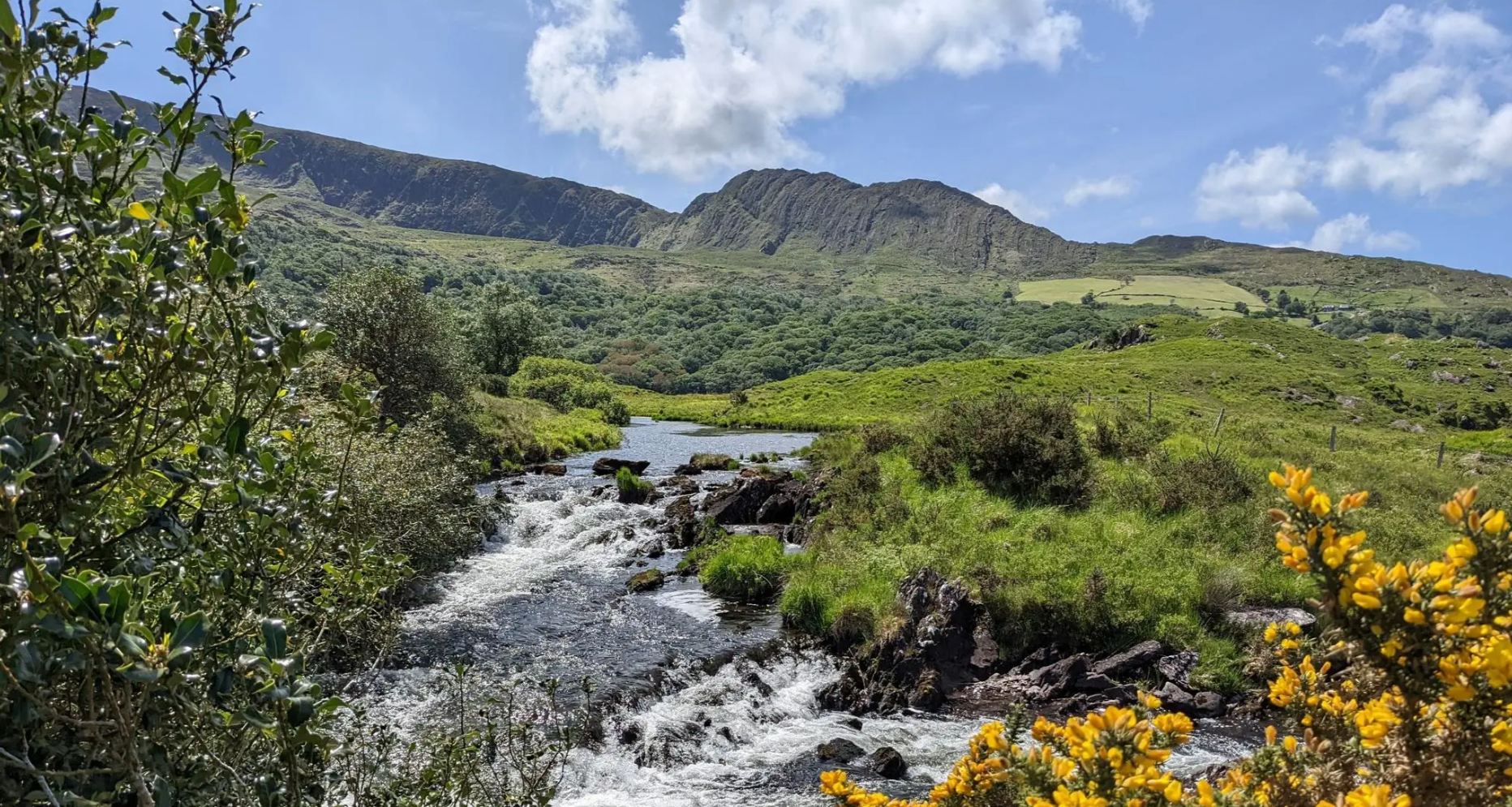
Beara Way – The Atlantic, rugged mountains and stunning coast
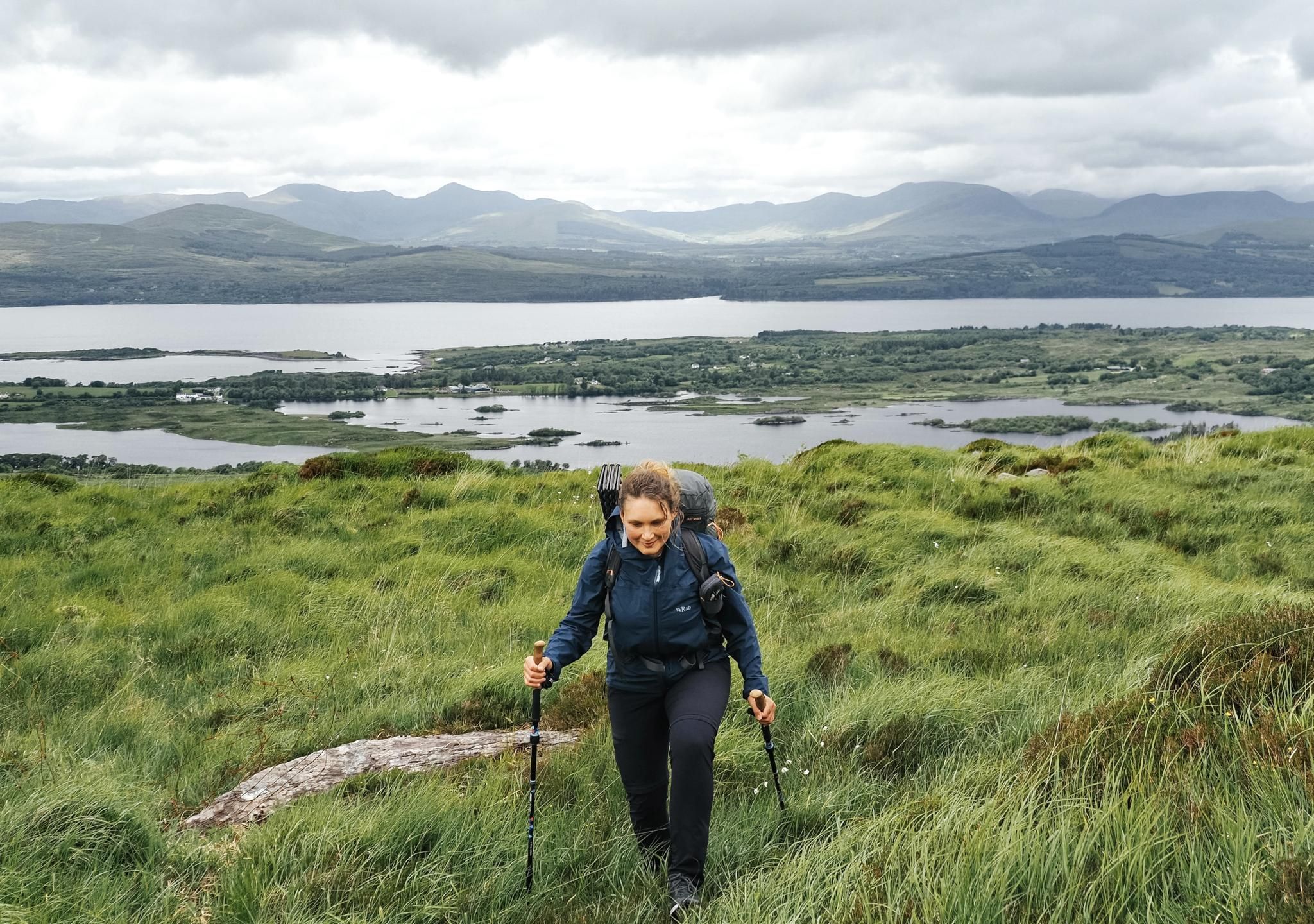
Beara Way – Kenmare to Glengarriff
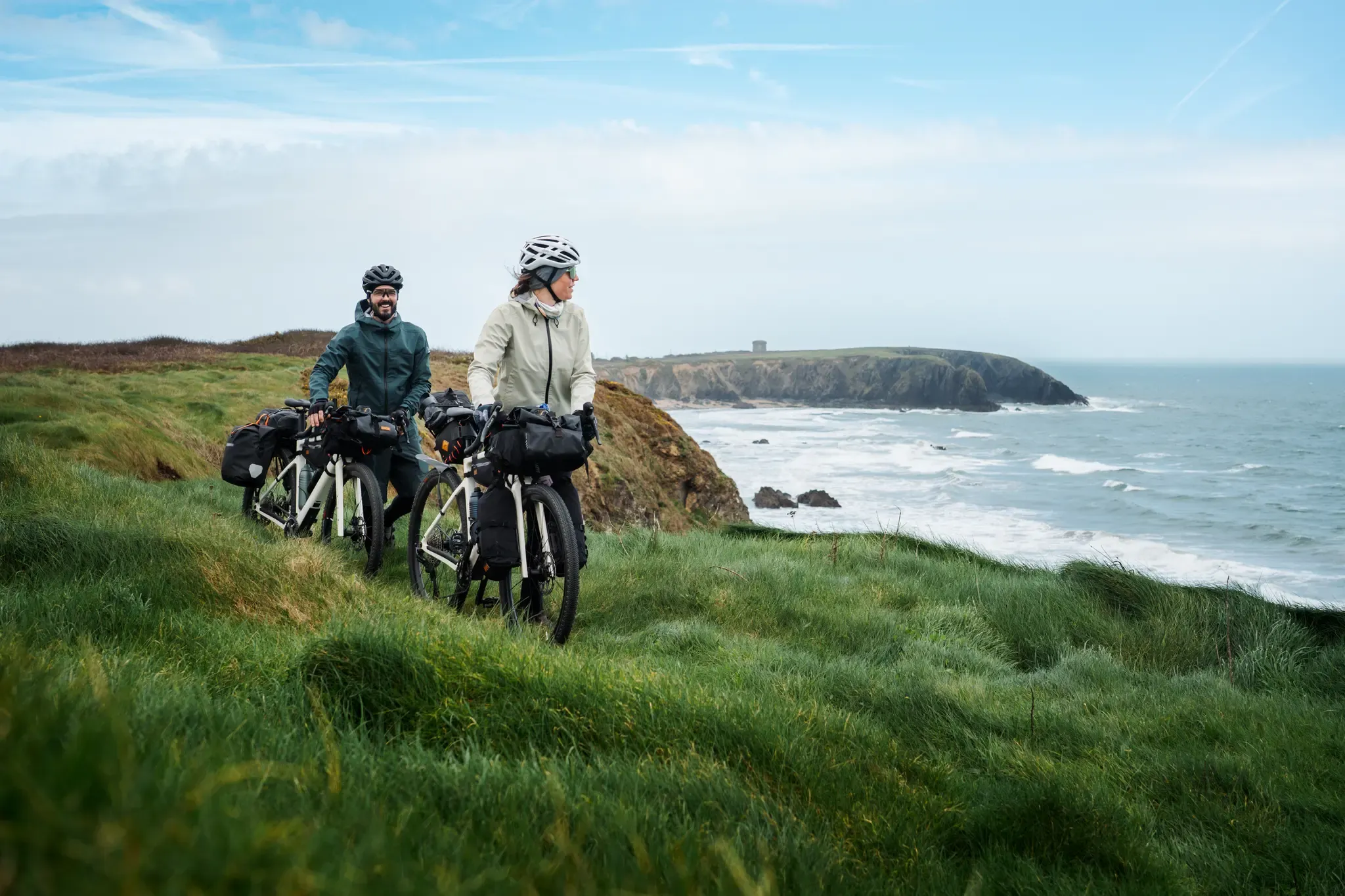
On the EuroVelo 1 through Ireland's south – green expanses & lonely beaches
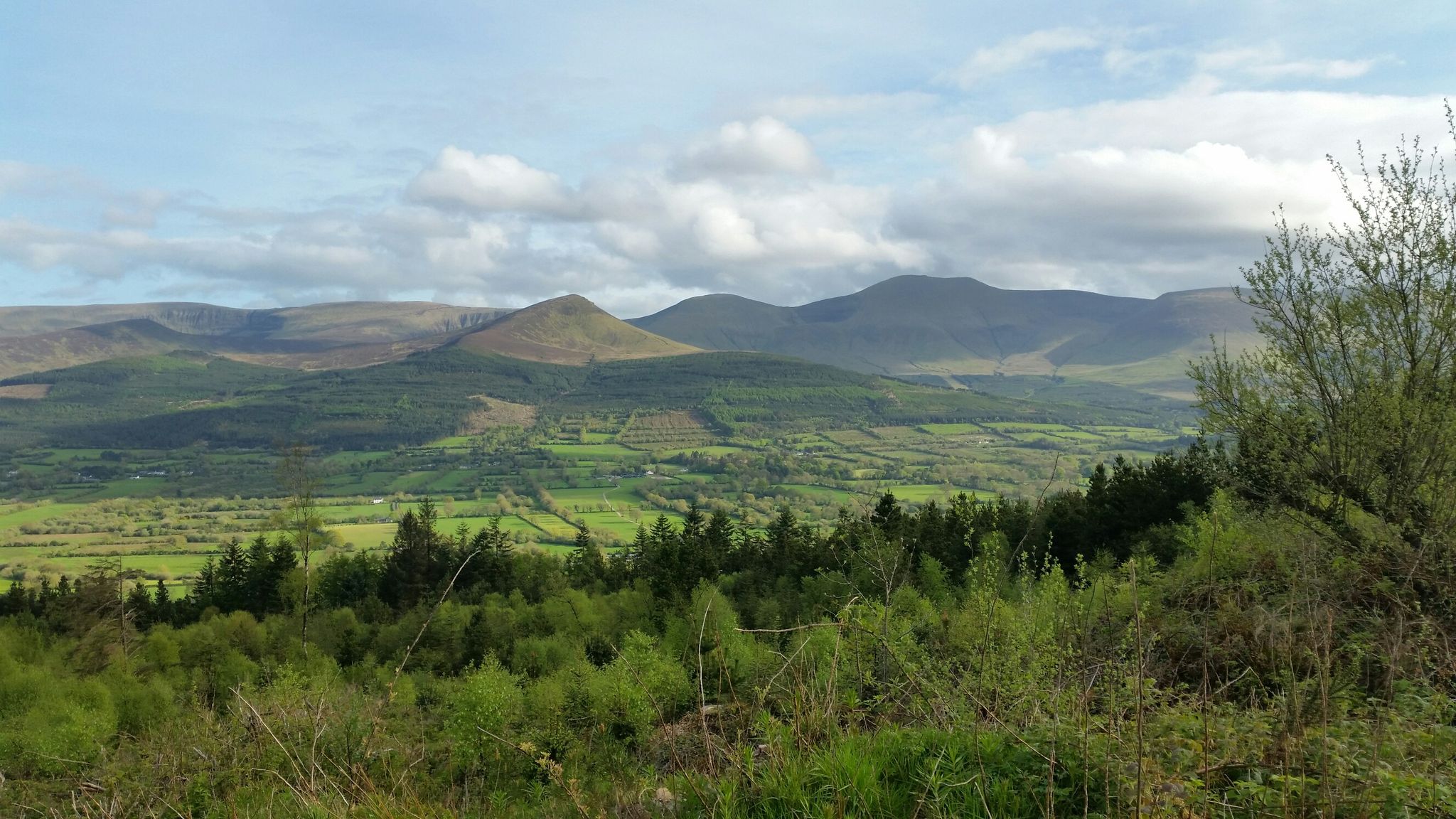
Echoes of the Long Walk — Ballyhoura Way
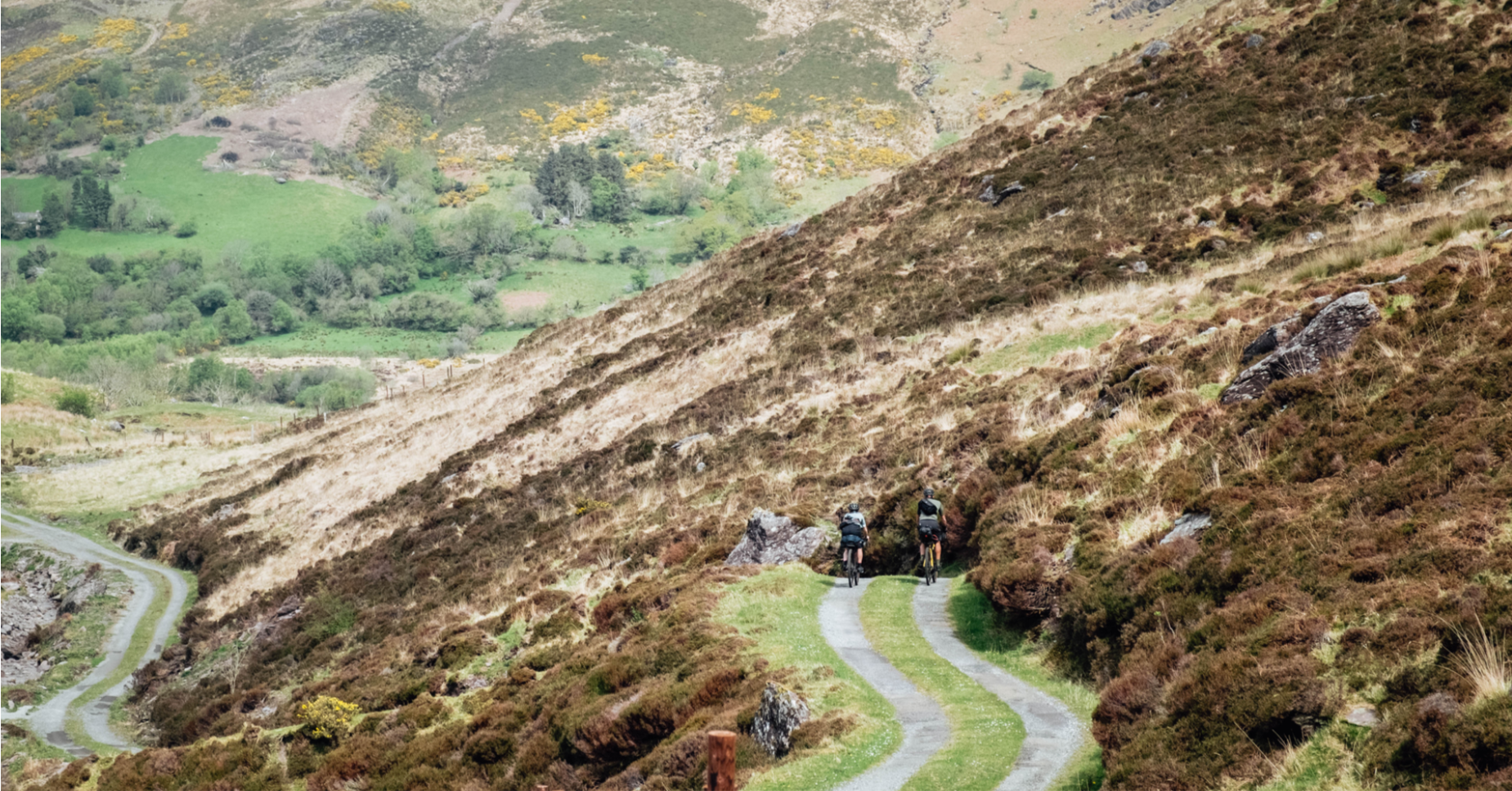
Ireland’s untamed peninsula – Beara Way
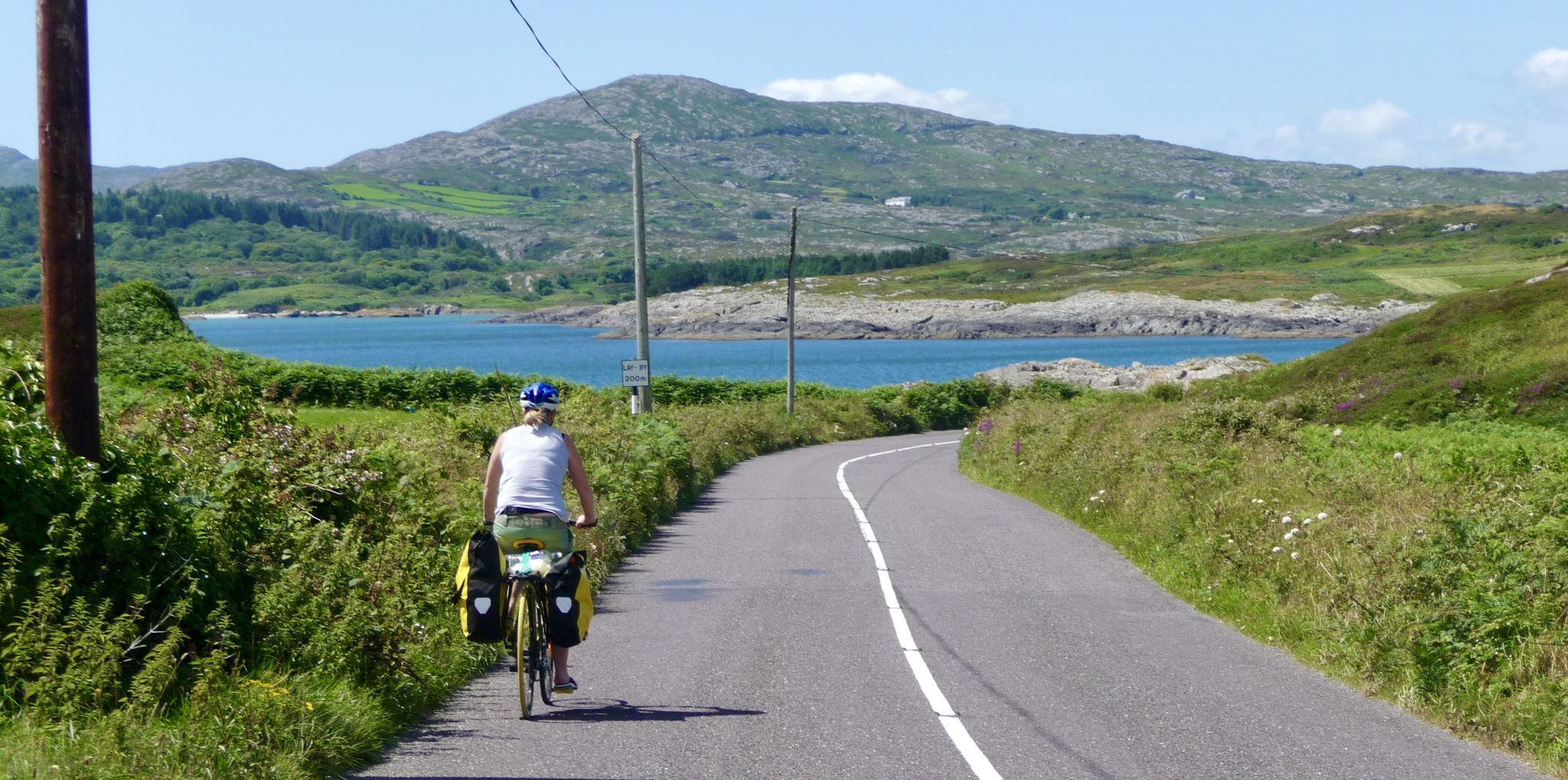
Discover beautiful Ireland – cycle end-to-end from Mizen to Malin
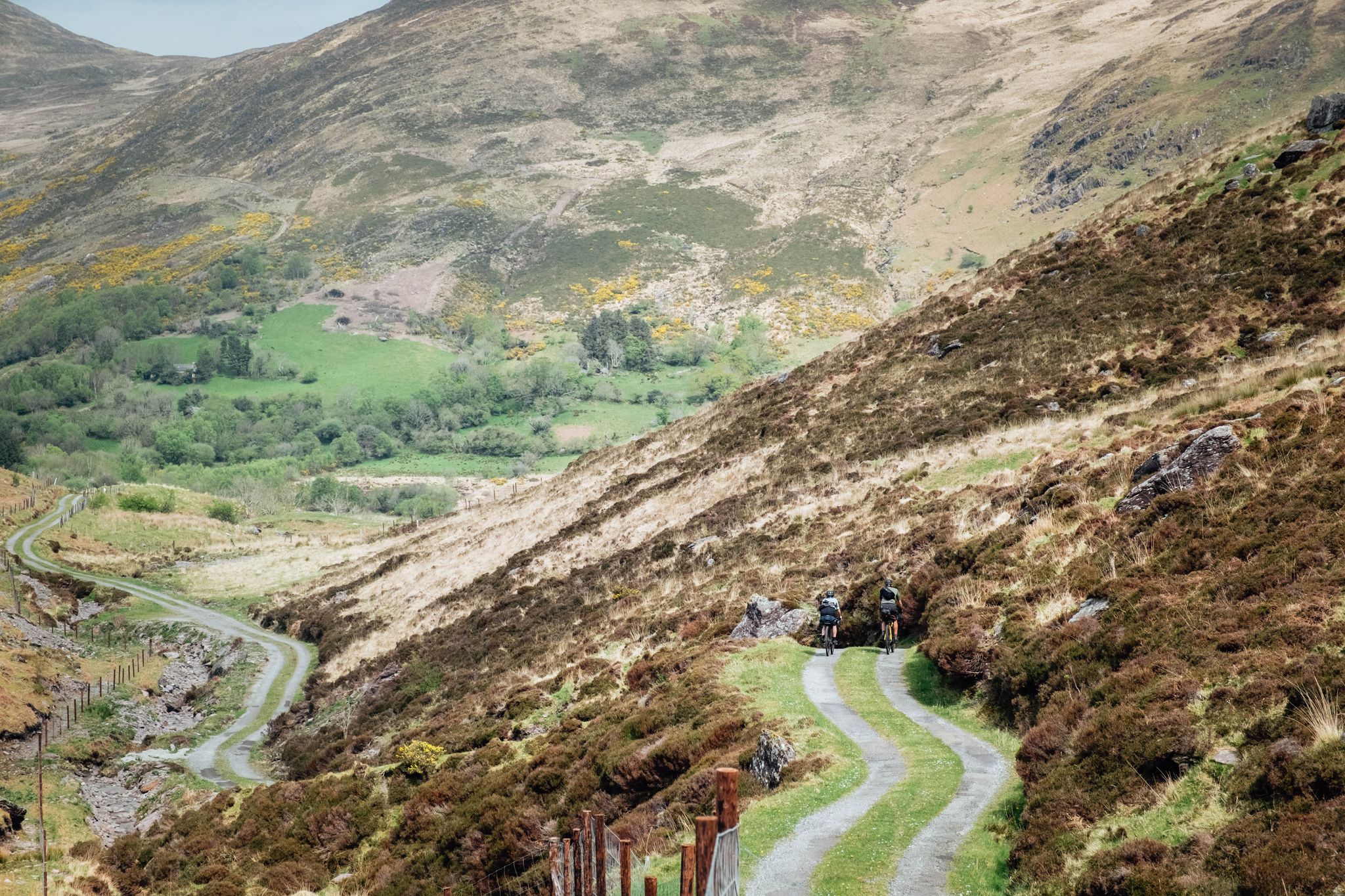
Bikepacking in Cork and Kerry – Killarney National Park
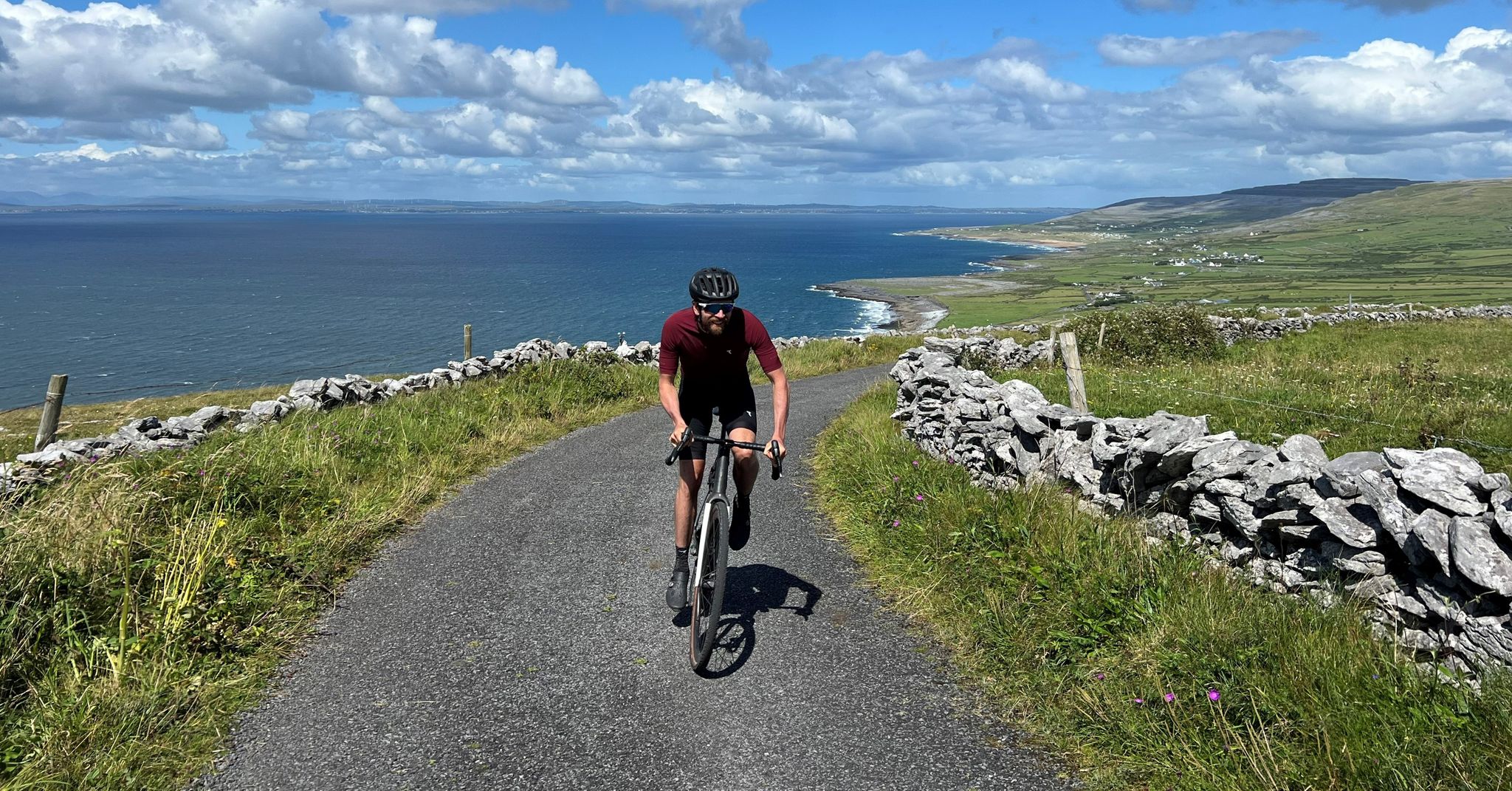
Road cycling on Ireland's west coast – four Tours with Jonas Deichmann
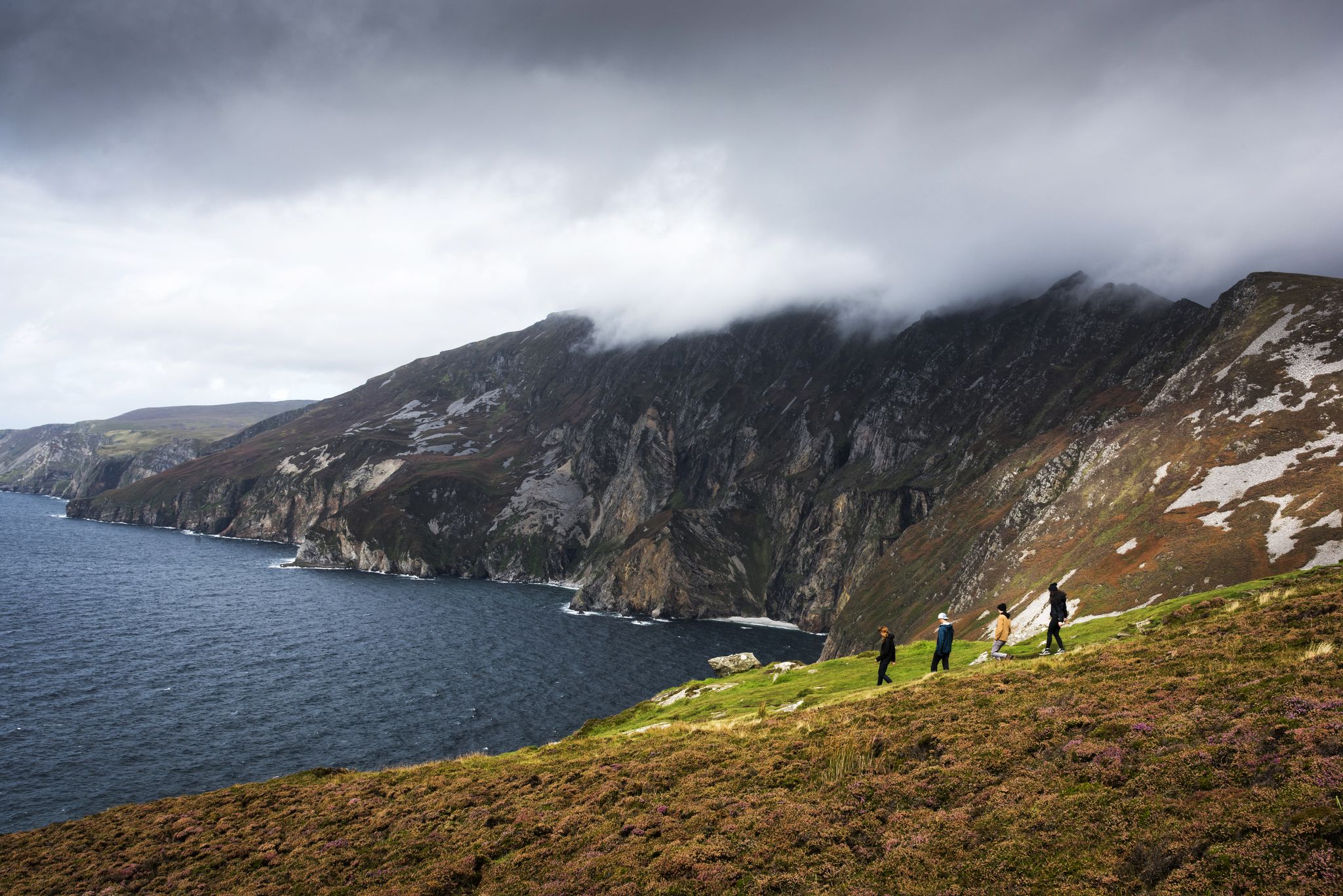
Hike Ireland's coast: cliffs, waves and wonderful wide beaches


Tips from the Community

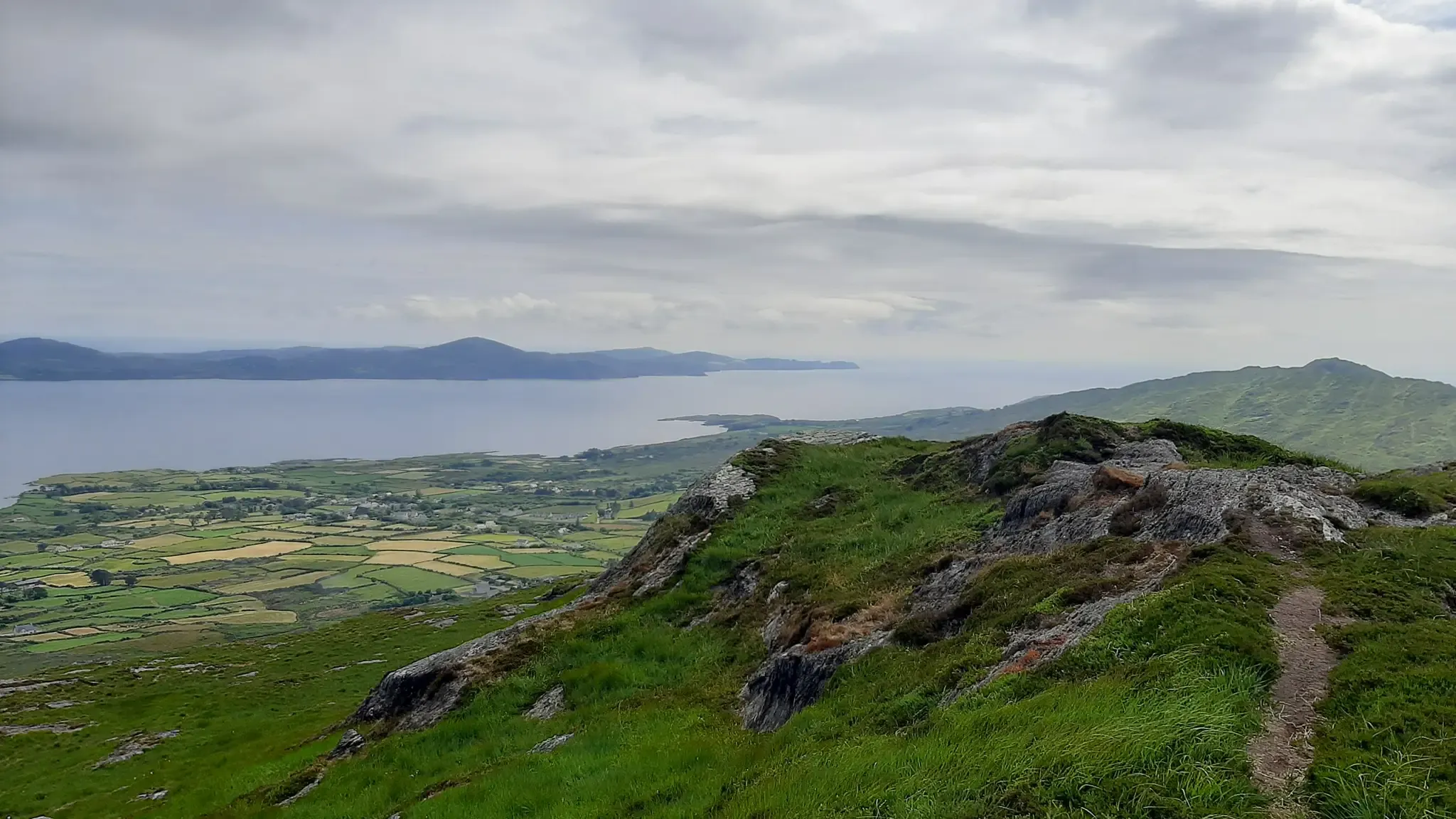
Knockboy, or An Cnoc Buí, meaning 'yellow mountain', is the highest mountain in the Shehy Mountains. It has a trig-pointed summit and is easily accessible from Priest’s Leap. There are great views to be had from here all round, but the views towards Bantry Bay are a bit special.
0
0

Mullaghmesha (Mullach Méise, translating as “Summit of the Altar”) is a distinctive "Marilyn" peak. With a summit of 1,621 feet (494 m) and 686 feet (209 m) of prominence, the hill offers superb views over Bantry Bay and the Cork countryside. The terrain includes boggy patches and be aware that weather conditions can change rapidly, summit fog and sea mist are commonly experienced.
1
0

Standing proud on Dursey Island's highest point, at 827 feet (252 m), this signal tower is a fine sight. It was built in the early 19th century as part of a system to enable long-distance communication at a time when Britain feared French invasion. The views from up here are superb, both out to sea and back towards the Beara Peninsula.
1
0
While only of moderate height, its enviable position means that the views from the top of Garnish Point are wonderful. To the west is the hilly Dursey Island and the Atlantic horizon, while in the other direction are Ballydonegan Bay and the Slieve Miskish Mountains.
0
0

The watchtower on Dursey Island stands proud and deserted on a hilltop, as if a silent witness to times gone by. The path to it is characterized by vast, open grasslands that wind slowly upwards until the tower finally appears before you – an impressive stone structure that has survived the stormy years. As you walk through the mist that often drifts over the island, the tower seems almost mystical, as if it existed in another time. The crumbling walls beside it tell stories of stormy nights and lonely sentinels that once watched the seas. Once at the summit, a magnificent panoramic view of Dursey Island's rugged coastline awaits you – weather permitting. It's worth taking in the peace and solitude up here. The wind whistles around the corners of the tower, and you can imagine what it must have been like to once stand watch in this remote place. The few remaining fortifications give you an idea of the tower's importance in its time. The hike isn't particularly long, but the constant ups and downs require a certain level of fitness. Sturdy footwear is a must, especially in wet weather when the path can be slippery.
3
0

At 709 m this isolated peak provides great views across this unique landscape. The point is marked by a geodesic stone marker. Be aware that along the route there are some points where you will have to lift your bike and step over small steps to pass over protective animal fencing.
0
0


Panoramic views await those who make it to the top. It is a tough climb up here to 494m but worth it. Please make sure that you have brought extra layers with you on your run as the weather can be unpredictable and cold at this height.
0
0
Frequently Asked Questions
What are some of the most popular mountain peaks to explore in County Cork?
Visitors frequently enjoy Summit of Garnish Point for its wonderful views of Dursey Island and the Atlantic, despite its moderate height. Other highly regarded peaks include Hungry Hill Summit, offering expansive views of the Beara Peninsula, and Mullaghmesha Summit, known for its superb vistas over Bantry Bay and the Cork countryside.
What is the highest mountain peak in County Cork?
The highest point in County Cork is Knockboy Summit, standing at 706 meters (2,316 feet). Located in the Shehy Mountains, it offers a challenging yet rewarding hike with panoramic 360-degree views over the Shehy and Caha Mountains, Bantry Bay, and the Beara Peninsula on clear days.
Which mountain peaks offer the best panoramic views in Cork?
For breathtaking panoramic views, consider Knockboy Summit, which provides 360-degree vistas across multiple mountain ranges and bays. Hungry Hill Summit offers a great all-round view of the Beara Peninsula, while Mullaghmesha Summit provides superb views over Bantry Bay. Additionally, Cnoc Bolais Signal Tower on Dursey Island and Knockanallig on Bere Island also boast stunning island and coastal views.
Are there any mountain peaks with historical significance in County Cork?
Yes, several peaks and areas hold historical importance. Cnoc Bolais Signal Tower on Dursey Island features a signal tower dating from the Napoleonic War. Hungry Hill Summit has a long and fascinating history, with cultural significance dating back to Celtic times and a past as a copper mining site. The Priest's Leap, a high mountain pass, is also a historical site offering impressive views.
Are there easy mountain hikes suitable for beginners in Cork?
While many peaks offer challenging terrain, some are more accessible. Summit of Garnish Point is considered an intermediate climb but is popular for its rewarding views without extreme height. For a less strenuous experience with great views, consider Knockanallig on Bere Island, which is the island's highest point at 267 meters and offers fantastic island views.
What are some challenging mountain trails in County Cork?
For experienced trekkers seeking a challenge, Knockboy Summit offers an isolated and rewarding experience. Hungry Hill Summit and Mullaghmesha Summit are also categorized as challenging, with boggy terrain and rapid weather changes adding to their difficulty. These peaks promise significant elevation gain and rugged landscapes.
What outdoor activities can I do near the mountain peaks in Cork?
Beyond hiking, County Cork offers diverse outdoor activities. You can find numerous cycling routes, including the challenging Sheep's Head Cycle Loop or the scenic Healy Pass loop. For mountain biking enthusiasts, there are trails like the Ballyhoura Canon Sheehan loop or the Priest´s Leap from Glengarriff. Explore more options for cycling, MTB trails, and hiking in Cork.
Are there specific hiking trails near these mountain peaks?
Yes, there are many hiking trails that lead to or pass by these peaks. For instance, the ascent to Knockboy Summit is typically accessed from the Priest's Leap. The Beara Way trail offers a week-long exploration opportunity around the Beara Peninsula, which includes Hungry Hill. You can find more detailed hiking routes in the Hiking in Cork guide.
What natural features can I expect to see when visiting Cork's mountain peaks?
The mountain peaks in Cork are characterized by a diverse and rugged landscape. You'll encounter distinctive features such as peat bogs, grasslands, and heathery slopes, primarily composed of Old Red Sandstone shaped by glacial erosion. Many peaks offer stunning coastal views, overlooking bays like Bantry Bay, and peninsulas such as the Beara Peninsula. The area is known for its wild beauty and sparse population, making it ideal for nature seekers.
What is the best time to hike in the Cork mountains?
While the Cork mountains can be explored year-round, the best time for hiking is generally during the warmer, drier months from late spring to early autumn (May to September). During this period, you'll experience more stable weather conditions and clearer views. However, be aware that weather can change rapidly, and summit fog or sea mist are common, especially on peaks like Mullaghmesha Summit. Always be prepared for varied conditions.
Are there any mountain peaks close to Cork City?
Musheramore, with a height of 642 meters (2,106 feet), is the highest point in the Boggeragh Mountains and is considered the nearest mountain over 600 meters to Cork City. It offers fantastic views of much of Counties Cork and Kerry on a clear day, making it a popular choice for those based closer to the city.
Most popular routes in Cork
Most popular attractions in Cork

Get inspired with the komoot mobile app


Didn’t find what you were looking for?
Discover Cork’s best peaks and summits by region:
Explore more
See even more amazing summits in Cork with these guides:
