Attractions and Places To See around Vendas Novas - Top 6
Best attractions and places to see around Vendas Novas, a city in the Alentejo region of Portugal, offer a blend of historical significance and cultural insights. Originally established as a stopover for travelers, the city retains its welcoming character. Visitors can explore historical sites, enjoy local gastronomy, and discover points of interest that reflect the region's heritage.
Best attractions and places to see around Vendas Novas
- The most popular attractions is Bifanas in the style of Vendas Novas, a…
Last updated: June 29, 2026
Vendas Novas Artillery Practice School
Highlight • Historical Site
Translated by Google •
Tip by

Palácio do Vidigal
Highlight • Historical Site
Translated by Google •
Tip by

Sign up now to discover places like this
Get recommendations on the best single tracks, peaks, & plenty of other exciting outdoor places.
Sign up for free
Bifanas in the style of Vendas Novas
Highlight • Restaurant
There is a great offer of bifanas in Vendas Novas.
They are to cry and ask for more!
Translated by Google •
Tip by
Safira, an abandoned village
Highlight • Settlement
Translated by Google •
Tip by
O Migalhas
Highlight • Restaurant
The fish soup is also recommended.
Translated by Google •
Tip by
Sign up for free to discover even more attractions around Vendas Novas.
Sign up for free
Already have an account?
Start today with a free account
Your next adventure awaits.
Login or Signup
Popular around Vendas Novas
Tips from the Community

The Vidigal Palace is an old royal hunting lodge built in the municipality of Vendas Novas, in the district of Évora. ✓History and Characteristics Origin: Commissioned by King D. Carlos I in 1896. ✓Construction: The works continued until the monarch's regicide in 1908. ✓Property: It currently belongs to the Casa de Bragança Foundation. ✓Architecture: It features a typical Ribatejo style with a quadrangular plan and a central courtyard. ✓Annex structures: It includes a bullfighting arena, a chapel dedicated to Our Lady of Conception, and an old royal halt. ✓Current state: The building is uninhabited, unfurnished, and in an advanced state of degradation. ✓Location and Visits Address: Estrada de Canha, Herdade do Vidigal, Vendas Novas. ✓Access: It is private property, so visits inside require prior authorization from the foundation or occur during specific events organized by the Vendas Novas City Council.
1
0

Most likely the best bifanas in Portugal 😋 The fish soup is also recommended.
16
0
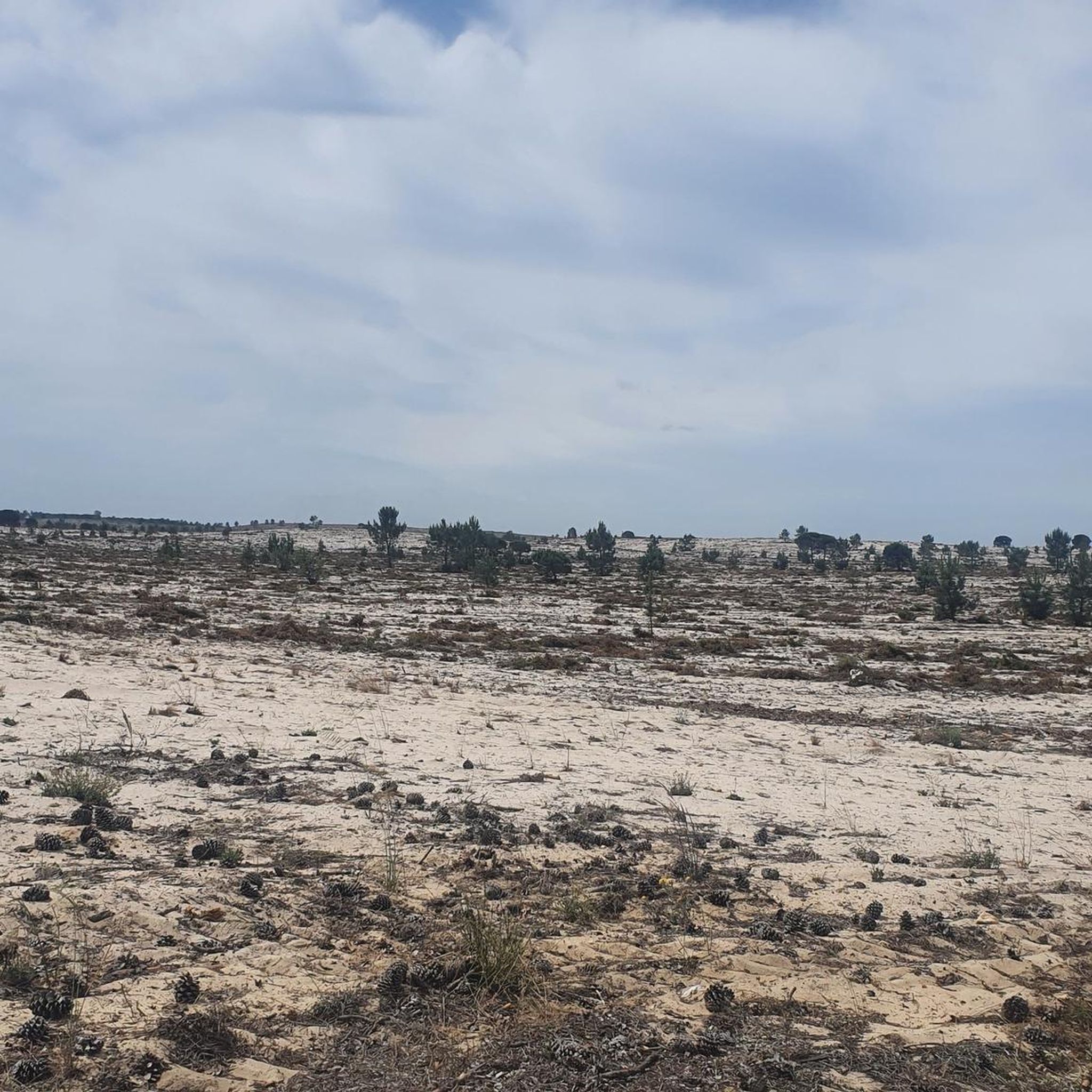
Safira, an abandoned village in the Alentejo region, is located near the N4 highway, between Vendas Novas and Montemor-o-Novo. It's about 20 kilometers from Montemor-o-Novo. The road to Safira is very poor, so it's best reached by car 🚗 or mountain bike. Road bikes 🚲 are strongly discouraged, as they will damage the tires and cause punctures every 100 meters. Safira, meaning "sapphire," is the name of a precious stone. The village began to be abandoned in 1930 and was completely deserted by 1965. It was home to approximately 600 people. You can still see its cemetery, a few houses 🏠, and what remains of the village church ⛪️. There was a lake and arsenic and copper mines. I recommend watching the following videos 📹 https://youtu.be/EkQ8A2DF0qg?si=GPgijKT1nhxIwfuI https://youtu.be/1LLp6FRn0vo?si=Vd_1i1Y-1F1w11Ac https://youtu.be/jbEotybYu1w?si=B7GYOjFLU-Un0FjD
14
0

small museum of Portuguese artillery.
1
0
The Royal Palace of Vendas Novas, known by the Palace of the Passages, currently Artillery Regiment No. 5, was the scene of one of the most beautiful stories of princesses. Wart of D. In 1728, the palace targeted two nights in bed on the way to Caia, where he was to stay D. Barbara marries D. Ferdinand VI of Spain, while on the return D. Mariana Victoria, bride of the future king D. José I, episode in the history of Portugal that became known as the Exchange of Princesses. The construction of this building took place in record time of a year, so that everything was ready to receive the princesses. Colonel José da Silva Pais and Vasconcelos intended the direction, the architecture was in charge of Custos of Vieira and a million crusaders were spent, so the result was the Palace of Great Magnanimity, considered at the time one of the largest buildings in the country. The building had many excellent divisions for the royal family and their servants and there was still an oratory and a sacristy lined with gilded carvings. From the Inn of the Kings it went into cavalry cases, set, telegraph, improvised hospital for the fight against yellow fever and finally, since 1861 and on the initiative of D. Pedro V, for the headquarters of the Artillery Practice School, so until 2013. Currently Artillery Regiment No.5 Inside the famous palace it is still possible to observe the original frescoes on the ceilings, the fountain, which although covered, is still in the courtyard courtyard and the Palace of the King's Hunt, which is located in the artillery polygon. All the rest of the compartments of the palace now function as offices of the military unit and the rest room has been adapted to the day-to-day use of the barracks. https://www.cm-vendasnovas.pt/visitante/monumentos/palacio-das-passagens/
4
0
The Vidigal Palace was built by King D. Carlos I in 1896, consisting of a hunting lodge. The works continued until his assassination on February 1, 1908. With a typical Ribatejo style, the palace is without any furniture. The complex includes a chapel to Nossa Senhora da Conceição and an arena where several bullfights took place.
27
0
Vendas Novas' culinary specialty, bifana. Bifanas have a special seasoning. There is a great offer of bifanas in Vendas Novas. They are to cry and ask for more!
27
0

Frequently Asked Questions
What historical sites can I visit in Vendas Novas?
Vendas Novas is rich in history. You can explore the Vendas Novas Artillery Practice School, which is housed within the historic Palácio das Passagens, a former royal rest stop. Another significant historical site is the Palácio do Vidigal, a former hunting lodge built for King D. Carlos I. Don't miss the 15th-century Igreja de Nossa Senhora da Nazaré in Landeira, the oldest building in the county, or the modernist Capela de São Gabriel.
Are there any family-friendly attractions in Vendas Novas?
Yes, Vendas Novas offers several family-friendly options. The Vendas Novas Artillery Practice School (Palácio das Passagens) is a historical site that can be interesting for families. For outdoor fun, the Jardim Público de Vendas Novas features verdant lawns, a pond, a skate park, and a children's playground. The Complexo das Piscinas Municipais offers municipal swimming pools, and just outside the city, Monte Selvagem – Reserva Animal is an ethical animal park.
Where can I experience the local gastronomy in Vendas Novas?
Vendas Novas is famous for its 'bifanas,' delicious pork steak sandwiches. You can savor this culinary specialty at places like Bifanas in the style of Vendas Novas or O Migalhas, which is also highly recommended for its fish soup. The city also has a history of artisanal cheese production.
What kind of outdoor activities can I do near Vendas Novas?
For those who enjoy being active outdoors, Vendas Novas offers several options. You can explore various running loops and trails, with distances ranging from 6.7 km to over 16 km, suitable for moderate to difficult levels. Find more details on these routes in the Running Trails around Vendas Novas guide. Additionally, the Jardim Público provides a pleasant green space for walks, and the Espaço Verde da Entrada Poente offers a pedestrian route with Mediterranean plants.
Is there a place to learn about the military history of Vendas Novas?
Yes, the Vendas Novas Artillery Practice School, located within the Palácio das Passagens, houses the Museum of the Practical School of Artillery. Established in 1992, this museum provides insights into the city's military connection through its collection of artillery pieces, uniforms, and historical documents.
What is the 'Exchange of Princesses' and where did it happen in Vendas Novas?
The 'Exchange of Princesses' was a significant historical event in 1728 where two princesses were exchanged as part of royal marriages. This event took place at the Palácio das Passagens, which is now home to the Vendas Novas Artillery Practice School. The palace served as a royal rest stop and was specially prepared for this occasion.
Are there any unique or 'hidden gem' type attractions in the area?
A truly unique and somewhat hidden gem is Safira, an abandoned village. Located near the N4 highway, this village was completely deserted by 1965. You can still see its cemetery, remnants of houses, and the village church, offering a glimpse into a bygone era. Be aware that the road to Safira is very poor, making it best suited for cars or mountain bikes.
Where can I find a public park or garden in Vendas Novas?
The Jardim Público de Vendas Novas, laid out in 1993, is a central public park. It features green lawns, a pond with a cafe, an ornamental water mirror, a skate park, a children's playground, and an amphitheater for summer events. It's a great place for relaxation and recreation.
What is the significance of the Chafariz Real (Royal Fountain)?
The Chafariz Real, dating back to 1728, is a historical fountain located behind Vendas Novas' municipal market. It features two long masonry basins and an 18th-century design. It was originally built to provide water for the workers and animals involved in the construction of the Palácio das Passagens.
Can I visit a windmill in Vendas Novas?
Yes, the Antigo Moinho de Vento de Vendas Novas, a whitewashed windmill likely from the early 1800s, is open to visitors. It now houses the Vendas Novas tourist office, allowing you to see its internal mechanisms while gathering local information.
What cultural events or spaces are available in Vendas Novas?
The Centro Sociocultural de Vendas Novas is a key cultural hub. It includes a hall with a stage that hosts various festivals and shows throughout the year. It also features an outdoor area with a fountain and garden, suitable for diverse cultural programming.
Are there any notable places to visit just outside Vendas Novas?
A short drive east of Vendas Novas, you can visit Montemor-o-Novo. This town boasts a historic castle, built in 1203, offering scenic views of the Alentejo countryside. The Santuário de Nossa Senhora da Visitação, a 16th-century hilltop chapel, also provides magnificent panoramas.
Most popular routes around Vendas Novas

Get inspired with the komoot mobile app


Explore more
Still not found the Highlight you’re looking for? See guides of the top attractions in other regions:
