Attractions and Places To See around Soulaines-Dhuys - Top 5
Best attractions and places to see around Soulaines-Dhuys include a variety of historical sites and cultural landmarks. Located in the Aube department of the Grand Est region, the area is notable for its connections to Napoleon Bonaparte's early life and military history. Visitors can explore ancient religious buildings, significant castles, and sites related to military education. The region offers opportunities to discover historical narratives and local heritage.
Best attractions and places to see around Soulaines-Dhuys
- The most popular attractions is…
Last updated: July 5, 2026
Napoleon and Brienne-le-Château
Highlight • Settlement
Translated by Google •
Tip by

Church of Saint Peter and Saint Paul
Highlight • Religious Site
Translated by Google •
Tip by

Sign up now to discover places like this
Get recommendations on the best single tracks, peaks, & plenty of other exciting outdoor places.
Sign up for free
Brienne-le-Château Town Hall
Highlight • Other
Translated by Google •
Tip by
École Militaire
Highlight • Historical Site
Translated by Google •
Tip by
Château de Brienne-le-Château
Highlight • Castle
Translated by Google •
Tip by
Sign up for free to discover even more attractions around Soulaines-Dhuys.
Sign up for free
Already have an account?
Start today with a free account
Your next adventure awaits.
Login or Signup


Tips from the Community

At Brienne-le-Château, the Via Francigena crosses the story of a famous character: Napoleon Bonaparte. Indeed, from 1779 to 1784, Brienne welcomed the young Bonaparte to its royal military school, which has now become a museum dedicated to Napoleon I and the French campaign. During the 1814 campaign, the city became the hub of the two combined armies of Silesia and Bohemia that marched towards Paris. On 29 January, during fierce fighting, French troops recaptured the ruined city and even came close to capturing Blücher, who was then living in the castle. Built in the eighteenth century, the castle, residence of the Loménie de Brienne, can be seen from the city below, but is not open to the public.
1
0
This museum is housed in the former military academy, which was founded in 1776 to train children of impoverished nobility for military service. The young Napoleon Bonaparte was trained there from 1779 to 1784. Using film fragments, administrative documents, tin soldiers and explanatory drawings, the museum shows the various facets of the man who went through all the military ranks before finally having himself proclaimed emperor. It shows him alternately as a public figure busy exercising control over his appearance, as a father in the intimacy of family life, as an exceptional strategist and military leader at the end of his career, during his French campaign.
3
0
The emperor gave 1,200,000 francs to the city of his youth. Part of that money was used to build the town hall, inaugurated in 1859. On the town hall is a pediment with a medallion depicting Napoleon and an eagle above it. In front of the building is a statue of Bonaparte in a school uniform of the time: a blue suit with trim, jacket and short red trousers
1
0
This building was badly damaged in 1940 by a fire that destroyed much of the city, but has been restored to its original state. The church, where Napoleon made his first communion, is built of stone from the Champagne region. It has a 14th-century nave and a 16th-century choir with choir girth. Look at the original images in the Renaissance stained glass windows: on the left the story of Noah, on the right the legend of Saint Crispin and Saint Crispinian. Also note the bell-shaped holy water font (16th century), the baptismal font and the choir screen (18th century).
1
0
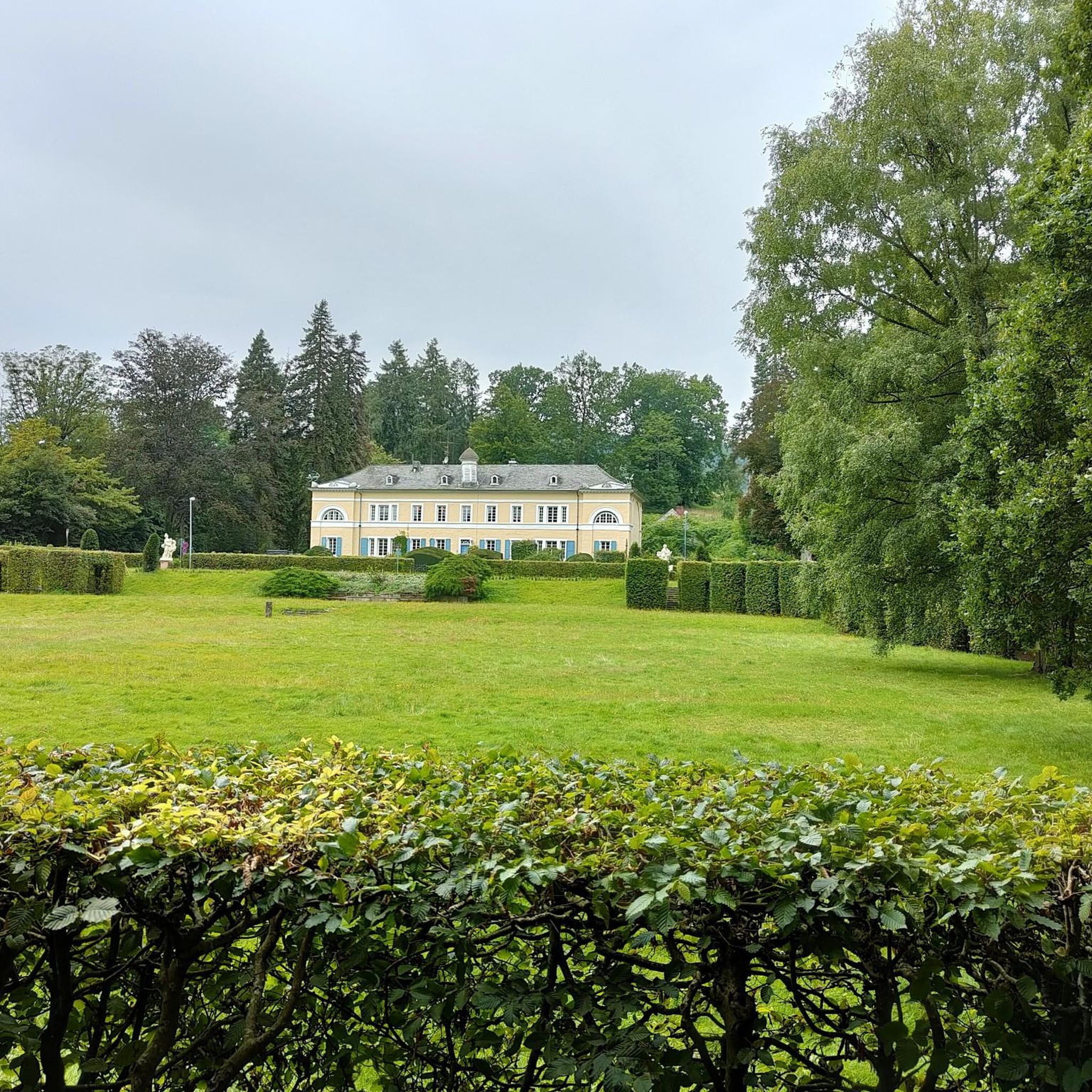
Château de Brienne-le-Château is a magnificent palace from the second half of the 18th century, located in the commune of Brienne-le-Château in the Aube department, in the Grand Est region. The castle is partly registered as a historical monument. The castle was inaugurated in 1778. The castle has a classical style and is surrounded by a large park with an orangery, a lavoir and a glacière. The castle is also called “the little Versailles of the Aube”. The castle also has a historical link with Napoleon Bonaparte, who studied there at the military school. In 1814, he stayed there for two nights during the Battle of La Rothière, where he almost managed to surprise the Prussian general Blücher in the castle1. In 1805, Napoleon tried to buy the castle for his mother, but the young Countess de Brienne refused him. The castle is now a psychiatric hospital.
2
0

Brienne lies on the banks of the Aube river in a plain called la Plaine de Brienne. The Counts of Brienne dominated the history of the area for a long time. They were one of the most important noble families of medieval France and produced statesmen, diplomats and crusaders. Johann von Brienne (1169/74–1237). He was chosen by the French King Philip II as husband and regent for the heir to the Kingdom of Jerusalem. From 1210 to 1212 he was king of Jerusalem. He then became the father-in-law of the Roman-German Emperor Frederick II, with whom he became enemies and also fought against him as the Pope's general. From 1229 he ruled Constantinople for nine years. Brienne-le-Château became known as the training site of Napoleon Bonaparte, who studied here for five years (May 1779 to October 1784) as a boarding school student at what was then the Royal Military School. To complete his studies, he left Brienne-le-Château and finished it at the École Militaire in Paris. On April 3, 1805, he visited Brienne-le-Château again on his trip to Italy for the coronation, now already as Emperor of the French. On January 29, 1814, the Battle of Brienne was fought near Brienne, which ended with a victory for France under Napoleon Bonaparte against the Russians and Prussians under Field Marshal Blücher. Sources: Wikipedia
1
0
Frequently Asked Questions
What historical sites can I visit around Soulaines-Dhuys?
The region is rich in history, particularly related to Napoleon Bonaparte. You can explore Napoleon and Brienne-le-Château, where Napoleon studied at the Royal Military School. Another significant site is the Church of Saint Peter and Saint Paul, a restored religious building with 14th and 16th-century architecture, where Napoleon made his first communion. Don't miss the Château de Brienne-le-Château, an 18th-century palace with a classical style and historical ties to Napoleon.
Where can I learn more about Napoleon Bonaparte's connection to the area?
Napoleon Bonaparte's early life and military training are strongly linked to this region. He studied for five years at the Royal Military School in Brienne-le-Château. You can delve deeper into his story at the École Militaire, which now houses a museum detailing his training and career through film fragments, documents, and exhibits.
Are there any family-friendly attractions in Soulaines-Dhuys?
Yes, the École Militaire, which is now a museum, is considered family-friendly. It offers an engaging way to learn about Napoleon Bonaparte's time at the military academy through various exhibits, including tin soldiers and explanatory drawings, making history accessible for all ages.
What outdoor activities are available near Soulaines-Dhuys?
The area around Soulaines-Dhuys offers various outdoor activities, particularly cycling and running. You can find numerous routes for road cycling, general cycling, and running. For detailed routes and guides, explore the Road Cycling Routes around Soulaines-Dhuys, Cycling around Soulaines-Dhuys, and Running Trails around Soulaines-Dhuys guides.
Are there cycling routes around Soulaines-Dhuys?
Absolutely. Cyclists can enjoy a variety of routes, from moderate road cycling tours like the 'Brienne-le-Château Castle – Bridge over the Aube loop' to easier general cycling routes such as the 'Soulaines-Dhuys – Laundry loop'. You can find more options and details in the Road Cycling Routes and Cycling around Soulaines-Dhuys guides.
Can I go running near Soulaines-Dhuys?
Yes, there are several running trails available. You can find moderate running loops starting from nearby villages like Juzanvigny, Sommevoire, and Chaumesnil, with distances typically ranging from 6 to 11 kilometers. For more options, check out the Running Trails around Soulaines-Dhuys guide.
Are there any local events or festivals in the Soulaines-Dhuys area?
Yes, visitors can experience local culture at the Kirmes und Strassenfest in Hampigny. This local event, featuring a fair, flea market, and parade, takes place every weekend after Ascension Day, offering a lively community experience.
What is the Château de Brienne-le-Château known for?
The Château de Brienne-le-Château is an impressive 18th-century palace, often referred to as the 'little Versailles of the Aube.' It's known for its classical architecture, large park, and historical connection to Napoleon Bonaparte, who stayed there during the Battle of La Rothière in 1814.
What kind of natural features can I expect to see around Soulaines-Dhuys?
The region is characterized by its plains and the Aube river. While specific natural highlights are not detailed, the landscape offers a pleasant setting for outdoor activities like cycling and running, allowing you to enjoy the rural charm of the Grand Est region.
When is the best time to visit Soulaines-Dhuys for outdoor activities?
For outdoor activities like cycling and running, the spring and autumn months generally offer pleasant weather with milder temperatures, ideal for exploring the region's historical sites and trails. Summer can also be enjoyable, though it may be warmer.
Are there any easy or beginner-friendly walking routes near Soulaines-Dhuys?
While specific walking routes are not detailed, many of the cycling and running routes offer varying difficulty levels. For instance, some cycling routes are rated 'easy,' suggesting that parts of these paths could be suitable for leisurely walks. You can explore the Cycling around Soulaines-Dhuys guide for routes that might offer gentler terrain.

Get inspired with the komoot mobile app


Explore more
Still not found the Highlight you’re looking for? See guides of the top attractions in other regions:
