Attractions and Places To See around Loison - Top 9
Best attractions and places to see around Loison include sites of historical significance and natural observation points. The area features memorials and ruins from World War I, offering insights into past events. Additionally, visitors can explore wetland habitats designed for wildlife observation. This region provides opportunities for both historical reflection and engagement with nature.
Best attractions and places to see around Loison
- The most popular attractions is Bezonvaux, a historical site that is one of the destroyed villages not…
Last updated: October 8, 2026
Amel Pond Observatory
Highlight • Other
Translated by Google •
Tip by

Ruins of Église Saint-Michel
Highlight • Historical Site
Translated by Google •
Tip by

Sign up now to discover places like this
Get recommendations on the best single tracks, peaks, & plenty of other exciting outdoor places.
Bezonvaux
Highlight • Other
Translated by Google •
Tip by

Ornes WWI Tragedy Memorial
Highlight • Other
Translated by Google •
Tip by
Saint-Michel Chapel - Ornes
Highlight • Religious Site
The chapel is located near the ruins of the old church, which was listed as a monument in 1996. The ruins and the chapel are connected …
Translated by Google •
Tip by
Sign up for free to discover even more attractions around Loison.
Already have an account?
Start today with a free account
Your next adventure awaits.




Tips from the Community

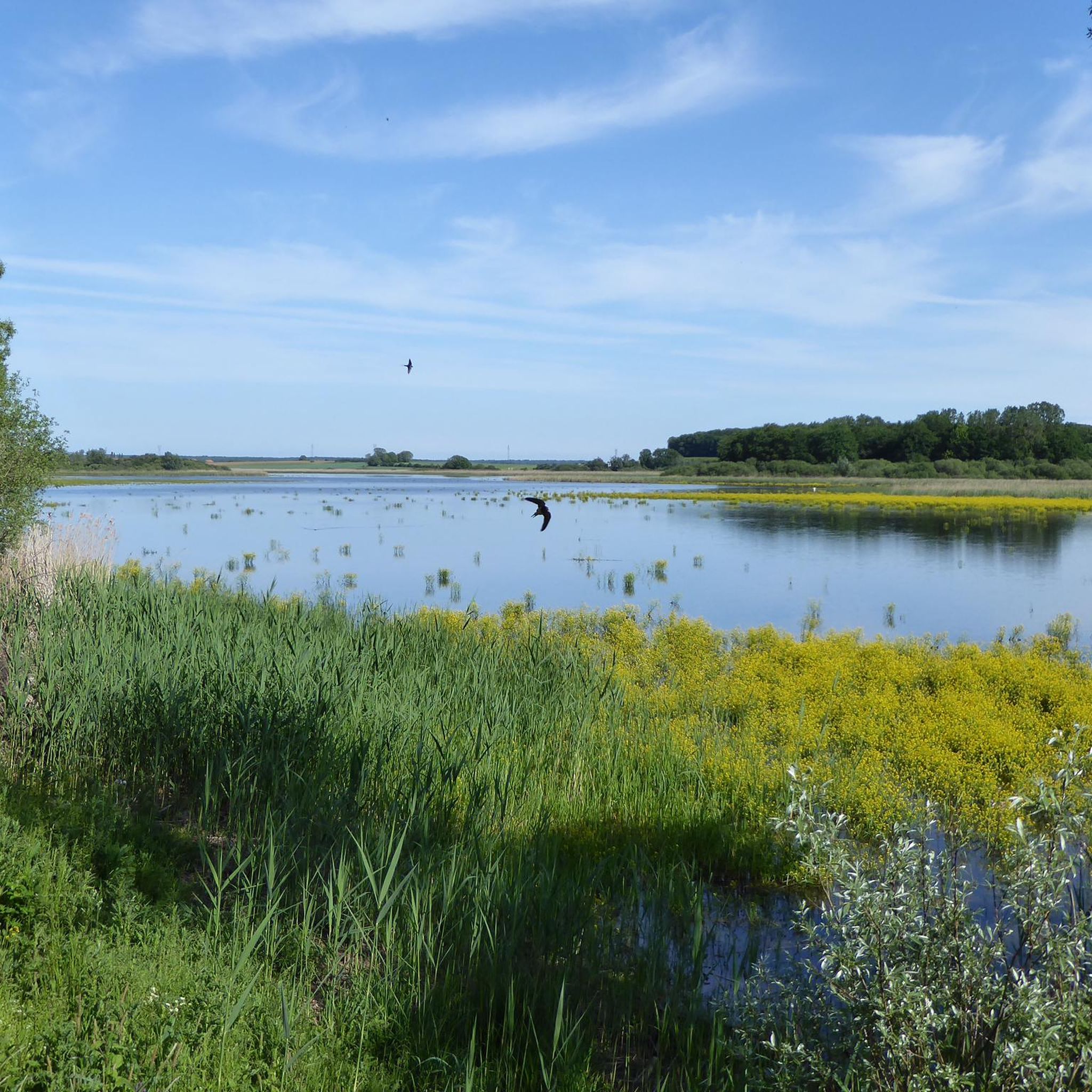
🔭 **Observatoire de l’Étang d’Amel – Nature Observation at the Pond** At the Étang d’Amel, there is a wooden observation post from which wildlife can be observed undisturbed. Waterfowl such as herons, ducks, and geese are particularly easy to spot here – depending on the season, even with their young. 🌾 The platform is sheltered from the wind, offers information panels about the regional fauna, and is idyllically situated among reeds, trees, and riparian grass. **Tip:** Bring binoculars! The chances of spotting birds are particularly good in the early morning or late afternoon. Ideal for nature lovers and families.
0
0

Ornes was a real city, larger than the other villages destroyed, but eventually, after the Great War, is at the same point that they or essentially disappeared under the rocks. In the middle of the 19th century it has 1367 inhabitants. This number drops to 750 inhabitants in 1914, mainly due to depopulation of the countryside, which provides labor to large industrial centers booming in the late 19th century. Nevertheless, this city has an industrial textile processing and very suitable for local agricultural production and of the plain of the neighboring Woëvre. But at the outbreak of the Great War August 1914, the location of the village is in the danger zone. It is quite quickly in the middle of the front line. Residents were evacuated on August 25, 1914. This was not without risk under the continuous bombardments and raids by German patrols. In September 1914, two children were killed by shrapnel. In October 1914 a number of villagers were captured by the Germans and murdered. In 1915 and until February 1916 French troops held the village. But from 21 to 24 February 1916 the German superiority was so strong that the village of Ornes was taken by the German infantry after heavy bombardments. The village of Ornes was recaptured on 23 August 1917. This memorial reminds passers-by of the tragedy of Ornes.
3
0
History of the chapel: The chapel is located near the ruins of the old church, which was listed as a monument in 1996. The ruins and the chapel are connected by the current Orne forest road, which follows the route of the "rue d'en haut" of the old village. The chapel is located on the edge of this road. The Fountain of Remembrance, which was built a few years later, is located in line with the chapel, on the other side of the road. The chapel consists of a large nave, preceded by an entrance portal, followed by a trapezoidal choir which opens at the back of the altar onto a small sacristy with a rectangular plan. Of the nine hidden chapels, the Ornes chapel is the only one with a sacristy.
3
0
Ornes was a real city, larger than the other destroyed villages, but which eventually found itself, after the First World War, on the same site, or almost, under their stones. In the course of its history, its lord's castle suffered the same fate, when it was taken in February 1653 and then destroyed by the Catholic troops of Lorraine, while he, like his ancestors since 1563, vigorously defended Protestantism. As early as 1587, a very bloody battle took place between his troops and the Catholic troops of the Duke of Lorraine. In the mid-19th century, the city had 1,367 inhabitants, but in 1914 the number of inhabitants fell again to 750. This was mainly due to the rural exodus, which provided labour for the large industrial centres that were growing rapidly at the end of the 19th century. However, this city has an industrial textile and processing factory that is well suited to local agricultural production and textiles from the neighbouring Woëvre plain. But its geographical location, close to the border with the annexed Moselle and then on the front that had been stabilised after the Battle of the Marne, was not favourable for the area. In the event of an enemy offensive, the area would quickly find itself on the front line. For this reason, on 25 August 1914, the population was asked to leave the village. But not everyone left, at their own risk, because the bombardments and German patrols in the village became increasingly intense. In September 1914, two children were killed by shrapnel. In October 1914, several villagers who were about to leave were taken prisoner by the Germans... In 1915 and until February 1916, French troops held the village where units were positioned, in the second line opposite the front, at the beginning of the great German offensive. But from 21 to 24 February, the German advance was so strong that the village of Ornes was taken by their infantry on 24 February 1916, after heavy bombardments that destroyed all the houses and buildings in the village. It was not until 23 August 1917 that the area was retaken by our soldiers. At the end of the war, the area was classified as a 'red zone' and could never be rebuilt. Source: Tourism Verdun
3
0

You can observe birds there without disturbing them. The pond is home to many rare and protected plant and animal species, such as the greater bittern, the little heron and the marsh copper. Enjoy the beauty and tranquility of this wetland habitat. An ideal break for your race.
2
0
You can observe birds there without disturbing them. The pond is home to many rare and protected plant and animal species, such as the great bittern, the dwarf heron and the marsh copper. Enjoy the beauty and tranquility of this wetland habitat.
3
0

This is one of the destroyed villages from WWI that were not rebuilt
2
0
This is one of the destroyed villages that have not been rebuilt after WWI
3
0
Frequently Asked Questions
What historical sites related to World War I can I visit around Loison?
The Loison area is rich in World War I history. You can visit Bezonvaux, one of the destroyed villages not rebuilt after WWI, offering a poignant reminder of past conflicts. Another significant site is the Ruins of Église Saint-Michel, marking the remains of a church in a village heavily impacted by the war. Additionally, the Azannes II German military cemetery provides a solemn insight into the conflict.
Are there any memorials dedicated to the events of World War I in the Loison area?
Yes, the Ornes WWI Tragedy Memorial serves as a powerful reminder of the village of Ornes's tragic fate during the war, commemorating the heavy bombardments, evacuations, and loss of life experienced by its inhabitants.
Where can I observe wildlife and natural habitats near Loison?
For nature observation, the Amel Pond Observatory is an excellent spot. It features a wooden observation post where you can view various bird species and wetland habitats without disturbance. The pond is home to rare and protected plant and animal species, including the great bittern, dwarf heron, and marsh copper.
What kind of wildlife can I expect to see at the Amel Pond Observatory?
At the Amel Pond Observatory, you can observe a variety of waterfowl such as herons, ducks, and geese. Depending on the season, you might even spot their young. The area is also known for rare and protected species like the great bittern, dwarf heron, and marsh copper. Bringing binoculars is recommended for the best viewing experience.
Are there hiking opportunities around Loison?
Yes, the Loison area offers several hiking routes. Popular options include the moderate 8 km "Étang d'Amel Loop" and the 11 km "Bezonvaux – Ruins of Église Saint-Michel loop from Ornes," which combines nature with historical sites. You can find more hiking trails in the Hiking around Loison guide.
What cycling routes are available in the Loison region?
Cyclists can enjoy several easy routes around Loison. Options include a 20 km "Bike loop from Senon" or a 20 km "Bike loop from Foameix-Ornel." For more options, explore the Cycling around Loison guide.
Are there running trails near the attractions around Loison?
Yes, there are running trails available. A moderate option is the 8 km "Étang d'Amel — loop — running from Senon in the Étang d'Amel nature reserve." You can find additional routes in the Running Trails around Loison guide.
Are there family-friendly activities or attractions suitable for children around Loison?
The Amel Pond Observatory is an ideal family-friendly activity. Children can enjoy spotting various bird species and learning about wetland habitats. The platform is sheltered and offers information panels about the regional fauna, making it an engaging and educational experience for all ages.
What is the best time of year to visit Loison for outdoor activities?
The best time to visit Loison for outdoor activities like hiking, cycling, and nature observation is generally during the spring, summer, and early autumn months. These seasons offer milder weather, making it more comfortable to explore the historical sites and natural areas. Early morning or late afternoon are particularly good for wildlife spotting at the Amel Pond Observatory.
What are the destroyed villages around Loison, and why are they significant?
The destroyed villages, such as Bezonvaux and Ornes (where the Ruins of Église Saint-Michel and Ornes WWI Tragedy Memorial are located), are significant because they were completely devastated during World War I and were never rebuilt. They serve as powerful, preserved testimonies to the immense destruction and human cost of the conflict, offering visitors a unique opportunity for historical reflection.
Are there any specific tips for visiting the Amel Pond Observatory?
When visiting the Amel Pond Observatory, it's highly recommended to bring binoculars to enhance your wildlife viewing experience. The chances of spotting birds are particularly good in the early morning or late afternoon. The platform is sheltered from the wind and provides information panels about the regional fauna, making it a comfortable and informative visit.

Get inspired with the komoot mobile app


Explore more
Still not found the Highlight you’re looking for? See guides of the top attractions in other regions:
