The best mountain hikes around Dunford
5
hikers
2
hikes
Mountaineering routes around Dunford are situated within a landscape bordering the Peak District National Park. The region is characterized by rugged moorlands, gritstone edges, elevated plateaus, and deep valleys. These areas present varied terrain and often exposed, windswept conditions, providing opportunities for navigation and hill walking. The geological features contribute to diverse routes, ranging from challenging ascents to more moderate trails through open country.
Best mountaineering routes around Dunford
- The most popular mountaineering route is Wain Stones (Kissing Stones) –…
Last updated: June 29, 2026
3
hikers
13.2km
04:04
450m
450m
Moderate mountaineering route. Good fitness required. Easily-accessible paths. Suitable for all skill levels.
1
hikers
Moderate mountaineering route. Good fitness required. Easily-accessible paths. Suitable for all skill levels.

Sign up for free
1
hikers
14.9km
04:28
440m
440m
Moderate mountaineering route. Good fitness required. Easily-accessible paths. Suitable for all skill levels.
Our route recommendations are based on thousands of hikes, rides, and runs completed by other people on komoot.
Start today with a free account
Your next adventure awaits.
Login or Signup

Tips from the Community


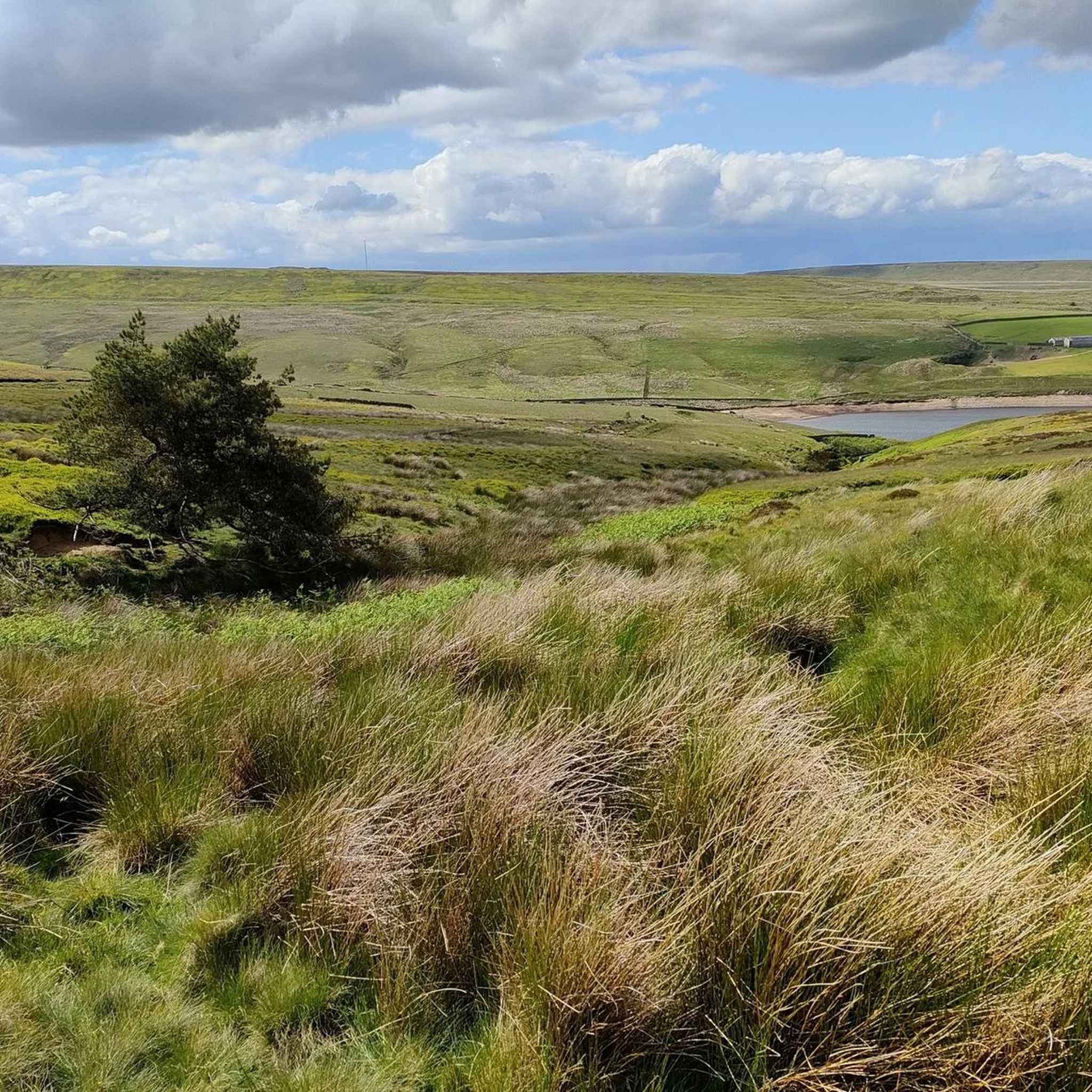
Views for days! But extremely bleak when it wants to be. Nice early tickbox when walking the Pennine Way
0
0

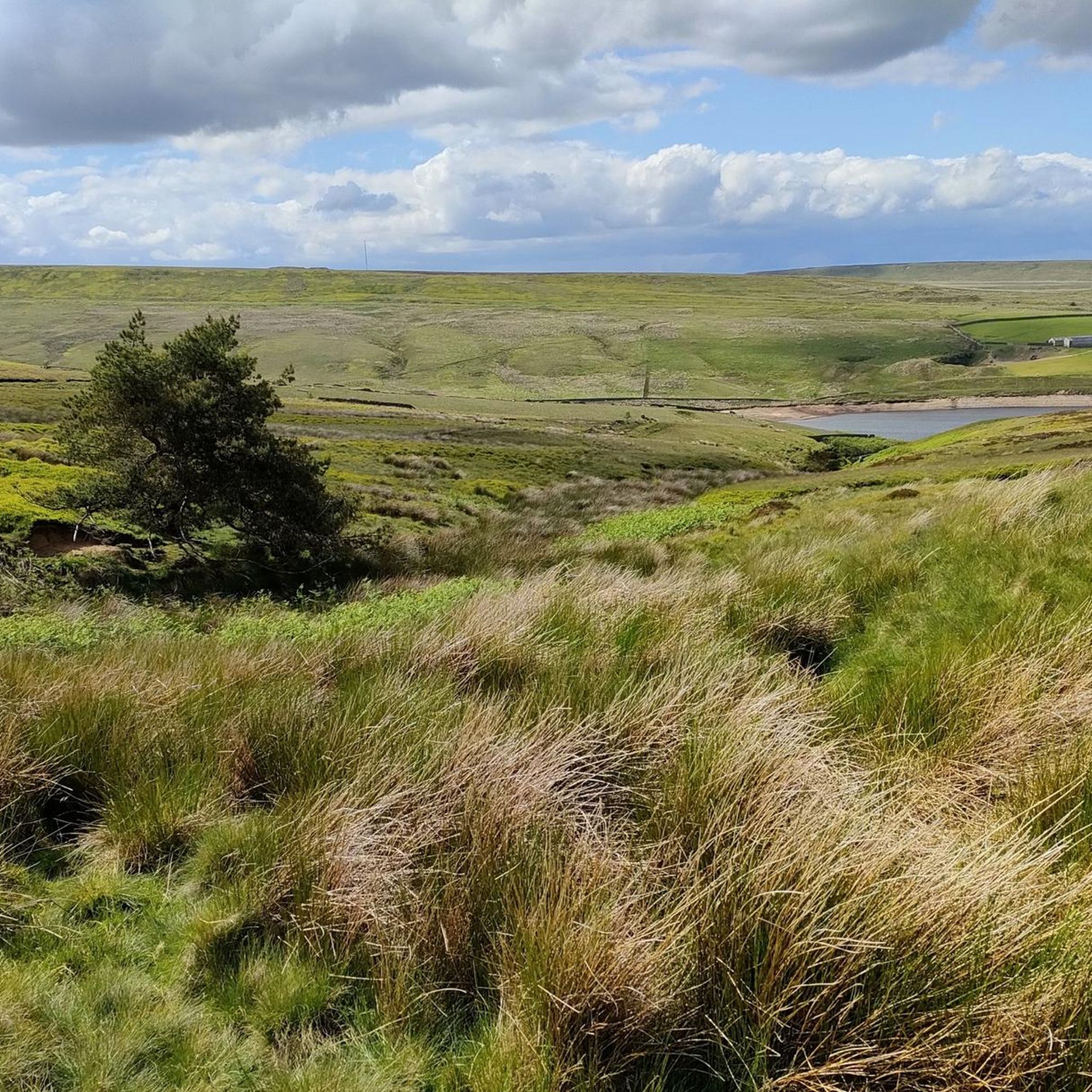
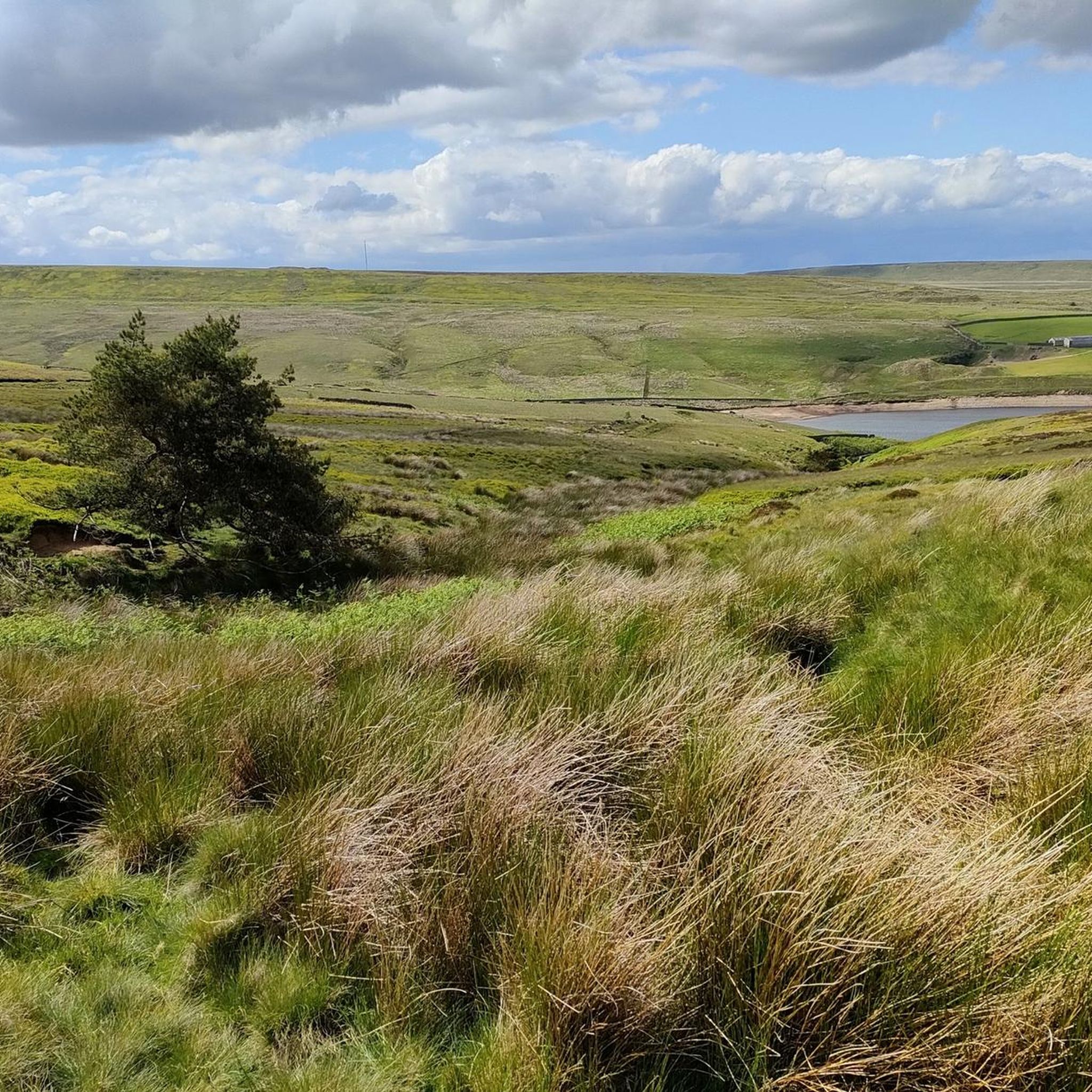
You have a choice on steep start but shorter or a longer gentler climb
0
0


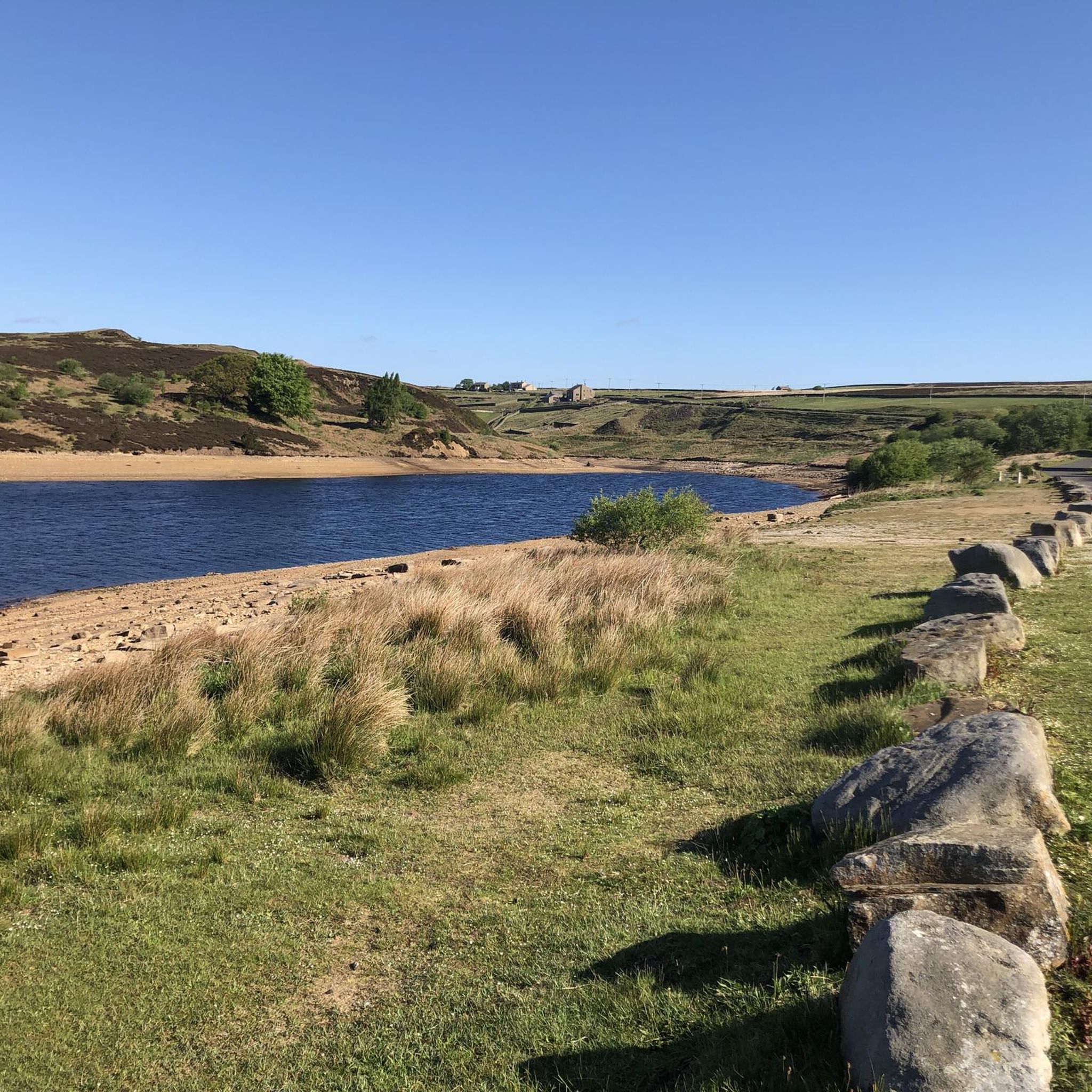
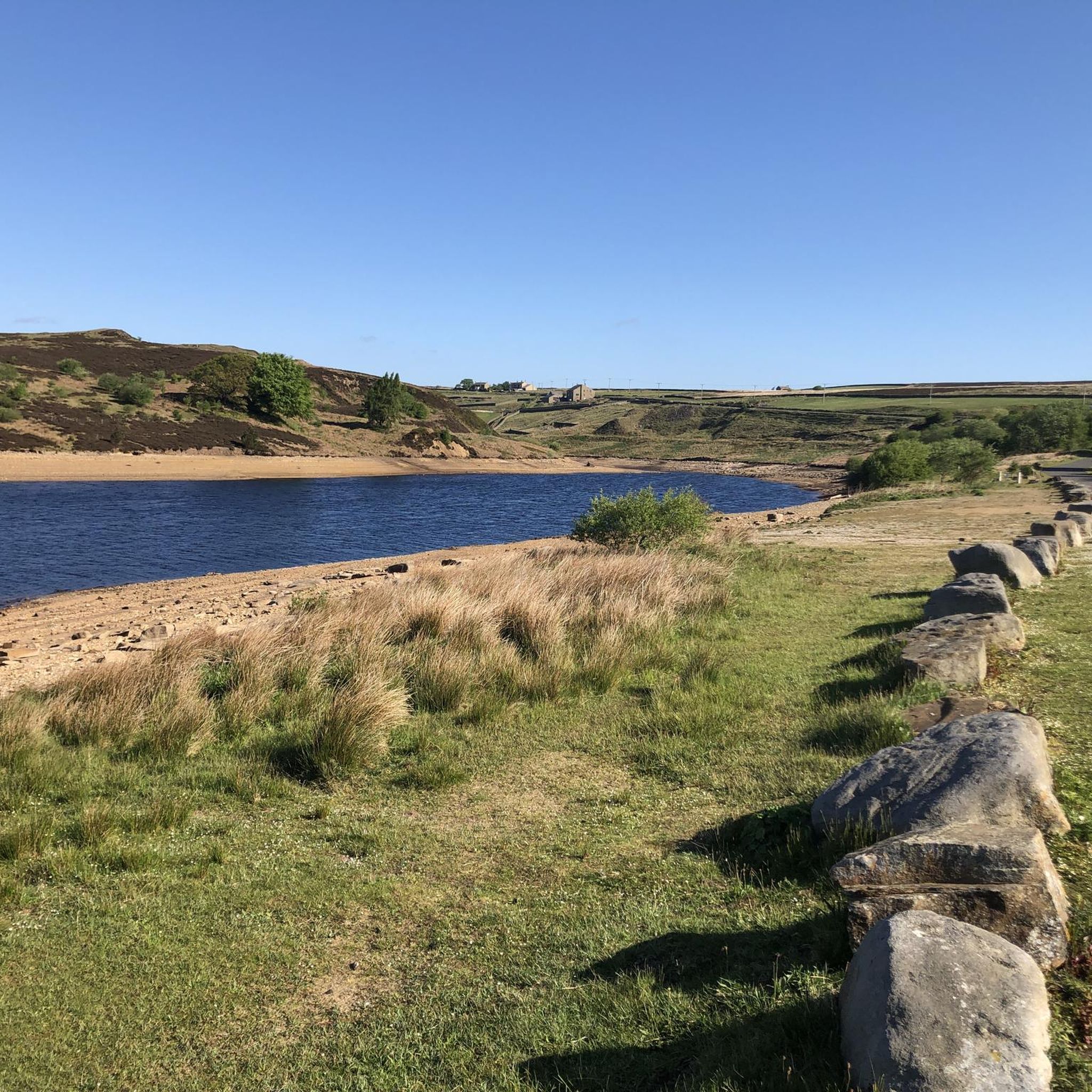
Torside Reservoir is the largest artificial lake in Longdendale, north Derbyshire, England. It was built by John Frederick Bateman between April 1849 and July 1864 as part of the Longdendale reservoir chain to supply urban areas of Greater Manchester with water from the River Etherow.
1
0

Torside Reservoir is located in the Longdendale Valley in Derbyshire, England, within the Peak District National Park. Here are some key points about Torside Reservoir: Location: Torside Reservoir is situated in the northern part of the Peak District National Park, near the town of Glossop. It is part of the Longdendale Chain of reservoirs. Purpose: Like other reservoirs in the area, Torside was constructed to supply water to the urban areas of Greater Manchester. It is part of the Longdendale Chain, which includes several interconnected reservoirs. Construction: Torside Reservoir was constructed in the early 1960s. Its construction involved the flooding of a valley to create the reservoir. Size: The reservoir is relatively large and is surrounded by scenic hills and moorland. The area around Torside Reservoir is popular for outdoor activities such as walking and birdwatching. Walking and Recreation: The reservoir is a popular destination for walkers, and there is a walking trail that goes around its perimeter. The Longdendale Trail, which follows the course of the former Woodhead Railway line, passes by Torside Reservoir, making it accessible for cyclists and walkers. Wildlife: The reservoir and its surrounding area provide habitat for various bird species, and birdwatchers often visit the region to observe the local wildlife. Access: Torside Reservoir is easily accessible by road, and there are parking facilities near the reservoir. The Longdendale Trail provides a scenic route for walking or cycling. Photography: The picturesque landscape around Torside Reservoir, with its hills and water, makes it a popular location for photographers. Water Sports: While Torside Reservoir is primarily a water supply reservoir, there are restrictions on water sports. Visitors are encouraged to enjoy non-motorized activities such as walking and cycling.
0
0
Frequently Asked Questions
How many mountaineering routes are available around Dunford?
Komoot features several mountaineering routes in the Dunford area, with at least 3 distinct tours documented. These routes offer a range of challenges across the region's diverse landscape.
Are there any easy mountaineering routes suitable for beginners?
Yes, for those new to mountaineering or looking for a less strenuous option, consider the Mountaineering loop from Snake Pass. This route is rated as easy, covering 6.0 km with a moderate elevation gain, making it a great introduction to the area's terrain.
What kind of terrain can I expect on mountaineering routes in Dunford?
Mountaineering in the Dunford area, bordering the Peak District National Park, involves rugged moorlands and gritstone edges. You'll encounter varied terrain, from elevated plateaus to deep valleys, often with exposed and windswept conditions. These geological features provide diverse routes, from challenging ascents to more moderate trails through open country.
Are there any challenging routes for experienced mountaineers?
Absolutely. Experienced mountaineers can tackle the Wain Stones (Kissing Stones) – Torside Clough loop from Crowden. This difficult 12.9 km trail features significant elevation gain and traverses exposed moorland, offering a demanding and rewarding experience.
Can I find circular mountaineering routes in the Dunford area?
Yes, many of the mountaineering routes around Dunford are designed as loops, allowing you to start and finish at the same point. For example, the View of Mill Hill (Ashop Head) – Cup Rock, Fair Brook Naze loop from Hope Woodlands is a moderate 14.6 km circular trail that takes you through moorland and past significant natural features.
What are some notable landmarks or viewpoints I might encounter?
The region offers several impressive natural landmarks and viewpoints. You might come across the Higher Shelf Stones Summit and Trig Point, Back Tor Trig Point, or the Black Hill Trig Point. These spots often provide expansive views across the dramatic Dark Peak landscape.
What is the best time of year for mountaineering in Dunford?
The Peak District, including the Dunford area, can be explored year-round, but conditions vary significantly. Spring and summer offer generally milder weather and longer daylight hours, ideal for enjoying the expansive views. Autumn brings beautiful colours but also potentially more unpredictable weather. Winter mountaineering is possible but requires appropriate gear and experience due to exposed conditions and potential for snow and ice.
Are there any longer, moderate routes for a full day out?
Certainly. The Laddow Rocks – Black Hill Trig Point loop from Crowden is a popular moderate route, covering 14.9 km. It offers expansive views across the Dark Peak landscape and includes sections of varied terrain, making it a great option for a longer day in the hills.
Are the mountaineering routes around Dunford suitable for families or those with dogs?
While some routes are challenging, the varied terrain means there are options for different abilities. Shorter, less strenuous sections or trails rated as 'easy' might be suitable for active families. For dogs, many trails in the Peak District are dog-friendly, but always keep them on a lead, especially near livestock or ground-nesting birds, and be mindful of the exposed conditions on higher ground.
Where can I find parking for these mountaineering routes?
Parking is typically available at common trailheads or near villages that serve as starting points for routes. For routes starting from Crowden, for instance, there are usually designated parking areas. It's always advisable to check specific route details for recommended parking locations before you set out.
Do I need any special permits for mountaineering in the Dunford area?
Generally, no special permits are required for hill walking or mountaineering on public rights of way or open access land within the Peak District National Park. However, always respect private land and follow the Countryside Code. For specific activities like climbing on certain crags, it's always good practice to check local guidelines.
Are there any less crowded mountaineering trails in the Dunford region?
While popular areas can see more visitors, the expansive nature of the Peak District means it's often possible to find quieter trails. Exploring routes that start from less-known villages or venturing slightly off the most trodden paths can lead to a more solitary experience. Early mornings or weekdays also tend to be less busy.
Are there any reservoirs or lakes to see along the routes?
Yes, the Dunford area is close to several reservoirs that add to the scenic beauty of the landscape. You might pass by Yeoman Hey Reservoir, Langsett Reservoir, or Torside Reservoir, among others. These often provide tranquil spots and impressive views.
Most popular routes around Dunford
Most popular attractions around Dunford

Get inspired with the komoot mobile app


Explore more
Browse the best Mountain Hikes & Routes in other regions.
