Top 20 Caves in Bergamo
Best caves in Bergamo offer a diverse range of geological formations and historical sites within the Lombardy region of Italy. The area is characterized by its mountainous terrain, providing natural settings for various cave systems and former mining operations. Visitors can explore both natural caves and man-made caverns that reveal insights into the region's past. These sites are often nestled within scenic valleys, providing opportunities for exploration.
Best caves in Bergamo
- The most popular caves is Sanctuary of Cornabusa, a religious building and historical site located within a natural cave. This impressive sanctuary features a source of water and offers a panoramic view of the Imagna Valley.
- Another must-see spot is Pagani Cave, a natural cave and viewpoint. This large cavity provides a panorama, and in winter, stalactites and stalagmites can be observed inside.
- Visitors also love Selter Ruì (Cold Hole), an other man-made and historical site. This unique cave served as a "natural refrigerator" for preserving dairy products and meat in the past.
- Bergamo is known for natural caves, historical mine sites, and cave sanctuaries. These include both geological formations and man-made caverns, offering a variety of experiences for those interested in the region's underground features.
- The caves in Bergamo are appreciated by the komoot community, with 24 highlights, more than 100 photos, and over 100 upvotes from users.
Last updated: August 23, 2026
Pagani Cave
Highlight • Cave
Translated by Google •
Tip by

Selter Ruì (Cold Hole)
Highlight • Structure
Translated by Google •
Tip by

Sign up now to discover places like this
Get recommendations on the best single tracks, peaks, & plenty of other exciting outdoor places.
Sign up for free
Sanctuary of Cornabusa
Highlight • Religious Site
Translated by Google •
Tip by

Dossena Mines
Highlight • Historical Site
Translated by Google •
Tip by

Paglio Pignolino Mine (Dossena Mines)
Highlight • Historical Site
For information: 0345 49443
visitdossena.it/cosa-fare-e-vedere/le-miniere-e-il-museo-di-archeologia-industriale-dossena
info@visitdossena.it
ecodibergamo.it/stories/premium/valle-brembana/avventura-in-miniera-dossena-apre-anche-il-parco-speleologico_1435945_11
ecodibergamo.it/stories/premium/valle-brembana/dossena-apre-il-parco-speleologico-tutte-le-informazioni-utili-per-visitarlo_1436075_11
ecodibergamo.it/stories/eppen/outdoor/dossena-una-miniera-di-sorprese_1455256_11
Translated by Google •
Tip by
Fluorite Mines Near Rifugio Albani
Highlight • Historical Site
Translated by Google •
Tip by

Val Giongo Cave
Highlight • Cave
Translated by Google •
Tip by

Lupi Mine at the Piane di Lizzola
Highlight • Historical Site
Rich in minerals, stalactites and stalagmites, the mine is characterized by the presence of streams of water that continuously flow along the sides of the path.
Translated by Google •
Tip by
Cadorna Line trenches at Passo di Dordona
Highlight • Historical Site
The trenches can also be visited internally and illuminated.
Translated by Google •
Tip by
Passata Mines
Highlight • Cave
Located at 1225 meters above sea level, the mine is also known as "della Rolla".
Translated by Google •
Tip by

Sign up for free to discover even more caves in Bergamo.
Sign up for free
Already have an account?
Start today with a free account
Your next adventure awaits.
Login or Signup
Popular around Bergamo

Road to BAM! 2026 – Condividi la strada
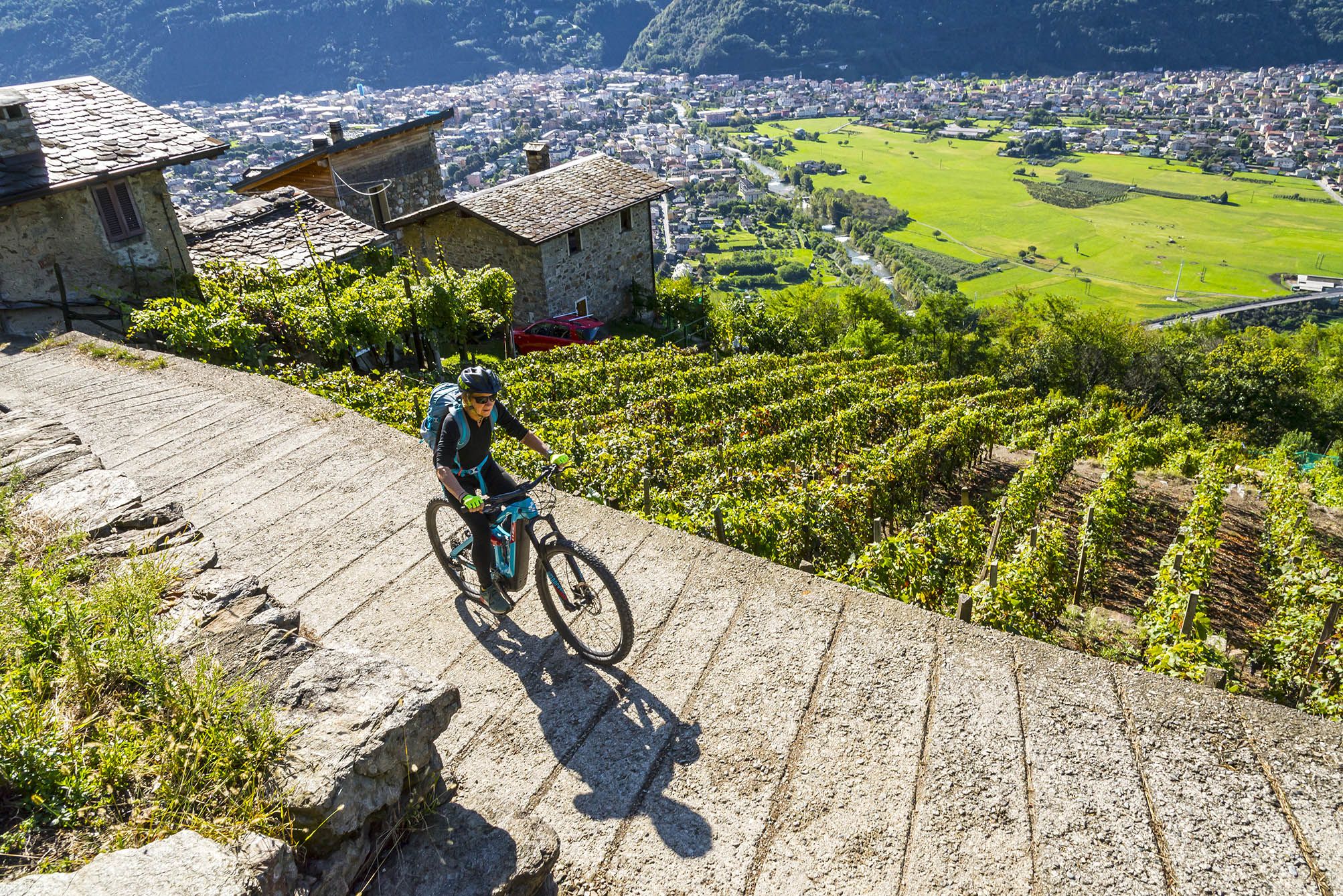
Cycling routes to discover authentic Lombardy
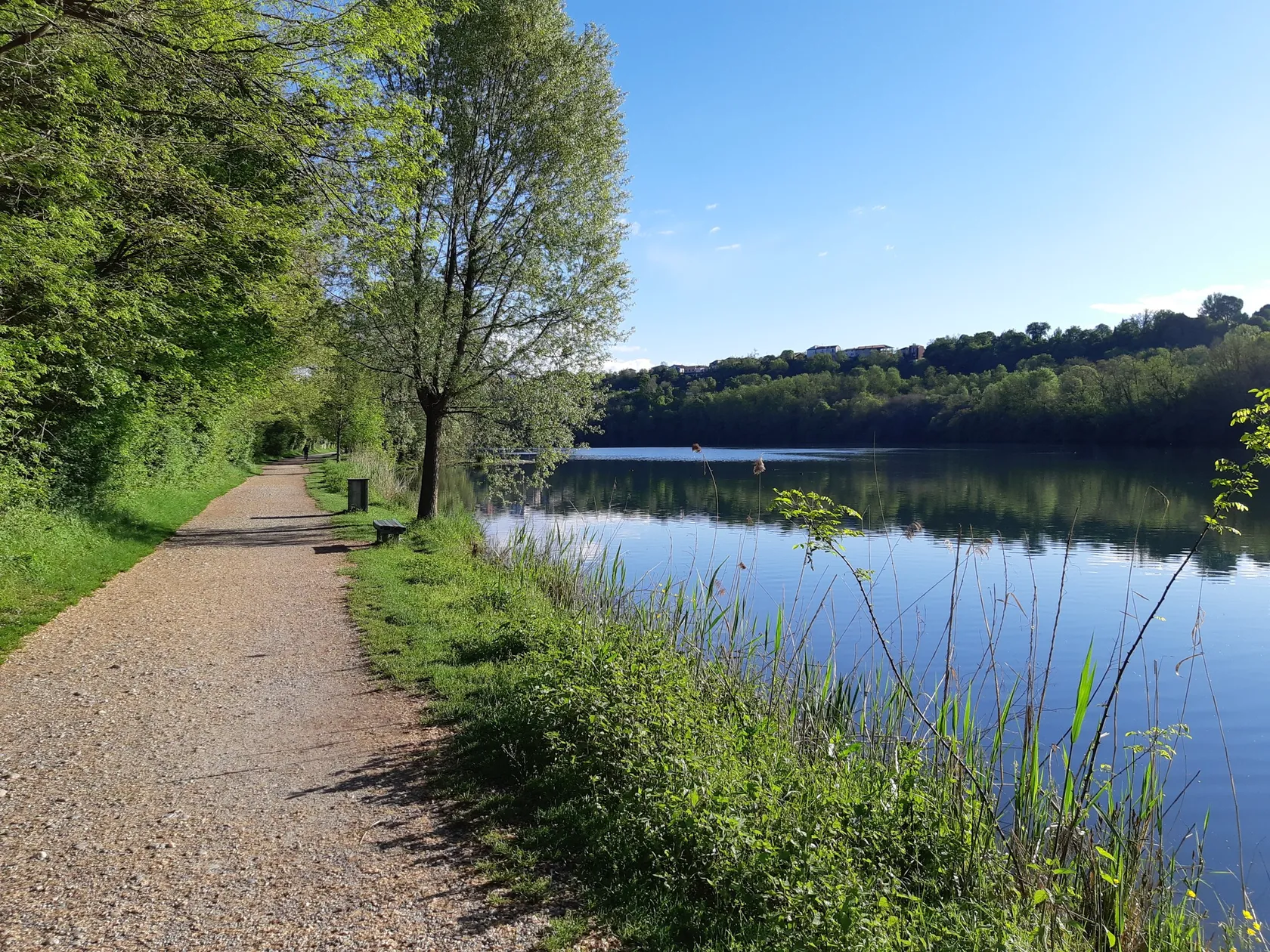
Lombardy by bike – discover historic villages and natural beauty
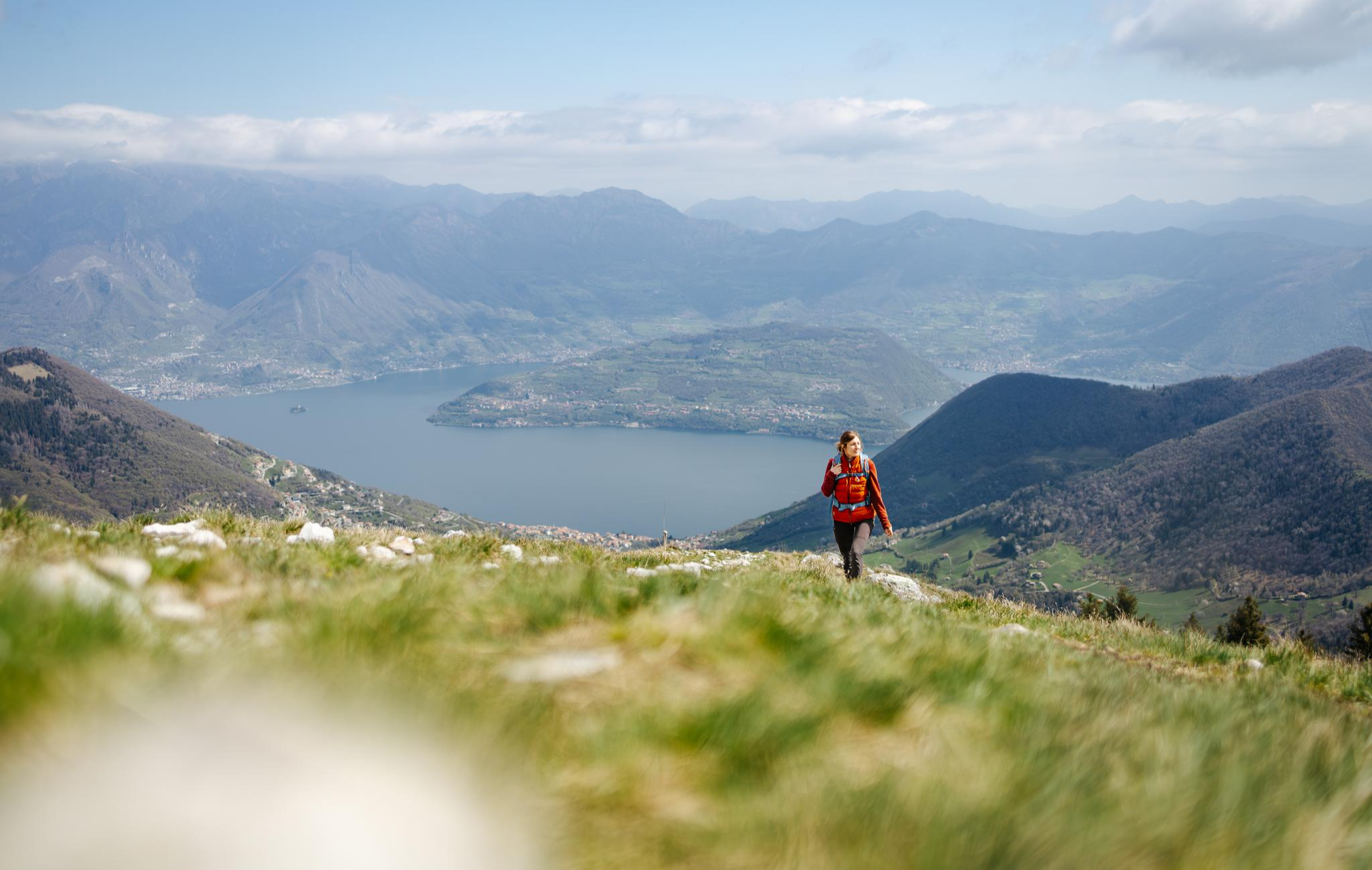
From the lake to the peaks - hiking on Lake Iseo
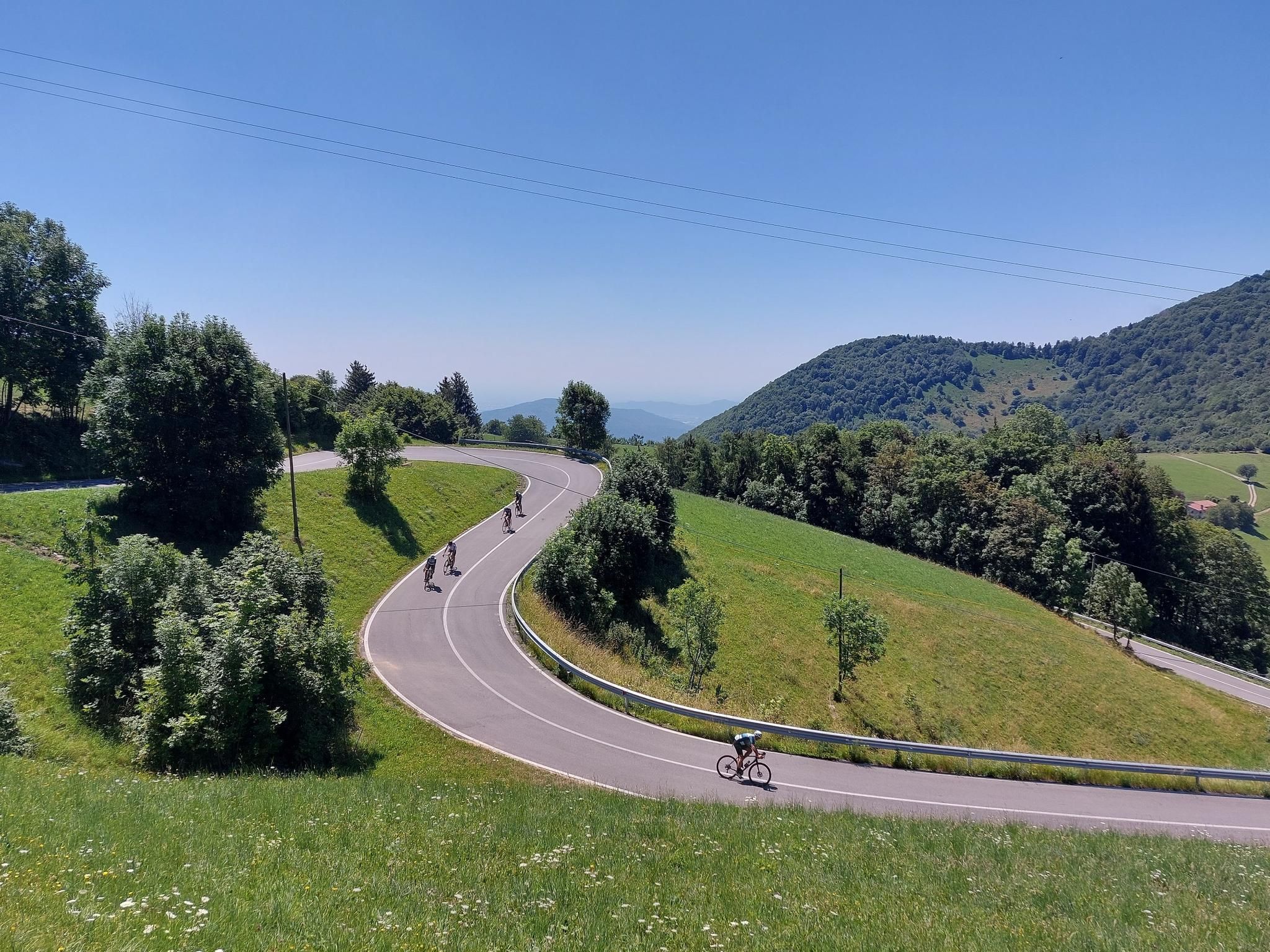
Hills and shores in Northern Italy – exploring Lake Iseo
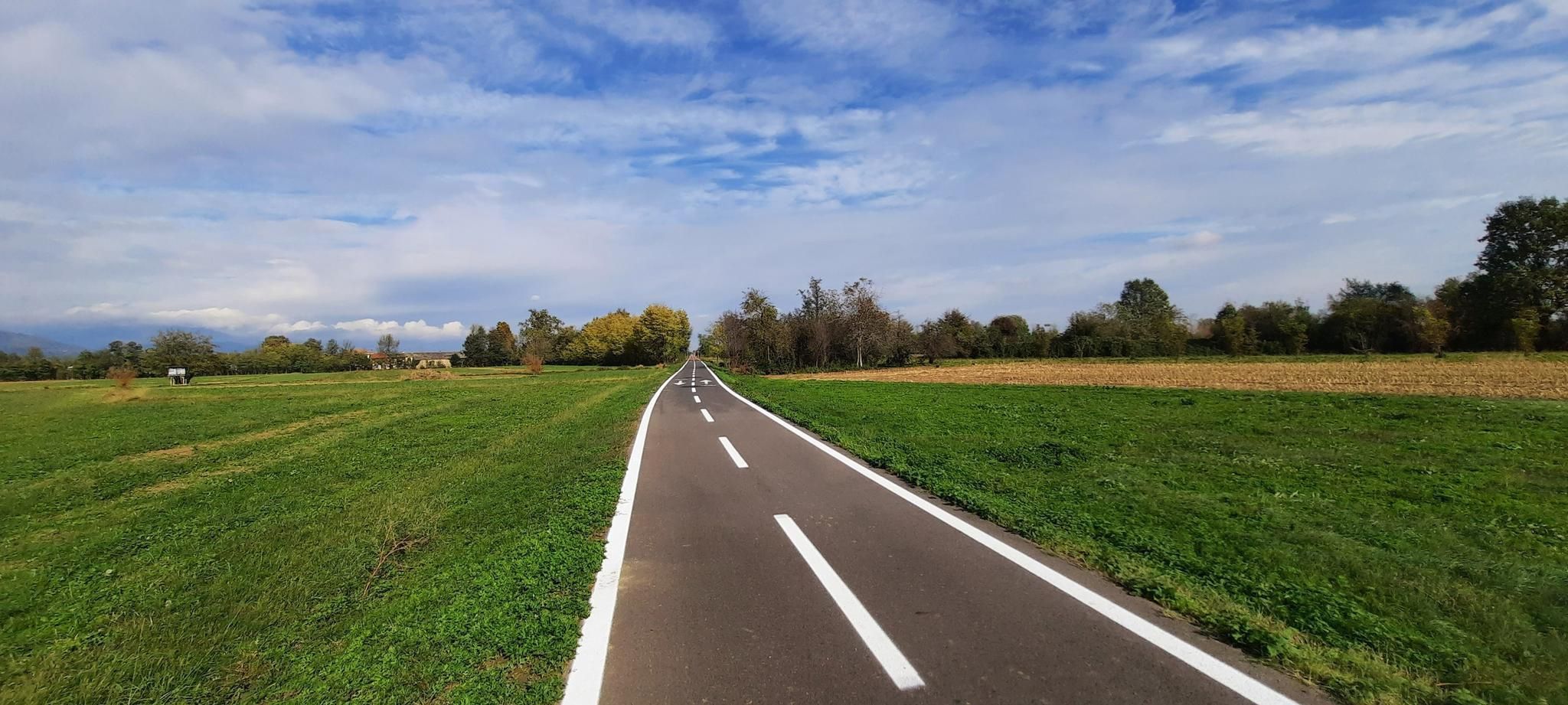
Ride across the Italian Alps – Pedemontana cycle route
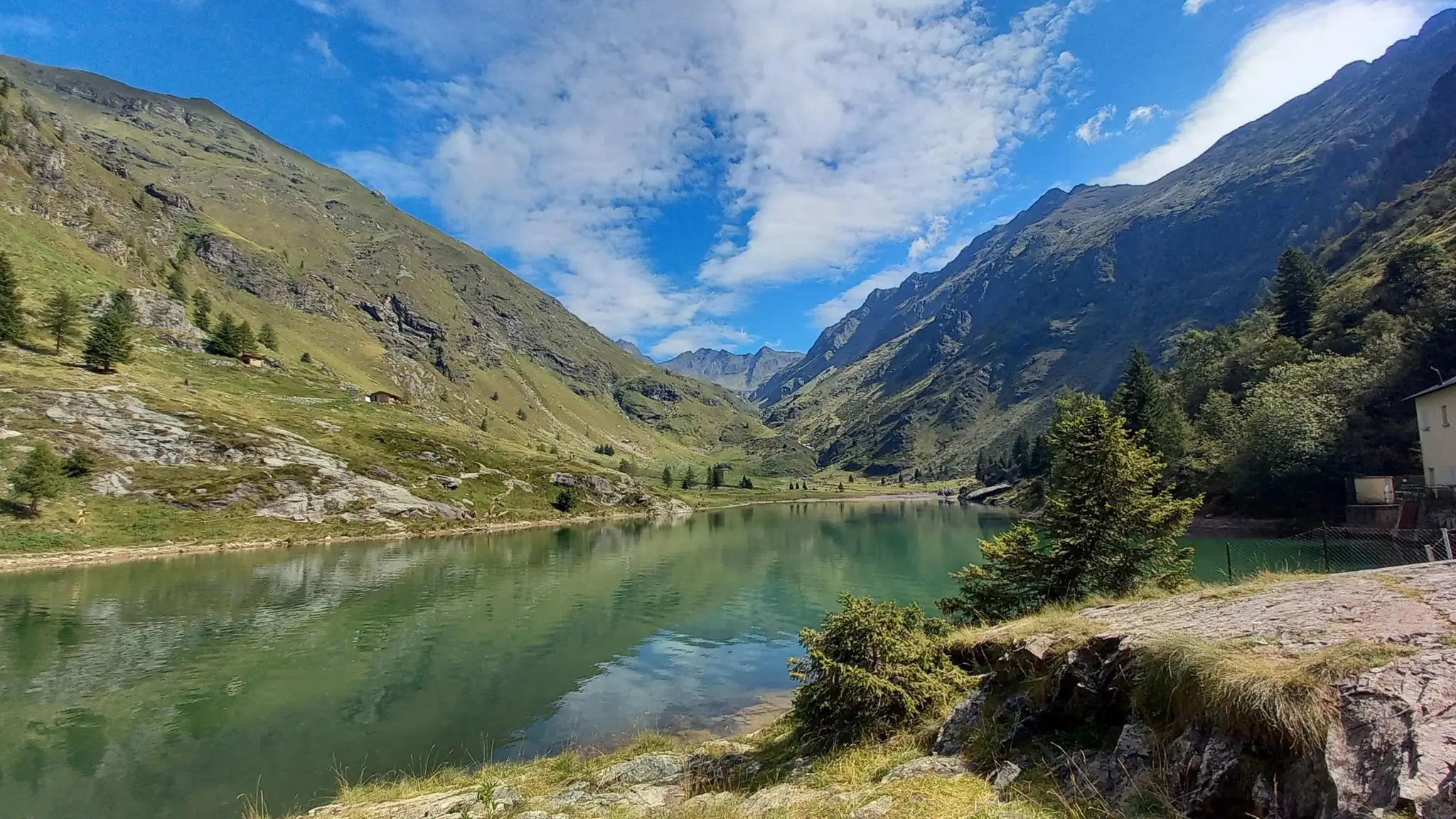
Path of the Iron Woods in Northern Italy – Via Decia
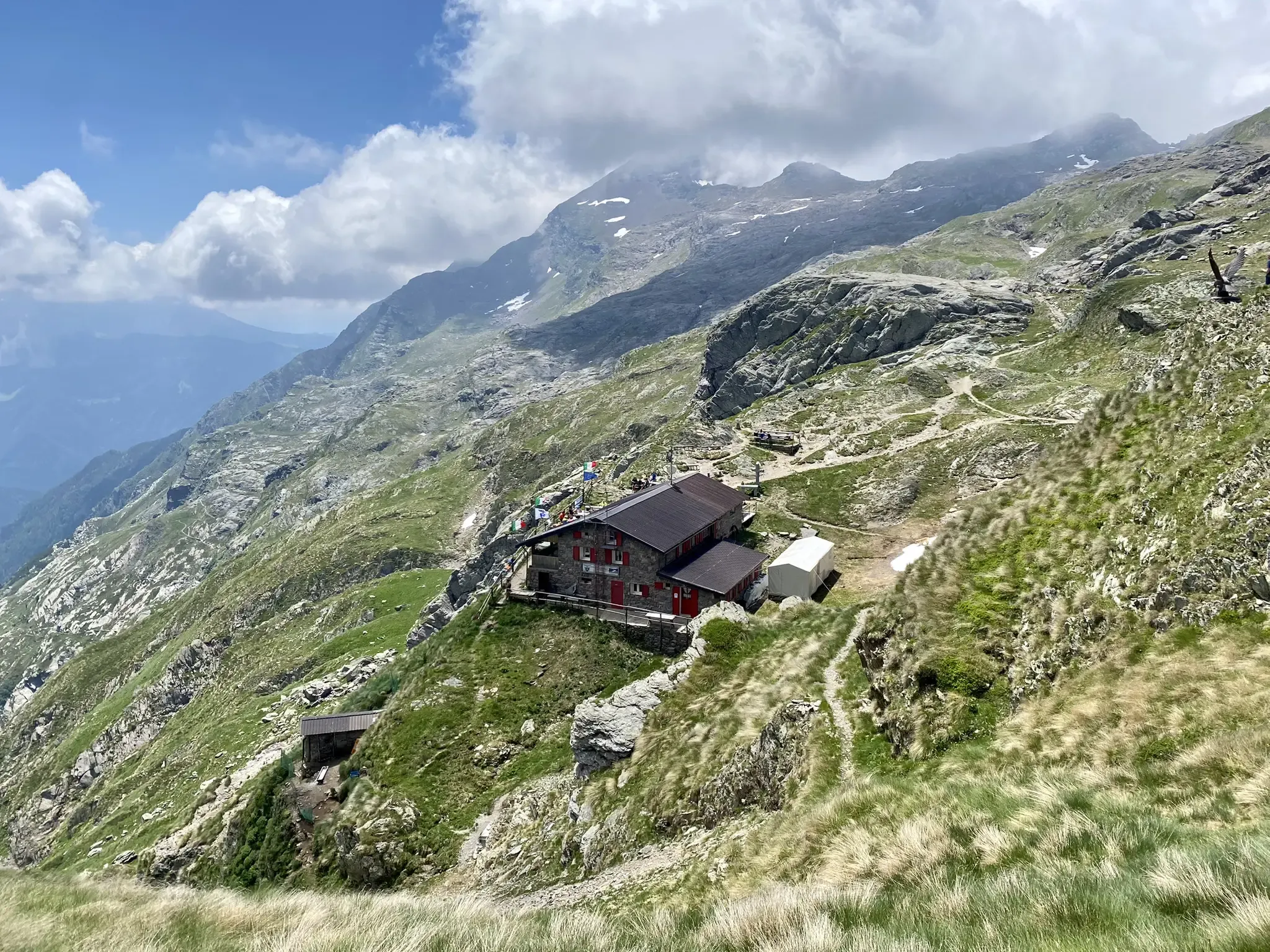
Antonio Curò nature route – two days in the Bergmanesque Alps
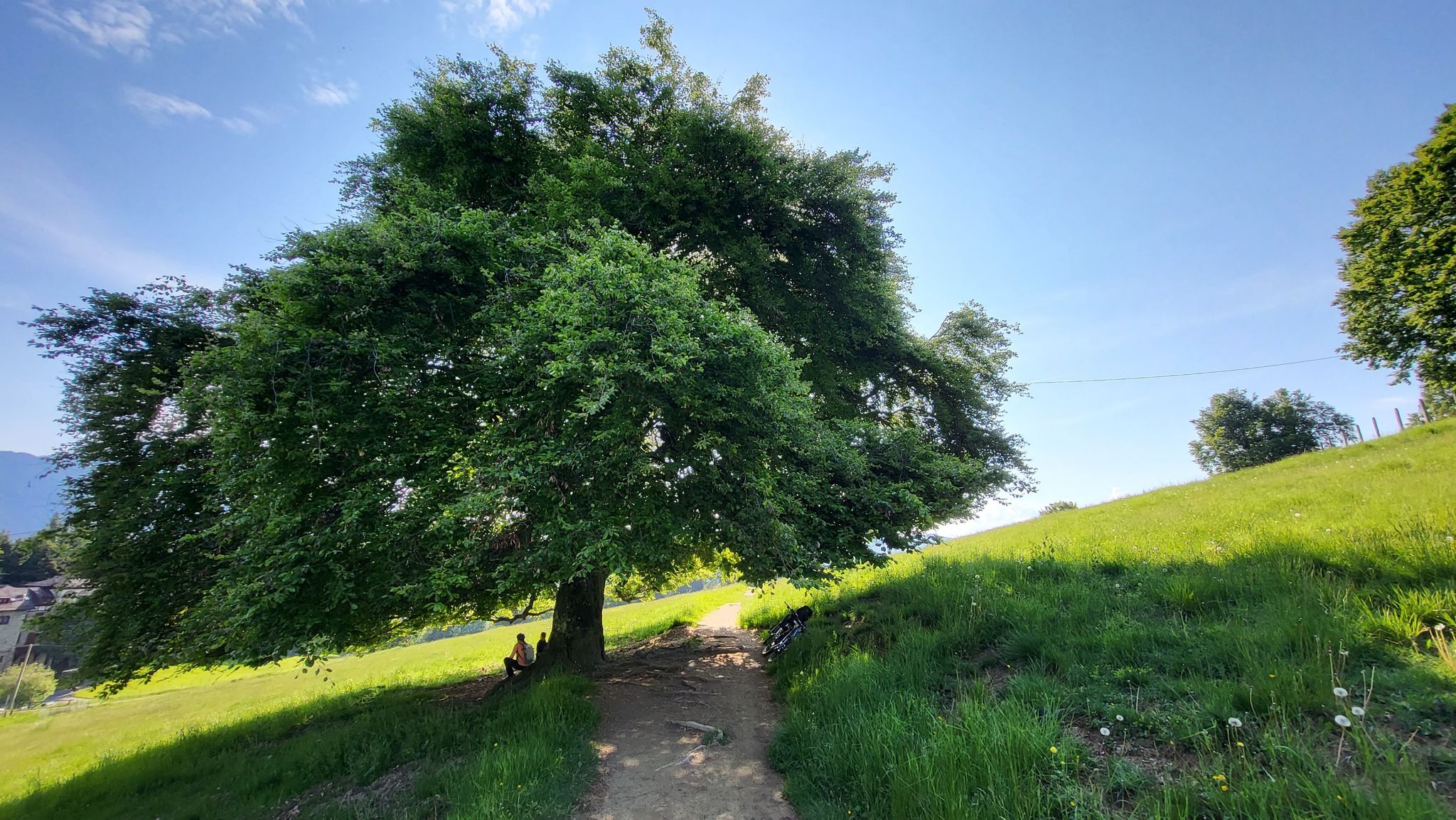
In Val di Scalve – CamminaForeste in Lombardia part 4
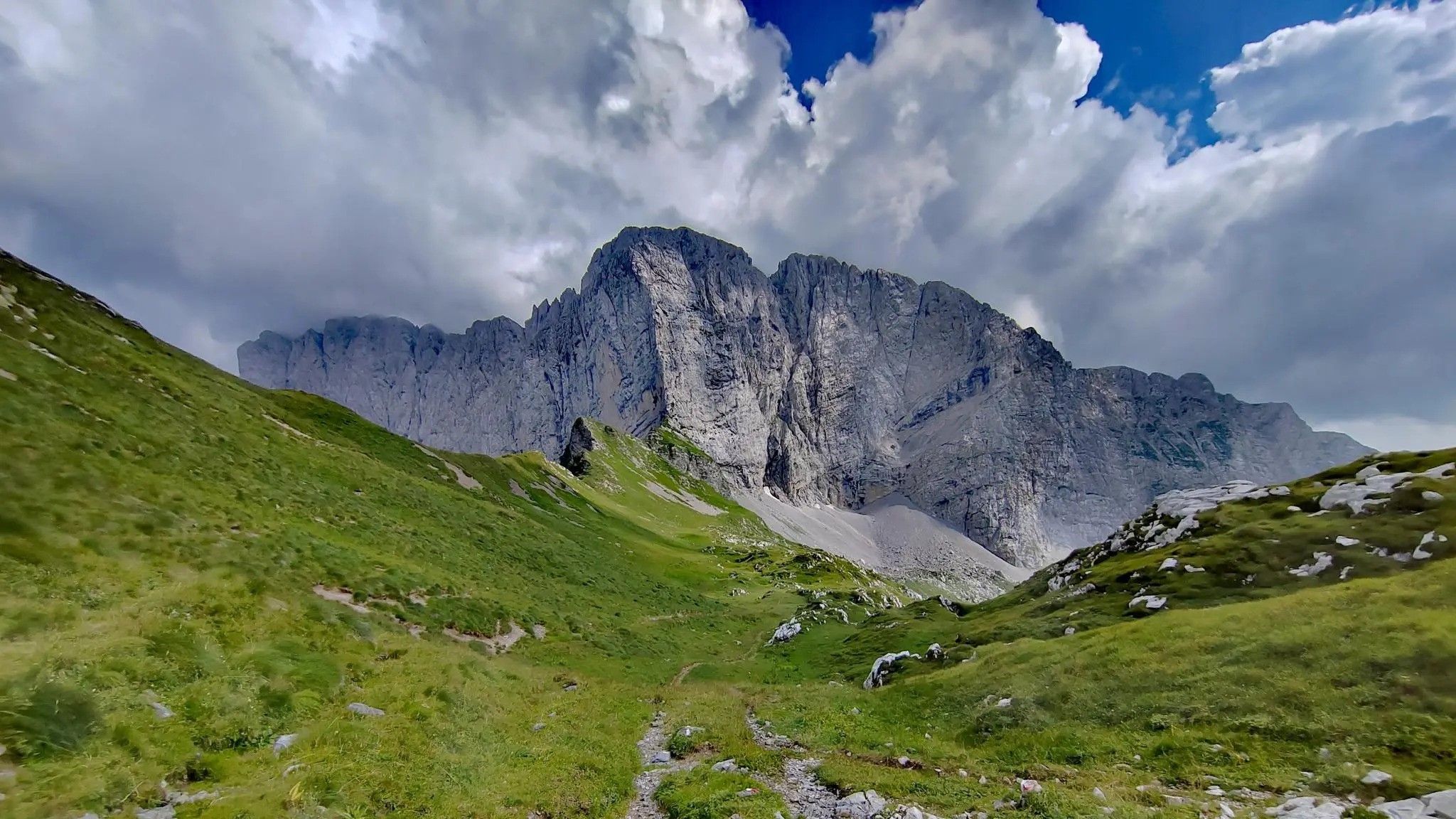
Trekking in val di Scalve – among the Piccoli Dolomiti Bergamasche
Other adventures in Bergamo


Tips from the Community

The Dossena Mines represent a historical testimony to industrial and mining archaeology in the Brembana Valley. These mines have been an important resource for mineral extraction, particularly calamine (a zinc ore), since ancient times. The guided tour allows you to explore the main galleries and learn about the history, mining techniques, and miners' lives.
0
0

Recommended reading: https://www.ecodibergamo.it/stories/eppen/outdoor/lanello-del-resegone-un-trekking-con-vista-tra-bergamo-e-lecco-o_3409562_11/
0
0

natural masonry which has the characteristic of maintaining a cool and constant temperature inside
0
0
testimony of refuge in the trenches of the past war
0
0
interesting work, a stop to read the sign is definitely recommended
0
0

It's worth taking a short detour to walk through the history of the Great War
0
0

Very funny. Not for everyone though.
0
0

The Selter del Ruì, also known as Buco del Freddo, is a fascinating natural phenomenon located in Valzurio, in the Seriana Valley. It is a small stone construction that uses a crack in the ground from which cold air comes out, maintaining a constant temperature between 3 and 5 degrees all year round. This "natural refrigerator" was used by farmers to store butter, dairy products and meat, and is still a place of great interest for hikers today. The path to reach it is immersed in nature and can be combined with the excursion to the Marmitte dei Giganti and the Baite del Moschel
0
0
Frequently Asked Questions
Which caves in Bergamo offer a unique historical or cultural experience?
Bergamo's caves include several sites with rich history. The Sanctuary of Cornabusa is a religious building nestled within a natural cave, offering a spiritual and historical journey with panoramic views. Another unique site is Selter Ruì (Cold Hole), a man-made cave that historically served as a natural refrigerator for preserving food.
Are there any caves in Bergamo that are particularly scenic or offer great views?
Yes, the Pagani Cave is known for its large cavity and provides a breathtaking panorama. In winter, you can also observe impressive stalactites and stalagmites inside. The Sanctuary of Cornabusa also offers an excellent view of the Imagna Valley from its cave location.
What kind of geological features can I expect to see in Bergamo's caves?
The natural caves in Bergamo, such as Pagani Cave, can feature impressive stalactites and stalagmites, especially during colder months. The region's mountainous terrain contributes to diverse geological formations within these cave systems.
Are there any former mining sites in the Bergamo area that can be explored?
Yes, Bergamo has several historical mining sites. The Dossena Mines, including the Paglio Pignolino Mine, are notable examples. You can also find the disused Fluorite Mines Near Rifugio Albani, where miners' huts and equipment are still visible, offering a glimpse into the region's industrial past.
What is the best time of year to visit caves in Bergamo?
While many caves can be visited year-round, winter can offer a unique experience, particularly in natural caves like Pagani Cave, where stalactites and stalagmites are more prominent. Always check local conditions, especially for paths that might be physically demanding or affected by snow.
What should I wear when exploring caves in Bergamo?
Given that many paths to caves in Bergamo can be physically demanding, and some caves are at higher altitudes or within natural formations, it's advisable to wear sturdy hiking shoes. Layers of clothing are also recommended as temperatures inside caves can be cooler than outside, even in summer.
Are there any family-friendly cave experiences in Bergamo?
For families, the Sanctuary of Cornabusa offers an accessible and culturally rich experience within a cave. The historical aspect of Selter Ruì (Cold Hole), with its story as a natural refrigerator, can also be engaging for children.
What outdoor activities can I combine with a visit to the caves in Bergamo?
The Bergamo region offers numerous outdoor activities. You can find easy hikes, such as those detailed in the Easy hikes in Bergamo guide. For cycling enthusiasts, there are various routes for cycling in Bergamo and gravel biking, allowing you to explore the scenic valleys and mountains surrounding the cave sites.
Are there any challenging cave explorations for experienced adventurers in Bergamo?
Yes, some caves in Bergamo, like Val Giongo Cave, are categorized as challenging. The path to Pagani Cave is also physically demanding, offering a more strenuous experience for those seeking adventure.
What do visitors particularly enjoy about the caves in Bergamo?
Visitors appreciate the diverse experiences offered by Bergamo's caves, from the spiritual atmosphere and panoramic views at the Sanctuary of Cornabusa to the unique historical insights provided by sites like Selter Ruì (Cold Hole). The natural beauty and the opportunity to explore historical mining operations also draw significant interest.
Can I find any World War I historical sites related to caves in Bergamo?
Yes, the Cadorna Line trenches at Passo di Dordona include trenches that can be visited internally. These historical sites offer a poignant glimpse into the region's role during the First World War.
Most popular routes in Bergamo
Most popular attractions in Bergamo

Get inspired with the komoot mobile app


Didn’t find what you were looking for?
Discover more caves in Bergamo region by region:
Explore more
Extend your search for the best caves by checking out these guides of the top ones in Bergamo:
