Top 8 Caves in Pennsylvania
Caves in Pennsylvania offer a diverse underground landscape with unique geological features and historical significance. The region features various cave types, from natural limestone caverns to historical rockshelters and man-made tunnels. These underground sites provide insights into the area's natural history and past human activity. Pennsylvania's caves are accessible for exploration, showcasing formations and historical contexts.
Best caves in Pennsylvania
- The most popular caves is Crystal Cave, a cave that is Pennsylvania’s first show cave. It was discovered in 1871 and is known for its crystalline walls 125 feet underground.
- Another must-see spot is Kelpius Cave, a natural monument and historical site. This location was believed to serve as the dwelling of Transylvanian scholar Johannes Kelpius.
- Visitors also love Wind Cave Junction, a cave that offers scenic views of the Susquehanna River. The cave features two entrances leading to parallel corridors.
- Pennsylvania is known for natural limestone caverns, historical rockshelters, and former railroad tunnels. The region offers a variety of underground experiences for exploration.
- The caves in Pennsylvania are appreciated by the komoot community, with 12 upvotes and 4 photos shared across the highlights.
Last updated: October 11, 2026
Greer Tunnel and Chartiers Creek Bridge
Highlight • Bridge
Tip by

Abandoned Coal Tunnel
Highlight • Structure
Tip by

Sign up now to discover places like this
Get recommendations on the best single tracks, peaks, & plenty of other exciting outdoor places.
Beam Rocks
Highlight • Viewpoint
Tip by

Wind Cave Junction
Highlight • Cave
Tip by

Kelpius Cave
Highlight • Cave
Tip by

Crystal Cave
Highlight • Cave
Tip by

Spring-Fed Pond with Cave
Highlight • Cave
Tip by

The Cave on Cave Trail
Highlight • Cave
Tip by

Meadowcroft Rockshelter and Historic Village
Highlight • Historical Site
Tip by
Start today with a free account
Your next adventure awaits.
Popular around Pennsylvania
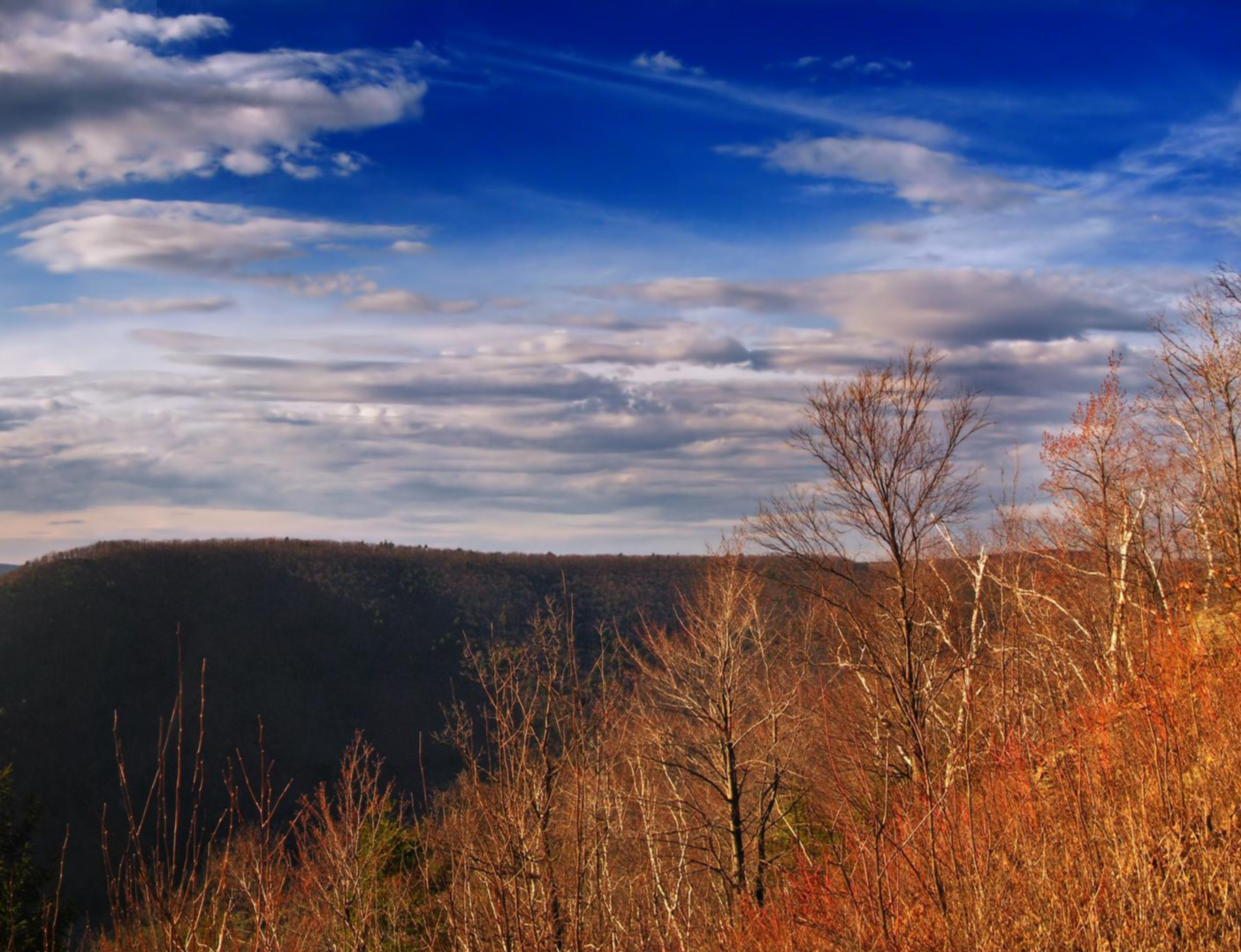
Mid State Trail — Traversing the Pennsylvania divide
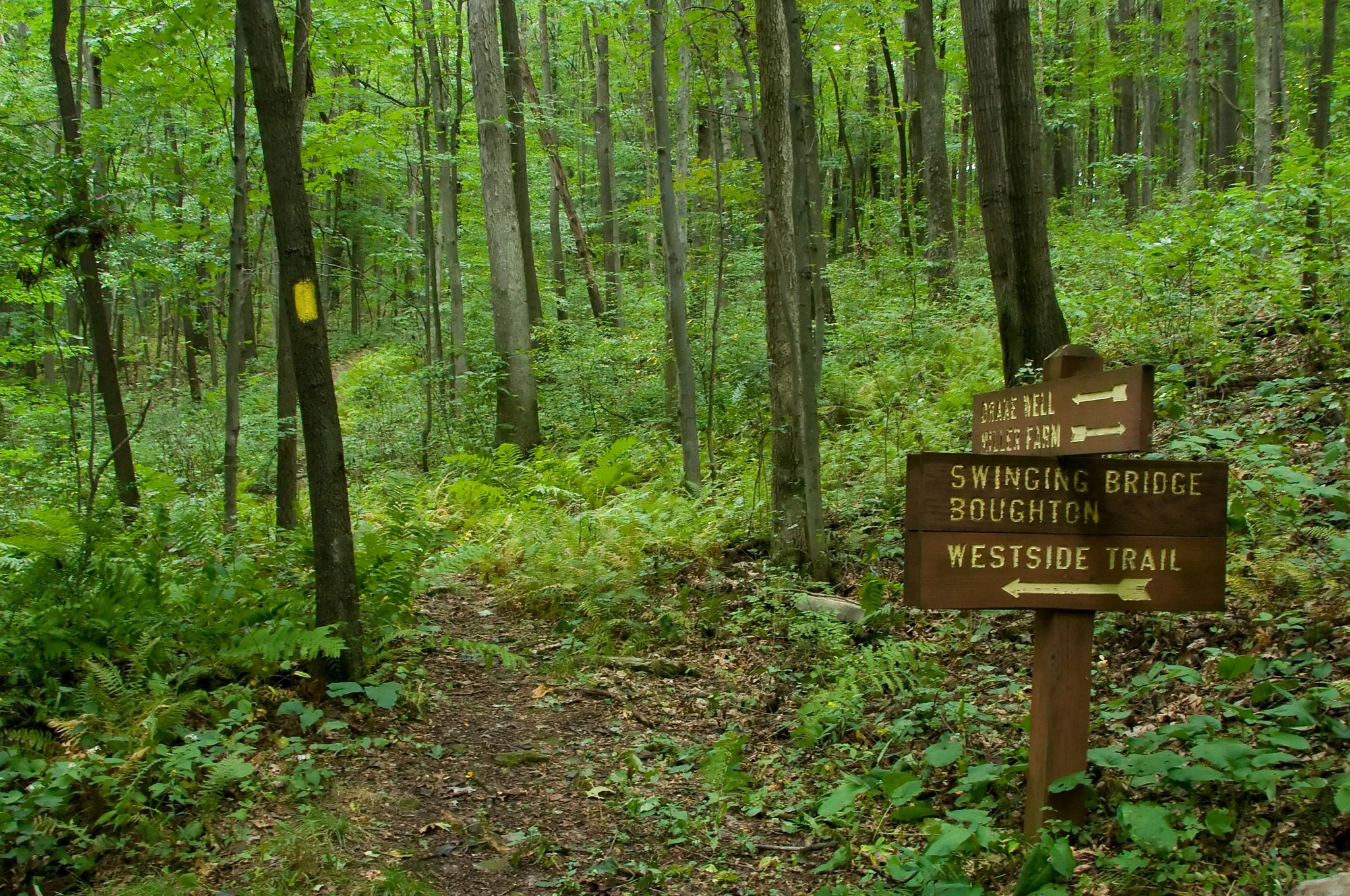
Gerard Hiking Trail – The footsteps of Pennsylvania's oil boom
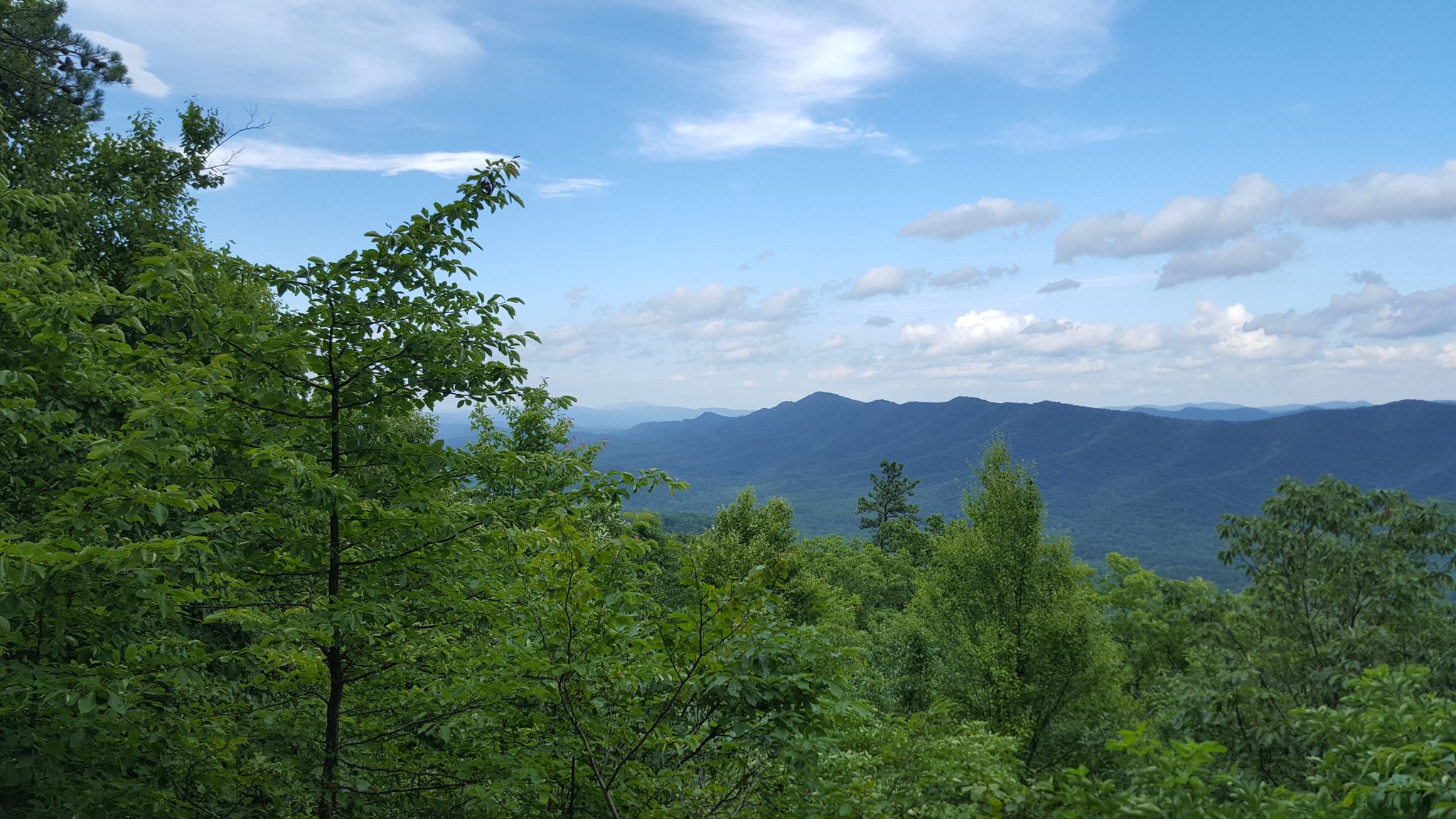
Tuscarora Trail — A remote trek across the backbone of Appalachia
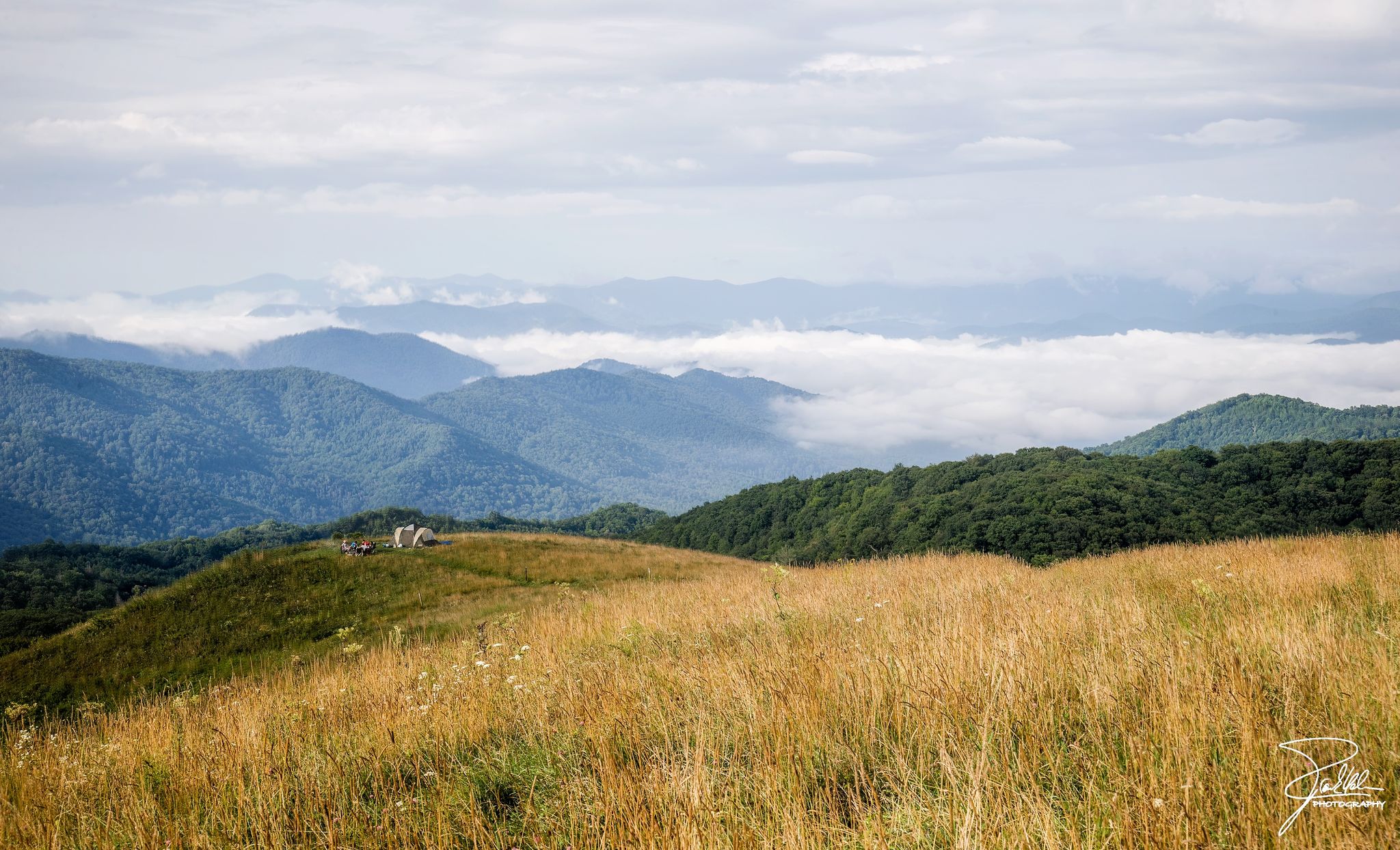
The Appalachian Trail — America's most iconic long-distance hike
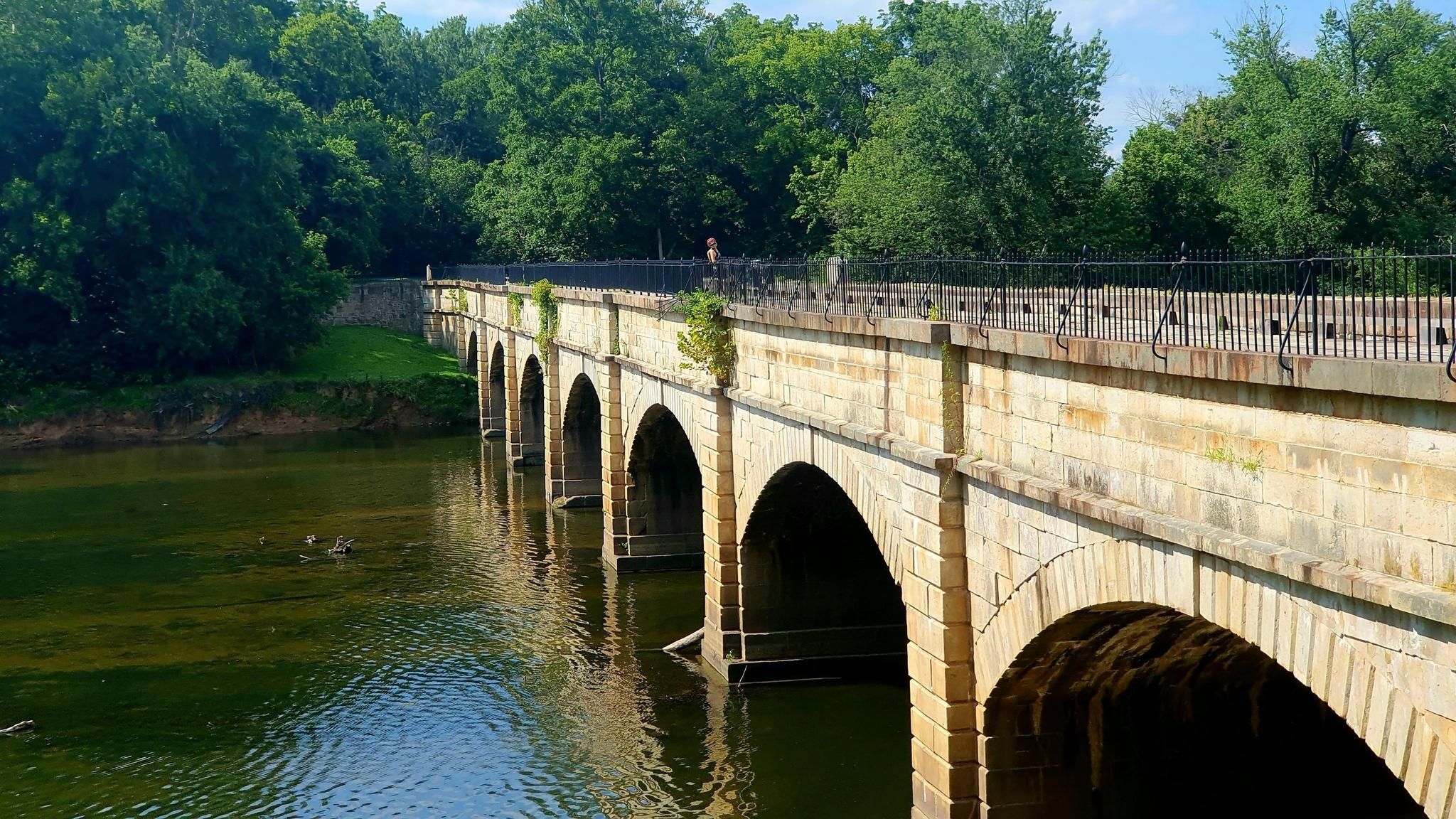
Potomac Heritage National Scenic Trail — Exploring a historic corridor
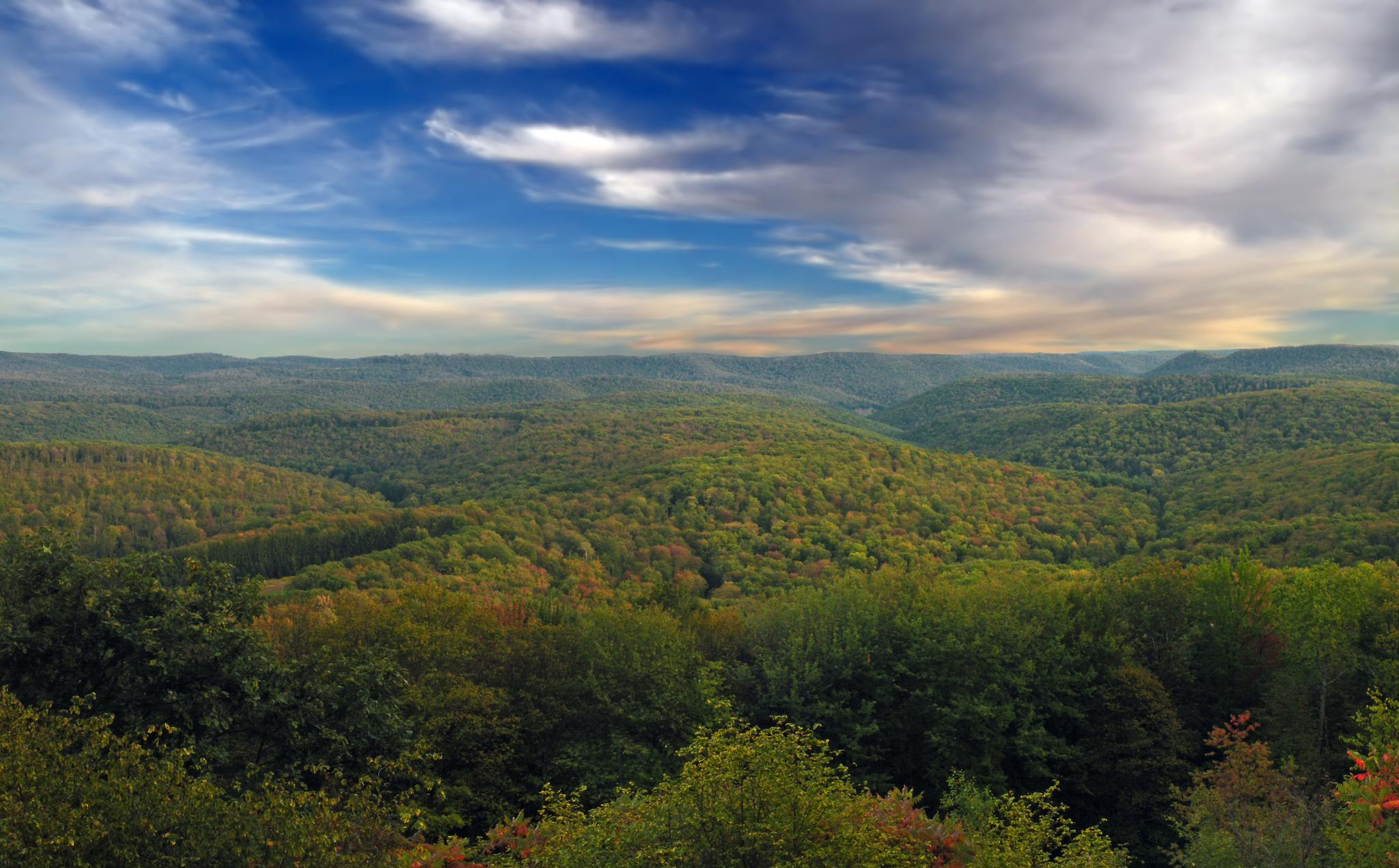
The Susquehannock Trail System — Pennsylvania's most remote loop
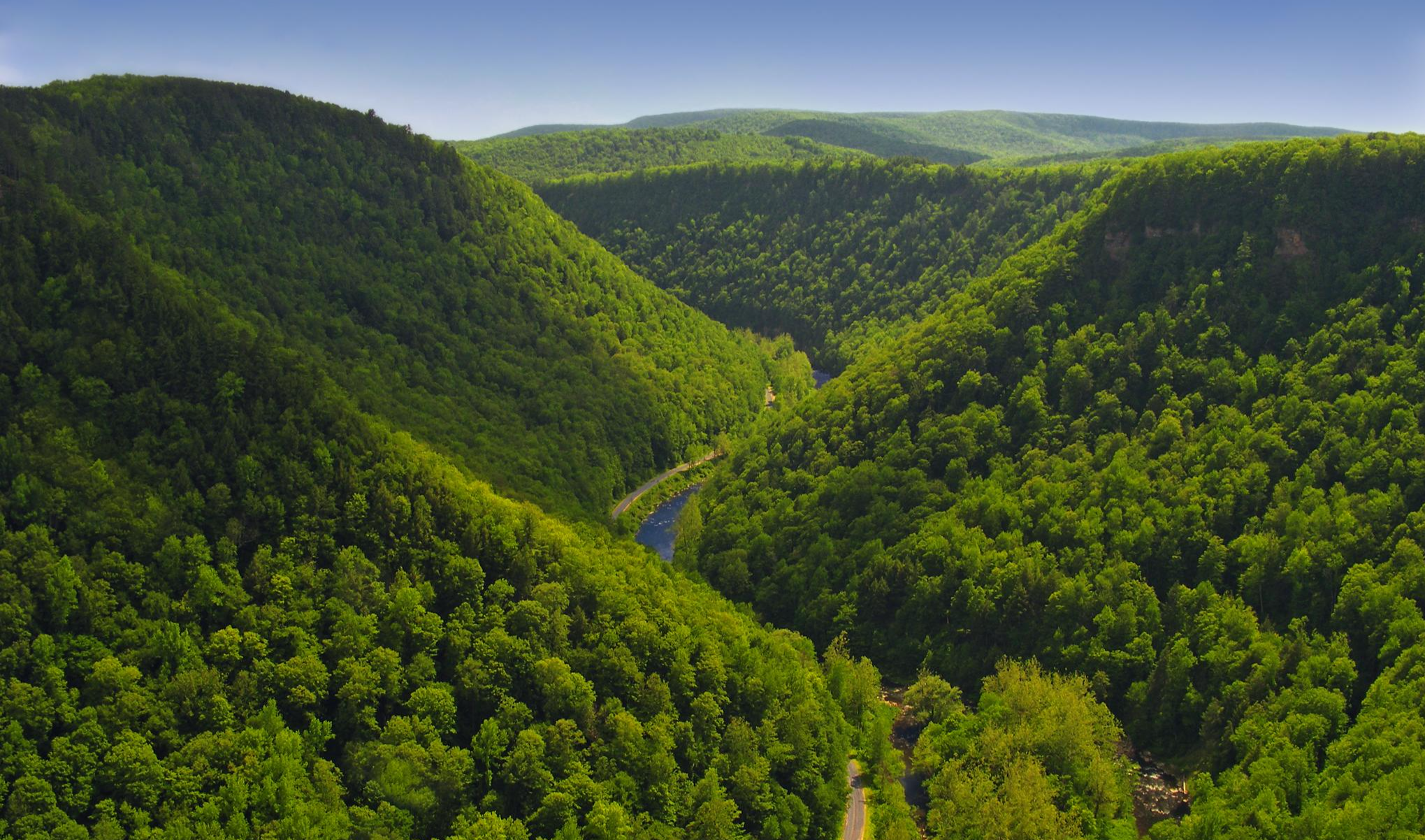
The West Rim Trail — Along Pennsylvania's grand canyon
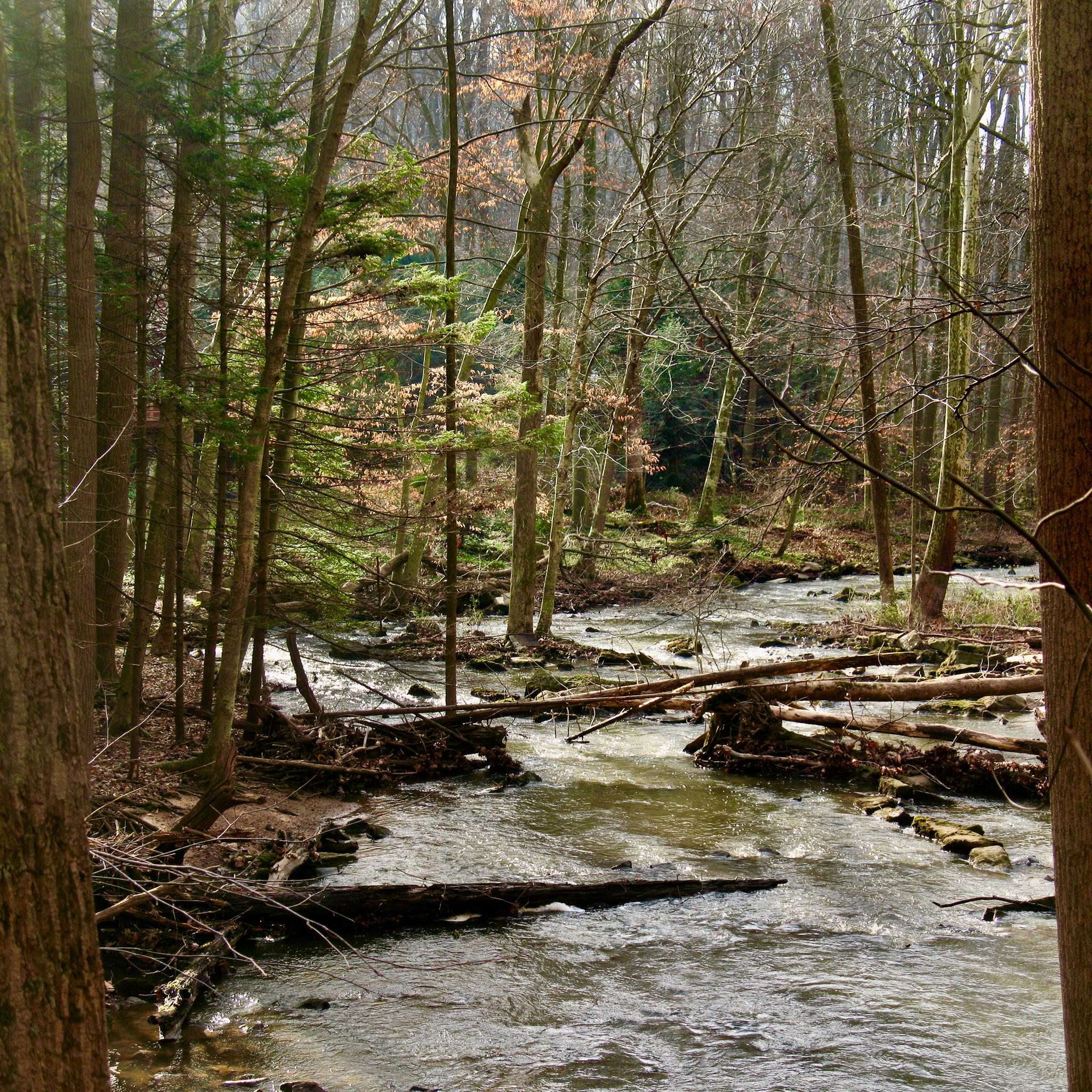
Horse-Shoe Trail — Hiking Pennsylvania's hidden gems
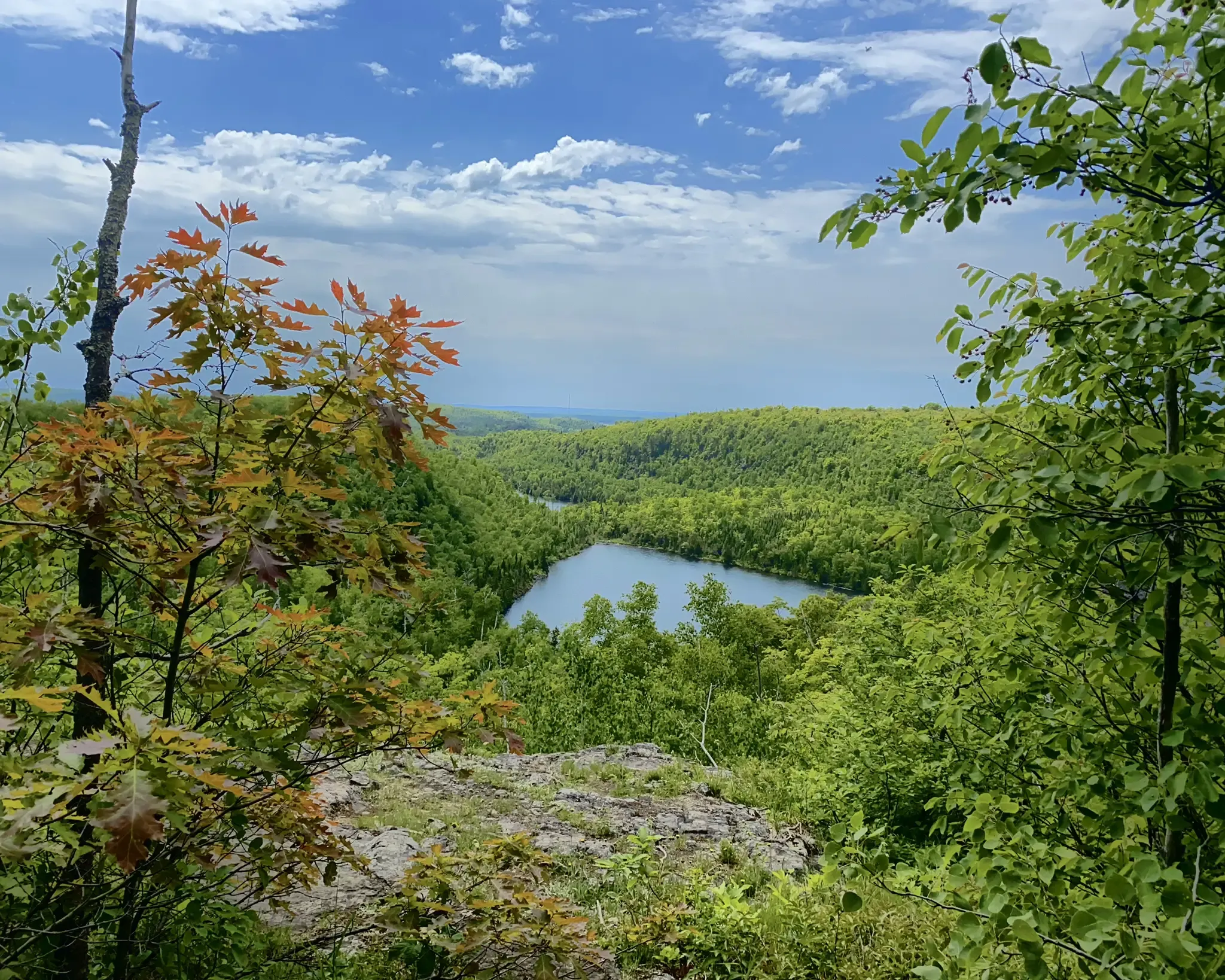
North Country Trail – 4,800 Miles along the edge of northern U.S.
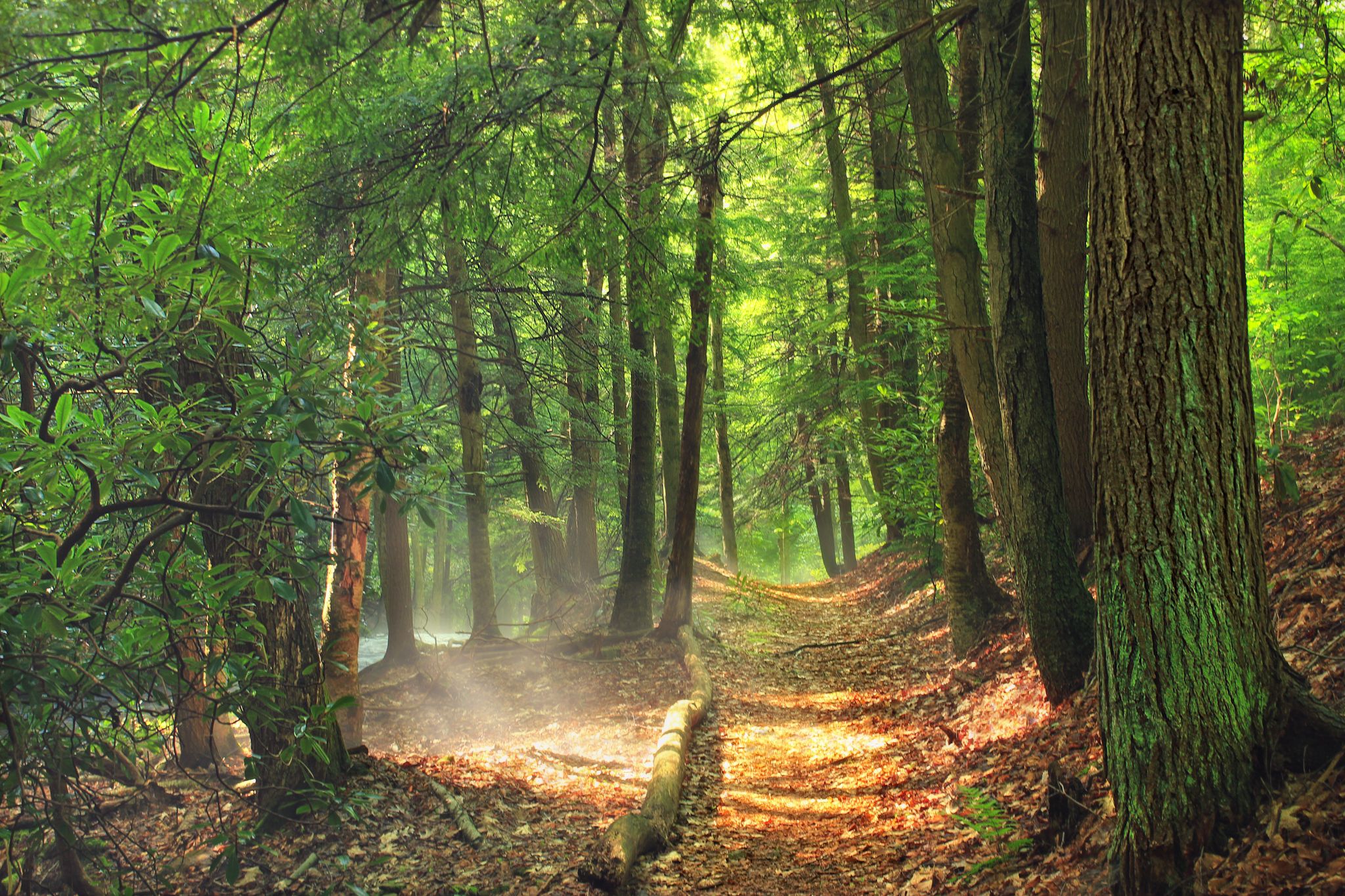
Chuck Keiper Trail — A loop through the untamed heart of PA
Other adventures in Pennsylvania


Tips from the Community

Spring fed pond? I didn't see no damn pond. I'll go back tomorrow.
0
0

Beam Rocks is a sandstone outcrop that rises about 90 feet above the surrounding forest. The rocks are a popular spot for day hikers and climbers. There is access via a short side trail here, but this is also a good spot to pause for a view of the rocks if you prefer to stay on the Laurel Highlands Hiking Trail.
0
0

Wind Cave sits about 60 feet off the Conestoga Trail System, and the area offers scenic views of the Susquehanna River. The cave has no restrooms, restaurants, or gift shops, so visitors should come prepared. It features two entrances, each leading to separate parallel corridors connected by a single cross-passage. Here, the main entrance is easy to access, with an eight-foot-tall, three-foot-wide opening that leads into a gently sloping floor and a ceiling that rises 15 to 25 feet high. As you move through the straight corridor, you'll need to climb over large fallen boulders before reaching a narrow point, about 175 to 200 feet, where most visitors can go no farther. The cave is dark and easy to turn around, so explore cautiously.
0
0

It's hard to beat the view from the top of Beam Rocks. The best part is that it's accessible from a variety of different trails. You can do a quick out and back if you only have a short time, or take one of the many longer trails in the area and make it a day hike.
0
0

If you were wondering why this trail has this name, this man-made cave is the reason. It is a good spot to enjoy a snack and take some photos as well. The Cave Trail connects the Hemlocks Trail with the Oil Well Trail and also with the Meeks Run Trail.
1
0

Referred to as "Hermit's Cave" or "Kelpius Cave," this location was believed to serve as the entrance to the dwelling of Transylvanian scholar Johannes Kelpius. He held the belief that the world would come to an end in 1694, leading his followers from the "Society of the Women in the Wilderness" to this very spot.
0
0

Crystal Cave is Pennsylvania’s first show cave. It was discovered in 1871 by local farmers. Because of the interesting crystalline walls 125 feet underground, it became a popular tourist destination. There are tours for the public to visit the cave. As the cave is so far underground, it is always 54 degress, so its a great place to escape the summer heat!
0
0

Jim Thorpe was once a thriving coal town, which can be seen in the abandoned tunnels scattered around the hills in the area. This cavern cannot be accessed by the public.
1
0
Frequently Asked Questions
What unique geological features can I find in Pennsylvania's caves?
Pennsylvania's caves showcase a variety of unique geological features. For instance, Crystal Cave is known for its sparkling crystalline formations, stalactites, stalagmites, and dripstone. Laurel Caverns, the state's largest cave by volume, is unique for its calcareous sandstone composition, resulting in incredibly smooth walls and a general lack of traditional formations. Woodward Cave features the 'Tower of Babel,' said to be the largest-known stalagmite in Pennsylvania, while Lincoln Caverns and Whisper Rocks boast a dizzying array of stalactites, stalagmites, flowstones, 'cave popcorn,' and 'cave bacon'.
Are there any caves in Pennsylvania with significant historical importance?
Yes, several caves in Pennsylvania have rich historical significance. Kelpius Cave is believed to have been the dwelling of Transylvanian scholar Johannes Kelpius. Indian Echo Caverns has a history of use by the Susquehannock Indians for shelter and storage, and was also home to a hermit named William Wilson for 19 years. Crystal Cave holds the distinction of being Pennsylvania's first show cave, discovered in 1871.
Which caves offer family-friendly activities beyond just the tour?
Many caves in Pennsylvania provide additional family-friendly activities. Penn's Cave features a 1,600-acre wildlife park, a miner's maze, and gemstone panning. Crystal Cave offers miniature golf, gemstone panning, and a nature trail. Indian Echo Caverns includes a petting zoo, playground, and gemstone mining. Meadowcroft Rockshelter and Historic Village also provides a family-friendly historical experience.
Can I experience a cave tour by boat in Pennsylvania?
Yes, Penn's Cave offers a unique experience as the only all-water cavern in the United States where the entire tour is conducted by boat. Visitors glide through the limestone cavern, observing magnificent formations from the water.
What are the options for more adventurous caving or spelunking in Pennsylvania?
For those seeking more adventure, Laurel Caverns offers spelunking opportunities into deeper, unlit passageways beyond its guided tours. This allows for a more rugged exploration of Pennsylvania's largest cave by volume.
What is the typical duration of a cave tour in Pennsylvania?
Most guided cave tours in Pennsylvania, such as those at Crystal Cave and Lincoln Caverns, typically last around one hour. This allows visitors to explore the main chambers and learn about the formations and history.
Are there any caves in Pennsylvania that are particularly large or extensive?
Yes, Pennsylvania is home to some impressively large caves. Laurel Caverns is the state's largest cave by volume and area, with over four miles of passages. Woodward Cave, known as 'The Big One,' is also one of the largest caverns in Pennsylvania, featuring five spacious rooms and hundreds of yards of tunnels, including the 300-foot-long 'Hall of Statutes'.
What should I wear when visiting a cave in Pennsylvania?
Caves maintain a consistent cool temperature year-round, typically around 54 degrees Fahrenheit (12 degrees Celsius), regardless of the outside weather. It's advisable to wear comfortable walking shoes and bring a light jacket or sweater to stay warm during your tour.
Are there hiking or running trails available near Pennsylvania's caves?
Yes, many cave locations are situated within or near natural areas that offer outdoor activities. For example, Laurel Caverns is located in Forbes State Forest, providing a peaceful setting. You can find various hiking trails and running trails throughout Pennsylvania, with some routes like the Conestoga Trail System passing near sites such as Wind Cave Junction.
Are there any caves in Pennsylvania that serve as important bat habitats?
Yes, some of Pennsylvania's caves are significant bat hibernacula. Laurel Caverns is the largest natural bat hibernaculum in the northeastern United States, and Woodward Cave is also the third largest natural bat hibernaculum in Pennsylvania, playing a crucial role in bat conservation.
What is the best time of year to visit Pennsylvania caves?
Caves maintain a constant cool temperature, making them a great destination year-round. Many visitors enjoy them particularly during the summer months as a cool escape from the heat, or during colder seasons when outdoor activities might be limited. Some caves, like Greer Tunnel, are open year-round, though caution is advised for ice in winter.
Are there any caves in Pennsylvania that are easily accessible for visitors?
Most show caves in Pennsylvania are designed for visitor accessibility, offering guided tours on well-maintained paths. Crystal Cave, for example, takes visitors 125 feet underground with guided tours. While specific accessibility features like wheelchair access vary by location, show caves generally provide a more accessible experience than wild caves.
Most popular routes in Pennsylvania
Most popular attractions in Pennsylvania

Get inspired with the komoot mobile app


Explore more
Extend your search for the best caves by checking out these guides of the top ones in Pennsylvania:
