Top 20 Castles in Landkreis Landshut
Best castles in Landkreis Landshut provide a historical journey through a region characterized by its varied landscape and cultural heritage. This area in Bavaria features numerous historical sites, with castles often situated to offer views of the surrounding countryside. The region combines natural features with centuries of architectural development, making it suitable for exploration. There are 20 castles to choose from in Landkreis Landshut.
Best castles in Landkreis Landshut
- The most popular castles is Trausnitz Castle, a castle that has largely maintained its original size since its founding in 1204. It features impressive arcades, Renaissance halls, and a unique Fools' Staircase.
- Another must-see spot is Kronwinkl Castle, a historical site with a keep dating from the 12th/13th centuries. Visitors can observe the imposing structure, which has been privately owned by the Preysing family since its construction.
- Visitors also love Neufahrn Castle Hotel, a castle that functions as a hotel. It offers a beautifully landscaped garden and provides options for dining or overnight stays.
- Landkreis Landshut is known for its medieval castles, historical sites, and castle hotels. The region offers a variety of castles to see and explore, from well-preserved fortresses to private estates.
- The castles in Landkreis Landshut are appreciated by the komoot community, with over 620 upvotes and more than 1000 photos shared across 26 highlights.
Last updated: August 29, 2026
Trausnitz Castle
Highlight • Castle
Landshut Tourist Office +49 (0)871 / 922050;
landshuer-hochzeit-tickets.de
landshuter-hofmusiktage.com
Translated by Google •
Tip by

Kronwinkl Castle
Highlight • Castle
Translated by Google •
Tip by

Sign up now to discover places like this
Get recommendations on the best single tracks, peaks, & plenty of other exciting outdoor places.
Sign up for free
Neufahrn Castle Hotel
Highlight • Castle
Translated by Google •
Tip by

Bruckberg Castle
Highlight • Castle
Translated by Google •
Tip by

Kapfing Castle
Highlight • Castle
Translated by Google •
Tip by

Kirchberg Castle
Highlight • Castle
In a document from Mallersdorf Monastery, a Count Arterius I is mentioned in Kirchberg as early as 812. However, the castle is said to have been founded as a Roman fortress as early as 292 - at a time from which there are no documents or other written evidence.
After the Counts of Kirchberg died out in 1234, the county became a district court of the Duchy of Bavaria-Landshut. The ducal guardian resided in Kirchberg Castle and was responsible for administration and justice in his district. The most important places of the Kirchberg district court, which belonged to the Landshut Revenue Office, were the markets of Pfaffenberg and Geiselhöring.
The three-winged complex from the second half of the 15th century was expanded in 1520 and 1569.
The castle was destroyed in the Landshut War of Succession in 1504 and the Thirty Years' War in 1632 and then rebuilt in the Baroque style. In 1803, the Kirchberg district court was moved to Pfaffenberg. The castle was purchased in 1807 by a family who used it for agricultural purposes.
The castle, now a palace, was purchased and restored by two Munich families in 1978. The owners received the Monument Prize from the Hypo Cultural Foundation Munich for the restoration of the castle in the 1990s.
The current complex was built in the 14th century by the Lords of Kirchberg and has a circular brick moat wall. The keep has a base area of 10 by 10.5 meters and a wall thickness of three meters. The castle chapel of St. Leonhard is located in the keep's basement.
Source: wikipedia.de
Translated by Google •
Tip by

Weihenstephan Castle
Highlight • Castle
Weihenstephan Castle was first mentioned in documents in 1229. For a long time it was a manor. The current complex was built in the 17th century by Georg Carl Freiherr von Etzdorf on Weihenstephan and Stamsried on the site of a previous building. The residential building was built in the 18th century.
In 1837 Count Philipp Aloys Erasmus von Deroy bought Weihenstephan Castle with Deutenkofen and two breweries from the Barons of Etzdorf. When the heiress Odette Countess Deroy married Friedrich Freiherr von Fürstenberg, her son, Joseph Erwein (1908–1977), was elevated to Count von Deroy, Freiherr von Fürstenberg, in 1914 and inherited Weihenstephan.
In August 2006, the castle's outbuildings burned down and some of them had to be demolished as a result. The damage was probably caused by a defect in an electrical system and amounted to around one million euros.
Weihenstephan Castle is a baroque complex with a moat running all around it from the 17th century, which was changed in the 18th century and possibly later. The residential building is a two-story mansard hipped roof building with elaborately designed shutters. The surrounding farm buildings from the 17th and 18th centuries are essentially divided into a north and east wing. In the north wing there is a passageway that is in line with the portal of the residential building. A little to the east of the castle, on the old road towards Landshut, there are two massive gate pavilions, also with mansard hipped roofs, which were built in 1950.
On the opposite side of the street, north of the castle, is the baroque castle chapel, which is dedicated to Saint Sebastian. It was built in the middle of the 17th century.
The small, north-facing hall church with a rectangular floor plan is divided on the outside by pilasters. The portal on the south side is distinguished by flanking pilasters. In the middle of the hipped roof is a ridge turret with an onion dome. The interior is spanned by a flat ceiling and also divided by pilasters.
The chapel now serves exclusively as a mortuary; the associated cemetery extends around the nearby branch church of St. Stephan.
Source: wikipedia.de
Translated by Google •
Tip by
Translated by Google •
Tip by

Bonbruck Castle and Parish Church
Highlight • Historical Site
Translated by Google •
Tip by

Niederaichbach Castle
Highlight • Castle
It is privately owned and only partially visible from the outside.
Translated by Google •
Tip by

Sign up for free to discover even more castles in Landkreis Landshut.
Sign up for free
Already have an account?
Start today with a free account
Your next adventure awaits.
Login or Signup
Popular around Landkreis Landshut
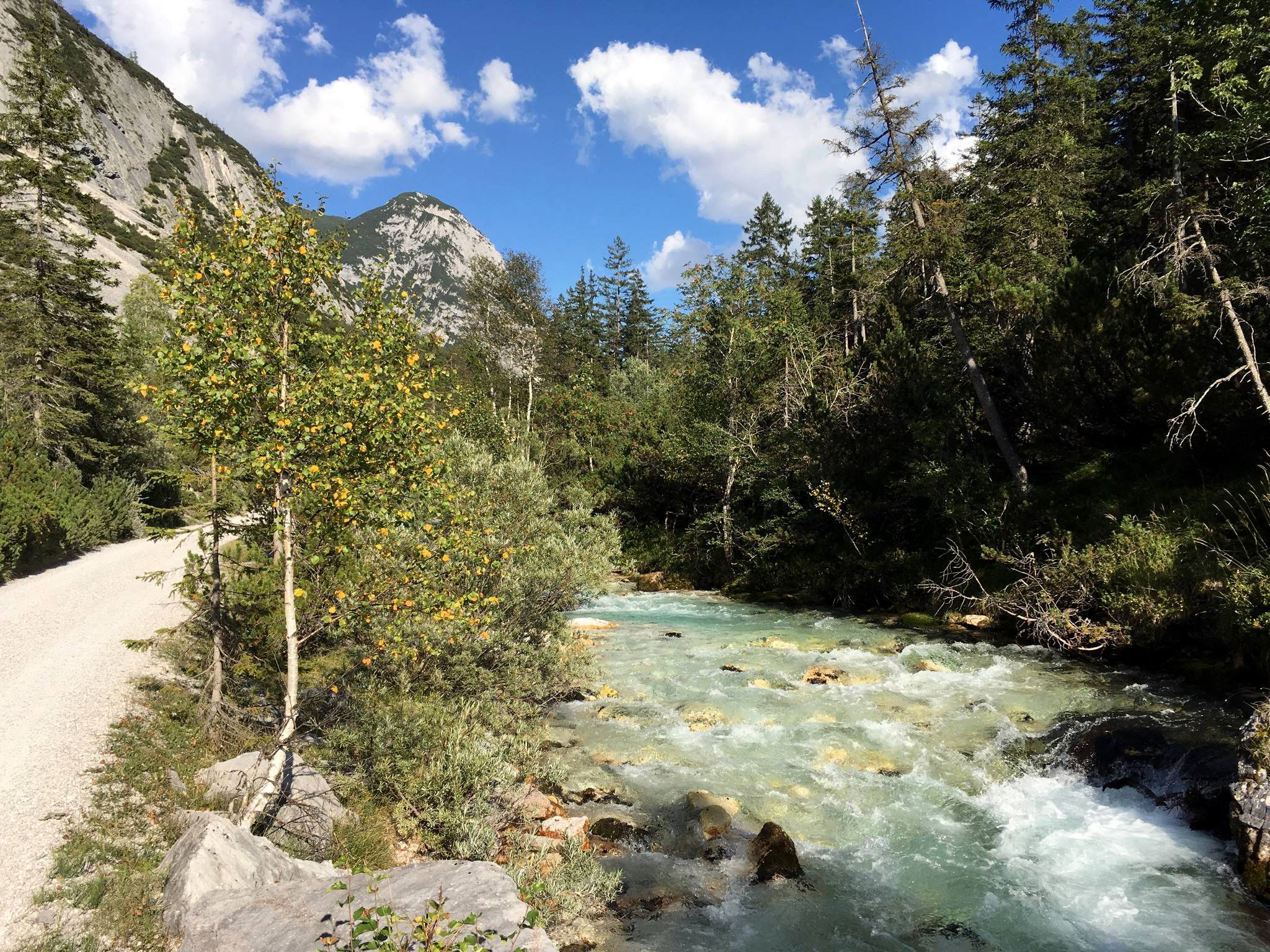
Isar cycle path — From Alpine peaks to the Auenwald (7 stages)
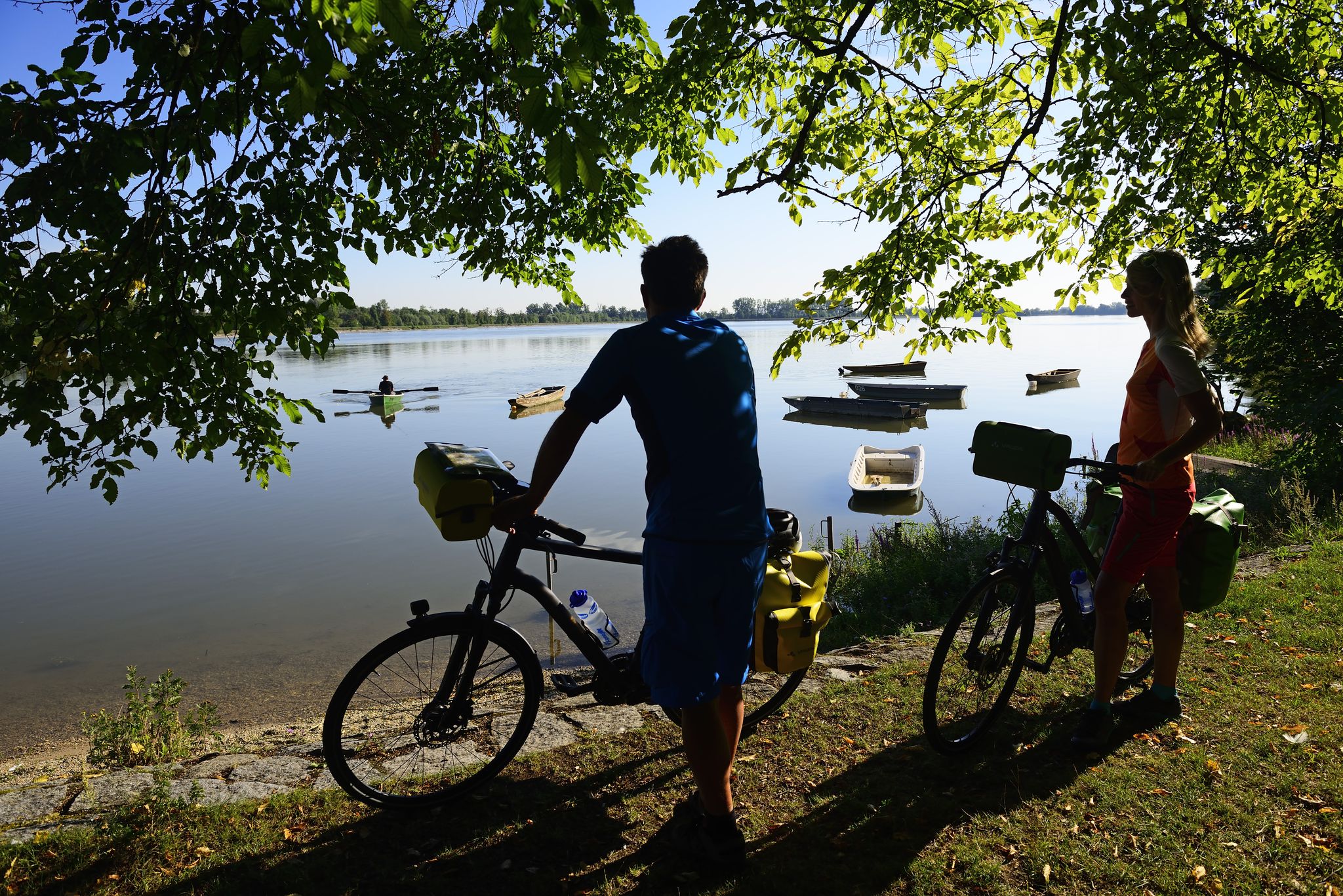
Niederbayerntour in 7 stages — Swim trunks, beer, baroque
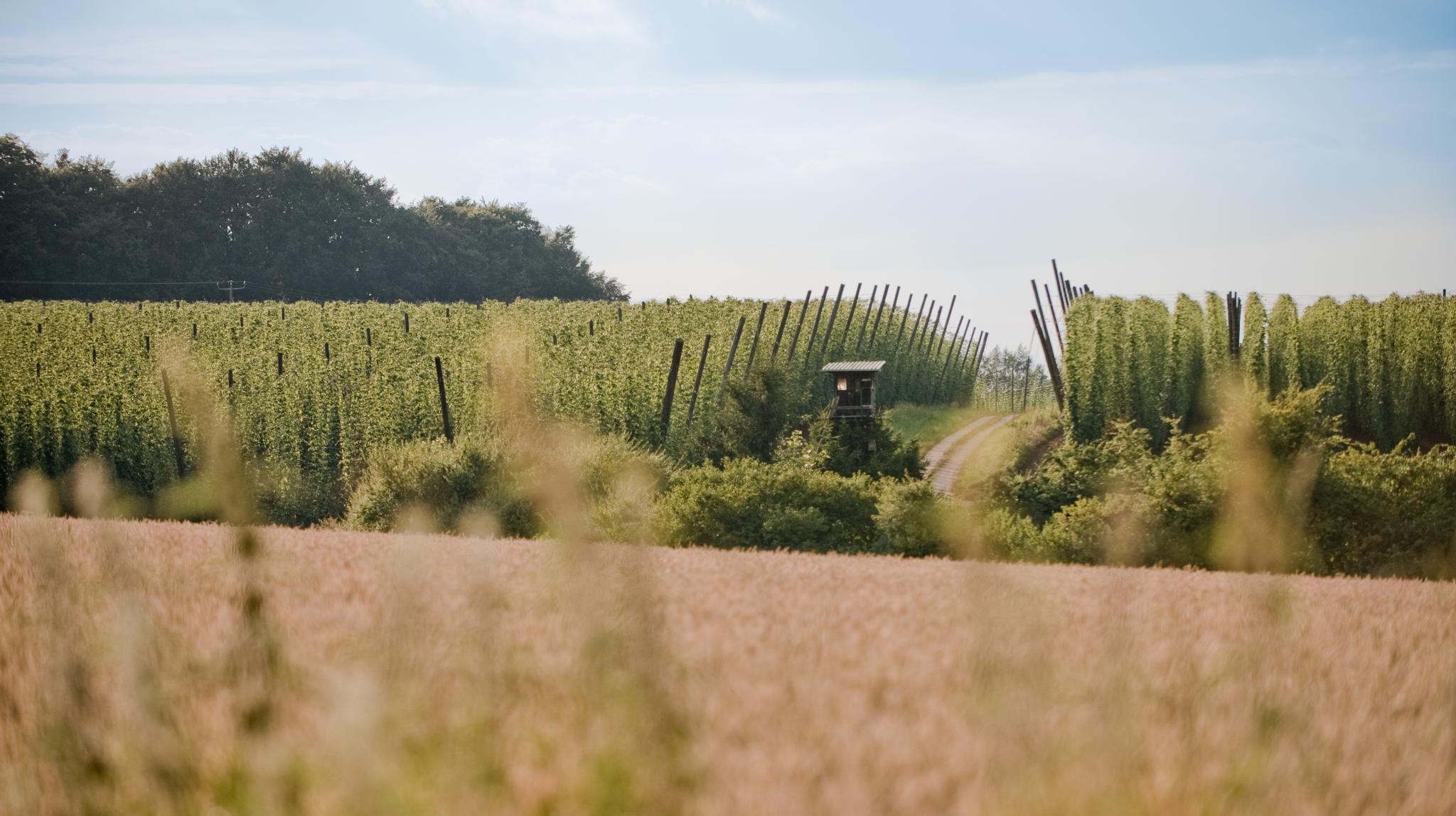
Through hop gardens and hills – hiking in the Hallertau
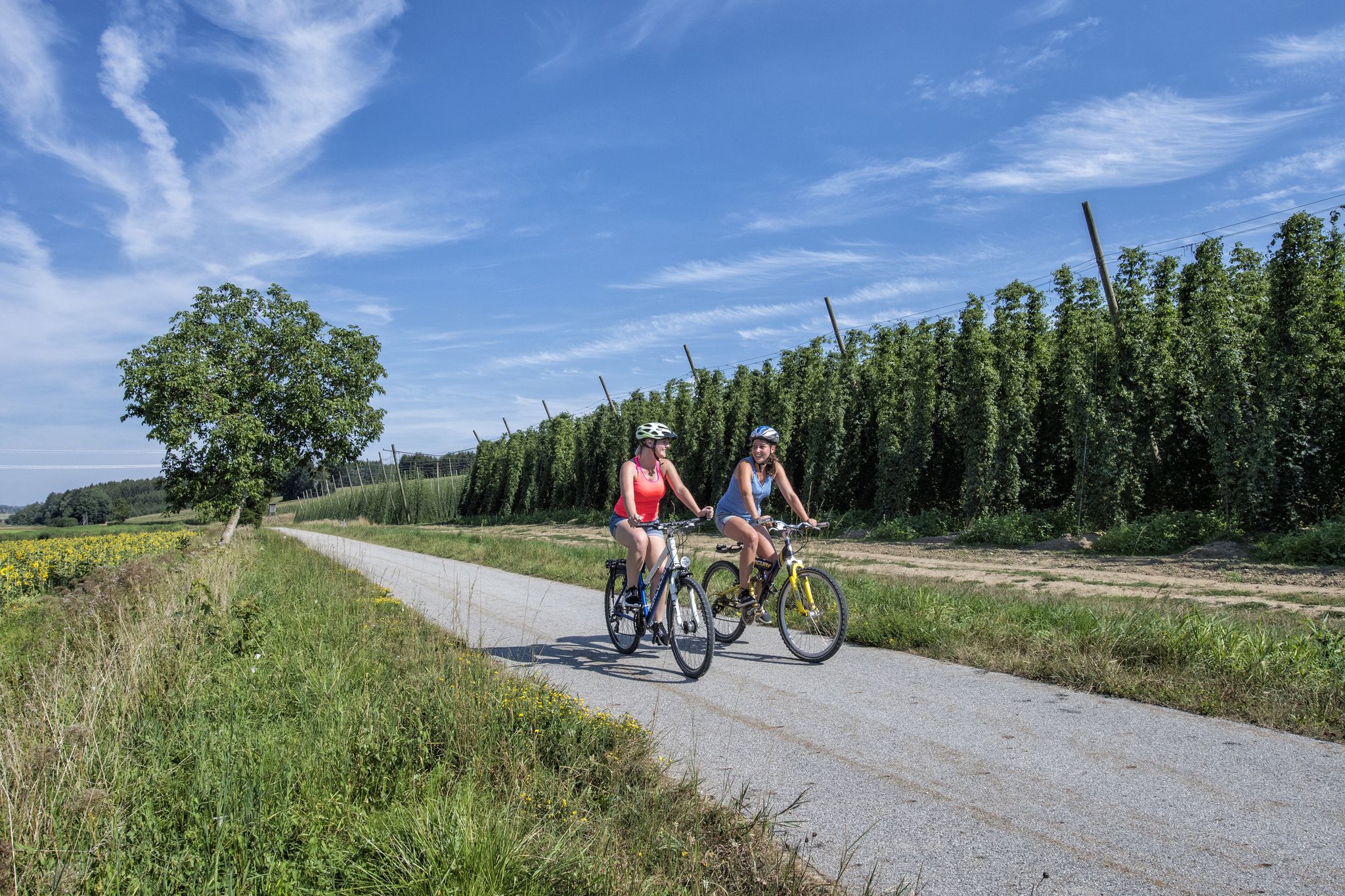
Cycling in the Hallertau – rides through the home of the green gold
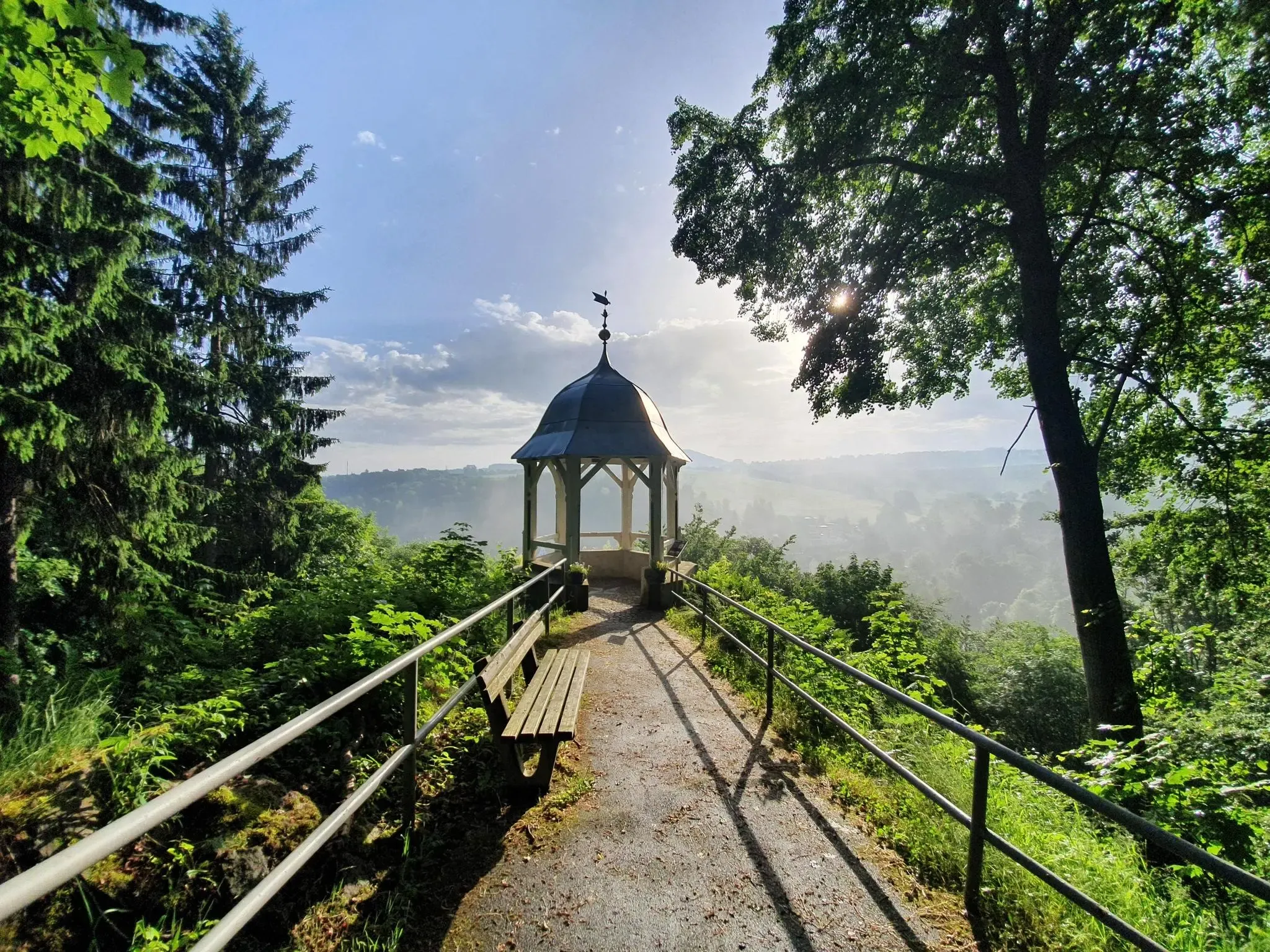
#GoFurther – discover the views of Germany!
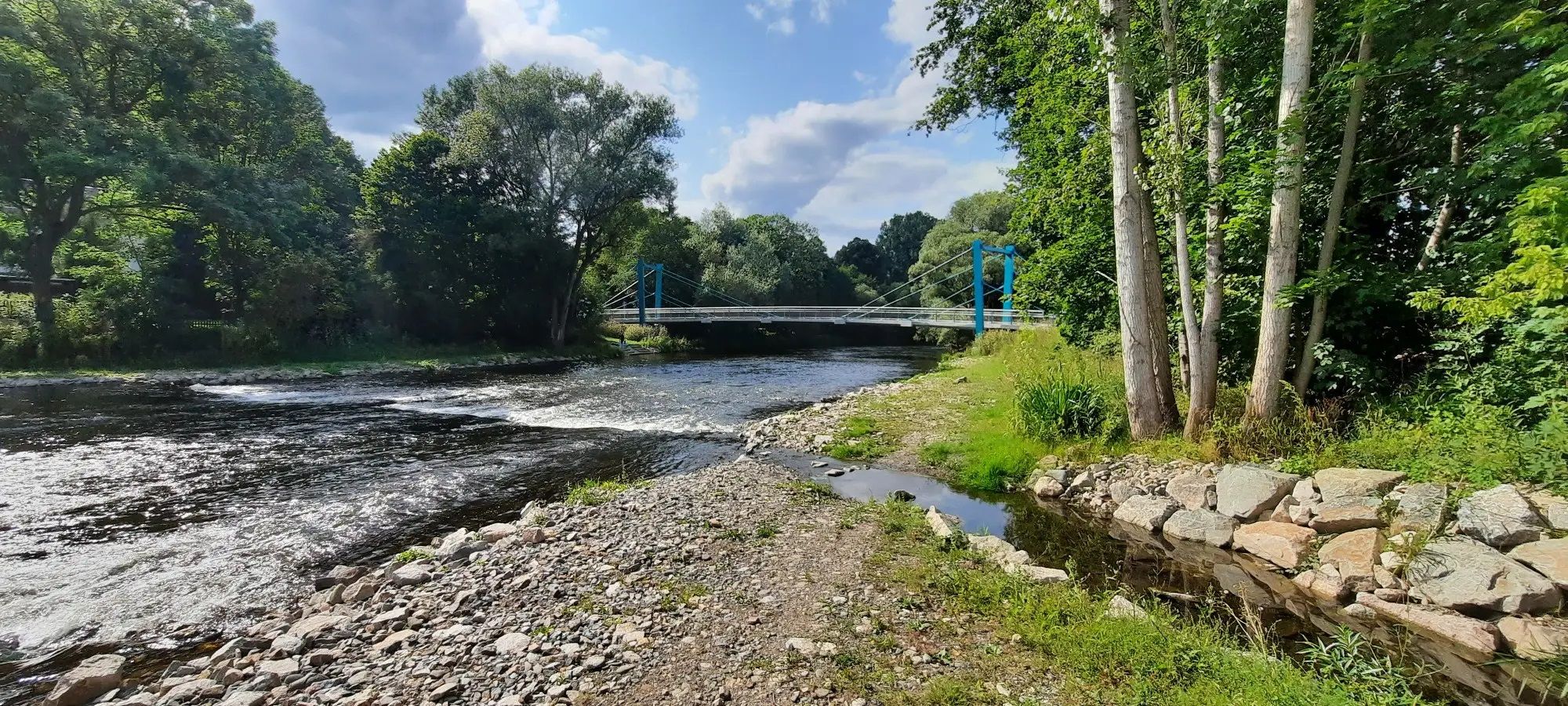
D-Route 11 – Baltic Sea - Upper Bavaria
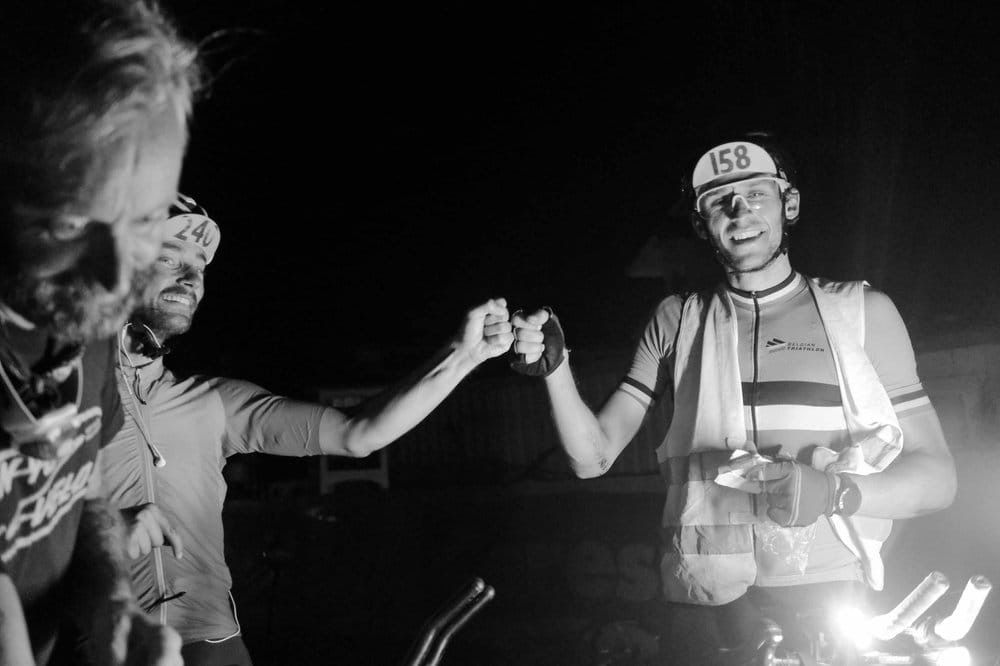
TCR No. 8 — racing across Europe
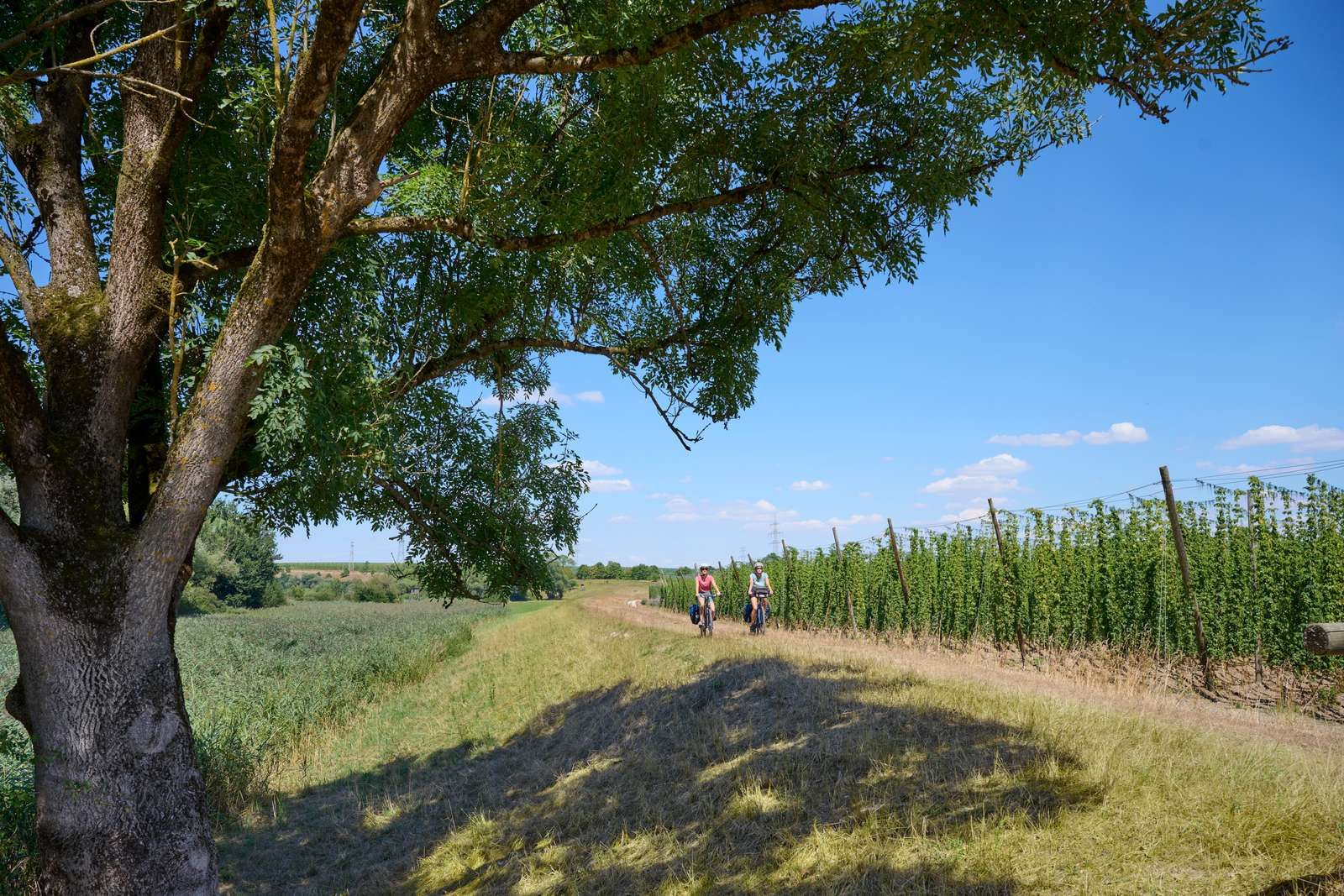
On the Niederbayerntour in 7 stages through the Bayerische Thermenland
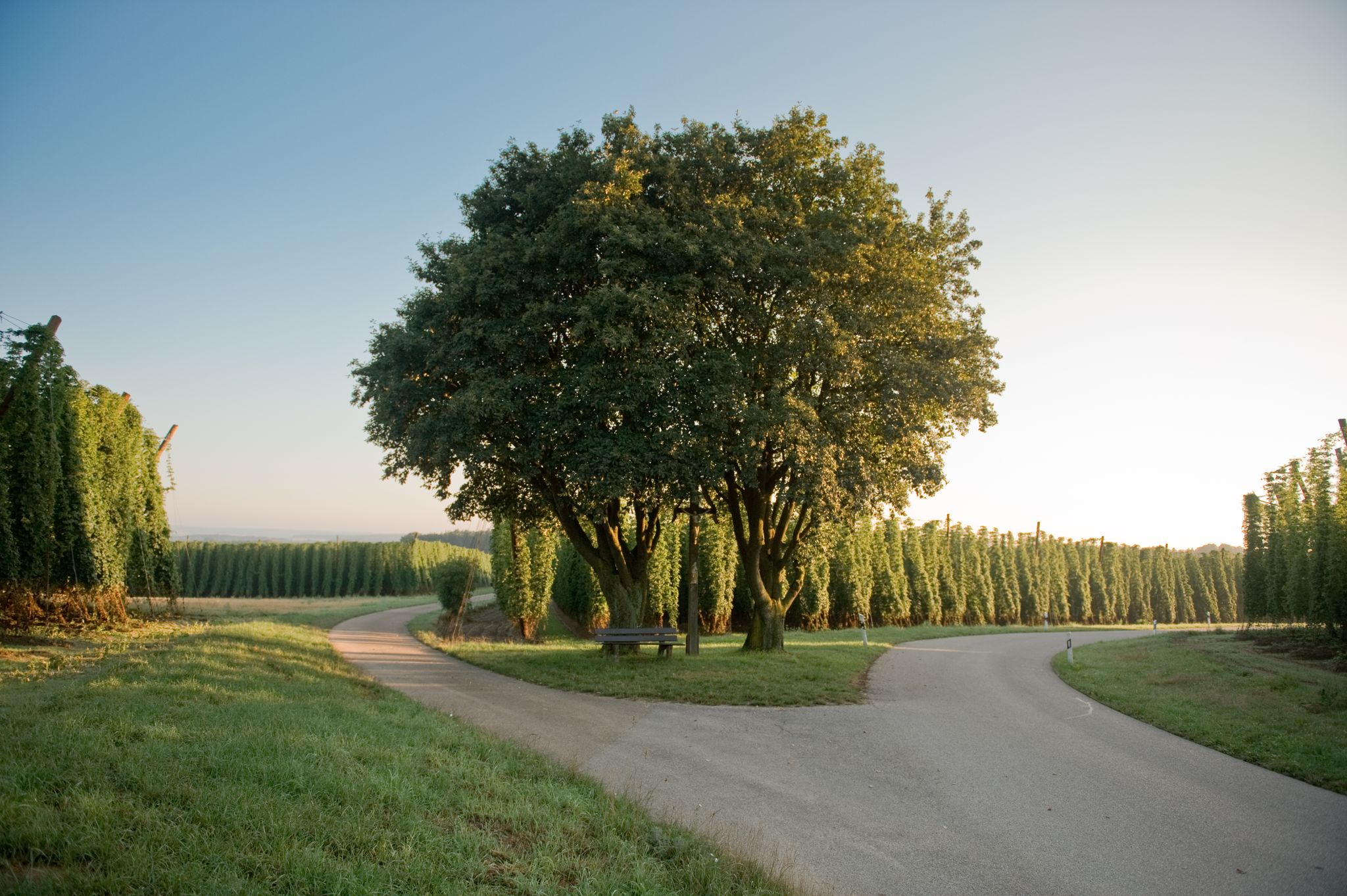
Radeln durchs Grüne Gold – Hallertauer Hopfentour
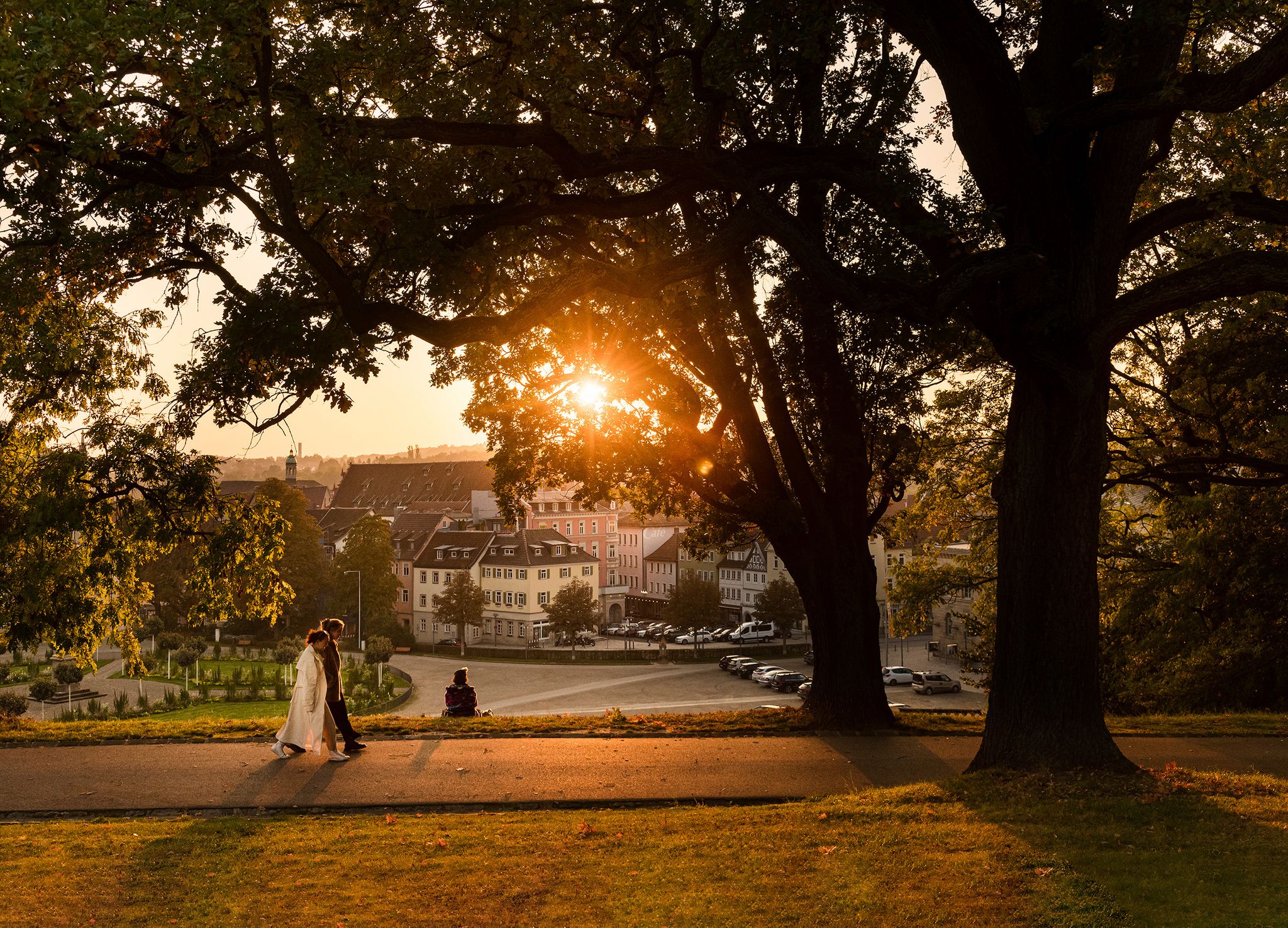
Tauche in die Geschichte ein! – Stadtrundgänge in Bayern
Other adventures in Landkreis Landshut


Tips from the Community

Weihenstephan Palace was first documented in 1229. For a long time, it formed a royal estate. The current Baroque complex was built in the 17th century on the site of a previous structure. The residential building was added in the 18th century. The palace is now owned by the Counts Deroy von Fürstenberg. Across the street, north of the palace, is the Baroque palace chapel, dedicated to Saint Sebastian. It was built in the mid-17th century.
0
0
At the center of the village north of Vilsheim stands the stately Kapfing Castle. A Werinher de Chapfingen was first mentioned in the last quarter of the 11th century, and the first reliable information about the castle dates back to the 13th century. Kapfing developed as a typical settlement around the castle. From 1415 to 1643, it was owned by the later Barons von Eckher, and until 1780, it was owned by the Barons von Goder. In 1702, Hieronymus Count von Spreti came to the court of Elector Max Emanuel as a page, and through his third marriage to Antonia Baroness von Goder in 1754, Kapfing Castle became the ancestral seat of the Counts von Spreti from 1780 onward. With the death of Wolfram Count von Spreti in 2004, who had previously become heavily indebted, the castle and its lands passed to the Bavarian state. In 2007, Nikolaus Weber-Henschel acquired the property. (Wikipedia)
0
0

In addition to the hotel, there is also a restaurant with a garden. Events are held regularly (e.g., garden days, medieval festivals). The castle is also popular for weddings and family celebrations.
0
0


Nice place, would love to come back.
0
0

Weihenstephan Castle Weihenstephan Castle was first mentioned in documents in 1229. For a long time it was a manor. The current complex was built in the 17th century by Georg Carl Freiherr von Etzdorf on Weihenstephan and Stamsried on the site of a previous building. The residential building was built in the 18th century. In 1837 Count Philipp Aloys Erasmus von Deroy bought Weihenstephan Castle with Deutenkofen and two breweries from the Barons of Etzdorf. When the heiress Odette Countess Deroy married Friedrich Freiherr von Fürstenberg, her son, Joseph Erwein (1908–1977), was elevated to Count von Deroy, Freiherr von Fürstenberg, in 1914 and inherited Weihenstephan. In August 2006, the castle's outbuildings burned down and some of them had to be demolished as a result. The damage was probably caused by a defect in an electrical system and amounted to around one million euros. Weihenstephan Castle is a baroque complex with a moat running all around it from the 17th century, which was changed in the 18th century and possibly later. The residential building is a two-story mansard hipped roof building with elaborately designed shutters. The surrounding farm buildings from the 17th and 18th centuries are essentially divided into a north and east wing. In the north wing there is a passageway that is in line with the portal of the residential building. A little to the east of the castle, on the old road towards Landshut, there are two massive gate pavilions, also with mansard hipped roofs, which were built in 1950. On the opposite side of the street, north of the castle, is the baroque castle chapel, which is dedicated to Saint Sebastian. It was built in the middle of the 17th century. The small, north-facing hall church with a rectangular floor plan is divided on the outside by pilasters. The portal on the south side is distinguished by flanking pilasters. In the middle of the hipped roof is a ridge turret with an onion dome. The interior is spanned by a flat ceiling and also divided by pilasters. The chapel now serves exclusively as a mortuary; the associated cemetery extends around the nearby branch church of St. Stephan. Source: www.wikipedia.de
2
0
Kirchberg-Hohenthann Castle In a document from Mallersdorf Monastery, a Count Arterius I is mentioned in Kirchberg as early as 812. However, the castle is said to have been founded as a Roman fortress as early as 292 - at a time from which there are no documents or other written evidence. After the Counts of Kirchberg died out in 1234, the county became a district court of the Duchy of Bavaria-Landshut. The ducal guardian resided in Kirchberg Castle and was responsible for administration and justice in his district. The most important places of the Kirchberg district court, which belonged to the Landshut Revenue Office, were the markets of Pfaffenberg and Geiselhöring. The three-winged complex from the second half of the 15th century was expanded in 1520 and 1569. The castle was destroyed in the Landshut War of Succession in 1504 and the Thirty Years' War in 1632 and then rebuilt in the Baroque style. In 1803, the Kirchberg district court was moved to Pfaffenberg. The castle was purchased in 1807 by a family who used it for agricultural purposes. The castle, now a palace, was purchased and restored by two Munich families in 1978. The owners received the Monument Prize from the Hypo Cultural Foundation Munich for the restoration of the castle in the 1990s. The current complex was built in the 14th century by the Lords of Kirchberg and has a circular brick moat wall. The keep has a base area of 10 by 10.5 meters and a wall thickness of three meters. The castle chapel of St. Leonhard is located in the keep's basement. Source: www.wikipedia.de
2
0

From the Isar bridge at the ice stadium you have a great view to the east (downstream) of Trausnitz Castle and the tower of St. Martin's Church. A lovely spot to take a quick rest in the morning or evening and enjoy the view.
3
0
Frequently Asked Questions
What are some unique historical features of castles in Landkreis Landshut?
One of the most prominent castles, Trausnitz Castle, offers several unique historical features. These include impressive arcades in the castle courtyard, magnificent Renaissance halls, and the distinctive "Fools' Staircase" decorated with scenes from the Italian Commedia dell'arte. It also houses a historical Chamber of Art and Curiosities, showcasing a wide array of art and treasures from Renaissance rulers.
Are there castles in Landkreis Landshut that offer overnight stays or dining?
Yes, Neufahrn Castle Hotel functions as a hotel and offers options for dining or overnight stays. It features a beautifully landscaped garden and provides opportunities to book a knight's meal.
Can I visit castles in Landkreis Landshut with my family?
Many castles in Landkreis Landshut are suitable for family visits. For instance, Neufahrn Castle Hotel and Kapfing Castle are categorized as family-friendly. Additionally, viewpoints like the View of Landshut's Old Town from the Isar Bridge are also considered family-friendly and offer scenic perspectives.
What kind of views can I expect from castles in Landkreis Landshut?
Castles in Landkreis Landshut often provide breathtaking panoramic views. From Trausnitz Castle, you can enjoy a wonderful view of the historic town of Landshut and its Gothic towers. Other viewpoints, such as the View of Landshut's Old Town from the Isar Bridge, offer different perspectives of the city and the castle itself.
Are there opportunities for outdoor activities like hiking or cycling near the castles?
Yes, the region around the castles in Landkreis Landshut offers various outdoor activities. You can find numerous hiking and cycling routes. For example, there are easy hiking trails like the "Time Trails Hike – Bruckberg Museum loop" or the "Trausnitz Castle – Zwinger Path at Trausnitz Castle loop." For cycling, options include the "Time Trails cycling tour – 'drinking stories'" or the "Lady of the castle or abbot of a monastery – family bike tour." You can explore more routes on the Hiking in Landkreis Landshut and Cycling in Landkreis Landshut guide pages.
What is the best time of year to visit the castles in Landkreis Landshut?
The castles in Landkreis Landshut can be visited year-round, but the spring and summer months (May to September) are particularly pleasant for exploring the grounds and enjoying the surrounding nature. During this time, events like the "Landshut Wedding" reenactment, which uses Trausnitz Castle as a backdrop, also take place, offering a vibrant cultural experience.
Are there any castles in Landkreis Landshut that are privately owned and not open to the public?
Yes, Kronwinkl Castle is a beautiful and imposing historical site that has been privately owned by the Preysing family since its construction in the 12th/13th centuries. While impressive to observe from the outside, it is not open to visitors, including its palace gardens.
Where can I find cafes or restaurants near the castles in Landkreis Landshut?
Several castles offer dining options or are located near establishments. Neufahrn Castle Hotel provides catering and dining services directly on-site. Trausnitz Castle also has facilities, and its proximity to Landshut's old town means numerous cafes and restaurants are easily accessible nearby.
Are there any easy walks or trails around the castles in Landkreis Landshut?
Yes, there are several easy walks and trails suitable for a relaxed exploration around the castles. For example, the "Time Trails Hike – Bruckberg Museum loop" and the "Trausnitz Castle – Zwinger Path at Trausnitz Castle loop" are both categorized as easy. You can find more options on the Easy hikes in Landkreis Landshut guide page.
What kind of events or cultural activities are associated with the castles in Landkreis Landshut?
Trausnitz Castle is a vibrant cultural hub, hosting various events throughout the year. These include medieval festivals, concerts, and exhibitions. It notably serves as a significant backdrop for the "Landshut Wedding," a grand reenactment of the 1475 wedding of Duke George the Rich and Princess Hedwig of Poland, which takes place every four years.
Can I bring my dog to the castle areas or on nearby trails?
While specific castle interiors might have restrictions, many outdoor areas and nearby trails are dog-friendly. For instance, the View of Landshut's Old Town from the Isar Bridge is noted as dog-friendly, and many of the hiking routes along the Isar or in the surrounding countryside are suitable for walks with dogs.
What are the parking options available when visiting castles in Landkreis Landshut?
Parking availability varies by castle. For Trausnitz Castle, parking is generally available in Landshut's old town, with routes leading up to the castle. For other castles, especially those in more rural settings, parking might be available directly on-site or in nearby villages. It's advisable to check local signage upon arrival.
Most popular routes in Landkreis Landshut
Most popular attractions in Landkreis Landshut

Get inspired with the komoot mobile app


Didn’t find what you were looking for?
Explore Landkreis Landshut’s best castles region by region:
Explore more
Looking for the best castles somewhere else? Discover other guides in Landkreis Landshut:
