The 20 Most Amazing Peaks in Padova
Mountain peaks in Padova are primarily found within the Euganean Hills, a group of 88 volcanic peaks. This region offers diverse landscapes, panoramic views, and unique natural and historical features. These hills are part of the Euganean Hills Nature Park, providing a significant natural feature for the Padova province. The area is also known for its hot mineral springs and spa complexes.
Best mountain peaks in Padova
- The most popular mountain peaks is Monte Ceva Summit Cross, a summit that offers a beautiful 360-degree panorama. The path to the summit can be challenging in its final stretch, requiring appropriate footwear.
- Another must-see spot is Mottolone Plateau, a viewpoint that is panoramic and accessible by car. Visitors can enjoy an almost 360-degree panorama and find various trails starting from this location.
- Visitors also love Sanctuary of Monte della Madonna, a religious building dedicated to the Blessed Virgin of the Assumption. This sanctuary is located on the second highest hill of the Euganean reliefs and is popular with devout people.
- Padova is known for its volcanic peaks, viewpoints, and historical sites. The region offers a variety of mountain peaks to see and explore, from challenging summits to accessible plateaus.
- The mountain peaks in Padova are appreciated by the komoot community, with over 750 upvotes and 130 photos shared.
Last updated: October 11, 2026
Mottolone Plateau
Highlight • Viewpoint
Translated by Google •
Tip by

Monte Ceva Summit Cross
Highlight • Summit
Translated by Google •
Tip by

Sign up now to discover places like this
Get recommendations on the best single tracks, peaks, & plenty of other exciting outdoor places.
Rocca of Monte Pendice
Highlight • Historical Site
Translated by Google •
Tip by
Mount Pirio
Highlight • Viewpoint
If you pass by here, a stop for some photos is a must!
Translated by Google •
Tip by
Monte Grande Weather Radar
Highlight • Summit
On its summit there is a large antenna which acts as a meteorological station,
Translated by Google •
Tip by
Sanctuary of Monte della Madonna
Highlight • Religious Site
Translated by Google •
Tip by

Corno del Venda
Highlight • Summit
Translated by Google •
Tip by
Mount Ortone
Highlight • Summit
Find more information about the walk to Monte Ortone on the Colli Euganei Regional Park website: parcocollieuganei.com/itinerari-dettaglio.php?id_iti=4481
Translated by Google •
Tip by
Former NATO Military Base on Monte Venda
Highlight • Historical Site
Translated by Google •
Tip by

Mount Fasolo
Highlight • Historical Site
Translated by Google •
Tip by

Sign up for free to discover even more peaks in Padova.
Already have an account?
Start today with a free account
Your next adventure awaits.
Popular around Padova
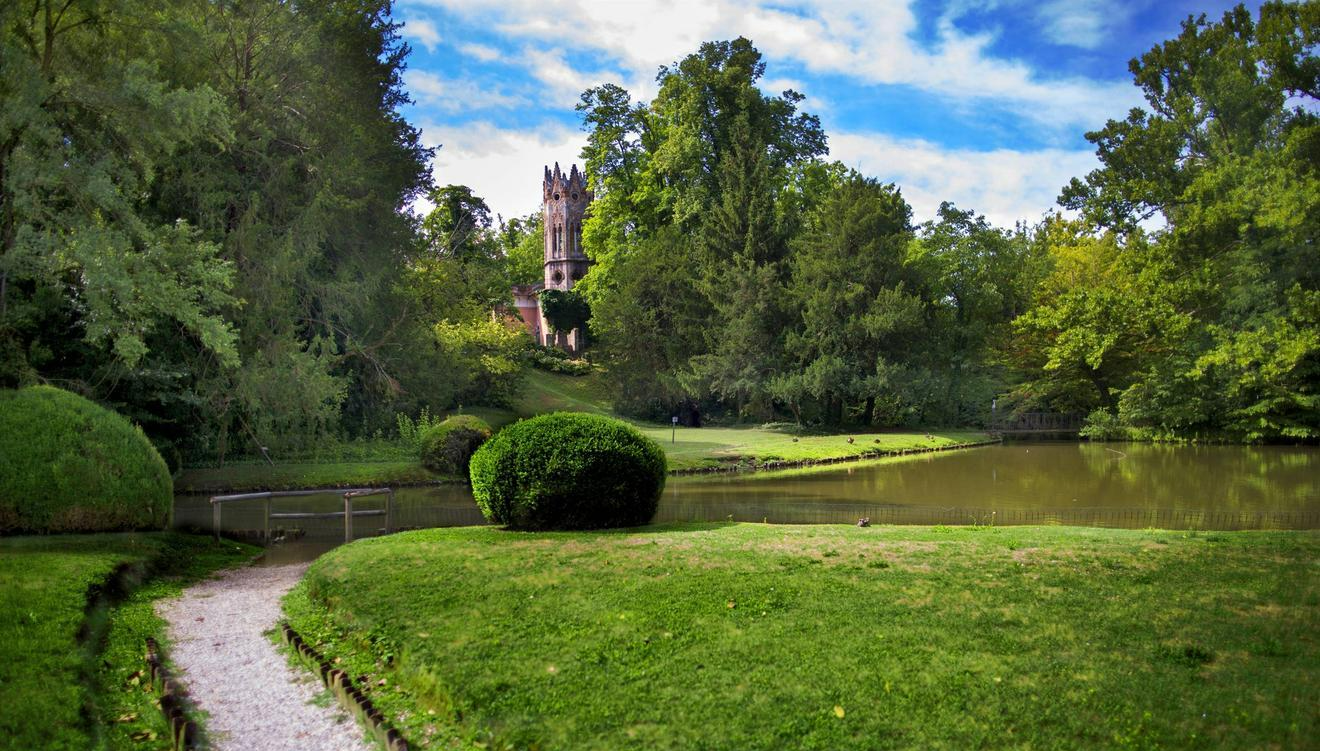
Riviera del Brenta – walks among Venetian villas, canals & lagoons
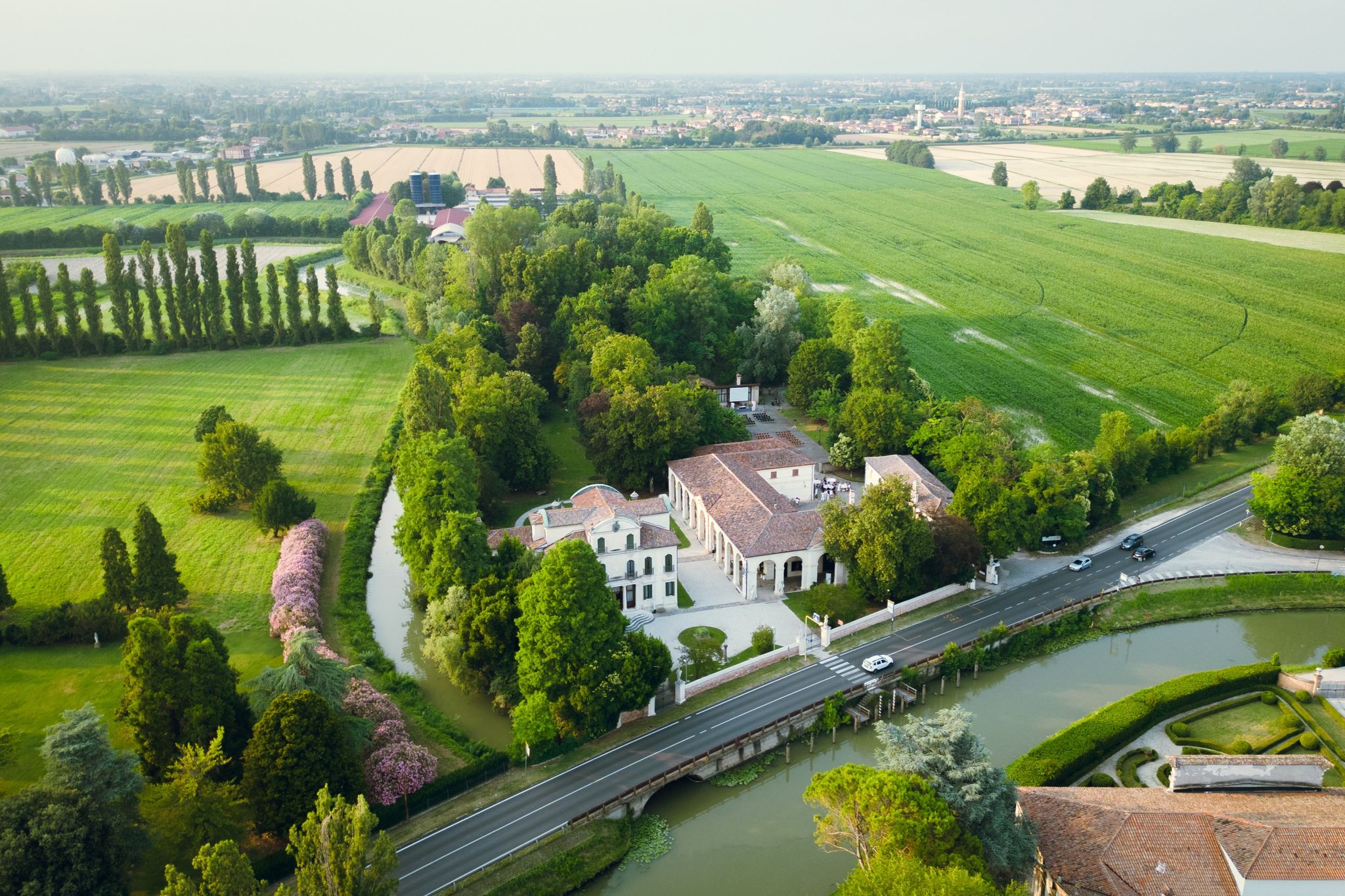
Riviera del Brenta by bike – between Venetian villas and water landscapes

Road to BAM! 2026 – Condividi la strada
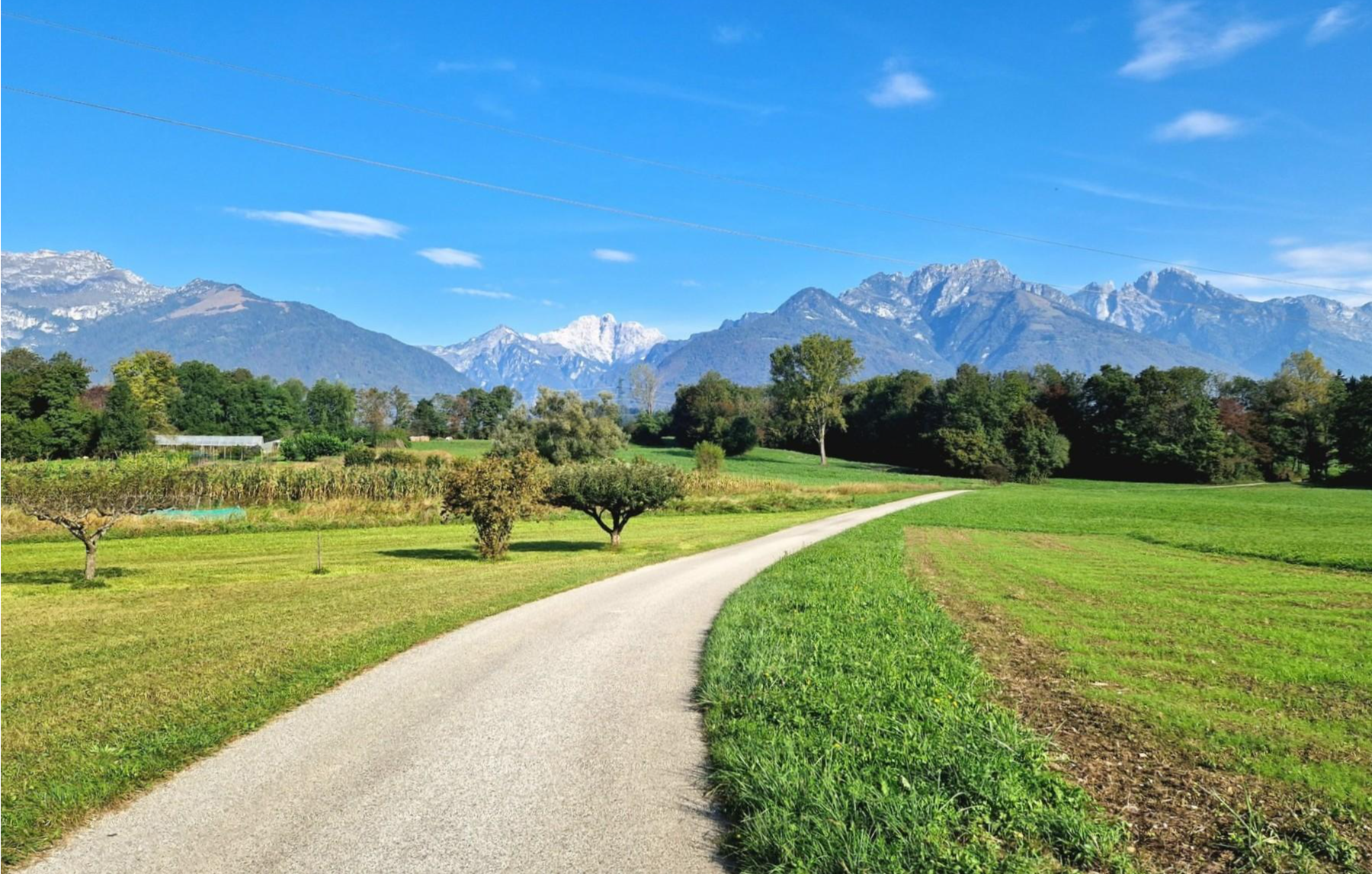
Veneto and Trentino by bike – between the Lagoon and the Dolomites
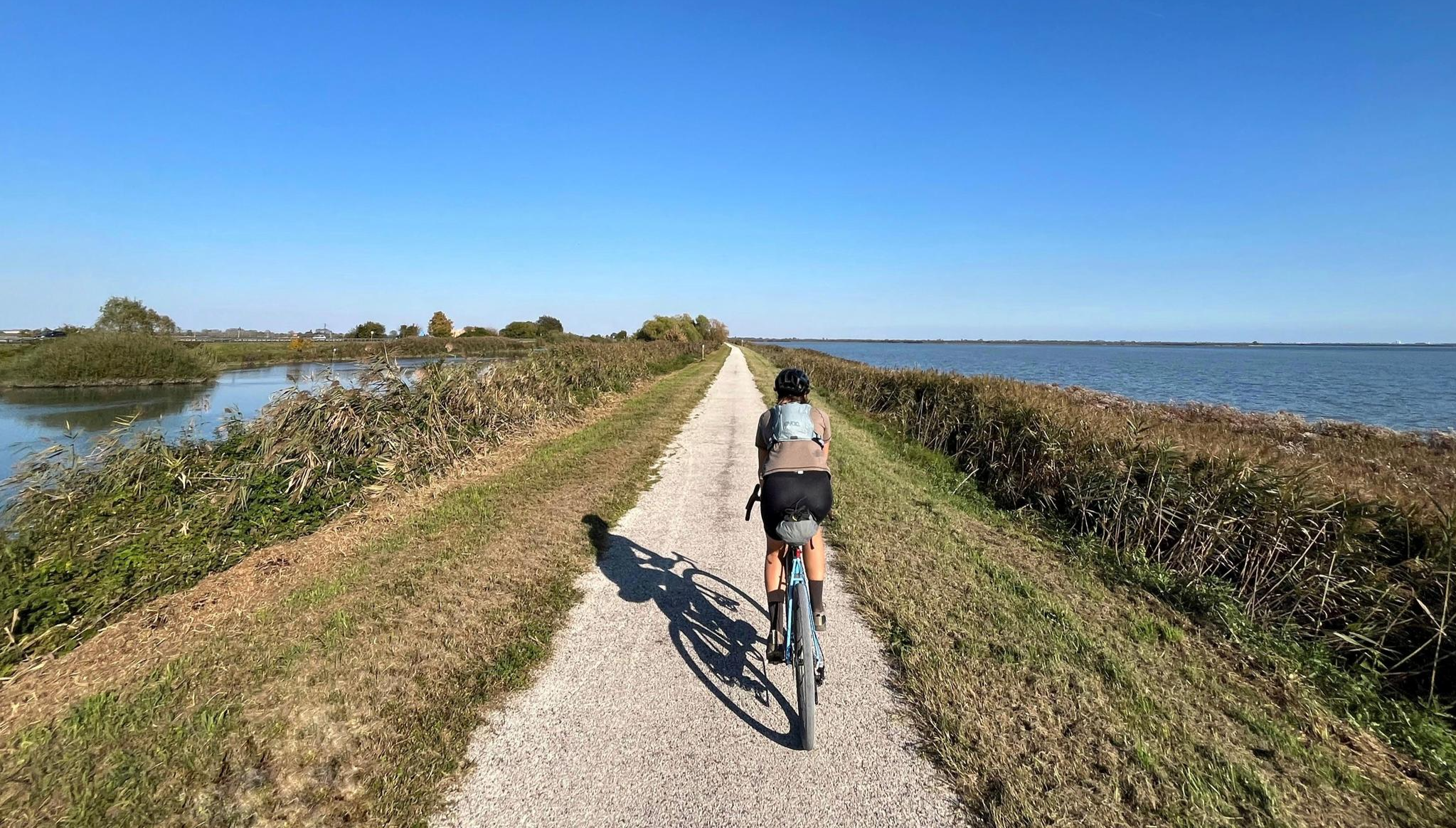
Jesolo Gravel Loop – between sandbanks and archaeology
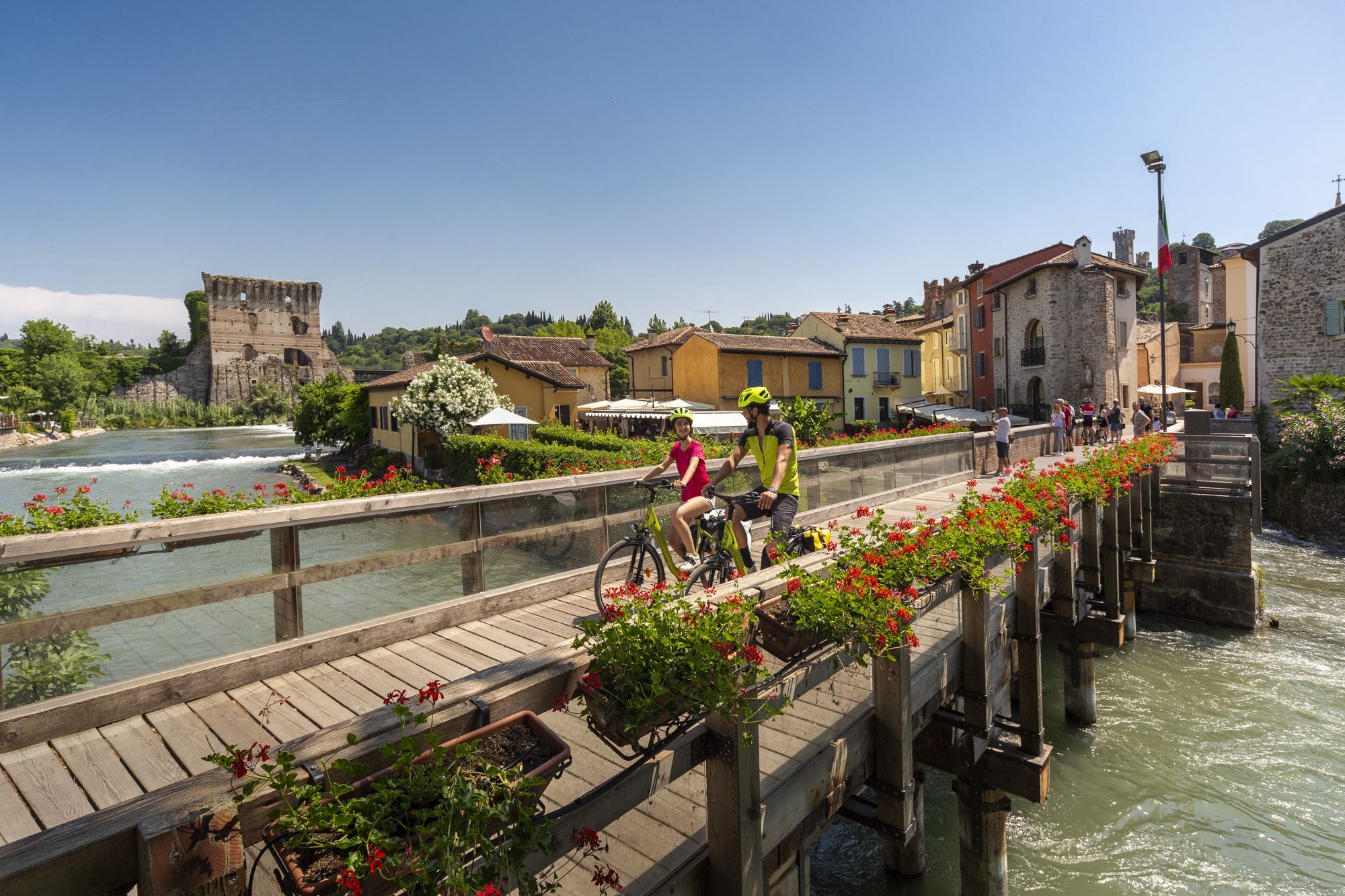
Explore Veneto at a slow pace – day trips by bike
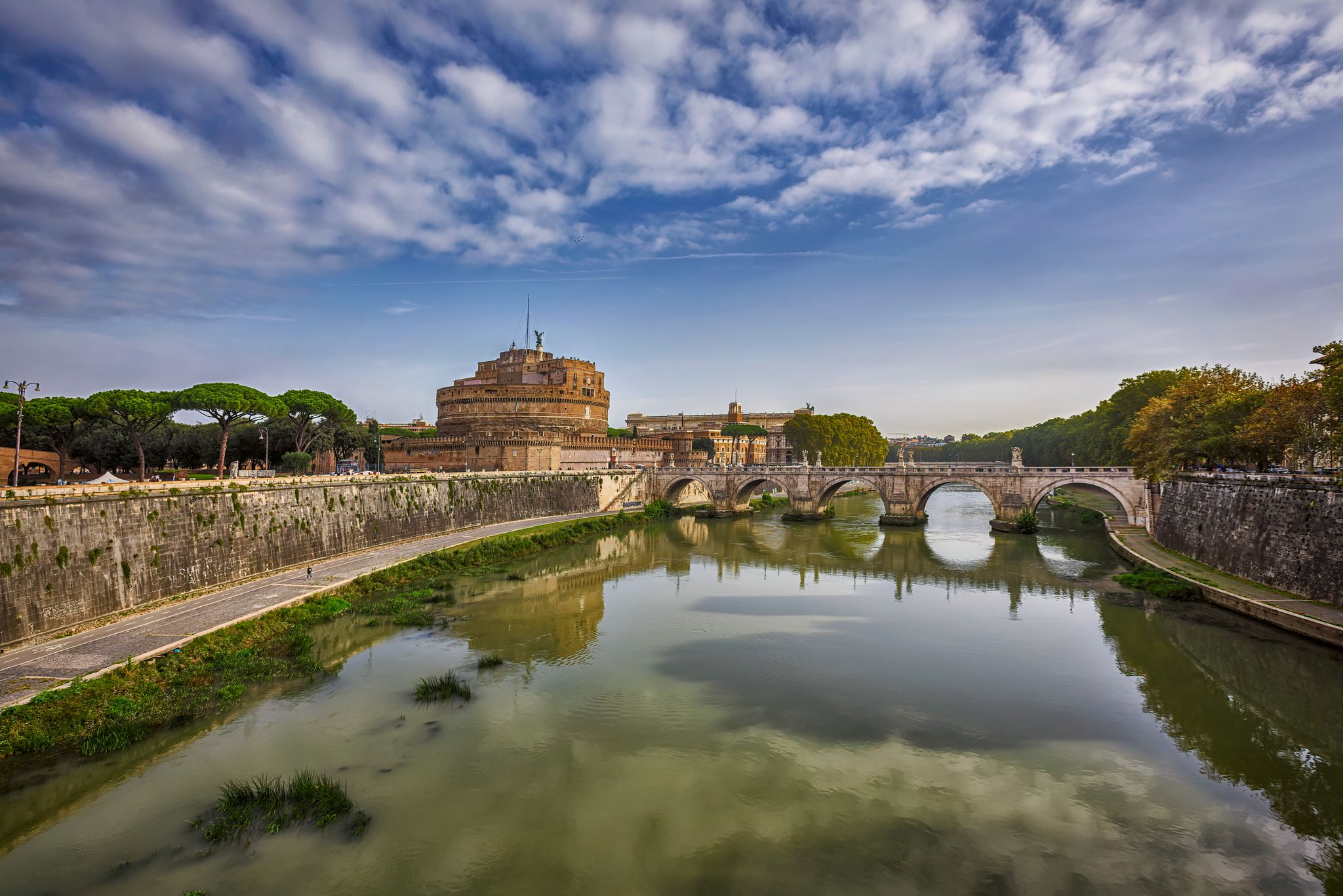
All roads lead to Rome – Romea Tiberina Cycleway
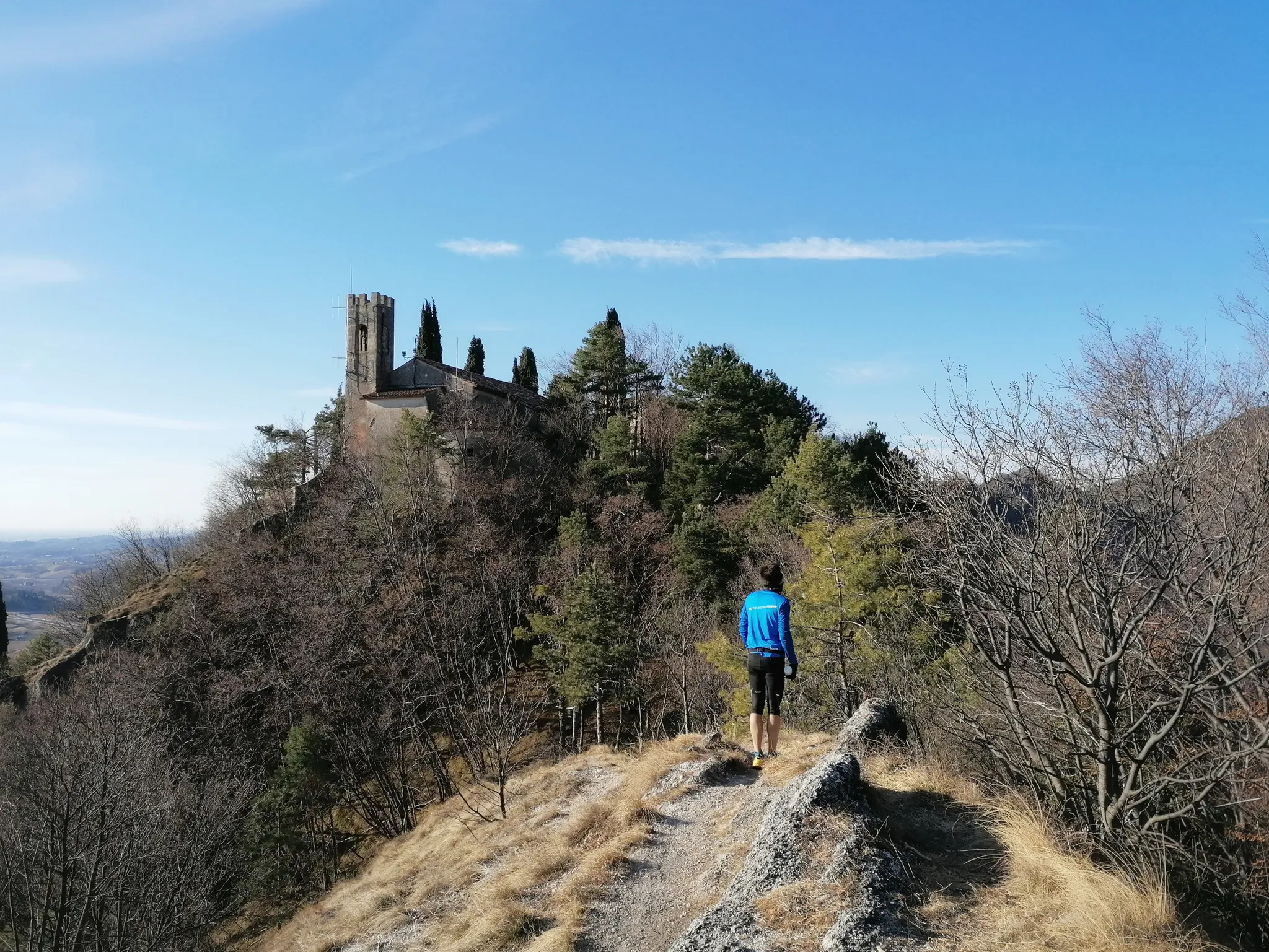
800 years of history from Gemona to Padua – Cammino di Sant'Antonio
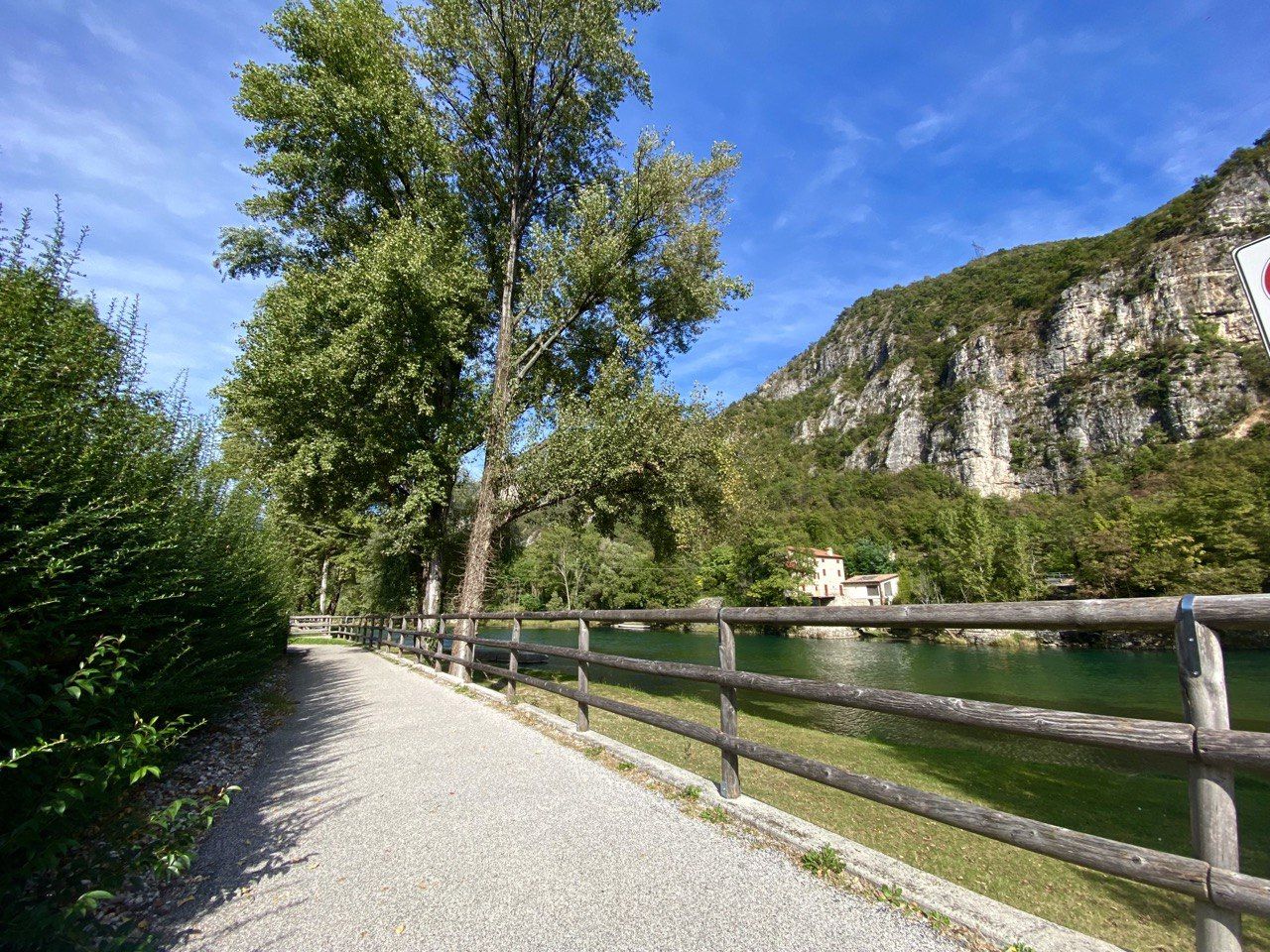
Cycle along Italy’s Brenta river – Brenta Cycle Route
From the sea to the mountains – Veneto Gravel 2023
Other adventures in Padova


Tips from the Community

Former NATO military base active from 1955 to 1998, occupying the entire summit of Monte Venda, the highest of the Euganean Hills (601 m). On the surface were the logistical buildings — housing, canteens, and clubs — while the operational heart was hidden in the bowels of the mountain, between 20 and 70 meters deep, inside a tunnel about a kilometer long. Over 500 soldiers worked in the bunker on three shifts, with top-secret protocols. Officially, the base was called 1st ROC (Regional Operational Command), but in communications, it was referred to by the code name “Rupe” (Rock), because it was dug into the rock. In the midst of the Cold War, the site was part of a system of 12 bases located in the Triveneto region, against a possible air invasion by the Warsaw Pact. Civilian and military traffic was monitored thanks to radar and repeaters located on Venda and the Prealps: every aircraft was intercepted, and if not identified as friendly, the defensive procedure was immediately activated. Monte Venda was chosen for its central position on the Venetian plain, with excellent coverage of the airspace of all of Northeast Italy, a delicate window for a possible enemy attack. Over time, however, the dark side of the base emerged: the underground environments had concentrations of radon, a natural radioactive gas typical of volcanic terrain; a silent killer, because it is colorless and odorless. Furthermore, asbestos was widely used in the structures, considered harmless at the time. Dozens of soldiers, exposed for months or years to these factors, contracted lung cancer. According to judicial proceedings, NATO leadership knew about the problem as early as the late 1980s, but personnel were not adequately informed. Today the base is an abandoned and toxic ruin in the heart of the UNESCO Biosphere Reserve of the Euganean Hills: external buildings and underground rooms are empty and vandalized. Access is still forbidden and the area is fenced off; on the summit of Venda, the tall RAI antennas visible even from the plain, and perhaps some military repeaters, remain active. N.B.: radon and asbestos are present in the tunnel. Radon becomes dangerous after prolonged exposure, but asbestos fibers represent the most immediate risk if inhaled, as they settle in the lungs. ENTERING WITHOUT PROTECTION (FFP3 and Tyvek suit) IS STRONGLY DISCOURAGED. https://it.wikipedia.org/wiki/Base_NATO_Venda https://www.youtube.com/watch?v=KX3h4lPZDw4
0
0
The Castle of Speronella was a military fortification erected in the 10th century near the summit of Monte Pendìce (300 m a.s.l.): the height, due to its isolated and overhanging morphology, offered a strategic position from which to control both slopes of the hills, the valleys, and the plain. In 1320 it was besieged by the Scaligeri but resisted, earning the reputation of an impregnable fortress; later it was used as a prison and finally as a holiday resort for the Orologio family. The story of Speronella Dalesmanini, between legend and reality, dates back to the medieval period: she was a fifteen-year-old girl who had captured the fancy of the imperial vicar, who had her locked up here; but her family incited the people to a revolt that led to the girl's liberation and the defeat of the representative of Emperor Frederick Barbarossa, thus declaring the birth of the free commune of Padua. Today, ruins remain of the fortress: traces of walls and a scenic window overlooking the Euganean Hills. https://www.visitteolo.it/it/castelli/ruderi-castello-speronella-rocca-pendice-colli-euganei/
0
0

Il Corno del Venda is one of the most striking reliefs in the Euganean Hills Regional Park, located in the territory of Galzignano Terme on the western slope of Monte Venda. With its 440 meters of altitude, it stands out for its wild nature and imposing trachyte walls that offer landscape views of rare beauty. The area is crossed by highly significant hiking trails, such as the path dedicated to G.G. Lorenzoni, which offers spectacular views towards Monte Lozzo and the Po Valley. Characterized by dense vegetation of chestnut trees and Mediterranean scrub, Corno del Venda is a place where volcanic geology meets history, given the proximity to the ruins of the ancient Olivetan Monastery. Less frequented than the main summit, it represents an ideal destination for those seeking a more immersive and quiet trek, far from tourist flows, in an environment that preserves the primordial charm of the hills intact.
0
0
Monte Pirio, located in Torreglia, is one of the most spectacular peaks in the Euganean Hills Regional Park. At 328 meters, it stands out for its characteristic trachyte walls that emerge among the vineyards, creating a landscape of strong geological contrast. From its summit, you can enjoy an extraordinary view that ranges from the imposing Praglia Abbey to the reliefs of Monte Pendice and Monte Venda. The trails that cross it are immersed in Mediterranean scrub and chestnut groves, offering routes highly appreciated by hikers and mountain bike lovers. Pirio perfectly embodies the essence of the Euganean Hills, blending the wild nature of volcanic rocks with the centuries-old local winemaking tradition, representing a landmark for those seeking suggestive panoramas and tranquility just a stone's throw from Padua and the thermal centers.
0
0

Short but technical route with non-trivial slopes
0
0

Beautiful view of the hills and the surrounding plain.
1
0

Monte Grande, one of the most suggestive destinations of the Hills
1
0

great to do at the beginning of spring
1
0
Frequently Asked Questions
What are the Euganean Hills, and what makes them unique in Padova?
The Euganean Hills (Colli Euganei) are a distinctive group of 88 volcanic peaks that form the primary 'mountains' within Padova province. They are unique for their diverse landscapes, panoramic views, and rich natural and historical features, all protected within the Euganean Hills Nature Park. The area is also renowned for its hot mineral springs and spa complexes.
Which mountain peak offers the most expansive views in the Euganean Hills?
For breathtaking panoramic views, Monte Ceva Summit Cross is highly recommended. It provides a beautiful 360-degree panorama, though the final stretch to the summit can be challenging and requires appropriate footwear. Another excellent option for wide views is the Mottolone Plateau, which offers an almost 360-degree panorama and is accessible by car, making it ideal for enjoying sunsets.
Are there any family-friendly mountain trails or accessible viewpoints in the region?
Yes, the Mottolone Plateau is a great option as it's accessible by car and offers panoramic views, making it suitable for families. For easy hiking, consider routes like the 'Villa Draghi volcanic trail to Bettola del Refosco' or the 'Sentiero del Monte Cecilia — ring tour in the Parco Regionale dei Colli Euganei', which are listed as easy in the Hiking in Padova guide.
What historical or cultural sites can be found on the mountain peaks?
Several peaks feature significant historical and cultural sites. The Sanctuary of Monte della Madonna is a prominent religious building located on the second-highest hill. On Monte Grande, you can find the ruins of Castle Rovolon. Additionally, the Rocca of Monte Pendice features historical ruins and offers beautiful views.
Which peak is known for its unique biodiversity?
Monte Ceva is renowned for its exceptional biodiversity, boasting over 1,200 plant species, including rare varieties like Indian fig cacti and agave bushes. This rich flora thrives due to the mountain's unusual geological composition and unique micro-climate.
What are some challenging hiking routes in the Euganean Hills?
For those seeking a challenge, the path to the Monte Ceva Summit Cross is quite steep and rocky in its final stretch. The climb to the Sanctuary of Monte della Madonna is also considered one of the longest and most severe climbs in the Euganean Hills. You can find more difficult routes like the 'Euganean Hills trail to Rocca di Monte Pendice' or the 'Naturalistic Trail N. 2' in the Hiking in Padova guide.
Are there opportunities for cycling or running near the mountain peaks?
Absolutely! The Euganean Hills offer numerous routes for cycling and running. For cycling, popular options include 'The Tour of the Euganean Hills' and the 'E2 – Ring of the Euganean Hills'. Runners can enjoy trails like the 'Sentiero Atestino' or the 'Naturalistic Trail N. 2'. You can explore these and more in the Cycling in Padova and Running Trails in Padova guides.
What is the highest peak in the Euganean Hills?
Monte Venda is the highest and most prominent peak in the Euganean Hills, standing at 603 meters (1,978 ft). Its summit offers extensive views, and it is recognizable by its radio tower at the top. You can also explore the ruins of the ancient Olivetani monastery nearby.
What is special about Monte Gnoccozzo?
Monte Gnoccozzo offers a special and enchanting experience with its unique ridge featuring a surprising variety of rugged surfaces. You'll find prickly pears, Mediterranean thickets of strawberry trees, and oak thickets, leading into heather-dominated caves and 'unexpected explosions of green'.
Can I access the mountain peaks using public transport?
While some areas of the Euganean Hills are more accessible by car, certain towns at the base of the hills are served by public transport, from which you can start your hikes. However, direct public transport to many specific trailheads or summits might be limited. It's advisable to check local bus schedules for routes connecting to towns like Teolo or Rovolon, which are gateways to the hills.
What is the best time of year to visit the Euganean Hills for hiking?
The Euganean Hills are beautiful year-round, but spring and autumn are generally considered the best times for hiking. The weather is milder, and the landscapes are vibrant with blooming flowers or rich autumn colors. Summer can be hot, so early morning or late afternoon hikes are preferable, while winter offers a different, quieter charm, though some trails might be muddy or require appropriate gear.
What do visitors enjoy most about exploring the mountain peaks in Padova?
Visitors particularly enjoy the diverse landscapes, from volcanic formations to lush forests, and the stunning panoramic views from various summits and viewpoints. The blend of natural beauty with historical sites, like ancient monasteries and castles, also adds a unique appeal. The opportunity to find trails for all difficulty levels, from easy walks to challenging climbs, is also highly appreciated by the komoot community.
Most popular routes in Padova
Most popular attractions in Padova

Get inspired with the komoot mobile app


Didn’t find what you were looking for?
Discover Padova’s best peaks and summits by region:
Explore more
See even more amazing summits in Padova with these guides:
