Top 20 Natural Monuments around Salzburg
Best natural monuments around Salzburg offer a diverse range of landscapes, from majestic mountains and serene lakes to dramatic gorges. The region, known for its rich history, also features prominent natural landmarks both within the city and its surroundings. These sites provide opportunities for exploration and offer expansive views of the Austrian Alps.
Best natural monuments around Salzburg
- The most popular natural monuments is Krimml Waterfalls Trail, a waterfall that features a path along its cascades. It is known…
Last updated: September 29, 2026
Krimml Waterfalls Trail
Highlight (Segment) • Waterfall
Translated by Google •
Tip by

Middle Tier of the Krimml Waterfalls
Highlight • Waterfall
Translated by Google •
Tip by

Sign up now to discover places like this
Get recommendations on the best single tracks, peaks, & plenty of other exciting outdoor places.
Mondsee (near Oberburgau)
Highlight • Lake
Translated by Google •
Tip by

Liechtensteinklamm Gorge
Highlight (Segment) • Gorge
Translated by Google •
Tip by

Lake Klamm
Highlight • Lake
Translated by Google •
Tip by

Gastein Waterfall
Highlight • Waterfall
Translated by Google •
Tip by

Sigmund Thun Gorge
Highlight (Segment) • Gorge
Translated by Google •
Tip by

Rossbrand Summit (Rossbrand Peak)
Highlight • Summit
Translated by Google •
Tip by

Kitzlochklamm Gorge
Highlight (Segment) • Gorge
Translated by Google •
Tip by

Salzburger Hochthron
Highlight • Summit
Translated by Google •
Tip by

Sign up for free to discover even more natural monuments around Salzburg.
Already have an account?
Start today with a free account
Your next adventure awaits.
Popular around Salzburg
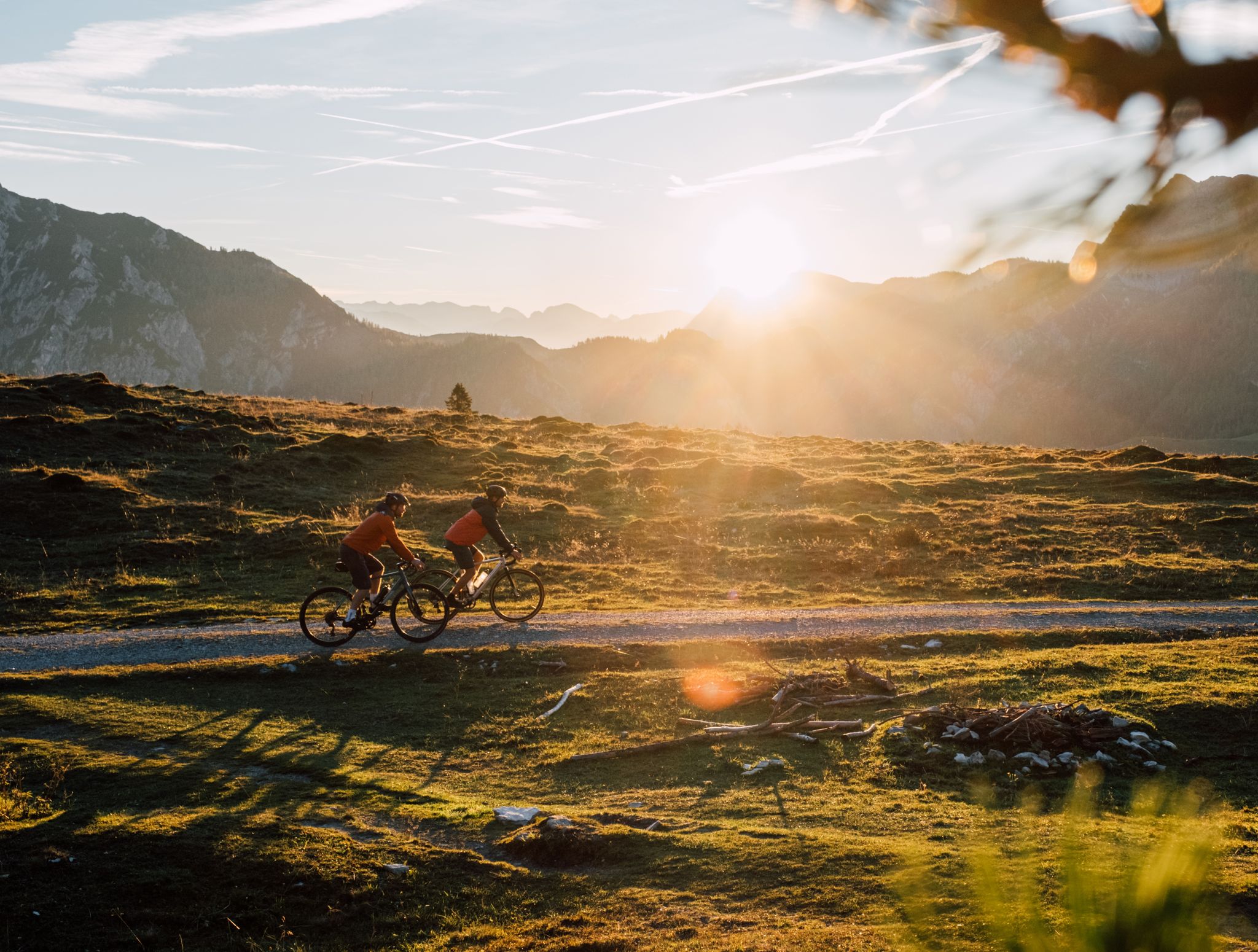
Beyond the pavement – explore Austria's wild nature on a gravel bike
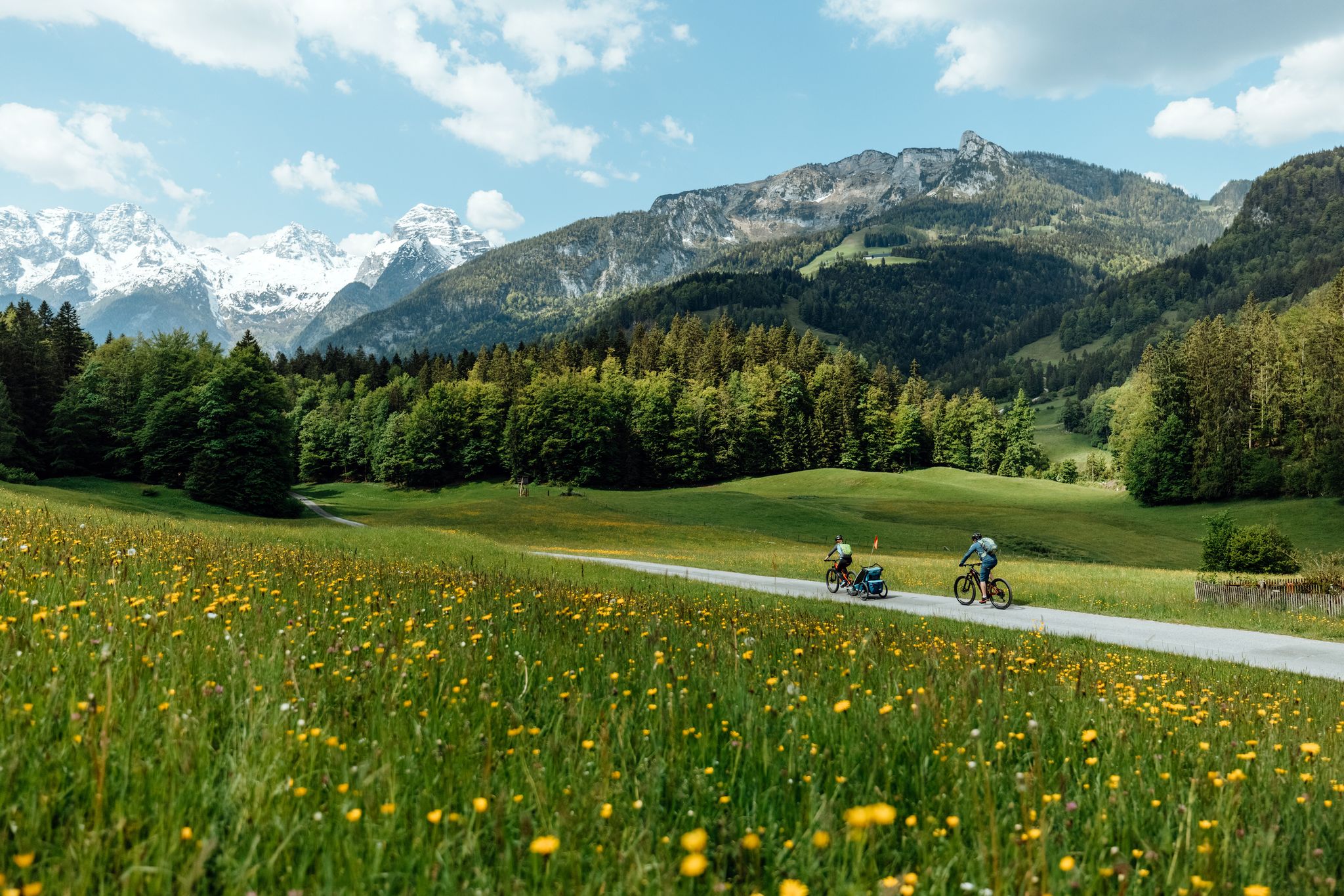
Biking with kids in Salzburg's Saalach Valley
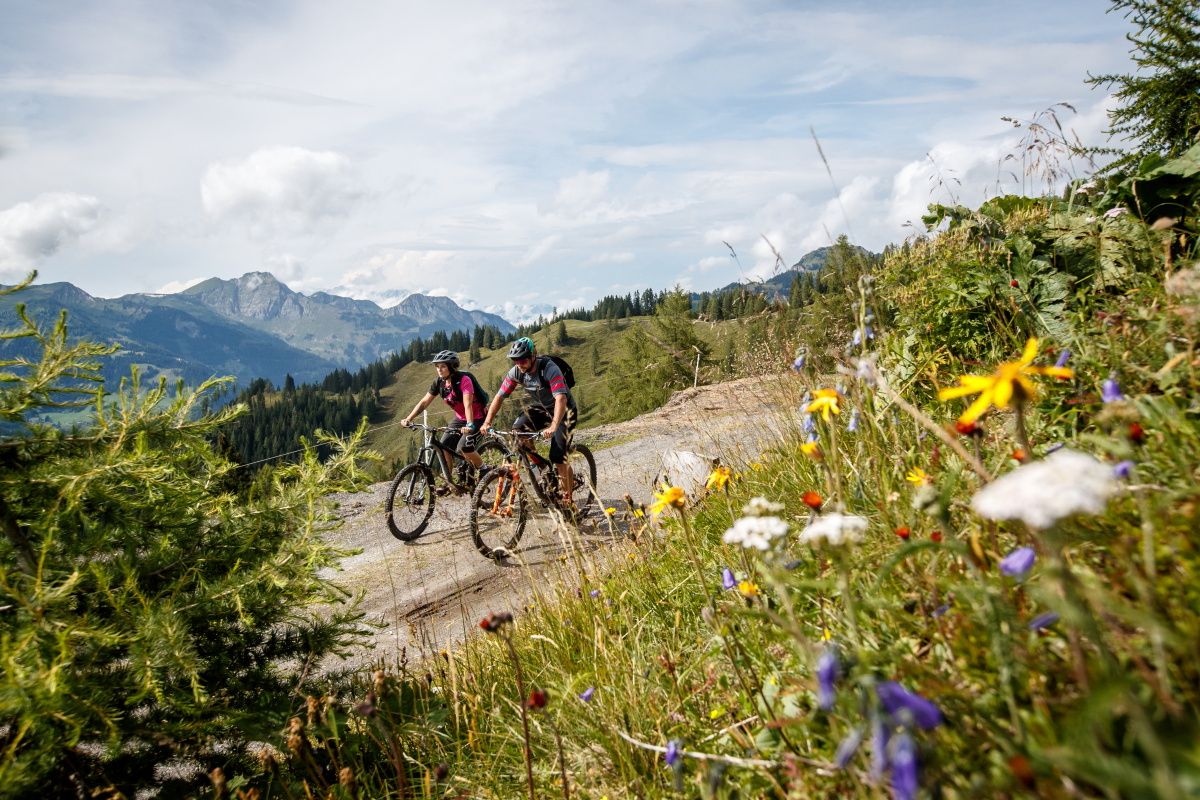
Hills and thrills – 11 sporty MTB Tours in the Grossarl Valley
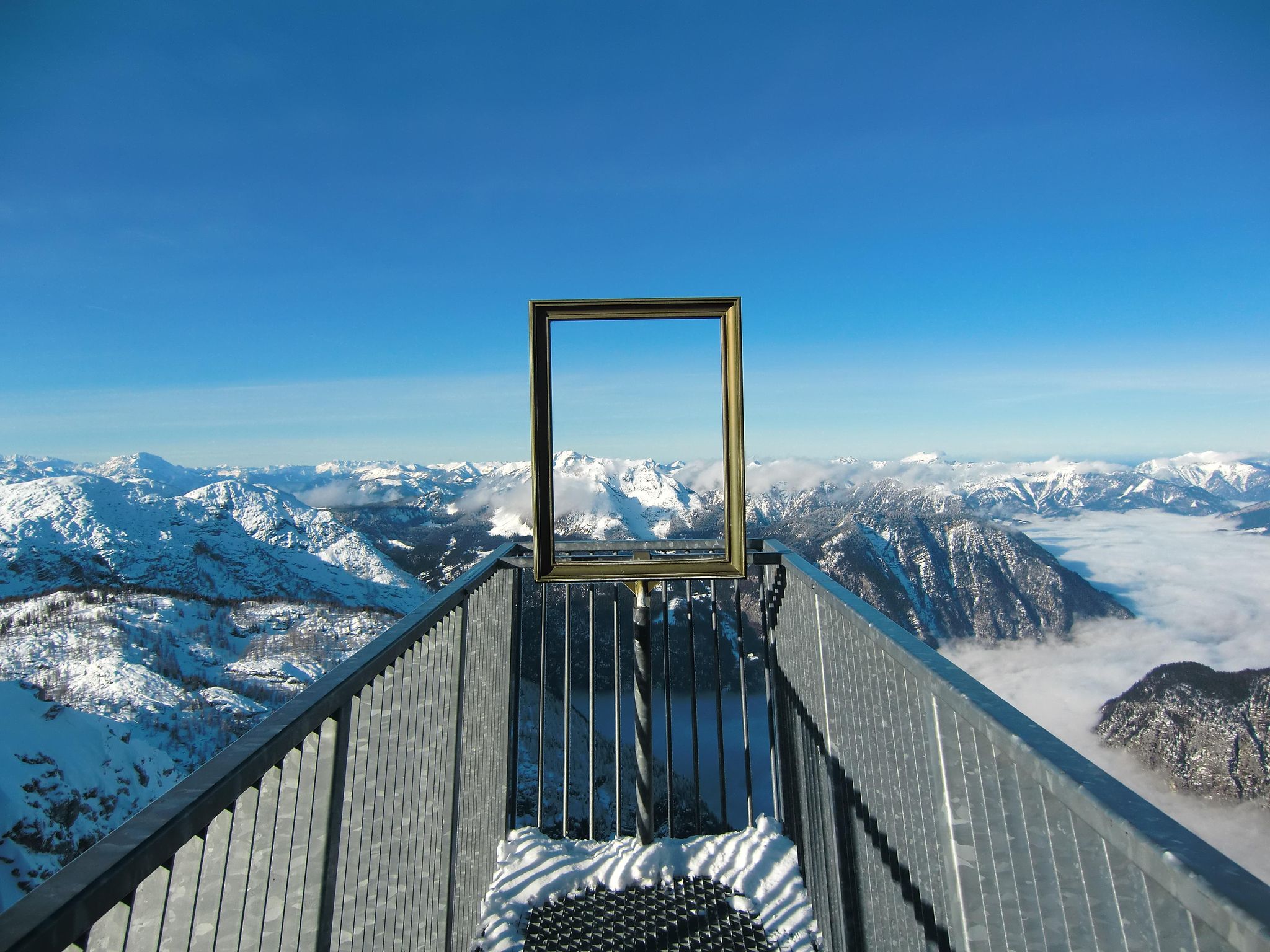
#Winterlove — 14 tips for your winter adventure in Austria
Cross-country skiing in the heart of the Austrian Alps – Saalfelden Leogang
The Dachstein Rundwanderweg – Eight days in the Dachsteingebirge
Central Alps Trail Eastern Section – Discover Austria
The Tauernhöhenweg – Once across the Hohe Tauern
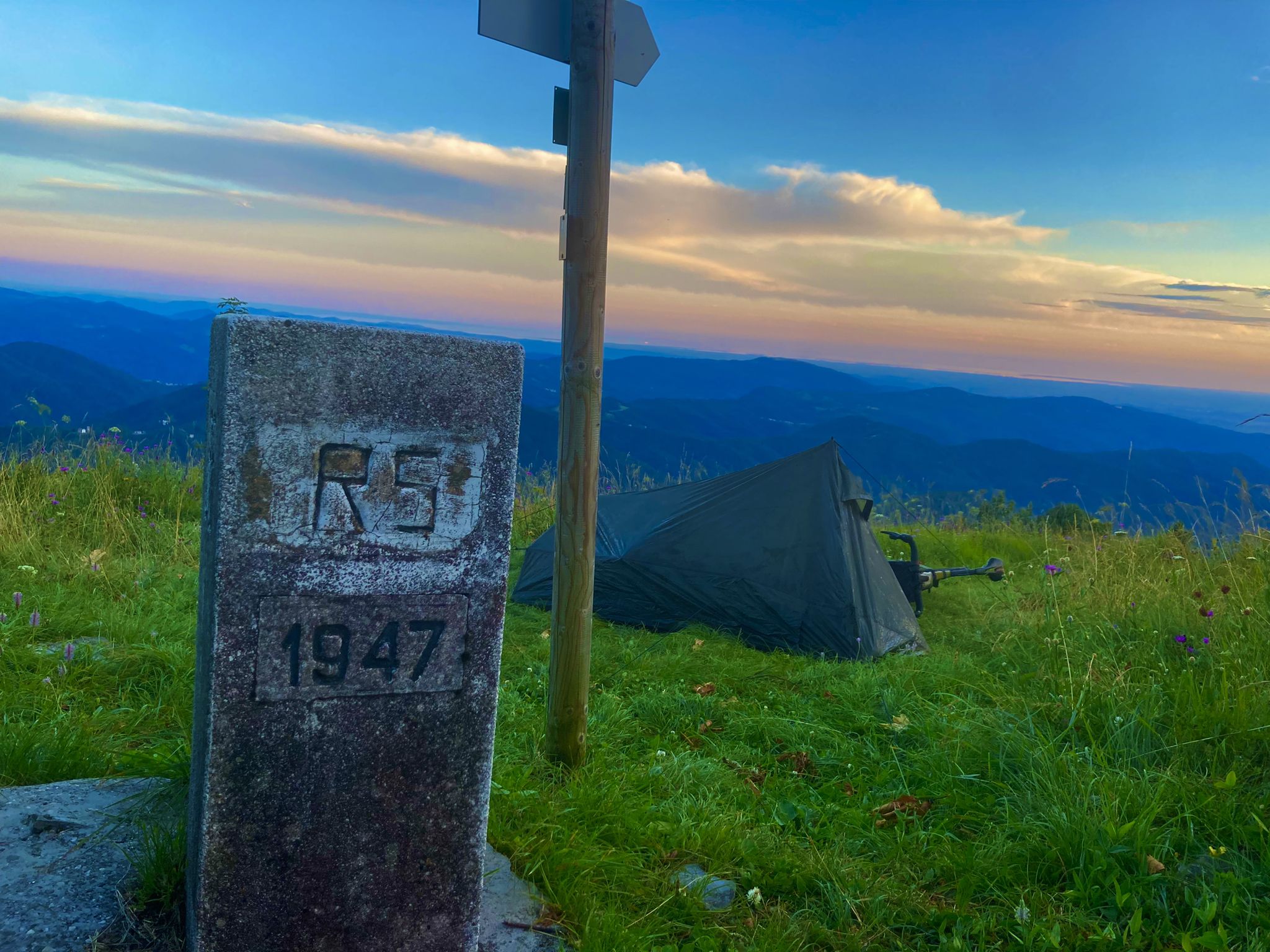
From Bavaria to the Adriatic - My Bikepacking Adventure to Croatia 2023
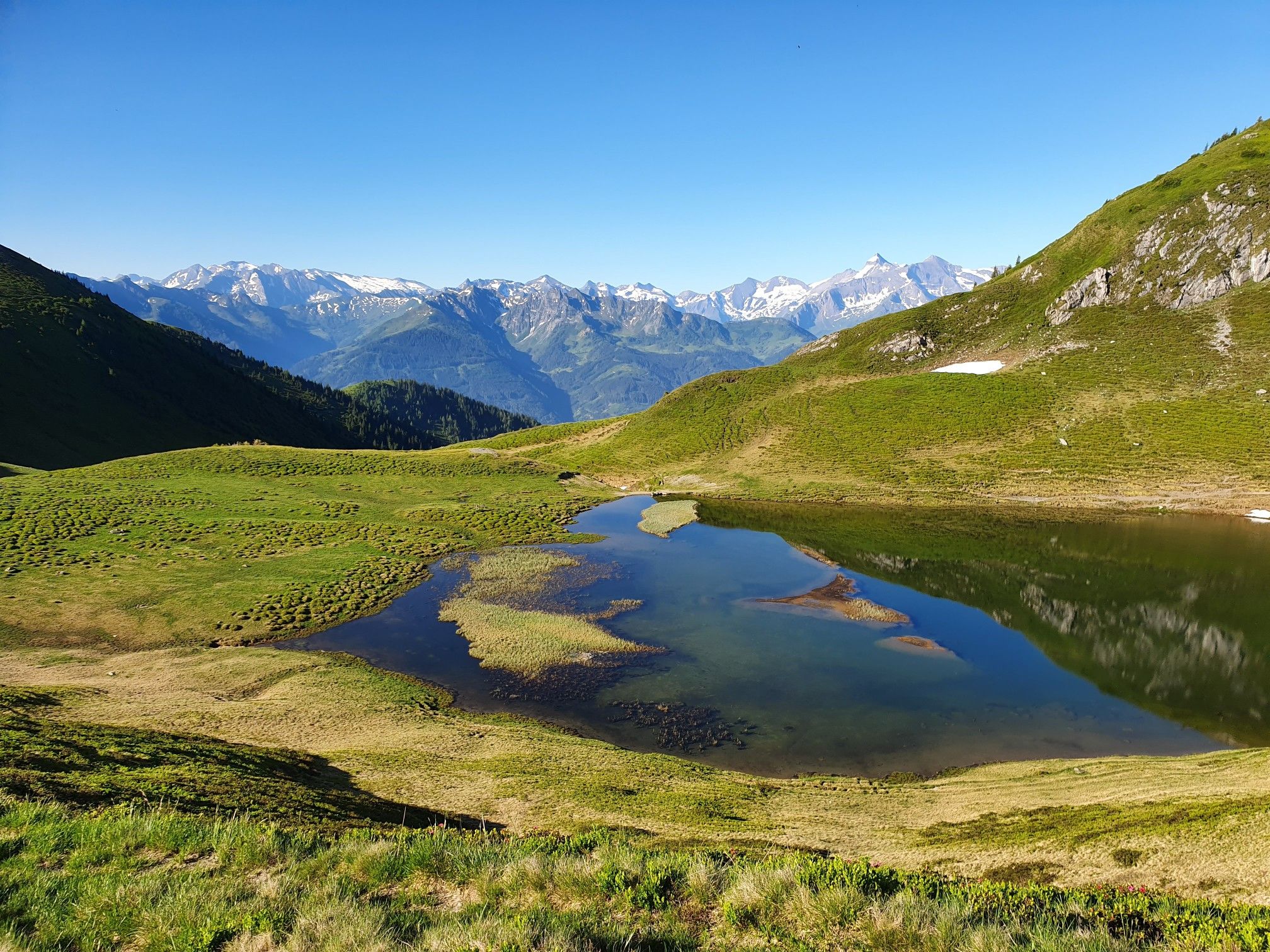
Hohe Tauern Panorama Trail – Face-to-face with 3000-metre peaks
Other adventures around Salzburg


Tips from the Community


It's crazy how much water is pouring into the valley right in the middle of town.
14
1
Bad Gastein is actually a bit out of date and some of the buildings are empty. Big old hotels in an alpine area and yet somehow fascinating.
16
0

Beautiful to walk/run in good weather, when it rains the trails become small streams> slippery> sure-footedness required, walk with poles if possible
7
1

The Liechtenstein Gorge is not only St. Johann's greatest treasure. It is also one of Austria's most important treasures and was awarded second place on October 26, 2022 in the ORF show "9 Places 9 Treasures". Be sure to be in the gorge first thing in the morning before 9:30 a.m. (at least in high season) otherwise you will be waiting forever at the ticket office. Avoid the time between 10 a.m. and 2 p.m., otherwise you will just be pushed through.
12
1

The Oberburgau is located 30 kilometers east of the city of Salzburg. It is around 8 kilometers south-east of the town center of the Mondsee market on the southern shore of the Mondsee (481 m above sea level) on the narrow strip of shore at the northern foot of the Schafberg in the Salzkammergut mountains. A few meters from the Mondsee shoreline is the Kreuzstein (Mondsee), which no longer belongs to Oberburgau, but like the entire Mondsee to the market town of the same name and thus to the state of Upper Austria. Opposite rise the Mondsee Flyschberge with the Hochplett.
6
1

At 1852 m, the Salzburger Hochthron is the second highest peak in the Untersberg massif in the Berchtesgaden Alps after the Berchtesgadener Hochthron. The summit of the Salzburger Hochthron is located on the border between the municipality of Grödig in the state of Salzburg, Austria and the unincorporated area of Schellenberger Forst in Bavaria, Germany. Around 500 meters north of the summit is the mountain station of the Untersbergbahn at Geiereck (1805 m). In addition to the short ascent from the Untersbergbahn, several marked trails lead to the summit of the Salzburg Hochthron, which require sure-footedness and good physical condition: - from Marktschellenberg via the Toni-Lenz-Hütte (access to the Schellenberger ice cave) and the Thomas-Eder-Steig via the Mittagscharte - from Glanegg near Grödig via the Dopplersteig and the Zeppezauerhaus - from Glanegg via the Reitsteig and the Zeppezauerhaus - from Stöhrhaus via Berchtesgadener Hochthron, Mittagscharte and Untersbergplateau https://de.m.wikipedia.org
4
0

The Liechtensteinklamm is a super impressive gorge. A refreshing alternative, especially on hot summer days. In addition to some tunnel structures, there is also an impressive spiral staircase.
6
0
Frequently Asked Questions
What are some family-friendly natural monuments to visit around Salzburg?
Several natural monuments in the Salzburg region are ideal for families. Krimml Waterfalls Trail offers accessible paths along its cascades. Lake Klamm provides swimming opportunities and easy round hikes. The Gastein Waterfall has a path with various vantage points, and Kitzlochklamm Gorge is also considered family-friendly. Additionally, the Bluntautal nature reserve near Golling features gentle paths suitable for strollers and stunning scenery.
Are there natural monuments within Salzburg city that offer great views?
Yes, Salzburg city boasts several natural monuments with excellent views. Mönchsberg offers unparalleled panoramic views of Salzburg's Old Town and the surrounding Alps. Kapuzinerberg provides a tranquil escape with spectacular views of the historic district and the Salzach River. Gaisberg, accessible by car or bus, offers expansive views of the entire Salzburg region, perfect for outdoor enthusiasts.
What kind of outdoor activities can I do near the natural monuments around Salzburg?
The region around Salzburg offers diverse outdoor activities. You can find numerous hiking trails, from leisurely strolls to more challenging alpine routes, especially around mountains like Untersberg and Gaisberg. Cycling and gravel biking are also popular, with routes like the 'GRAIL 04 Mondsee and Schwarzensee loop' or the 'Lake Zell Cycling Loop'. For more details on cycling routes, you can explore the Cycling around Salzburg guide or the Gravel biking around Salzburg guide.
Which natural monuments are best for hiking and offer challenging terrain?
For those seeking more challenging terrain, the Untersberg mountain, accessible by cable car, offers well-marked hiking trails and alpine huts, requiring sturdy footwear. The Rossbrand Summit (Rossbrand Peak) also provides challenging hiking opportunities with amazing views, though it can also be reached by road. The Liechtensteinklamm Gorge and Sigmund Thun Gorge offer intermediate-level walks through dramatic landscapes.
What are some unique natural features like gorges or ice caves in the Salzburg region?
The Salzburg region is home to several unique natural features. The Liechtensteinklamm Gorge near St. Johann im Pongau is one of the longest and deepest in the Alps, with adventurous wooden walkways. The Eisriesenwelt (Ice Cave) in Werfen is the largest ice cave in the world, offering a breathtaking experience with its frozen formations. Additionally, the Kitzlochklamm Gorge and Sigmund Thun Gorge are also notable for their dramatic rock formations and waterfalls.
Are there any natural monuments suitable for swimming or water activities?
Yes, several natural monuments offer opportunities for water activities. Lake Klamm is known for its clear waters and swimming opportunities. Lake Fuschl (Fuschlsee), just east of Salzburg, is an emerald-green lake recognized for its peacefulness and clean, drinking-water quality, perfect for nature photography and easy hikes. The Salzach River, flowing through Salzburg, also offers picturesque views and opportunities for leisurely strolls along its banks.
What should I wear when visiting the Eisriesenwelt Ice Cave?
When visiting the Eisriesenwelt Ice Cave in Werfen, it is crucial to be prepared for cold temperatures. The cave maintains a constant temperature of 0°C (32°F) year-round. Visitors are advised to wear warm clothes, including a jacket, hat, and gloves, even in summer. Sturdy footwear is also recommended due to the walk and nearly 1000 steps within the cave.
What is the best time to visit the Eisriesenwelt Ice Cave?
The Eisriesenwelt Ice Cave is typically open from May to October. The best time to visit is during the warmer months to enjoy the surrounding mountain scenery, but be aware that the cave itself is always cold. Visiting earlier in the day or during the shoulder seasons (May/June or September/October) might help avoid larger crowds.
Are there any hidden natural gems or tranquil spots near Salzburg?
Yes, the Bluntautal nature reserve near Golling is often described as an insider tip. It's a protected area known for its crystal-clear lakes, forests, alpine meadows, and impressive mountain scenery, offering peace and untouched nature. Another hidden gem is Aignerpark in Salzburg-Aigen, featuring paths along a small river, through caves, and to charming rest areas with stunning viewpoints.
What do visitors enjoy most about the natural monuments around Salzburg?
Visitors frequently praise the impressive natural beauty and diverse landscapes. Highlights like the Krimml Waterfalls Trail are appreciated for their accessible paths and the 'game of water'. The Gastein Waterfall is noted for its breathtaking presence and the pleasant mist it creates on hot days. Generally, the opportunity for stunning photo opportunities, peaceful walks, and the expansive views of the Austrian Alps are highly valued.
Can I find natural monuments that combine nature with historical elements?
Yes, Salzburg offers natural monuments with historical significance. Mönchsberg features historic sites like the Benedictine Abbey of St. Peter amidst its wooded ridges and meadows. The Hellbrunner Allee is the oldest stately avenue in the world, offering a unique natural experience with its tree-lined paths connecting to the historic Hellbrunn Palace. Even Mirabell Gardens, while a man-made park, is considered a natural monument due to its historical landscape design and offers beautiful views.
Are there any natural monuments near Salzburg that are good for a leisurely walk?
For leisurely walks, the Salzach River banks offer picturesque views and easy strolls through the city. Hellbrunner Allee is perfect for a relaxed walk connecting to Hellbrunn Palace. The Bluntautal nature reserve near Golling has gentle paths suitable for all ages. Within the city, Aignerpark also provides various paths for leisurely exploration.
Most popular routes around Salzburg
Most popular attractions around Salzburg

Get inspired with the komoot mobile app


Didn’t find what you were looking for?
Find even more amazing natural monuments around Salzburg by checking out the top Highlights region by region:
Explore more
Extend your search for the best caves by checking out these guides of the top ones around Salzburg:
