Top 20 Castles in Pavia
Castles in Pavia offer a journey through history in the Lombardy region of Italy. This area is characterized by its historical significance, with structures ranging from medieval fortresses to noble residences. The landscape around Pavia features a mix of urban settings and open countryside, providing diverse backdrops for these historical sites.
Best castles in Pavia
- The most popular castles is Visconti Castle of Pavia, a castle that served as a sovereign residence and is a masterpiece of late Gothic…
Last updated: October 4, 2026
Cicognola Castle and Viewpoint
Highlight • Castle
Translated by Google •
Tip by

Visconti Castle of Pavia
Highlight • Castle
Translated by Google •
Tip by

Sign up now to discover places like this
Get recommendations on the best single tracks, peaks, & plenty of other exciting outdoor places.
Montalto Pavese
Highlight • Settlement
Translated by Google •
Tip by

Chignolo Po Castle
Highlight • Castle
Via Stazione, 27013 Chignolo Po PV
castellodichignolopo.it
3201198899
Translated by Google •
Tip by

Sartirana Castle
Highlight • Castle
Translated by Google •
Tip by
Villanova, a small hamlet of Cassolnovo
Highlight • Settlement
Translated by Google •
Tip by

Church of San Michele Arcangelo, Belgioioso
Highlight • Religious Site
The castle was originally built in the 14th century by the Belgioioso family. It served as a fortified residence to …
Translated by Google •
Tip by

Gomo Village and Castelletto
Highlight • Settlement
Translated by Google •
Tip by

Castello Sforzesco
Highlight • Castle
Translated by Google •
Tip by

Scaldasole Castle
Highlight • Castle
It is composed of a …
Translated by Google •
Tip by
Sign up for free to discover even more castles in Pavia.
Already have an account?
Start today with a free account
Your next adventure awaits.
Popular around Pavia
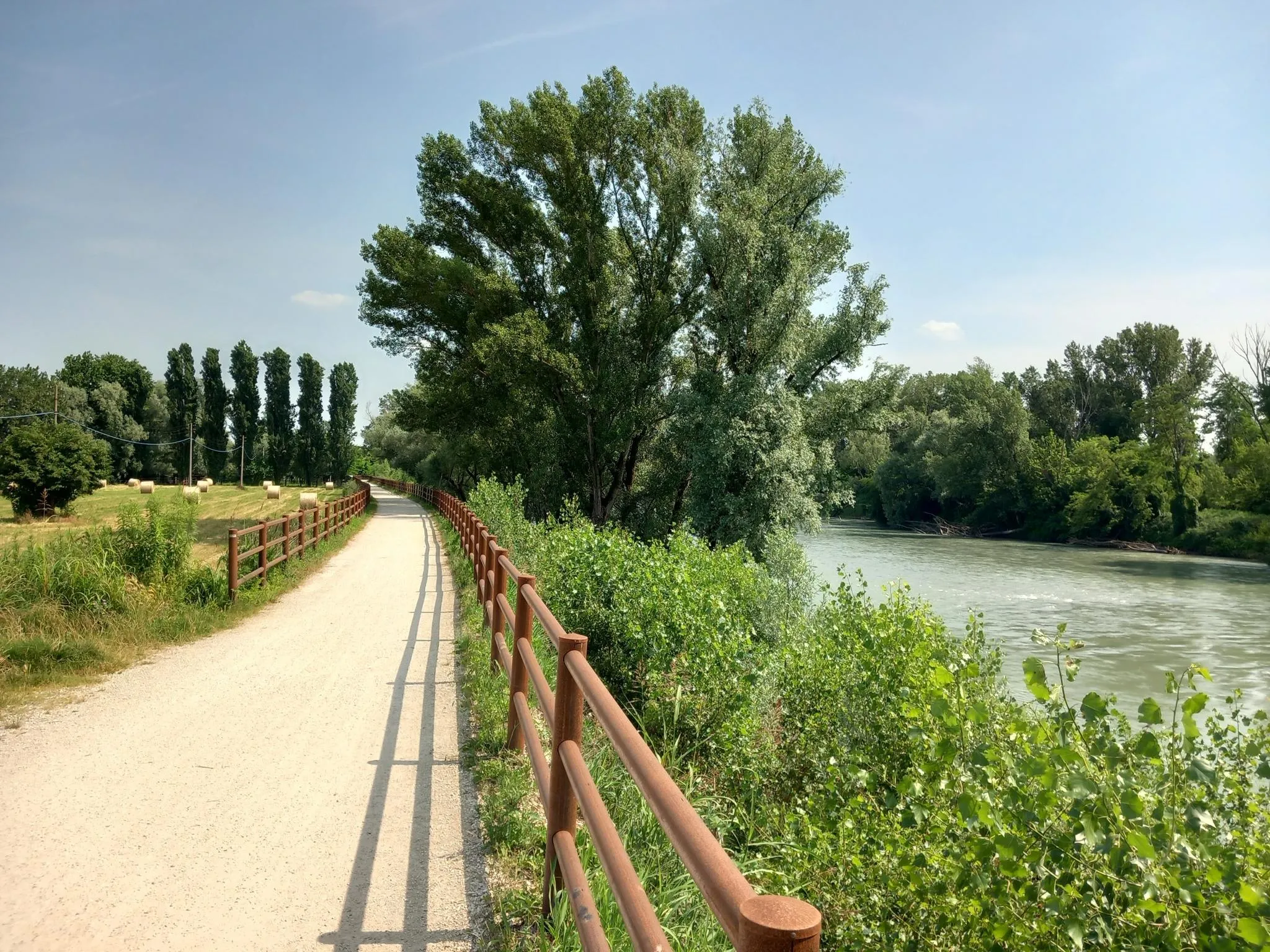
Via Postumia – Hike between the Tyrrhenian and Adriatic seas
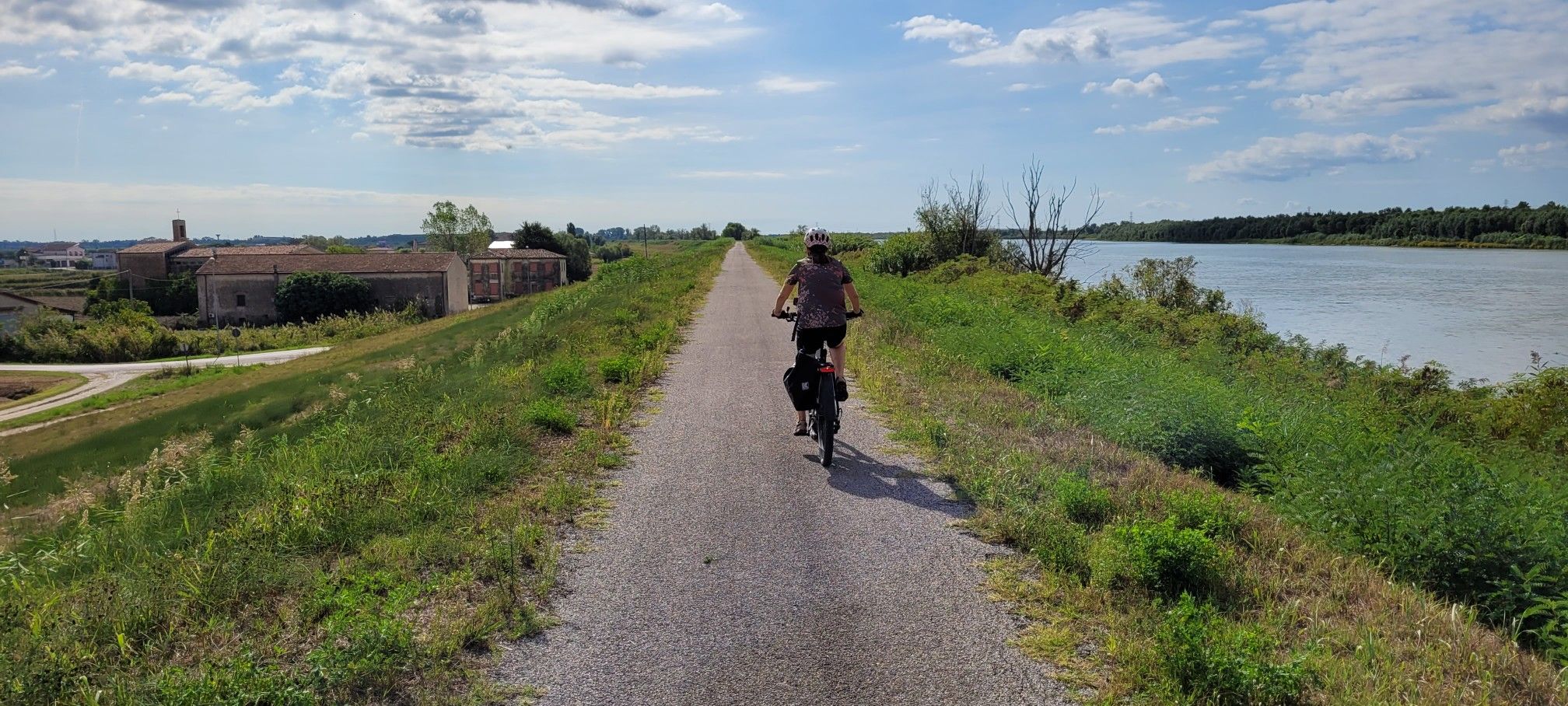
Ciclovie del Po — An all-round experience along Italy's longest river
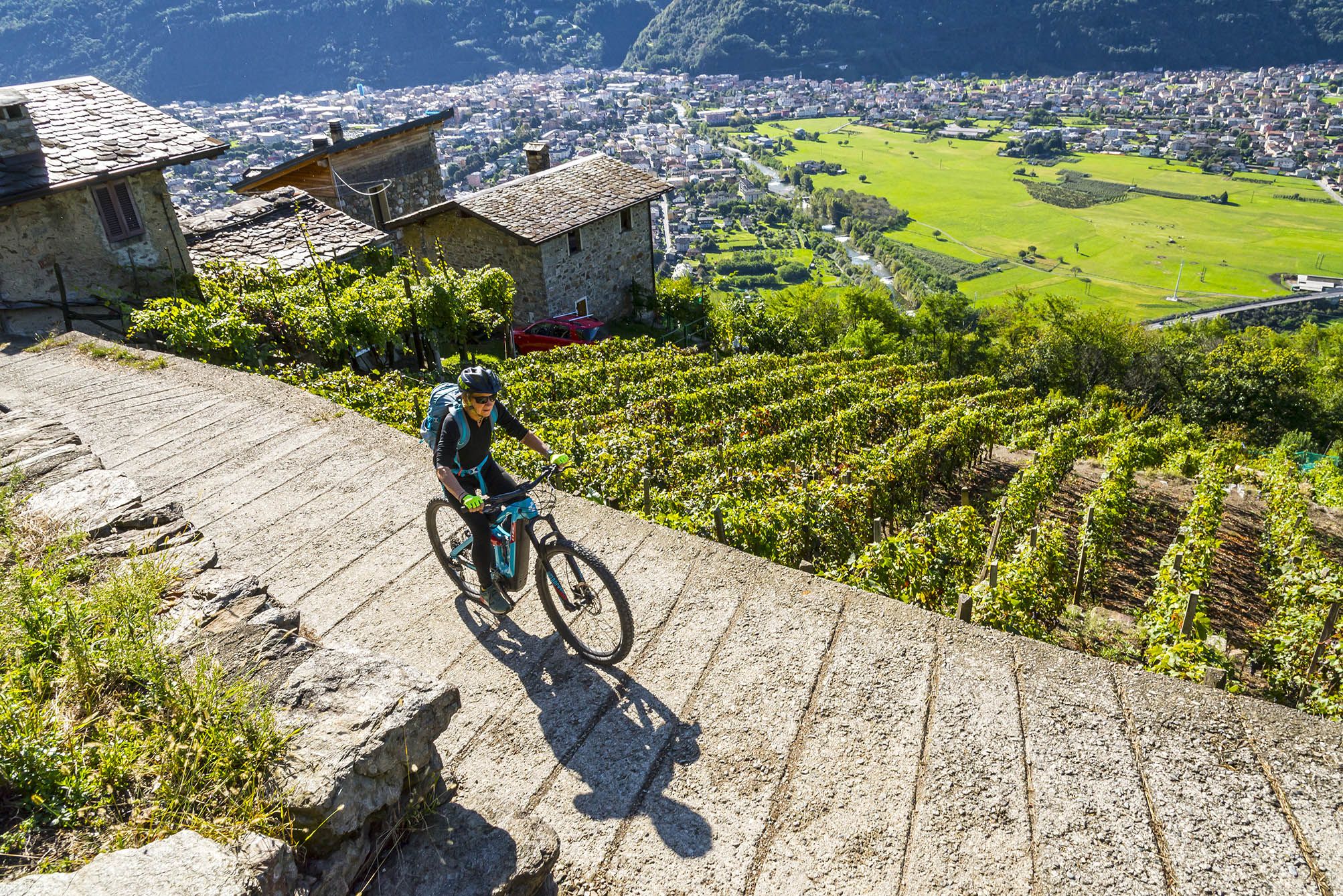
Cycling routes to discover authentic Lombardy
Apennine Cycle Route (Part 1) - From Liguria to Umbria
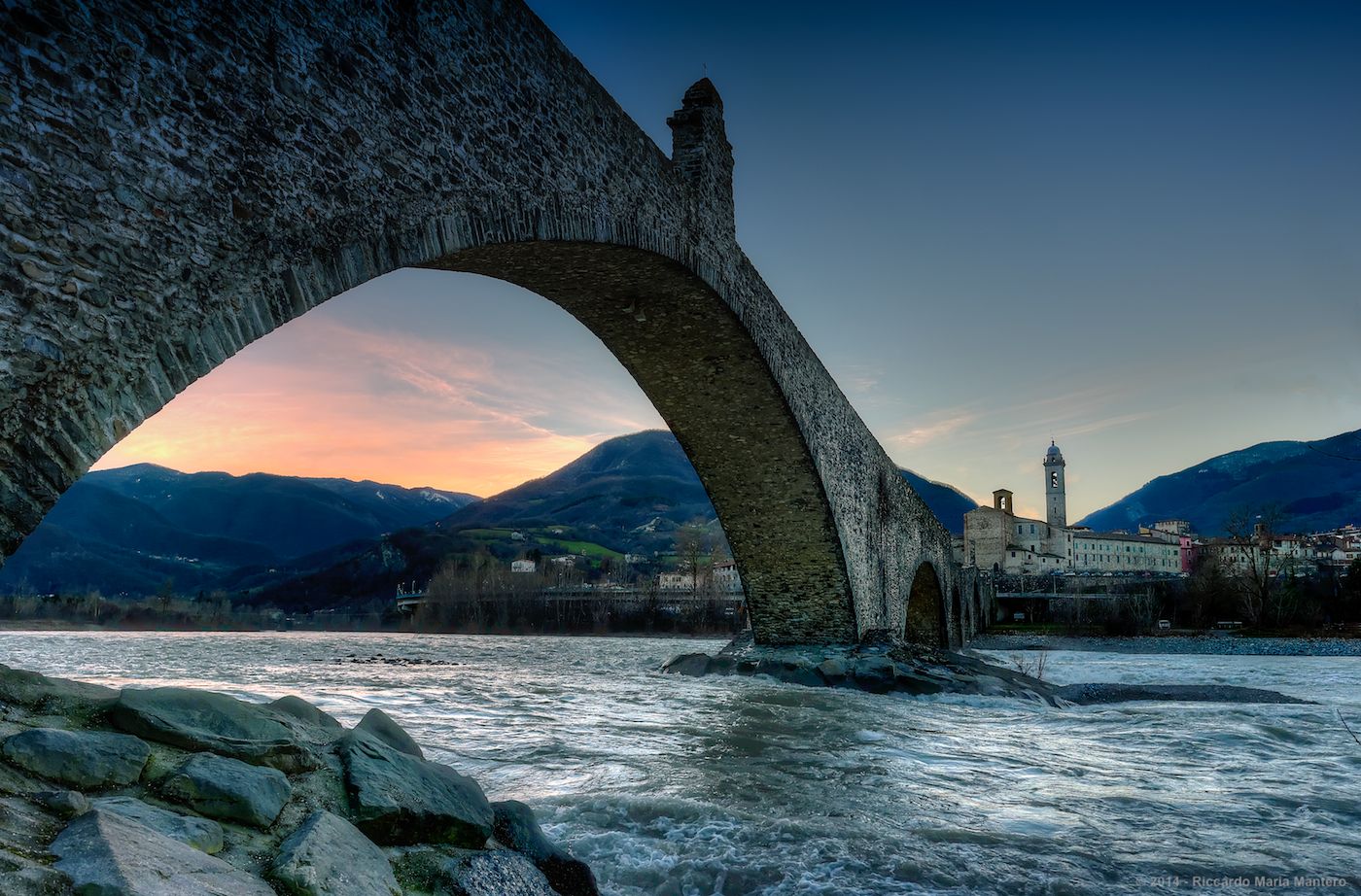
Hike from Milan to the sea – Path of the Celts and Ligurians
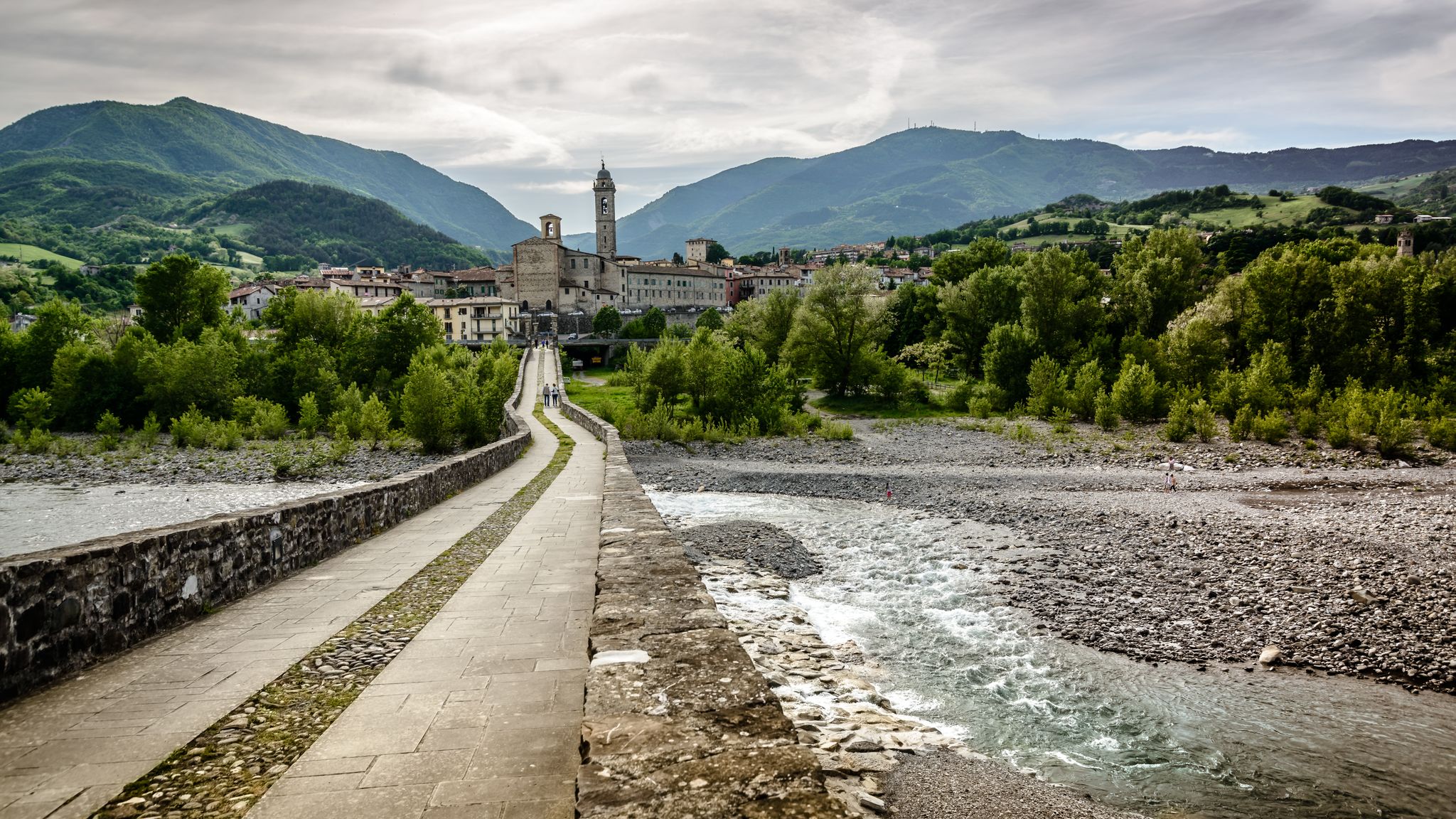
A historic hike from Pavia to Pontremoli – Via degli Abati
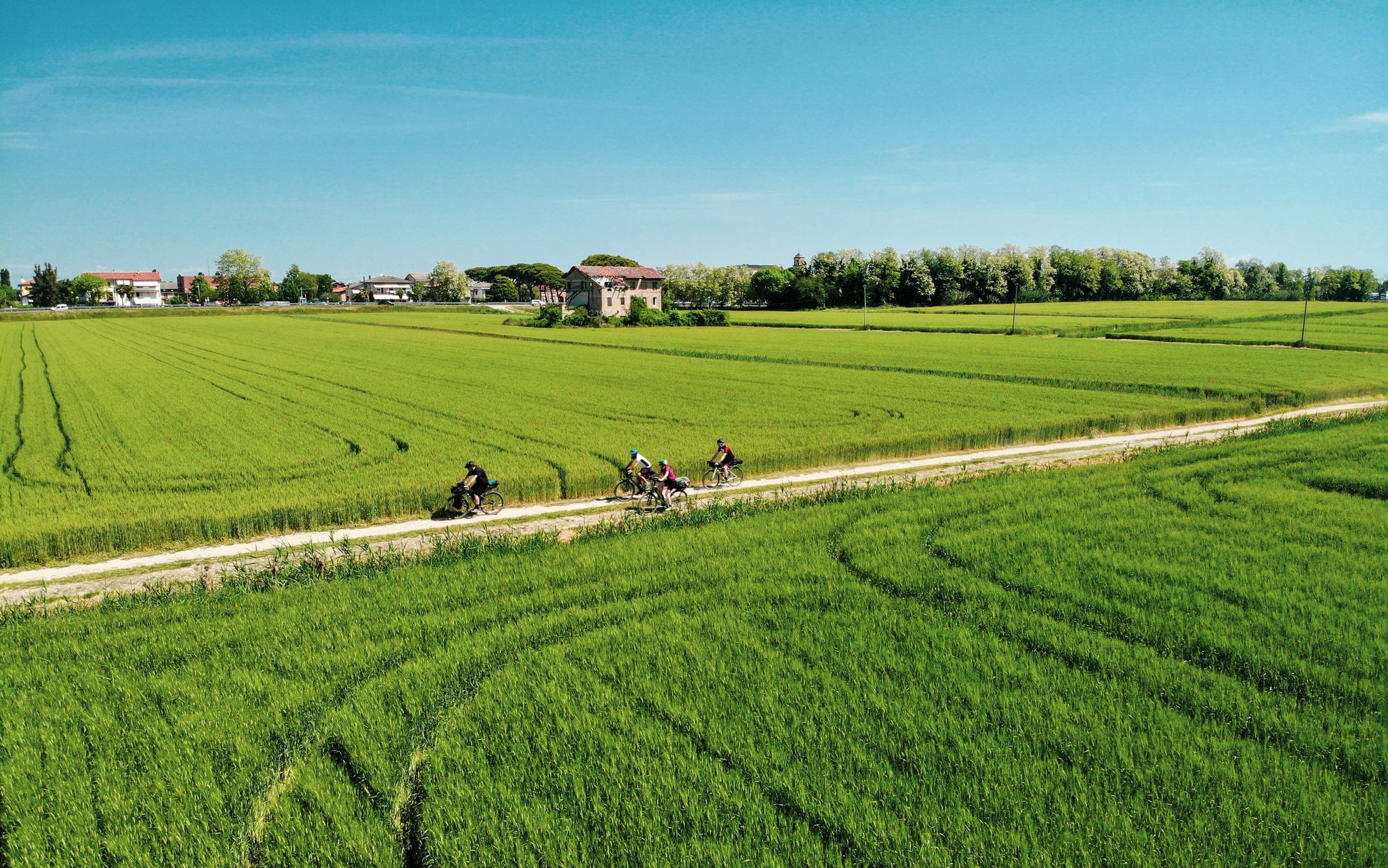
Ride through Italy’s Po Valley – a pilgrimage on the Via Postumia
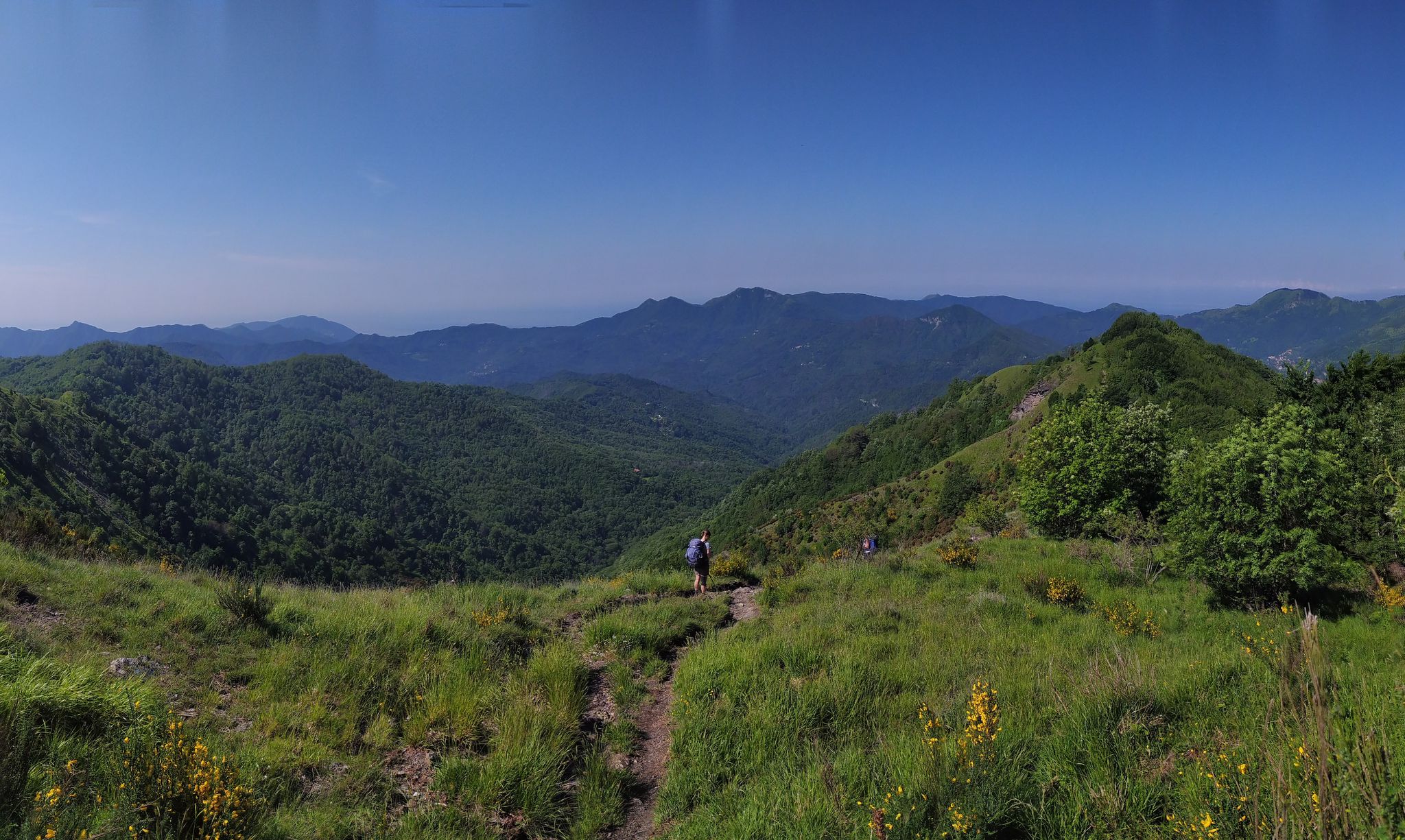
On the way to the sea – Italy’s Salt Road
Mountains, plains, rivers and lakes — cycling in Italy’s Lombardy region
A cycling pilgrimage — history and nature on Italy’s Via Francigena
Other adventures in Pavia


Tips from the Community

From April to October: weekdays (09:00 - 19:00); Saturdays, Sundays and holidays (09:00 - 20:00). From November to March: weekdays (09:00 - 18:00); Saturdays and Sundays (09:00 - 19:00).
1
0

Sartirana beautiful castle, a pity about the cars parked in front
0
0

Beautiful castle, very large and with large spaces. Home of the Palio di Vigevano on the second weekend of May and October!
2
0

This palace is called the "Versailles" of Lombardy. Everything is locked. According to the sign, it can be visited by appointment. The grounds are vast.
1
0


On gravel we followed dirt roads along waterways and cycle paths as much as possible, but you can get there faster with a road bike.
0
0
We left Gorgonzola in the direction of the Chignolo Po Castle, one of the sumptuous country residences of Lombardy, and after about three hours we arrived at our destination... discovering that the Castle was closed... no big deal we took pictures from the outside. Its oldest part is the tower, built as a garrison on the Po and on the connecting routes between northern Europe and Italy. The Castle, built in the thirteenth century, was transformed into a princely palace in the eighteenth century, through an imaginative stylistic reworking of the building. It appears as a majestic terracotta construction, surmounted by a protruding gallery supported by stone brackets. Each window is framed in white. The most spectacular element is the central tower, square and with battlements, embellished with a small loggia. Inside you can admire the apartments in which Pope Clement XI, Napoleon Bonaparte and Francis I of Austria were hosted, as well as the sumptuous ballroom on whose ceiling the glory of the four seasons is painted. The Castle is also home to the Museum of the History of Lombard Agricultural Civilization, created with the intent of bringing together the many historical realities that have formed the foundation of the agricultural activities of the lower Po Valley and the Lombard Wine Museum. The visit route aims to admire the monumental complex of the Castle of Chignolo Po and to enhance the history of its centuries-old royal fiefdom and its position along the Via Francigena. The visits are only guided as the Castle is a private residence. Nice trip!
0
0

Small, very quiet hamlet, characterised by an ancient castle!
0
0
Frequently Asked Questions
Which castles in Pavia offer the most significant historical and architectural insights?
For a deep dive into history and architecture, the Visconti Castle of Pavia is a must-see. It's a masterpiece of late Gothic architecture and houses the Civic Museums, showcasing art and archaeological collections. The Certosa di Pavia, though not a traditional castle, is a monumental complex intrinsically linked to the Visconti family, displaying a blend of late Gothic and Renaissance styles with rich artistic heritage. Another notable site is Chignolo Po Castle, known for its ancient history, with its main tower dating back to the Lombards, offering medieval and Renaissance routes.
Are there family-friendly castles to visit in the Pavia region?
Yes, several castles in the Pavia region are suitable for families. The Visconti Castle of Pavia, with its Civic Museums, offers engaging exhibits for all ages. Chignolo Po Castle and Scaldasole Castle are also noted as family-friendly. The Certosa di Pavia, with its grand architecture and museum, can also be an enriching experience for older children.
What kind of outdoor activities can I do near the castles in Pavia?
The Pavia region offers a variety of outdoor activities near its historical sites. You can find numerous routes for hiking, mountain biking, and touring cycling. For instance, you can explore trails like the 'Ring tour in the Monte Alpe Natural Reserve' for hiking, or 'MTB in the Ticino Park near Pavia' for mountain biking. Cycling enthusiasts can enjoy routes such as 'From Pavia to the cycle paths of the Ticino Park'. You can find more details and routes in the dedicated guides for Hiking in Pavia, MTB Trails in Pavia, and Cycling in Pavia.
What are some lesser-known or 'hidden gem' castles near Pavia worth exploring?
Beyond the most prominent sites, the Pavia region holds several charming, lesser-known castles. The Cicognola Castle and Viewpoint, strategically positioned on the Scuropasso Valley, offers stunning views and a glimpse into its medieval defensive function. The Montalto Pavese settlement features one of the best-preserved castles in the region with an Italian garden. Additionally, the Fortress of Montalfeo provides another historical viewpoint.
What is the best time of year to visit the castles in Pavia?
The best time to visit the castles in Pavia is generally during the spring (April to June) and autumn (September to October). During these seasons, the weather is pleasant for exploring both indoor and outdoor attractions, and the surrounding countryside is particularly beautiful. Summer can be hot, especially in July and August, while winter can be chilly, though indoor attractions like the Civic Museums at Visconti Castle remain accessible.
Are there any castles in Pavia that offer panoramic views?
Yes, several castles and their surrounding areas provide excellent panoramic views. The Cicognola Castle and Viewpoint is specifically highlighted for its high-altitude, strategic position on the Scuropasso Valley, offering expansive vistas. Similarly, the settlement of Montalto Pavese stands in a dominant position on the hills, providing great views, and Gomo Village and Castelletto offers a 360° panorama over the surrounding hills and valleys.
What are the typical visiting hours and accessibility for the main castles?
Visiting hours and accessibility can vary significantly for each castle. For instance, the Visconti Castle of Pavia, which houses the Civic Museums, generally has regular museum hours. The Certosa di Pavia also has specific visiting times for its church and museum. For the most accurate and up-to-date information on opening times, ticket prices, and accessibility details, it is highly recommended to check the official websites of each specific castle or complex before your visit. For the Visconti Castle, you can find more information on VisitPavia or Italia.it.
Can I find cafes or restaurants near the castles in Pavia?
Yes, you can typically find amenities like cafes and restaurants near the more prominent castles, especially those located within or close to towns. For example, the Visconti Castle of Pavia is situated in the city of Pavia, offering numerous dining options. Smaller villages like Montalto Pavese also feature restaurants. For castles in more rural settings, it's advisable to check in advance or plan to bring your own refreshments.
How long should I allocate for visiting a castle in the Pavia region?
The time needed to visit a castle in the Pavia region varies depending on its size and what it offers. For a comprehensive site like the Visconti Castle of Pavia and its Civic Museums, you might want to allocate 2-3 hours. The Certosa di Pavia, with its church, cloisters, and museum, could also take 2-3 hours. Smaller castles or those primarily offering exterior views might only require 1-1.5 hours. If you plan to explore the surrounding areas or enjoy nearby outdoor activities, factor in additional time.
What makes the castles in Pavia unique compared to other castles in Lombardy?
The castles in Pavia are unique due to their strong connection to the powerful Visconti family, who ruled Milan and Pavia during the medieval and Renaissance periods. Many, like the Visconti Castle of Pavia and the Certosa di Pavia, were built or significantly influenced by them, serving as sovereign residences or grand mausoleums rather than purely military fortresses. This often results in a focus on architectural grandeur, artistic decoration, and palatial comfort, showcasing a blend of late Gothic and early Renaissance styles distinct to the Lombardy region.
Is public transport available to reach castles near Pavia?
Public transport options are generally available for castles located in or very close to urban centers, such as the Visconti Castle of Pavia, which is easily accessible within the city. For castles in more rural areas, public transport might be limited or require a combination of bus and a short walk. It's best to research specific routes and schedules for each castle you plan to visit, using local bus services or regional trains where applicable.
Most popular routes in Pavia
Most popular attractions in Pavia

Get inspired with the komoot mobile app


Didn’t find what you were looking for?
Explore Pavia’s best castles region by region:
Explore more
Looking for the best castles somewhere else? Discover other guides in Pavia:
