Attractions and Places To See around Chodel - Top 4
Attractions and places to see around Chodel, a village in eastern Poland's Lublin Voivodeship, offer a blend of historical landmarks and natural beauty. The region is characterized by its lush green landscapes, the Chodelka River, several lakes, and extensive woodlands. Visitors can explore various cultural points of interest and outdoor activities within this area.
Best attractions and places to see around Chodel
- The most popular attractions is Watermill on the Urzędowianka in Bęczyn, a man-made monument built in 1912.…
Last updated: June 28, 2026
Watermill on the Urzędowianka in Bęczyn
Highlight • Monument
A place like from a movie
"In Bęczyn, in 1912, Paweł Chęciński built a watermill. In 1922, the mill was taken over by …
Translated by Google •
Tip by

Viewing platform
Highlight • Viewpoint
Translated by Google •
Tip by

Sign up now to discover places like this
Get recommendations on the best single tracks, peaks, & plenty of other exciting outdoor places.
Sign up for free
Memorial to the Victims of the Budzyń Camp
Highlight • Monument
Translated by Google •
Tip by

Old Train Station in Lesniczówka
Highlight • Historical Site
Translated by Google •
Tip by

Rolling Bearing Factory Ball
Highlight • Monument
Translated by Google •
Tip by
Sign up for free to discover even more attractions around Chodel.
Sign up for free
Already have an account?
Start today with a free account
Your next adventure awaits.
Login or Signup

Tips from the Community

The Budzyń camp operated as a forced labor camp from 1942 to 1943. In October 1943, it was transformed into a concentration camp, operating until 1944.
0
0
The monument, in the shape of a huge sphere with a diameter of 2.5 m, was created at the turn of 1975 and 1976, on the occasion of the decision to build the Central Ball Plant, a plant producing balls for all bearing factories in Poland.
0
0

Watermill on Urzędowianka in Bęczyn (Urzetów commune) A place like from a movie "In Bęczyn, in 1912, Paweł Chęciński built a watermill. In 1922, the mill was taken over by Zygmunt Chęciński, Paweł's son, who in 1925 installed a turbine instead of the inefficient water wheel. In order to increase the processing power, in 1943 electricity was brought from Urzędów and an electric motor was used. The mill was well equipped, it had: a whole wheat flour mill, two pairs of rollers, a żuber, a perlak, a millet mill and a groats mill for making buckwheat. There was a flat for the miller next to the mill. The millers included Ignacy Krzykacz, Jan Płachta, Pikuła. In 1956, the mill was nationalized and transferred to the District Enterprise of Economic Mills in Kraśnik, which transferred it to the Commune National Council in Urzędów. The operation of the mill for the GRN was troublesome, so the mill was transferred to the Commune Cooperative of the Peasant Self-Help Union in Urzędów. When the demand for milling services decreased and the operation of the mill was unprofitable, GS leased the facility to Aleksander Kaspruś from Dzierzkowice, who after a few years of use gave up running the business due to the low demand for services. Over the last 50 years, the millers were employees of the commune and then GS, at various times the following worked in the mill: Łukasz Pac, Tadeusz Tarkowski, Ludwik Matysiak, Stanisław Matysiak, Jacek Jurak, Aleksander Kaspruś. Currently, the owner of the inactive mill is the Commune Office in Urzędów, the facility is cared for by the family of the former owner.” Source: Zdzisław Latos "Pottery and other types of crafts and trade in Urzędów from the 16th to the 20th century"
1
0

A brilliantly preserved object.. a relic of the early 20th century. It is worth visiting the village of Lesniczówka
1
0

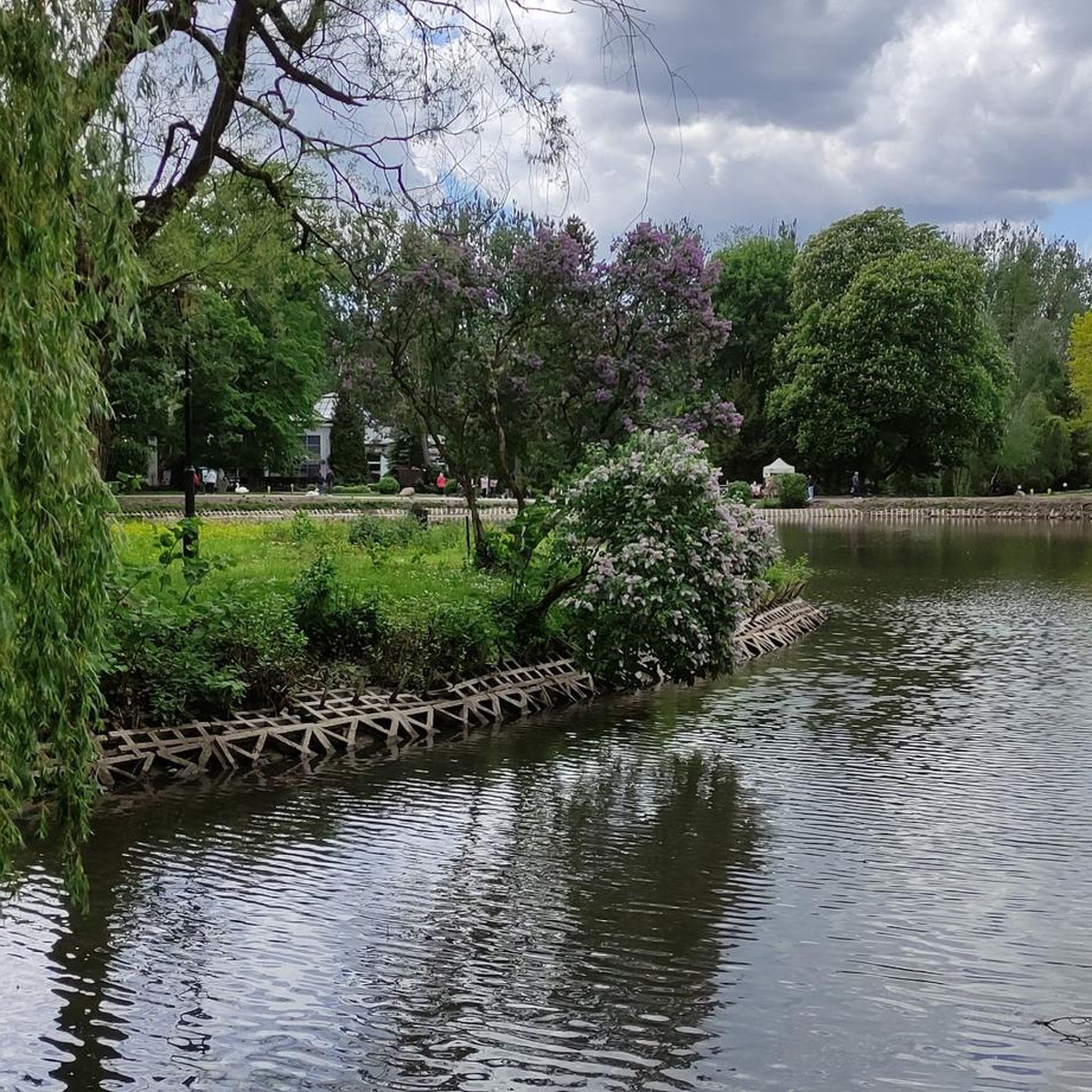
The viewing platform at the Chodelka river floodplain is a very attractive point on the "Kleniewo" nature trail. There is a wooden viewing platform right over the water, surrounded by trees. A wonderfully peaceful place.
2
0
Frequently Asked Questions
What historical landmarks can I explore in and around Chodel?
Chodel is rich in history, featuring several notable landmarks. You can visit the Holy Trinity Church, established around 1530, and the Church of St. John the Baptist, dating back to the 18th century. A unique historical site is the Old Train Station in Lesniczówka, a well-preserved relic from the early 20th century. Additionally, the Memorial to the Victims of the Budzyń Camp offers a somber reflection on a significant historical period.
Are there any significant religious sites in the Chodel area?
Yes, Chodel has several significant religious sites. The Holy Trinity Church, founded around 1530, is a prominent Renaissance landmark. The Church of St. John the Baptist, an 18th-century structure, showcases classical Polish architecture. Further afield, you can find the picturesque 18th-century Ruins of the Church of St. Mary of the Loretto, once a significant pilgrimage site connected to the Society of Jesus and the Marian cult.
What natural features and scenic spots can I visit near Chodel?
The Chodel area is surrounded by lush green landscapes, offering numerous natural features. The Viewing platform at the Chodelka river floodplain provides a wonderfully peaceful spot right over the water, surrounded by trees. The region also features serene forests, tranquil lakes, and the Chodelka River itself, perfect for relaxation and photography.
Are there any unique historical industrial sites to see?
Yes, a notable historical industrial site is the Watermill on the Urzędowianka in Bęczyn. Built in 1912, this historic mill has a rich past, including its nationalization and various owners, and offers a glimpse into the region's industrial heritage. Another mill, the Dzierzkowice Wola Mill, is also nearby.
What kind of outdoor activities can I do around Chodel?
Chodel's natural landscapes provide ample opportunities for outdoor activities. You can enjoy hiking and biking on hidden trails that lead through serene forests and around tranquil lakes. For more structured activities, explore the running trails, cycling routes, and road cycling routes available in the area, catering to various fitness levels.
Are there family-friendly attractions in the Chodel region?
Yes, the Chodel region offers family-friendly spots. The Viewing platform at the Chodelka river floodplain is a peaceful and accessible place for families to enjoy nature. Exploring the local forests and lakes also provides opportunities for family walks and picnics.
What is the best time of year to visit Chodel for outdoor activities?
The lush green landscapes around Chodel are ideal for outdoor activities during the warmer months, typically from spring through early autumn. This period offers pleasant weather for hiking, biking, and exploring the natural parks and trails. The scenic viewpoints are particularly enjoyable when the foliage is vibrant.
Can I find local art and crafts in Chodel?
Yes, Chodel boasts a local art scene. Visitors can explore galleries featuring works by talented regional artists. The village also has quaint workshops where artisans craft traditional Polish pottery and textiles, offering insight into the area's artistic heritage and opportunities to find unique souvenirs.
What do visitors enjoy most about the attractions around Chodel?
Visitors particularly appreciate the blend of historical significance and natural beauty. The Watermill on the Urzędowianka in Bęczyn is often described as a place 'like from a movie,' while the Viewing platform is praised as a 'wonderfully peaceful place.' The well-preserved Old Train Station in Lesniczówka also garners interest as a relic of the early 20th century.
Are there any places of remembrance or historical significance related to past conflicts?
Yes, the Memorial to the Victims of the Budzyń Camp serves as a significant place of remembrance. This site commemorates the Budzyń camp, which operated as a forced labor camp from 1942 to 1943 and later as a concentration camp until 1944.
Are there opportunities for cycling around Chodel?
Absolutely. The area around Chodel is well-suited for cycling. You can find various cycling routes, including options for touring bicycles, and dedicated road cycling routes. These routes offer a peaceful escape into the Polish countryside, with options ranging from easy to moderate difficulty.
What is the historical significance of the Jewish Cemetery in Chodel?
Chodel is home to an Orthodox Jewish cemetery, established in 1872, located about 500 meters northeast of the town center. Its last known burial was in 1942. Unfortunately, it was vandalized during World War II, serving as a poignant reminder of the region's past.

Get inspired with the komoot mobile app


Explore more
Still not found the Highlight you’re looking for? See guides of the top attractions in other regions:
