Attractions and Places To See around Guyencourt-Saulcourt - Top 10
Best attractions and places to see around Guyencourt-Saulcourt include historical sites and natural pathways within the Somme department of France. The commune is recognized for its floral displays, holding a "4-flower" label, which contributes to its pleasant environment. Visitors can explore landmarks and viewpoints that reflect the region's history and natural setting.
Best attractions and places to see around Guyencourt-Saulcourt
- The most popular attractions is Doingt Greenway, a cycle_way that offers a natural setting away from urban areas. This…
Last updated: July 4, 2026
Doingt Greenway
Highlight (Segment) • Cycleway
Translated by Google •
Tip by

Allaines Lock
Highlight • Structure
Translated by Google •
Tip by

Sign up now to discover places like this
Get recommendations on the best single tracks, peaks, & plenty of other exciting outdoor places.
Sign up for free
The Moislains National Necropolis
Highlight • Historical Site
Translated by Google •
Tip by
Allaines
Highlight • Settlement
Translated by Google •
Tip by
Moislains Lock
Highlight • Structure
Translated by Google •
Tip by
Sign up for free to discover even more attractions around Guyencourt-Saulcourt.
Sign up for free
Already have an account?
Start today with a free account
Your next adventure awaits.
Login or Signup




Tips from the Community

Crossed by the Canal du Nord, the town of Allaines boasts a rich history spanning the centuries. Gallo-Roman vases have been found in its soil, before the village became a strategic location during wars of various eras.
1
0

allaines is a commune with a rich history. Large quantities of Gallo-Roman vases have been found in the ground. Allaines is said to be the Vicus Helena where the Romans of Aetius won the victory over the Franks of Clodion the Hairy in 448. At the time of the Templars, underground passages were dug under the current church. In 1653, numerous skirmishes took place between the Spanish and the troops of the Lord Marshal de la Ferté. The bones that are often found in a place called Land of Tombs bear witness to these deadly battles. In 1870, during the siege of Péronne, the Prussian army of Von Goeben came to reform at Allaines, in the Tortille valley, and then headed towards Saint-Quentin, after being defeated by General Faidherbe. Phosphate mining ended in 1895, which had brought the village considerable income. During the First World War, during the Battle of the Somme, on 15 September 1916, the village was retaken by the French army. The losses were heavy, the 60th Infantry Regiment was wiped out and the 44th Infantry Regiment lost 600 soldiers.
6
0
This is lock number 10 on the Canal du Nord and is known as Allaines. It is situated on the north side of the village of Allaines in the Somme department 80. The 19 locks on this canal are between 6 and 7 metres deep and therefore have stepped bollards built into the lock walls. The lower gates are of the guillotine type rather than the usual double swing gates. The locks are operated by calling a control centre on the VHF. The VHF channels alternate between 18 and 22 for each alternative lock. Each lock has a modern control tower and these were all originally manned but are now empty apart from the locks which act as control centres. Many of the locks have a lock house next to them. In addition, many of them were built with huge side ponds which are used during lock operations to save half a lock's worth of water at each bend. These side ponds are still in use today.
6
0
The écluse de Moislains 9 is a lock on the Canal du Nord in France. It is one of 63 locks on the canal and is located near the village of Moislains in the Somme department. It is one of two locks near the village, the other being écluse de Moislains 8.
6
0
The national necropolis of Moislains, known as the Charentais cemetery, gathers the remains of soldiers who fell for France during the fighting that took place around this village on 28 August 1914. This national cemetery, created at the end of these clashes, was built successively in 1923-1924 and in 1944. This necropolis brings together 465 bodies, including the French, 99 in individual graves and 366 in an ossuary. Since 1924, this necropolis has housed a memorial in honour of the memory of these fighters who came mainly from Angoulême and Bergerac. At the foot of this monument, an oak coffin from Puy-de-Nelle (commune of Charente) was placed in 1960. Made by Gaston Rofidal, former non-commissioned officer in the 307th Infantry Regiment (RI) during the war, this chest symbolically contains various soil samples taken from the communes of Charente. Because it suffered from the vagaries of time, it was replaced in 2014.
6
0

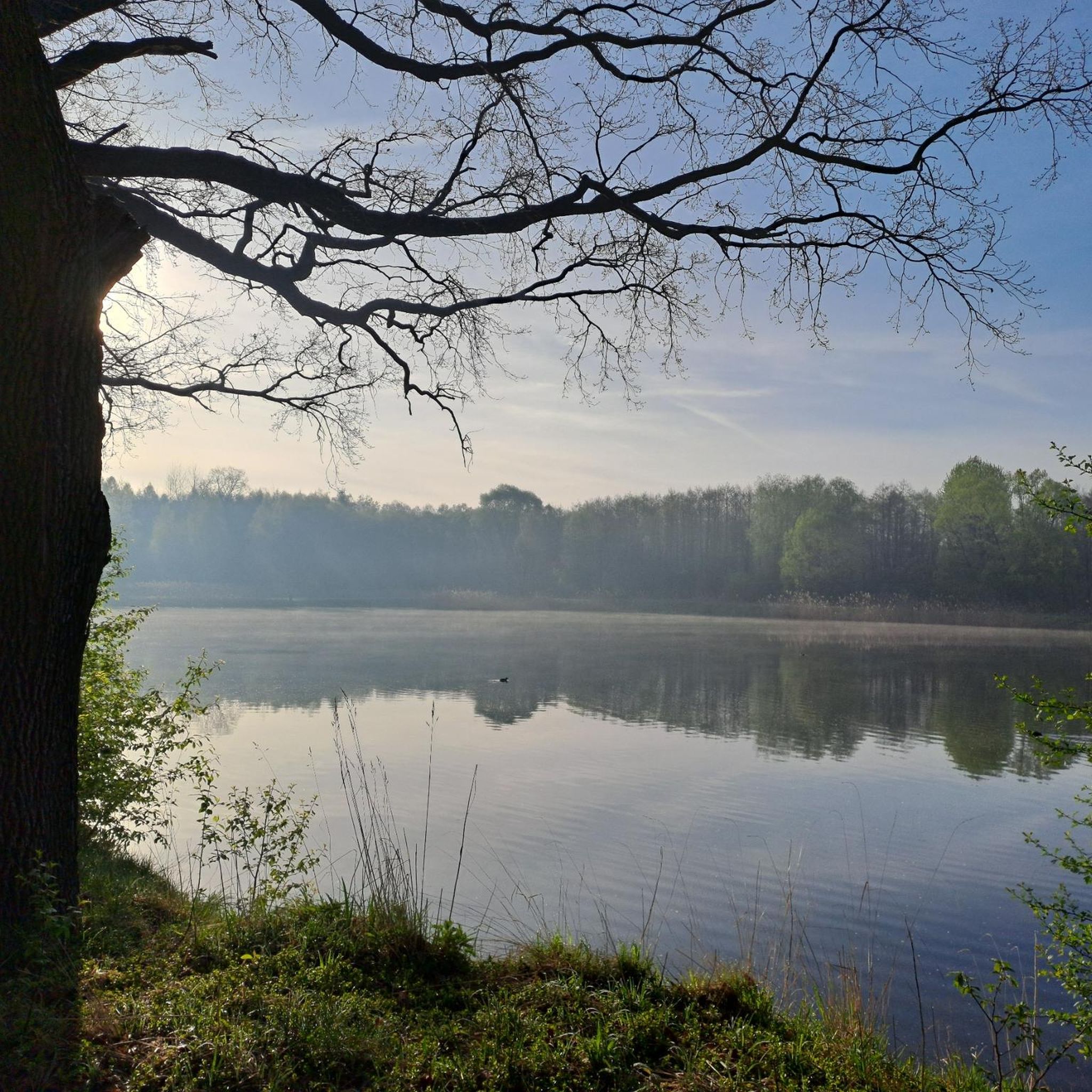
This greenway in the middle of nature offers a bucolic setting. Away from the urban bustle, this path allows you to enjoy the charms of the forest.
1
0
Frequently Asked Questions
What natural features or outdoor pathways can I explore around Guyencourt-Saulcourt?
You can discover tranquil outdoor pathways such as the Doingt Greenway, a cycle path that offers a peaceful, bucolic setting amidst the forest, away from urban areas. The village of Guyencourt-Saulcourt itself is renowned for its extensive floral displays and well-maintained environment, providing a pleasant setting for walks.
Are there historical sites to visit near Guyencourt-Saulcourt?
Yes, the region is rich in history. You can visit The Moislains National Necropolis, a significant historical site commemorating soldiers who fell during the 1914 fighting. Additionally, the nearby village of Allaines has a rich history, with evidence of Gallo-Roman settlements and strategic importance during various conflicts, including the First World War.
What kind of outdoor activities can I do near these attractions?
The area around Guyencourt-Saulcourt offers various outdoor activities. You can find numerous routes for hiking, mountain biking, and road cycling. For example, there are moderate hiking trails like the "Poste observation 14.18 loop from Épehy" and mountain biking routes such as the "Vaucelles Abbey – Sources of the Scheldt loop from Honnecourt-sur-Escaut." You can explore more options on the dedicated guides for Hiking around Guyencourt-Saulcourt, MTB Trails around Guyencourt-Saulcourt, and Road Cycling Routes around Guyencourt-Saulcourt.
Are there any family-friendly attractions in the area?
Yes, several attractions are suitable for families. The Doingt Greenway is a family-friendly cycle path offering a pleasant outdoor experience. Historical sites like The Moislains National Necropolis can also be visited by families, offering an educational insight into the region's past.
What is the best time to visit Guyencourt-Saulcourt?
Guyencourt-Saulcourt is particularly vibrant during the warmer months, especially around July, when the village hosts its "Fête des Villages Fleuris" (Flowered Villages Festival). This is an excellent time to appreciate its award-winning floral displays. The pleasant weather also makes it ideal for exploring the outdoor pathways and historical sites.
What is the significance of the Canal du Nord in this region?
The Canal du Nord is an important part of the local infrastructure, featuring several locks that are points of interest. You can see structures like Allaines Lock and Moislains Lock, which are part of the 63 locks on the canal. These locks showcase impressive engineering and are often situated in scenic locations.
What makes Guyencourt-Saulcourt unique as a village?
Guyencourt-Saulcourt stands out for its exceptional commitment to floriculture and village embellishment. It has received national recognition with the "4 Flowers" label and the prestigious "Fleur d'Or" in 2019, as well as a gold medal at the European Floral Contest. This dedication creates a charming and picturesque environment for visitors.
Are there any significant World War I sites nearby?
Yes, the Somme region is deeply connected to World War I history. Beyond The Moislains National Necropolis, you are within reach of the broader Circuit of Remembrance of the Battles of the Somme. The Historial de la Grande Guerre (Museum of the Great War) in Péronne is also a comprehensive site offering insights into the conflict.
What do visitors enjoy most about the attractions around Guyencourt-Saulcourt?
Visitors particularly appreciate the tranquil and natural settings. The Doingt Greenway is noted for its bucolic atmosphere, allowing people to enjoy the charms of the forest away from urban noise. The historical sites offer a poignant connection to the past, providing a reflective experience.
Are there opportunities for cycling in the area?
Absolutely. The Doingt Greenway is a dedicated cycle path perfect for a leisurely ride. For more challenging routes, the surrounding area offers numerous options for both mountain biking and road cycling, with guides available for MTB Trails and Road Cycling Routes around Guyencourt-Saulcourt.
Most popular routes around Guyencourt-Saulcourt

Get inspired with the komoot mobile app


Explore more
Still not found the Highlight you’re looking for? See guides of the top attractions in other regions:
