Attractions and Places To See around Saint-Astier - Top 6
Best attractions and places to see around Saint-Astier include a blend of historical heritage, cultural experiences, and natural beauty. The town is nestled in the heart of Périgord, offering visitors a variety of sites to explore. The Isle River provides picturesque views and opportunities for outdoor activities, while the surrounding countryside features lush green landscapes.
Best attractions and places to see around Saint-Astier
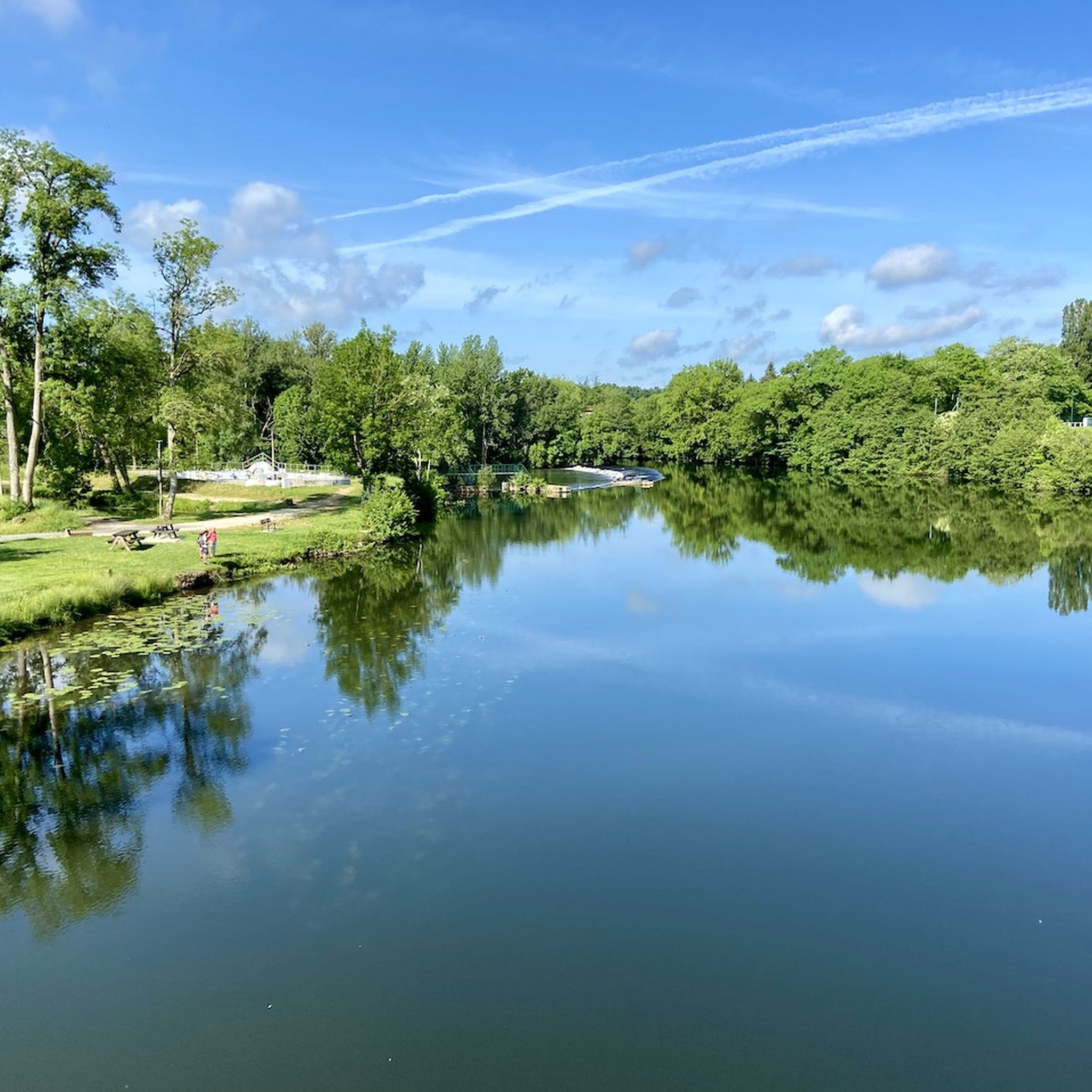
- The most popular attractions is The Isle at Saint-Léon-sur-l'Isle, a river that offers a scenic setting.…
Last updated: October 7, 2026
Saint-Aquilin
Highlight • Other
Translated by Google •
Tip by

Saint-Astier Bridges
Highlight • Other
Translated by Google •
Tip by

Sign up now to discover places like this
Get recommendations on the best single tracks, peaks, & plenty of other exciting outdoor places.
Jaure Church
Highlight • Other
Translated by Google •
Tip by

The Isle at Saint-Léon-sur-l'Isle
Highlight • River
Translated by Google •
Tip by
Isle Valley Greenway
Highlight • Other
Translated by Google •
Tip by

Sign up for free to discover even more attractions around Saint-Astier.
Already have an account?
Start today with a free account
Your next adventure awaits.


Tips from the Community

A nice road bike path to pass, but watch out for cars
0
0

The Saint-Firmin de Jaure church, built in the 12th century, presents a fascinating blend of Romanesque and Gothic architecture, the result of numerous alterations over the centuries. Partially destroyed in 1376 during the siege of Grignols, it was restored in the 16th century, notably with the opening of side chapels, one of which was topped with a defensive chamber. Its bell tower was remodeled in the 17th century, while the interior is richly decorated with paintings dating from the 17th and 18th centuries, with coats of arms and historical motifs. The church has been listed in the supplementary inventory of historical monuments since 1984.
0
0
Saint-Astier is a jewel of the Périgord, where history flirts with nature along the Isle. It hosts the famous Thursday market, festive and fragrant, a popular meeting place for savoring local produce. The town is home to heritage gems like the Château de Puyferrat and the fortified church, proud guardian of a vibrant past. Saint-Astier also shines for its natural lime, a world star in the restoration of historic monuments.
0
0

Why Visit Saint-Aquilin? For its historical heritage: Between the Romanesque church, the Château de la Jarthe and its ancient traditions, Saint-Aquilin is a village where the past continues to live. For its peaceful landscapes: Nestled in a valley, the village offers magnificent views of the surrounding nature, ideal for recharging your batteries far from the hustle and bustle of modern life. For the authentic experience of rural life: The village, with its farms, craftsmen and local traditions, allows visitors to discover the culture of Périgord in all simplicity. Saint-Aquilin, with its discreet charm and rich heritage, is an ideal stopover for those who wish to explore the calm and authenticity of the Dordogne.
2
0
Natural Heritage: Bucolic Landscapes: Saint-Aquilin is surrounded by green hills, forests and fields, offering many opportunities for hiking and strolling through the countryside. It is a privileged place for nature lovers and those seeking peace and quiet. Rivers and Streams: The presence of small rivers and streams adds to the beauty of the landscape. These waterways are an integral part of the charm of the region. Fontaine Saint-Jean: Ancient Place of Worship: The Fontaine Saint-Jean is an ancient place of pilgrimage where, in the past, the inhabitants came to pray and ask for healings. This site, surrounded by peaceful nature, remains a point of curiosity for visitors. Holy Water: The fountain is still considered a place of meditation, with water that is traditionally associated with healing properties. Rural Life and Crafts: Local Agriculture: The region around Saint-Aquilin is rich in agricultural land. Visitors can discover local products, such as honey, fruits, and other regional specialties, directly from local farms. Crafts: A few local artisans perpetuate traditional skills, offering a unique opportunity to acquire handmade objects, which reflect the authentic character of the region.
2
0
Saint-Aquilin is a picturesque village located in the Dordogne department, in the Nouvelle-Aquitaine region. This charming village, nestled in a rolling and green landscape, is known for its historical heritage, its natural landscapes and its peaceful atmosphere. Saint-Aquilin embodies the essence of French rural villages, with its old stones, its small streets and its connection with the surrounding nature. Points of Interest in Saint-Aquilin: Saint-Eutrope Church: Roman Heritage: The Saint-Eutrope Church is a listed Romanesque building, dating from the 12th century. Its sober architecture, with its typical bell-wall of the region, makes it one of the historical jewels of the village. Refined Interior: The interior of the church contains interesting elements such as ancient frescoes and sculpted capitals. It is a place that bears witness to the long Christian history of the village. Château de la Jarthe: Historic Residence: The Château de la Jarthe, located not far from the village center, is a beautiful building dating from the 17th century. Surrounded by greenery and gardens, it bears witness to the elegance of the rural residences of the time. Park and Gardens: The castle park, with its shaded paths and century-old trees, is a peaceful place, ideal for a relaxing walk.
2
0

"The Isle Valley by bike? Pure bliss! ♀️☀️ This route is perfectly marked, often in the shade, and accessible to all. Perfect for a ride with family or friends!"
2
0
Frequently Asked Questions
What historical churches can I visit in and around Saint-Astier?
Saint-Astier and its surroundings offer several notable historical churches. The Fortified Church of Saint-Astier, dating from the 11th to 15th centuries, dominates the town and features Romanesque bas-reliefs and a baroque organ. On the hills northwest, the Chapel of the Woods houses the cave where Saint Astier lived. Further afield, you can explore Jaure Church, a 12th-century structure with Romanesque and Gothic elements and 17th-18th century paintings. In the picturesque village of Saint-Aquilin, you'll find the 12th-century Romanesque Saint-Eutrope Church.
Are there opportunities for cycling near Saint-Astier's attractions?
Yes, Saint-Astier is an excellent starting point for cycling. The Isle Valley Greenway is a popular route, known for being well-marked, often shaded, and accessible for all skill levels. The banks of the Isle River also provide picturesque paths for cycling. For more detailed routes, you can explore various cycling tours around Saint-Astier, including options for touring bicycles and road cycling, on the Cycling around Saint-Astier guide page.
What outdoor activities can I enjoy along the Isle River?
The banks of the Isle River offer a variety of outdoor activities. You can enjoy picturesque views, go canoeing, fishing, or cycling along its paths. There are benches perfect for picnics, and it's a great spot for observing various bird species. The river is also an ideal stopover along the "vélo route de l'ouest" greenway.
Can I visit any castles near Saint-Astier?
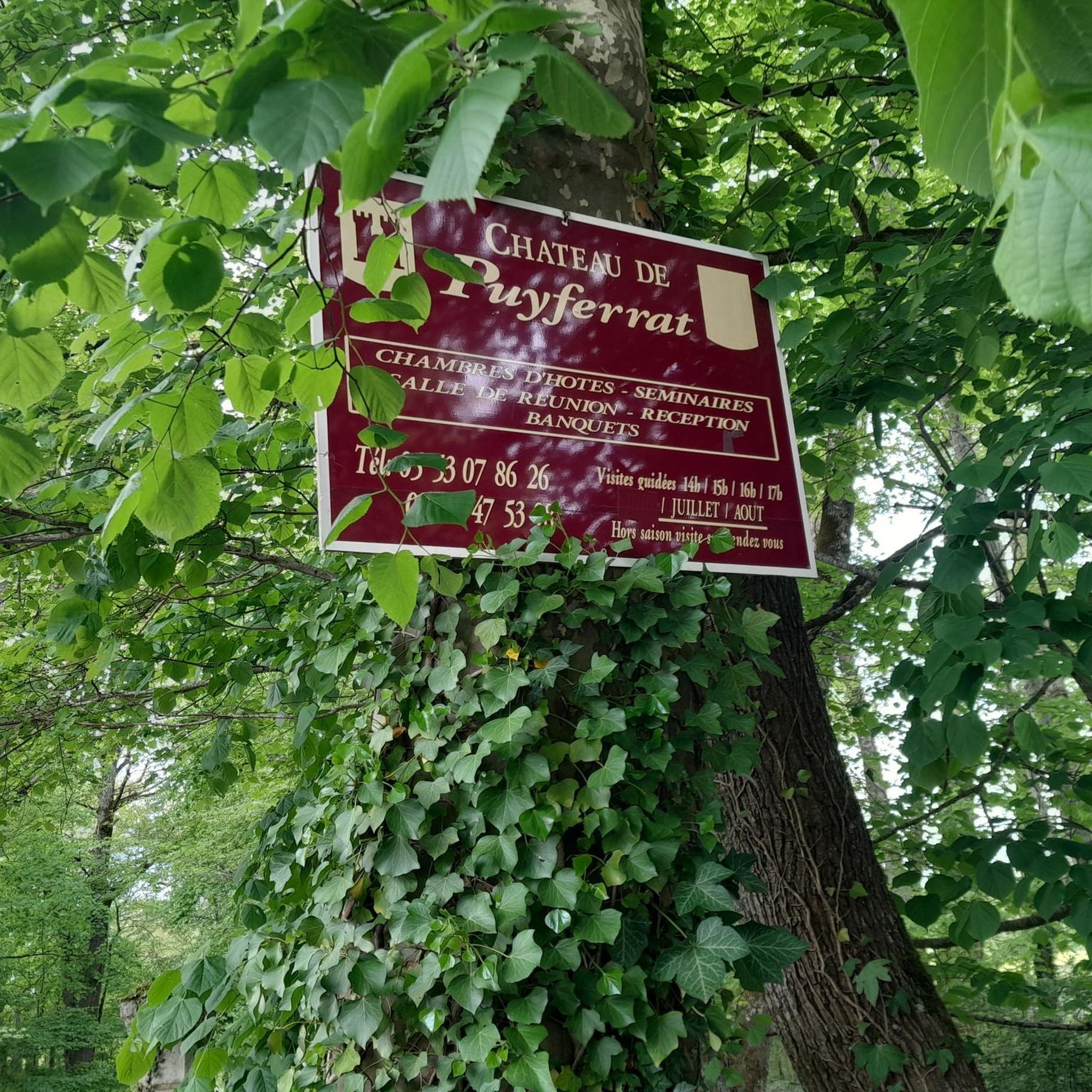
Absolutely. The 15th-century Château de Puyferrat is located approximately 2km from the town center and offers guided tours, providing excellent views over Saint-Astier and the surrounding countryside. It features pointy roofs and fine woodwork. Additionally, in the village of Saint-Aquilin, you can find the 17th-century Château de la Jarthe, surrounded by greenery and gardens.
Where can I find hiking trails around Saint-Astier?
Saint-Astier is surrounded by lush green landscapes and offers numerous footpaths. The Bois de Gimel, a central town woodland spanning over 9 hectares, provides nature trails. The village of Saint-Aquilin is also a great starting point for hikes, with many paths through beautiful and calm nature. For specific routes and difficulties, you can consult the Hiking around Saint-Astier guide page, which lists trails like the 'Saint-Astier Church – Château de Puyferrat loop'.
Are there any unique cultural sites or local industries to explore in Saint-Astier?
Yes, Saint-Astier has several unique cultural sites. The Chapter House (Maison Labidoire) is a striking medieval building with a corbeled turret, whose window is adorned with a scallop shell, symbolizing the Way of Saint James pilgrimage. Saint-Astier is also globally renowned for its production of pure natural lime. You can take industrial tours at the Lime Factories (Chaux et Enduits de Saint-Astier) to learn about this significant local industry.
What is the best time to visit Saint-Astier for outdoor activities?
The Périgord region, where Saint-Astier is located, generally enjoys pleasant weather for outdoor activities from spring through early autumn. During these seasons, the lush green landscapes are at their best, and conditions are ideal for cycling, hiking, and enjoying the river. The weekly market at Place de la République is held on Thursdays, offering a vibrant atmosphere, and special truffle and foie-gras markets occur at various times of the year.
Are there any family-friendly attractions or activities in Saint-Astier?
Saint-Astier and its surroundings offer several family-friendly options. The Isle Valley Greenway is accessible for all and perfect for a ride with family or friends. The banks of the Isle River are ideal for picnics and gentle strolls. Exploring the Bois de Gimel offers nature trails for children to enjoy biodiversity. Many of the hiking and cycling routes around Saint-Astier, especially the 'easy' graded ones, are suitable for families.
What do visitors enjoy most about the attractions around Saint-Astier?
Visitors particularly appreciate the blend of historical heritage and natural beauty. The scenic settings of the Isle River and the accessibility of the Isle Valley Greenway for cycling and walking are highly rated. The charming village atmosphere of Saint-Aquilin, with its historical church and peaceful landscapes, is also a favorite for those seeking tranquility and outdoor exploration.
Are there any places to observe wildlife or enjoy nature photography?
Yes, the natural features around Saint-Astier provide excellent opportunities for wildlife observation and nature photography. The banks of the Isle River are a good spot for observing various bird species. The Bois de Gimel, a central woodland, offers nature trails through diverse ecosystems. The surrounding countryside, with its lush green landscapes and footpaths, is rich in biodiversity, making it a privileged place for nature lovers and photographers.
What is the significance of the Way of Saint James in Saint-Astier?
Saint-Astier holds significance for pilgrims on the Way of Saint James, as it is located on the Vezelay route. The Chapter House (Maison Labidoire), a medieval building in town, features a window adorned with a scallop shell, a traditional symbol of the pilgrimage. Additionally, the Château de Puyferrat offers very cheap overnight stays, making it an ideal stop for pilgrims.
Most popular routes around Saint-Astier

Get inspired with the komoot mobile app


Explore more
Still not found the Highlight you’re looking for? See guides of the top attractions in other regions:
