The 6 Most Amazing Peaks around Saint-Pons
Best mountain peaks around Saint-Pons are found in two distinct regions of France: the Southern French Alps, specifically the Ubaye Valley in Alpes-de-Haute-Provence, and the Parc naturel régional du Haut-Languedoc in Hérault. The Alpes-de-Haute-Provence area features alpine landscapes with diverse hiking and cycling opportunities. In contrast, the Haut-Languedoc region presents a mountainous character with varied forests, gorges, and a blend of Mediterranean and Atlantic influences. These areas offer a range of elevations and geological formations for exploration.
Best mountain peaks…
Last updated: May 5, 2026
Ascent of the Cime de la Bonette from Jausiers
Highlight (Segment) • Mountain Pass
Translated by Google •
Tip by

Tête de la Sestrière
Highlight • Summit
Translated by Google •
Tip by

Sign up now to discover places like this
Get recommendations on the best single tracks, peaks, & plenty of other exciting outdoor places.
Sign up for free
The summit of Méale
Highlight • Summit
Translated by Google •
Tip by

Gendarme's Hat
Highlight • Summit
Translated by Google •
Tip by

Grande Séolane
Highlight • Summit
Translated by Google •
Tip by

Sign up for free to discover even more peaks around Saint-Pons.
Sign up for free
Already have an account?
Start today with a free account
Your next adventure awaits.
Login or Signup

Other adventures around Saint-Pons

Tips from the Community

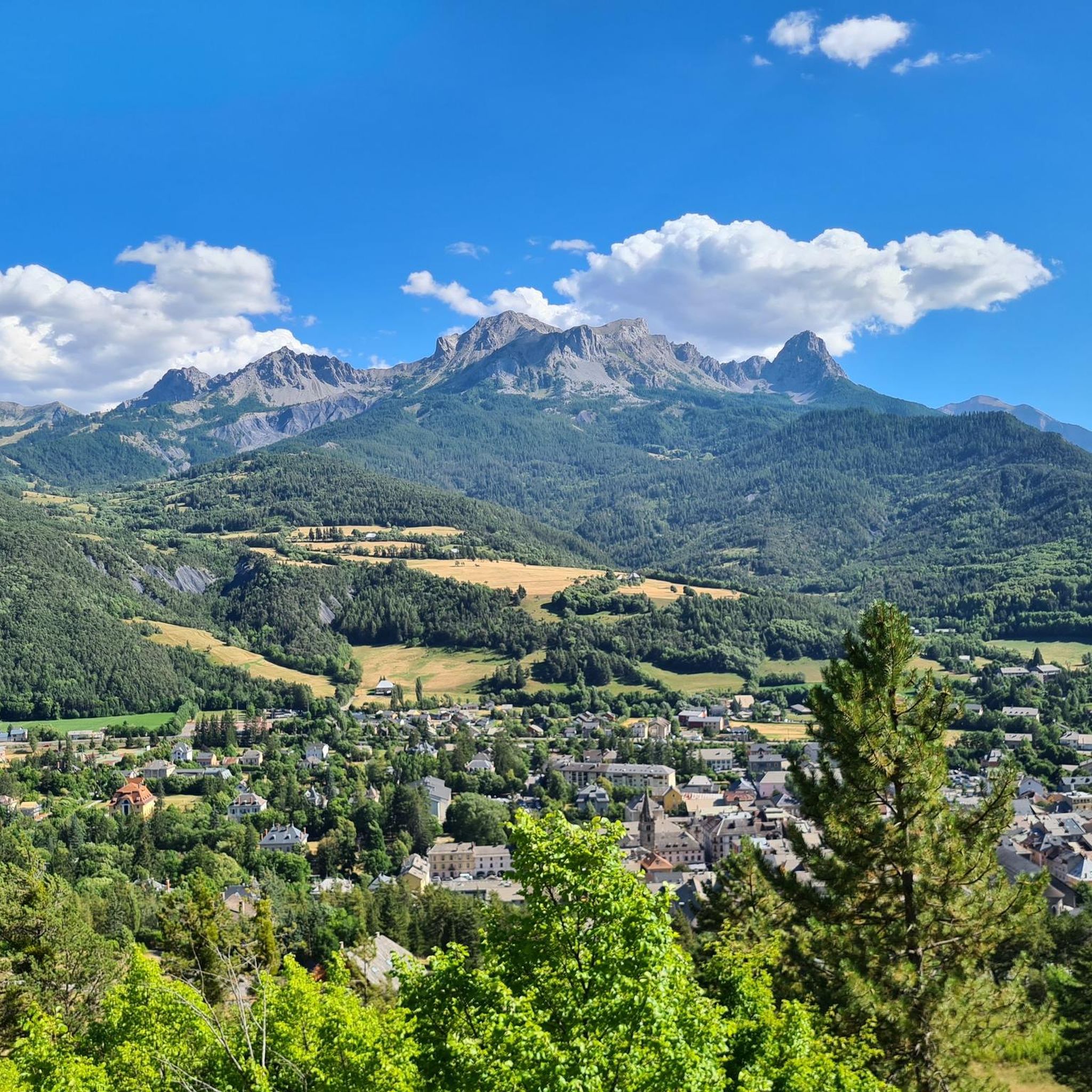
At 2,426 meters, the Méale is a summit of the Parpaillon massif which offers beautiful views of the Serre-Ponçon lake in particular. We can see the reservoir extending along its entire length.
2
0

Culminating at 2909m, the summit of the Grande Séolane offers a 360° view of the surrounding mountains and massifs (Tête de l’Estrop, Écrins, Mercantour and even Mont Blanc). The ascent can be done from the South, thanks to the beautiful chimney of Lou Chiminet which does not pose a problem for experienced hikers, at least on the way up, or by the “Normal Route”, to the East, passing through the Col des Thuiles, which is very easy and very well indicated. I personally recommend the ascent by Lou Chiminet and the descent by the “Normal Route” to easily complete the loop. However, be careful of the snowfields that can remain in the corridor at the beginning of the season…
4
0

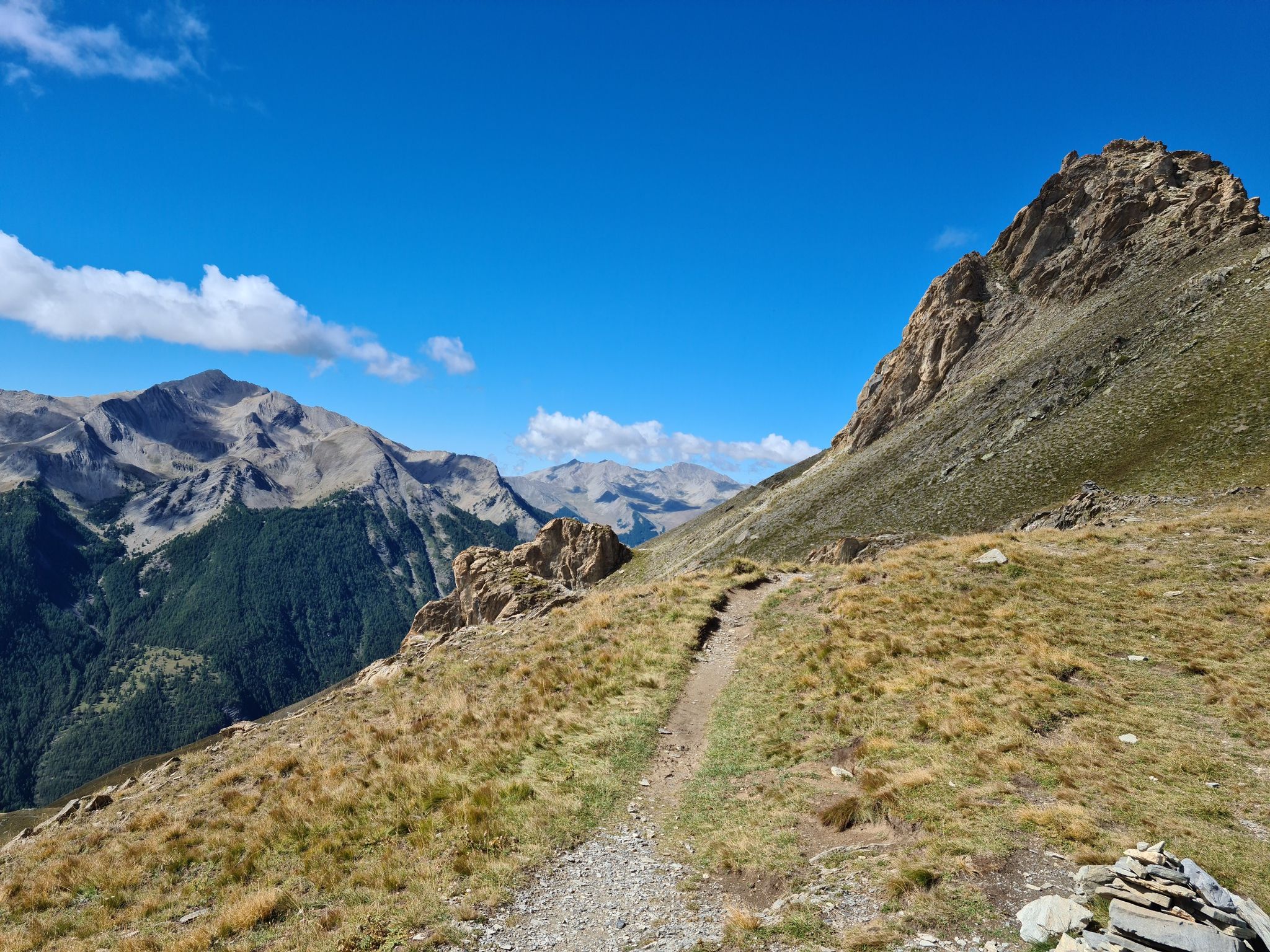
Located at 2575 meters, Tête de la Sestrière offers a beautiful panorama of the valleys below and the mountains that surround it. A magnificent hike from Laverq!
1
0
The Meale is located at an altitude of 2,426 m. From here we have a splendid view of the Embrunnais and the Parpaillon massif!
0
0

grandiose climb to the highest Alpine pass, depending on the definition (if you take the additional loop with you) - very beautiful but eternally long mountain and for many Alpine crossers the last giant before Nice
1
0

At an altitude of 2,575 meters, the Tête de la Sestrière offers a superb 360-degree panorama of the Laverq valley, the Agneliers valley and the summits of Petite Séolane and Grande Séolane, Tête de l'Estrop and the Three Bishoprics.
2
0

Superb hike starting from La Foux d'Allos, in the middle of marmots and herds (be careful with dogs). Magnificent panorama at the top.
2
0

Quite a challenge, this long but very beautiful climb. Don't make the mistake to stop at the Chalet 2000 but make sure you finish on the top. The view is really amazing and the descent is so much nicer. One of my personal favorites.
1
0
Frequently Asked Questions
What are some of the most popular mountain peaks to explore around Saint-Pons?
The region around Saint-Pons offers a variety of impressive peaks. In the Alpes-de-Haute-Provence, popular choices include The summit of Méale, known for its views of Lake Serre-Ponçon, and Tête de la Sestrière, offering a superb 360-degree panorama. In the Haut-Languedoc, Puech de Rascas is the highest point, providing diverse biodiversity and geological formations.
Are there challenging mountain climbs in the Saint-Pons region?
Yes, for those seeking a challenge, the Saint-Pons area provides several options. Gendarme's Hat features steep sections of climbing, rewarding with magnificent views of the Ubaye Valley. The Grande Séolane, culminating at 2909m, offers a 360° view and can be ascended via the challenging Lou Chiminet chimney for experienced hikers. Additionally, the Caroux and Espinouse Massifs in Haut-Languedoc present rugged terrain suitable for more demanding ascents.
What kind of natural features and viewpoints can I expect to see from the mountain peaks?
From the peaks in Alpes-de-Haute-Provence, you can expect expansive alpine panoramas. Tête de la Sestrière offers views of the Laverq and Agneliers valleys, while The summit of Méale provides stunning vistas of Lake Serre-Ponçon. Pic de Morgon is particularly noted for its unique view encompassing almost the entirety of Lake Serre-Ponçon. In the Haut-Languedoc, the Caroux massif offers an orientation table at its summit with expansive views of the Bas Languedoc, the Biterrois plains, and the Mediterranean.
Are there family-friendly mountain walks or easy hikes available near Saint-Pons?
While specific 'family-friendly' categories aren't listed for individual peaks, many areas offer varied routes. The Parc naturel régional du Haut-Languedoc, near Saint-Pons-de-Thomières, features diverse landscapes with forests and gorges, which can include easier sections suitable for families. For specific hiking routes, you can explore the Hiking around Saint-Pons guide, which includes moderate difficulty trails like the 'Le Riou Bourdoux loop from Saint-Pons'.
What outdoor activities can I do near these mountain peaks besides hiking?
Beyond hiking, the regions around Saint-Pons offer a wide array of outdoor activities. In the Alpes-de-Haute-Provence, the Ubaye Valley is known for cycling and rock climbing. Near Saint-Pons-de-Thomières, within the Parc naturel régional du Haut-Languedoc, you can enjoy cycling, rock climbing, and watersports on its lakes and rivers. For cycling routes, check out the Cycling around Saint-Pons guide.
What is the best time of year to visit the mountain peaks around Saint-Pons for hiking?
The best time to visit largely depends on the specific region and desired activity. For the alpine peaks in Alpes-de-Haute-Provence, late spring to early autumn (June to September) generally offers the most favorable conditions for hiking, with less snow and milder temperatures. For the Haut-Languedoc region, with its blend of Atlantic and Mediterranean influences, spring and autumn can be particularly pleasant, avoiding the summer heat and winter chill.
Are there any hidden gem mountain hikes or less-known peaks worth exploring?
While not explicitly 'hidden gems' in the data, the diverse nature of the regions suggests many opportunities for discovery. The Ascent of the Cime de la Bonette from Jausiers, though a mountain pass, offers a 'grandiose view' and is a rewarding, albeit challenging, experience. Exploring the varied routes within the Caroux and Espinouse Massifs in Haut-Languedoc can also lead to less-trafficked paths and unique perspectives.
Can I find circular walks around the mountain peaks near Saint-Pons?
Yes, circular walks are available. For instance, the Hiking around Saint-Pons guide lists routes like the 'Le Riou Bourdoux loop from Saint-Pons' and the 'West bank riou bourdoux – Refuge de la Pare loop from Saint-Pons'. For mountain-specific loops, the Mountain Hikes around Saint-Pons guide includes options such as the 'Chapeau de Gendarme Summit loop from Enchastrayes'.
What are the highest peaks in the Saint-Pons area?
In the Alpes-de-Haute-Provence, the Grande Séolane stands out, culminating at 2909m. Tête de la Sestrière reaches 2,575 meters. In the Parc naturel régional du Haut-Languedoc, Puech de Rascas is the highest and most prominent mountain at 1,270 meters.
Are there specific routes for mountain hiking or mountaineering near Saint-Pons?
Yes, there are dedicated routes for mountain hiking and mountaineering. The Mountain Hikes around Saint-Pons guide provides several options, including challenging routes like the 'Tête de Louis XVI loop from Les Clots' and the 'Cabane de Plan-Bas loop from Parking Audemard', catering to those looking for more demanding ascents.
What do visitors particularly enjoy about the mountain peaks around Saint-Pons?
Visitors frequently praise the breathtaking panoramas and diverse landscapes. Many highlight the superb 360-degree views from peaks like Tête de la Sestrière and the unique perspective of Lake Serre-Ponçon from The summit of Méale. The challenging yet rewarding climbs, such as those to Gendarme's Hat, are also highly appreciated for their effort-to-reward ratio in terms of views.
Is it possible to hike in the mountains around Saint-Pons during winter?
Winter hiking in the alpine regions of Alpes-de-Haute-Provence is possible but requires appropriate gear, experience, and awareness of snow conditions and avalanche risks. Many trails may be covered in snow, making them suitable for snowshoeing or ski touring. The Haut-Languedoc region might offer more accessible winter hiking options at lower altitudes, depending on snow accumulation. Always check local weather and trail conditions before heading out.
Most popular routes around Saint-Pons
Most popular attractions around Saint-Pons

Get inspired with the komoot mobile app


Explore more
See even more amazing summits around Saint-Pons with these guides:
