Top 20 Castles in Pisa
Best castles in Pisa offer a journey through history in the heart of Tuscany. The region, known for its iconic leaning tower, also features a diverse landscape of rolling hills, river valleys, and coastal areas. Many of these historical structures, often referred to as a "castello pisa," are strategically located on elevated points, providing panoramic views of the surrounding countryside. Exploring a Pisa castle provides insight into centuries of regional power and architectural evolution.
Best castles in Pisa
- The most…
Last updated: October 2, 2026
Verruca Fortress
Highlight • Castle
Translated by Google •
Tip by

Upezzinghi Tower (Caprona Tower)
Highlight • Castle
Translated by Google •
Tip by

Sign up now to discover places like this
Get recommendations on the best single tracks, peaks, & plenty of other exciting outdoor places.
Medici Fortress of Volterra
Highlight • Historical Site
Translated by Google •
Tip by

Castello di Querceto
Highlight • Castle
Translated by Google •
Tip by

The Castle of Lari (Lari Fortress, Pisa)
Highlight • Castle
Tip by

Brunelleschi’s Fortress of Vicopisano
Highlight • Castle
Translated by Google •
Tip by

Rocca di Berignone (Castle of the Bishops)
Highlight • Castle
Translated by Google •
Tip by

San Miniato Cathedral and Clock Tower
Highlight • Religious Site
Translated by Google •
Tip by

Rocca di San Paolino di Ripafratta
Highlight • Castle
Translated by Google •
Tip by
Palaia Historic Town Center
Highlight • Historical Site
Translated by Google •
Tip by

Sign up for free to discover even more castles in Pisa.
Already have an account?
Start today with a free account
Your next adventure awaits.
Popular around Pisa
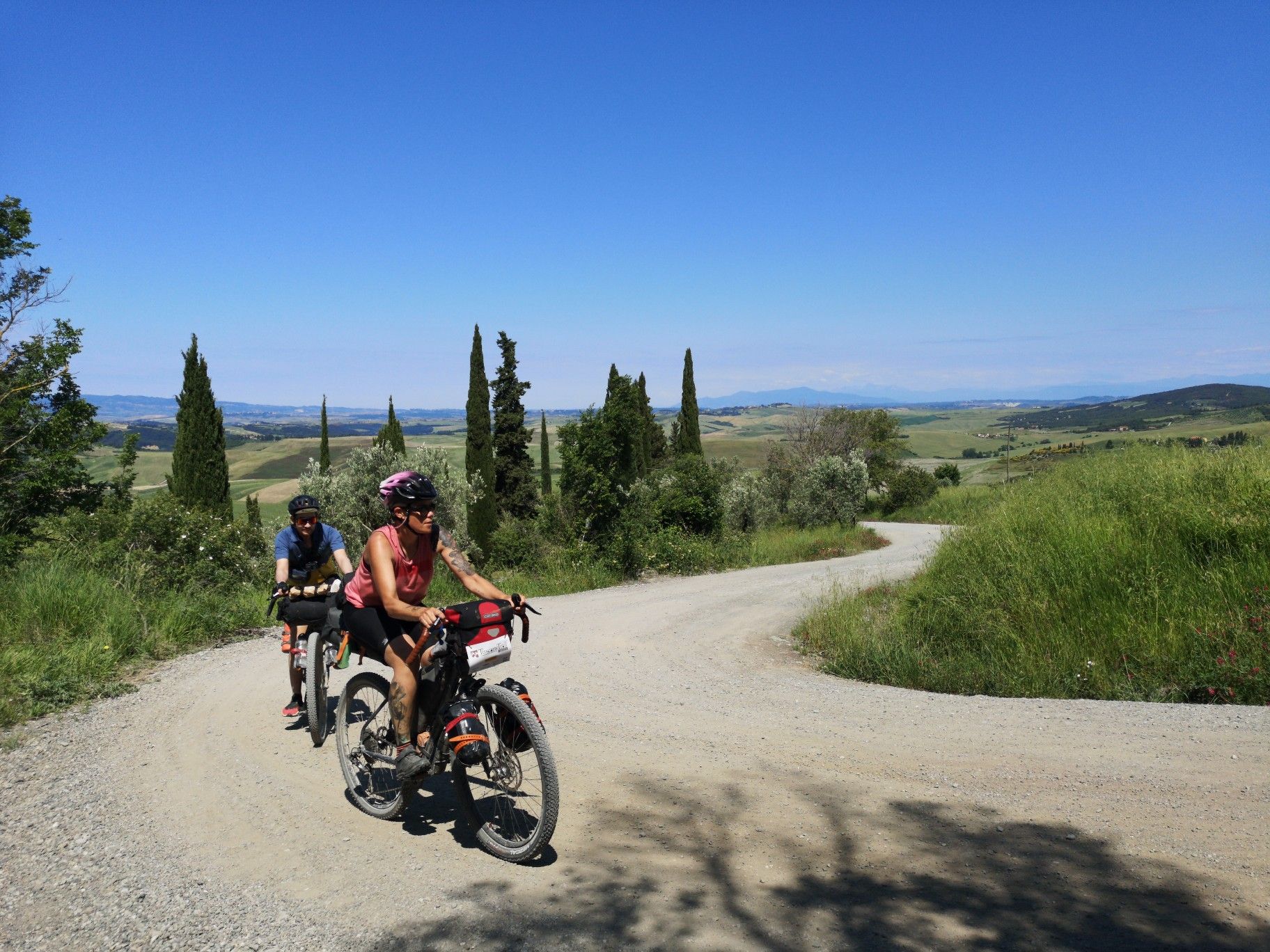
The Tuscany Trail – bikepacking in the heart of Italy
Naples to North Cape — Two friends, one purpose and many scoops of ice-cream
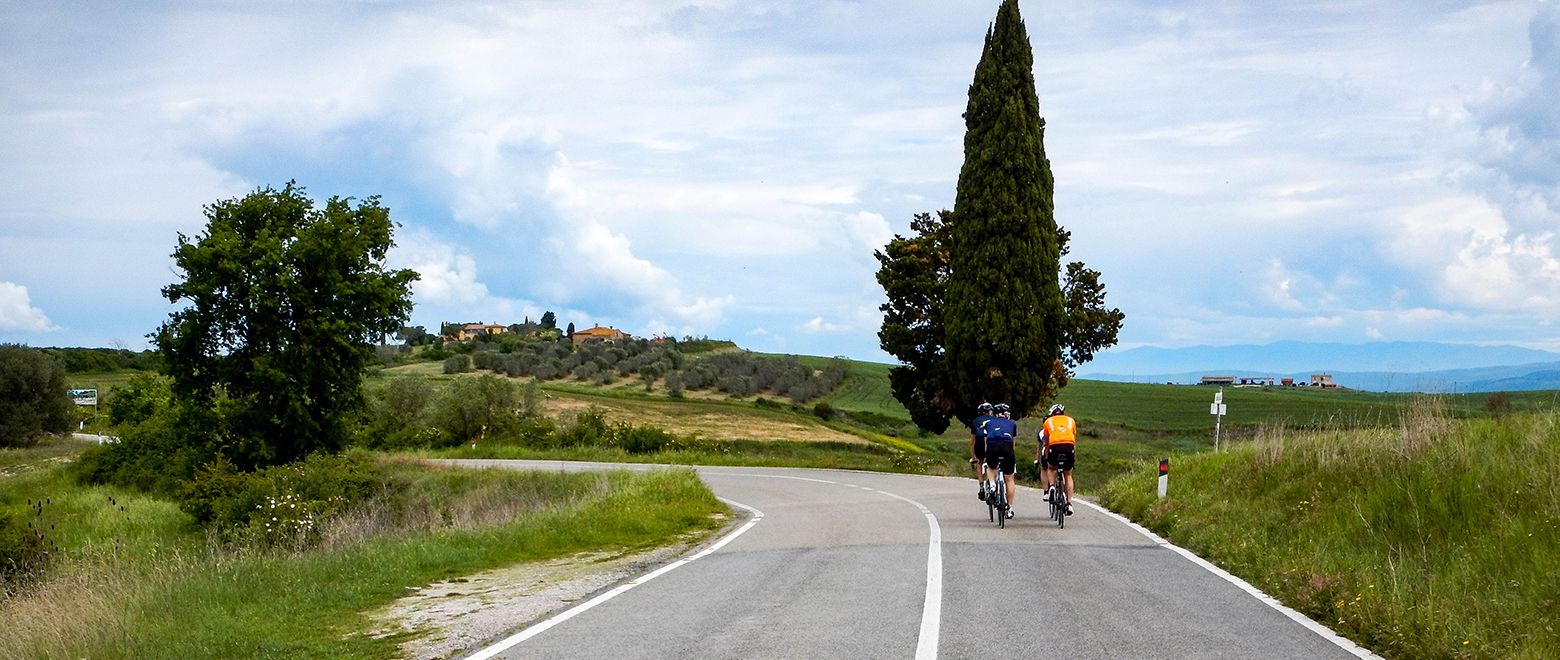
A heavenly week cycling in Tuscany
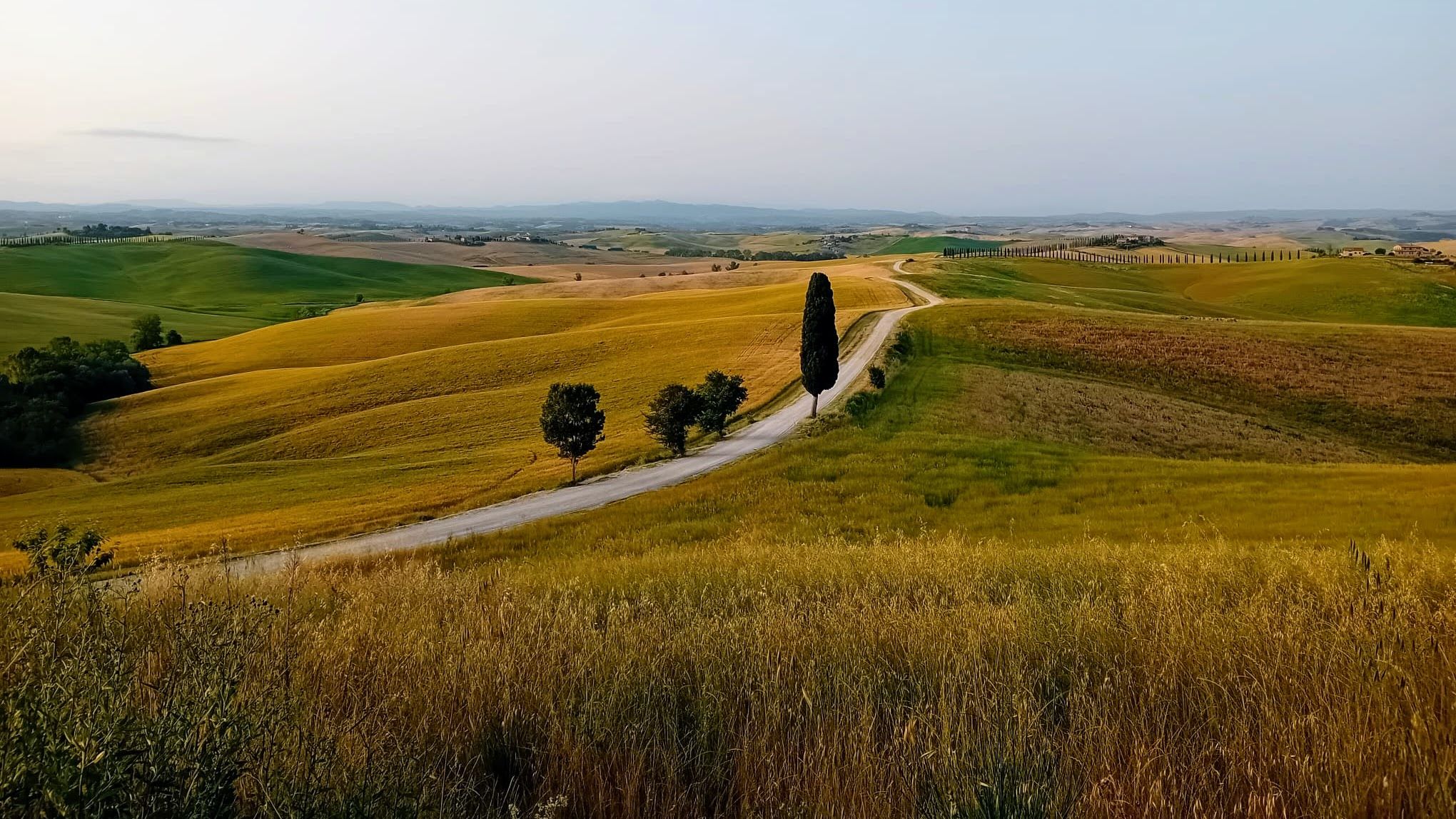
Tuscany by bike – history, cypresses and the Strade Bianche
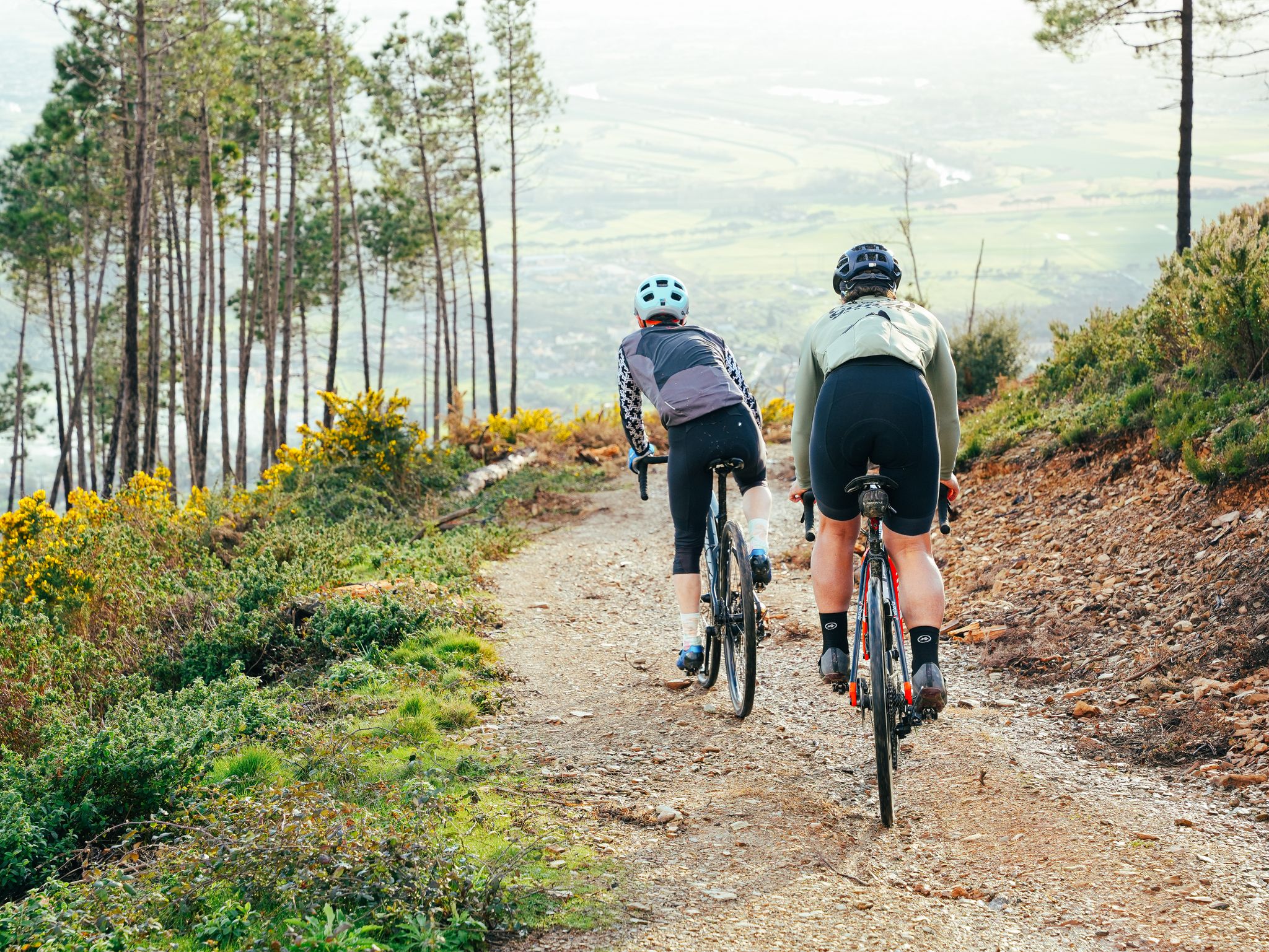
Terre di Pisa Bike Trail – 500 km in the saddle in beautiful Tuscany
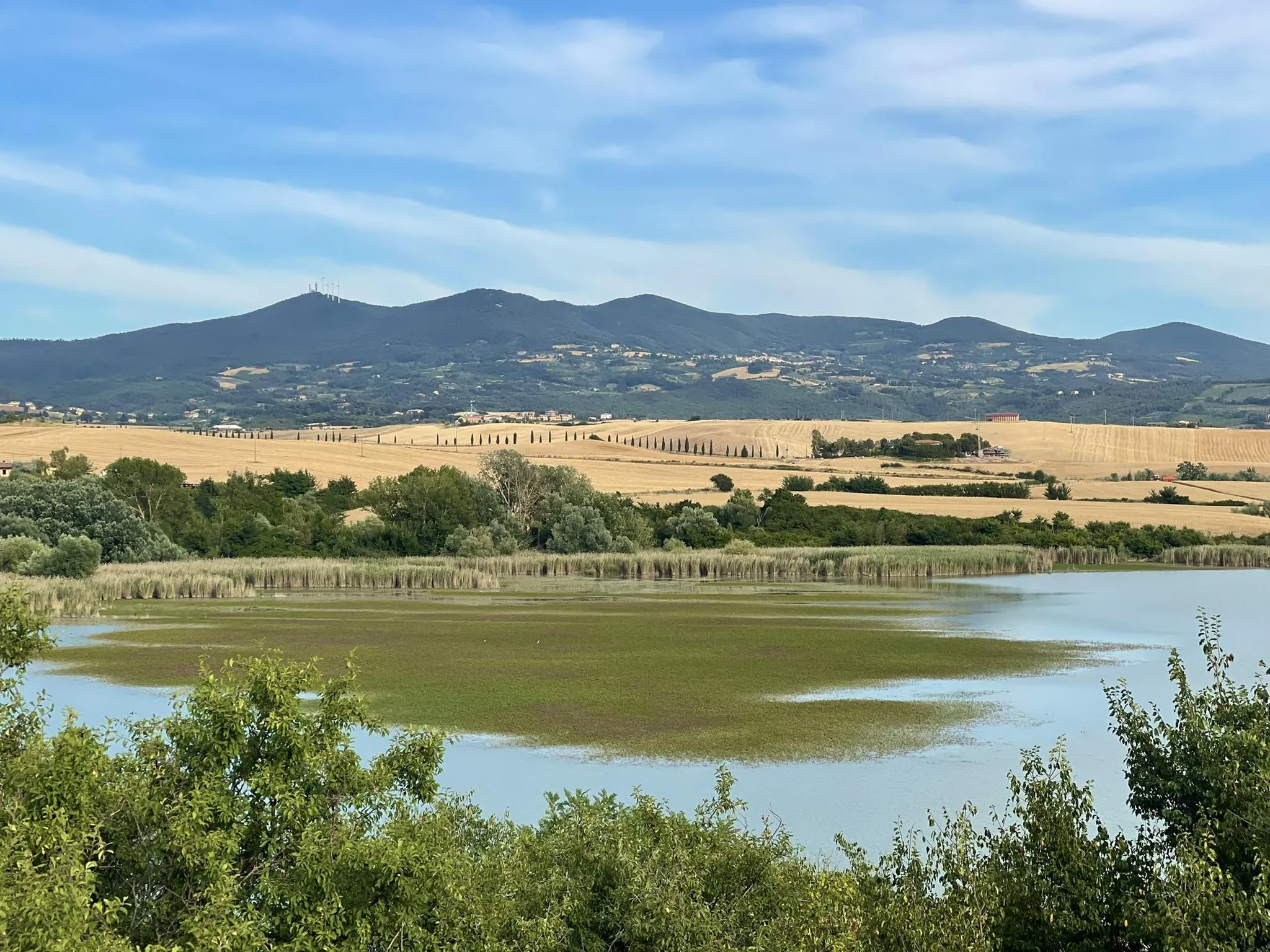
Bike touring between spas and villages – Santa Luce lake and Livorno hills
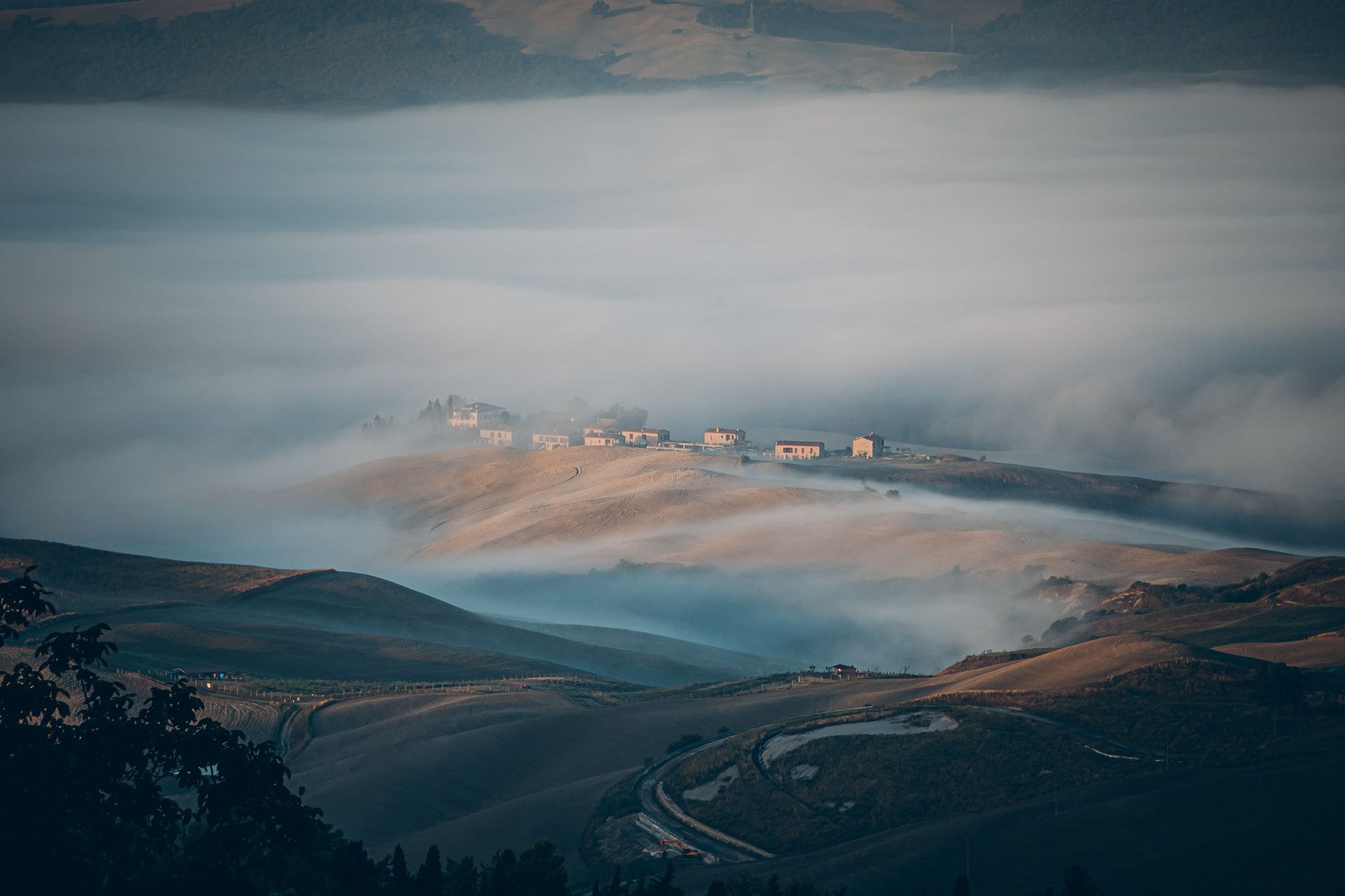
Between the Pisan hills and famous cliffs – Volterra and Valdicecina
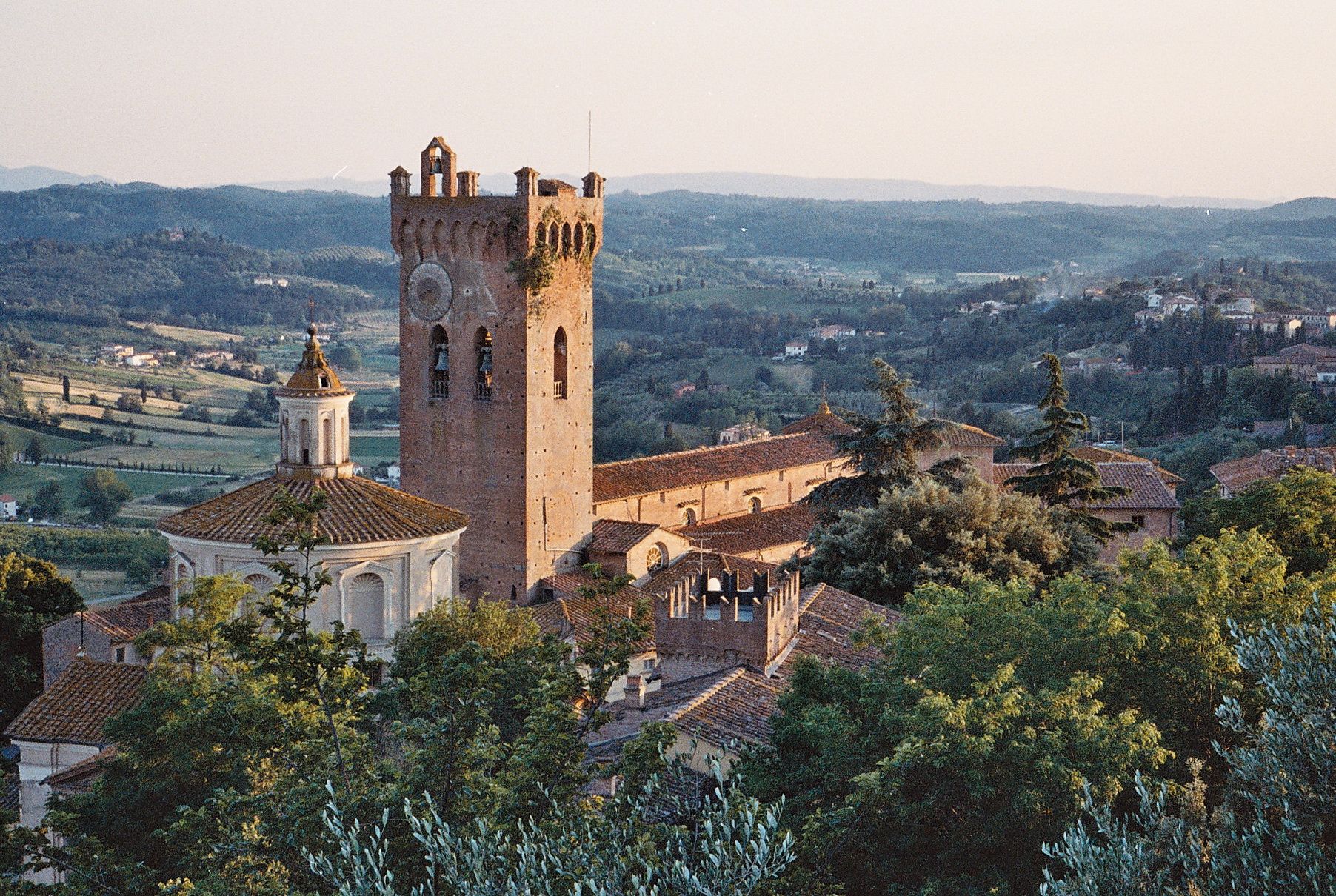
Discover the white truffle of San Miniato – cycling in Tuscany
A cycling pilgrimage — history and nature on Italy’s Via Francigena
Costellazione dei percorsi cicloturistici di Peccioli
Other adventures in Pisa


Tips from the Community

The Rocca della Verruca is an ancient ruined fortification located on the summit of Monte Verruca (537 meters above sea level), on the border between the municipalities of Calci and Vicopisano, in the province of Pisa. Main information Location: Monti Pisani, it dominates the Pisan plain with a view stretching to the Tyrrhenian Sea. History: The first traces date back to 780 AD, but the current structure was built in the 13th century by the Republic of Pisa as a defensive outpost ("eye of the Pisans"). It was renovated in 1509 by Antonio da Sangallo and Luca del Caprina
0
0
The Torre degli Upezzinghi, also known as Torre di Caprona, is a striking structure located on a rocky spur in the municipality of Vicopisano, in the province of Pisa. Although it is a 19th-century copy erected by the Upezzinghi family, it stands on the site of an ancient medieval castle dating back to the mid-11th century and dismantled by the Florentines in 1433. This place is famous in Italian history and literature for being the scene of a celebrated battle in 1289 in which the young Dante Alighieri participated, who later expressly mentioned the siege of Caprona in the 21st canto of the Inferno in the Divine Comedy.
0
0

La Rocca della Verruca is an ancient ruined fortification located on the summit of Monte Verruca (537 meters above sea level) in the municipality of Calci, in the province of Pisa. It was the most important strategic observation point of the Republic of Pisa on the Monti Pisani. From up there, the Pisan plain and the Arno valley were controlled. In case of danger, the garrison would warn Pisa and the nearby castles with fires and flags. The first evidence dates back to the year 780, but the current fortress was built in the 13th century and was long contested with Florence before falling in the 16th century.
1
0
The Rocca della Verruca is an ancient ruined fortification located on the summit of Monte Verruca (537 meters above sea level) in the municipality of Calci, in the province of Pisa. It was the most important strategic observation point of the Republic of Pisa on the Monti Pisani. From up there, the Pisan plain and the Arno valley were controlled. In case of danger, the garrison would warn Pisa and the nearby castles with fires and flags. The first evidence dates back to the year 780, but the current fortress was built in the 13th century and was long contested with Florence before falling in the 16th century.
1
0
The Castello di Querceto is a historic medieval fortress and a renowned winery located in the heart of Chianti Classico, precisely in the municipality of Greve in Chianti (FI). Since 1897, the property has belonged to the François family, who have transformed the estate into an international benchmark for Tuscan wine production.
0
0

A jewel nestled among the hills of Val di Cecina, Castello di Querceto dominates the landscape with its discreet and timeless elegance. 🚴♂️✨ 🌾 Surrounded by vineyards and white roads, it represents one of the most evocative points of passage in the area of Montecatini Val di Cecina. 📸 The contrast between the historic architecture of the castle and the Tuscan rural landscape makes it a perfect spot for a photo stop.
0
0

The majestic and powerful fortress was built on the highest point of the city. Today it is used as a state prison.
0
0

Perched on a rocky spur in the Cecina valley, the Rocca di Berignone, also known as the Bishops' Castle or Torraccia, is a place that smells of history and legend. Already mentioned in 896, it was a bastion of the episcopal power of Volterra, a refuge and symbol of resistance in the struggles against the Municipality. Besieged, rebellious, conquered by the Sienese in 1399, it then began its slow decline. Today, its imposing ruins emerge among the woods of Berignone, silent witnesses of a tumultuous past, framed by a landscape that still retains a wild and fascinating aura.
4
0
Frequently Asked Questions
Are there family-friendly castles to visit in the Pisa region?
Yes, several castles in the Pisa region are suitable for families. The Castle of Lari (Lari Fortress, Pisa) is a great option, offering guided tours and various events. Castello di Querceto is located in a delightful hamlet and offers wine tourism tours, which can be an interesting experience for older children. The Upezzinghi Tower (Caprona Tower) is also listed as family-friendly and offers historical insights.
Which castles in Pisa are best for history enthusiasts?
For history buffs, The Castle of Lari (Lari Fortress, Pisa), started around the year 1000, offers a deep dive into regional history with guided tours and exhibitions. Verruca Fortress provides a glimpse into an ancient defensive structure dominating the Pisan plain. The Medici Fortress of Volterra and Brunelleschi’s Fortress of Vicopisano are also significant historical sites worth exploring.
Can I find guided tours for castles in the Pisa area?
Yes, guided tours are available for some castles. The Castle of Lari (Lari Fortress, Pisa) explicitly mentions offering guided tours, which can be booked. Castello di Querceto also organizes wine tourism tours, providing a guided experience of the castle and its vineyards.
What is the best time of year to visit castles in Pisa?
The spring (April-May) and autumn (September-October) months are generally ideal for visiting castles in Pisa. The weather is pleasant for exploring outdoor sites like Verruca Fortress, which involves a walk to the summit. During these seasons, you can avoid the intense summer heat and the cooler, potentially wetter winter months, making for a more comfortable experience.
Are there castles near Pisa that offer panoramic viewpoints?
Absolutely. Many castles in the Pisa region are strategically located on elevated points, offering stunning views. Verruca Fortress, situated on Monte Verruca, provides panoramic views of the Pisan plain and Arno valley. Castello di Querceto and Rocca di Berignone (Castle of the Bishops) also offer great viewpoints. Additionally, the Upezzinghi Tower (Caprona Tower) and San Miniato Cathedral and Clock Tower are known for their scenic outlooks.
What outdoor activities can I do near these castles?
The Pisa region offers various outdoor activities near its castles. You can find numerous hiking trails, including easy options and more challenging routes. For instance, you can explore waterfall hikes in Pisa or enjoy easy hikes in Pisa. If you're into cycling, there are also opportunities for gravel biking in Pisa. You can find detailed routes and guides for these activities on komoot.
Are there any hidden gem castles in the Pisa region?
While many castles are well-known, exploring smaller, less frequented sites can reveal hidden gems. The Rocca di San Paolino di Ripafratta and Rocca di Berignone (Castle of the Bishops) might offer a more secluded experience. Additionally, the historic town centers like Palaia Historic Town Center, which has castle elements, can provide a charming, less crowded exploration of local history and culture.
Are there cafes or restaurants near the castles in Pisa?
Yes, some castles are located near or within settlements that offer dining options. Castello di Querceto is in a delightful hamlet where you might find a local restaurant or cafe. The San Miniato Cathedral and Clock Tower is part of San Miniato, a city known for its good cuisine and white truffles, offering various dining choices. Exploring the historic town centers like Palaia Historic Town Center or Brunelleschi’s Fortress of Vicopisano will also likely lead you to local eateries.
What is the typical duration needed to visit a castle in Pisa?
The time needed to visit a castle varies. For a site like Verruca Fortress, you'd need about 20 minutes for the walk to the summit after parking, plus time to explore the ruins. For castles offering guided tours, such as The Castle of Lari (Lari Fortress, Pisa), a visit could range from 1 to 2 hours, depending on the tour length and your interest in exhibitions. If you're combining a castle visit with exploring a surrounding village, plan for a half-day.
Are there any castles in the Pisa region that are dog-friendly?
While specific dog-friendly policies for each castle are not always explicitly stated, outdoor castle ruins and their surrounding areas, such as Verruca Fortress, are often more accommodating for dogs on a leash. For indoor sections or guided tours, it's always best to check directly with the specific castle or site beforehand. Many smaller villages and their historical centers, like the one surrounding Castello di Querceto, are generally pleasant for walks with dogs.
What are the opening hours for castles in the Pisa region?
Opening hours can vary significantly between castles and throughout the year. For example, The Castle of Lari (Lari Fortress, Pisa) has seasonal hours, with more extensive opening times during the summer months (June-September) and reduced hours in spring, autumn, and winter, often limited to weekends and holidays. It's highly recommended to check the official website or contact the specific castle directly for the most up-to-date information before your visit.
Most popular routes in Pisa
Most popular attractions in Pisa

Get inspired with the komoot mobile app


Didn’t find what you were looking for?
Explore Pisa’s best castles region by region:
Explore more
Looking for the best castles somewhere else? Discover other guides in Pisa:
