The 20 Most Amazing Peaks in Pisa
Mountain peaks in Pisa offer diverse landscapes, ranging from the sub-Apennine Monti Pisani to the more rugged Apuan Alps. The region is characterized by its varied terrain, including olive groves on lower slopes and dense forests higher up. These peaks provide panoramic views of the Pisan plain, the city, and the coastline. The area combines natural beauty with historical significance, featuring ancient fortresses and unique geological formations.
Best mountain peaks in Pisa
- The most popular mountain peaks is Verruca Fortress, a castle that stands on the top of Monte Verruca. This historical site offers elevated views of the Pisan plain and the Arno valley.
- Another must-see spot is Monte Faeta Summit View, a summit and viewpoint. Visitors can expect panoramic views of Pisa, the Arno, and the sea, with distant islands visible on clear days.
- Visitors also love Dolorosa Rock, a summit known for its strategic position. It is notable for being the peak from which watershed lines between the Vicopisano, Buti, and Calci valleys begin.
- Pisa is known for summits, viewpoints, and historical sites. The region offers a variety of mountain peaks to see and explore, from challenging climbs to intermediate trails.
- The mountain peaks in Pisa are appreciated by the komoot community, with more than 150 upvotes and over 40 photos shared.
Last updated: October 4, 2026
Verruca Fortress
Highlight • Castle
Translated by Google •
Tip by

Dolorosa Rock
Highlight • Summit
It is famous for the fact that the Florentines, engaged in the war against Pisa, in 1496 built a fort with a triangular plan, with the dual purpose of isolating the Verruca fortress and to better control the situation in the three surrounding valleys, the strategic position in fact, being on the point of intersection of the aforementioned watershed lines, it allowed great freedom of action.
Translated by Google •
Tip by

Sign up now to discover places like this
Get recommendations on the best single tracks, peaks, & plenty of other exciting outdoor places.
View of Pisa from Monte Pisano
Highlight • Viewpoint
It is recommended to enjoy the evening atmosphere, which conjures up very beautiful colors in the surrounding landscape and in the reaching to the sea level.
Translated by Google •
Tip by

Certosa di Calci
Highlight • Religious Site
Translated by Google •
Tip by
Ascent to Monte Serra from Calci
Highlight (Segment) • Climb
Translated by Google •
Tip by

Mount Perocchio
Highlight • Summit
From here, proceed on path 00 towards San Giovanni alla Vena along the Perocchio-Agreste ridge with beautiful views of both the town of Vicopisano and the Arno plain.
The return after the short crossing takes place along the old dirt road "dei tre ponti" to the center of the town
Translated by Google •
Tip by

RAI Antennas on Monte Serra
Highlight • Monument
Translated by Google •
Tip by

View of the Pisan Plain from Prato Ceragiola Pass
Highlight • Viewpoint
The summit can be reached starting from Calci, Buti and Sant'Andrea di Compito and on clear days you can enjoy a beautiful view of Pisa, Livorno and the various islands, even reaching Corsica.
Its streets are very popular with road bike lovers and on its numerous trails mountain biking is practiced especially Enduro / Downhill
Translated by Google •
Tip by
Monte Faeta Summit View
Highlight • Summit
Translated by Google •
Tip by

Monte Lombardona Summit & Trails
Highlight • Summit
Translated by Google •
Tip by

Sign up for free to discover even more peaks in Pisa.
Already have an account?
Start today with a free account
Your next adventure awaits.
Popular around Pisa
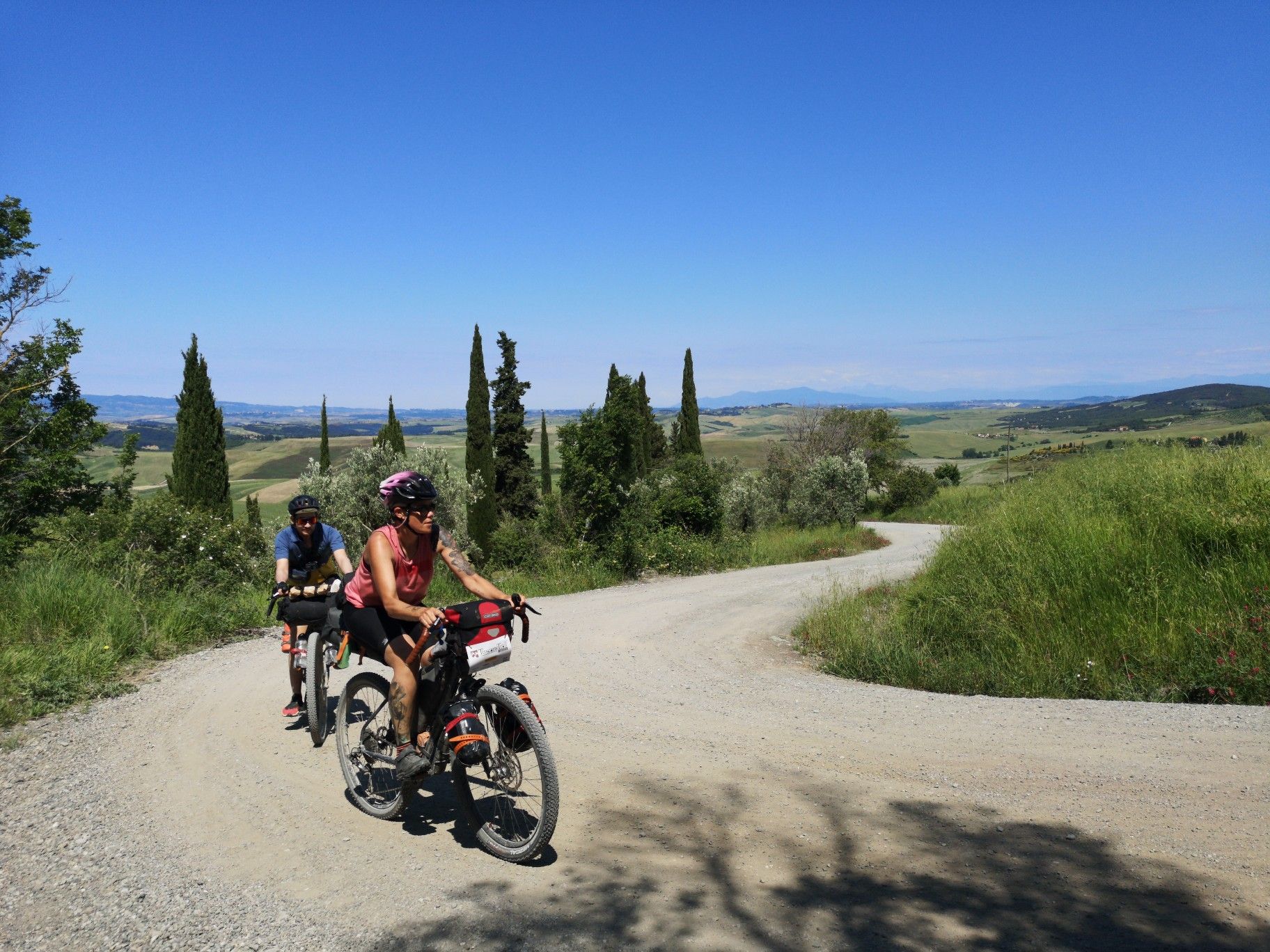
The Tuscany Trail – bikepacking in the heart of Italy
Naples to North Cape — Two friends, one purpose and many scoops of ice-cream
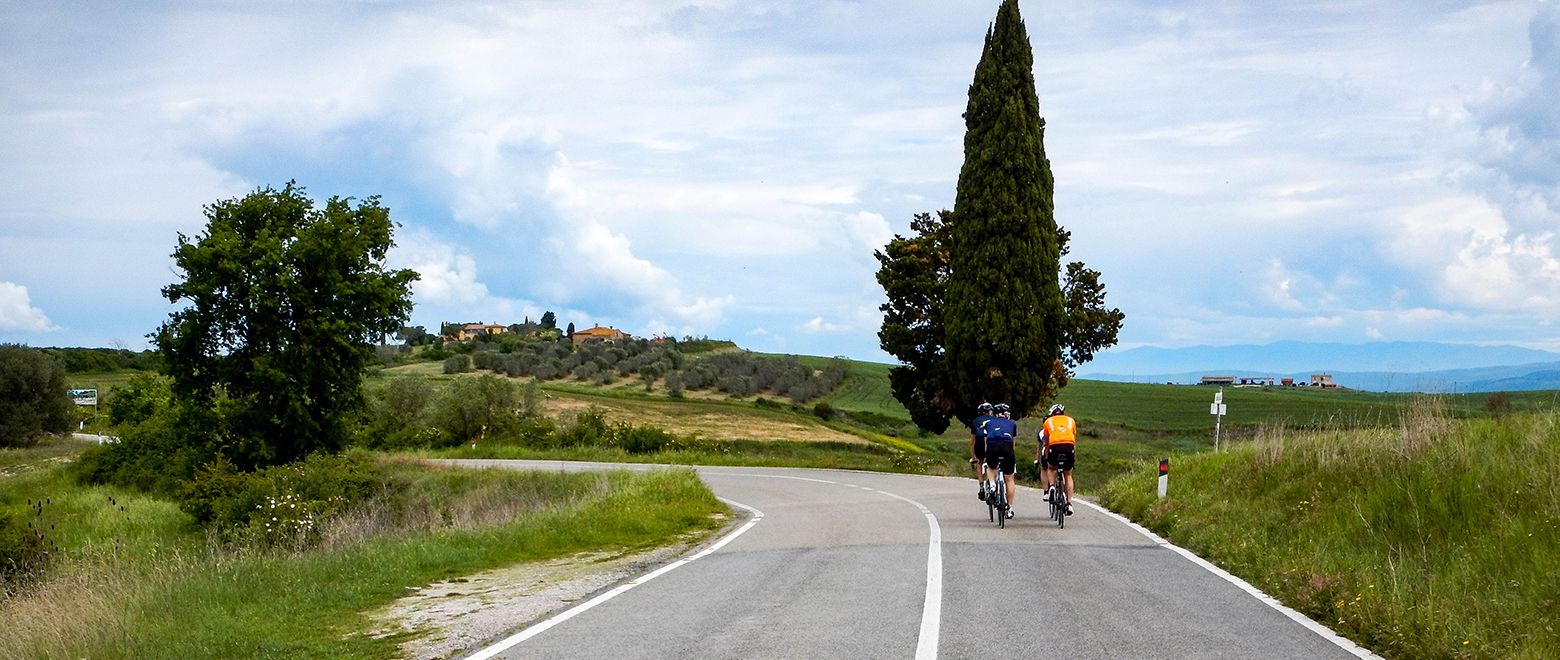
A heavenly week cycling in Tuscany
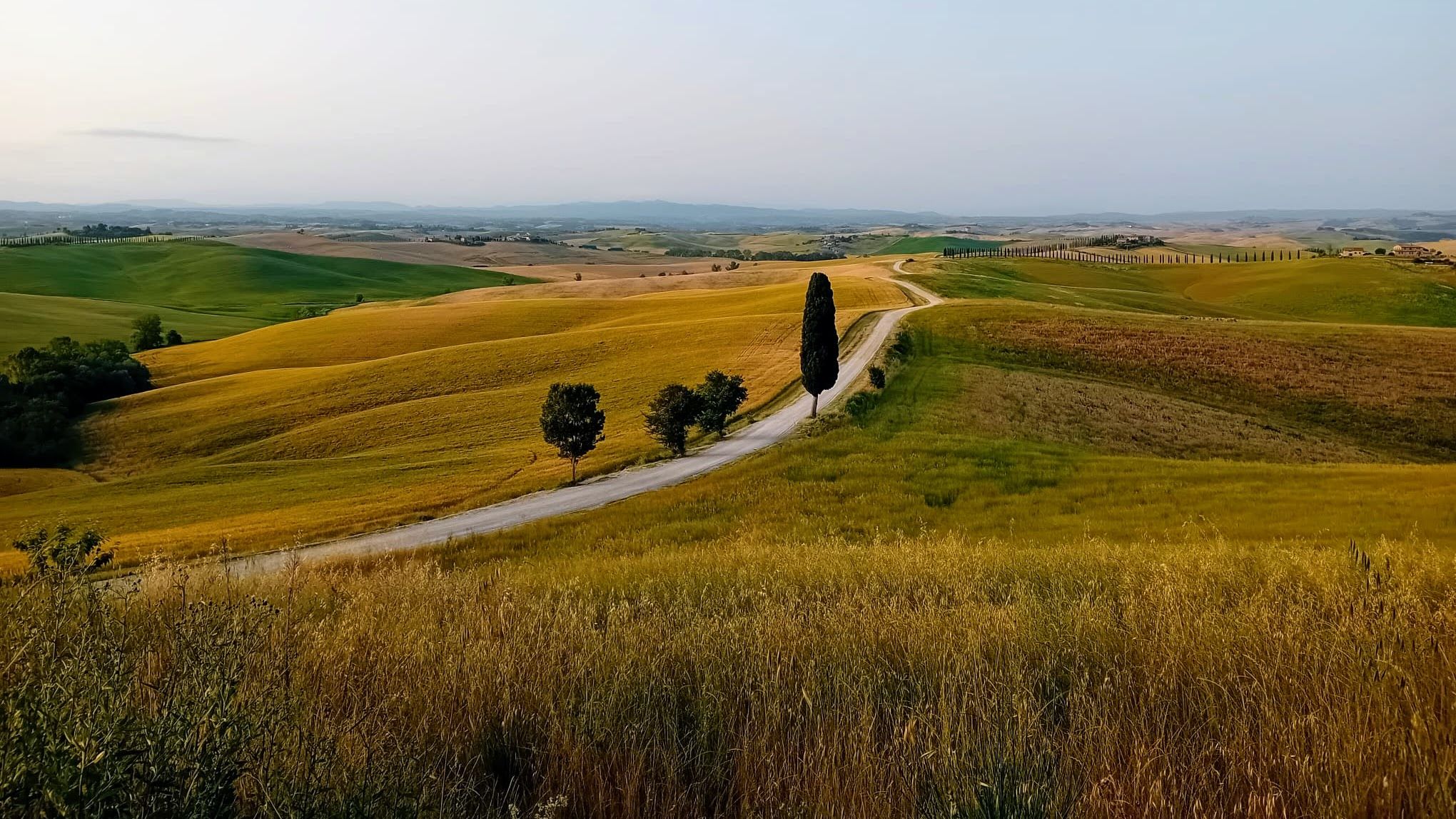
Tuscany by bike – history, cypresses and the Strade Bianche
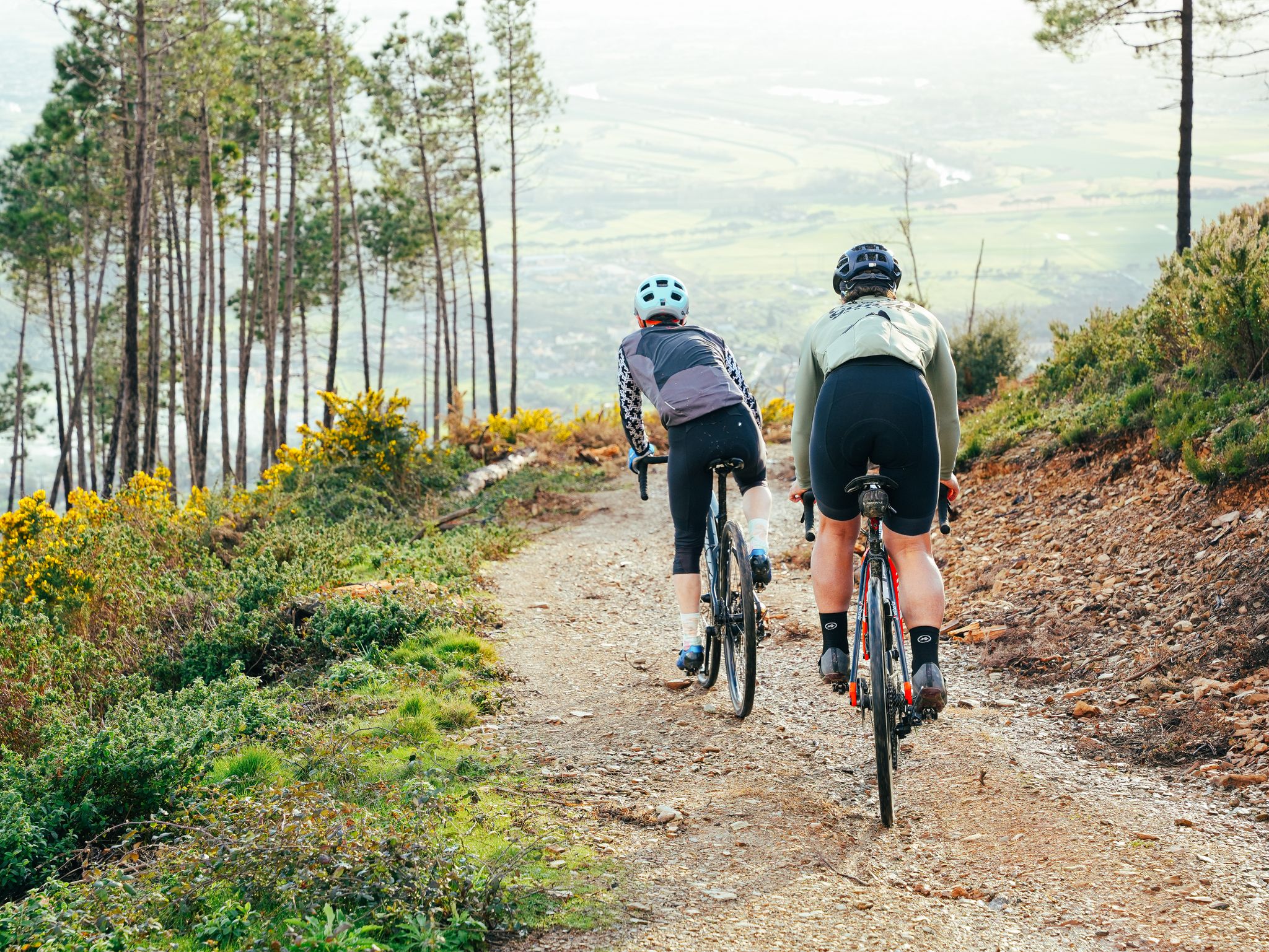
Terre di Pisa Bike Trail – 500 km in the saddle in beautiful Tuscany
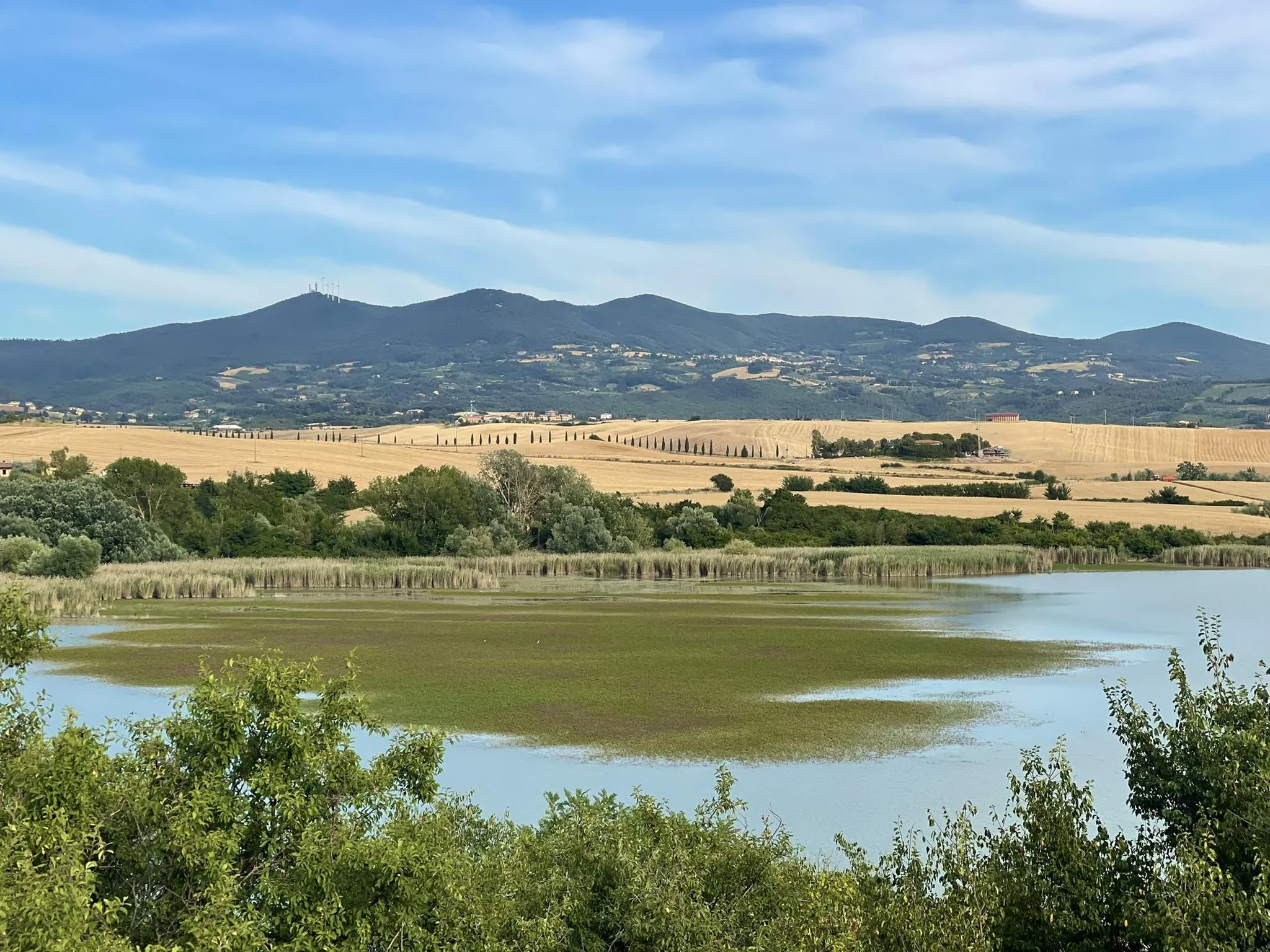
Bike touring between spas and villages – Santa Luce lake and Livorno hills
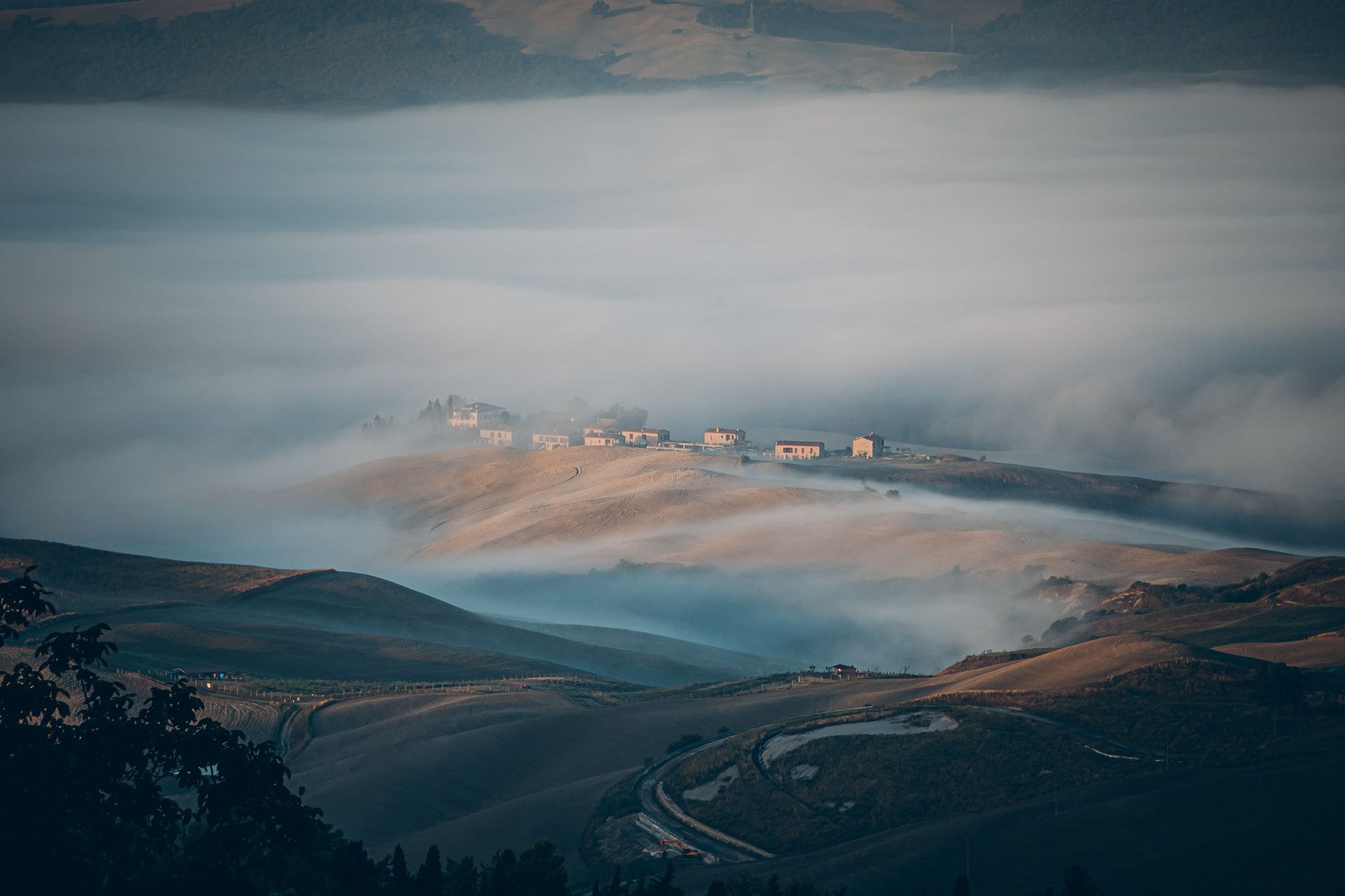
Between the Pisan hills and famous cliffs – Volterra and Valdicecina
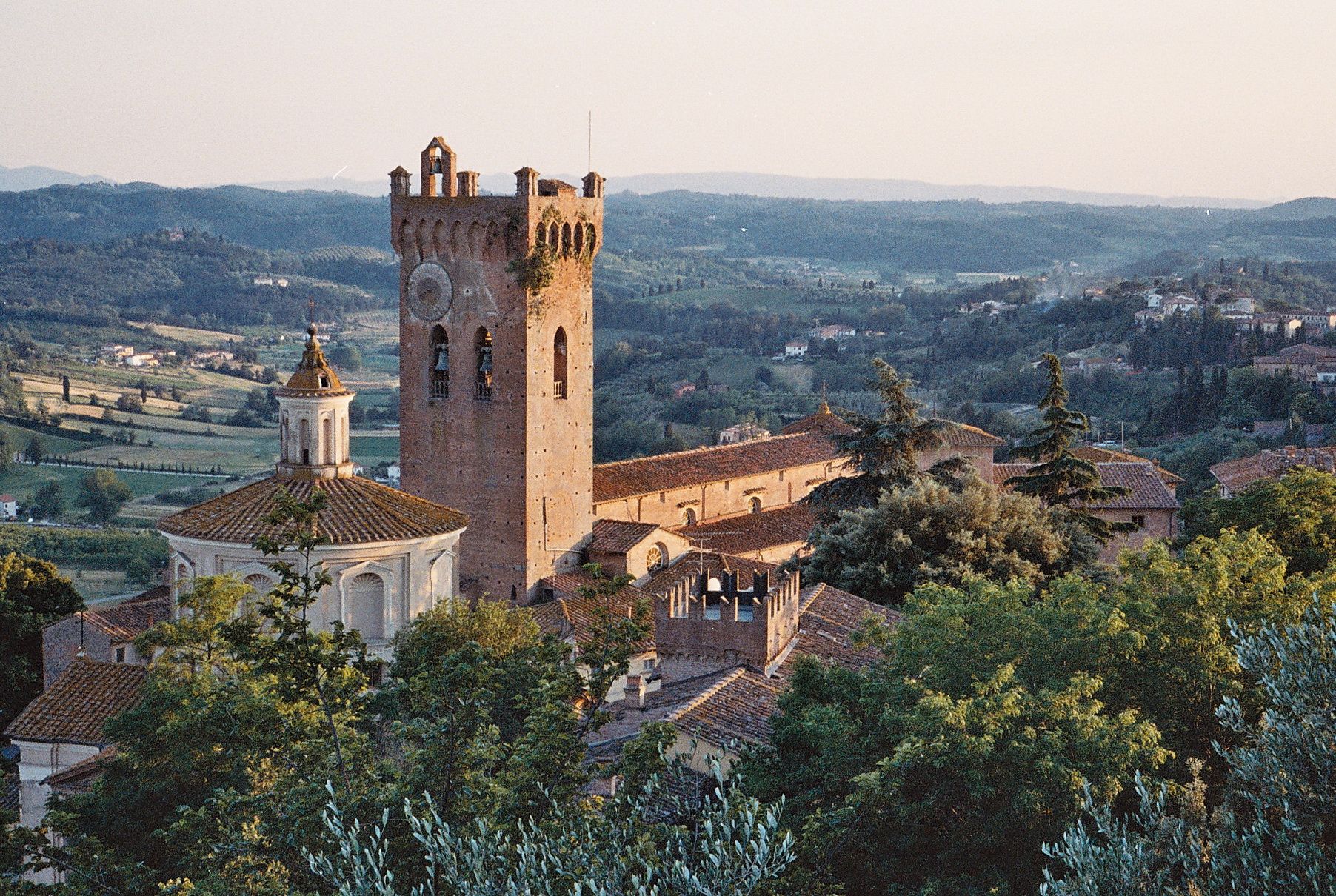
Discover the white truffle of San Miniato – cycling in Tuscany
A cycling pilgrimage — history and nature on Italy’s Via Francigena
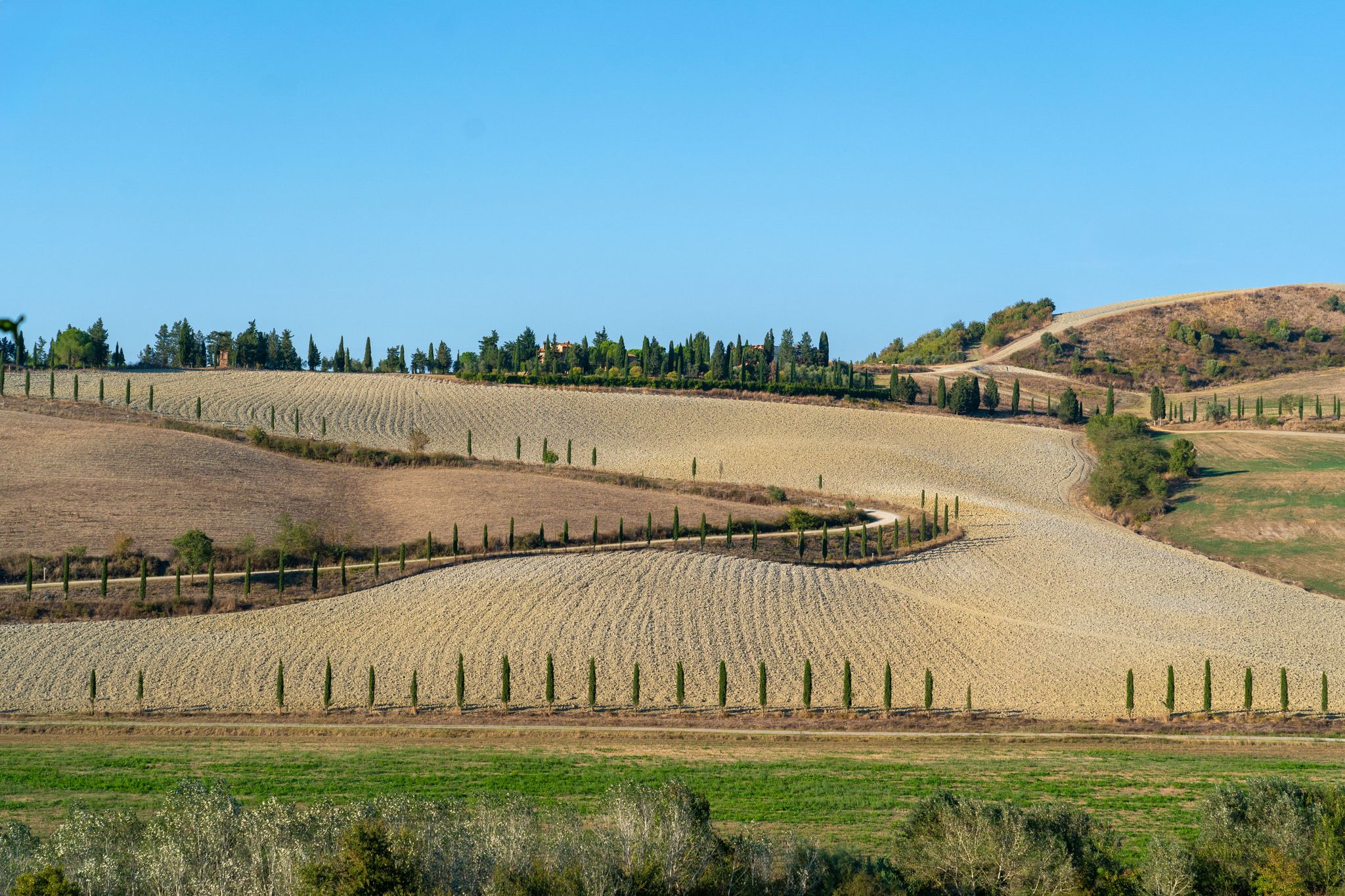
Costellazione dei percorsi cicloturistici di Peccioli
Other adventures in Pisa


Tips from the Community

The Rocca della Verruca is an ancient ruined fortification located on the summit of Monte Verruca (537 meters above sea level), on the border between the municipalities of Calci and Vicopisano, in the province of Pisa. Main information Location: Monti Pisani, it dominates the Pisan plain with a view stretching to the Tyrrhenian Sea. History: The first traces date back to 780 AD, but the current structure was built in the 13th century by the Republic of Pisa as a defensive outpost ("eye of the Pisans"). It was renovated in 1509 by Antonio da Sangallo and Luca del Caprina
0
0
The Certosa di Calci (also known as Certosa di Pisa or di Val Graziosa) is one of the most extraordinary historical and architectural complexes in Tuscany, located about 10 kilometers from Pisa, in the municipality of Calci. This ancient 14th-century Carthusian monastery, profoundly renovated in Baroque style in the 17th and 18th centuries, amazes with its enormous spaces, the elegance of its cloisters, and the richness of its frescoes.
0
0

La Rocca della Verruca is an ancient ruined fortification located on the summit of Monte Verruca (537 meters above sea level) in the municipality of Calci, in the province of Pisa. It was the most important strategic observation point of the Republic of Pisa on the Monti Pisani. From up there, the Pisan plain and the Arno valley were controlled. In case of danger, the garrison would warn Pisa and the nearby castles with fires and flags. The first evidence dates back to the year 780, but the current fortress was built in the 13th century and was long contested with Florence before falling in the 16th century.
1
0
The Rocca della Verruca is an ancient ruined fortification located on the summit of Monte Verruca (537 meters above sea level) in the municipality of Calci, in the province of Pisa. It was the most important strategic observation point of the Republic of Pisa on the Monti Pisani. From up there, the Pisan plain and the Arno valley were controlled. In case of danger, the garrison would warn Pisa and the nearby castles with fires and flags. The first evidence dates back to the year 780, but the current fortress was built in the 13th century and was long contested with Florence before falling in the 16th century.
1
0
The classic climb to Monte Serra from Calci (Pisa) is a challenging ascent of about 12 km with an elevation gain of about 873 meters and an average gradient of 7.1% (with peaks exceeding 10%). Starting from the Certosa di Calci (about 50 m above sea level), you cycle through olive groves and pine forests up to the antennas on the summit.
0
0

I traced this route without knowing I would have this view of Pisa and the Mediterranean. The climb has sections with steep gradients, so warm up a bit before reaching the foot of the climb. CAUTION: if you have a support vehicle, the descent does not allow two cars to pass side-by-side.
0
0

beautiful view you can see all the way to the sea
0
0

Frequently Asked Questions
Which mountain peaks offer the best panoramic views of Pisa and the surrounding region?
For expansive views, consider Monte Faeta Summit View, which provides vistas of Pisa, the Arno, the sea, and distant islands like Gorgona on clear days. Another excellent spot is the viewpoint below Monte Cascetto, offering beautiful evening colors over Pisa and the coastline. Monte Serra, the highest peak in the Monti Pisani, also provides broad views of the Pisan plain, Livorno, and even Corsica on very clear days.
What are the main mountain ranges near Pisa?
The most immediate range is the Monti Pisani (Pisan Mountains), a sub-Apennine range forming a natural border between Pisa and Lucca. Further afield, but still accessible, are the dramatic Apuan Alps, known for their rugged landscapes and famous Carrara marble.
Are there any historical sites on the mountain peaks near Pisa?
Yes, the Verruca Fortress stands on top of Monte Verruca in the Monti Pisani. This ancient and decaying fortress offers historical interest and commanding views of the Pisan plain and the Arno valley. Additionally, Dolorosa Rock is notable for the remains of a fort built by the Florentines in 1496.
What kind of hiking experiences can I expect in the Monti Pisani?
The Monti Pisani offer diverse hiking experiences, from trails originating in towns like Calci, Buti, and Sant'Andrea di Compito. You'll find unique vegetation, including olive groves on lower slopes and chestnut trees higher up. Peaks like Monte Serra are popular for both challenging ascents and scenic walks, providing views over the Pisan plain and the sea.
Are there challenging mountain hikes available near Pisa, particularly in the Apuan Alps?
Yes, for those seeking more challenging and rugged experiences, the Apuan Alps, though a bit further from Pisa, offer significant elevation gain and spectacular rocky landscapes. Peaks like Monte Prana provide a 'real mountain hike' with stunning views typical of the Apuan range, including vistas overlooking the Tyrrhenian Sea.
Are there family-friendly mountain peaks or attractions near Pisa?
While many peaks offer intermediate trails, the Certosa di Calci, located at the base of the Monti Pisani, is a family-friendly historical site. This former monastery now houses the Natural History Museum of the University of Pisa, offering an educational and engaging experience for all ages.
What outdoor activities, besides hiking, can I do near the mountain peaks in Pisa?
The region around Pisa's mountain peaks is excellent for various outdoor activities. Cycling is popular, especially the challenging ascent to Monte Serra from Calci. You can also find numerous mountain biking trails, such as those listed in the MTB Trails in Pisa guide, and running routes, including a challenging climb to Monte Verruca, detailed in the Running Trails in Pisa guide.
When is the best time of year to visit the mountain peaks near Pisa for outdoor activities?
The ideal seasons for visiting the mountain peaks near Pisa for hiking and other outdoor activities are spring (April to June) and autumn (September to October). During these months, temperatures are mild, and the landscapes are vibrant, making for comfortable and scenic excursions.
How can I reach the Verruca Fortress on Monte Verruca?
The Verruca Fortress is located in the municipality of Calci. You can drive up to the foot of the rock where the fortress stands via the 'strada della Verruca,' which is largely unpaved. From there, it's approximately a 20-minute walk to the summit.
What unique natural features can I find among the mountain peaks near Pisa?
The Monti Pisani are characterized by unique vegetation, including olive groves on lower slopes and dense forests higher up. In the Apuan Alps, you can find remarkable geological formations like Monte Forato, famous for its impressive natural arch, which stands 25 meters high and 32 meters wide, created by erosion.
Are there any circular hiking routes around the mountain peaks in Pisa?
Yes, there are several circular routes available. For instance, the Running Trails in Pisa guide features a 'Climb to Monte Verruca — Ring tour' and a 'Climb to Monte Faeta from Agnano — Ring tour,' which are also suitable for hiking.
What makes Monte Faeta Summit View a popular destination?
Monte Faeta Summit View is highly appreciated for its irresistible panoramic views. It offers a splendid landscape of Pisa, the loops of the Arno, the sea in the distance, and on clear days, even the island of Gorgona and other Tyrrhenian islands. While the climb can be challenging, visitors agree the effort is well rewarded by the breathtaking scenery.
What is the significance of Dolorosa Rock?
Dolorosa Rock is a significant peak in the Pisan Mountains because it marks the starting point of the watershed lines that form the boundaries between the Vicopisano, Buti, and Calci valleys. Historically, its strategic position led the Florentines to build a fort there in 1496 to control the surrounding valleys and isolate the Verruca fortress.
Most popular routes in Pisa
Most popular attractions in Pisa

Get inspired with the komoot mobile app


Didn’t find what you were looking for?
Discover Pisa’s best peaks and summits by region:
Explore more
See even more amazing summits in Pisa with these guides:
