The 9 Most Amazing Peaks around Neustadt am Kulm
Best mountain peaks around Neustadt am Kulm offer a diverse landscape characterized by volcanic origins and elevated viewpoints. This region in the Upper Palatinate features 9 distinct peaks, many of which are basalt cones formed from extinct volcanoes. The area provides opportunities for exploring natural monuments, historical sites, and panoramic vistas. Visitors can discover a variety of trails leading to these summits, suitable for different experience levels.
Best mountain peaks around Neustadt am Kulm
- The most popular mountain peaks is…
Last updated: July 6, 2026
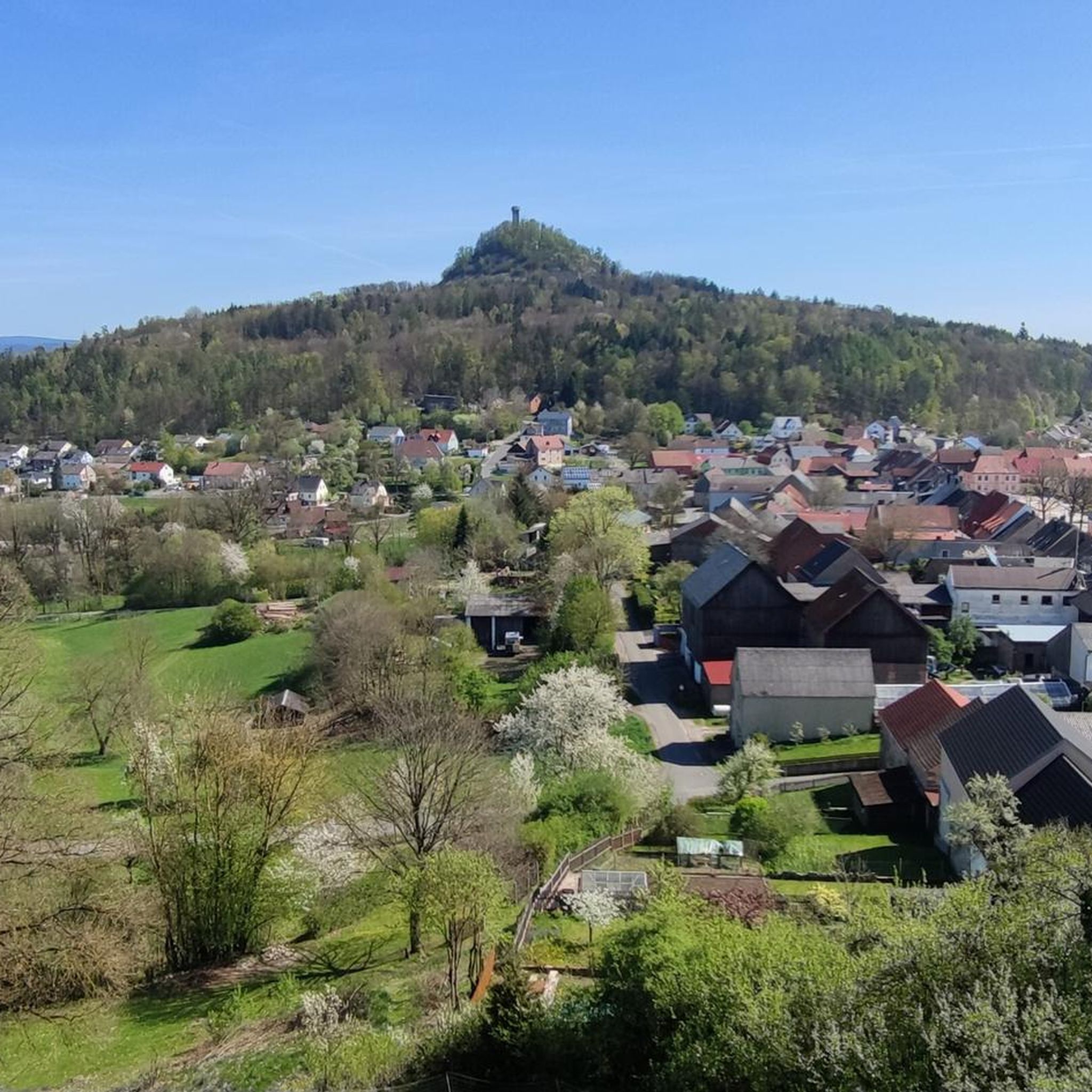
Rauher Kulm Lookout Tower
Highlight • Viewpoint
Nicolaus Apel built a wooden observation tower as early as 1807. There was a movable gold-plated sun above …
Translated by Google •
Tip by

Armesberg Pilgrimage Church and the Stations of the Cross
Highlight • Religious Site
Translated by Google •
Tip by

Sign up now to discover places like this
Get recommendations on the best single tracks, peaks, & plenty of other exciting outdoor places.
Sign up for free
Kuschberg Summit
Highlight • Summit
Translated by Google •
Tip by

Haaghöhe Summit Pavilion
Highlight • Viewpoint
Translated by Google •
Tip by

Anzenstein Viewpoint
Highlight • Summit
Translated by Google •
Tip by

Sign up for free to discover even more peaks around Neustadt am Kulm.
Sign up for free
Already have an account?
Start today with a free account
Your next adventure awaits.
Login or Signup
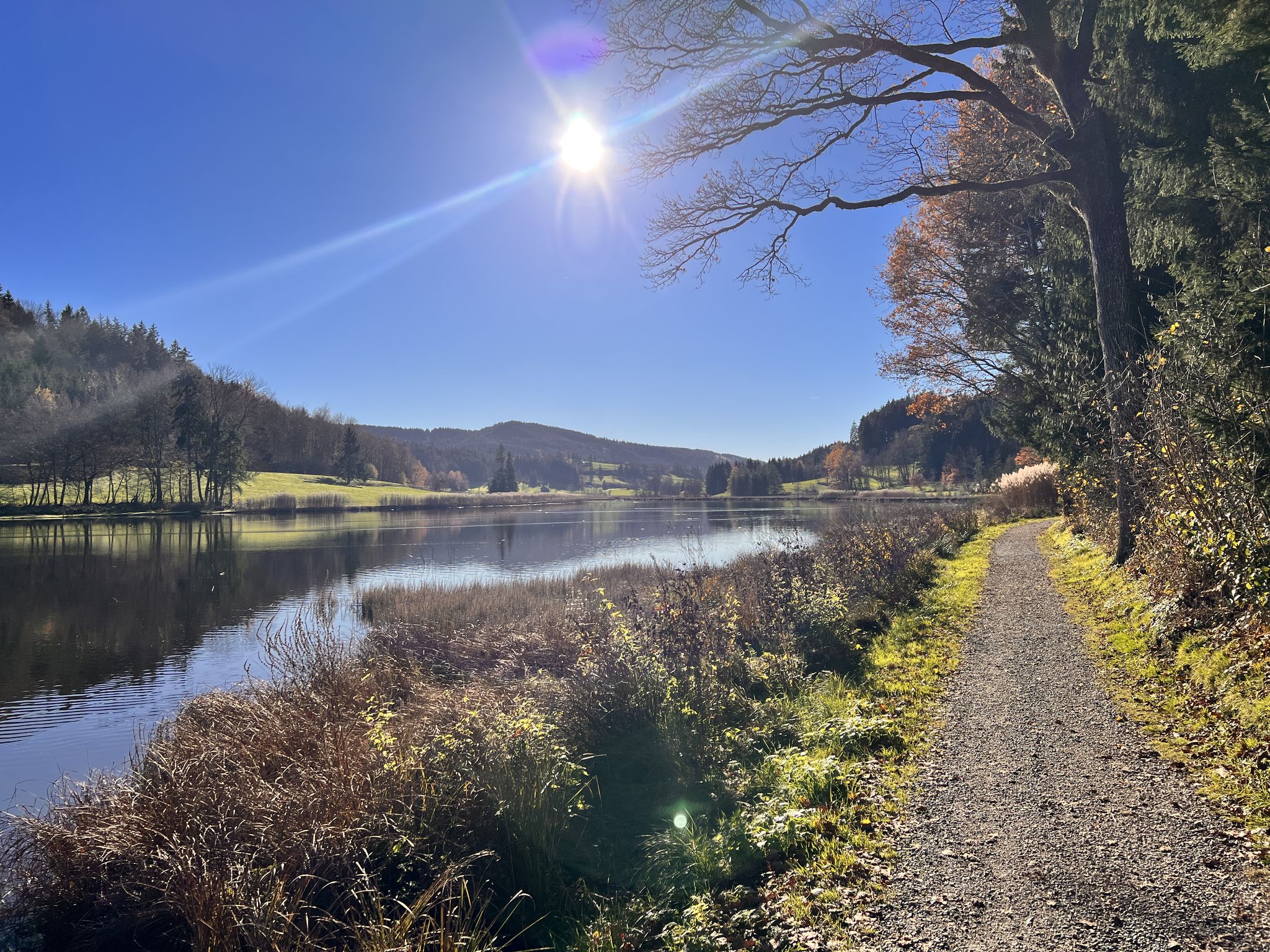
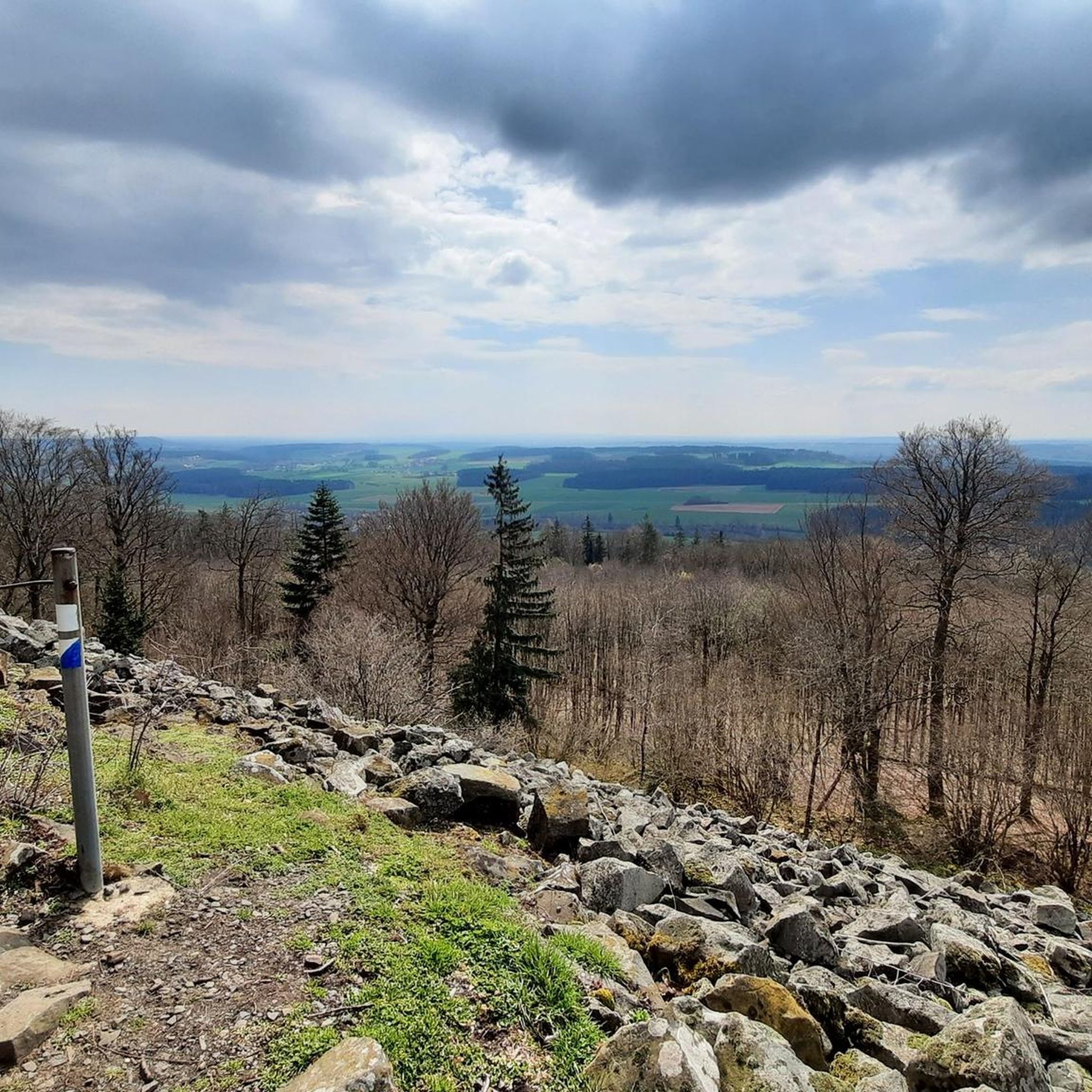
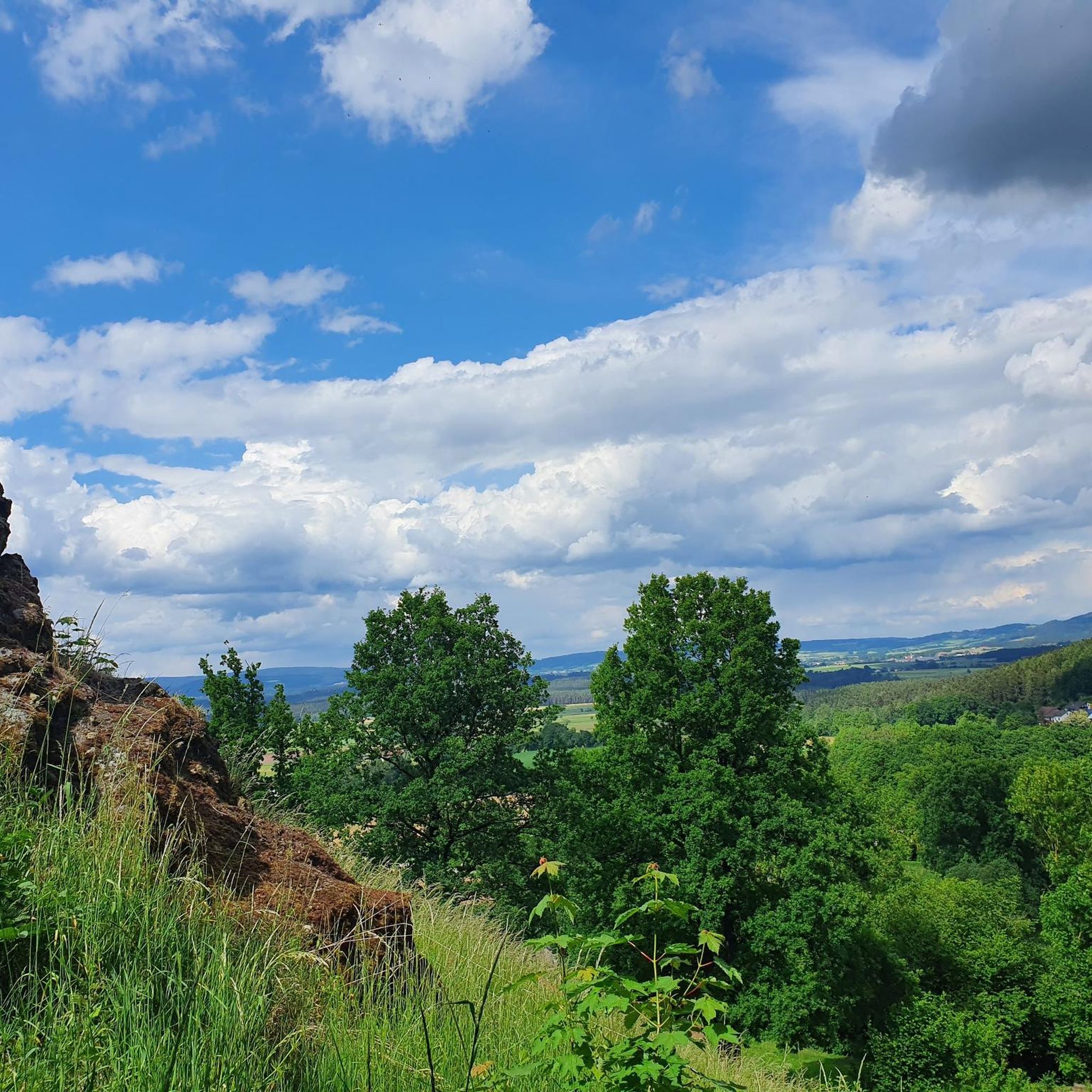
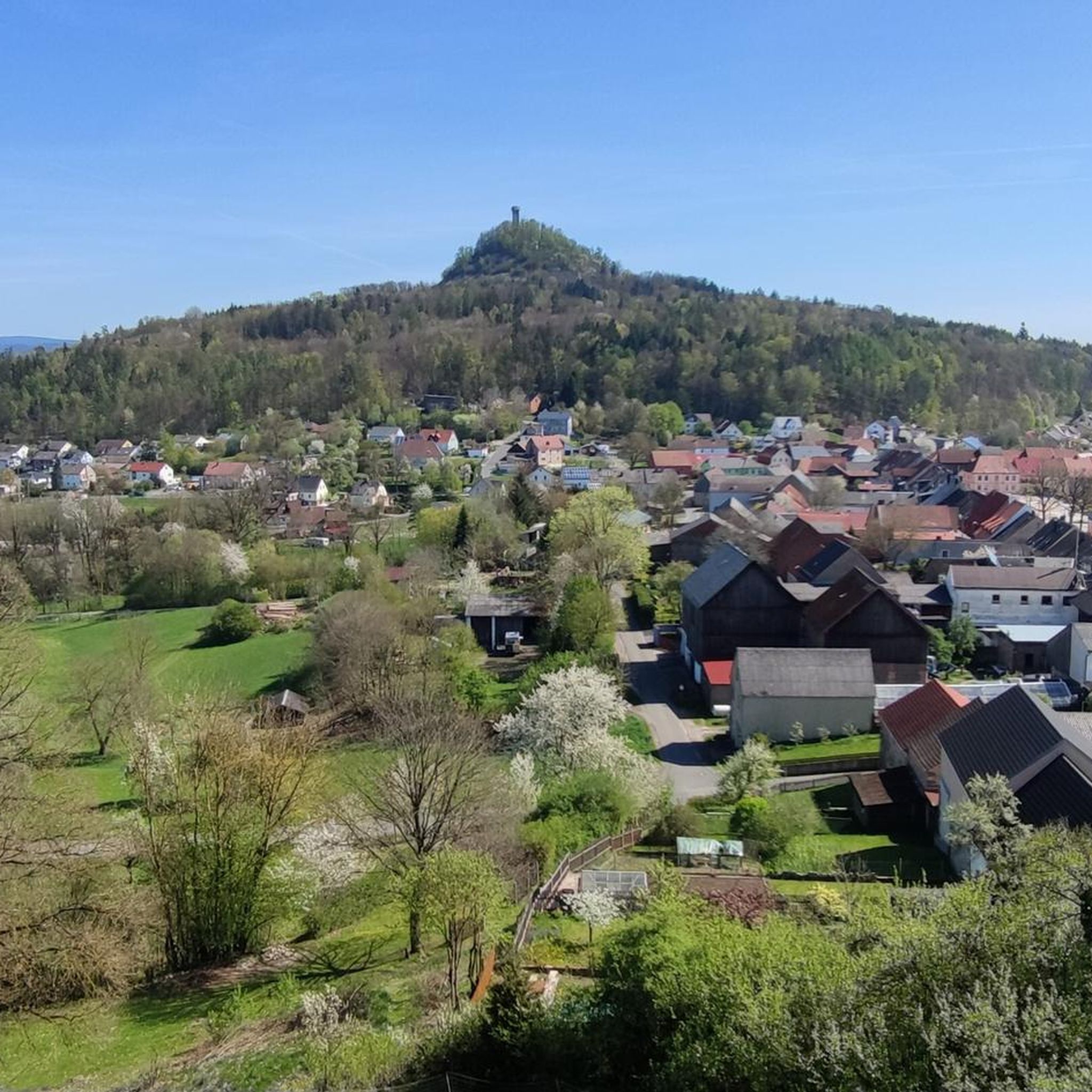

Other adventures around Neustadt am Kulm

Tips from the Community

Amazing view from this mountain, even with a summit cross 😉
0
0

The Stations of the Cross have been redesigned. Unfortunately, the church was closed. I would definitely visit the signposted viewpoint. Parking is available just below at the Messnerhaus restaurant, which is also recommended.
2
0


The climb up the Armesberg to the church is rewarded with a great view of the Kemnather and Kulmainer Land
0
0
Pilgrimage Church of the Holy Trinity from 1836 (reconstruction) Original church already 1678
3
0
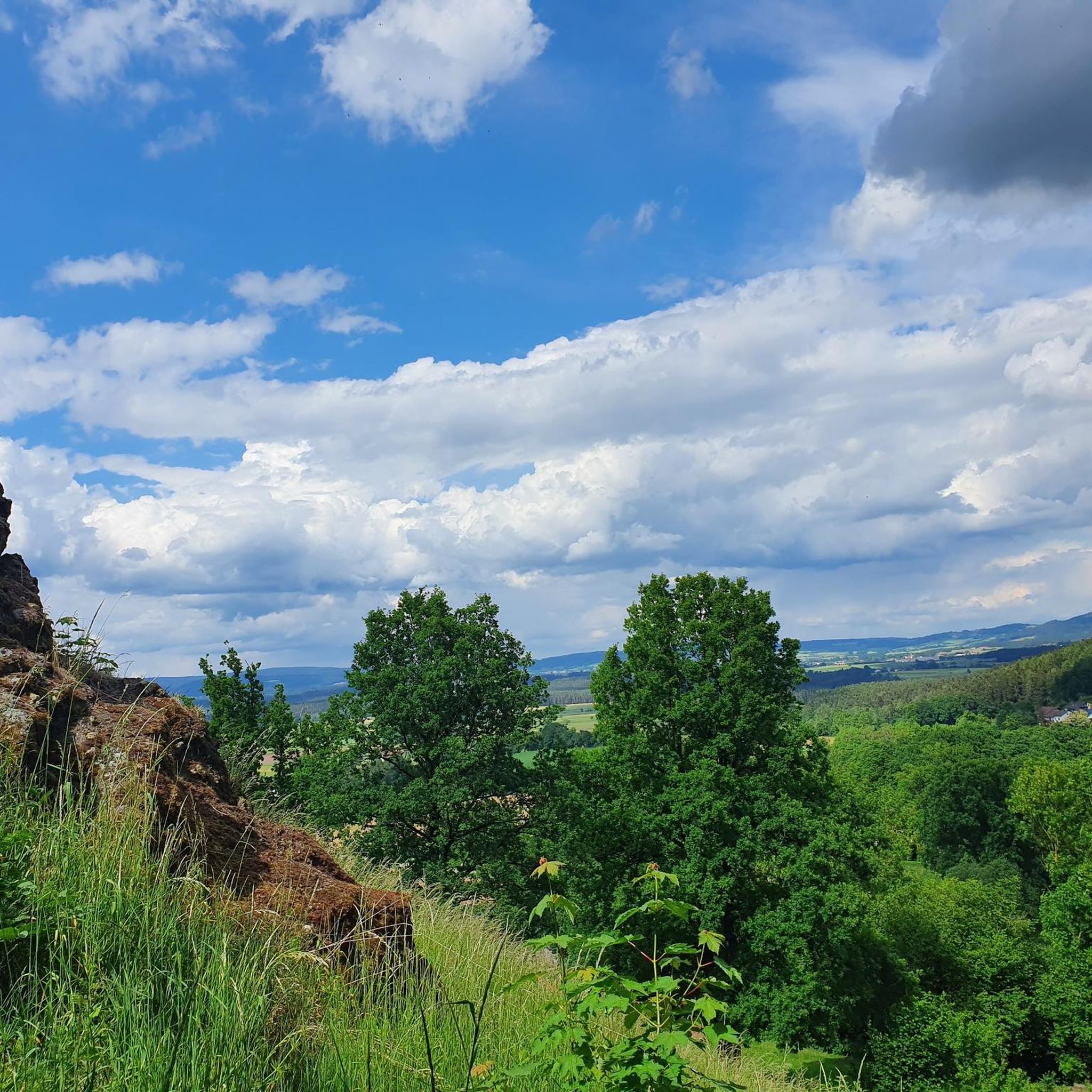
Very beautiful rock formation with bench and wonderful view over Kemnath
3
0

Great view over Kemnath and across to the Rauher Kulm
2
0
Atzmannsberg is simply wonderfully quiet with this small basalt cone which offers a beautiful view over the Kemnather Land
0
1
Frequently Asked Questions
What makes the mountain peaks around Neustadt am Kulm unique?
The peaks around Neustadt am Kulm are primarily characterized by their volcanic origins. Many are basalt cones formed from extinct volcanoes, offering a distinct geological landscape. This region provides a blend of natural monuments, historical sites, and panoramic viewpoints.
Which mountain peaks offer the best panoramic views?
For exceptional panoramic views, visit the Haaghöhe Summit Pavilion, which provides a 360-degree vista. The Kuschberg Summit also offers a great view far into the Fichtelgebirge. Additionally, the Anzenstein Viewpoint and Bieberswöhr Summit Cross are known for their scenic outlooks.
Are there any historical or cultural sites among the peaks?
Yes, the Armesberg Pilgrimage Church and the Stations of the Cross is a significant historical and religious site. Located on a 731-meter basalt cone, it features a listed pilgrimage church and an artistically designed Stations of the Cross, with many local legends associated with it.
What kind of hiking trails can I find near the mountain peaks?
You'll find a variety of hiking trails, ranging from easy to challenging. Many trails lead to the summits of these volcanic peaks, offering different lengths and difficulty levels. For more detailed information on routes, including easy and moderate options, you can explore the Hiking around Neustadt am Kulm guide.
Are there family-friendly options for exploring the peaks?
The area around the Armesberg Pilgrimage Church is generally considered family-friendly, featuring a Geo-Info Center and a playground. Many of the trails leading to viewpoints are also suitable for families, though some ascents can be steep. Always check the specific trail difficulty before heading out with children.
What is the best time of year to visit the mountain peaks around Neustadt am Kulm?
The best time to visit is typically from spring to autumn (April to October) when the weather is mild and trails are clear. Summer offers lush greenery and longer daylight hours, while autumn provides beautiful foliage. Winter hiking is possible, but some trails may be icy or covered in snow, requiring appropriate gear.
Are there opportunities for mountain biking near the peaks?
Yes, the region offers mountain biking trails. You can find various routes, including moderate options, that allow you to explore the landscape around the peaks. For specific MTB routes and their details, refer to the MTB Trails around Neustadt am Kulm guide.
Where can I find parking when visiting the mountain peaks?
Parking is generally available at the base of popular peaks or near trailheads. For example, there are parking options for accessing the Rauher Kulm area, which is a central point for many trails. Specific parking details are often found on local signage or in detailed route descriptions.
What kind of natural features can I expect to see besides the peaks themselves?
Beyond the basalt cones and volcanic formations, you'll encounter diverse flora and fauna, especially in geologically interesting areas like the Kuschberg Summit. The region is forested, offering natural shade and scenic beauty throughout your exploration.
Are there places to eat or rest near the hiking trails?
Yes, for instance, near the Armesberg Pilgrimage Church, you'll find the excursion restaurant Mesnerhaus. Other peaks, like the Haaghöhe Summit Pavilion, offer pavilions that invite you to take a break and enjoy the view, though not always with food services directly on site.
What do visitors enjoy most about the mountain peaks around Neustadt am Kulm?
Visitors frequently highlight the stunning panoramic views, the unique geological formations from the extinct volcanoes, and the peaceful atmosphere. The combination of natural beauty and historical significance, such as at the Armesberg, is also highly appreciated by the komoot community.
Most popular routes around Neustadt am Kulm
Most popular attractions around Neustadt am Kulm

Get inspired with the komoot mobile app


Explore more
See even more amazing summits around Neustadt am Kulm with these guides:
