Top 20 Castles in Siena
Best castles in Siena are found in a region known for its medieval charm and rich history, offering a glimpse into Tuscany's past. Siena is surrounded by a captivating array of castles and fortified structures. These historical sites present diverse features and compelling reasons for a visit. The area's landscape includes rolling hills and vineyards, providing a scenic backdrop to these ancient fortifications.
Best castles in Siena
- The most popular castles is Monteriggioni — Walled Village, a historical site with a completely preserved fortified wall. This medieval village was built for defensive purposes and features 14 towers and two gates.
- Another must-see spot is Brolio Castle, a castle surrounded by vineyards. Visitors can tour the gardens and a museum, and explore the cellars of the Ricasoli winery.
- Visitors also love Meleto Castle, a castle and winery located in the Chianti region. It is one of the most important castles in Chianti, offering wine tastings and tours.
- Siena is known for its diverse range of castles, including imposing fortresses, elegant Renaissance residences, and well-preserved walled villages. Visitors can explore a variety of architectural styles, from medieval to 19th-century reconstructions.
- The castles in Siena are appreciated by the komoot community, with over 1100 upvotes and more than 1400 photos shared by visitors.
Last updated: October 10, 2026
Cistern Square
Highlight • Historical Site
Translated by Google •
Tip by

Monteriggioni Castle
Highlight • Castle
Translated by Google •
Tip by

Sign up now to discover places like this
Get recommendations on the best single tracks, peaks, & plenty of other exciting outdoor places.
Monteriggioni — Walled Village
Highlight • Historical Site
You can only walk a small part of the castle wall (less than 100 meters) and it costs €5 per person. The entrance fee includes the weapons museum.
More information here:
siena-agriturismo.it/monteriggioni.htm
Translated by Google •
Tip by

Brolio Castle
Highlight • Castle
Translated by Google •
Tip by

Castellina in Chianti
Highlight • Settlement
Translated by Google •
Tip by

Tower of Vignoni Alto
Highlight • Castle
Translated by Google •
Tip by

Spedaletto Castle
Highlight • Castle
Source: artsandculture.google.com/entity/castle-of-spedaletto/g11b5m68f7b?hl=en
Translated by Google •
Tip by
Medici Fortress of Siena
Highlight • Historical Site
Translated by Google •
Tip by
Meleto Castle
Highlight • Castle
The Castello can be visited, but Mondays is closed.
Translated by Google •
Tip by

Montalcino Fortress
Highlight • Castle
Source, discovertuscany.com
Translated by Google •
Tip by

Sign up for free to discover even more castles in Siena.
Already have an account?
Start today with a free account
Your next adventure awaits.
Popular around Siena
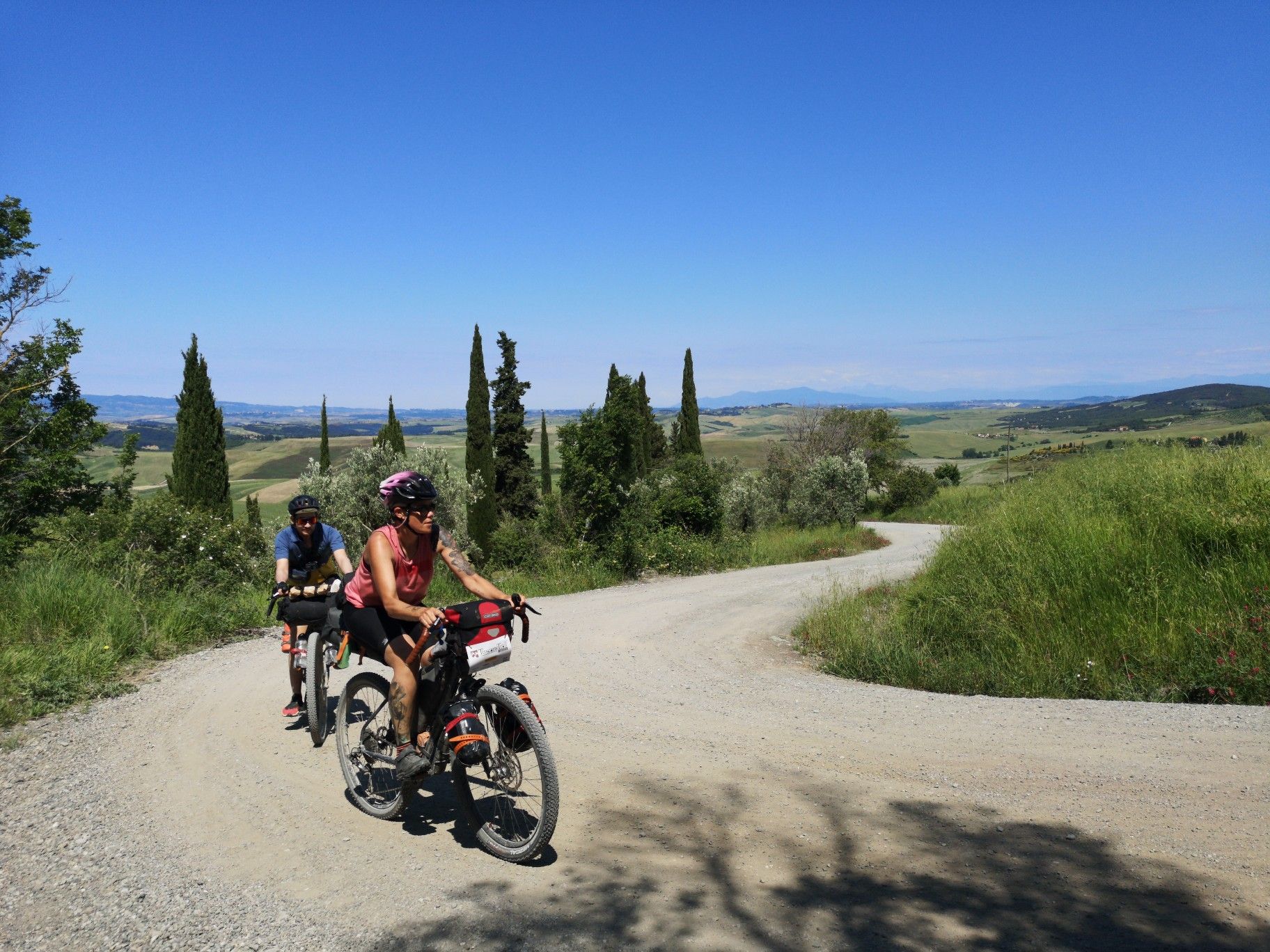
The Tuscany Trail – bikepacking in the heart of Italy
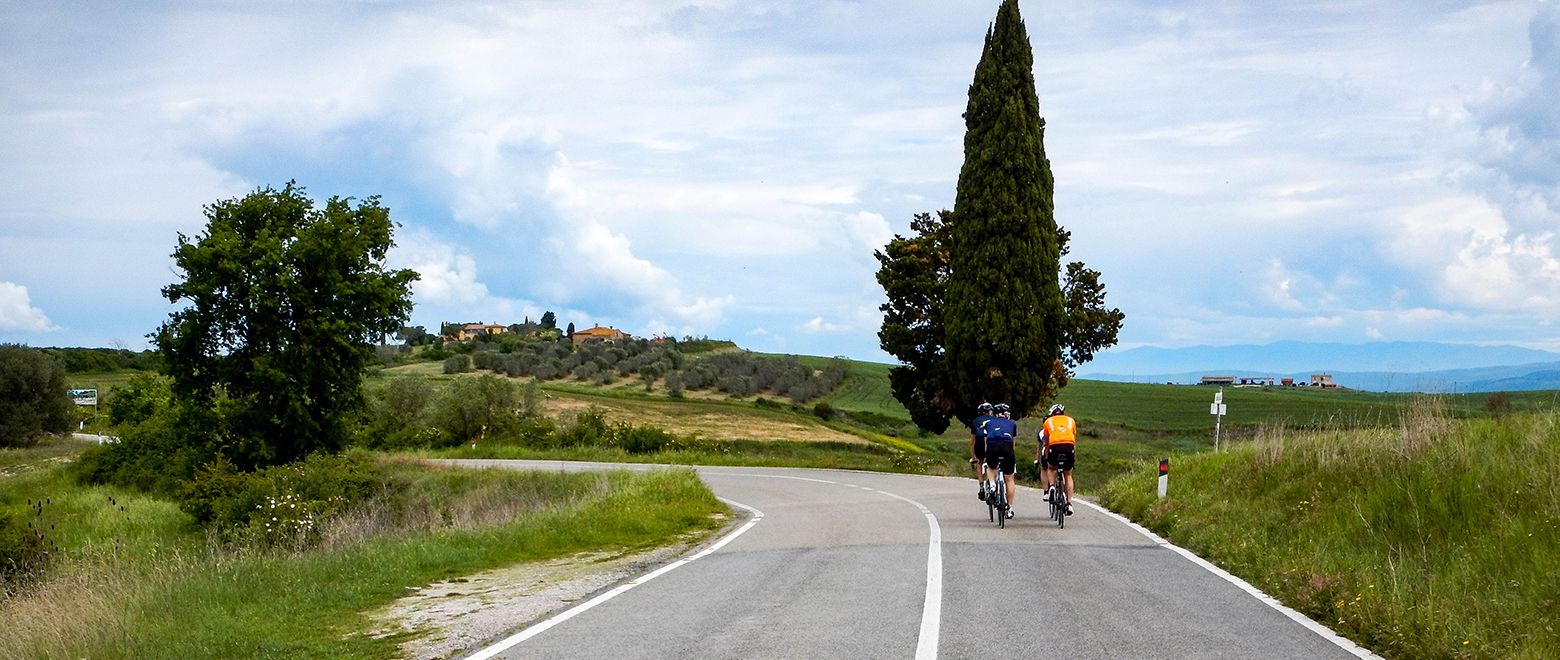
A heavenly week cycling in Tuscany
Via Francigena South — Siena to Rome
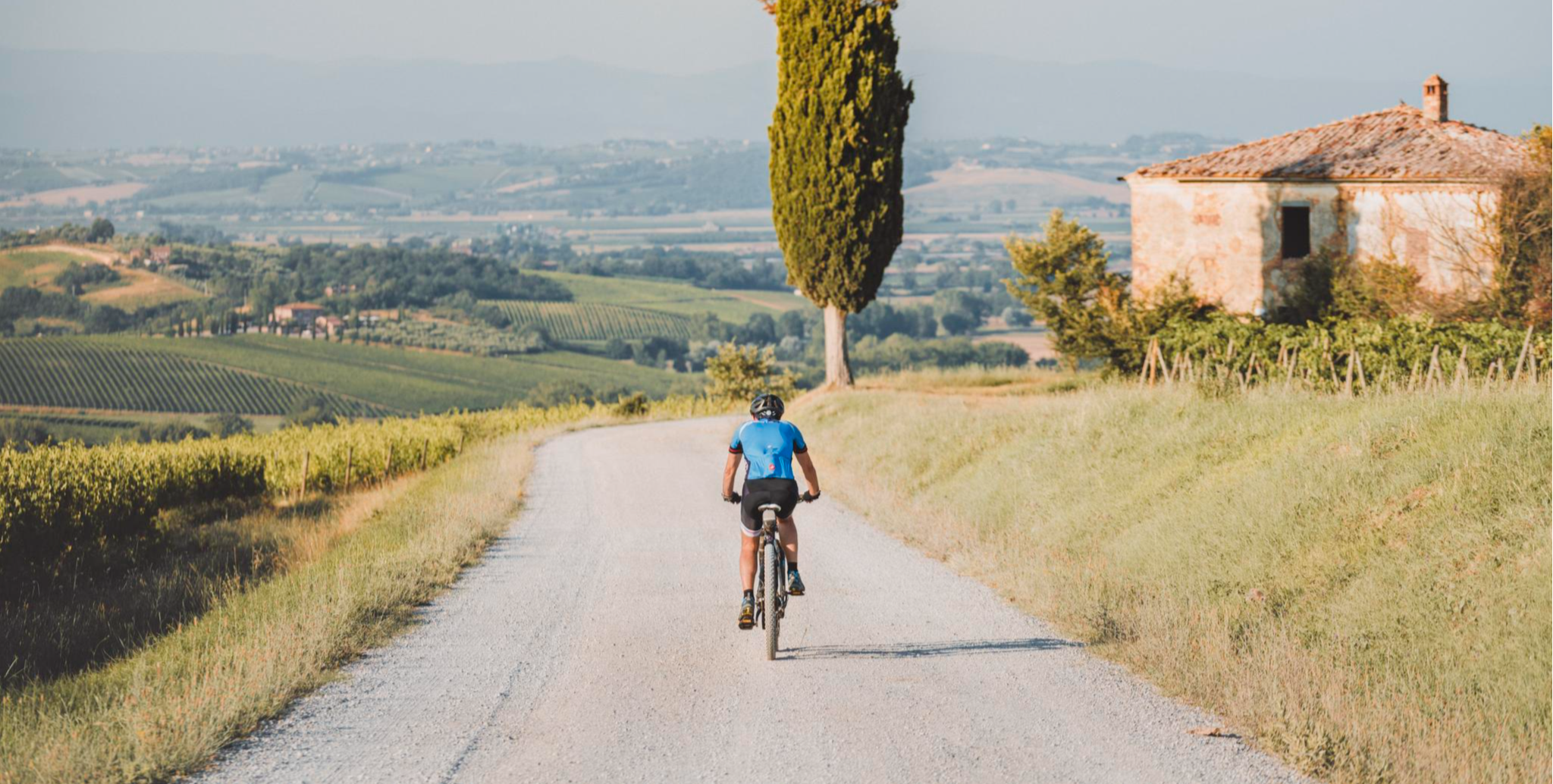
200 km in Valdichiana Senese – ride through the centuries in Tuscany
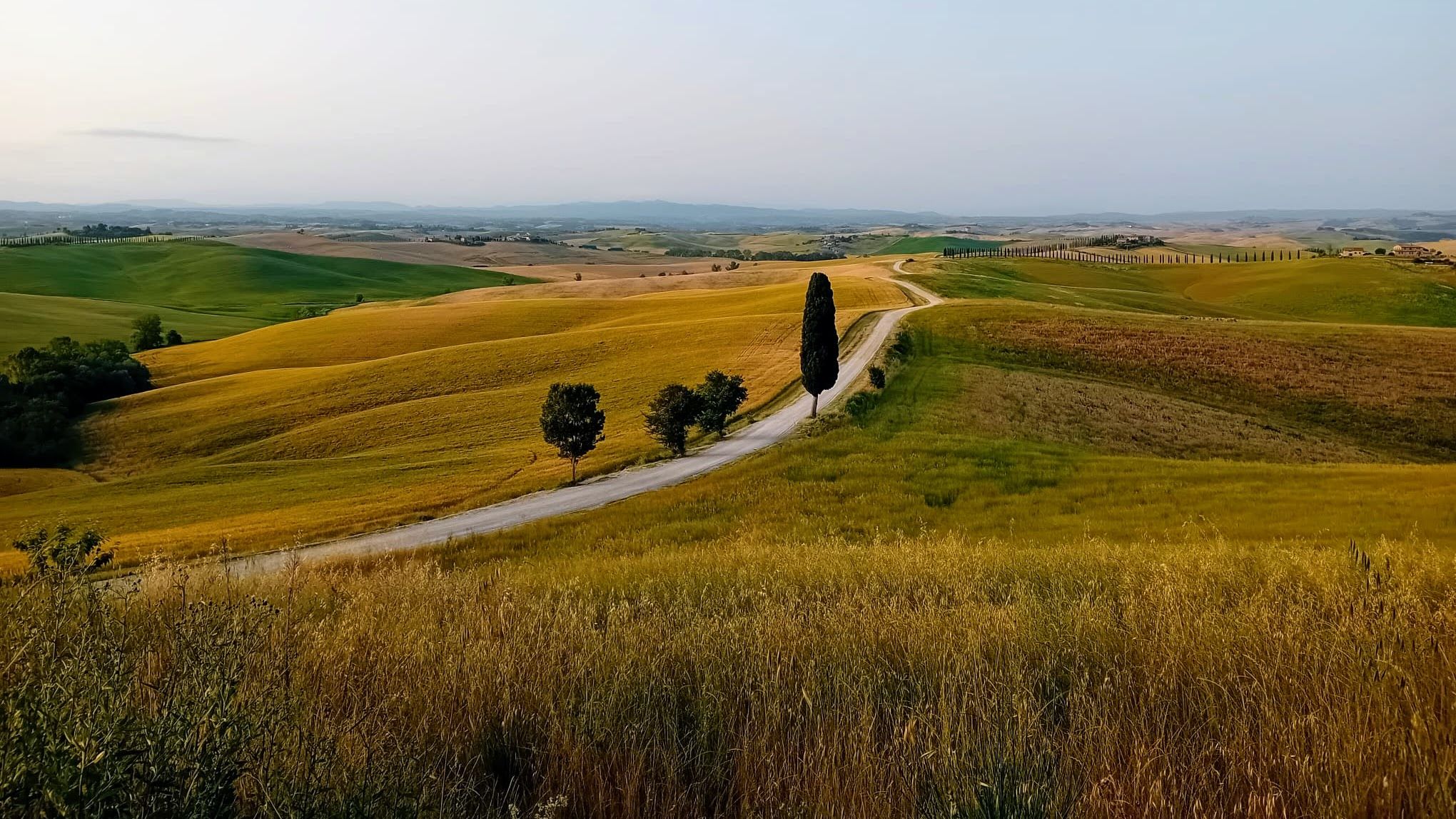
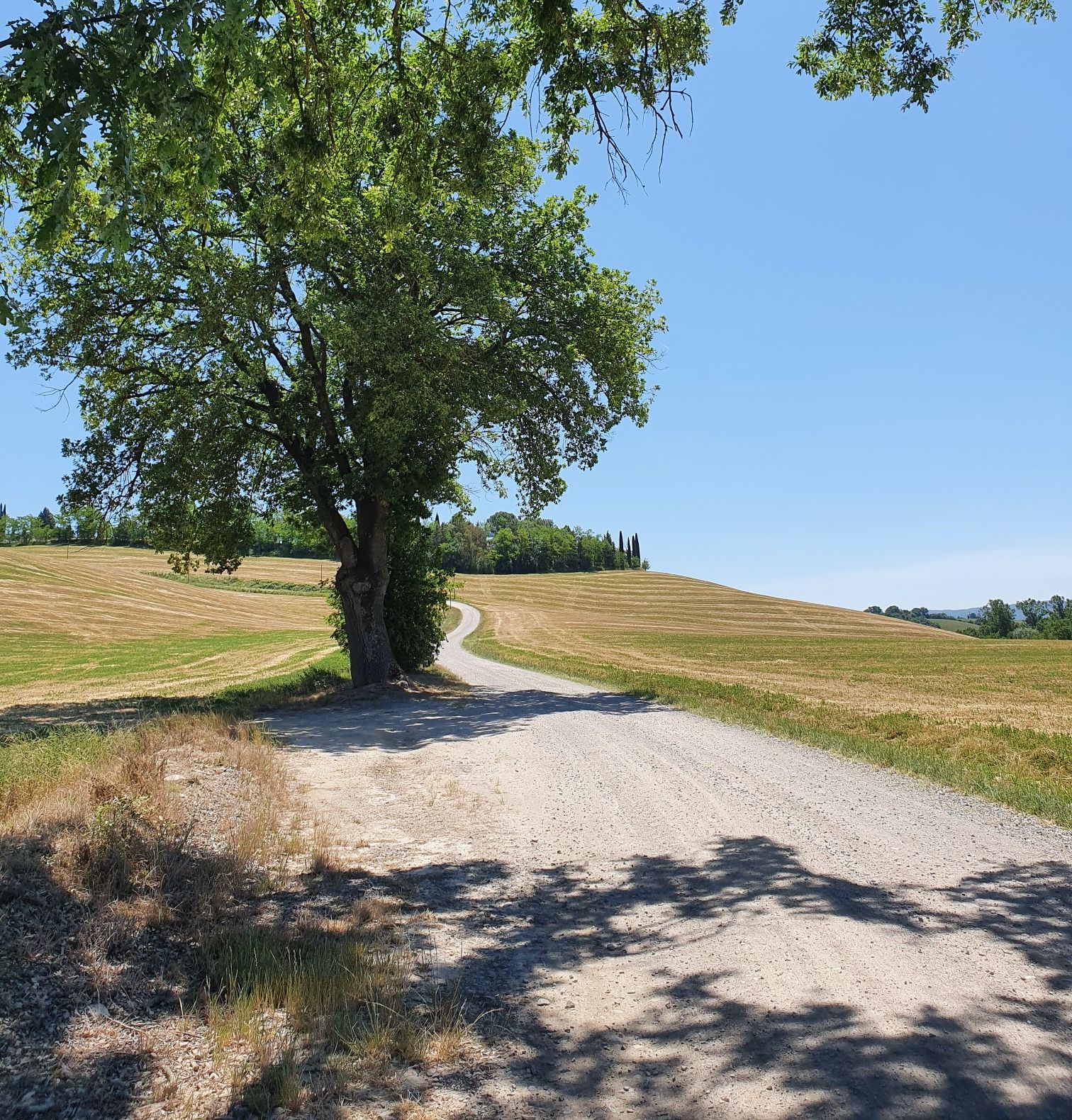
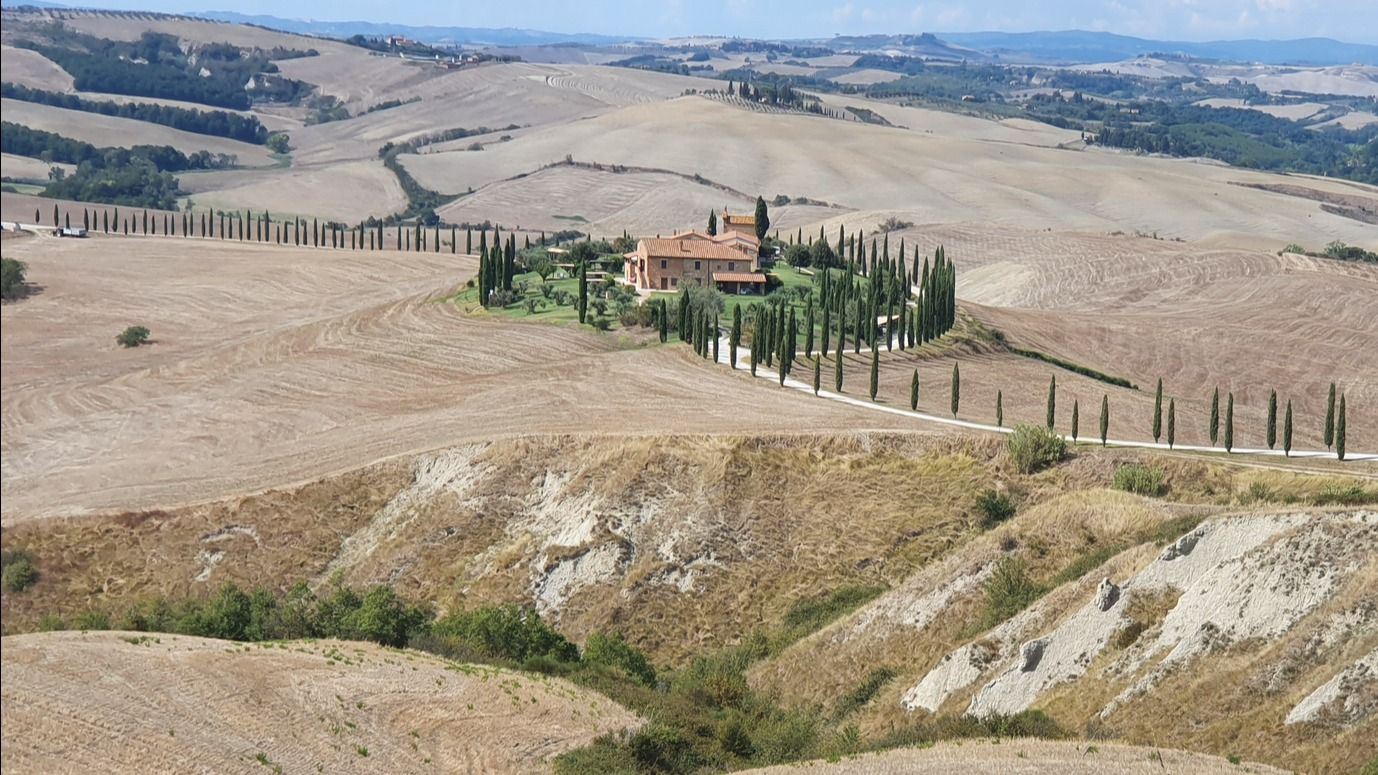
Tuscany by bike – history, cypresses and the Strade Bianche
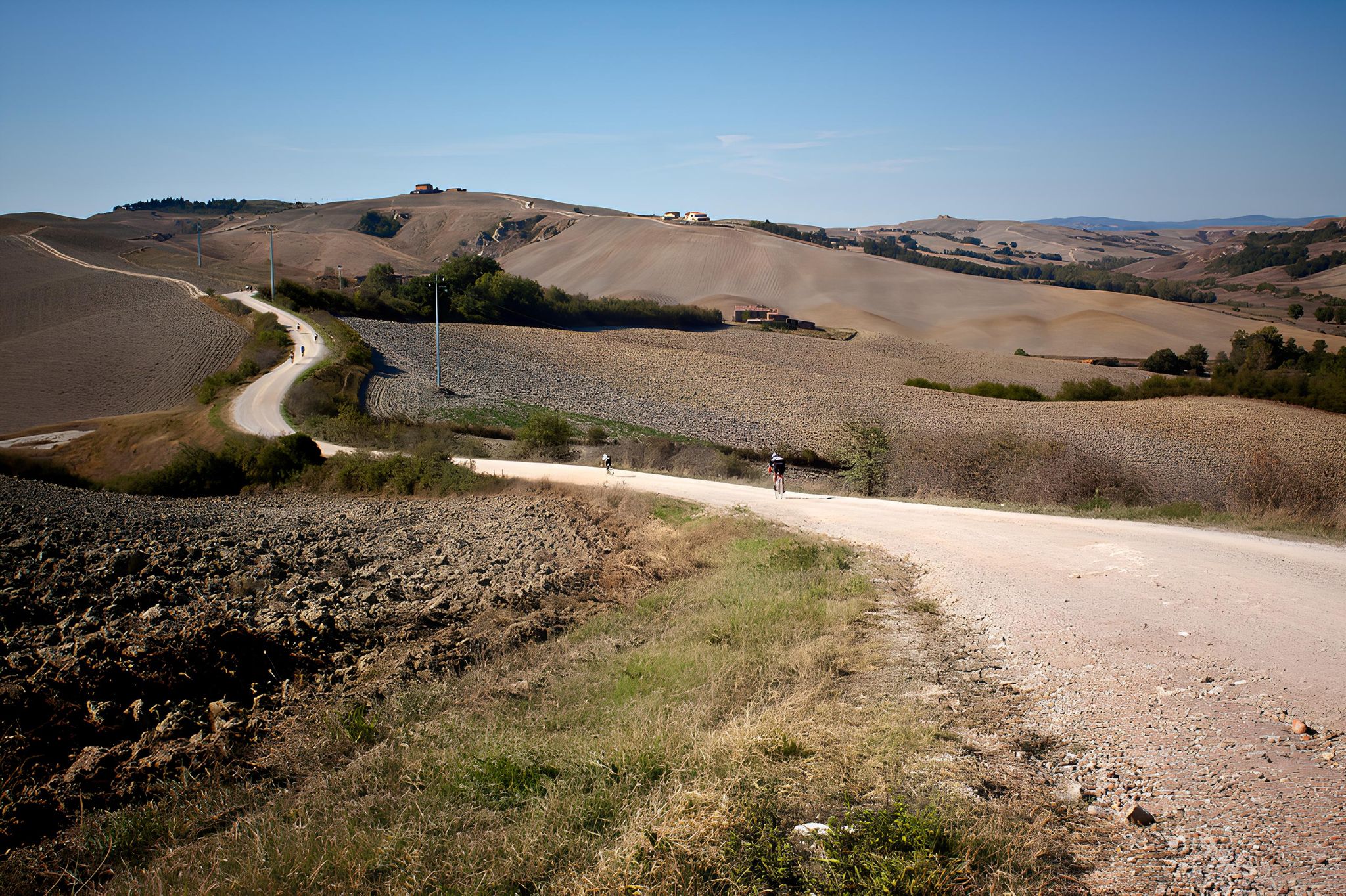
Via Lauretana - Tuscan crete, castles and vineyards
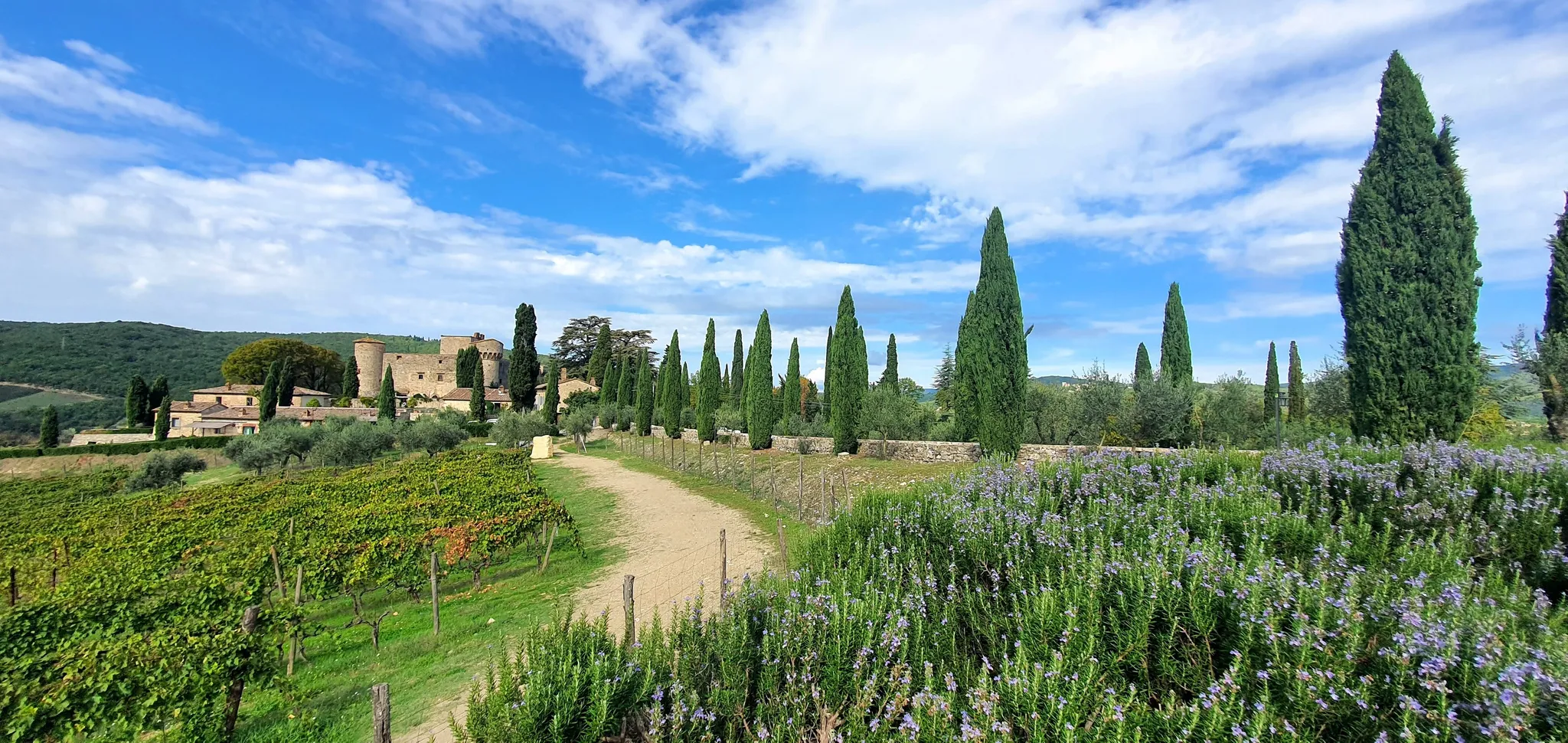
Running among castles, vineyards and hills - Ultra Trail Chianti Castles
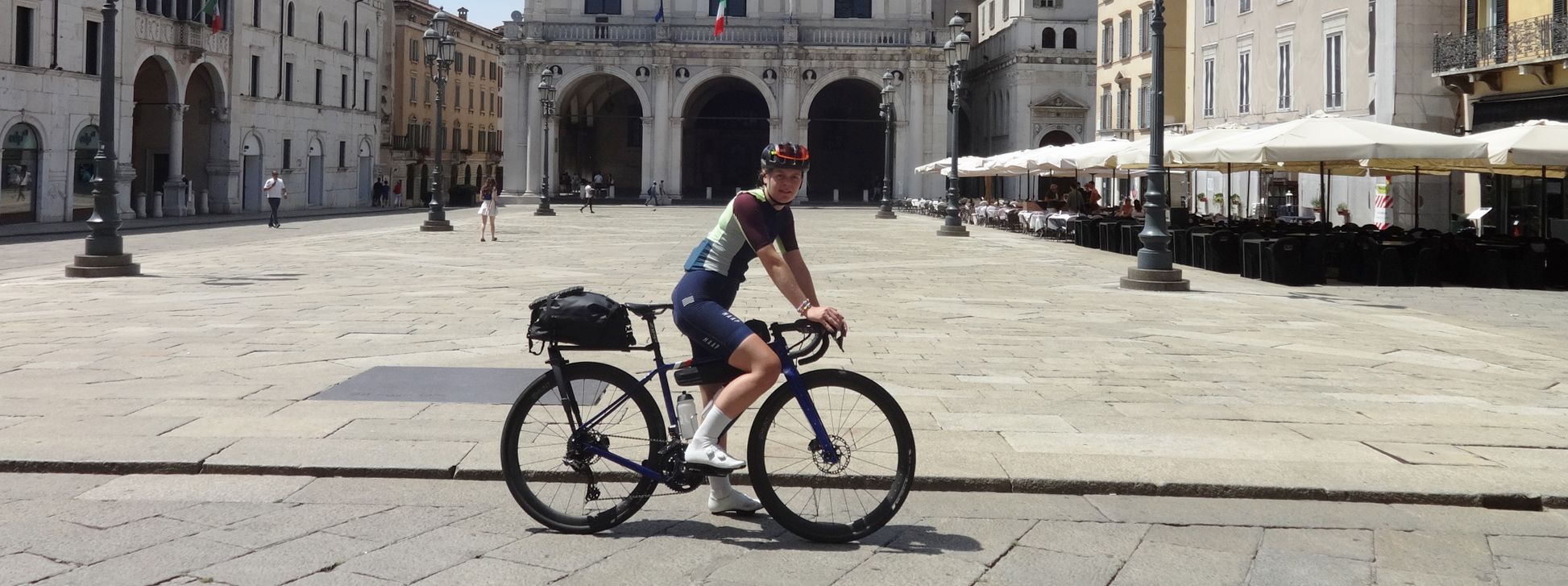
The Pizza Pilgrimage – Milan to Naples, fuelled by pizza
Ciclovia dei due mari - By bike from the Tyrrhenian Sea to the Adria
A Grand Tour of Italy – Rome to Milan by bike
Other adventures in Siena


Tips from the Community

Really beautiful loop tour, given the places it's hard not to be, but unfortunately we discovered that the track leads onto an impassable private property, please check where it stops to turn back! "Adventurous" alternative. Everything else magnificent! Staggia, Monteriggioni, the farms all very characteristic.
2
0

Stunning walled village in the Siena area
2
0

Immerse yourself in the mood!!!! You'll be speechless when you enter this village!
2
0

everything to look at
2
0

Located just south of Gaiole, Meleto Castle is one of the most fascinating castles in Chianti. Documented since the 11th century as a property of the Abbey of Coltibuono, it later passed under the control of the Ricasoli family, who made it one of the main fortresses defending the area. The imposing structure still retains its medieval appearance with its massive square tower, crenellated walls, and two elegant cylindrical bastions added in the 15th century. Inside, there is an elegant courtyard, frescoed rooms, a chapel, and even a small 18th-century theater. Today, the castle is open to visitors and hosts events, tastings, and wine-related activities, offering splendid views of the Chianti countryside.
0
0

This imposing medieval castle now houses a luxury residence and is home to a winery specializing in the production of Chianti Classico wine.
0
0

needless to say stop, it seems obvious to me that it deserves at least a visit. the entrance to the castle is free and inside there are bars and restaurants
2
0

A small paradise in the Tuscan hills, in the heart of the Val d'Orcia, just a few minutes from Pienza....
0
0
Frequently Asked Questions
What are some of the most historically significant castles in the Siena region?
The Siena region is rich in history. The Monteriggioni — Walled Village, built by the Sienese in the 13th century, is a remarkably preserved medieval fortress. The Fortezza Medicea, also known as the Fort of Santa Barbara, is an impressive 16th-century brick fortress located within Siena itself. Further afield, the Rocca di Montalcino, built in 1361, offers a glimpse into medieval military architecture, and Brolio Castle showcases architectural styles from the Middle Ages to the 19th century.
Are there any family-friendly castles to visit near Siena?
Many castles in the Siena region are suitable for families. Monteriggioni — Walled Village is a great option, allowing families to walk a portion of the castle wall and explore its medieval village. The Fortezza Medicea in Siena is surrounded by parks and hosts exhibitions, making it an engaging public space. Brolio Castle offers gardens to explore, and Meleto Castle, a winery, often provides tours that can be interesting for older children.
Which castles offer the best panoramic views of the Tuscan landscape?
For breathtaking views, the Rocca di Montalcino is an excellent choice, dominating a hill overlooking the Orcia river with panoramas of Mount Amiata, the Crete Senesi, and Val d'Orcia. The Fortezza Medicea in Siena also provides wide walls with avenues and benches, offering panoramic views of the city. Castello di Radicofani, perched on a hill, allows visitors to climb its main tower for extensive views.
What is the best time of year to visit the castles around Siena?
The best time to visit the castles around Siena is generally during the spring (April to June) and autumn (September to October). During these months, the weather is pleasant for exploring, the landscapes are vibrant, and the crowds are typically smaller than in peak summer. Summer (July-August) can be very hot, while winter (November-March) can be cooler with some closures, though many castles remain accessible.
Are there opportunities for outdoor activities like cycling or hiking near Siena's castles?
Yes, the Siena region is excellent for outdoor activities. Many castles are situated along scenic routes. For cycling, you can find numerous options, including gravel biking, MTB trails, and road cycling routes. For example, the L'Eroica Permanent Route passes near Brolio Castle. You can explore various routes for different sports in the Gravel biking in Siena, MTB Trails in Siena, and Road Cycling Routes in Siena guides.
How can I reach castles near Siena using public transport?
While some castles, like the Fortezza Medicea, are within Siena and easily accessible, reaching others often requires a combination of buses and sometimes a short walk. For example, Monteriggioni is reachable by bus from Siena. However, many of the more remote castles are best accessed by car for flexibility. Always check local bus schedules in advance, as services to smaller villages can be infrequent.
Are there any lesser-known or 'hidden gem' castles worth exploring?
Beyond the most popular sites, the Siena region offers several charming, lesser-known castles. Castello delle Quattro Torra, just a few kilometers from Siena, is a picturesque 14th-century 'fairy-tale fortress.' Castello di Montalto, east of Siena, is a medieval stronghold with parts dating back before 1000 AD. Castello di Lucignano d'Arbia retains the charm of a fortified village in the Crete Senesi, offering peaceful walks.
Where can I find amenities like cafes or restaurants near these castles?
Many castles, especially those in or near villages, have amenities. Monteriggioni — Walled Village has restaurants and souvenir shops in its main square. Castellina in Chianti, a village with a fortress, offers bars and places to take a break. Larger towns like Montalcino, home to the Montalcino Fortress, also provide a range of dining options. Some castles, like Meleto Castle and Spedaletto Castle, even have their own restaurants or wine shops.
What kind of architectural styles can I expect to see among Siena's castles?
The castles in Siena showcase a diverse range of architectural styles, reflecting centuries of history. You'll find imposing medieval fortresses like Monteriggioni — Walled Village and the Rocca di Montalcino. The Fortezza Medicea is a prime example of 16th-century military architecture. Elegant Renaissance residences, such as Castello di Belcaro, blend majestic architecture with the Tuscan landscape, while Brolio Castle displays a mix of Romanesque and Neo-Gothic elements from various reconstructions.
Is it possible to stay overnight in a castle near Siena?
Yes, some castles in the Siena region have been converted into unique accommodations. Castello delle Quattro Torra, for instance, operates part of its premises as a charming bed and breakfast. Castello di San Fabiano, an ancient 13th-century estate, has been transformed into an agriturismo, offering an authentic Tuscan experience with overnight stays amidst vineyards and olive groves.
Are there any castles that also offer wine tasting experiences?
Absolutely. The Siena region is renowned for its wine, and several castles combine history with viticulture. Brolio Castle is located within the land of the Ricasoli winery, where visitors can tour vineyards, cellars, and enjoy wine tastings. Similarly, Meleto Castle is a castle and winery in the Chianti region, offering wine tastings and tours. Villa dell'Aiola, originally a castle, is now a renowned Chianti Classico wine cellar focused on tastings and cellar tours.
Are dogs allowed in or around the castles in the Siena region?
Policies regarding dogs vary by castle. Generally, dogs are often allowed in outdoor areas, such as castle grounds or surrounding parks, especially if kept on a leash. For example, the Fortezza Medicea in Siena, with its park, is usually dog-friendly. However, access to interior spaces, museums, or specific historical sections might be restricted. It's always best to check the specific castle's regulations before your visit.
What are the parking options when visiting castles in the Siena region?
Parking availability varies significantly. For castles within Siena, like the Fortezza Medicea, you'll typically find paid parking garages or street parking nearby. For castles in smaller towns or rural areas, such as Monteriggioni — Walled Village, there are usually designated parking lots just outside the historic center. Remote castles might have limited or informal parking. Always look for official parking areas to avoid fines.
Most popular routes in Siena
Most popular attractions in Siena

Get inspired with the komoot mobile app


Didn’t find what you were looking for?
Explore Siena’s best castles region by region:
Explore more
Looking for the best castles somewhere else? Discover other guides in Siena:
