Top 20 Natural Monuments in Siena
Best natural monuments in Siena encompass a diverse range of natural attractions, from botanical gardens within the city walls to expansive natural reserves and unique geological formations in the wider province. The region is characterized by rolling hills, ancient forests, and thermal springs. These areas provide opportunities to explore the Tuscan landscape and its natural features.
Best natural monuments in Siena
- The most popular natural monuments is Diborrato Waterfall, a waterfall that is known for its beauty and tranquility.…
Last updated: October 13, 2026
Diborrato Waterfall
Highlight • Waterfall
Translated by Google •
Tip by

Site Transitoire
Highlight • Monument
Translated by Google •
Tip by

Sign up now to discover places like this
Get recommendations on the best single tracks, peaks, & plenty of other exciting outdoor places.
Lake Chiusi
Highlight • Lake
Showing Translation
Tip by

The White Whale (Bagni San Filippo)
Highlight • Natural Monument
Translated by Google •
Tip by

Cascate del Mulino di Piteccio
Highlight • Waterfall
Translated by Google •
Tip by

Horti Leonini Gardens
Highlight • Natural Monument
Showing Translation
Tip by

Checche Oak
Highlight • Natural Monument
The place is well kept, the oak …
Translated by Google •
Tip by

Castelvecchio Ruins
Highlight • Castle
Translated by Google •
Tip by

Bagno Vignoni Thermal Baths
Highlight • Natural Monument
Bagno Vignoni, …
Translated by Google •
Tip by

Il leccione - secular oak
Highlight • Natural Monument
Translated by Google •
Tip by

Sign up for free to discover even more natural monuments in Siena.
Already have an account?
Start today with a free account
Your next adventure awaits.
Popular around Siena
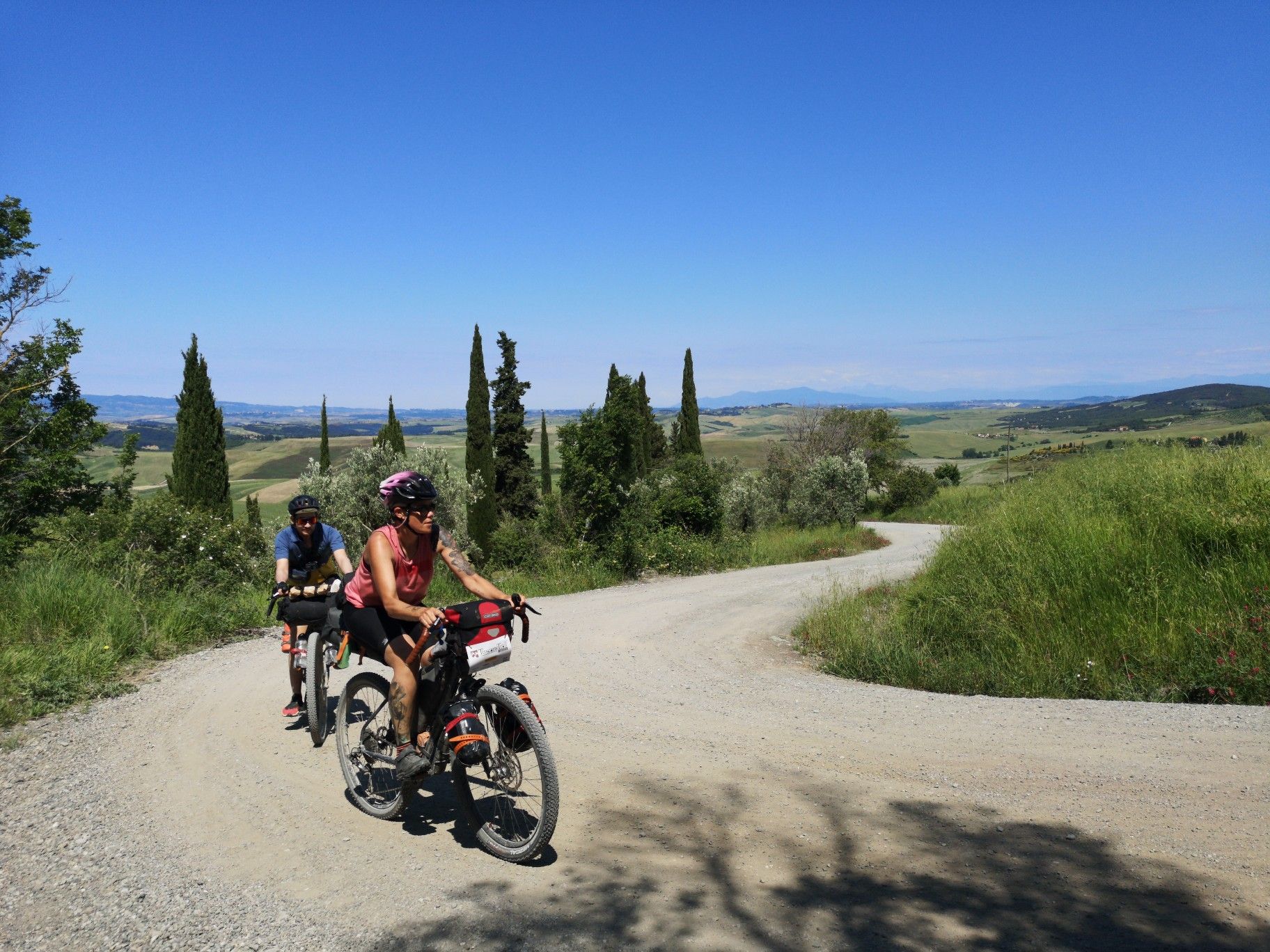
The Tuscany Trail – bikepacking in the heart of Italy
A heavenly week cycling in Tuscany
Via Francigena South — Siena to Rome
200 km in Valdichiana Senese – ride through the centuries in Tuscany
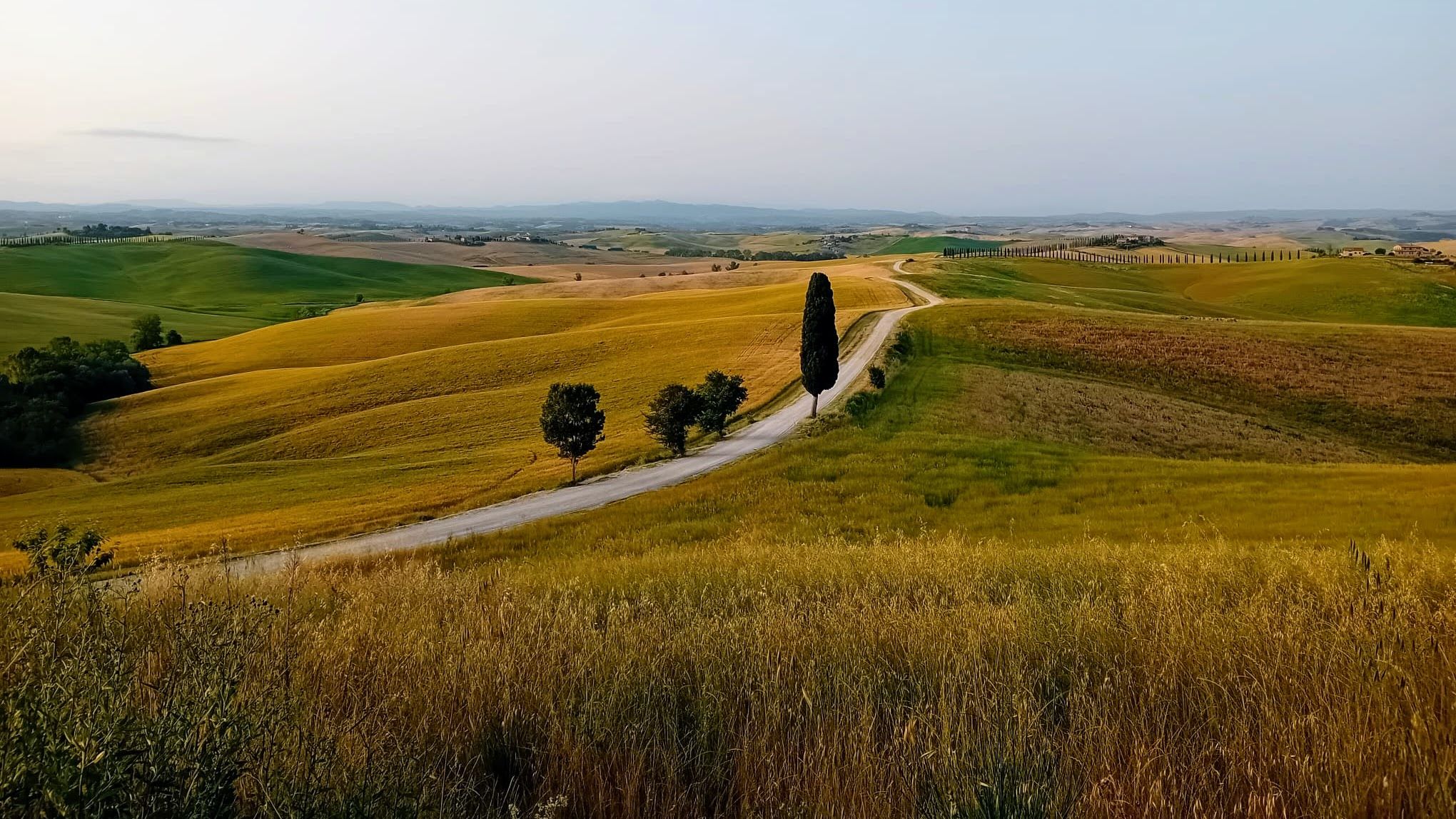
Tuscany by bike – history, cypresses and the Strade Bianche
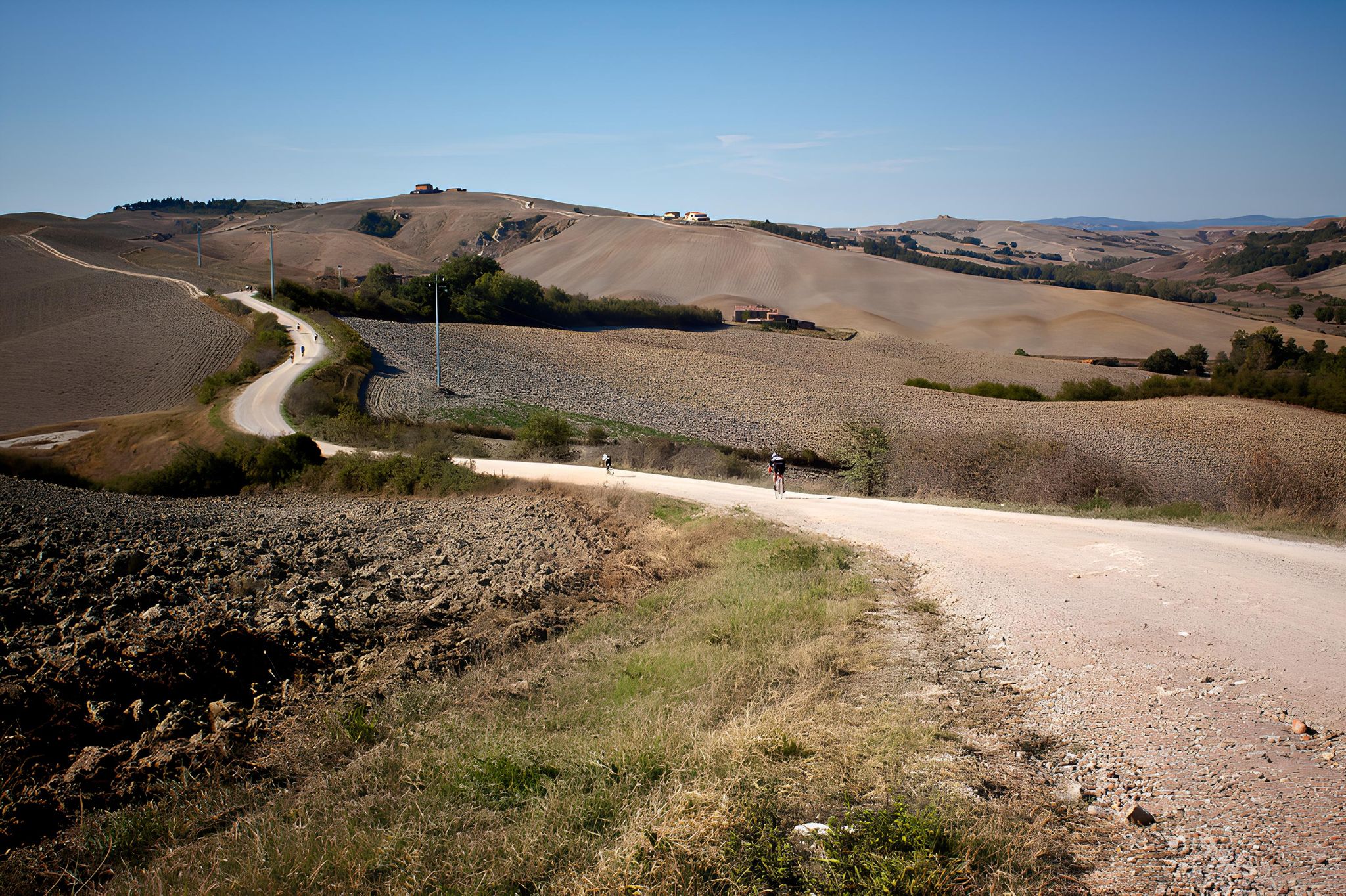
Via Lauretana - Tuscan crete, castles and vineyards
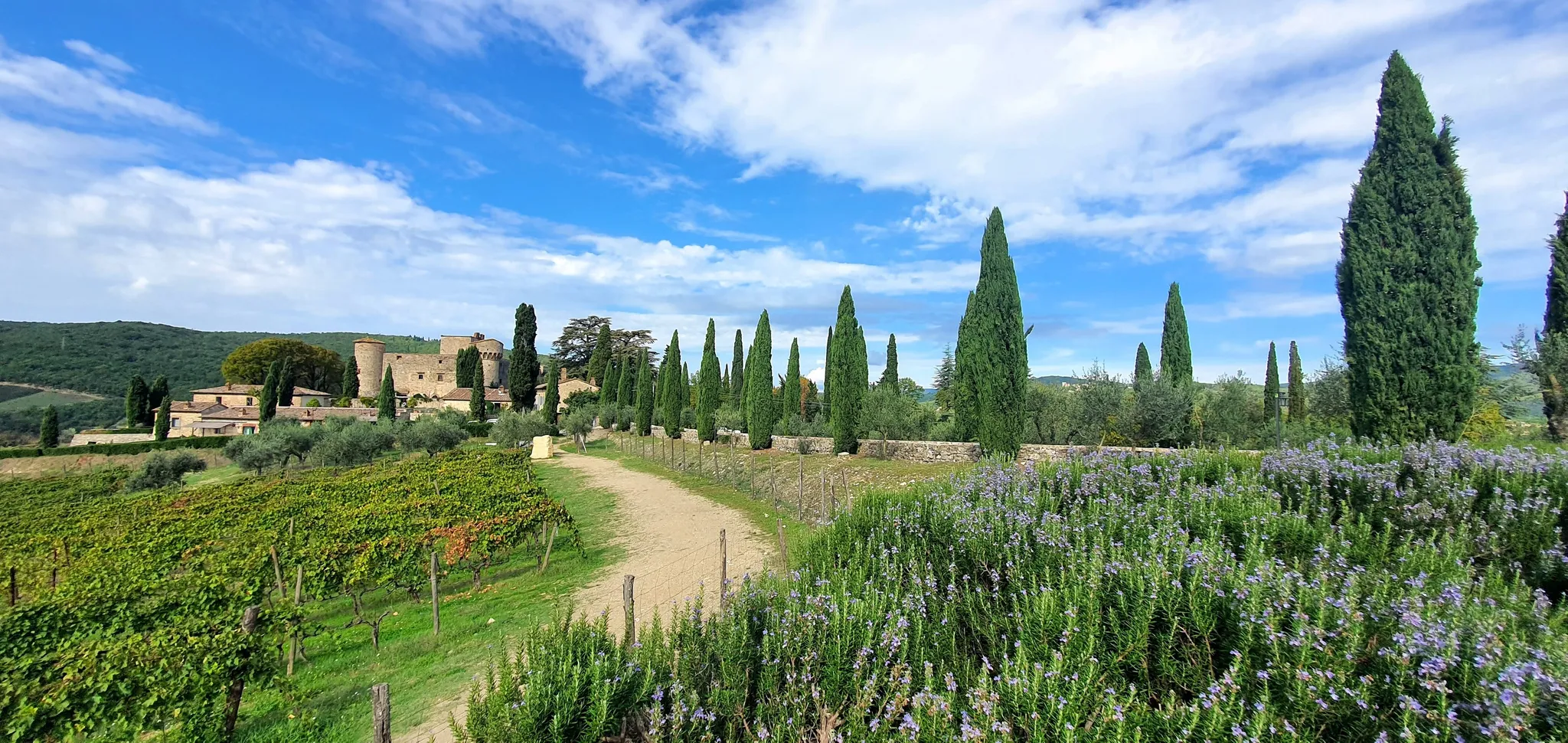
Running among castles, vineyards and hills - Ultra Trail Chianti Castles
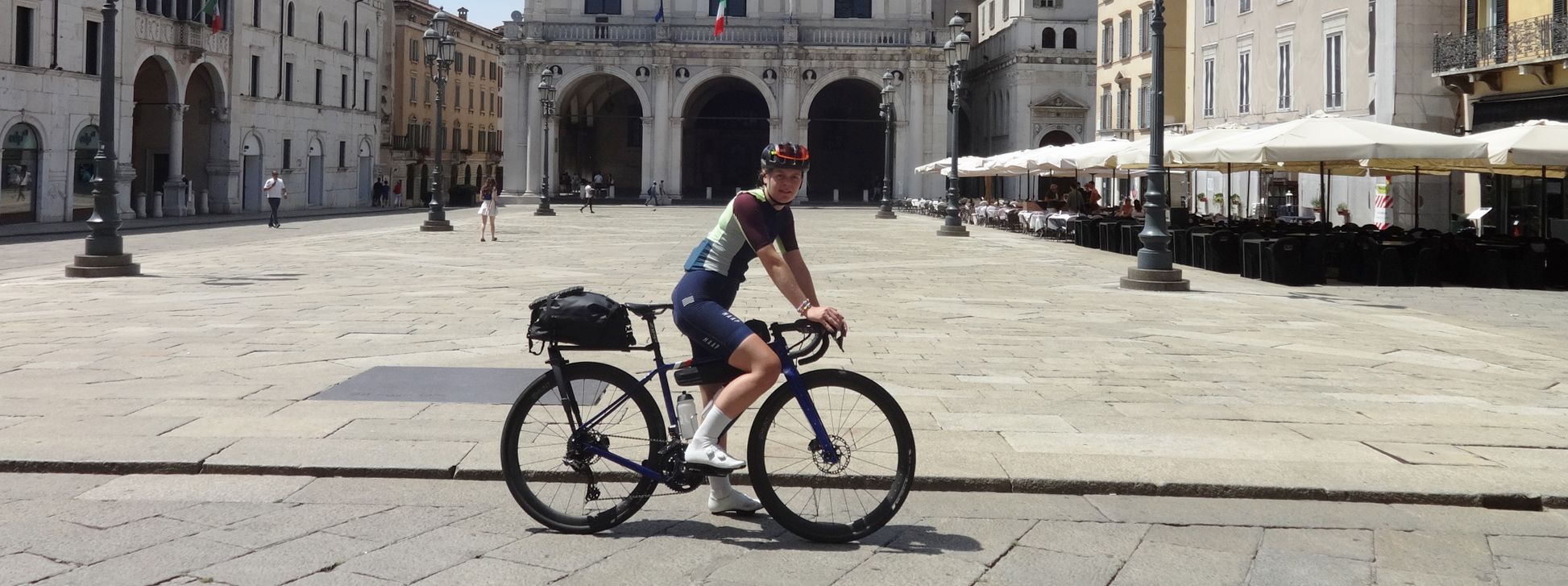
The Pizza Pilgrimage – Milan to Naples, fuelled by pizza
Ciclovia dei due mari - By bike from the Tyrrhenian Sea to the Adria
A Grand Tour of Italy – Rome to Milan by bike
Other adventures in Siena


Tips from the Community

Small but nice lake with a beautiful green area
0
0

Lake Chiusi is the second largest natural lake in Tuscany by surface area, located in the Valdichiana Senese about 4 km from the historic center of Chiusi. Historically also known as "Chiaro di Luna" (Moonlight), its waters mark the eastern border between Tuscany and Umbria. It represents one of the remaining wetland areas of the vast pre-reclamation marshland that covered the entire valley floor.
0
1
The Cascate del Mulino di Piteccio (often confused or grouped in hiking databases with the Sentierelsa river routes) indicate the picturesque waterfalls and natural pools located in the dense woods of the Pistoia Apennines, near the hamlet of Piteccio (Pistoia). The area is characterized by small streams (like the fosso di Casale and the rio Castagno) that flow in a humid and lush environment rich in ferns
0
0

During the summer, the Elsa offers delightful refreshment.
1
0

The Horti Leonini are a splendid Renaissance garden in the heart of San Quirico d’Orcia, created in the 16th century at the behest of Diomede Leoni. Characterized by perfect geometry and precisely manicured boxwood hedges, they represent a rare example of a public Italian garden. Divided between a flat formal section and a more natural area that climbs towards the woods, they offer a pleasant contrast between order and spontaneity. In the center is a statue of Cosimo III de’ Medici, while the paths invite quiet walks immersed in greenery. They are an ideal place for a relaxing break, amidst art, history, and landscape harmony.
1
0
La Balena Bianca is the most imposing limestone formation in the free thermal baths of Bagni San Filippo. It is a monumental waterfall of white limestone created by the deposit of thermal waters that spring up at 48°C a little further upstream. The place is truly fascinating, but there are also some negative aspects that, for fairness, I want to mention to avoid the surprise effect and to know what you are getting into: The first is certainly accessibility, the path to reach this natural wonder is decidedly muddy, there is no real path, if it has rained recently, you will find yourself having to walk in the mud. So if you want to come, I advise you to bring high waterproof boots to put on in case you find mud (very likely). The second sore point is the carelessness of people, the entire area is devoid of regulation and controls, left to the mercy of the crowd, so you can imagine the situation that arises on weekends or holidays. If you want to come and swim here, my advice is to come on a weekday early in the morning, or also late in the evening, not on weekends.
1
0

Lake Chiusi, a remnant of the ancient Valdichiana swamp, is today a natural oasis rich in biodiversity, ideal for relaxation, walks, and birdwatching. A must-try is brustico, a typical fishermen's dish in which lake fish is cooked directly on lake reeds, acquiring a characteristic smoky and intense aroma.
1
0

The Horti Leonini are a magnificent example of a classic Italian garden, laid out around 1580 by Diomede Leoni, after whom it is named. Leoni was a connoisseur of ancient and Renaissance art who, on behalf of the Medici, acquired works of art from Roman circles. Francesco I de' Medici himself gifted him a plot of land in the heart of San Quirico d'Orcia, where the Horti, which still retain their original appearance, would later be established. The gardens are divided into two sections: The lower, diamond-shaped area is enclosed by walls and clipped holm oaks and consists of triangular flowerbeds bordered by a double boxwood hedge. At its center is a sculpture attributed to the Sienese artist Bartolomeo Mazzuoli, depicting Cosimo III de' Medici (1688). In the other section stands the head of Janus Bifrons, a Roman-era sculpture that symbolically marks the boundary between the more natural and the formally designed parts of the garden. A travertine staircase leads to the upper plaza.
0
0
Frequently Asked Questions
What unique natural features can I discover in and around Siena?
Siena and its surroundings offer a variety of unique natural features. You can explore the striking geological formations of the White Whale (Bagni San Filippo), known for its calcified waterfalls. The region is also home to ancient, secular trees like the Checche Oak and the iconic Il leccione - secular oak, which offers panoramic views. Additionally, the Val d'Orcia, a UNESCO World Heritage site, is famous for its rolling hills and iconic cypress tree lines.
Are there any natural monuments in Siena suitable for families?
Yes, several natural monuments in Siena are family-friendly. The Diborrato Waterfall is a beautiful and tranquil spot that invites swimming and relaxation in its pools. The Horti Leonini Gardens provide a pleasant outdoor experience. The Checche Oak is another accessible natural monument, and the Turquoise Waterfalls and River of Fosso Bianco offer scenic views and trails suitable for a family outing.
Where can I find the best viewpoints of Siena's natural landscapes?
For breathtaking views, visit Site Transitoire, a man-made monument offering panoramic vistas over the Crete Senesi and Siena in the distance. Poggio Montecercone also provides magnificent views of the Crete Senesi, especially at sunset. Within the city, the ramparts of the Fortezza Medicea offer expansive views of the medieval city and surrounding Tuscan countryside.
What outdoor activities can I do near Siena's natural monuments?
The region around Siena's natural monuments is ideal for various outdoor activities. You can find numerous hiking opportunities, including easy and moderate trails. For example, the 'River Park of the high Val D'Elsa — Ring tour' and the 'Vitaleta Ring Trail' are popular choices. You can explore more options on the Hiking in Siena guide. The Monte Amiata area is also excellent for cycling and exploration.
Are there any natural hot springs near Siena?
Yes, the Petriolo Hot Springs, located in the picturesque Val di Farma nature reserve, are freely accessible and known as the hottest in Tuscany. Their mineral-rich waters are believed to offer natural remedies. Another option is the Bagno Vignoni Thermal Baths, which also provide a unique thermal experience.
What is the best time to visit the natural monuments in Siena?
The Tuscan landscape, including Siena's natural monuments, is beautiful year-round. Spring (April-May) offers vibrant green hills and pleasant temperatures, while summer (June-August) brings golden fields and warm weather, ideal for swimming spots like Diborrato Waterfall. Autumn (September-October) provides comfortable hiking weather and stunning fall colors, especially in areas like Chianti and Val d'Orcia. Winter offers a quieter, often misty, charm.
Can I find historical landmarks intertwined with natural monuments in Siena?
Absolutely. Siena's natural beauty often blends with its rich history. The Fortezza Medicea, while a historical fortification, now serves as a public park with panoramic views. The Castelvecchio Ruins are another example, offering a historical site within a natural setting. The Val d'Orcia landscape itself holds significant historical memory of the region's past, and the Petriolo Hot Springs have been enjoyed since Roman and medieval times.
Are there any botanical gardens or green spaces within Siena's city walls?
Yes, Siena boasts several beautiful green spaces within its historic center. The Orto Botanico (Botanical Garden of Siena) is a three-hectare green valley near Porta Tufi, featuring a diverse collection of plants. The Orto dei Pecci Gardens and Porta Giustizia Valley offer a glimpse into medieval agricultural practices, while the Orti de' Tolomei provide a romantic green walk with beautiful lookouts.
What kind of terrain can I expect when exploring Siena's natural areas?
The terrain in Siena's natural areas is quite varied. You'll encounter rolling hills, particularly in the Val d'Orcia and Chianti regions, which are often covered in vineyards and olive groves. There are also ancient forests, such as those found on Monte Amiata, and river valleys like the Gonna Stream Nature Trail, which features acidophilic oak woods and alder woodlands. Some areas, like the Crete Senesi, are characterized by distinctive clay hills.
What do visitors enjoy most about the natural monuments in Siena?
Visitors frequently praise the tranquility and beauty of places like Diborrato Waterfall, often describing it as 'paradise' and perfect for swimming and relaxation. The panoramic views from spots like Site Transitoire and Poggio Montecercone are highly appreciated, especially at sunset. The unique blend of nature and history, along with the serene atmosphere, makes these sites particularly appealing.
Are there specific trails that highlight the geology of the Siena region?
Yes, the Gonna Stream Nature Trail is identified as a geosite and a Geotope of Regional Importance. This 4 km trail highlights the erosional and depositional activities of the watercourse, showcasing the dynamic evolution of the territory. It's an immersive experience for those interested in geology, botany, and wildlife.
How can I get to natural monuments outside the city center, like Val d'Orcia or Monte Amiata?
While some natural monuments like the botanical gardens are within Siena's city walls, many of the larger natural areas like Val d'Orcia, Monte Amiata, and the Chianti region are best accessed by car. Public transport options may be limited for direct access to some remote natural sites, making a car the most flexible way to explore the wider province. For general travel information, you might find resources on VisitTuscany.com helpful.
Most popular routes in Siena
Most popular attractions in Siena

Get inspired with the komoot mobile app


Didn’t find what you were looking for?
Find even more amazing natural monuments in Siena by checking out the top Highlights region by region:
Explore more
Extend your search for the best caves by checking out these guides of the top ones in Siena:
