Top 20 Caves in Lecce
Best caves in Lecce are found along the Salento coastline, featuring natural sea caves and historical grottoes. These geological formations, shaped by sea and wind, offer unique features and insights into ancient history. Many are accessible via boat tours from towns like Castro, Otranto, and Santa Maria di Leuca, while others can be reached by land. The region provides diverse experiences, from exploring archaeological sites to admiring geological formations.
Best caves in Lecce
- The most popular caves is Porto Badisco…
Last updated: October 2, 2026
Ciolo Bridge
Highlight • Bridge
Translated by Google •
Tip by

Porto Badisco Bay
Highlight • Beach
Translated by Google •
Tip by

Sign up now to discover places like this
Get recommendations on the best single tracks, peaks, & plenty of other exciting outdoor places.
Church of Santa Marina di Stigliano and Ruins, Serrano
Highlight • Religious Site
The church, traditionally linked to the …
Translated by Google •
Tip by

Anfiano Hypogeum
Highlight • Cave
Translated by Google •
Tip by
Sant'Angelo Rock-Cut Church
Highlight • Religious Site
Barred by barriers that would indicate work in progress (works …
Translated by Google •
Tip by
Abbey of San Nicola di Macugno
Highlight • Religious Site
Translated by Google •
Tip by

Cipolliane Cave
Highlight • Cave
Translated by Google •
Tip by

Frantoio Ipogeo (Underground Olive Oil Mill)
Highlight • Historical Site
Translated by Google •
Tip by

Byzantine Crypt of San Salvatore
Highlight • Religious Site
Translated by Google •
Tip by

Faggiano Museum
Highlight • Historical Site
Translated by Google •
Tip by

Sign up for free to discover even more caves in Lecce.
Already have an account?
Start today with a free account
Your next adventure awaits.
Popular around Lecce
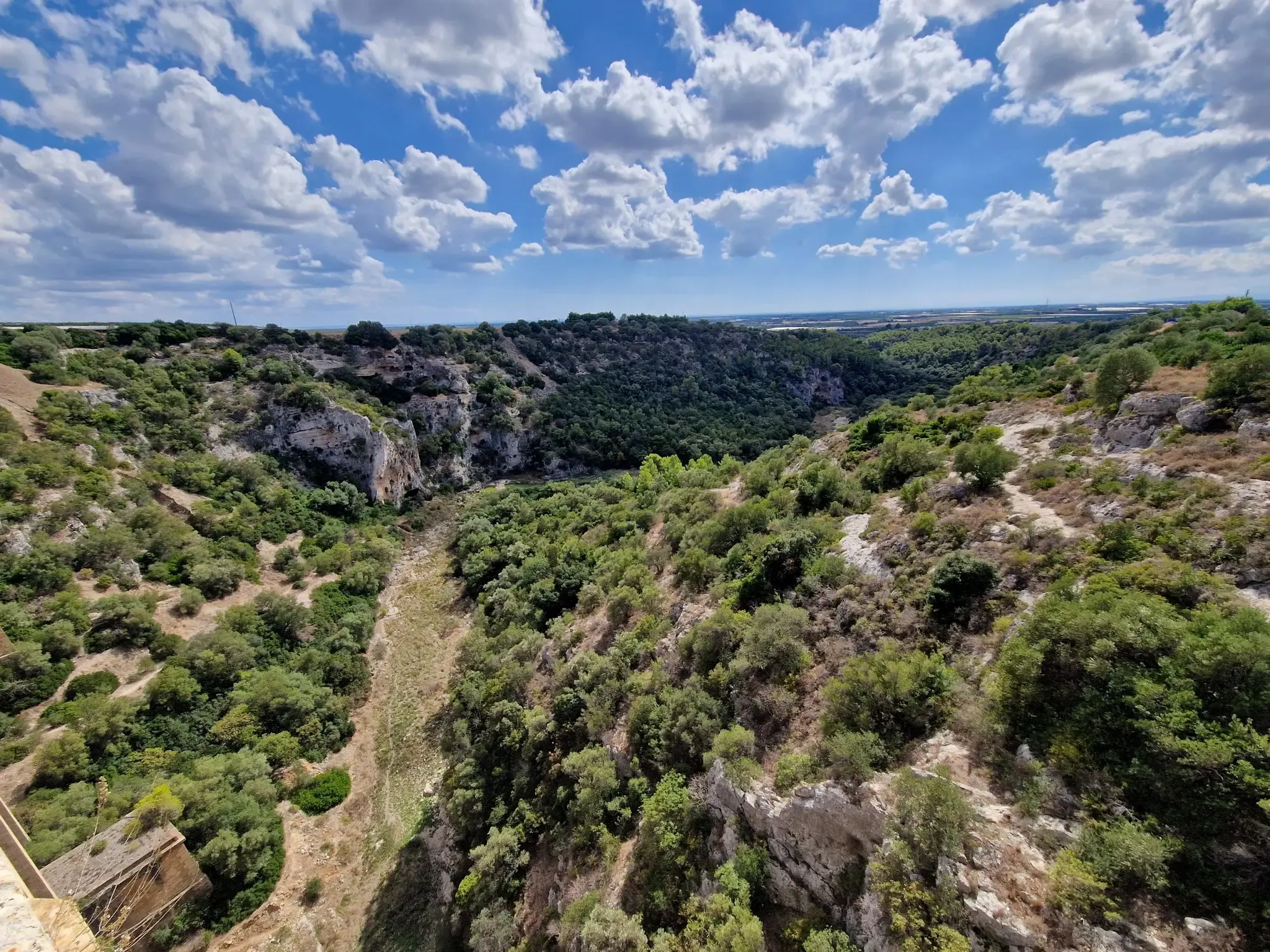
Discovering Puglia by bike – essential rides
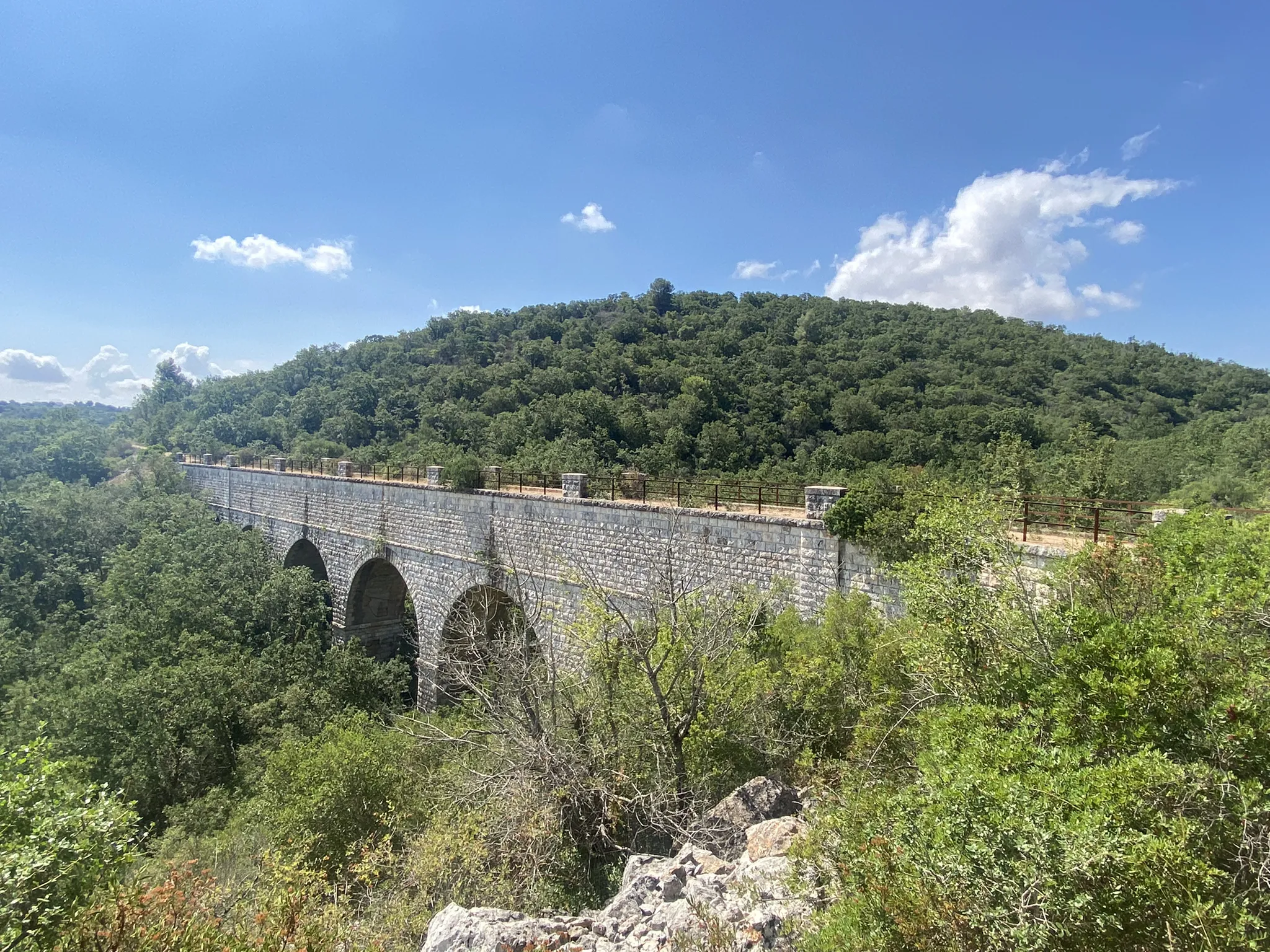
Caposele to Santa Maria di Leuca – Apulian Aqueduct Cycle Route
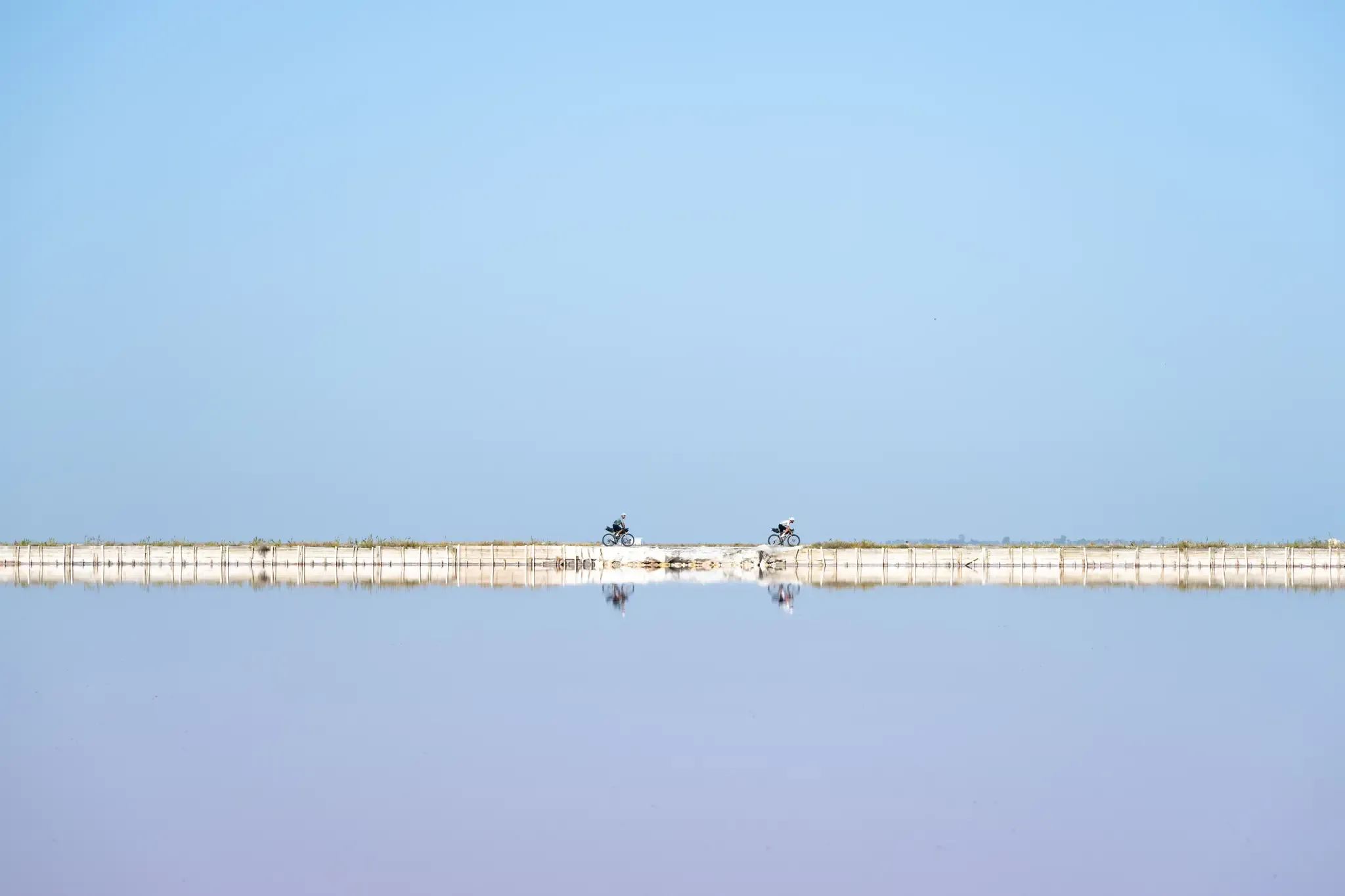
Trieste to Santa Maria di Leuca – the Adriatic Cycle Route
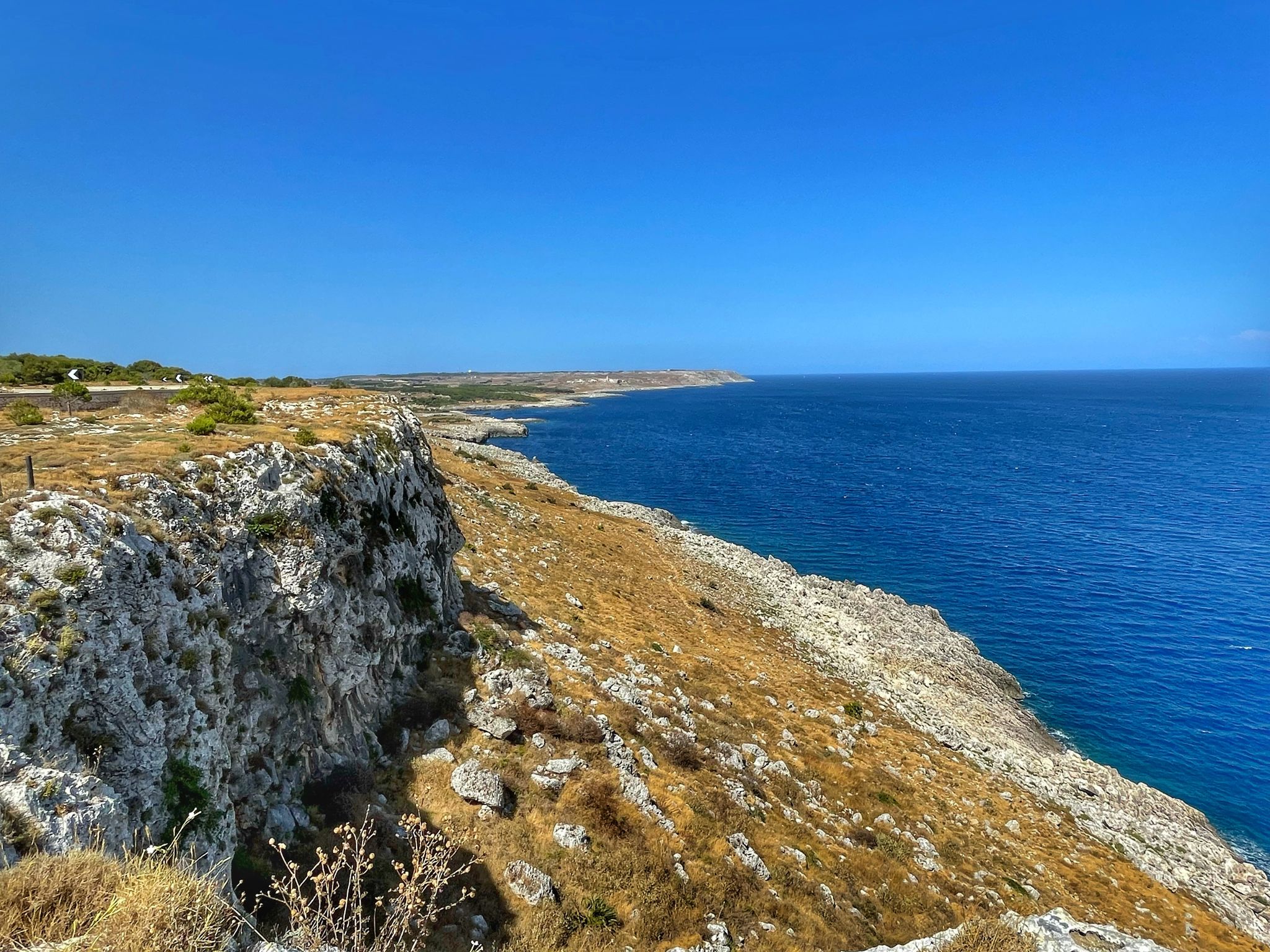
Triangle of Wonders – Salento Ring from Gallipoli
Cycle through the painted blue – a journey of discovery in Puglia
From the boot’s toe to the heel – the most beautiful cycling Tours in Italy
Sea, culture, taste and nature — Italy’s Puglia by bike
Italy’s Puglia from Bari to Santa Maria di Leuca — all the way south
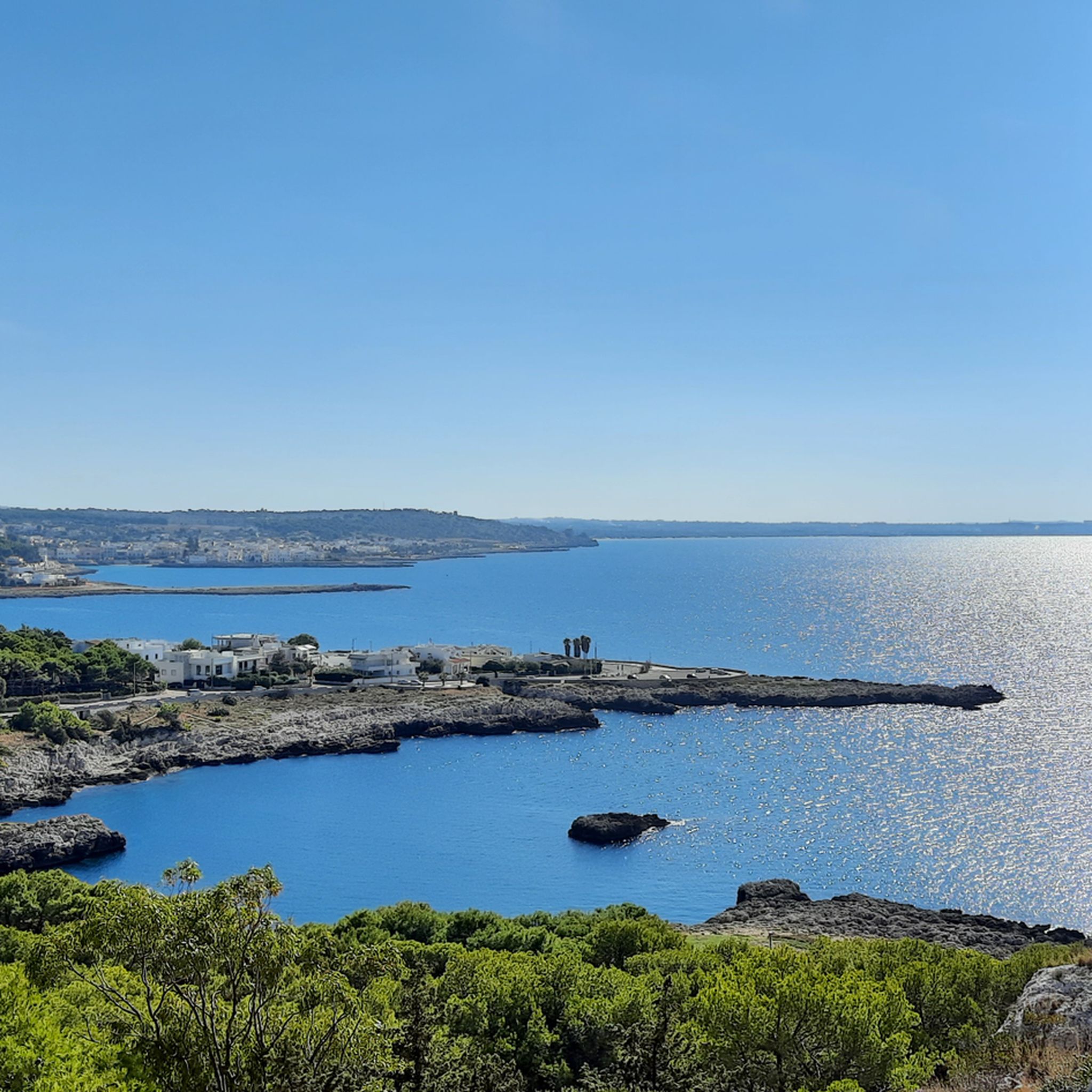
Hiking in Lecce
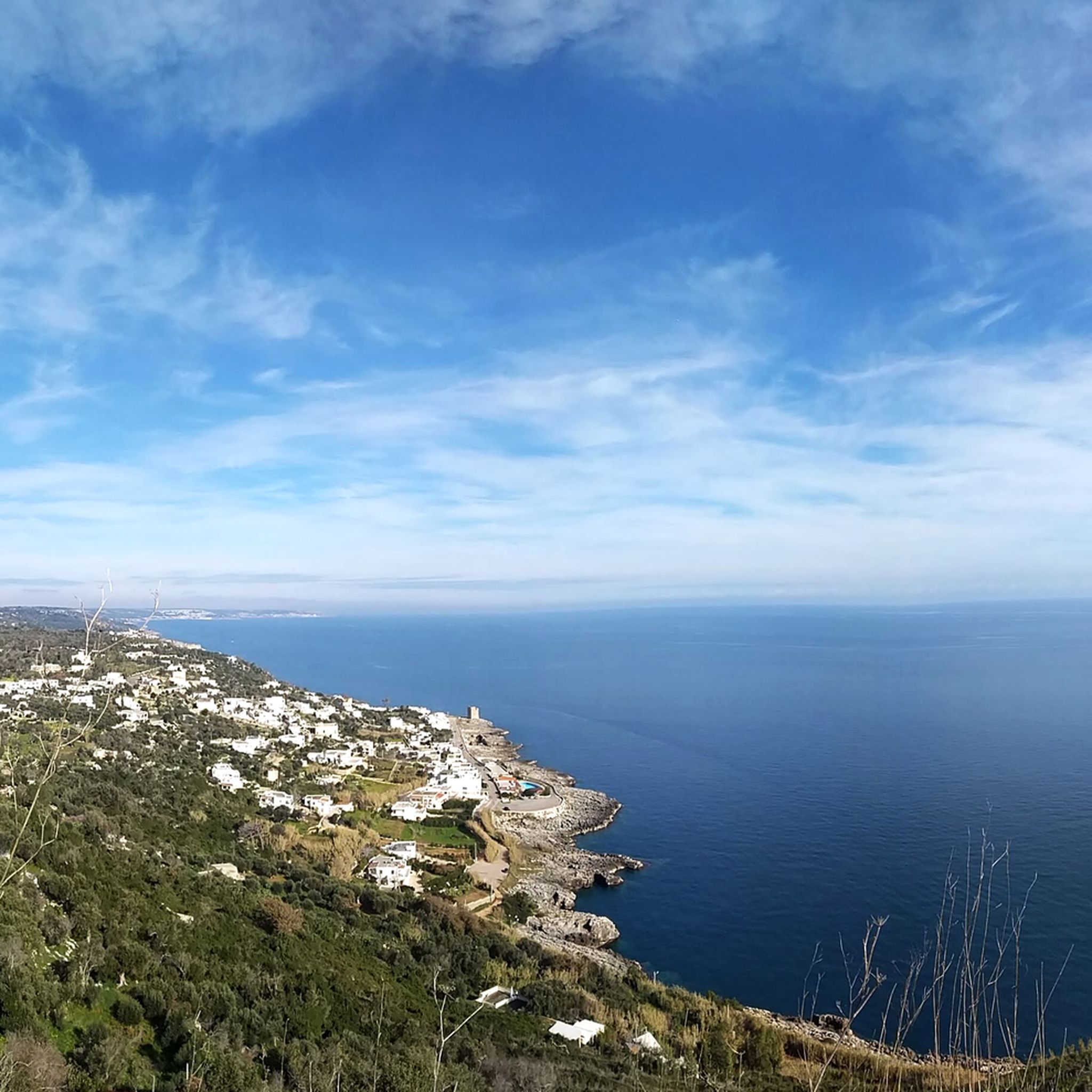
Cycling in Lecce
Other adventures in Lecce


Tips from the Community

Very nice small private museum
0
0

A wonderful hike along the sea. The view is breathtaking. Highly recommended. Ideal in the early morning hours when it's not so warm in summer.
0
0

Underground olive press in the ancient medieval farmhouse of Anfiano. Dug into the tuff rock to better preserve the oil thanks to the constant temperature, protecting it from pirate raids. Well preserved, it is located on the edge of the road and is easily accessed through a small gate.
0
0


Ruins of a farmhouse built in ancient times next to the church of Santa Marina di Stigliano. Probably destroyed during the numerous Saracen raids
0
0

Extraordinarily maintained by the owner and made available to everyone out of a pure spirit of sharing. Chapeau! Take care of it and respect it.
0
0

Porto Badisco is a pretty cove nestled on the coast of the Adriatic about 10 km south of Otranto.
0
0
The quantity of lush greenery of the Mediterranean scrub keeps the naturalistic value of this crossed area high, so much so that you are amazed when you descend from the greenhouse on the east side, especially for the people of Tuglia who are used to peering towards the Ionian Sea. San Nicola di Macugno is its emblem, the History and the stories told that involve this place and Nature with the harmoniously integrated cultivated fields give beauty and joyfulness.
0
0
Frequently Asked Questions
What kind of caves can I explore in Lecce?
Lecce offers a diverse range of caves, from natural sea caves and grottoes carved by the sea to historical and archaeological sites. You can find natural swimming pools, caves with impressive stalactites and stalagmites, and ancient sites with prehistoric engravings and rock paintings. Some are accessible by land, while many are best explored via boat tours.
Are there any caves in Lecce with significant historical or archaeological importance?
Yes, several caves in Lecce are rich in history. The Porto Badisco Bay area is known for the Grotta dei Cervi, which houses one of Europe's richest collections of Neolithic rock paintings. While the Grotta dei Cervi itself is currently closed for preservation, the Grotta della Poesia is a site of archaeological importance with prehistoric engravings. Grotta del Diavolo has yielded Neolithic tools and weapons, and Grotta Porcinara features ancient Greek and Latin inscriptions.
Which caves are known for unique natural features or geological formations?
The region boasts several caves with unique natural features. Grotta Zinzulusa is famous for its impressive stalactites and stalagmites. Grotta della Poesia is a spectacular natural swimming pool with turquoise waters. You can also experience the 'blowing' effect of Grotta del Soffio, caused by natural air compression, or admire the green reflections in Grotta Verde, ideal for snorkeling.
Can I visit caves that are accessible by land?
Yes, some caves are accessible by land. Grotta Zinzulusa offers guided tours by land, and Grotta del Diavolo and Grotta Porcinara can also be reached on foot. The Cipolliane Cave is part of a network accessible via a scenic hiking trail near Marina di Novaglie.
Are there family-friendly caves or activities suitable for children?
Many boat tours to the sea caves are suitable for families, offering a fun way to explore the coastline. The Porto Badisco Bay is considered family-friendly, with crystal-clear waters for swimming. While some archaeological sites might be more engaging for older children, the natural beauty and boat trips can be enjoyed by all ages.
What is the best way to explore the sea caves in Lecce?
Many of Lecce's sea caves are best explored via boat tours. These tours typically depart from towns like Castro, Otranto, and Santa Maria di Leuca, offering close-up views of the coastal formations and often allowing for swimming or snorkeling in the clear waters near the caves.
Are there any caves that offer a unique sensory experience?
Grotta del Soffio, near Santa Maria di Leuca, provides a unique sensory experience. It's known for a natural air compression phenomenon that creates a 'blowing' effect as water enters the cave, accompanied by unique light and air bubble effects. It's ideal for exploration by boat or snorkeling.
What kind of outdoor activities can I do near the caves in Lecce?
The area around Lecce's caves offers various outdoor activities. You can find excellent MTB trails, running trails, and road cycling routes. For example, the Ciolo gorge and the Cipolliane trail offer scenic running routes along the Salento coast. Many routes allow you to combine cave visits with hiking or cycling along the stunning coastline.
Are there any man-made caves or underground structures to visit?
Yes, Lecce also features man-made underground structures. The Anfiano Hypogeum and the Frantoio Ipogeo (Underground Olive Oil Mill) are examples of historical sites that offer a glimpse into ancient life and industry. Grotta Porcinara, while natural in location, features a found wall structure and ancient inscriptions.
What is the best time of year to visit the caves in Lecce?
The best time to visit the sea caves in Lecce is generally during the warmer months, from late spring to early autumn (May to October). During this period, the weather is pleasant for boat tours, swimming, and exploring coastal trails. The waters are calm and clear, enhancing the experience of marine caves like Grotta Verde and Grotta della Poesia.
Are there any caves known for their religious or spiritual significance?
Yes, the region has several caves with religious significance. The Church of Santa Marina di Stigliano and Ruins is built on the remains of an ancient Byzantine crypt. The Sant'Angelo Rock-Cut Church and the Byzantine Crypt of San Salvatore are other examples of religious sites found within cave or hypogeum settings.
What do visitors enjoy most about the caves in Lecce?
Visitors frequently appreciate the crystal-clear waters, unspoiled nature, and the breathtaking scenery of the coastal caves. The blend of natural beauty with rich historical and archaeological significance, such as prehistoric engravings and ancient inscriptions, makes for a captivating experience. The unique geological formations and the opportunity for boat excursions are also highly praised.
Most popular routes in Lecce
Most popular attractions in Lecce

Get inspired with the komoot mobile app


Didn’t find what you were looking for?
Discover more caves in Lecce region by region:
Explore more
Extend your search for the best caves by checking out these guides of the top ones in Lecce:
