Top 9 Castles in Viana do Castelo
Best castles in Viana do Castelo are found in a region characterized by its strategic coastal positioning and the Lima River estuary. This area features a variety of historical fortifications that reflect its past as a key defensive location. Visitors can explore structures ranging from Iron Age settlements to medieval castles and 17th-century coastal forts. These sites offer insights into the region's history and often provide expansive views of the surrounding landscape.
Best castles in Viana do Castelo
- The most…
Last updated: October 15, 2026
Fortress of Valença
Highlight • Historical Site
Translated by Google •
Tip by

Paçô Castle 🏰
Highlight • Castle
Tip by

Sign up now to discover places like this
Get recommendations on the best single tracks, peaks, & plenty of other exciting outdoor places.
Castro Laboreiro Castle
Highlight • Castle
Translated by Google •
Tip by

Fort of Santiago da Barra
Highlight • Historical Site
Translated by Google •
Tip by

Lindoso Castle
Highlight • Castle
Translated by Google •
Tip by
Vila Praia de Âncora
Highlight • Beach
Translated by Google •
Tip by

Forte da Vinha
Highlight • Historical Site
Translated by Google •
Tip by

Lapela Tower
Highlight • Historical Site
Tip by

Vila Nova de Cerveira Castle
Highlight • Castle
Translated by Google •
Tip by

Clock Tower 🏰 and information ℹ️
Highlight • Monument
Tip by
Sign up for free to discover even more castles in Viana do Castelo.
Already have an account?
Start today with a free account
Your next adventure awaits.
Popular around Viana do Castelo
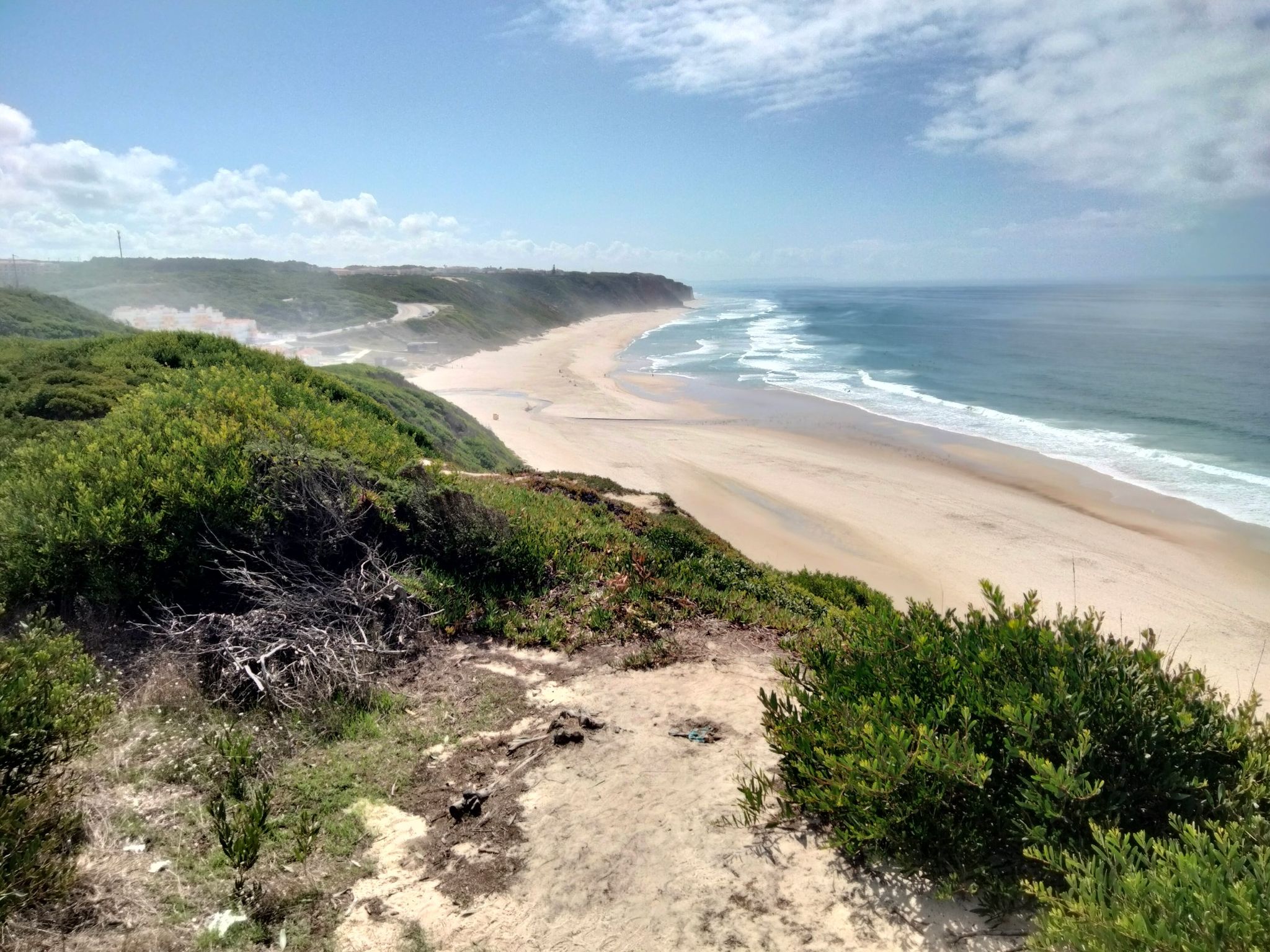
Portugal's Atlantic coast (north) – from Caminha to Lisbon
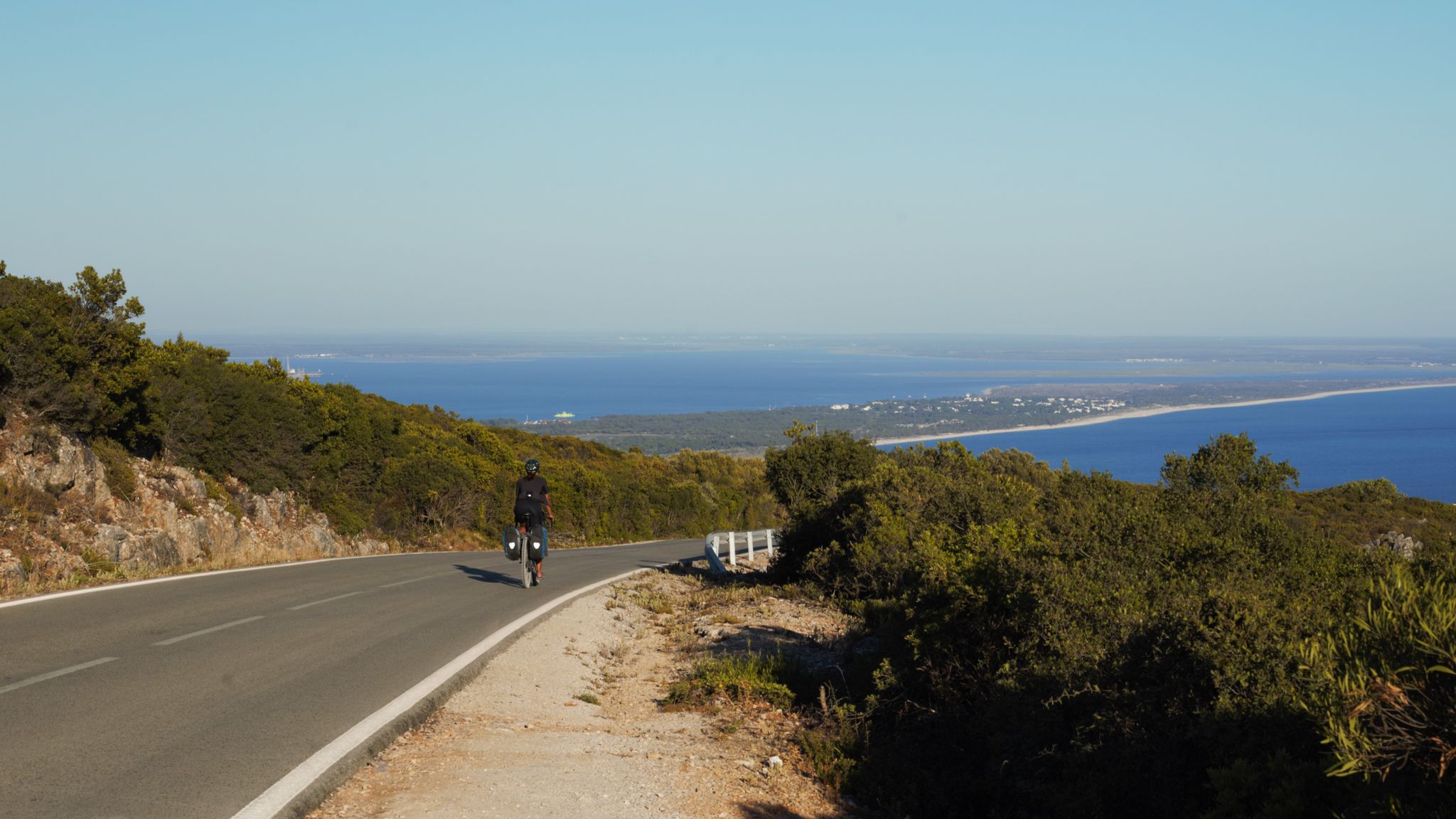
The breaking waves – cycle along the Atlantic coast of Portugal
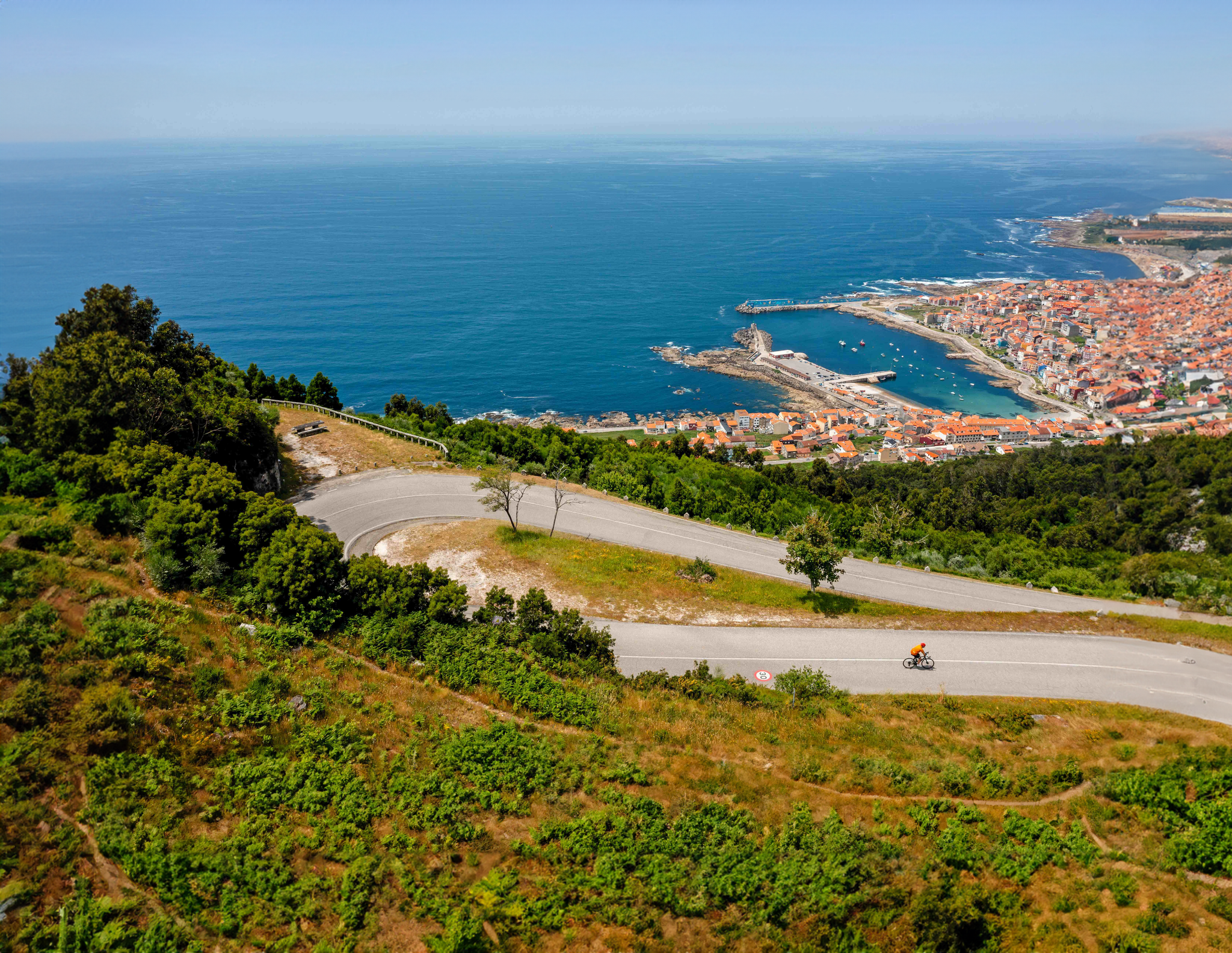
With TOUR in Northern Portugal
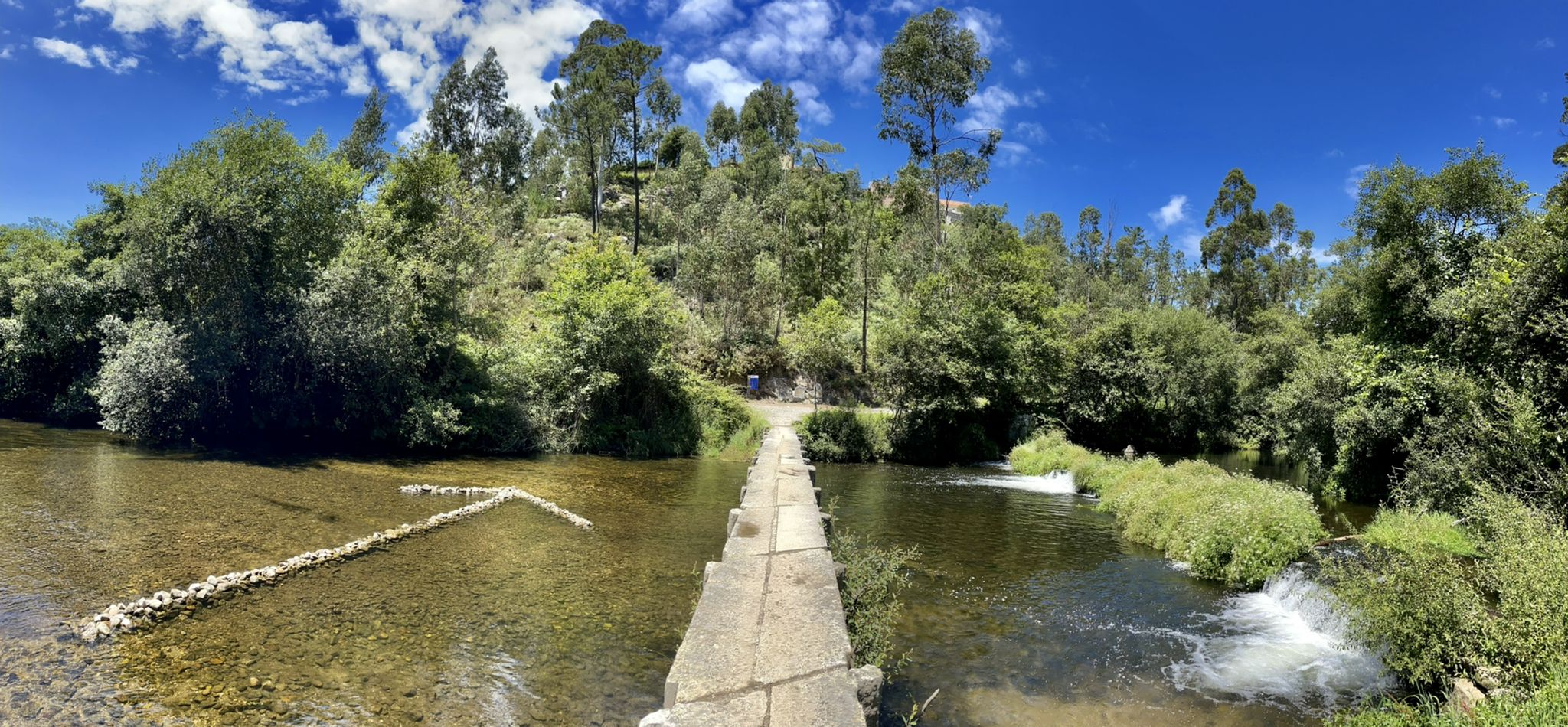
The challenge that knows no frontiers — Portuguese Coast Path
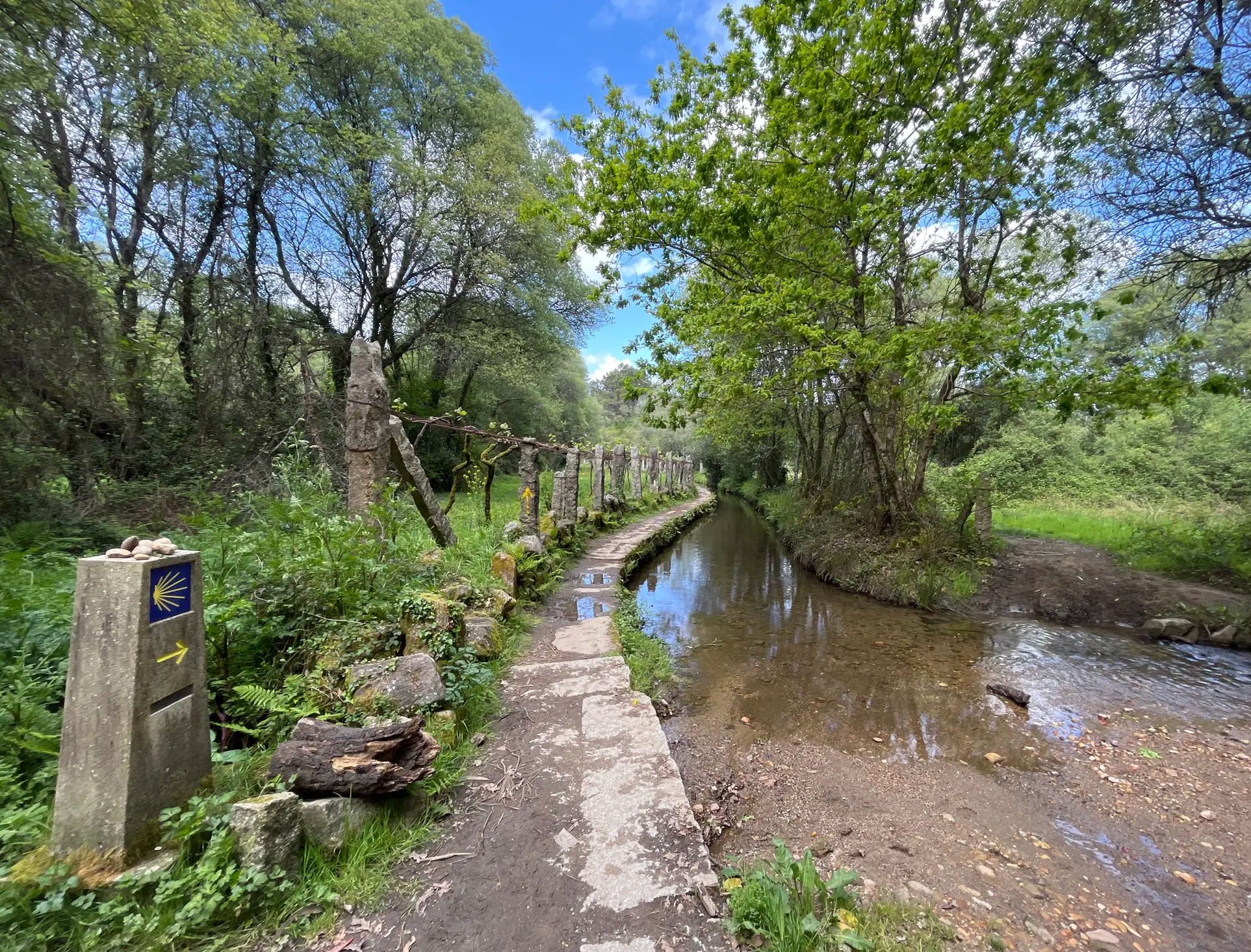
Na Rota dos Peregrinos – o Caminho Central Português
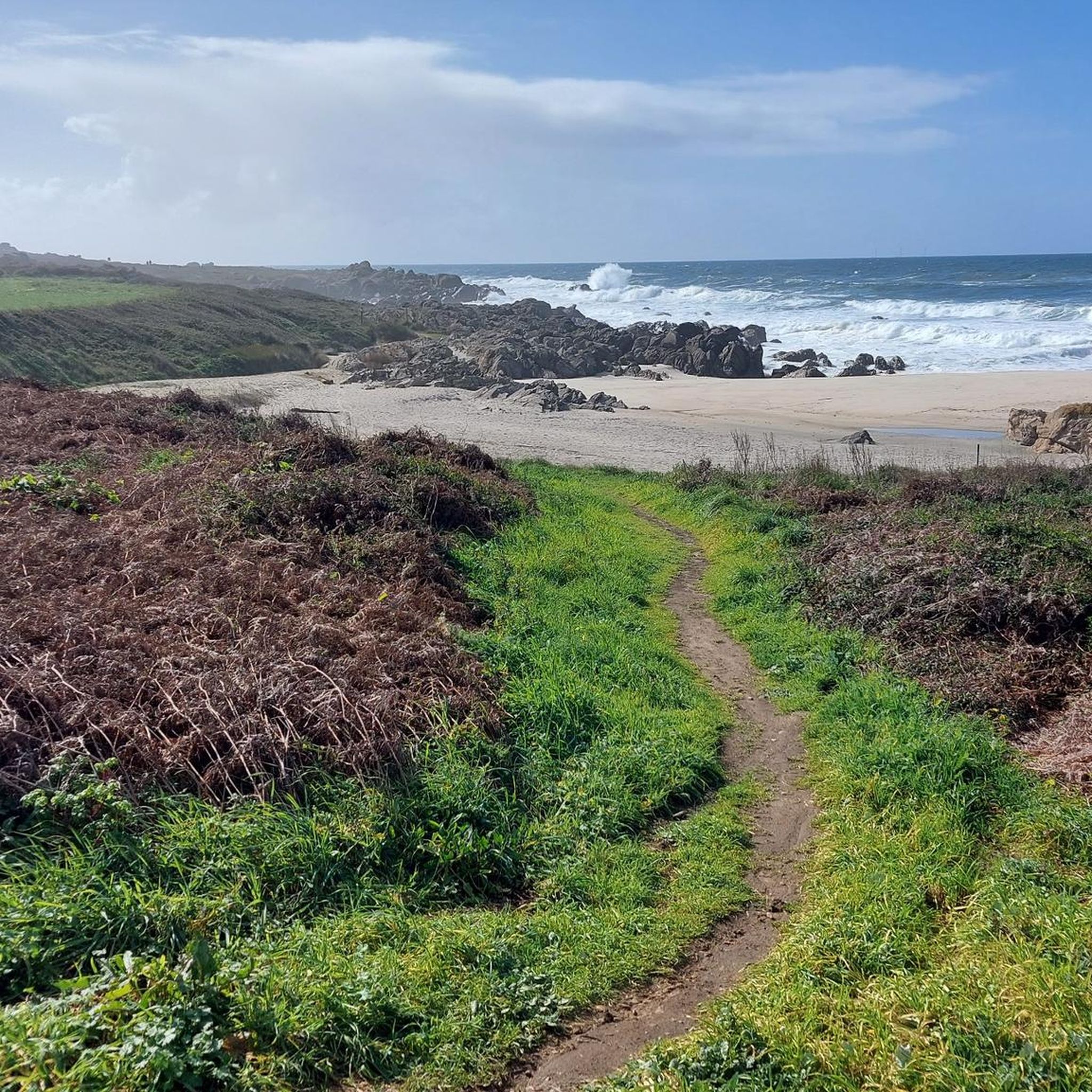
Cycling in Viana do Castelo
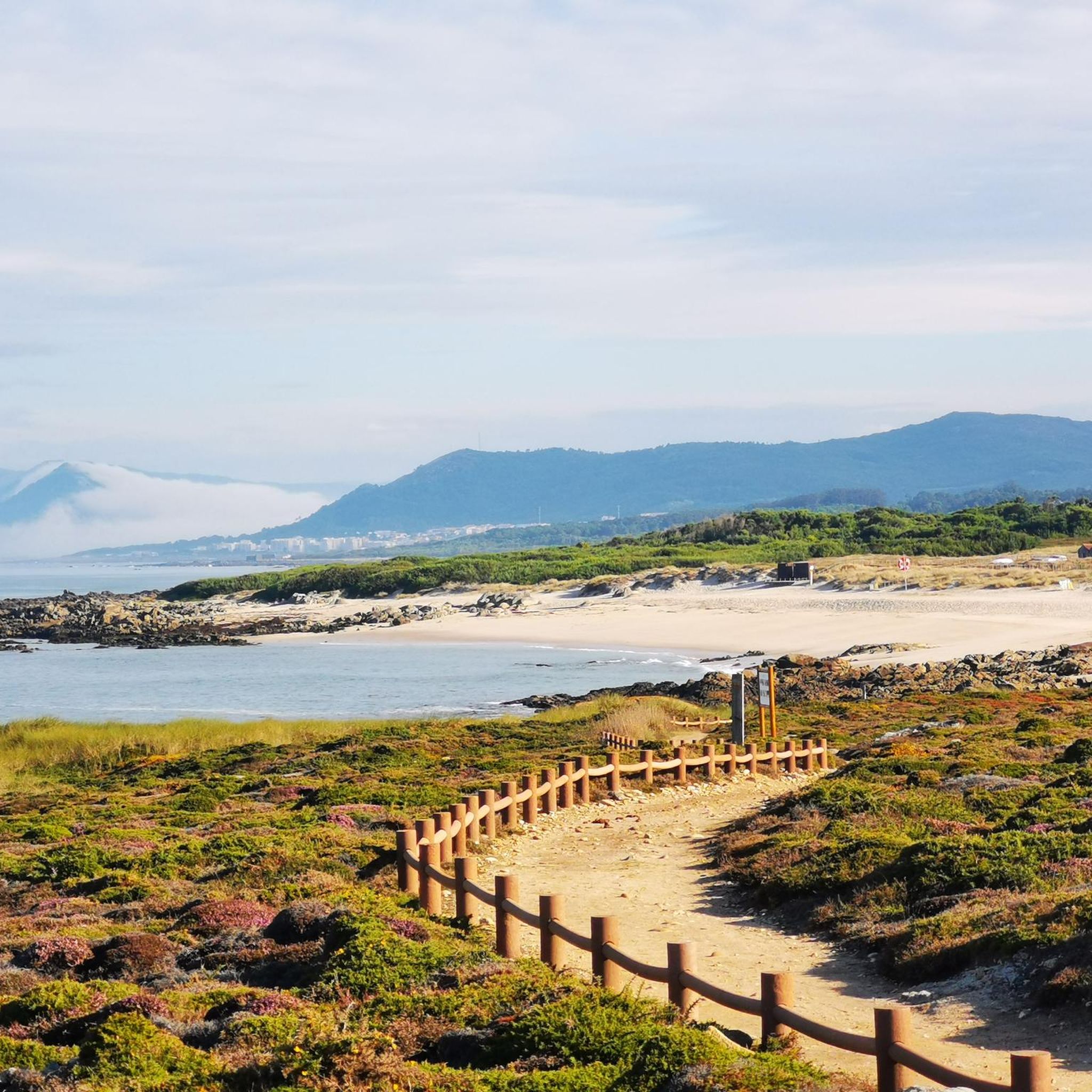
Hiking in Viana do Castelo
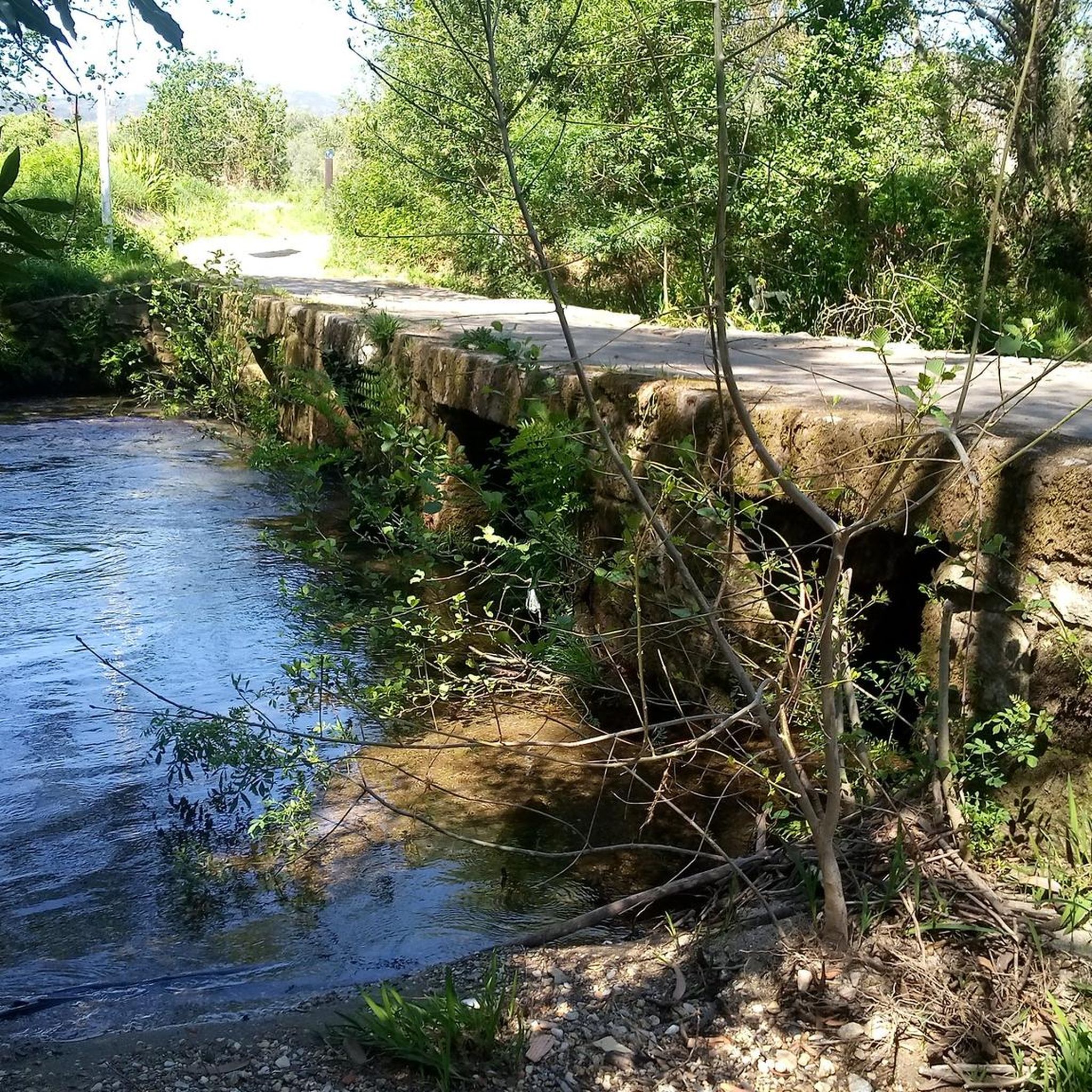
MTB Trails in Viana do Castelo
Road Cycling Routes in Viana do Castelo
Gravel biking in Viana do Castelo
Other adventures in Viana do Castelo


Tips from the Community

Old castle, but it was unfortunately closed.
0
0

Valença Fortress, also known as Praça-forte de Valença do Minho, is an imposing jewel of Portuguese military architecture with over eight centuries of history. Its origins date back to the 13th century, when King Sancho I and later Afonso III fortified it to protect the border with Galicia. During the Restoration War (17th–18th centuries), it was transformed into a Vauban-style fortress under the engineer Miguel de l’École and the architect Manuel Pinto de Vilalobos, being completed in 1713. The fortress withstood attacks during the Restoration, was captured and recaptured several times, and was also defended during the Napoleonic Wars and the Liberal Wars.
4
0

Visit and Accessibility Access: Access to the site is free and open 24 hours a day. Trails and Hiking: The fort is part of the PR7 - Paçô Fort Trail, a pedestrian route that coincides with part of the Camino de Santiago da Costa and allows you to explore the area of the Viana do Castelo Coastal Geopark, passing through landscapes of dunes and cliffs. Beach: Paçô Beach, adjacent to the fort, is a beach with a wide sandy area and rock formations that form natural pools at low tide. Accessibility: There is wheelchair accessible parking nearby.
2
0
Main Characteristics Military Architecture: The fort was built for the purpose of defending the Atlantic coast against maritime attacks. It has a characteristic star-shaped plan and small dimensions. Location: It is located directly on the beach, a few meters from the sea, which can reach its walls during the winter. Its location offers scenic views of the coastline. Current State: The fort is currently in ruins, without functional rehabilitation, and it is not possible to enter the structure. However, the surrounding area is accessible for public visitation.
2
0
The Paçô Fort, also known as the Montedor Fort, is a historic 17th-century coastal fortification located in the parish of Carreço, near Paçô Beach, in the municipality of Viana do Castelo, Portugal.
2
0

A very pretty little town on the Atlantic. A worthwhile stop on the Camino Portuguese!
0
0

The complex is surprisingly large. You can walk along the entire fortress wall, offering new views every time. There's no admission charge.
0
0
A very simple complex. Just a walled square. Nevertheless, it's interesting to stroll past.
0
0
Frequently Asked Questions
What types of historical fortifications can I explore in Viana do Castelo?
Viana do Castelo offers a diverse range of historical fortifications. You can explore ancient Iron Age/Roman fortified settlements like Citânia de Santa Luzia, medieval castles such as Castro Laboreiro Castle, and 17th-century coastal defense forts like Paçô Castle 🏰 and the Fort of Santiago da Barra. These sites showcase different eras of military architecture and the region's strategic importance.
Are there family-friendly castles to visit in the Viana do Castelo region?
Yes, several castles and historical sites in the Viana do Castelo region are suitable for families. The Fortress of Valença, Paçô Castle 🏰, Lindoso Castle, and Vila Nova de Cerveira Castle are all categorized as family-friendly. Many offer open spaces for exploration and engaging historical contexts.
Which castles offer the best panoramic views?
For breathtaking panoramic views, consider visiting Citânia de Santa Luzia, which offers expansive vistas of the coast, the Lima River valley, and the city of Viana do Castelo. Castro Laboreiro Castle, perched over 1,000 meters above sea level, provides spectacular views of the Laboreiro River valley. The Fort of Santiago da Barra also offers excellent views over the fishing harbor, the Lima River estuary, and the Atlantic Ocean from its ramparts.
What outdoor activities can I do near these castles?
Many castles are situated near scenic routes. For example, the area around Paçô Castle 🏰 is part of a pedestrian route (PR7 - Paçô Fort Trail) within the Viana do Castelo Coastal Geopark. You can find various hiking and cycling opportunities in the region. Explore options like easy hikes or gravel biking routes in Viana do Castelo for more details.
Are there hiking trails near the castles in Viana do Castelo?
Yes, there are several hiking opportunities. For instance, the area around Paçô Castle 🏰 features the 'Forte de Paçô – Fornelos Salt Pans loop from Carreço' which is an easy hike. You can find more hiking trails in the region by exploring the easy hikes in Viana do Castelo guide.
What is the best time of year to visit the castles in Viana do Castelo?
The best time to visit the castles in Viana do Castelo is generally during the spring (April to June) and early autumn (September to October). During these periods, the weather is typically mild and pleasant for exploring outdoor sites and trails, avoiding the peak heat of summer and the heavier rains of winter. This also often means fewer crowds.
Can I visit the Fort of Santiago da Barra, and what can I see there?
Yes, the Fort of Santiago da Barra is open to the public. You can walk along its ramparts, which provide excellent views of the fishing harbor, the Lima River estuary, and the Atlantic Ocean. The fort, with its distinctive star-shaped design, played a crucial role in defending Viana do Castelo's port. It currently houses the headquarters of the Regional Tourism Authority and a Hotel and Tourism School.
What is unique about Citânia de Santa Luzia?
Citânia de Santa Luzia is not a traditional medieval castle but an important Iron Age/Roman fortified settlement, also known as Cidade Velha (Old Town). It offers a unique insight into Celtiberian culture and the daily life of ancient communities. You can explore the ruins, which feature circular floor plans and a boardwalk for easy navigation, all while enjoying breathtaking panoramic views from its strategic hilltop location. Entry is free. For more information, you can visit Visit Portugal.
Are there any other notable fortifications near Viana do Castelo worth visiting?
Beyond Viana do Castelo itself, the wider district offers other significant fortifications. The Fort of São João Baptista in Esposende, south of Viana do Castelo, is a 17th-century coastal fort with an irregular star-shaped plan. It now houses a branch of the Esposende Coastal Interpretation Centre and a terrace/bar, offering privileged views. You can find more details on Wikipedia.
What do visitors enjoy most about the castles in Viana do Castelo?
Visitors frequently appreciate the historical significance and the stunning views offered by these fortifications. Many highlight the well-preserved architecture, the sense of history within the walls, and the opportunity to combine cultural exploration with scenic walks. The strategic locations often provide excellent photo opportunities and a chance to understand the region's past.
Is there parking available at the castles?
Parking availability varies by location. For example, Paçô Castle 🏰 is conveniently located just a few meters from a parking lot. For other sites, especially those within city centers like the Fortress of Valença, public parking options are generally available nearby, though they might require a short walk to the entrance.
Can I visit the ruins of <a href="https://www.komoot.com/highlight/412439" target="_blank" rel="noopener">Paçô Castle 🏰</a>?
While the structure of Paçô Castle 🏰 itself is currently in ruins and not accessible for entry, the surrounding area is open to the public. Its location directly on the beach offers scenic views of the coastline and it's part of a pedestrian route, making it a pleasant spot for a visit and a walk.
Most popular routes in Viana do Castelo
Most popular attractions in Viana do Castelo

Get inspired with the komoot mobile app


Didn’t find what you were looking for?
Explore Viana do Castelo’s best castles region by region:
Explore more
Looking for the best castles somewhere else? Discover other guides in Viana do Castelo:
