Top 20 Natural Monuments around Malle
Best natural monuments around Malle offer a diverse range of natural and historical landscapes. The region features unique fens, significant historical waterways, and ancient trees, providing varied natural experiences. These areas are characterized by their ecological importance and historical context, shaped by both natural processes and human interaction. Visitors can explore protected landscapes that showcase the natural heritage of the Malle region.
Best natural monuments around Malle
- The most popular natural monuments is Antitankgracht – Green ribbon around the city…
Last updated: October 13, 2026
The Zwart Water
Highlight • Lake
Translated by Google •
Tip by

Antitankgracht – Green ribbon around the city of Antwerp
Highlight • River
The moat has a length of about 33 km and is at …
Translated by Google •
Tip by

Sign up now to discover places like this
Get recommendations on the best single tracks, peaks, & plenty of other exciting outdoor places.
Vrieselhof Castle
Highlight • Castle
Translated by Google •
Tip by
Achtzaligheden Tree
Highlight • Natural Monument
Translated by Google •
Tip by
Cycling along the Anti-Tank Canal
Highlight • River
Translated by Google •
Tip by
Sign up for free to discover even more natural monuments around Malle.
Already have an account?
Start today with a free account
Your next adventure awaits.

Tips from the Community

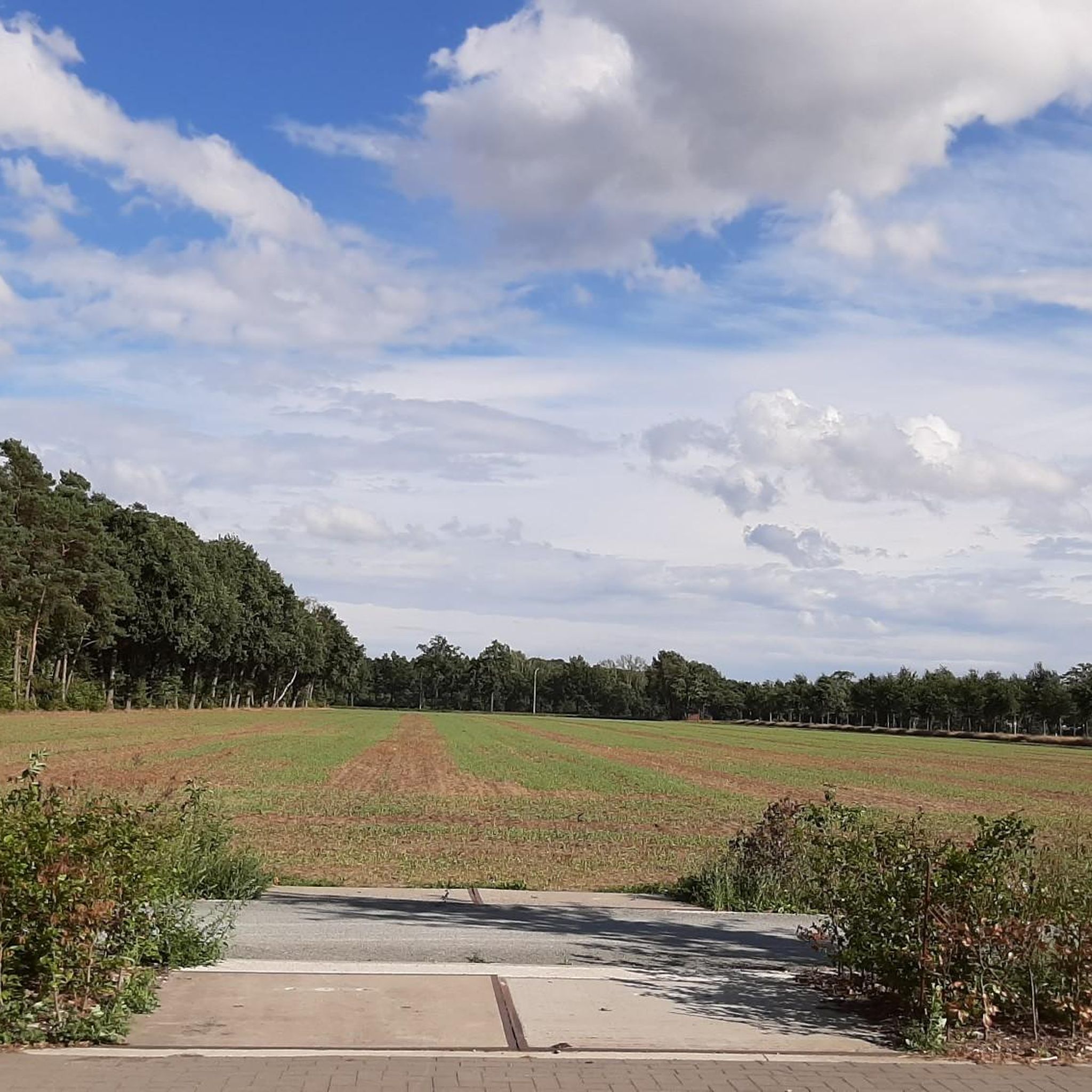
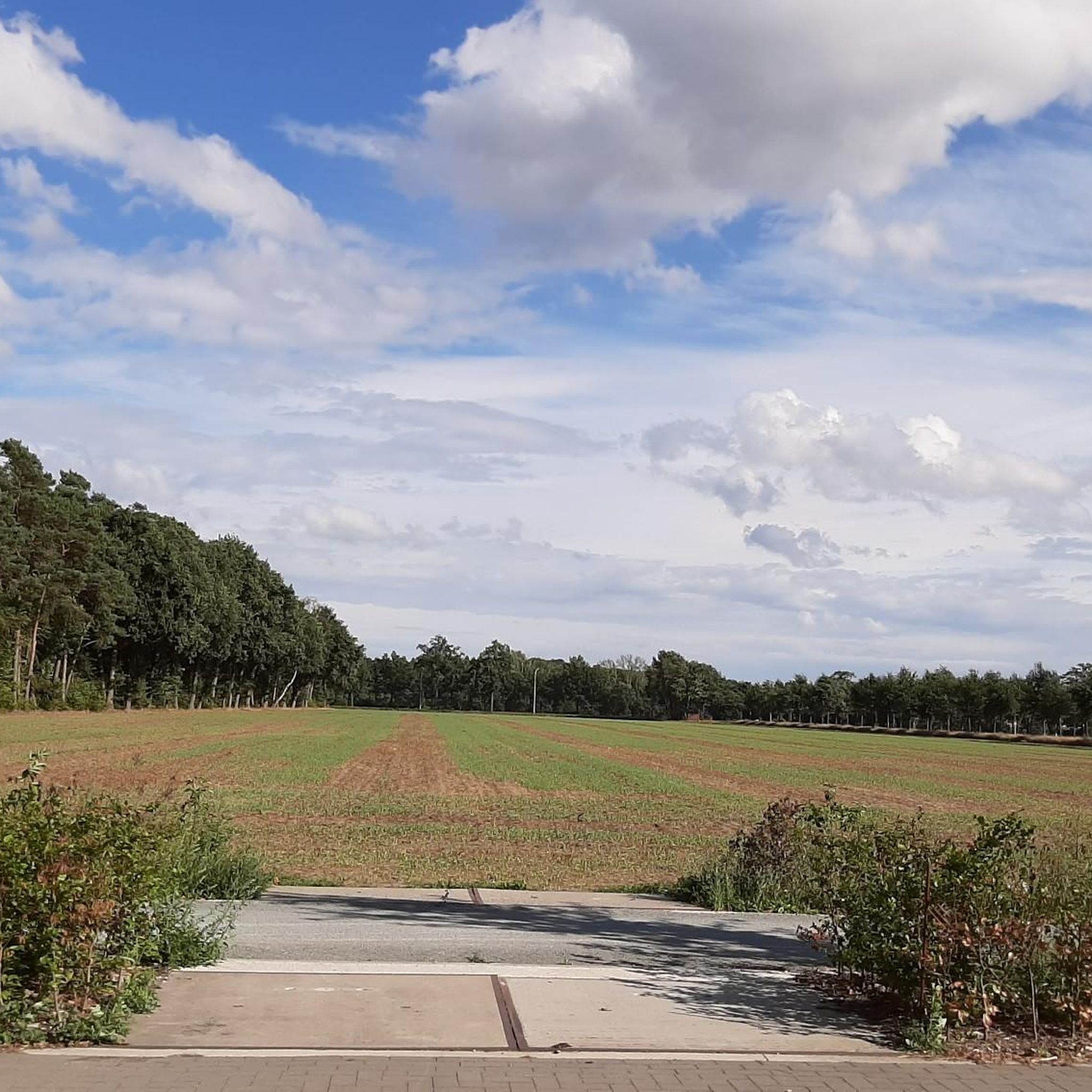
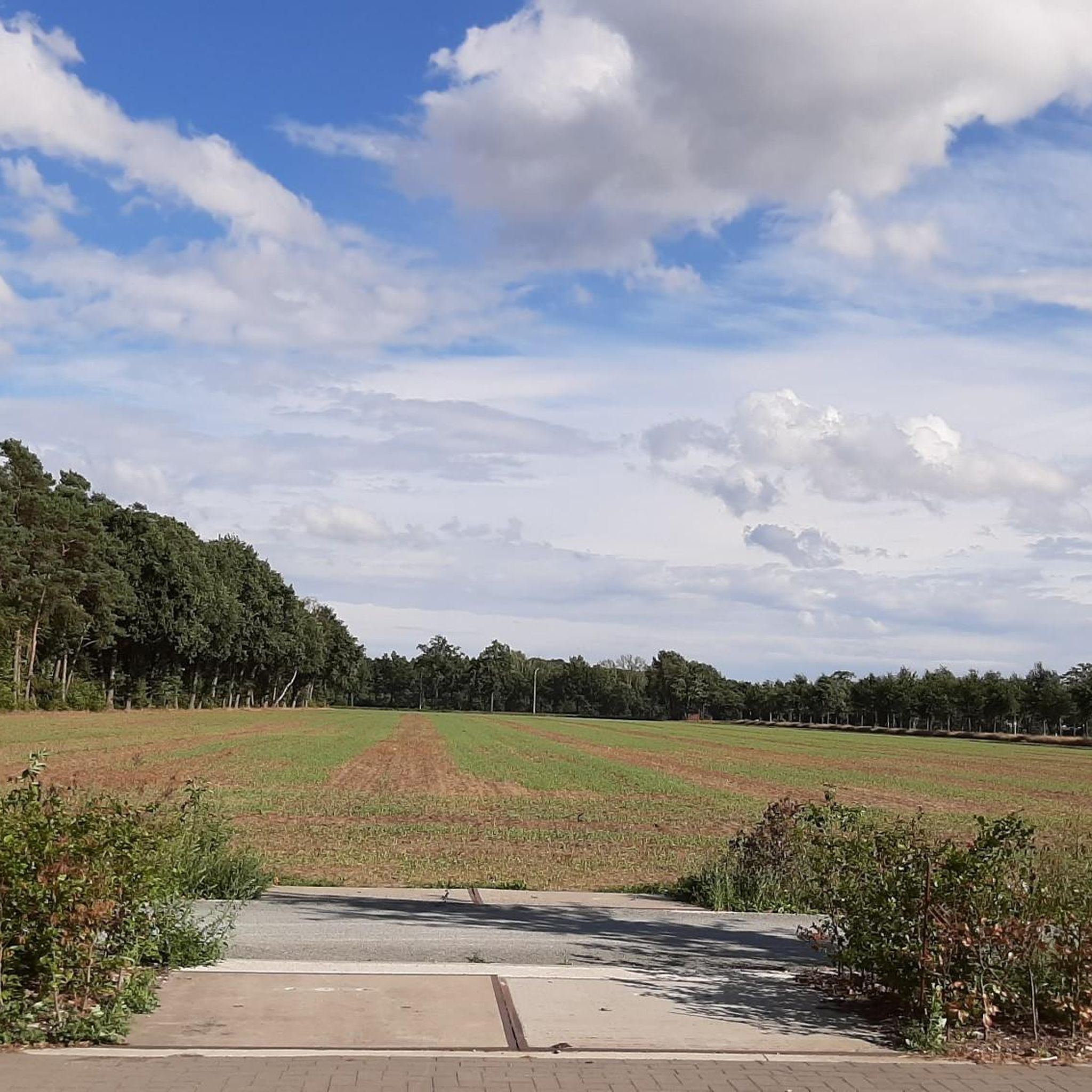
Protected cycle path (gravel). Essentially a straight line from Oelegem to Sint Job in 't Goor (connecting with the Schoten Canal). Despite its straightness, it's not endless and offers plenty of variety.
5
0

This tree was once magnificent. Now it seems to be dying... 😟
2
0

Beautiful resting place in the heath
3
0

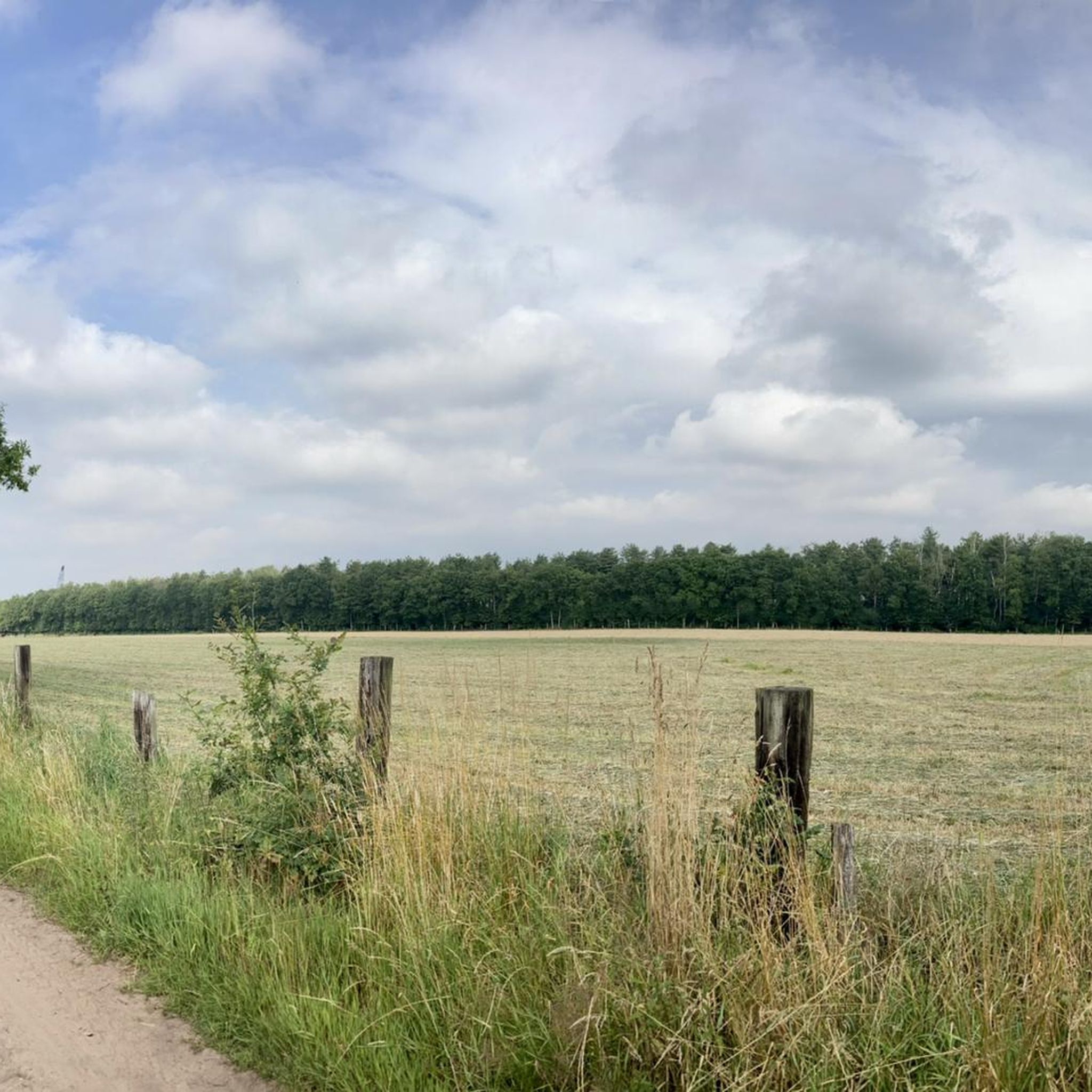
Het Zwart Water is a nature reserve southwest of the town of Lichtaart, which is part of the Antwerp municipality of Kasterlee, located near Lavendelweg 1-3. The area is managed by the Agency for Nature and Forests. The area is located on the Kempense Heuvelrug and consists of a fen that used to be in a drifting sand and heathland area, but was largely forested with conifers during the 19th century. On the edge of the fen you will find bog myrtle thickets, willow swamp forest and poor grassland. There is a floating dome in the fen that forms a safe resting place for birds. The forest is gradually being transformed into more mixed forest. In addition, there are remnants of heathland.
9
0

The name "Vrieselhof" goes back to Jan van Vriesele, a nobleman from Kontich who bought approximately 24 hectares of land in Oelegem around 1300 (approximately 32 hectares). In 1975, a year after the sale to the province of Antwerp, the domain was opened to hikers. From 1977 to 1999 the "Provincial Textile and Costume Museum" was located in the Vrieselhof. Due to a lack of resources, only a limited part of the collection could be exhibited. In 2002, the museum moved to Antwerp and was named Fashion Museum Antwerp. In 2003, the Provincial Library Center settled in the castle, together with administrative services. In 2011, a "library of Flemish classics" was opened within the Provincial Library Center. Works by classical Flemish writers are collected and loaned out here. In 2014, the Antwerp provincial council decided to restructure the culture department. The library center would be merged with the Cultural Dissemination and Arts Service into a new Libraries and Arts Service. In 2015, the Provincial Library Center moved to Antwerp, but the collection of Flemish classics remained in the Vrieselhof.
7
0

Historical interpretation: The anti-tank ditch is a 33 km long defensive ditch northeast of Antwerp, between the Scheldt and the Albert Canal. The canal was constructed between 1938 and 1940 as part of the Antwerp fortress. In the 1930s, the Belgian army reoriented the fortress into a defense for infantry (support points) and machine gun companies. The military added the anti-tank ditch and bunker lines (KW line) to the existing defense by forts and redoubts. The aim was to stop tanks. That is why the anti-tank ditch had to have a slope, depth and width that a tank of that time could not exceed: a bottom of at least six meters width a width of 18m at the water surface a depth of at least three meters a minimum water level of two meters slopes of 45° Originally, the Antitankgracht was going to be a dry canal, but because it filled up with water, it was forced to be converted into a wet canal. The route had to bridge a height difference of approximately 3 to 18.5 m (DTM). That is why it was divided into about 45 sections with locks. A slide in the lock regulated the water flow and thus maintained the level. The water came partly from seepage water or local streams and partly from the Maas, supplied via the Dessel-Schoten canal. Because control over water levels was so important, each lock was defended by a bunker. The bunkers at the Antitankgracht consist of lock bunkers with flanking daughter bunkers and flanking bunkers. The lock bunkers are elongated free-standing bunkers with a large blank wall, camouflaged by 'eggs' and were usually equipped for two machine guns.
10
0

The Antitankgracht was constructed just before the Second World War to stop German tanks. Fortunately, that is no longer necessary today, but it does provide us with a nice location to cycle through.
16
0
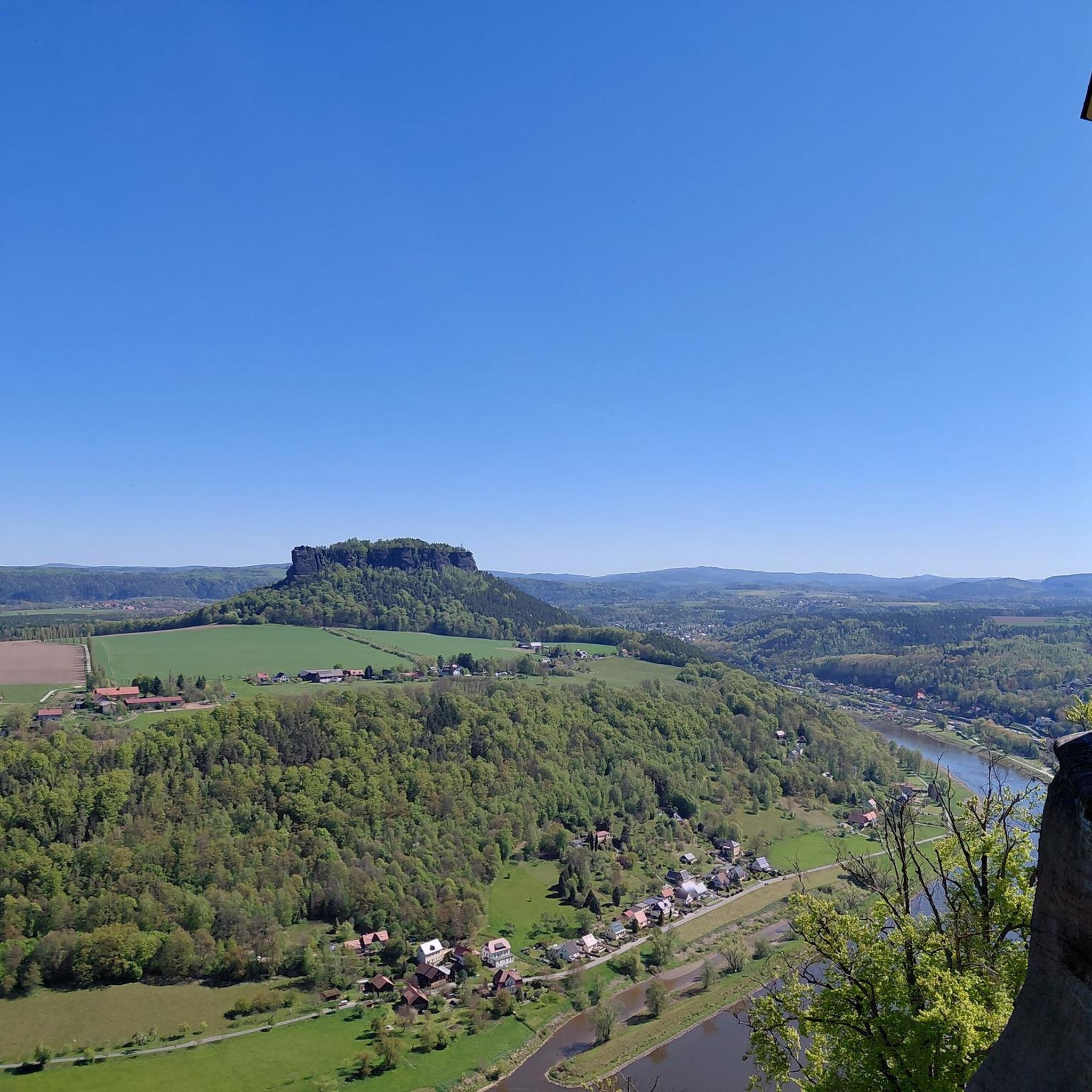
In the valley of the Groot Schijn, where Antwerp ends and the Kempen begin, lies the impressively quiet Vrieselhof castle domain. The silence is almost palpable. Due to a variety of biotopes, it gets a different look every season. More info at https://www.provincieantwerpen.be/aanbod/dvt/vrieselhof.html
6
0
Frequently Asked Questions
What are some unique natural features to explore around Malle?
The Malle region offers diverse natural features. You can visit The Zwart Water, a unique fen with a dark bottom color due to peat development, surrounded by woods and lean grassland. It also features a floating platform used by birds. Another notable site is the Achtzaligheden Tree, an ancient tree known for its capricious shape and historical significance in the Lilse woods.
Are there any historical natural monuments in the Malle region?
Yes, the region has several natural monuments with significant historical context. The Antitankgracht – Green ribbon around the city of Antwerp is an artificial watercourse with military origins from just before WWII, now recognized as a protected landscape. The Achtzaligheden Tree also carries historical stories and is estimated to date back to around 1850. Additionally, the Vrieselhof Castle domain, while a castle, is considered a natural monument due to its impressively quiet setting and variety of biotopes, with a history dating back to the 1300s.
What kind of wildlife can I expect to see in Malle's natural monuments?
The natural monuments around Malle are important for local wildlife. At The Zwart Water, a unique fen, you can observe various bird species using its floating platform for resting and nesting. The Antitankgracht, recognized as the longest protected landscape in Flanders, is known for its diverse flora and fauna, serving as an important ecological corridor and a 'real animal highway' for species moving between nature reserves.
Are there family-friendly natural monuments around Malle?
Many natural monuments in Malle are suitable for families. The Zwart Water, the Antitankgracht, the Achtzaligheden Tree, and Vrieselhof Castle are all noted as family-friendly. These locations offer opportunities for gentle walks, nature observation, and exploring historical sites in a relaxed environment.
What outdoor activities can I do near these natural monuments?
The Malle region provides excellent opportunities for outdoor activities. You can enjoy hiking, mountain biking, and cycling on various routes. For hiking, consider routes like the "Trappist Route Westmalle" or the "View of Zwart Water Lake – Westmalle Castle loop". Cyclists can explore the "St. Anthony's Chapel, Salphen – Zoersel Gravel Section loop" or routes along the Anti-Tank Canal. Mountain biking trails include the "Forest Path Between Tall Trees – Forest Path Near the Brewery loop". You can find more details on these activities in the Hiking around Malle, MTB Trails around Malle, and Cycling around Malle guides.
What makes 'The Zwart Water' a unique natural monument?
The Zwart Water is a unique fen that gets its name from its dark bottom color, a result of peat development over time. It was formed in an ancient dune landscape where sand was blown away to a hard layer, creating a pool. This area is surrounded by woods and lean grassland, and features a floating platform that birds use for resting and nesting, making it a special spot for nature observation.
What is the historical significance of the 'Antitankgracht'?
The Antitankgracht is an artificial watercourse originally constructed just before the Second World War as a military defense line around Antwerp. It was part of a network of fortresses and bunkers. Today, it is recognized as a protected landscape, stretching 33 km, and is the longest protected landscape in Flanders. It has evolved into a unique biotope with high water quality and is home to many rare plants and animals, while still featuring historical bunkers along its length.
What is special about the 'Achtzaligheden Tree'?
The Achtzaligheden Tree, located in the Lilse woods, is an ancient tree estimated to be from around 1850. It's known for its capricious shape and has been a tourist attraction for years. Its name, meaning 'Eight Beatitudes Tree', comes from the fact that it originally had eight trunks. The tree is steeped in local history and folklore, with stories of its past intertwined with the region's heritage.
Are there any castle domains considered natural monuments in Malle?
Yes, the Vrieselhof Castle domain is an impressively quiet area in the valley of the Groot Schijn, considered a natural monument due to its diverse biotopes and serene atmosphere. While featuring a rebuilt castle in Neo-Flemish-Renaissance style, the surrounding parkland and natural elements contribute to its status as a significant natural and historical site.
How can I explore the 'Antitankgracht' by bike?
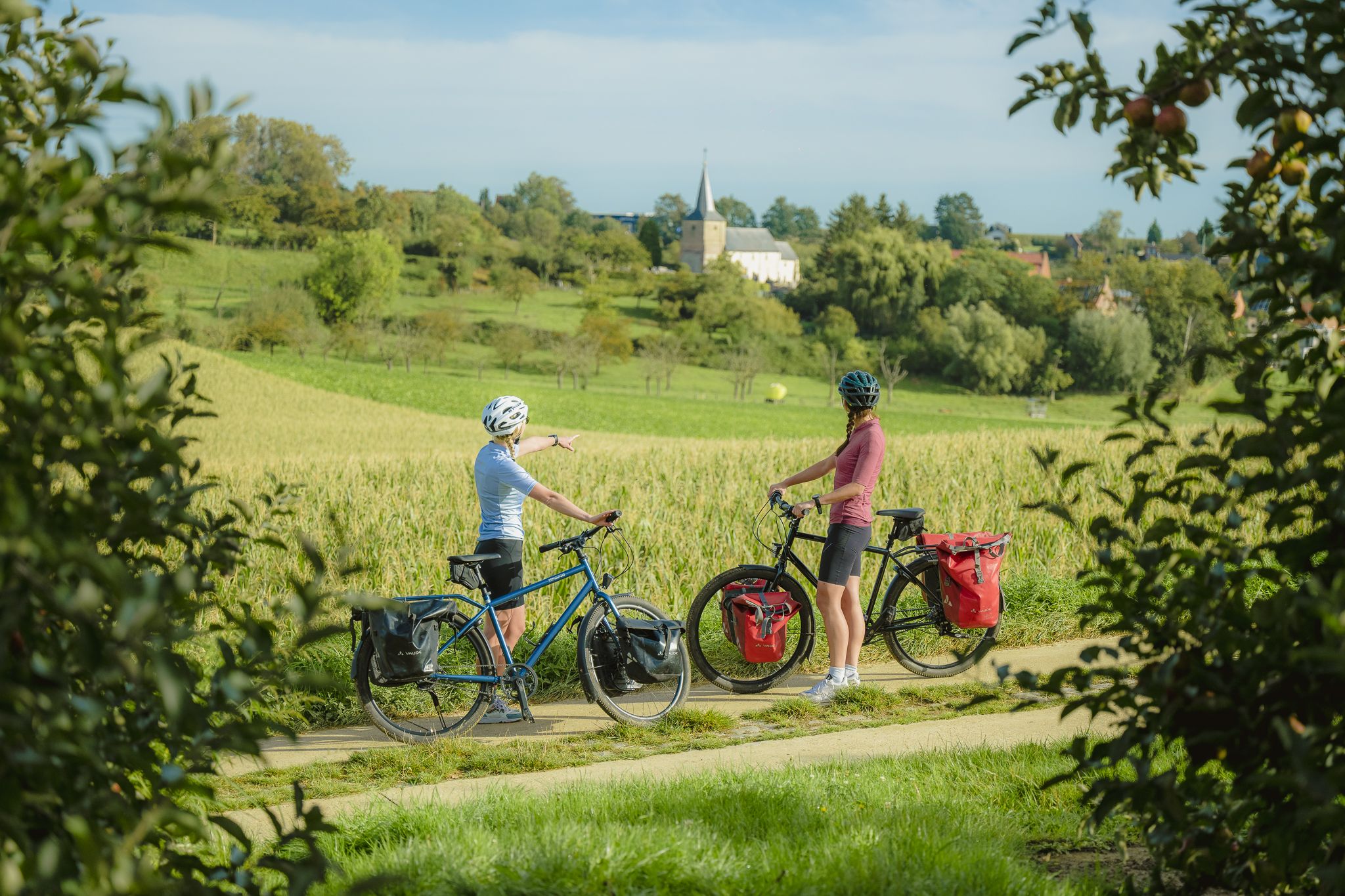
The Antitankgracht is an excellent location for cycling. What started as a military structure is now an attractive natural ribbon that invites cyclists. You can find specific routes like "Cycling along the Anti-Tank Canal" which offers a pleasant ride through this historical and ecological corridor. More cycling routes in the area can be found in the Cycling around Malle guide.
What do visitors appreciate most about the natural monuments in Malle?
Visitors to Malle's natural monuments highly appreciate the tranquility and unique natural beauty. For instance, at The Zwart Water, people enjoy the sound of birds and the sky reflected on the water, finding it a place where they 'want to be'. The Vrieselhof Castle domain is praised for its palpable silence and how it takes on a different appearance each season due to its varied biotopes. The combination of natural landscapes and rich history is a recurring theme in visitor feedback.
When is the best time to visit the natural monuments around Malle?
The natural monuments around Malle offer different experiences throughout the year. The Vrieselhof Castle domain, for example, takes on a different appearance every season due to its variety of biotopes, suggesting year-round appeal. For observing the unique fen at The Zwart Water and its birdlife, spring and autumn might be particularly rewarding. Generally, pleasant weather for outdoor activities like hiking and cycling makes spring through early autumn ideal for exploring the region's natural and historical sites.
Most popular attractions around Malle

Get inspired with the komoot mobile app


Explore more
Extend your search for the best caves by checking out these guides of the top ones around Malle:
