Top 13 Natural Monuments around Quaregnon
Best natural monuments around Quaregnon are found in the Borinage region of Belgium. This area features a landscape transformed from industrial heritage into significant natural sites. Visitors can explore over 13 natural monuments, offering ecological interest and historical context. These sites provide opportunities for outdoor activities and observing local biodiversity.
Best natural monuments around Quaregnon
- The most popular natural monuments is Mer de Sable State Reserve, a protected area known for its peat moors and young birch forests. It…
Last updated: June 26, 2026
Mer de Sable State Reserve
Highlight • Natural
Translated by Google •
Tip by

Hyon Waterfall and Ponds
Highlight • Waterfall
Translated by Google •
Tip by

Sign up now to discover places like this
Get recommendations on the best single tracks, peaks, & plenty of other exciting outdoor places.
Sign up for free
The Nail Tree of Stambruges
Highlight • Natural Monument
There are now two of them carrying the wishes and hopes of recovery. The oldest, a black locust tree, fell to the ground in …
Translated by Google •
Tip by

Crachet slag heap
Highlight • Natural Monument
Translated by Google •
Tip by

Terril Saint-Antoine
Highlight • Structure
Translated by Google •
Tip by

Sign up for free to discover even more natural monuments around Quaregnon.
Sign up for free
Already have an account?
Start today with a free account
Your next adventure awaits.
Login or Signup
Tips from the Community

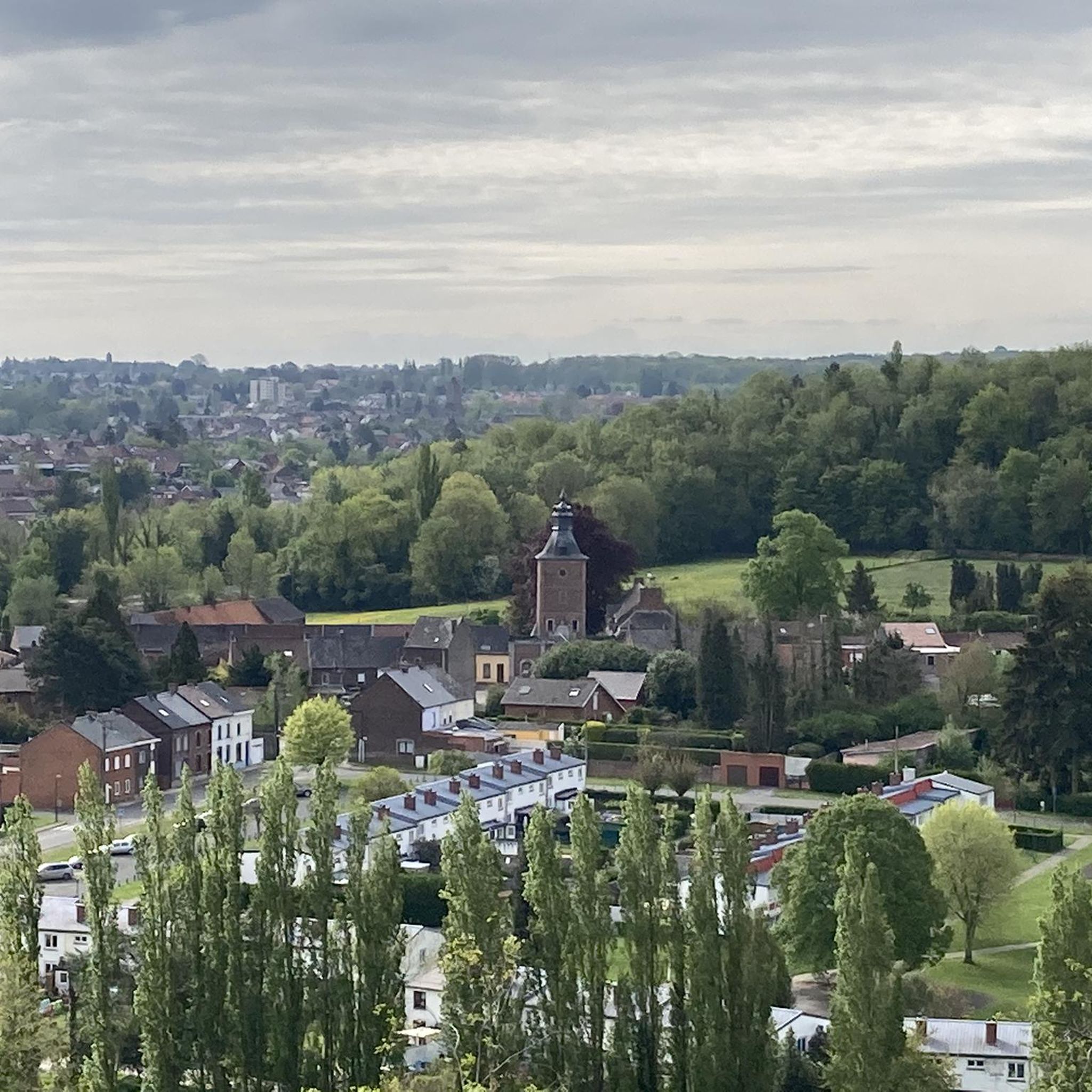
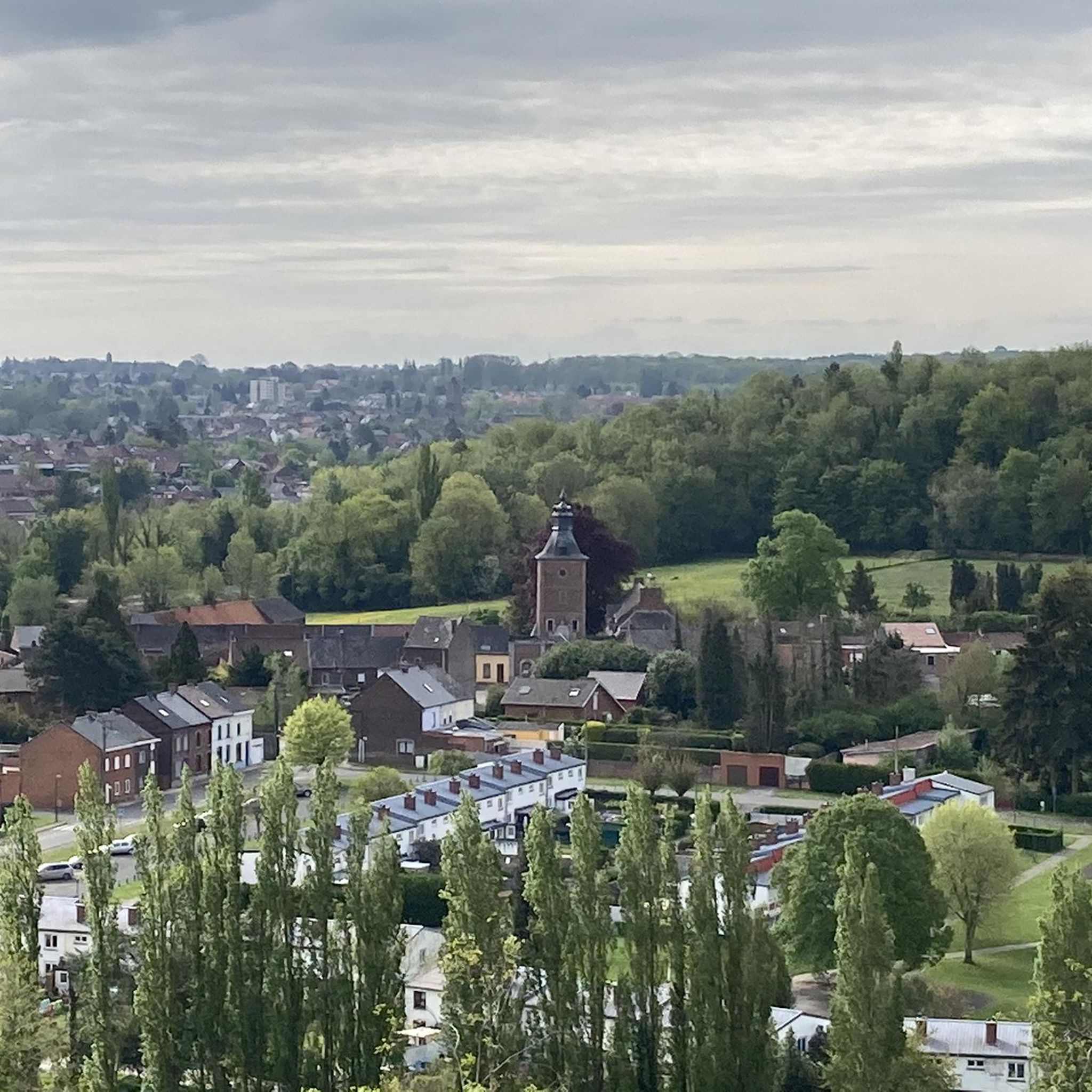
like a little trip to the moon...
0
0

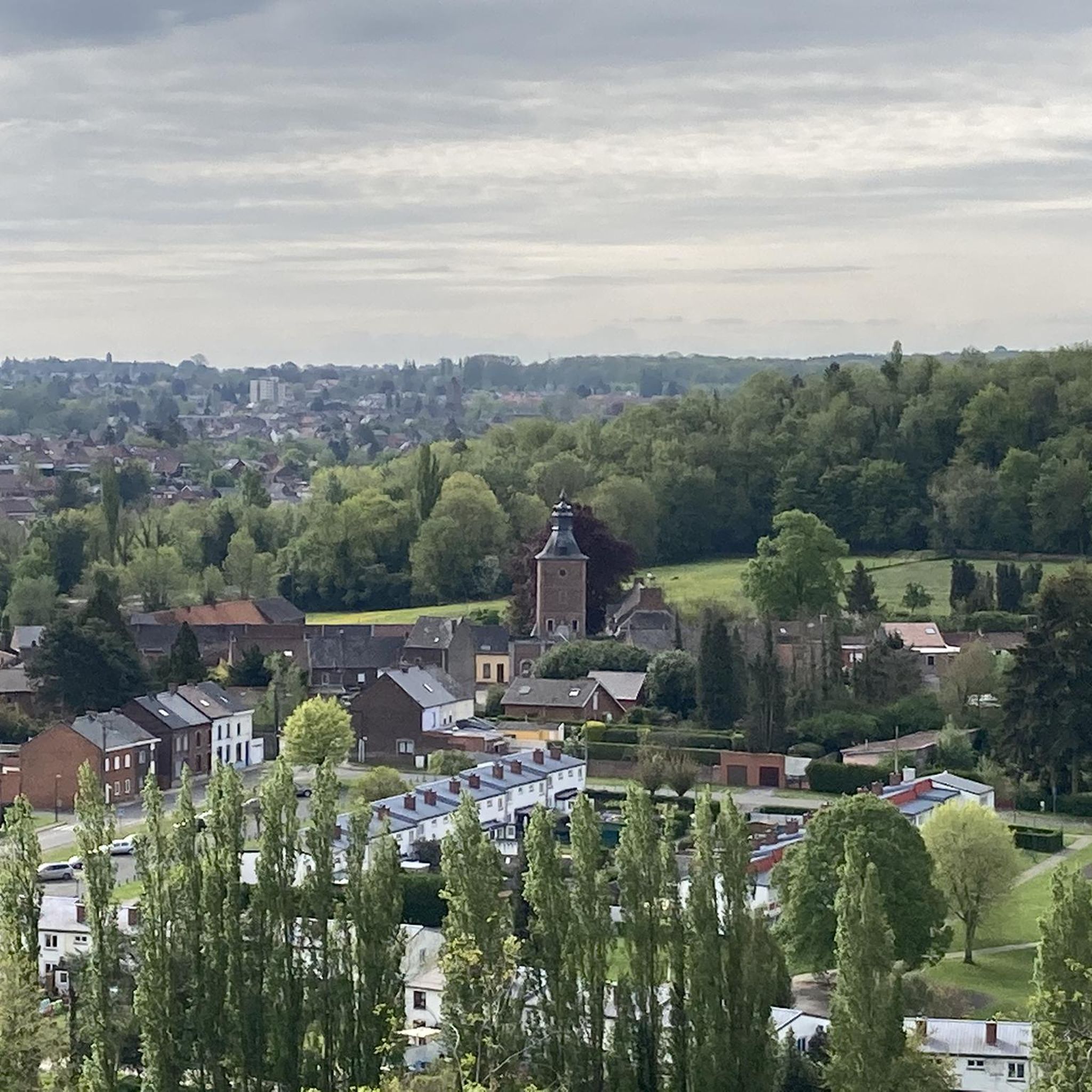
Michel Raulier: The Nail Tree of Stambruges Tree worship in our region is very ancient. Proof of this is the discovery in Blicquy, in the place called "Ville d'Anderlecht," of a set of 120 posts up to 90 cm in diameter. These may have served as supports for offerings, as evidenced by the numerous iron pins found in the filling holes. This could correspond to an artificial sacred grove housing deities, similar to Lucan's description of petrified forests in Pharsalia. In the past, trees, with their longevity and majestic shape, aroused a sense of sacredness in the minds of our ancestors. They were also believed to be capable of helping people solve their problems, particularly health problems. Many customs exist: walking around the tree, driving nails to fix the ailment, and tying cloths or fabrics to bind it. These trees were often Christianized by the installation of religious images or a chapel nearby. One example among others is that of Notre Dame de Foy. In Foy, near Dinant, a woodcutter discovered a 15th-century statuette in the heart of a very ancient oak tree in 1609. Long forgotten, the figurine bearing the image of the Virgin had been placed in a niche carved into the trunk. Over time, the wood completely covered it and erased its memory. In Stambruges, there is one of these remarkable trees, and beside it is a chapel, called "the chapel of Erconpuch" or, by another name, "the chapel of Arc-au-Puche," dedicated to the Virgin Our Lady of Arc-au-Puits, formerly called the Virgin of the Woods.
1
0

The Mer de Sable nature reserve is a 22-hectare protected area, renowned for its peat moors and young birch forests. Formerly a pond that dried up in the 19th century, the site is home to exceptional flora, including heather and carnivorous plants such as the sundew. The reserve, classified as a major heritage site in Wallonia, offers marked trails for hiking and observing local biodiversity.
2
0

Special, that sandy area and a nice place to eat (there is also a restaurant)
2
1

It is at the confluence of the Trouille and the Nouvelles river that this waterfall bridge was born. Originally there was a mill, which was turned into a tannery after the First World War. Today it is a bucolic place surrounded by nature.
2
0

This is a summit climb. Especially on the adventurous side. There are ropes there to hoist you up. The other side is a nice wide walking path. In my opinion, the most beautiful slag heap on the GR 412.
6
0
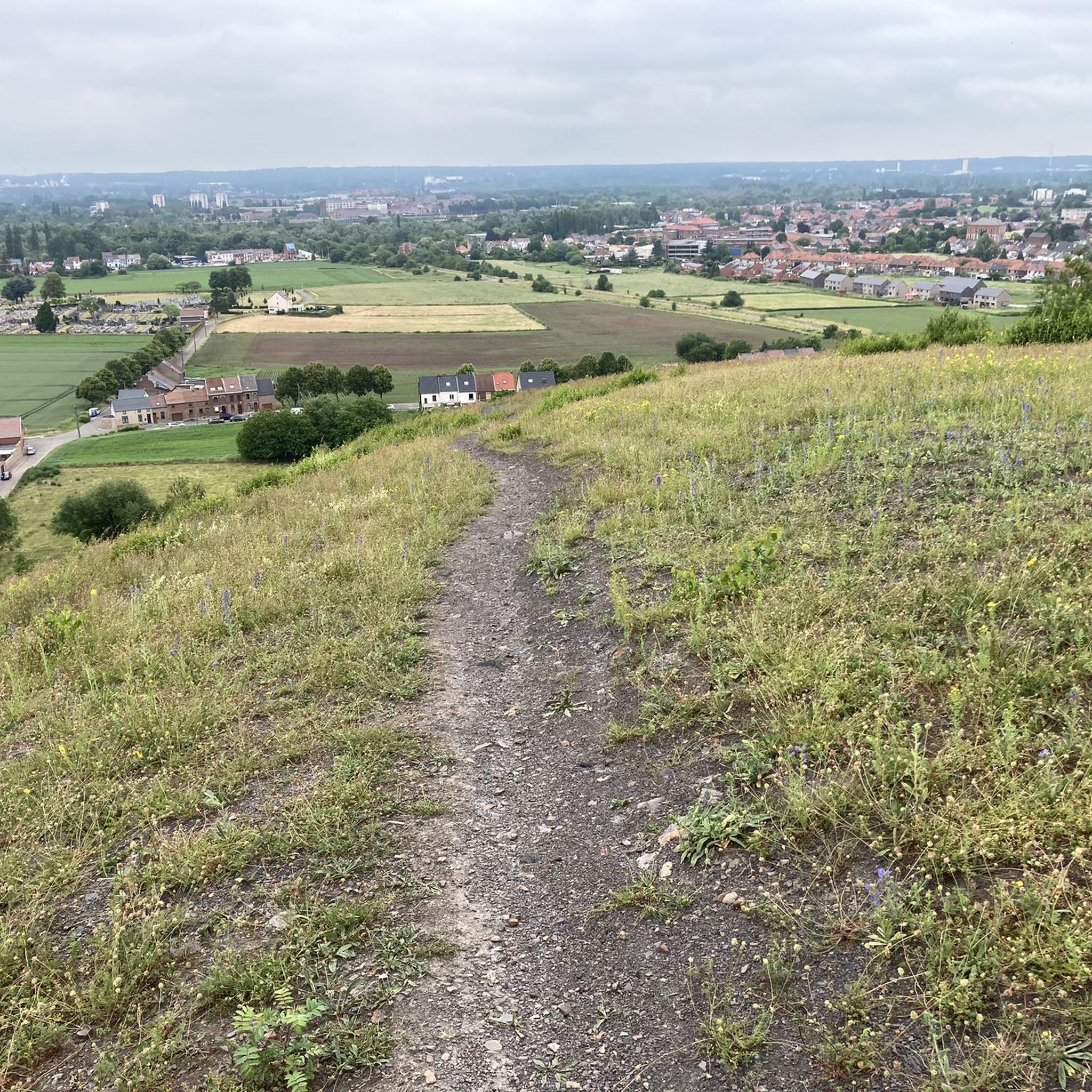
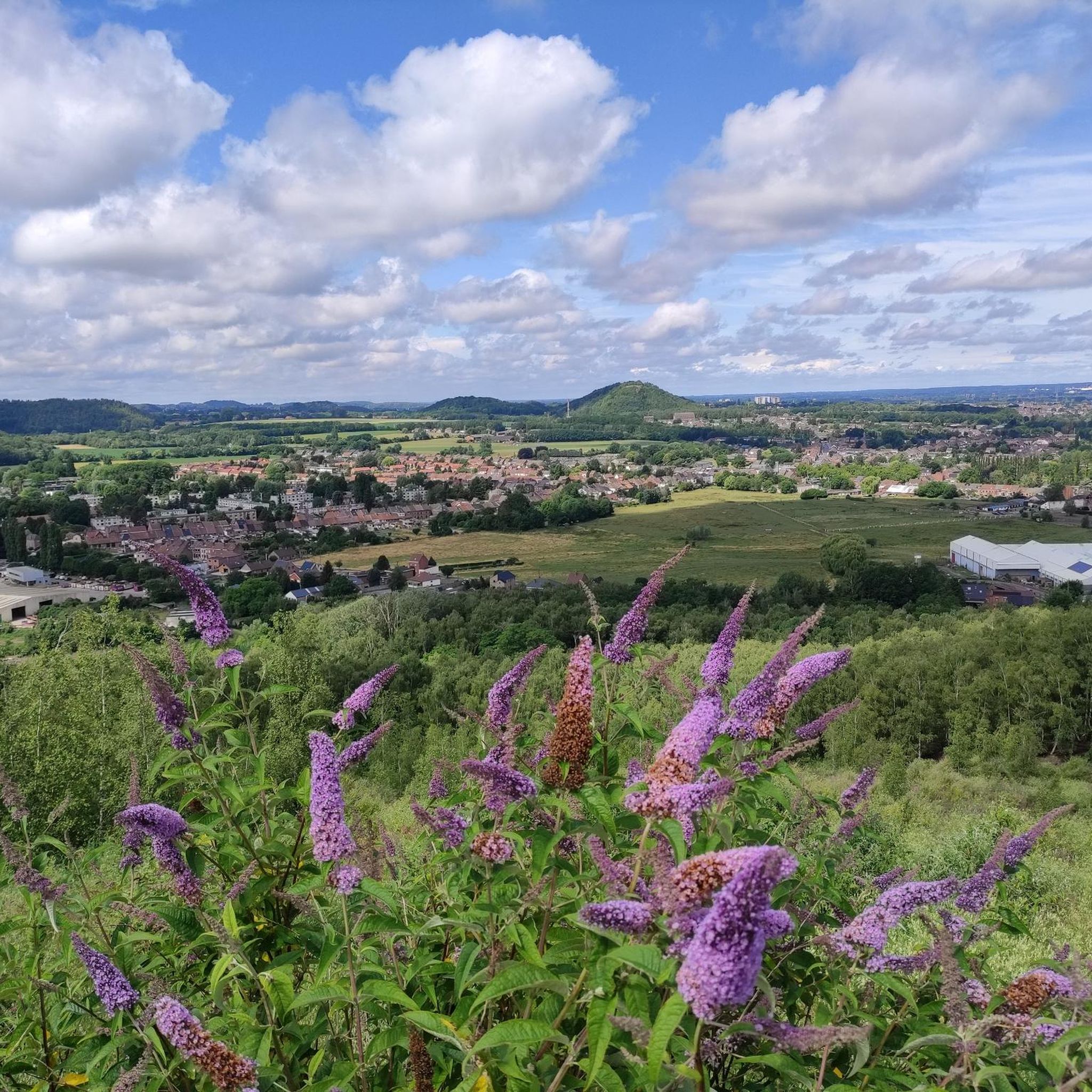
The Crachet slag heap is a Site of Great Biological Interest (SGIB). It is also part of the Natura 2000 network to protect its exceptional fauna and flora. Located a stone's throw from the SPARKOH science museum! (former PASS), the slag heap is a fabulous educational tool which regularly welcomes school visits but also families looking for calm and nature. Thanks to its marked and well-equipped paths with stairs, small bridges, duckboards and ropes, its ascent is easy despite a difference in altitude of around 70 m. Relatively wooded, the Crachet sometimes gives way to magnificent grassy wastelands and a few ponds which encourage the development of great biodiversity. Its summit, located at an altitude of 140 m, offers a beautiful panoramic view of the Borinage slag heap range as well as the SPARKOH! site, built by the architect Jean Nouvel. In this place, the ground is adorned with red and black. Smoke can even be observed in certain places because the heap is still burning more than 60 years after the closure of the site. coal mining. https://www.destinationterrils.eu/nl/terril-du-crachet
8
0

The bridge/waterfall was built at the confluence of the Trouille and the Rivière de Nouvelles. In the early, late 12th century, there was an old domanial mill on the site, the Moulin-au-Bois. Imagine that there was a dike on the site of the current street, a large fish pond on the site of the pasture, and that there were three mill wheels instead of one. This is what the site used to look like. In 1823 the mill was sold by the city of Bergen and after the First World War it was converted into a tannery. The only remnant of the mill that is still visible today is part of the wall along the street, just before the bridge. Still, the waterfall remains one of Hyon's most symbolic places.
3
0
Frequently Asked Questions
What types of natural monuments can I explore around Quaregnon?
The natural monuments around Quaregnon offer a diverse range of experiences. You can find unique nature reserves like the Mer de Sable State Reserve with its rare flora, transformed industrial landscapes such as the Terrils (slag heaps) which are now green biotopes, and historical natural sites like The Nail Tree of Stambruges. The region blends ecological interest with historical context and recreational opportunities.
Are there nature reserves or protected areas near Quaregnon?
Yes, Quaregnon is home to significant nature reserves. The Mer de Sable State Reserve is a 22-hectare protected area known for its peat moors, birch forests, and exceptional flora including heather and carnivorous plants. Additionally, the Marionville Natural Reserve, partly within Quaregnon, is an ornithological reserve spanning 65 hectares of marshes and ponds, rich in biodiversity.
What unique natural features can I see in the Quaregnon region?
The region boasts several unique natural features. The Mer de Sable State Reserve is notable for its rare plant species like the brown rhyncospore and intermediate sundew. The Terrils, former mining heaps, are now green oases offering panoramic views and distinct ecosystems. You can also visit Hyon Waterfall and Ponds, a bucolic spot at a river confluence, and The Nail Tree of Stambruges, a natural monument with a unique local tradition.
Are there family-friendly natural monuments or trails in the area?
Many natural monuments around Quaregnon are suitable for families. The Mer de Sable State Reserve offers marked trails for easy hiking and observing nature. Hyon Waterfall and Ponds provides a small park with benches, ideal for a relaxing break. The Mayeur Garden is also a pleasant, family-friendly spot behind the town hall.
What outdoor activities can I do near these natural monuments?
The natural monuments around Quaregnon are excellent starting points for various outdoor activities. You can enjoy hiking on marked trails in the Mer de Sable State Reserve or explore the transformed Terrils. Mountain biking is particularly popular on Terrils like Saint-Félix. For more structured routes, you can find numerous options for hiking, cycling, and mountain biking in the wider Quaregnon area.
What is the historical significance of the natural monuments in Quaregnon?
Many natural monuments in Quaregnon are deeply intertwined with the region's industrial past. The Terrils, such as the Crachet slag heap, are former mining heaps that have been reclaimed by nature, symbolizing the transformation of the landscape. The Nail Tree of Stambruges reflects an ancient local tradition of driving nails and leaving objects for wishes or healing, connecting nature with cultural beliefs.
Can I bring my dog to the natural monuments around Quaregnon?
Generally, many natural areas and trails in the Quaregnon region are dog-friendly, especially the Terrils which offer open spaces for walks. However, it's always advisable to keep dogs on a leash and check specific reserve rules, as some protected areas like the Mer de Sable State Reserve might have restrictions to protect sensitive flora and fauna.
What is the best time of year to visit the natural monuments?
The natural monuments around Quaregnon can be enjoyed throughout the year, each season offering a different perspective. Spring and autumn are ideal for hiking, with pleasant temperatures and vibrant foliage. Spring brings blooming flora to reserves like Mer de Sable, while the Terrils offer expansive views year-round. Summer is great for longer days outdoors, and even winter walks can be picturesque.
Are there any cafes or restaurants near the natural monuments?
While some natural monuments are more secluded, you can often find cafes and restaurants in nearby towns and villages. For instance, the Mer de Sable State Reserve has a restaurant nearby. For a wider selection, consider visiting the center of Quaregnon or other surrounding municipalities like Mons, which offer various dining options.
What wildlife can I expect to see in the natural monuments?
The natural monuments are rich in biodiversity. The Mer de Sable State Reserve is home to exceptional flora and provides habitat for various insects and small animals. The Marionville Natural Reserve is an ornithological site, making it an excellent spot for birdwatching. The transformed Terrils also support diverse ecosystems, attracting various plant and animal species as they re-naturalize.
How accessible are the natural monuments for visitors?
Accessibility varies by site. Many natural monuments, especially the Terrils, have marked paths that can be navigated by most visitors. However, some trails might involve uneven terrain or inclines, such as the Crachet slag heap which has a 70m altitude difference but is equipped with stairs and ropes. For specific accessibility needs, it's recommended to check details for individual locations.
What is the significance of the Terrils (slag heaps) in the region?
The Terrils are a defining feature of the Borinage region, including Quaregnon. These impressive mounds are legacies of the area's coal mining past, once black slag heaps. Today, they have transformed into significant natural monuments, becoming green oases and rich biotopes. They offer panoramic views, recreational opportunities like hiking and mountain biking (e.g., Terril Saint-Félix), and serve as a powerful testament to the region's industrial heritage and nature's remarkable reclamation.
Most popular routes around Quaregnon
Most popular attractions around Quaregnon

Get inspired with the komoot mobile app


Explore more
Extend your search for the best caves by checking out these guides of the top ones around Quaregnon:
