Top 20 Castles in Madrid
Castles in Madrid are found throughout the region, offering a glimpse into Spain's rich history and diverse architectural styles. The wider Madrid region is home to over 30 castles, fortresses, and towers. These structures range from well-preserved medieval fortresses to palatial residences, often set amidst varied natural landscapes. The area provides a blend of historical exploration and opportunities for outdoor activities.
Best castles in Madrid
- The most popular castles is The Royal Palace of Madrid, a historical site that is the largest in Western Europe. Its more than 135,000 square meters and 3,418 rooms have witnessed centuries of Spanish history. It is one of the few official residences for Heads of State that is open to the public.
- Another must-see spot is Manzanares el Real Castle, a castle known as the best preserved in the community of Madrid. Visitors can explore its halls and an interpretation center of the Middle Ages, which carries out outreach activities on this important period in Spain.
- Visitors also love Royal Monastery of San Lorenzo de El Escorial, a historical site and world heritage site since 1984. It was built by King Philip II in the 16th century to commemorate a military victory and serve as a royal pantheon for the Habsburg dynasty.
- Madrid is known for its historical sites, royal palaces, and medieval fortresses. The region offers a variety of castles to see and explore, from grand royal residences to ancient ruins.
- The castles in Madrid are appreciated by the komoot community, with 36 highlights and 311 photos shared. The community has given 420 upvotes to these locations.
Last updated: October 4, 2026
The Royal Palace of Madrid
Highlight • Historical Site
Translated by Google •
Tip by

Aulencia Castle
Highlight • Castle
Almost all year round you can pedal on your bike, but you have to pay attention when doing it.
The castle is private property. Do not stop reading the owner's posters, they have no waste :-D
Translated by Google •
Tip by

Sign up now to discover places like this
Get recommendations on the best single tracks, peaks, & plenty of other exciting outdoor places.
Manzanares el Real Castle
Highlight • Castle
Its wall testifies to its function as a fortress while its large interior rooms tell of the arrival of new times with less warriors and more palatial and social life. It currently has an interpretation center of the Middle Ages and it carries out outreach activities on this important period in Spain and other cultural activities.
Translated by Google •
Tip by

Royal Monastery of San Lorenzo de El Escorial
Highlight • Historical Site
You can consult the official website for visiting hours and purchase tickets
patrimonionacional.es/visita/real-monasterio-de-san-lorenzo-de-el-escorial
Translated by Google •
Tip by

Royal Palace of Aranjuez
Highlight • Historical Site
Royal Palace of Aranjuez: This majestic residence of the Spanish royal family is located on the banks of the Tagus River. Its gardens, such as those of the Island, Isabel II and the Jardín del Príncipe, are aesthetic spaces and plant museums. The Prince's Garden houses the Fountain of Apollo and the Asian and American Islands.
Translated by Google •
Tip by
Manzanares el Real Castle
Highlight • Castle
Translated by Google •
Tip by
Royal Palace of Aranjuez
Highlight • Historical Site
Translated by Google •
Tip by
Royal Monastery of San Lorenzo de El Escorial
Highlight • Religious Site
Designed by architects Juan Bautista de Toledo and Juan de Herrera, it is characterized by its sober, Renaissance style. Today it is a UNESCO World Heritage Site.
Translated by Google •
Tip by

Tower of the Lodones
Highlight • Castle
Translated by Google •
Tip by
Ruins of Alcalá la Vieja Fortress
Highlight • Historical Site
It is part of the set of sites that can be visited in the Community of Madrid, although it is currently fenced off and you have to settle for seeing it from the fence.
Translated by Google •
Tip by

Sign up for free to discover even more castles in Madrid.
Already have an account?
Start today with a free account
Your next adventure awaits.
Popular around Madrid
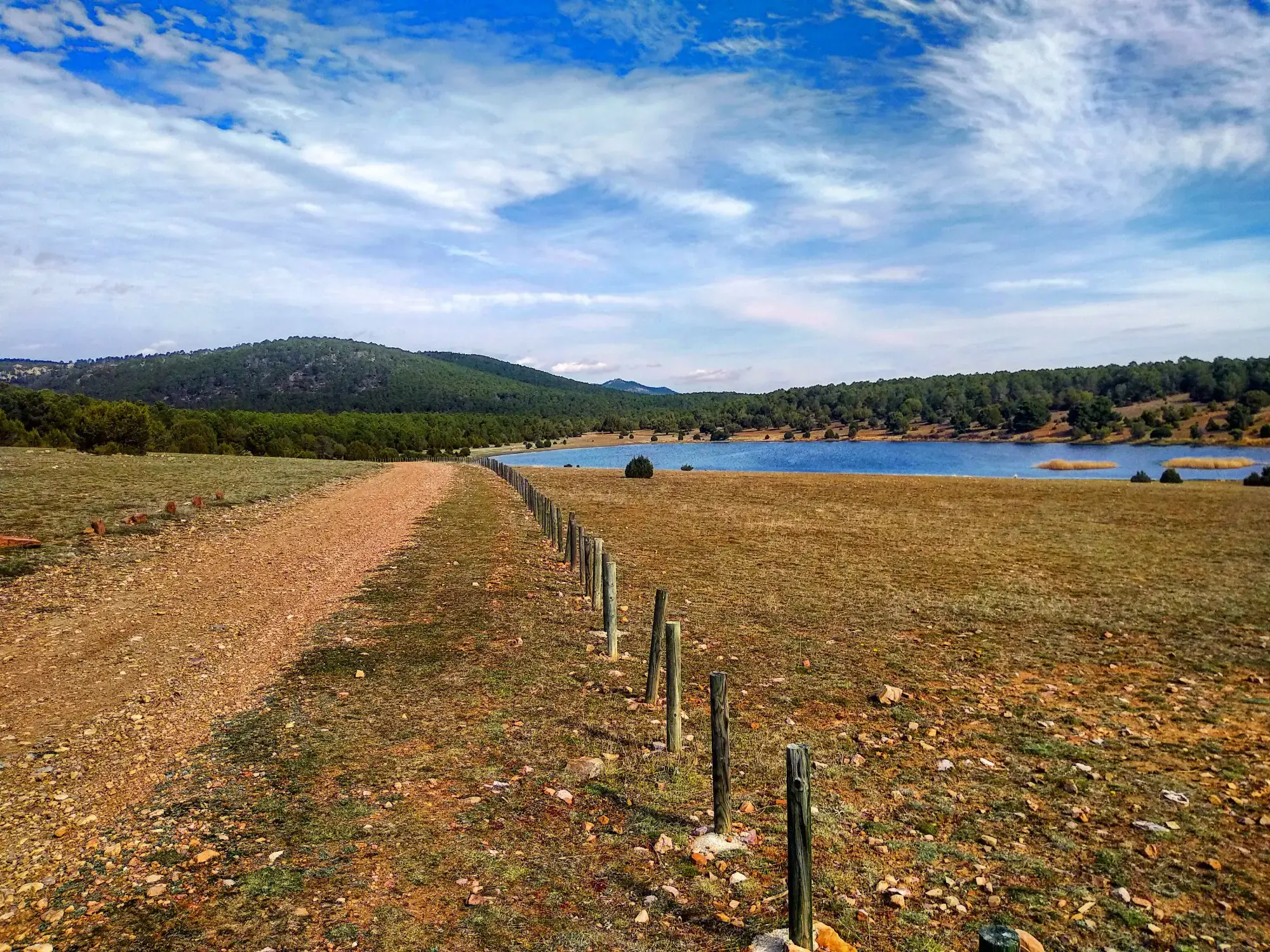
Sendero Español GR 10 — De este a oeste
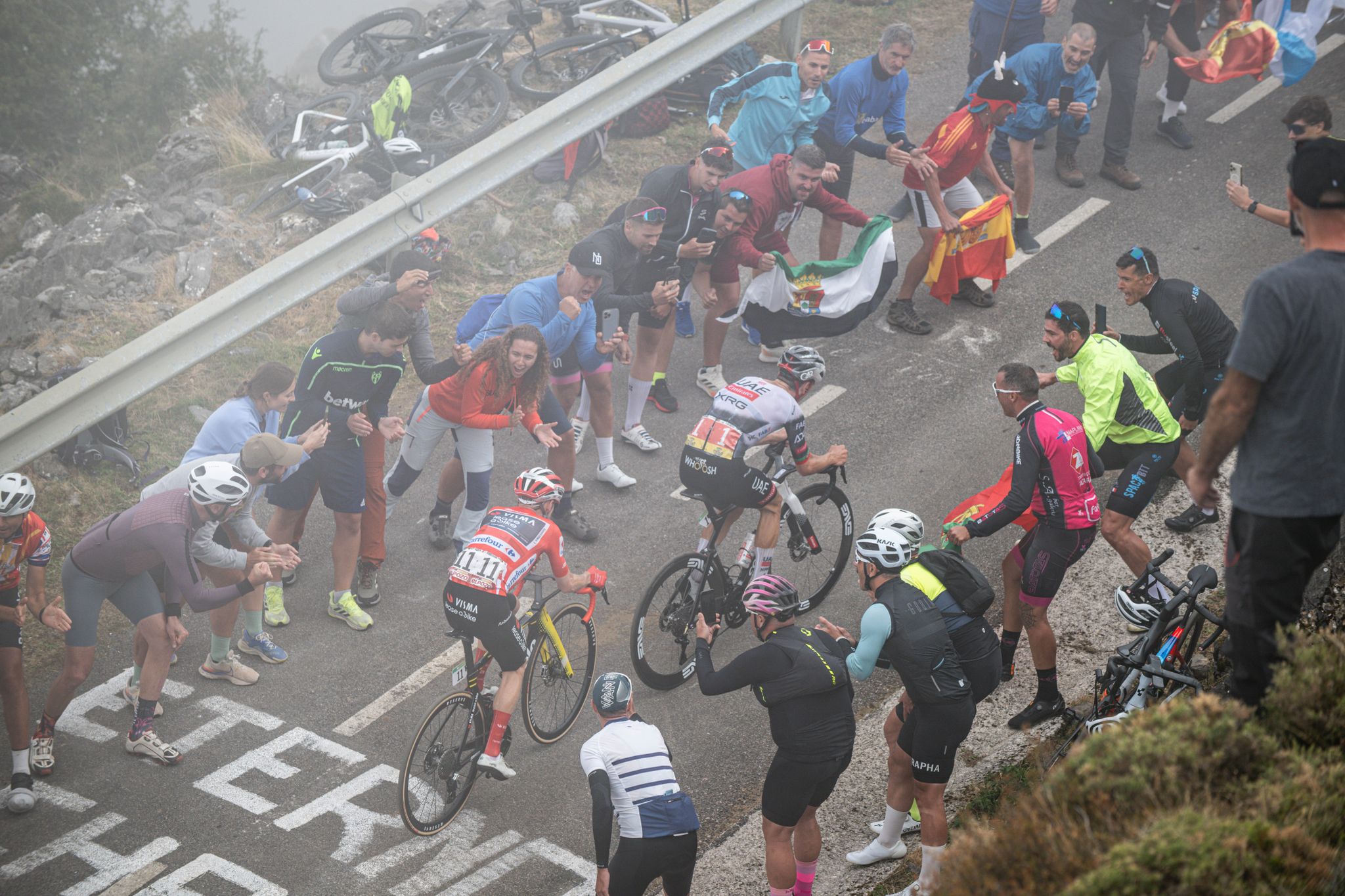
Mythical Passes and Sections of La Vuelta
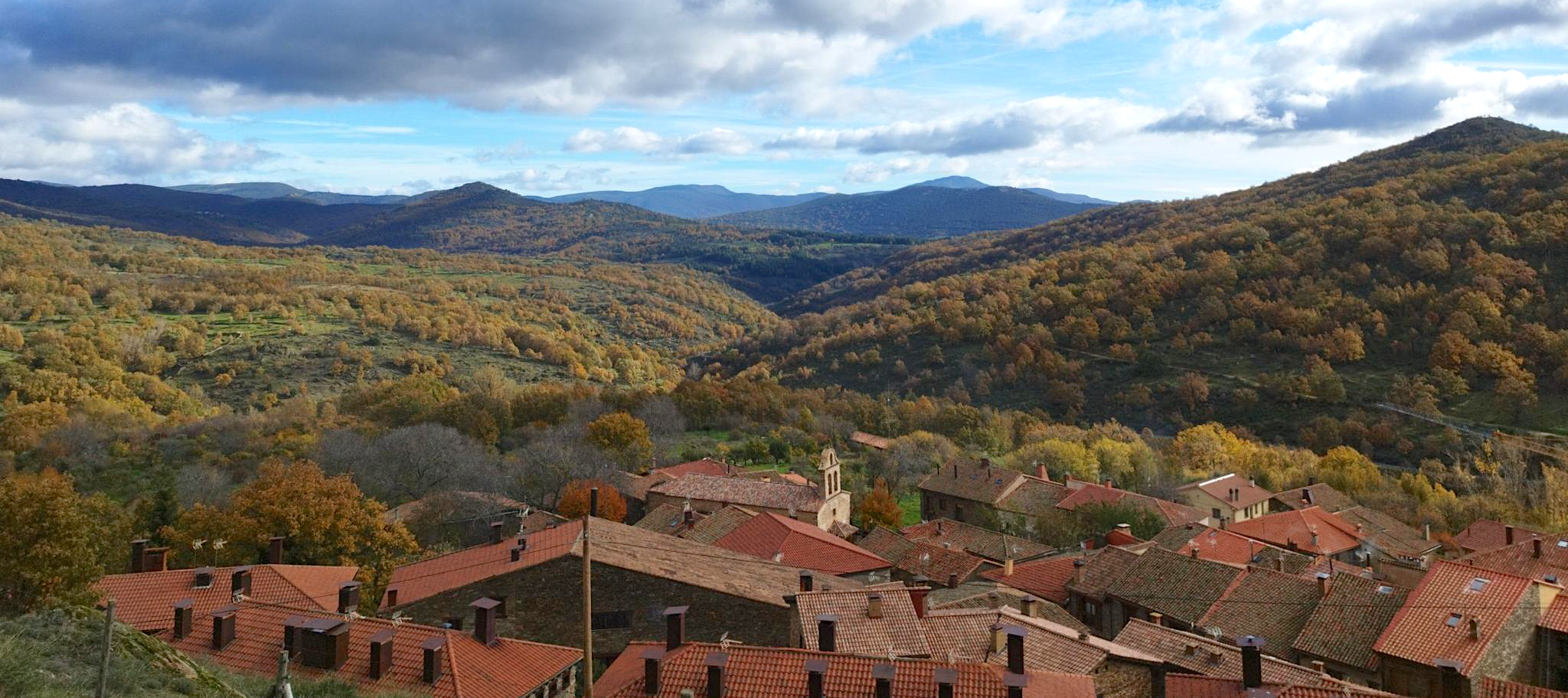
Sierra del Rincón, Biosphere Reserve — On Foot along the GR 303
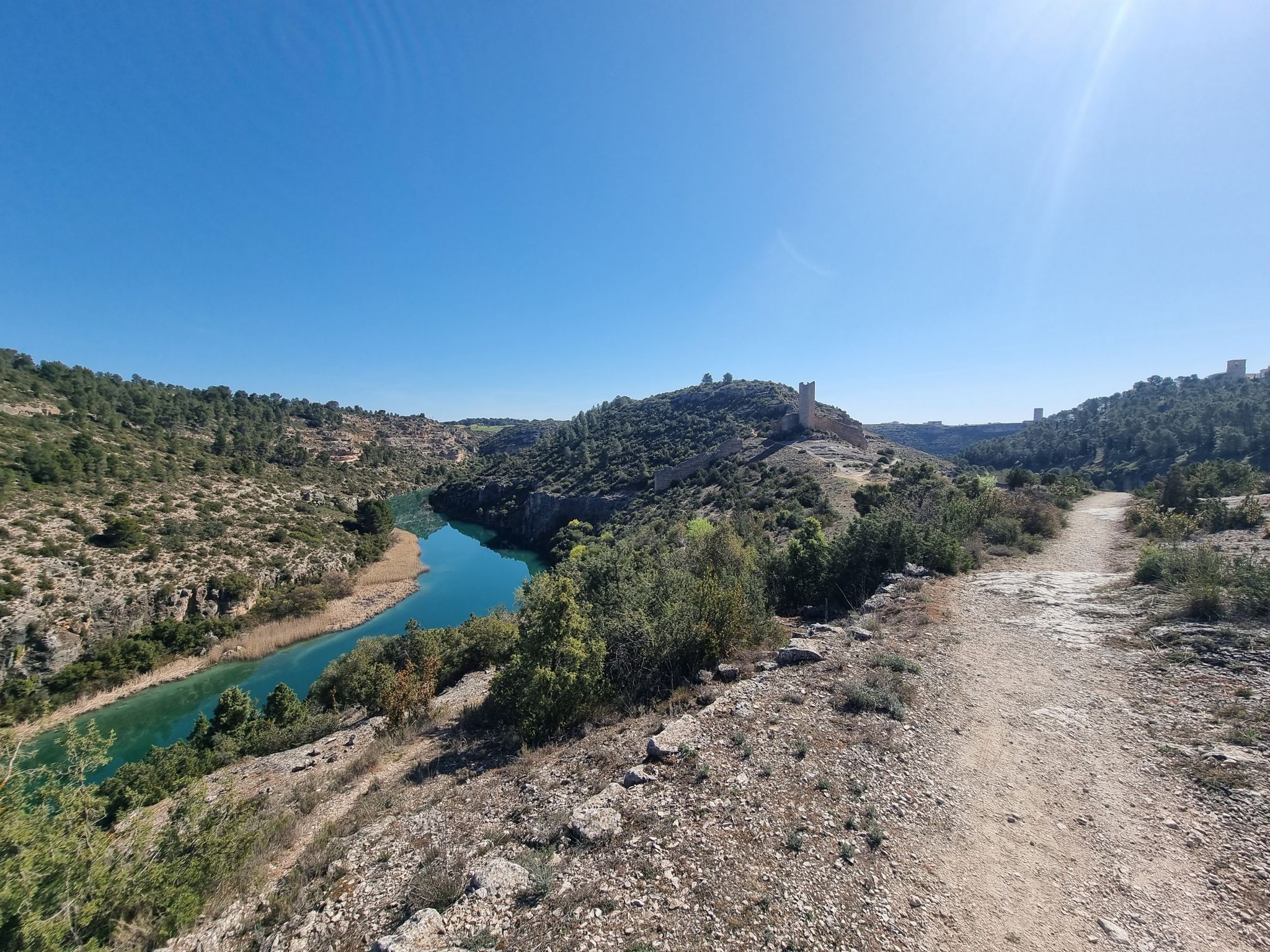
A gravel bike adventure between Madrid and Valencia
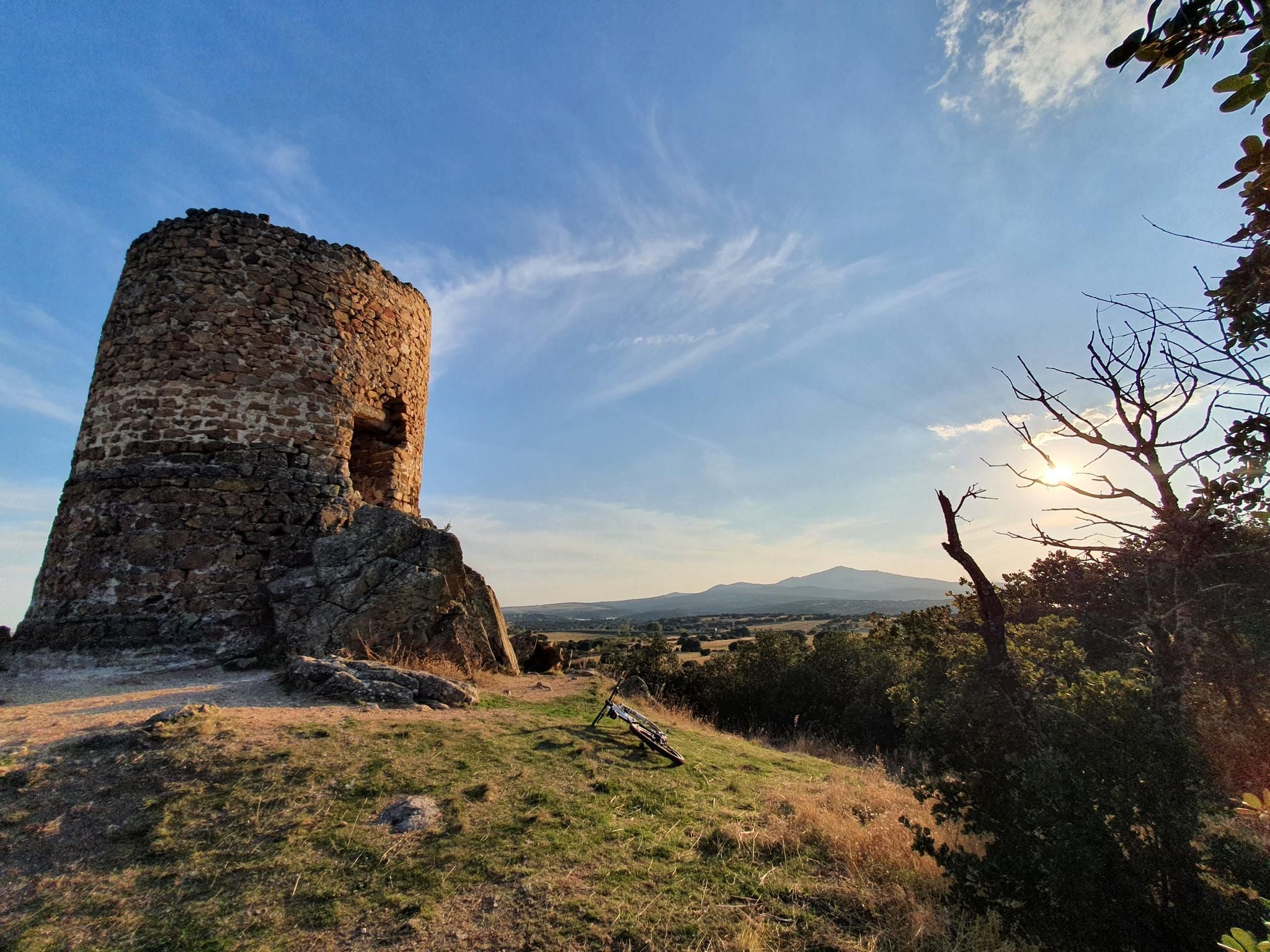
Along the paths of Marca Media — Route of the watchtowers of Madrid
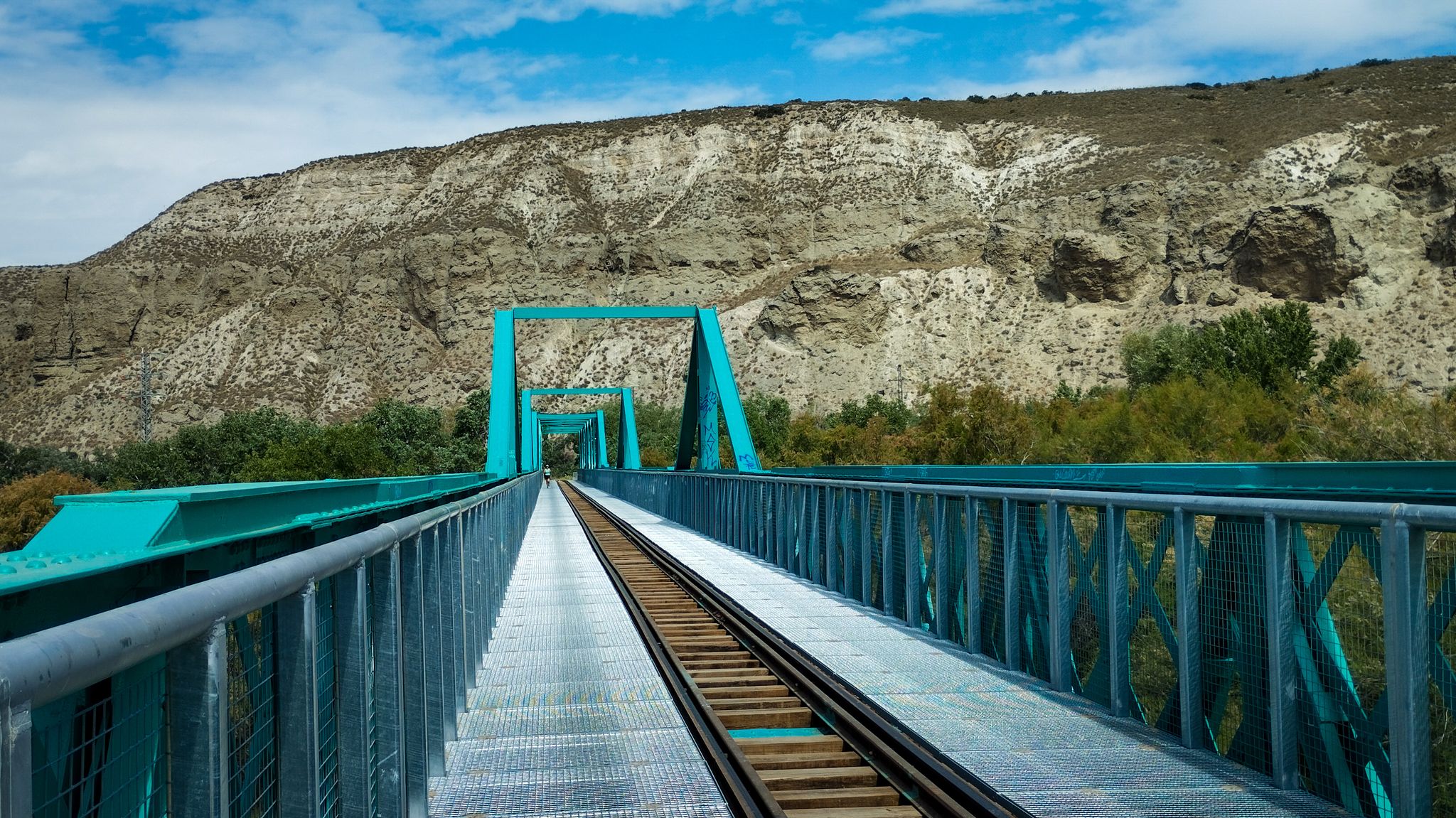
A family ride through Las Vegas de Madrid in Spain – Tajuña Greenway
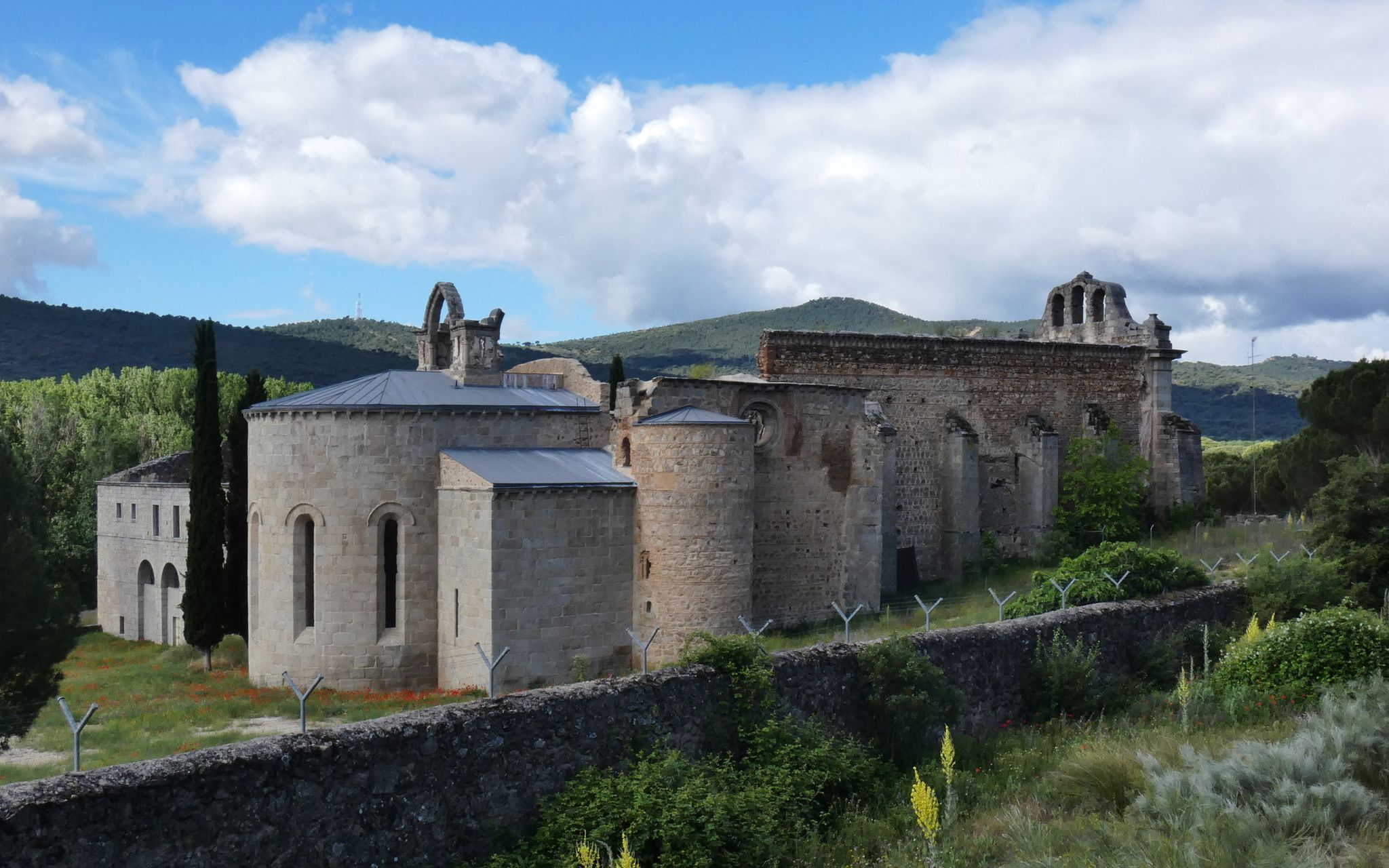
Madrid’s mediaeval castles and hidden gems by gravel bike
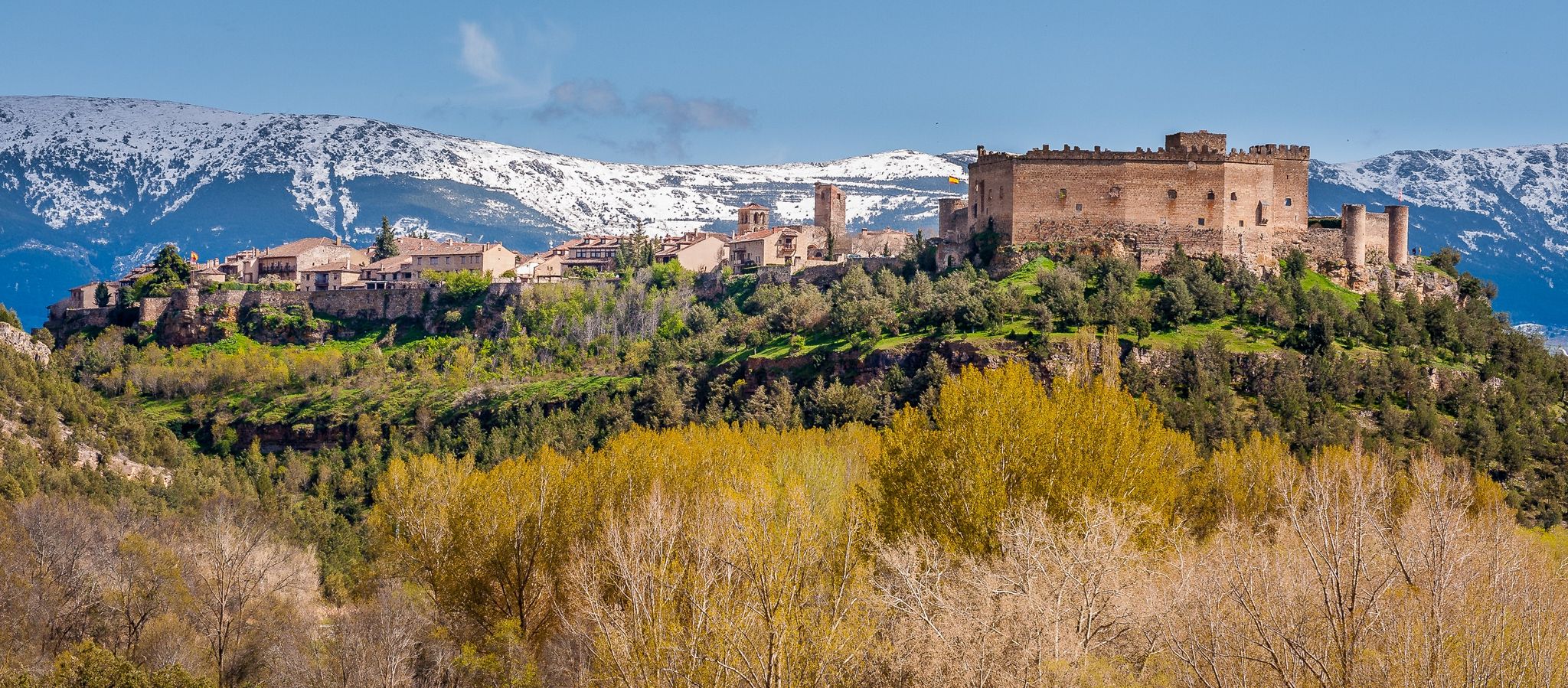
Nature, history and tradition – Segovia Trail (GR 88)
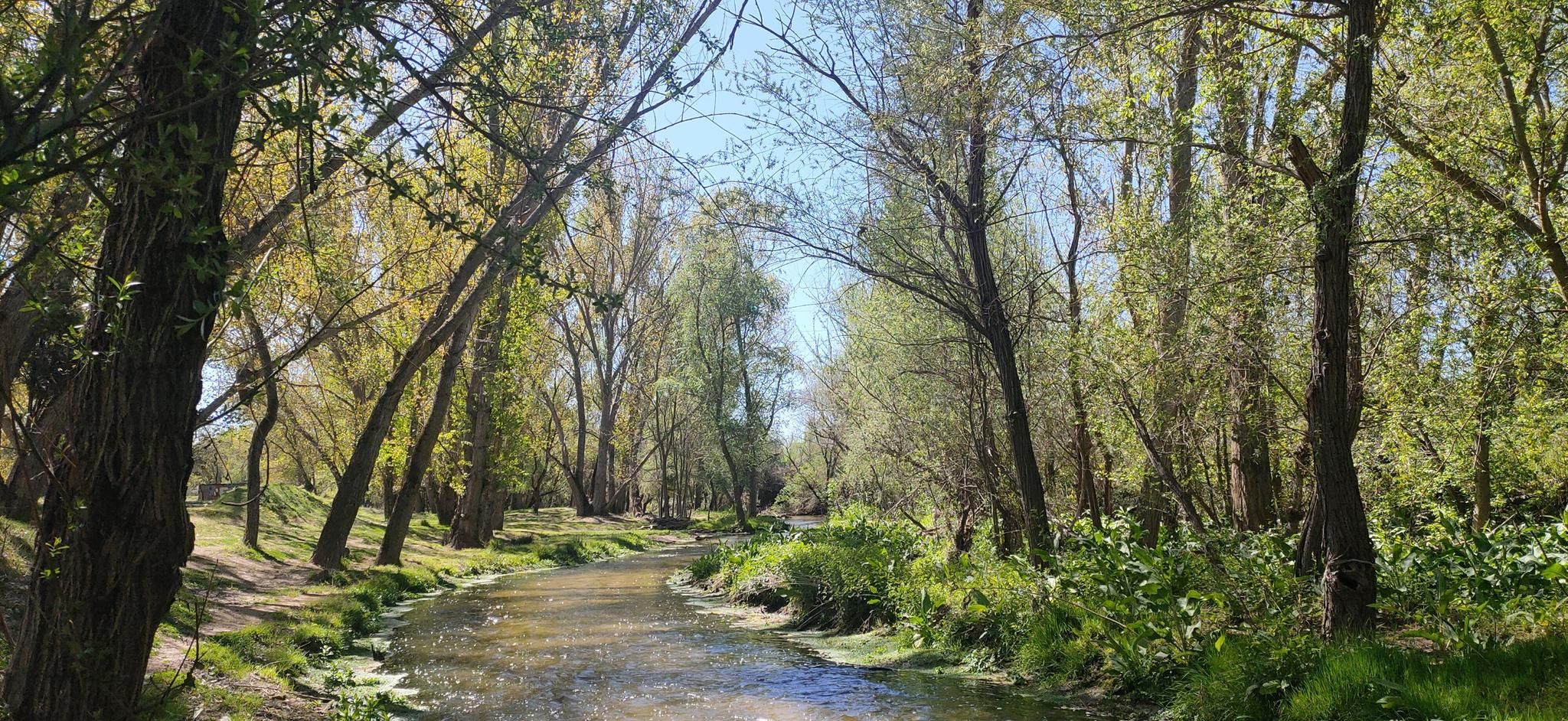
Hidden treasures in the river – hike along Spain’s Guadarrama River
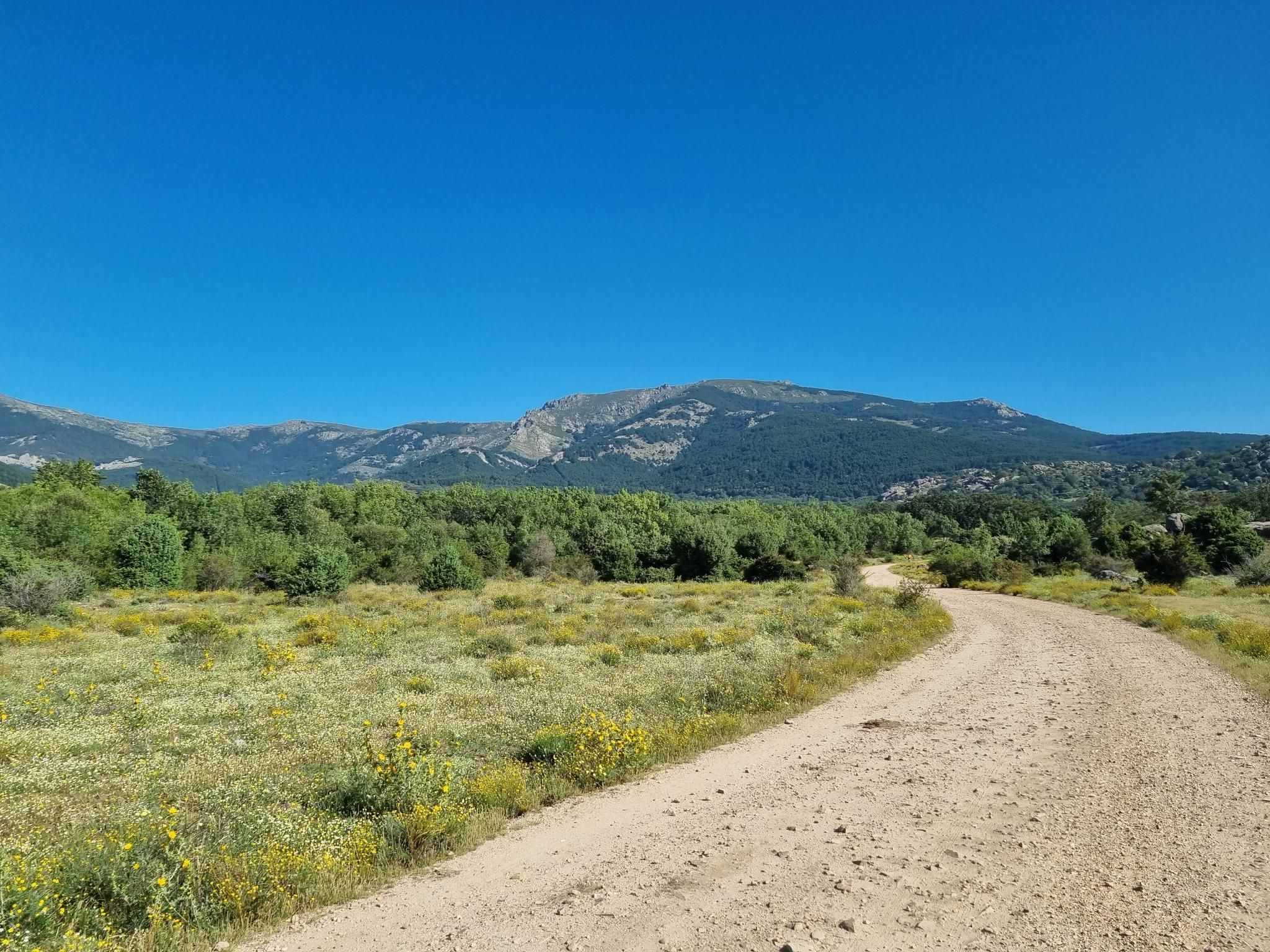
The treasures of Guadarrama – on foot along the GR 10 in Madrid
Other adventures in Madrid


Tips from the Community

The castle and its grounds have been closed since January 2025, so its interior cannot be visited, only viewed from the street.
0
0

Manzanares el Real Castle, also known as Mendoza Castle: Built in 1475 by order of Diego Hurtado de Mendoza, 1st Duke of the Infantado, on the site of a former Romanesque-Mudéjar church. Its architecture is Isabelline Gothic, with a square floor plan, cylindrical towers, and an octagonal keep. It served as the palatial residence of the powerful Mendoza family, who even established a literary court there. Declared a Historic-Artistic Monument in 1949. Today it houses a Medieval Interpretation Center, with exhibits of tapestries, armor, furniture, and audiovisual presentations about life in the Middle Ages.
1
0

The Monastery of El Escorial was built by King Philip II in the 16th century to commemorate a military victory and serve as a royal pantheon for the Habsburg dynasty. Designed by architects Juan Bautista de Toledo and Juan de Herrera, it is characterized by its sober, Renaissance style. Today it is a UNESCO World Heritage Site.
7
1
The Monastery of El Escorial was built by King Philip II in the 16th century to commemorate a military victory and serve as a royal pantheon for the Habsburg dynasty. Designed by architects Juan Bautista de Toledo and Juan de Herrera, it is characterized by its sober, Renaissance style. Today it is a UNESCO World Heritage Site.
5
0

It is a key point when you go on a route to show the area to other cyclists
0
1

Good short walk of about 6 km leaving from the shopping center
1
0
Easy access from Las Marias, if you go up from the clean point it is a little harder, but it is possible in normal physical condition. Good views
0
0

Beautiful path parallel to the road and under the Castle of Manzanares el Real
0
1
Frequently Asked Questions
Which castles near Madrid are particularly well-preserved and offer a deep dive into history?
The Manzanares el Real Castle is considered the best-preserved castle in the Madrid community. This 15th-century fortress, built by the House of Mendoza, showcases Castilian military architecture and houses a Medieval Interpretation Center with exhibits and audiovisual presentations. Another significant historical site is the Royal Monastery of San Lorenzo de El Escorial, a UNESCO World Heritage site built by King Philip II in the 16th century, serving as a royal pantheon for the Habsburg dynasty.
Are there any castles near Madrid that are suitable for a family visit?
Yes, several castles are family-friendly. The Manzanares el Real Castle offers an interpretation center and outreach activities about the Middle Ages, which can be engaging for children. The Royal Palace of Madrid, the largest in Western Europe, is also open to the public and offers a glimpse into centuries of Spanish history. Additionally, the Royal Palace of Aranjuez, with its majestic residence and extensive gardens, provides a beautiful setting for families to explore.
What kind of outdoor activities can I find near the castles in the Madrid region?
The region around Madrid's castles offers diverse outdoor activities. Near castles like Manzanares el Real, you can find excellent opportunities for hiking and mountain biking. For instance, you can explore various waterfall hikes in Madrid, including routes like 'The Purgatory Waterfall from the Monastery of Santa Maria de El Paular'. There are also challenging mountain hikes and MTB trails, such as 'Las Zetas de la Pedriza y Manzanares el Real' which passes through the Sierra de Guadarrama.
Are there any castles with unique architectural styles or historical significance beyond the main ones?
Absolutely. While not in Madrid proper, the Alcázar of Segovia, less than an hour away, is famed for its fairy-tale appearance, said to have inspired Walt Disney's Cinderella's Castle. It has served various roles from a Roman fort to a royal palace. Another unique example is Coca Castle, an exquisite example of 'Spanish Mudéjar' architecture, blending Gothic and Moorish designs. In the Madrid region, the ruins of Alcalá la Vieja Fortress offer a glimpse into ancient fortifications, and Aulencia Castle, though private, is set in a scenic location near Villanueva de la Cañada.
What is the best time of year to visit castles in the Madrid region?
The Madrid region experiences hot summers and mild winters. Spring (April-May) and autumn (September-October) are generally considered the best times to visit, offering pleasant temperatures for exploring both indoor and outdoor castle grounds. During these seasons, the weather is ideal for combining castle visits with nearby outdoor activities like hiking. Many castles, including the Royal Palace of Madrid and Manzanares el Real Castle, are open year-round, but it's always advisable to check specific opening hours before your visit.
Can I find castles with viewpoints or natural features nearby?
Yes, many castles in the Madrid region are situated in picturesque landscapes offering great views. For instance, Aulencia Castle is noted for its scenic surroundings. The Castillo de Batres is encircled by a moat, a river, and a beautiful forest, providing a very romantic setting. The Castillo de Buitrago de Lozoya, though in ruins, is located within a walled enclosure, offering historical views. The Royal Palace of Madrid also offers impressive views of the city and its surroundings.
Are there any castles in the Madrid region known for their gardens or palatial residences?
The Royal Palace of Aranjuez is a prime example, known for its majestic residence and extensive gardens, including the Island, Isabel II, and Prince's Gardens, which are considered aesthetic spaces and plant museums. The Royal Palace of Madrid, while a historical site, is also a grand palatial residence with over 3,418 rooms, offering a luxurious experience.
What is the significance of the Royal Monastery of San Lorenzo de El Escorial?
The Royal Monastery of San Lorenzo de El Escorial is a UNESCO World Heritage site built in the 16th century by King Philip II. It was constructed to commemorate a military victory and serve as a royal pantheon for the Habsburg dynasty. Designed by Juan Bautista de Toledo and Juan de Herrera, it is characterized by its sober Renaissance style and offers a profound insight into Spain's 'golden' era.
Can I visit the Royal Palace of Madrid, and what makes it special?
Yes, the Royal Palace of Madrid is one of the few official residences for Heads of State that is open to the public. It is the largest in Western Europe, spanning over 135,000 square meters with 3,418 rooms. Visitors can explore its halls, art collections, and unique treasures, witnessing centuries of Spanish history. Almost 2 million visitors come each year to discover its grandeur.
Are there any lesser-known or 'hidden gem' castles in the Madrid region worth exploring?
While many castles are well-known, some offer a more secluded experience. The Coracera Castle (Castillo de San Martín de Valdeiglesias), a 15th-century fortress, is known for its association with Isabel I of Castile and is a popular spot for those interested in ghost stories. El Castillo de Batres, a well-preserved 15th-16th century fortress with Renaissance details, is celebrated as a romantic location and was the childhood home of poet Garcilaso de la Vega. The Old Castle of Manzanares also offers a historical perspective distinct from its newer counterpart.
What are the historical connections of the castles in the Madrid region?
The castles in the Madrid region are deeply intertwined with Spanish history. For example, Manzanares el Real Castle was built by the powerful House of Mendoza in the 15th century. The Royal Monastery of San Lorenzo de El Escorial was a project of King Philip II. The Coracera Castle housed Isabel I of Castile, and El Castillo de Batres was the childhood home of the renowned poet Garcilaso de la Vega. These sites offer a tangible connection to the nobility, royalty, and significant figures of Spain's past.
Most popular routes in Madrid
Most popular attractions in Madrid

Get inspired with the komoot mobile app


Didn’t find what you were looking for?
Explore Madrid’s best castles region by region:
Explore more
Looking for the best castles somewhere else? Discover other guides in Madrid:
