Top 20 Caves in Barcelona
Best caves in Barcelona are found within a region characterized by diverse geological formations and a rich natural landscape. The area around Barcelona features various karstic systems, ancient rock shelters, and historical cave sites. These natural cavities offer insights into the region's geological past and provide unique exploration opportunities. Many of these caves are nestled within mountainous terrain, offering a blend of natural beauty and historical significance.
Best caves in Barcelona
- The most popular caves is Sant Miquel del Fai Road, a cycle_way that features a gorge, viewpoints, and natural monuments including caves. This route offers views of tall cliffs and a steep fall into a valley, with the option to visit the monastery and its associated caves.
- Another must-see spot is Morral del Drac, a natural monument with a cave inside. This monolith of conglomerate with a carbonate composition is located on the northern slope of La Mola and is associated with local legends.
- Visitors also love Sant Miquel del Fai Monastery and Waterfall, a historical site with natural monuments and caves. The monastery is built on a cliff, and the area includes stalactite caves accessible near the waterfall.
- Barcelona is known for natural caves, historical cave sites, and rock shelters. The region offers a variety of caves to see and explore, from those with unique geological formations to those with historical significance.
- The caves in Barcelona are appreciated by the komoot community, with more than 110 upvotes and over 40 photos shared across various highlights.
Last updated: October 4, 2026
Morral del Drac
Highlight • Natural Monument
It is a monolith of conglomerate with a carbonate composition formed by two large blocks of about 32 meters high, separated at their base, where they leave a large opening.
It is the scene of one of the most remote traditional legends of Sant Llorenç del Munt, the legend of the dragon of Sant Llorenç. The first ascent was made on February 11, 1923 by members of the Terrassa Hiking Center.
Translated by Google •
Tip by

Sant Miquel del Fai Road
Highlight • Cycleway
If you feel for some steep ramps, you can continue up the small road. It looks bad at first, but it is only the first few hundred meters with rocks and bad surface. After that, it turns into a narrow but fine road.
Watch out for cars in the corners though. There is not a lot of space.
In the end, the road connects back to the main road, where you can ride back down to the village for a coffee or bocadillo. Its a really nice loop.
Tip by

Sign up now to discover places like this
Get recommendations on the best single tracks, peaks, & plenty of other exciting outdoor places.
The Swallows' Rock
Highlight • Natural Monument
Translated by Google •
Tip by

The Blood Hospital
Highlight • Cave
To condition the cavity, the soldiers covered its two accesses (on either side of the rock) with exposed masonry walls, part of which is still preserved.
The Carlists chose this place for its size, for having a water source (Rossinyol's fountain located in the neighboring cave of the Cort Fosca) and for being strategically hidden and offering an excellent aerial view of the Torrent del Figueret, the ridge of the Espluga and other parts of the Obac.
Translated by Google •
Tip by

Turó de Montcada i Reixac
Highlight • Summit
Translated by Google •
Tip by

Salt del Molí Bernat
Highlight • Waterfall
Translated by Google •
Tip by

Hermitage of Santa Agnès
Highlight • Religious Site
The primitive Romanesque chapel was refeted during the Gothic era.
Translated by Google •
Tip by

l'Aram Cave
Highlight • Cave
Translated by Google •
Tip by

Rocs de Sant Magí Neolithic Settlement
Highlight • Historical Site
Translated by Google •
Tip by

Cave of the Frog
Highlight • Cave
In the first there was a flint knife, an arrowhead of the same material with a peduncle, and a plate of light green diorite (143 x 55 x 7 mm.). In the second burial, two flint knives, a flint arrowhead and a rectangular light green diorite plate (78 x 37 x 8 mm.) were found in the third, a flint knife and arrow. When sifting the soil inside the cave, four flint arrowheads, a piece of greenish-colored silicate perforated round necklace, and two flint knife fragments were exhumed. It seems that cardiac material was also found in this coat.
Therefore it can be said that it is a collective sepulchral crypt from the end of the Chalcolithic and the beginning of the ancient bronze. It can be considered a type of burial that coexists with the final stages of the megalithic phenomenon.
Translated by Google •
Tip by

Sign up for free to discover even more caves in Barcelona.
Already have an account?
Start today with a free account
Your next adventure awaits.
Popular around Barcelona

Triathlon 360 – my journey around the world
European Divide Trail — 7,600 km across the continent
Catalunya Trail — Bikepacking in the Pyrenees
Grand Tour of Catalonia Gravel – your bikepacking adventure
On the road to the sun — bikepacking to southeast Spain
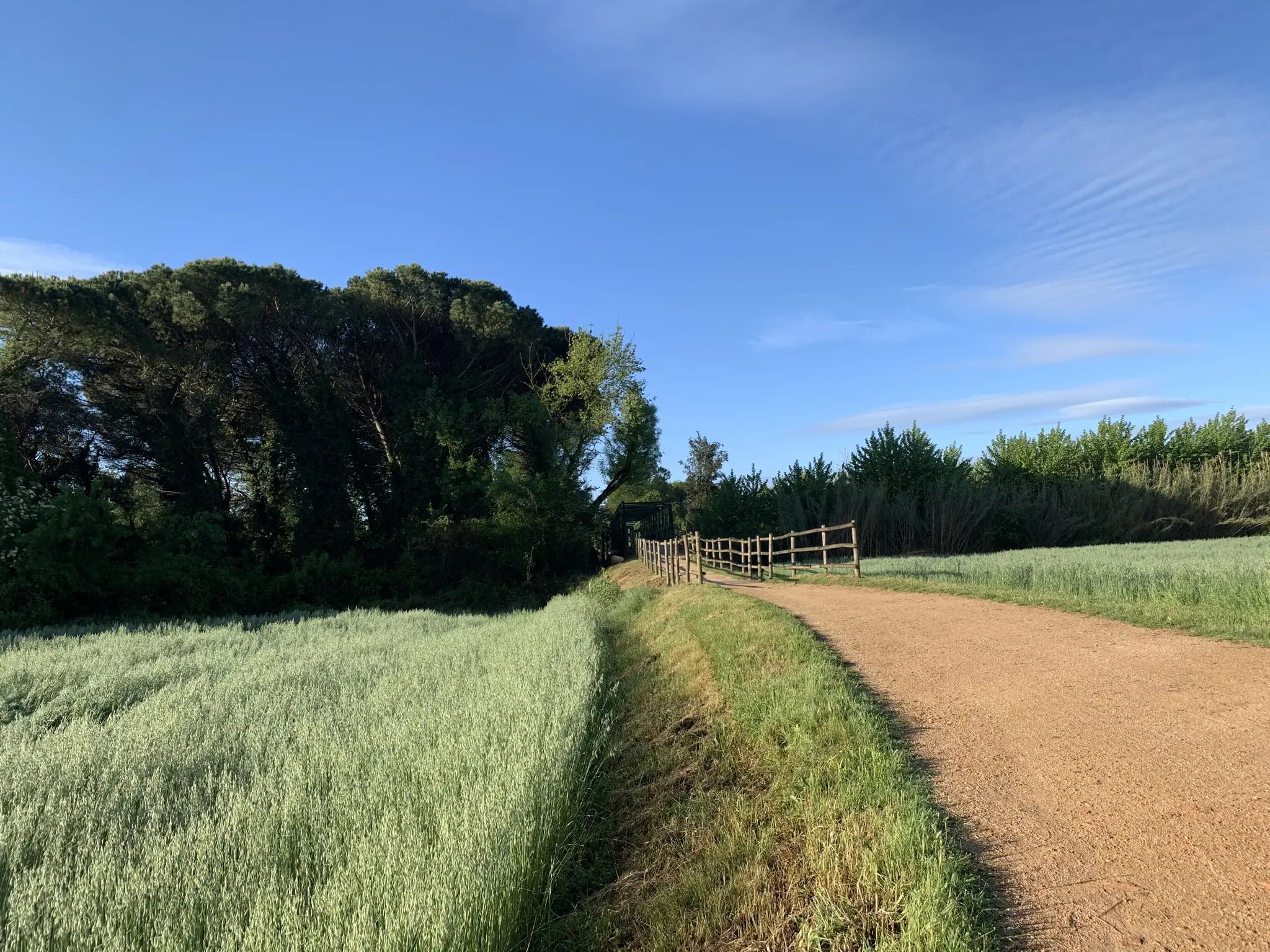
Barcelona to Girona – a road cycling mecca on your gravel bike
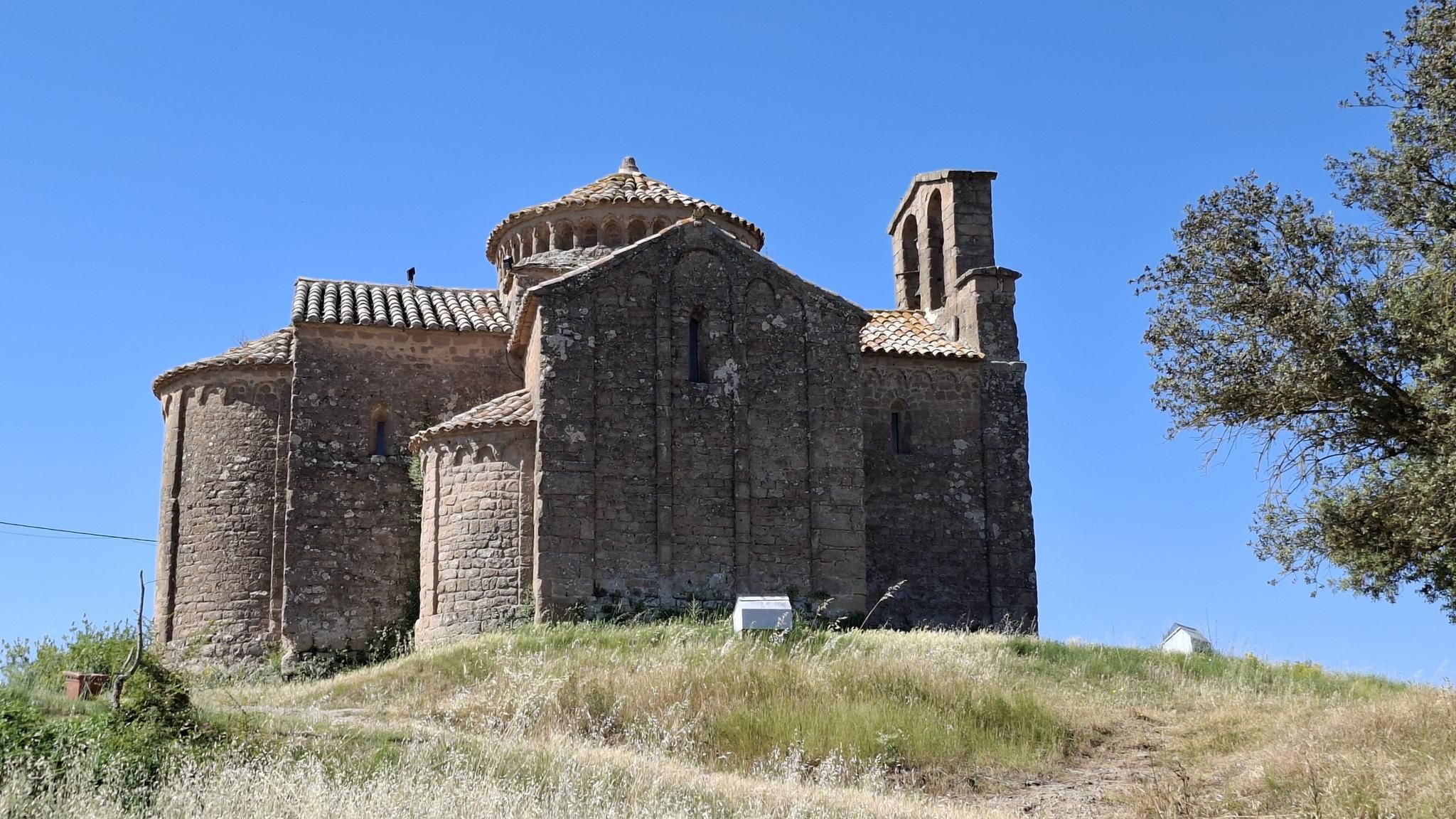
Route of the Romanesque hermitages — GR-176
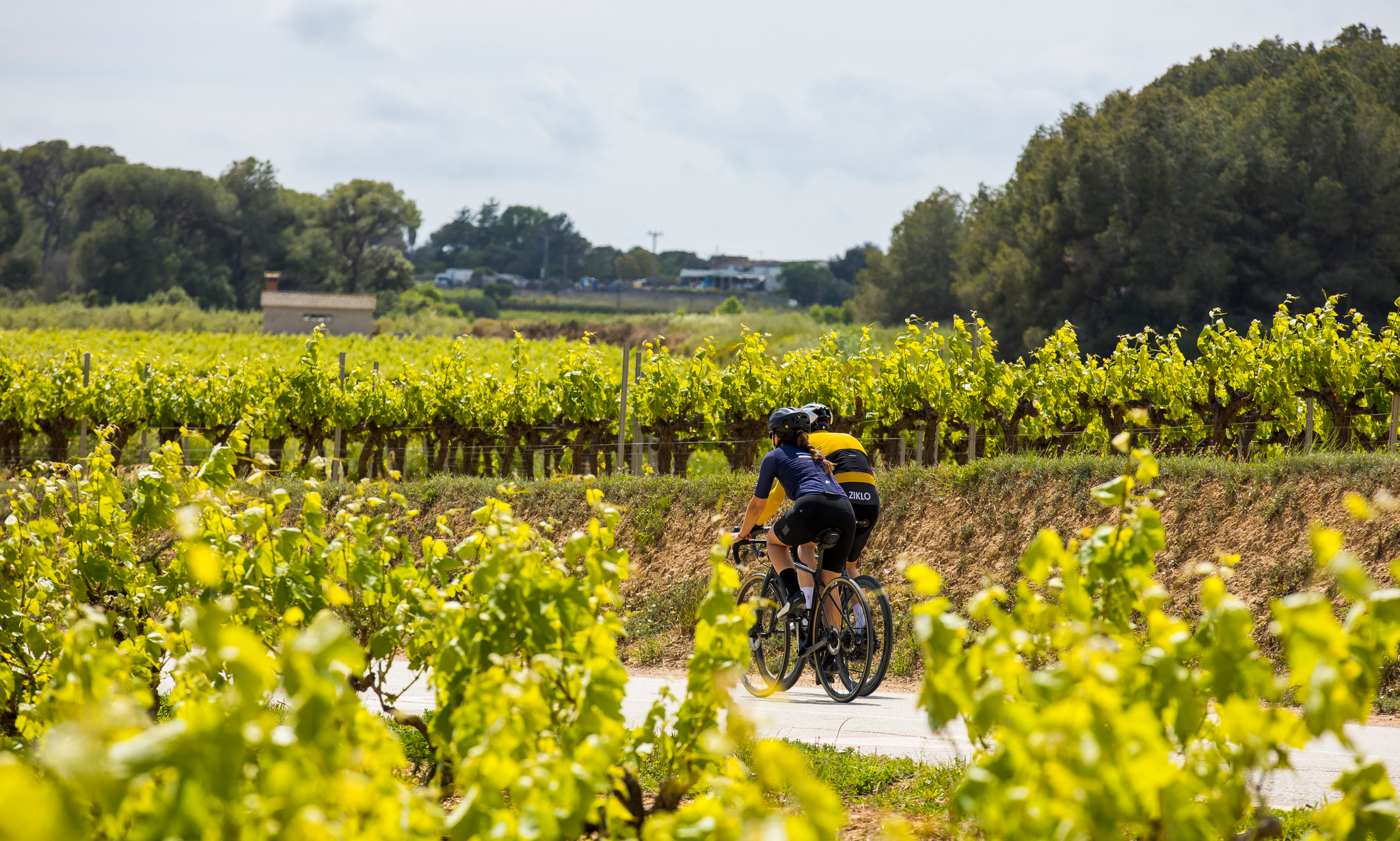
Cycling in the province of Barcelona — family routes and traverses

Great multi-day treks near Barcelona
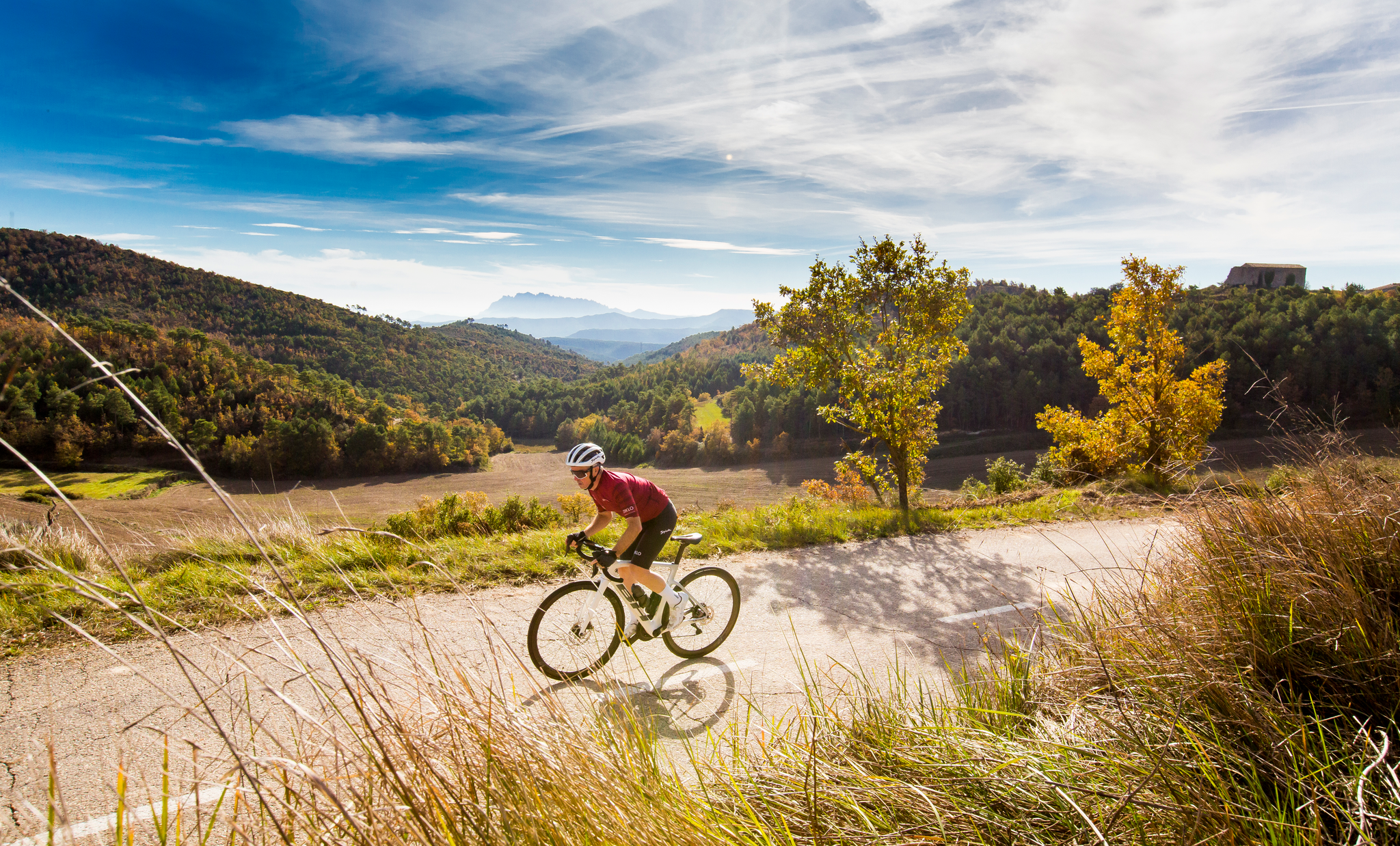
Barcelona: routes near the Tour de France 2026 Grand Départ
Other adventures in Barcelona


Tips from the Community

It is not really a cave: it is an old mine dug by hand to search for copper —aram means copper—, with a gallery of about 25–30 meters that goes directly into the mountain. Inside, you can still see veins of colorful minerals: green malachite, blue azurite, quartz, chalcopyrite… In short, years ago someone used to come here to chip stone where today we enter with our mobile phone and a flashlight. And it has its little guerrilla legend: this cave was linked to Quico Sabaté, one of the most famous maquis who fought against Francoism. Local history says he moved and hid in these woods, although researchers consider it more likely that he used another nearby cave, much harder to locate.
0
0

Jaciment arqueològic amb pintures rupestres, declarat Patrimoni de la Humanitat.
0
0

We were here in April 2026. Unfortunately, the hiking trail is not in good condition. The descent to the waterfall is quite steep but passable. The paths to the stairs of the Riscos de la Perereda are all overgrown, and only a shortened path past an old mill back to the parking lot is passable.
0
0

Artificial cave, man-made.... L'Aram... which means copper. Old site for the extraction of copper and iron, currently disused, with a depth of about 25 meters. The lower gallery is disabled. It does not represent danger.. Just caution...!!
1
0

A real discovery! Superb views, decent asphalt and virtually no cars.
0
0

More than just a place where people lived, this site stands out because it doesn't quite fit the classic settlement pattern of the area. Its location, nestled between rock and forest, suggests it wasn't a permanent settlement, but rather a site used at very specific times: seasonal migrations, hunting trips, or gatherings of small groups. A unique feature is that the remains of highly fragmented occupations have been documented at this location, suggesting it was a "ritual passage" rather than a long-term encampment. Some scholars even propose that its irregular layout among the rocks could indicate symbolic activities or territorial markers, something uncommon in other sites in the area.
1
0
A small cave hidden in a crevice of Montseny, damp and cool even in the height of summer. Its name comes from the constant croaking of frogs from the nearby stream, which seem to guard the entrance at dusk. Locals say that during storms, forest animals would take refuge inside, and that a hiker once found an old, rusty lantern hanging from the rock, as if someone had left it there to return.
0
0
Frequently Asked Questions
Are there family-friendly caves to visit near Barcelona?
Yes, for a family-friendly option, consider visiting Turó de Montcada i Reixac. This summit features a cave and is categorized as family-friendly, offering a trail through a forest with viewpoints.
What kind of unique geological formations can be found in the caves around Barcelona?
The region offers diverse formations. At Sant Miquel del Fai Monastery and Waterfall, you can explore stalactite caves near the waterfall. Morral del Drac is a striking monolith of conglomerate with a carbonate composition, featuring a cave inside. Additionally, Els Bufadors de Beví is known for its 'blowers' – holes or slits where air currents emerge, creating a unique microclimate with moss-covered boulders.
Are there any caves with historical significance near Barcelona?
Several caves in the region hold historical importance. The Blood Hospital, for instance, was used as a hospital by the Carlist army in the 19th century and later as a refuge for woodcutters. The Sant Miquel del Fai Monastery and Waterfall site includes caves associated with the ancient Benedictine monastery. You can also find historical context at Rocs de Sant Magí Neolithic Settlement, which includes a cave.
What is the best time of year to visit caves in the Barcelona region?
Caves generally maintain a stable temperature year-round, making them suitable for visiting in any season. However, to enjoy the surrounding natural beauty and outdoor activities, spring and autumn offer pleasant weather. Some sites like Els Bufadors de Beví are particularly spectacular in autumn due to the changing foliage.
What should I wear for caving or exploring cave areas in Catalonia?
For exploring caves and their surrounding areas, wear comfortable clothing that allows for movement. Layers are advisable as cave temperatures can be cooler than outside. Sturdy, closed-toe shoes with good grip are essential, especially if trails are uneven or wet. A headlamp or flashlight is also recommended for darker sections of caves.
Can I find circular walks or hiking trails that incorporate caves near Barcelona?
Yes, the area offers opportunities for walks that include cave exploration. For example, the route around Sant Miquel del Fai Road allows for a circular return, passing by the monastery and its associated caves. The region also has numerous hiking trails, and you can find more options for running and mountain biking in the area by exploring the Running Trails in Barcelona guide.
Are there any caves that are easy to access or visit for beginners near Barcelona?
For a relatively accessible experience that combines natural beauty with historical elements, consider the caves at Sant Miquel del Fai Monastery and Waterfall. The site is well-known and offers a walk to the caves. Turó de Montcada i Reixac also offers a family-friendly trail with a cave.
What outdoor activities can I do near the caves in Barcelona?
Beyond cave exploration, the diverse terrain around Barcelona offers various outdoor activities. You can find extensive MTB Trails and Gravel Biking routes. For those who prefer to explore on foot, there are numerous Running Trails available, many of which pass through scenic natural areas.
Are there any caves with unique legends or folklore associated with them?
Yes, Morral del Drac, a natural monument with a cave inside, is famously associated with one of the most remote traditional legends of Sant Llorenç del Munt, the legend of the dragon of Sant Llorenç.
What do visitors enjoy most about the caves and natural sites in the Barcelona region?
Visitors appreciate the blend of natural beauty and historical significance. Many enjoy the spectacular views from sites like Sant Miquel del Fai Road, which offers tall cliffs and a steep fall into a valley. The unique geological formations, such as the stalactite caves at Sant Miquel del Fai and the air currents at Els Bufadors de Beví, are also highly valued. The historical context, like that found at The Blood Hospital, adds another layer of interest.
Can I visit caves in the Barcelona region during winter?
Yes, caves generally maintain a consistent temperature throughout the year, making them accessible even in winter. While the surrounding natural landscapes might be cooler, the cave interiors offer a stable environment. It's always advisable to check specific opening hours for any managed cave sites, as these can vary seasonally.
Most popular routes in Barcelona
Most popular attractions in Barcelona

Get inspired with the komoot mobile app


Didn’t find what you were looking for?
Discover more caves in Barcelona region by region:
Explore more
Extend your search for the best caves by checking out these guides of the top ones in Barcelona:
