Top 20 Natural Monuments in Zaragoza
Natural monuments in Zaragoza and its surrounding province offer diverse landscapes and geological formations. The region features ancient river meanders, high mountain peaks, and unique karstic systems. These areas provide habitats for various flora and fauna, contributing to the ecological value of the Ebro River basin and the Iberian System. The natural environment supports outdoor activities and offers insights into the geological history of Aragón.
Best natural monuments in Zaragoza
- The most popular natural monuments is Galachos de Juslibol Interpretation Center, a facilities that provides educational experiences about the region's nature. This center offers views towards the Galachos de Juslibol, a wetland formed by an old branch of the Ebro River.
- Another must-see spot is Moncayo Summit, a summit located at 2,314.3 meters. This peak is the highest point in the Iberian System, offering panoramic views and routes through oak forests.
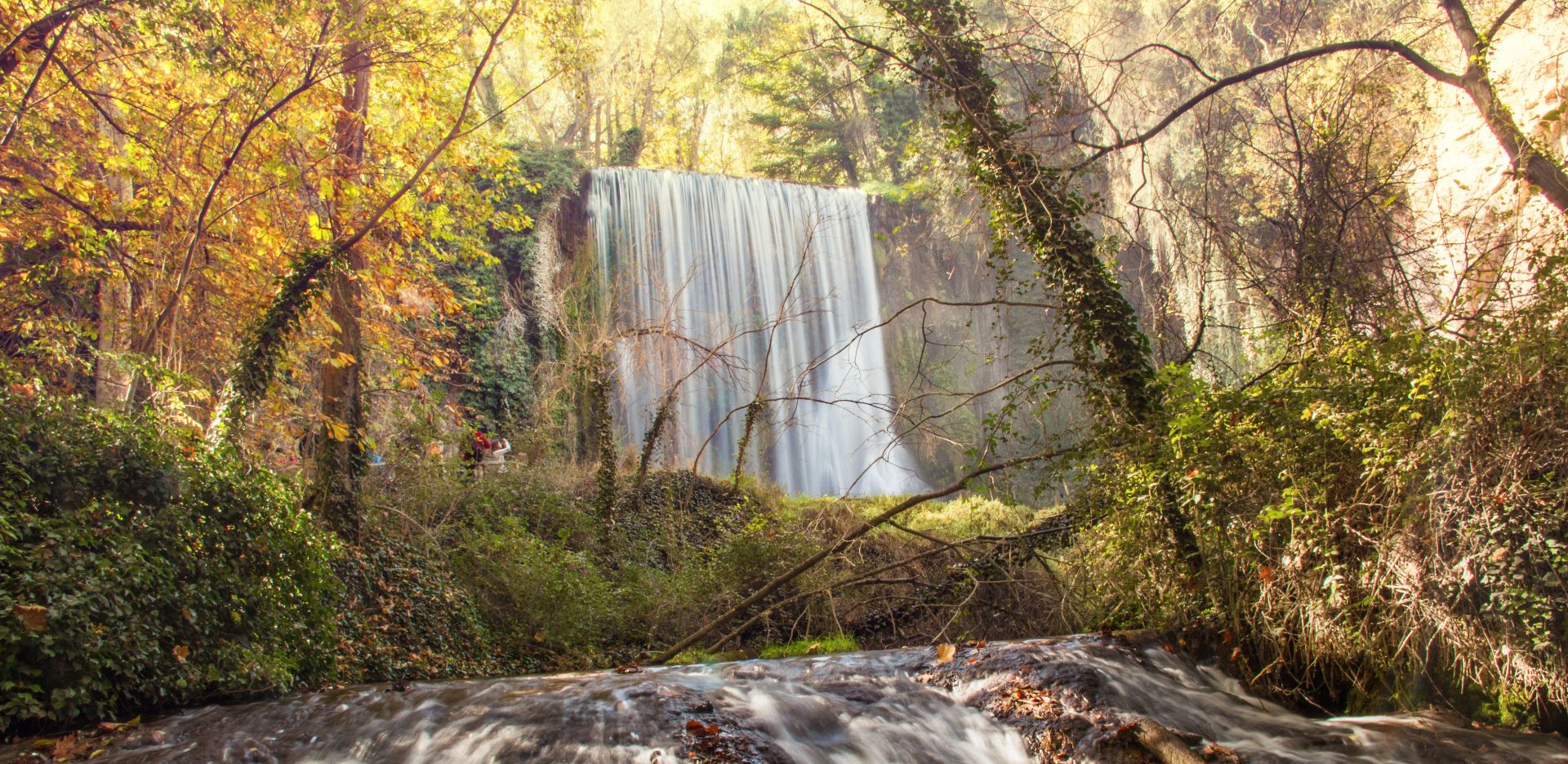
- Visitors also love La Caprichosa Waterfall, a waterfall within the Monasterio de Piedra natural park. This waterfall features a 30-meter-high fall in a landscape characterized by abundant water and vegetation.
- Zaragoza is known for its diverse natural monuments, including wetlands, mountain peaks, and waterfalls. The region offers a variety of natural monuments to see and explore, from riverine ecosystems to high-altitude landscapes.
- The natural monuments in Zaragoza are appreciated by the komoot community. The guide features 88 highlights, with 24 photos and 85 upvotes from visitors.
Last updated: October 13, 2026
Galachos de Juslibol Interpretation Center
Highlight • Rest Area
These centers offer activities, guided tours and an educational experience for anyone interested in exploring the nature and history of Aragon.
Translated by Google •
Tip by

Moncayo Summit
Highlight • Summit
Translated by Google •
Tip by

Sign up now to discover places like this
Get recommendations on the best single tracks, peaks, & plenty of other exciting outdoor places.
Sanctuary of the Virgin of Jaraba
Highlight • Religious Site
It is said that the Virgin of Jaraba appeared on a rock oozing oil, giving it a miraculous quality.
Translated by Google •
Tip by
Aguallueve de Anento
Highlight • Waterfall
The Aguallueve is a spring that continuously falls in the form of drops of water, creating a spectacular relief with walls of stone and moss, and small caves hidden inside. It is a limestone formation where several springs have created an impressive karst relief.
Translated by Google •
Tip by
Balsa de Larralde
Highlight • Lake
La Balsa de Larralde, recovered by the Ebro Hydrographic Confederation (CHE) and by the Aragon Naturalist Association, is a 4-hectare wetland with a great and rich variety of flora and fauna. It has a maximum depth of 5 meters.
La Balsa is surrounded by poplars and reedbeds. The latter forms a belt that protects the raft as aquatic vegetation. Fundamentally it is formed by two species of plants: the reed itself and the cattail. This environment is used by a diversity of animals to take refuge, search for food or build their nests.
Translated by Google •
Tip by

Galachos of Juslibol
Highlight • River
Translated by Google •
Tip by
La Caprichosa Waterfall
Highlight • Waterfall
Translated by Google •
Tip by
Cabezo de San Borombón
Highlight • Summit
In summary, Cabezo San Borombón and its surroundings offer a unique combination of nature, history and sport. An experience worth living! 🏃♂️🏞️🌟
Translated by Google •
Tip by
Aguarales de Valdemilaz
Highlight • Natural Monument
We will find points to observe these geological formations and signs with more information apart from being able to walk among them.
Translated by Google •
Tip by
Gallocanta Lagoon
Highlight • Lake
Translated by Google •
Tip by

Sign up for free to discover even more natural monuments in Zaragoza.
Already have an account?
Start today with a free account
Your next adventure awaits.
Popular around Zaragoza
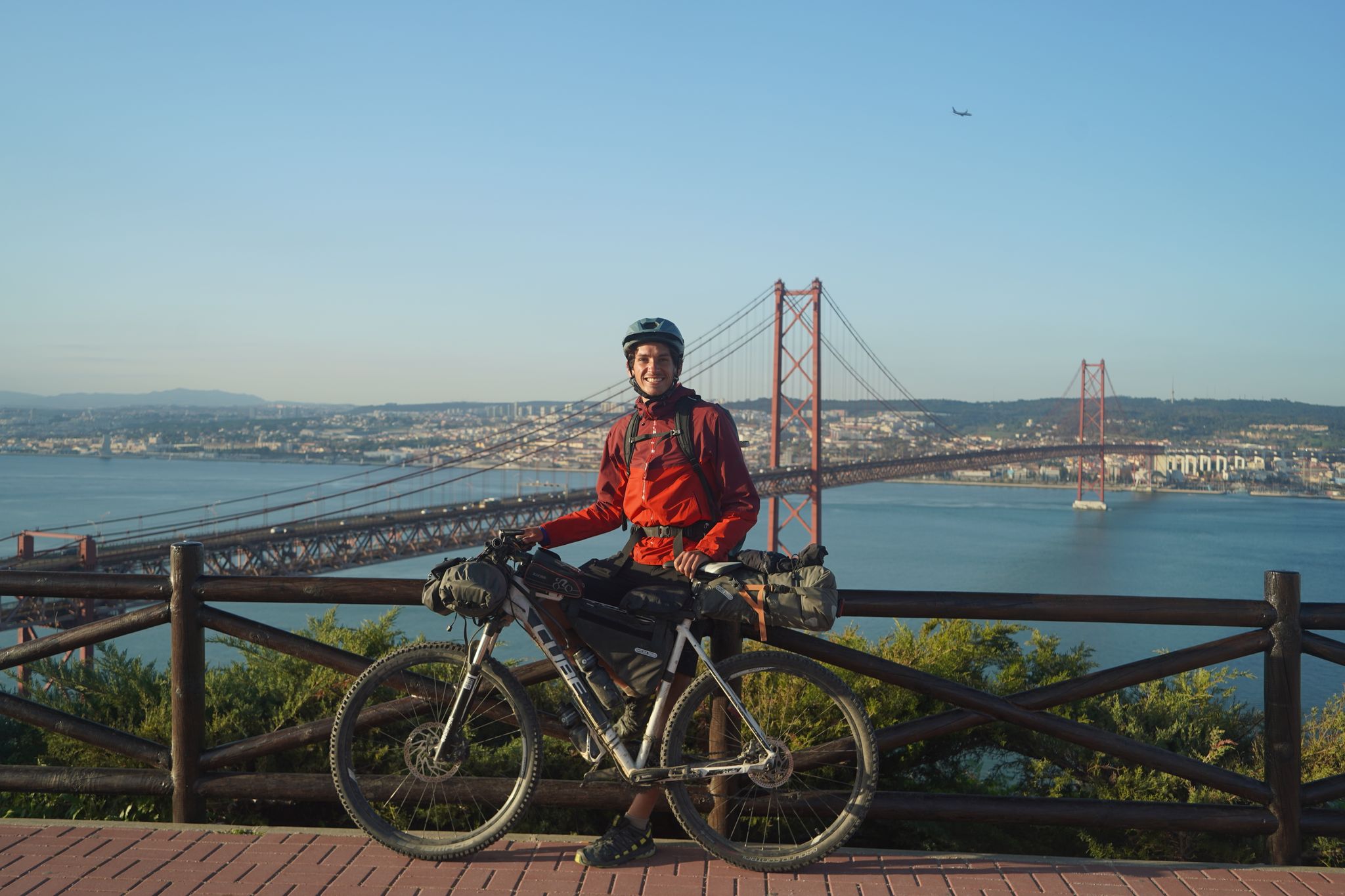
Road to Lisbon – bikepacking the Alps, Pyrenees and Picos de Europa
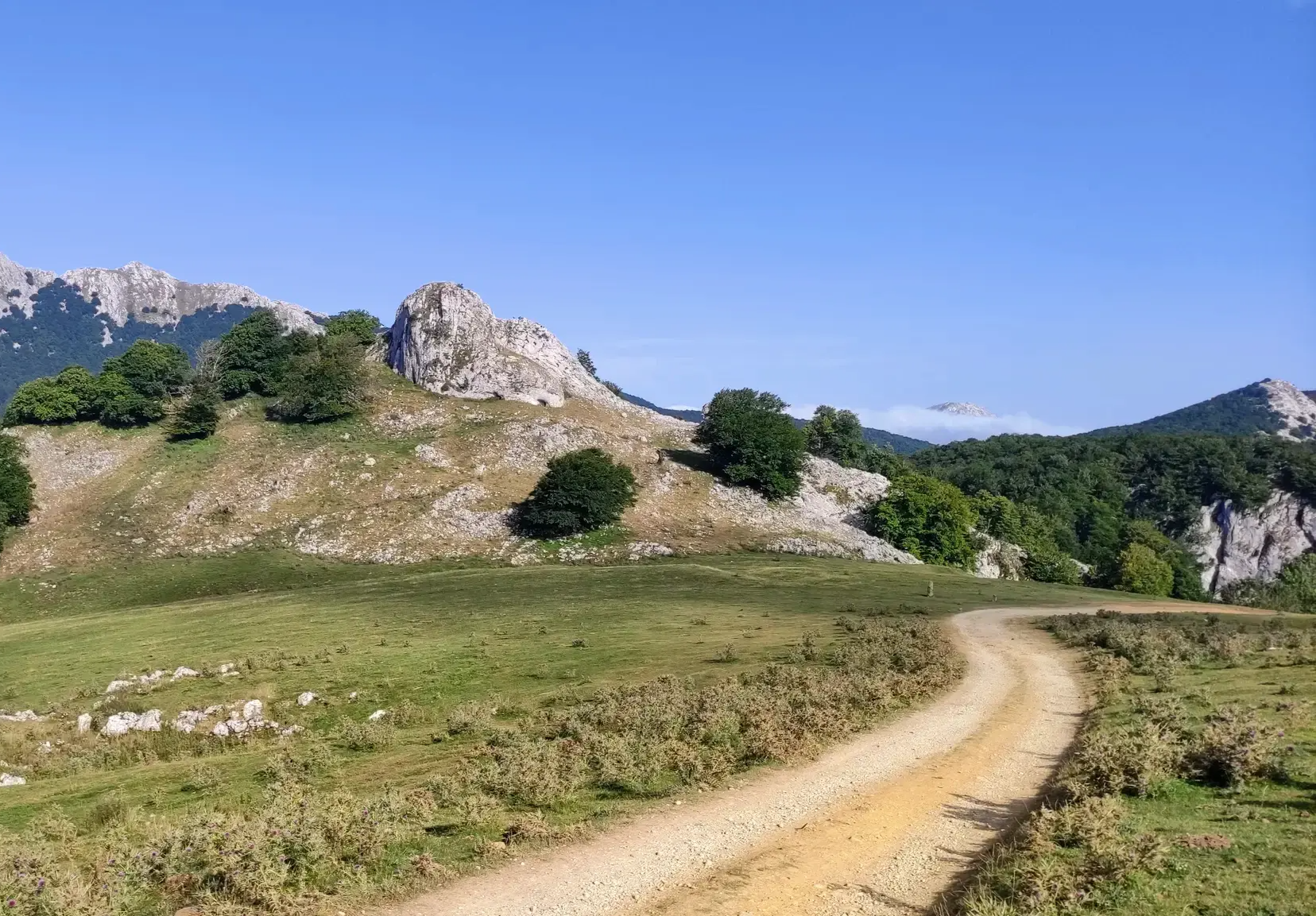
The Ignatian Way - In the footsteps of Ignatius of Loyola
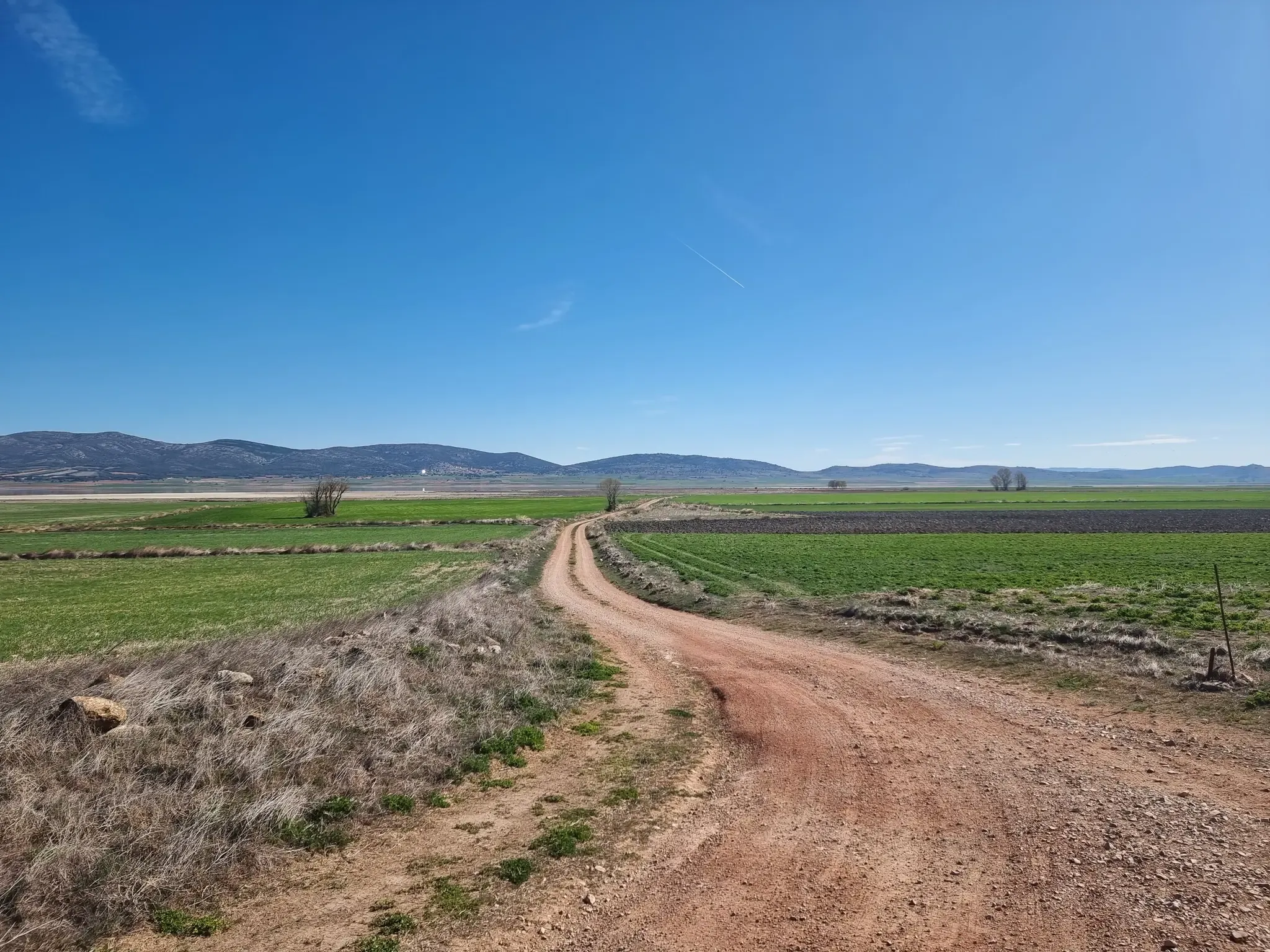
The paradise of the cranes - Gallocanta Ring
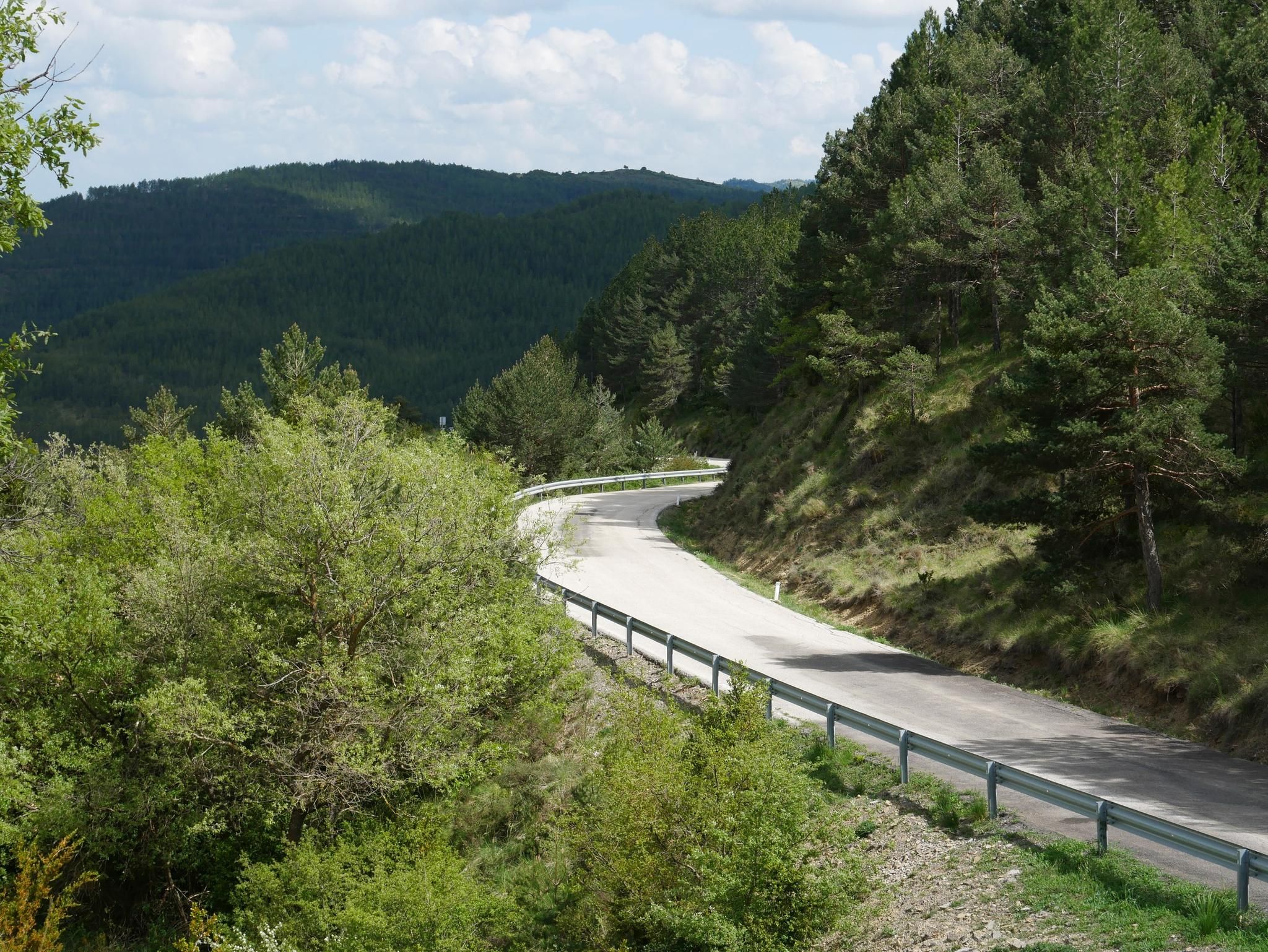
Challenge and beauty on a Road Bike — Pre-Pyrenees Gran Tour
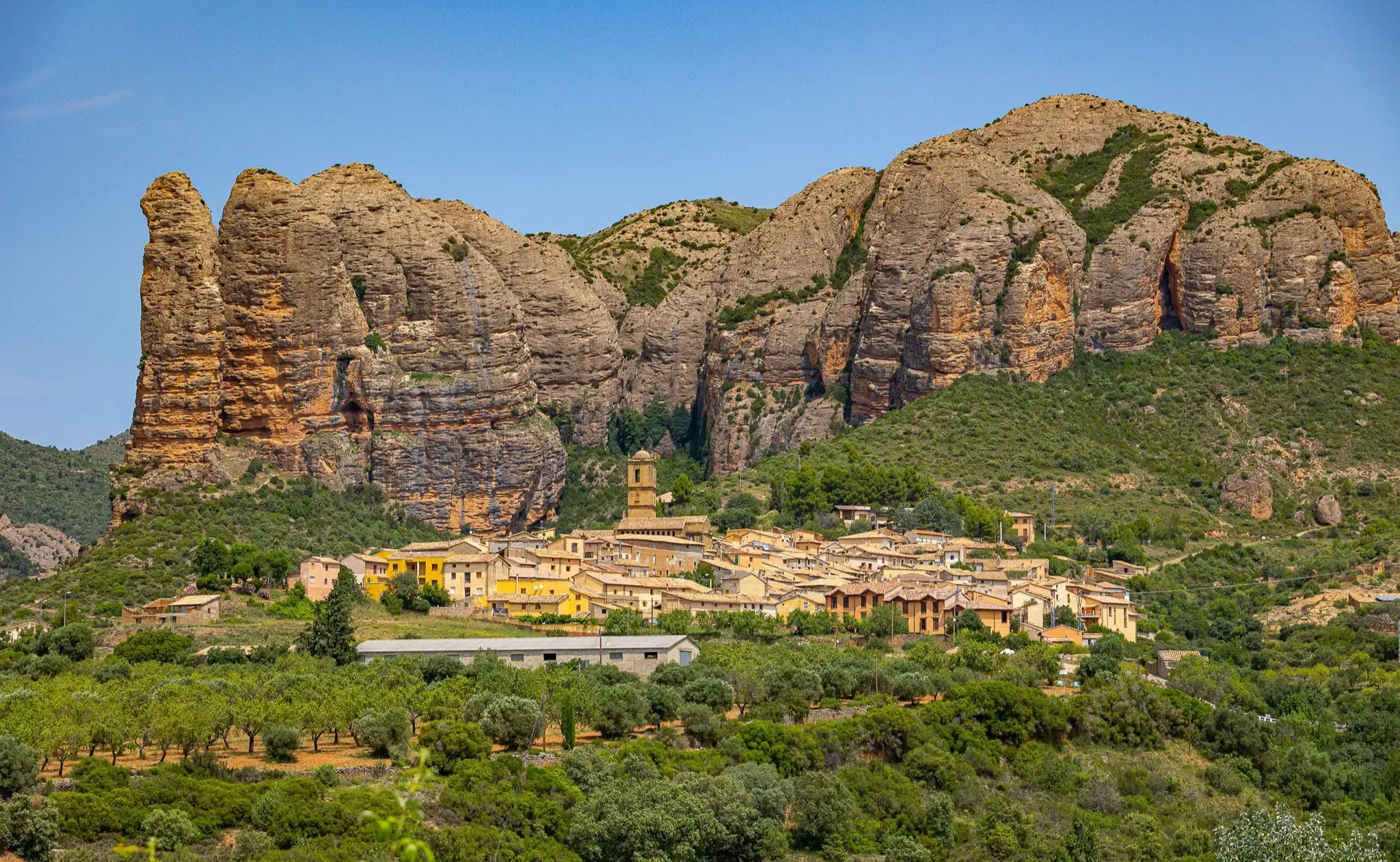
Hiking between geology and history – GR1 in Aragón
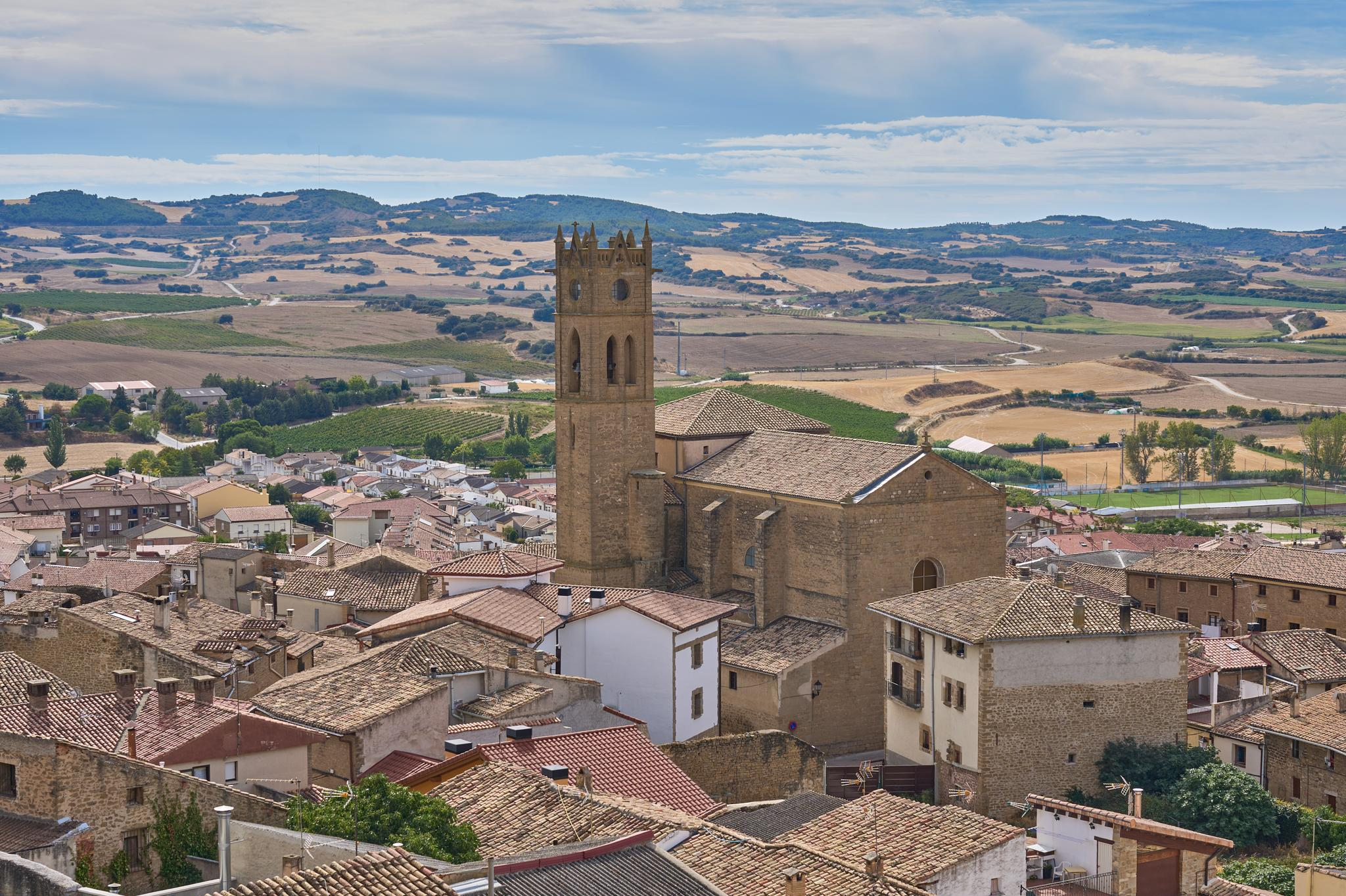
Path of the Templars — Path of the True Cross (GR 250)
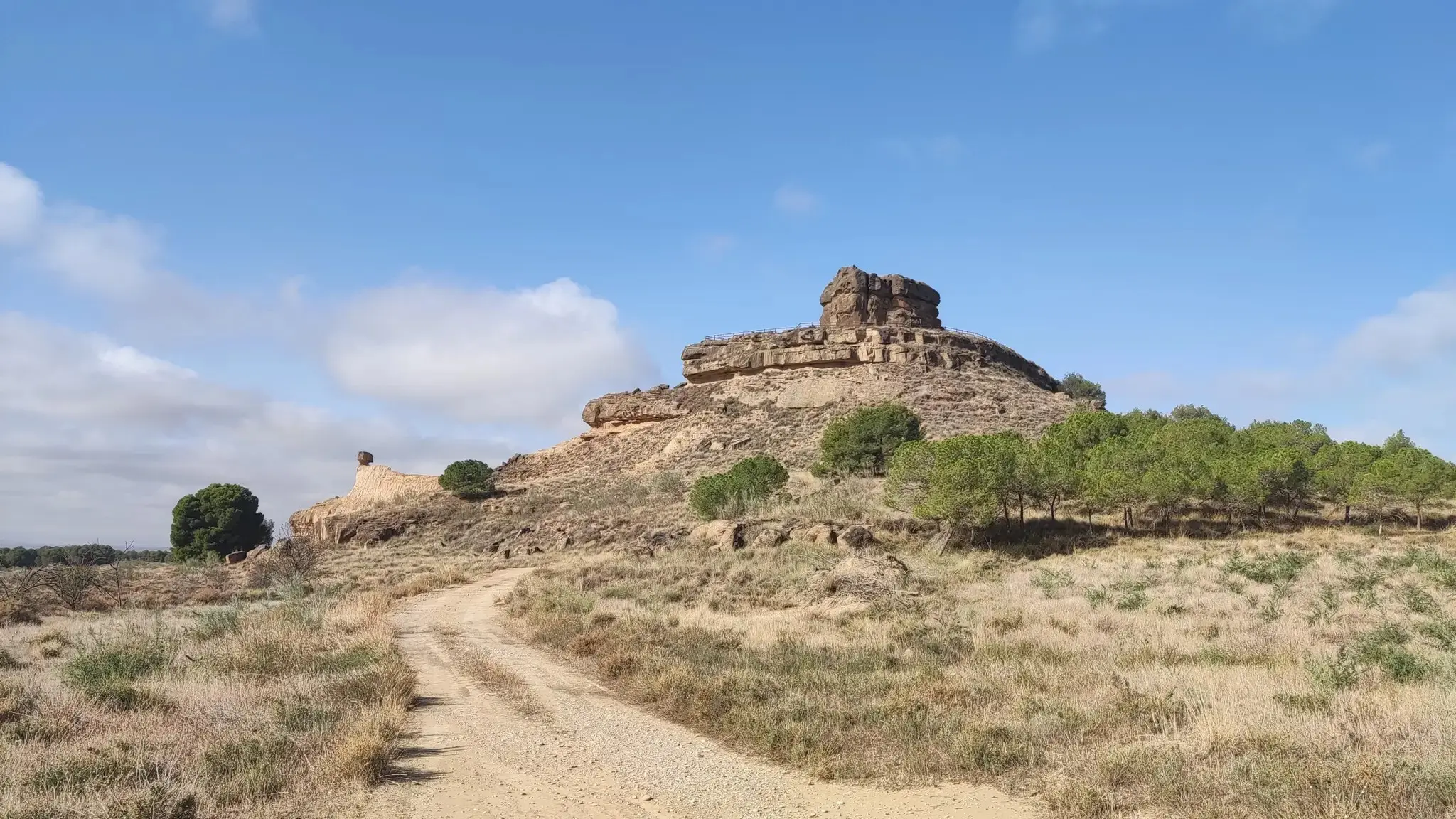
Rock formations, deserts and lagoons - Gravel round in Aragon
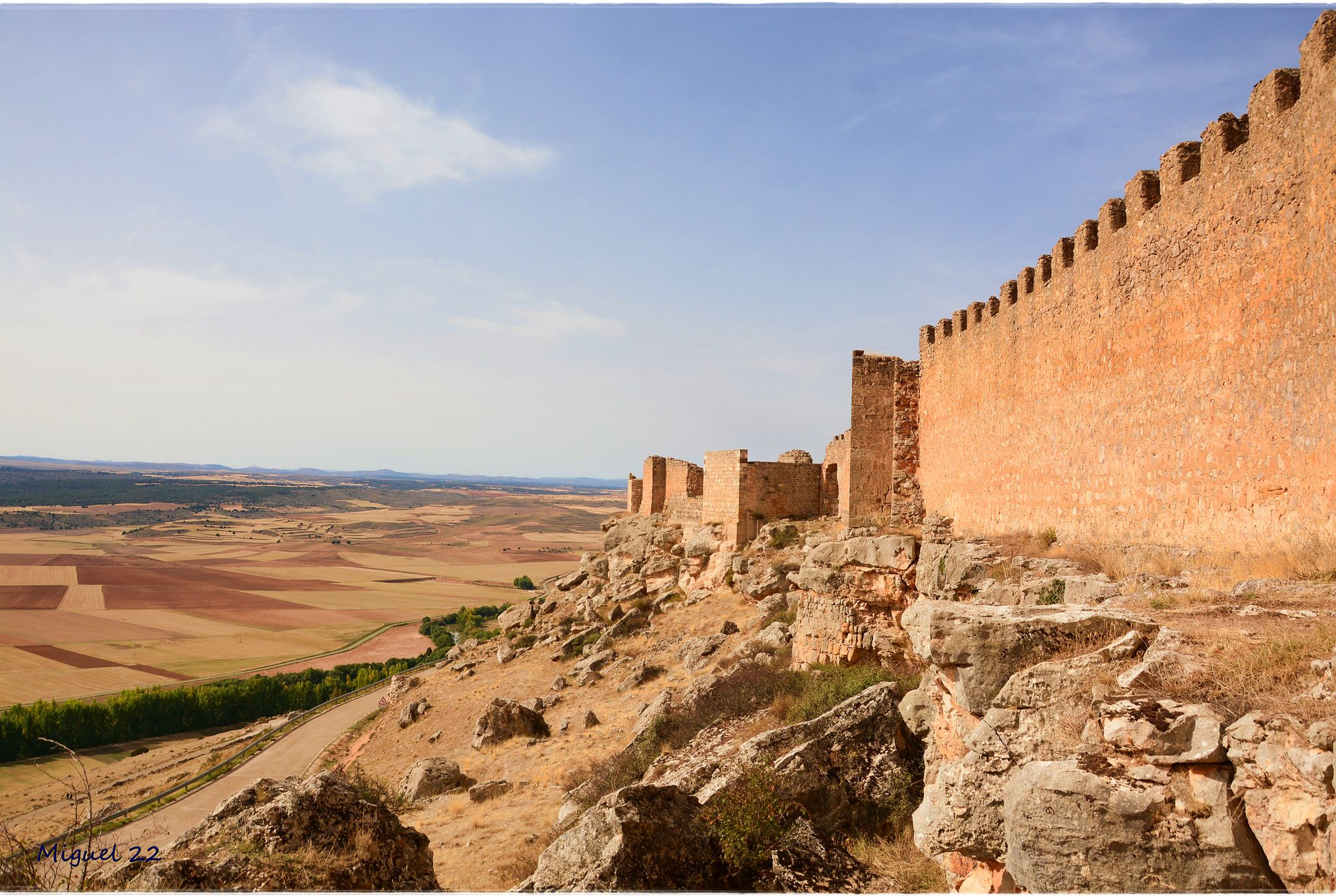
A journey through mediaeval Spain – El Camino del Cid (GR 160)
Landscapes of water and rock – Spain’s Jalón and Jiloca Trail (GR 24)
Moncayo to Daroca – Iberian Zaragoza Path (GR 90)
Other adventures in Zaragoza


Tips from the Community

La Balsa de Larralde (also called balsa de Torre Medina) is an artificial wetland of high ecological value protected as a "Singular Wetland" by the Government of Aragon. It is located next to the Torre Medina neighborhood, in the rural district of Garrapinillos, within the municipality of Zaragoza, 🛠️ Origin and history Old quarry: It originated more than 200 years ago as a clay extraction site for building the nearby Imperial Canal of Aragon. Humidal birth: When the subsoil was perforated, the water table was reached and the excavation was permanently flooded with water. Environmental recovery: After decades of abandonment serving as an uncontrolled landfill, it was recovered from 1995 thanks to the Hydrographic Confederation of the Ebro (CHE) and the Naturalist Association of Aragon (ANSAR). 🌿 Ecological characteristics Extension: It has a protected area of about 4 hectares. Inverted water cycle: Being mainly fed by groundwater influenced by the irrigation of the Imperial Canal, it has more water in summer and spring than in winter, unlike most Mediterranean wetlands. Biodiversity refuge: It is surrounded by abundant riparian vegetation (reeds, cattails, poplars, and elms) that serves as a habitat and breeding ground for about 100 species of aquatic birds such as coots, moorhens, and ducks. 🚶 Visit and equipment It is a space open to the public, ideal for hiking and environmental education. The surroundings have: A perimeter path with wooden planks and walkways. A covered viewpoint-observatory for spotting birds without disturbing them. Interpretive panels explaining the local fauna and flora. (Note: As a local curiosity, it stands out for being the only protected wetland in Zaragoza that can be reached directly by public bus)
0
0

The Larralde raft is worth seeing, but not the rest.
0
0

The Jaraba Sanctuary is a very popular site. The only requirement is to know the opening hours, which are shown in the photos.
0
1

Gallocanta Lagoon, located between Zaragoza and Teruel, is the largest natural lagoon on the Iberian Peninsula and a unique area due to its high salinity. Declared a nature reserve in 2006, it is one of the most important birdwatching spots in Spain, with more than 220 recorded species. Every autumn and spring, thousands of cranes stop here on their migrations, offering an unforgettable spectacle. The area is rich in trails and viewpoints, so it is recommended to bring binoculars and comfortable shoes to enjoy the wildlife and scenery at a leisurely pace.
2
0

It is a natural geological formation formed by the erosion of water on different types of strata and calcifications.
0
0

The natural environment surrounding the sanctuary is stunning, with dramatic rock formations and winding trails ideal for hikers of all levels. To visit the interior of the sanctuary, please contact the Jaraba Tourist Office.
3
0
The Sanctuary of the Virgin of Jaraba is a medieval sanctuary located on the walls of the Cañón de la Hoz Seca, also known as the Barranco de la Hoz Seca, in Jaraba, Zaragoza. This sanctuary is dedicated to the Virgin Mary, and it is said that a shepherd had a vision of the Virgin at this location in the 12th century. The sanctuary, which blends perfectly into the rocky surroundings, features a Baroque chapel that houses a venerated image of the Virgin of Jaraba. The complex also includes an original altar and several altarpieces donated by nearby towns.
3
0
The Sanctuary of the Virgin of Jaraba is a place of great historical and spiritual interest, located in the stunning setting of the Barranco de la Hoz Seca. Built in the 18th century, the sanctuary is known for its architecture and natural setting. It is said that the Virgin of Jaraba appeared on a rock oozing oil, giving it a miraculous quality.
3
0
Frequently Asked Questions
What are some family-friendly natural monuments to visit near Zaragoza?
For families, the Galachos de Juslibol Interpretation Center offers an educational experience about the region's wetlands, perfect for nature strolls and birdwatching close to the city. The Monasterio de Piedra natural park, though not a komoot highlight in itself, is renowned for its spectacular waterfalls like La Caprichosa Waterfall and lush trails, making it an ideal destination for all ages. Additionally, Aguallueve de Anento, with its continuously falling water creating unique stone and moss formations, is a picturesque and engaging spot for families.
Are there good hiking opportunities around the natural monuments in Zaragoza?
Yes, there are excellent hiking opportunities. The Moncayo Summit, the highest point in the Iberian System, offers challenging routes with splendid panoramic views through oak forests. For easier options, the Monasterio de Piedra natural park features 5 kilometers of trails showcasing its waterfalls and grottoes. You can find more detailed hiking routes and guides, including those around Moncayo and Monasterio de Piedra, on the Hiking in Zaragoza guide.
What unique geological features can I expect to see in Zaragoza's natural monuments?
Zaragoza and its surrounding region boast diverse geological wonders. You can explore the ancient river meanders forming lakes and wetlands at Galachos de Juslibol, or witness the dramatic karst spring where the Pitarque River re-emerges at Nacimiento del Río Pitarque. The Grutas de Cristal de Molinos offer an intricate network of underground galleries with spectacular stalactites and stalagmites. The Paisaje Protegido de los Pinares de Rodeno features distinctive red sandstone formations sculpted by erosion.
Which natural monuments offer the best views or viewpoints?
The Moncayo Summit provides splendid panoramic views from the highest point of the Iberian System. The Galachos de Juslibol Interpretation Center offers fantastic views towards Zaragoza and the Galachos de Juslibol wetland. Additionally, the Sanctuary of the Virgin of Jaraba, nestled in the Barranco de la Hoz Seca, provides stunning vistas of dramatic rock formations and canyons.
Are there any natural monuments with historical or cultural significance?
Absolutely. The Monasterio de Piedra natural park combines stunning natural beauty with a 13th-century Cistercian monastery. The Sanctuary of the Virgin of Jaraba is an 18th-century religious building set within a dramatic canyon. The Grutas de Cristal de Molinos hold significant paleontological value, including remains of the 'Man of Molinos' dating back 25,000 years. Furthermore, the Paisaje Protegido de los Pinares de Rodeno is home to significant examples of Levantine rock art, a UNESCO World Heritage site.
What is the best time of year to visit the natural monuments in Zaragoza?
Spring and autumn are generally ideal for visiting Zaragoza's natural monuments. In spring, waterfalls like those at Monasterio de Piedra and Nacimiento del Río Pitarque are at their most impressive due to snowmelt and rains, and the vegetation is lush. Autumn offers pleasant temperatures for hiking and beautiful fall colors, especially in forested areas like Moncayo. Summer can be hot, particularly in lower-lying areas, while winter can bring snow to higher elevations like Moncayo, making some routes more challenging.
Can I find any unique wildlife or birdwatching opportunities?
Yes, several natural monuments are important habitats for wildlife. The Galachos de Juslibol is an excellent spot for birdwatching, providing a habitat for diverse bird species close to the city. Nacimiento del Río Pitarque is an important habitat for griffon vultures, Spanish ibex, and otters. The Paisaje Protegido de los Pinares de Rodeno supports diverse wildlife, including royal eagles, owls, peregrine falcons, and deer. The Monumento Natural del Puente de la Fonseca is home to endangered river crabs, Bonelli's eagles, griffon vultures, and Spanish ibex.
Are there any natural monuments that are particularly challenging for experienced hikers?
For experienced hikers, the ascent to Moncayo Summit presents a significant challenge. At 2,314.3 meters, it is the highest point in the Iberian System, offering demanding routes with considerable elevation gain and exposure to wind. You can find challenging routes, including the ascent to Pico Moncayo, in the Hiking in Zaragoza guide.
What kind of cycling routes are available near Zaragoza's natural monuments?
While specific cycling routes directly through all natural monuments may vary, the region offers diverse cycling opportunities. For example, you can find road cycling routes that explore the wider Zaragoza area, including climbs and scenic loops. Check the Road Cycling Routes in Zaragoza guide for options like the climb to Fuente de Los Frailes via Tarazona, which circles around the Moncayo Natural Park.
Where can I see impressive waterfalls in the Zaragoza region?
The Monasterio de Piedra natural park is famous for its spectacular waterfalls, including the over 50-meter-high Cola de Caballo (Horse's Tail) and La Caprichosa Waterfall, which has a 30-meter drop. The Nacimiento del Río Pitarque also features small waterfalls and a dramatic re-emergence of the river from a karst spring, especially impressive in spring.
Are there any natural monuments that are particularly good for photography?
Many natural monuments offer stunning photographic opportunities. The Monasterio de Piedra, with its numerous waterfalls, lush vegetation, and grottoes, provides a picturesque setting. The red sandstone formations of the Paisaje Protegido de los Pinares de Rodeno create a unique and striking landscape. The dramatic rock formations and canyons around the Sanctuary of the Virgin of Jaraba also offer captivating scenes for photographers.
What are the Galachos de Juslibol and why are they significant?
The Galachos de Juslibol are ancient meanders of the Ebro River that were cut off from the main channel, forming unique lakes and wetlands. They are significant as a valuable ecological space close to Zaragoza city, providing a vital habitat for diverse coastal vegetation and numerous bird species. It's a tranquil escape perfect for nature strolls and birdwatching, with an Interpretation Center to learn more about the ecosystem.
Most popular routes in Zaragoza
Most popular attractions in Zaragoza

Get inspired with the komoot mobile app


Didn’t find what you were looking for?
Find even more amazing natural monuments in Zaragoza by checking out the top Highlights region by region:
Explore more
Extend your search for the best caves by checking out these guides of the top ones in Zaragoza:
