Top 20 Lakes in Córdoba
Lakes in Córdoba, Argentina, are predominantly artificial reservoirs nestled within mountainous landscapes. These bodies of water serve various purposes, including hydroelectric power generation, water supply, and flood control. The region offers a diverse range of aquatic environments, from large reservoirs to temporary lagoons. These areas provide opportunities for various activities and natural exploration.
Best lakes in Córdoba
- The most popular lakes include Lake La Encantada, a lake with an urbanization on the outskirts of Córdoba. It is a pleasant place for a walk.
- Another must-see spot is Views over the Laguna del Conde, a viewpoint overlooking an important and protected temporary lagoon. Depending on rainfall, it can be full of water or dry, and is a key stopover for migratory birds.
- Visitors also love Navallana Reservoir, a lake that collects water from the Guadalmellato reservoir. Visitors can access the water and cool off from a bridge.
- Córdoba is known for its artificial reservoirs and temporary lagoons. These bodies of water offer varied natural settings to explore.
- The lakes in Córdoba are appreciated by the komoot community, with 25 upvotes and 26 photos shared by users.
Last updated: October 17, 2026
Views over the Laguna del Conde
Highlight • Viewpoint
Translated by Google •
Tip by

Guadalmellato Reservoir and Dam
Highlight • Lake
Translated by Google •
Tip by

Sign up now to discover places like this
Get recommendations on the best single tracks, peaks, & plenty of other exciting outdoor places.
Bembézar Dam
Highlight • Lake
Translated by Google •
Tip by

Reservoirs Route
Highlight (Segment) • Trail
Translated by Google •
Tip by
Lake La Encantada
Highlight • Lake
Translated by Google •
Tip by

Navallana Reservoir
Highlight • Lake
Translated by Google •
Tip by

Retortillo Reservoir
Highlight • Lake
Showing Translation
Tip by

Martín Gonzalo Reservoir
Highlight • Lake
The natural surroundings of the reservoir are very picturesque, with a rich biodiversity that includes various species of flora and fauna. It is an ideal place to enjoy nature and do outdoor activities.
Translated by Google •
Tip by

La Breña Reservoir
Highlight • Lake
Translated by Google •
Tip by
El Cañuelo Trail – Iznájar Reservoir
Highlight • Lake
Translated by Google •
Tip by
Sign up for free to discover even more lakes in Córdoba.
Already have an account?
Start today with a free account
Your next adventure awaits.
Popular around Córdoba
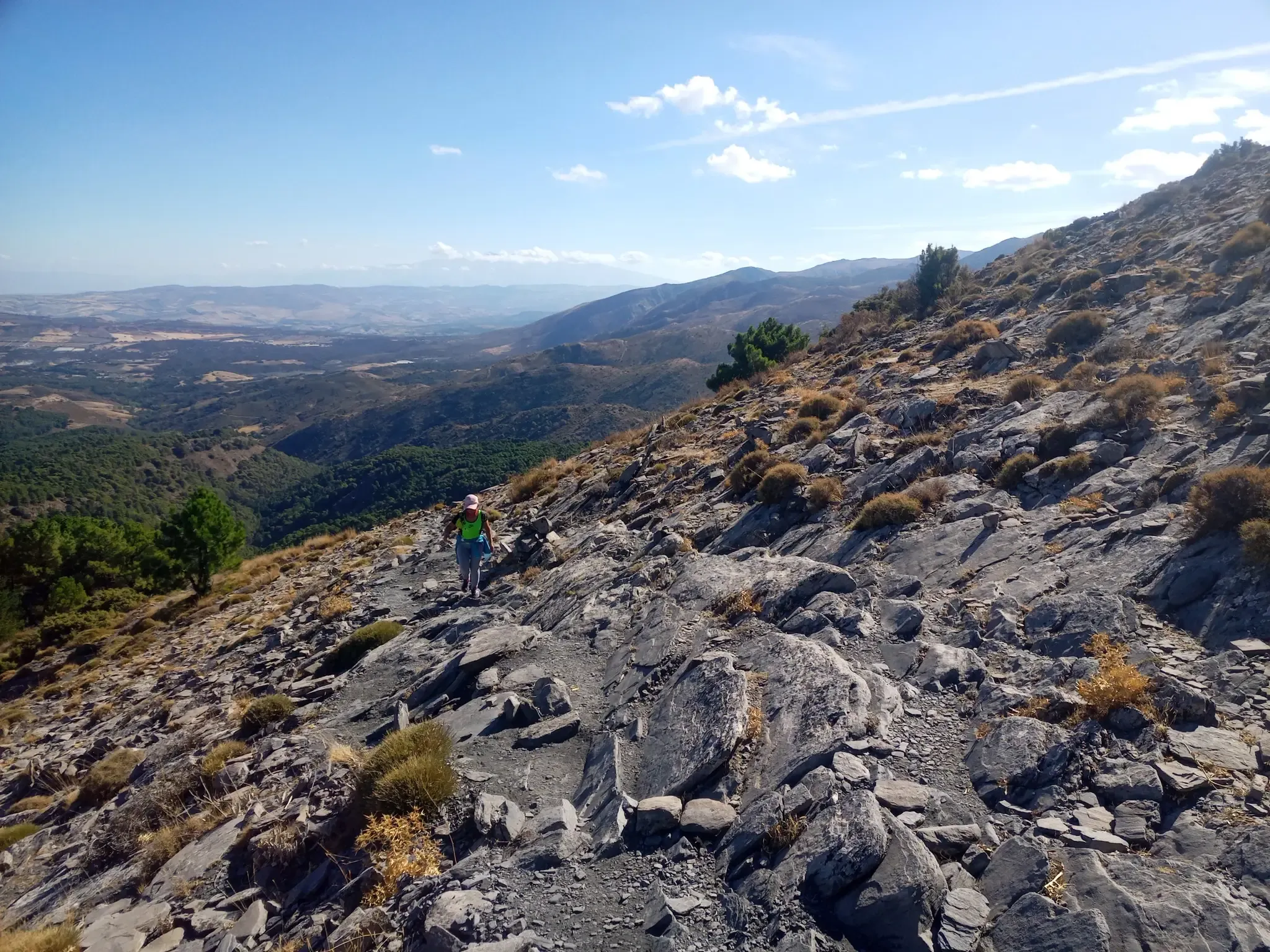
12 hiking gems throughout Spain
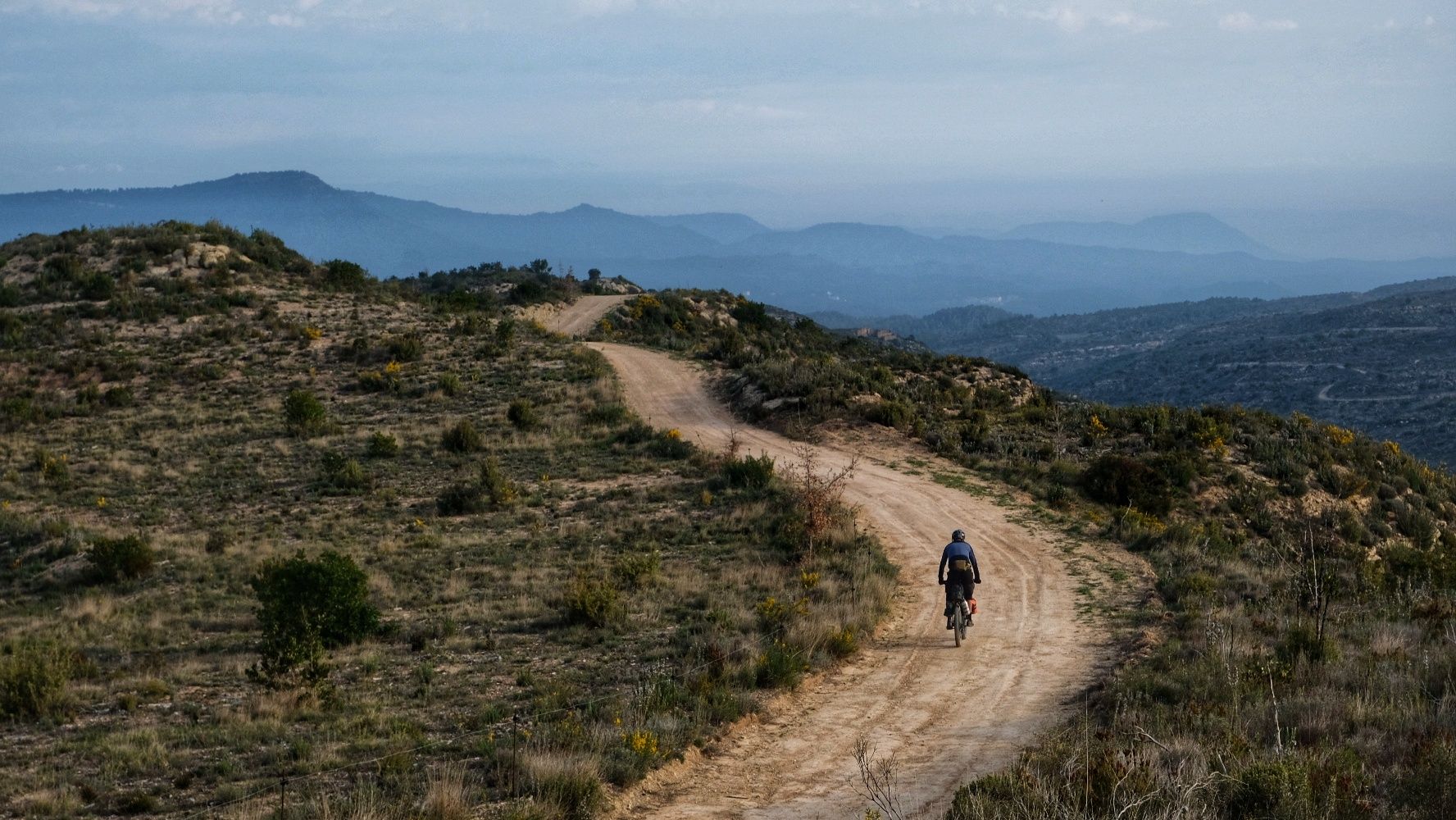
European Divide Trail — 7,600 km across the continent
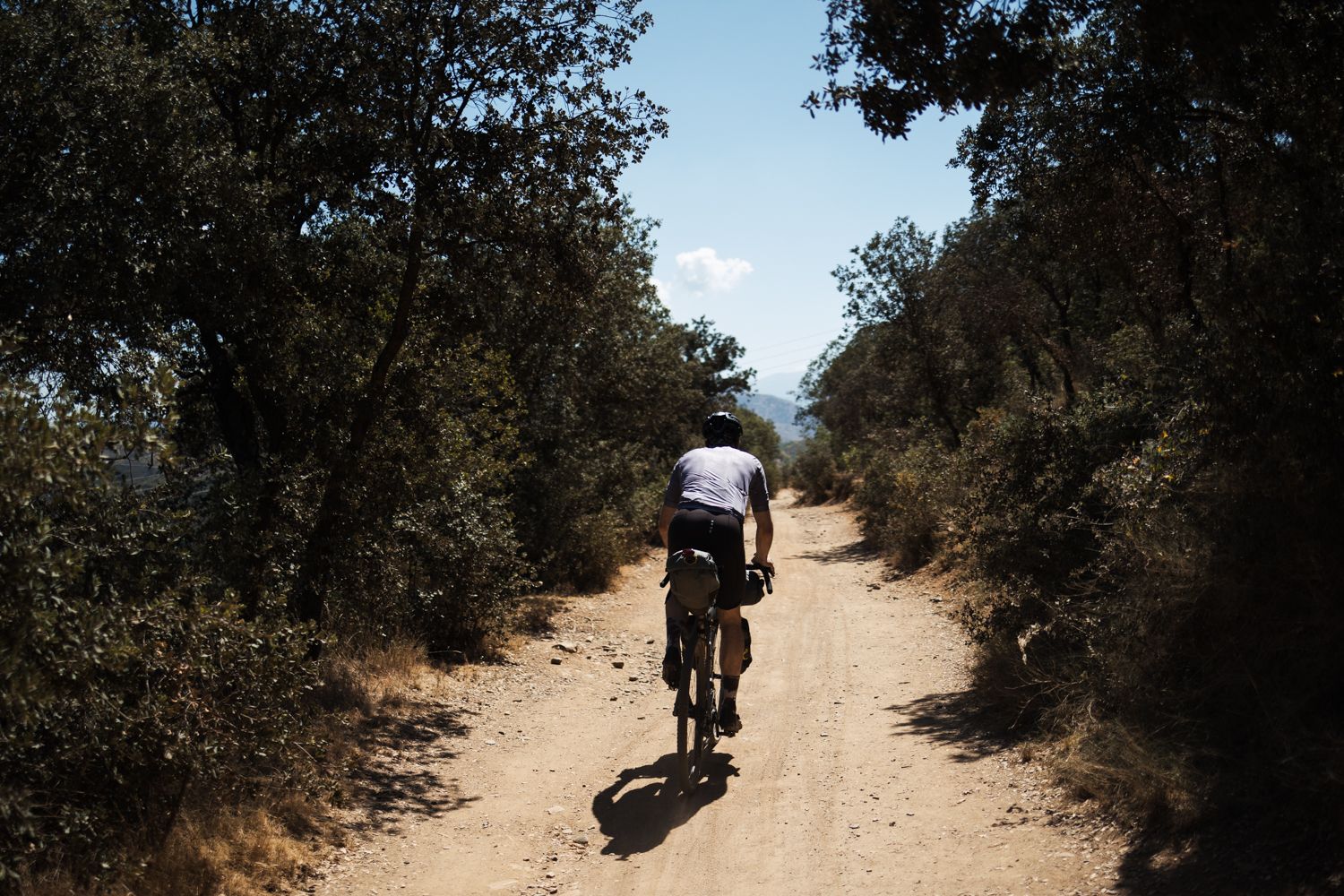
Mozarabic Way to Santiago – Gravel between two worlds
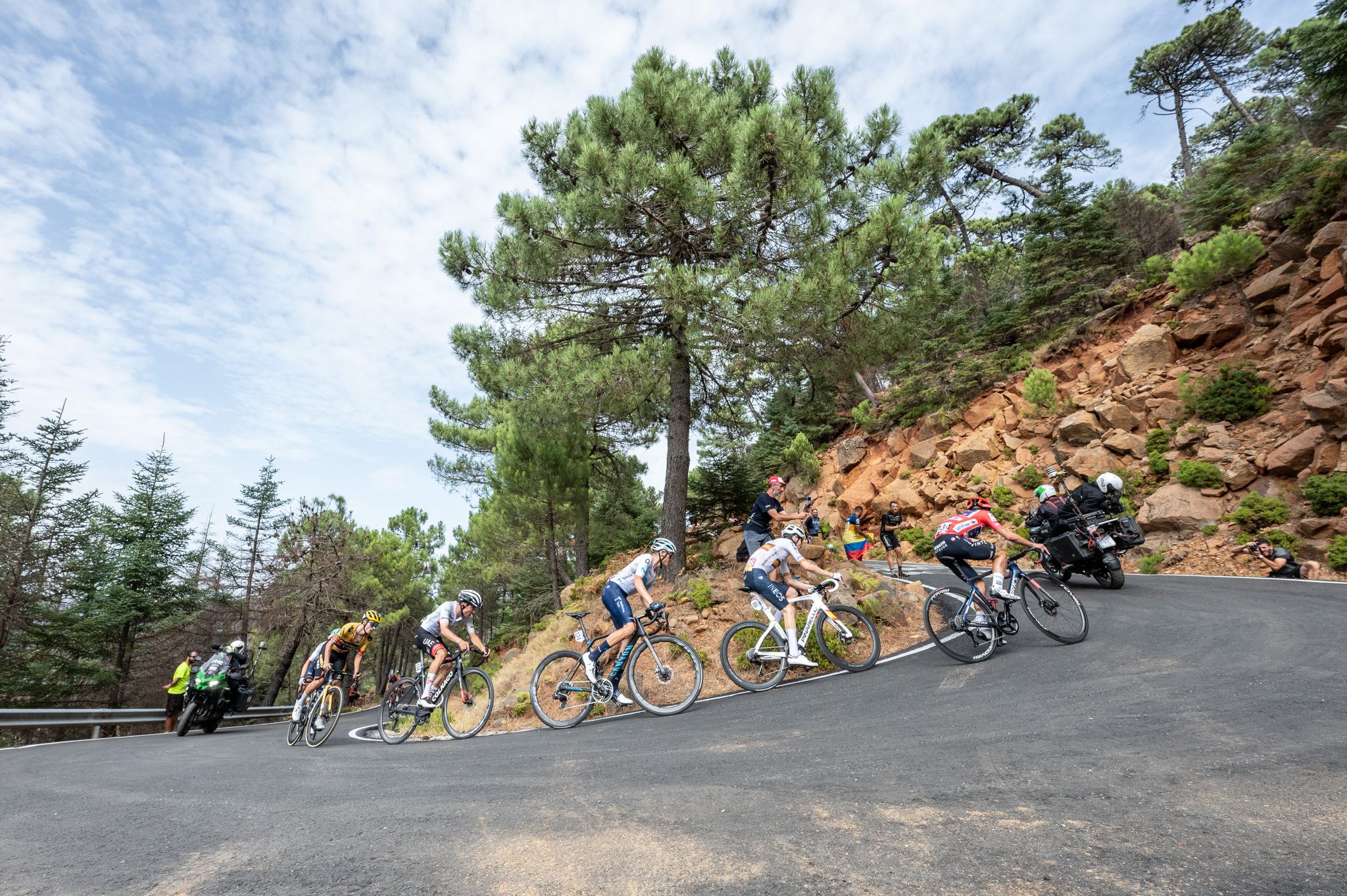
La Vuelta 26 — All Official Stages
10 gravel routes to discover hidden gems in Spain
Pastures, Pedroches and farmhouses — Cañada Real Soriana (GR 40)
A winter getaway along the greenways of Andalusia in Spain
European Divide Trail across the Iberian Peninsula – south
Cycling among the mysterious faults – Sierra Morena (GR 48)
Let’s head south – cycle in Andalusia with me and my dog
Other adventures in Córdoba


Tips from the Community

The Laguna del Conde (also known as Laguna del Salobral) is an important wetland that serves as a habitat for numerous bird species such as flamingos, cormorants, and ducks. Along the Vía Verde, there are viewpoints from which visitors can observe the wildlife.
1
0

The Martín Gonzalo Reservoir is located on the Martín Gonzalo stream, in the municipalities of Montoro and Cardeña, in the province of Córdoba. The dam was built in 1983 and began operating in 1987. The natural surroundings of the reservoir are very picturesque, with a rich biodiversity that includes various species of flora and fauna. It is an ideal place to enjoy nature and do outdoor activities.
6
0

The Lagoon del Conde or Salobral Lagoon is a temporary lagoon that reaches a maximum flood level in spring and subsides in summer. The lagoon is filled by rainfall that falls directly on the surface of the lagoon and by surface runoff from its catchment area, particularly from the Carrascón stream. The lagoon is on the migratory route that many birds follow towards the African continent in northeastern Europe. Like the rest of the wetland areas south of Córdoba, the Salobral Lagoon is integrated into the European Natura 2000 network.
10
0

This lagoon, which belongs to the municipality of Luque, is the largest of all the seasonal waters in the province of Córdoba, with a surface area of 46.6 hectares. It was declared a nature reserve in 1989 due to its special value as a wintering and breeding ground for migratory birds. Due to the gentle slope of the terrain and its shallow depth, the wetland is home to numerous wading birds that use the lagoon as a passage and breeding area. The main bird species are the black-winged stilt, the European lapwing, the curlew, the teal, the white-headed duck, the Kentish plover, the tern and the Montagu's harrier, among many other species.
10
1

The new dam is no longer accessible, which makes it that the route can no longer be done as described. Hiking down to the lake however gives many nice views however.
1
1

Small dam that collects water from the eastern mountains of the Sierra de Andújar National Park and is located north of the town of Montoro. The environment that surrounds it is full of olive trees and typical flora of this area of Andalusia.
1
0

It's a pity: the last time I went there it was completely dry.
6
0

Due to the proximity of the dam to the city of Córdoba, its main function is supply. It was built in 1911 at the source of the Guadalmellato river, which flows into the Guadalquivir after more than 110 kilometers of travel.
3
0
Frequently Asked Questions
What kind of natural features can I expect to see around the lakes in Córdoba?
Córdoba's lakes are often artificial reservoirs nestled within mountainous landscapes, offering diverse natural settings. You can find viewpoints like Views over the Laguna del Conde, which is an important temporary wetland, or enjoy the serene environment around Lake La Encantada, a pleasant spot for a walk. The region also features pine woods and varied vegetation, especially around lakes like Los Molinos.
Are there family-friendly lakes in Córdoba?
Yes, many lakes in Córdoba are suitable for families. For instance, Navallana Reservoir allows visitors to access the water from a bridge to cool off, which can be a fun activity. Other family-friendly spots include the Guadalmellato Reservoir and Dam and Bembézar Dam, both offering scenic views and natural environments for enjoyment.
What outdoor activities can I do near the lakes in Córdoba?
The lakes and their surroundings offer a wide range of outdoor activities. You can enjoy water sports like boating, swimming, sailing, and fishing at lakes such as San Roque Lake and Embalse Río Tercero. For land-based activities, there are numerous trails for hiking and cycling. You can explore easy hikes, challenging MTB trails, or scenic road cycling routes in the region.
Which lakes are good for water sports like kayaking or windsurfing?
For extensive water sports, Embalse Río Tercero is an excellent choice, ideal for windsurfing, water skiing, kayaking, and boat trips due to its vast expanse. Los Molinos Lake is also renowned for nautical activities including motorboating, kayaking, sailing, swimming, and kitesurfing.
Are there any lakes with historical significance in Córdoba?
Yes, San Roque Lake holds historical value as the first artificial lake in South America. Parts of its original late 19th-century dam are still visible when water levels are low. Embalse Río Tercero also houses the historic Dr. Arturo Umberto Illia Hydroelectric Power Plant, one of Argentina's first.
What is the best time of year to visit the lakes in Córdoba?
The best time to visit can depend on your interests. For water activities, the warmer months are ideal. If you're interested in birdwatching, visiting during periods of rainfall can be rewarding, as temporary lagoons like Laguna del Conde become full and attract migratory birds. During heavy rainfall, Embalse Río Tercero offers the unique spectacle of the 'cola de la novia' (bride's tail) waterfall from its dam overflow.
Can I find less crowded lakes for a more tranquil experience?
While popular lakes can attract crowds, you might find more tranquility at spots like Guadanuño Reservoir or Martín Gonzalo Reservoir, which offer peaceful natural environments. Mar Chiquita Lake, despite its size, provides a unique and often serene experience due to its distinct saline environment and focus on biodiversity.
Are there any unique natural phenomena associated with Córdoba's lakes?
Mar Chiquita Lake (Mar de Ansenuza) is a unique endorheic salt lake, the largest naturally occurring saline lake in Argentina. Its high salinity and variable surface create a distinct ecosystem, making it a biodiversity hotspot, especially for aquatic birds like flamingos. Additionally, during heavy rainfall, the overflow of the Embalse Río Tercero dam creates a dramatic waterfall known as 'cola de la novia' (bride's tail).
What kind of wildlife can I observe around the lakes?
The wetlands around Mar Chiquita Lake are a significant biodiversity hotspot, particularly for aquatic birds, including three species of South American flamingos and numerous migratory birds. Other reservoirs like Bembézar Dam are also privileged places for bird watching.
Are there any specific trails or routes that incorporate multiple reservoirs?
Yes, the Reservoirs Route is a notable trail that allows you to experience several of these impressive bodies of water. Additionally, the El Cañuelo Trail – Iznájar Reservoir offers another opportunity to explore a significant reservoir.
What amenities or towns are located near the lakes?
San Roque Lake is conveniently located near Villa Carlos Paz, offering easy access to tourist attractions, dining, and entertainment. Near Los Molinos Lake, charming towns like Potrero de Garay and Villa Ciudad de América provide accommodation and services. The town of Miramar de Ansenuza is situated on the shores of Mar Chiquita Lake, offering boat trips and views of the flamingos.
Most popular routes in Córdoba
Most popular attractions in Córdoba

Get inspired with the komoot mobile app


Didn’t find what you were looking for?
Find the best lakes in Córdoba per region:
Explore more
Still not found your perfect lake in Córdoba? Check out the guides of these regions to see even more beautiful places.
