Attractions and Places To See in Gipuzkoa - Top 20
Best attractions and places to see in Gipuzkoa include a diverse landscape of stunning coastlines, verdant natural parks, and historical landmarks. The province, part of the Basque Autonomous Community of Spain, features prominent cities like San Sebastián, known for its iconic La Concha Bay. Visitors can explore unique geological formations, significant cultural sites, and extensive mountain ranges. Gipuzkoa offers a range of experiences from urban exploration to natural adventures.
Best attractions and places to see in Gipuzkoa
- The most popular…
Last updated: October 11, 2026
La Concha Beach
Highlight • Beach
Translated by Google •
Tip by

Algorri Flysch
Highlight • Natural Monument
Translated by Google •
Tip by

Sign up now to discover places like this
Get recommendations on the best single tracks, peaks, & plenty of other exciting outdoor places.
San Sebastián City Hall
Highlight • Monument
Translated by Google •
Tip by

Ermita de Guadalupe
Highlight • Religious Site
Translated by Google •
Tip by

Kursaal Bridge
Highlight • Bridge
turismo.euskadi.eus/es/patrimonio-cultural/puente-de-la-zurriola/aa30-12375/es
Translated by Google •
Tip by

San Telmo Hermitage
Highlight • Religious Site
Translated by Google •
Tip by

Constitution Square
Highlight • Historical Site
Translated by Google •
Tip by

Jaizkibel Climb from Pasaia
Highlight (Segment) • Climb
Translated by Google •
Tip by

Pasaia Ferry
Highlight • Bridge
Translated by Google •
Tip by
Jaizkibel
Highlight • Summit
Translated by Google •
Tip by

Sign up for free to discover even more attractions in Gipuzkoa.
Already have an account?
Start today with a free account
Your next adventure awaits.
Popular around Gipuzkoa
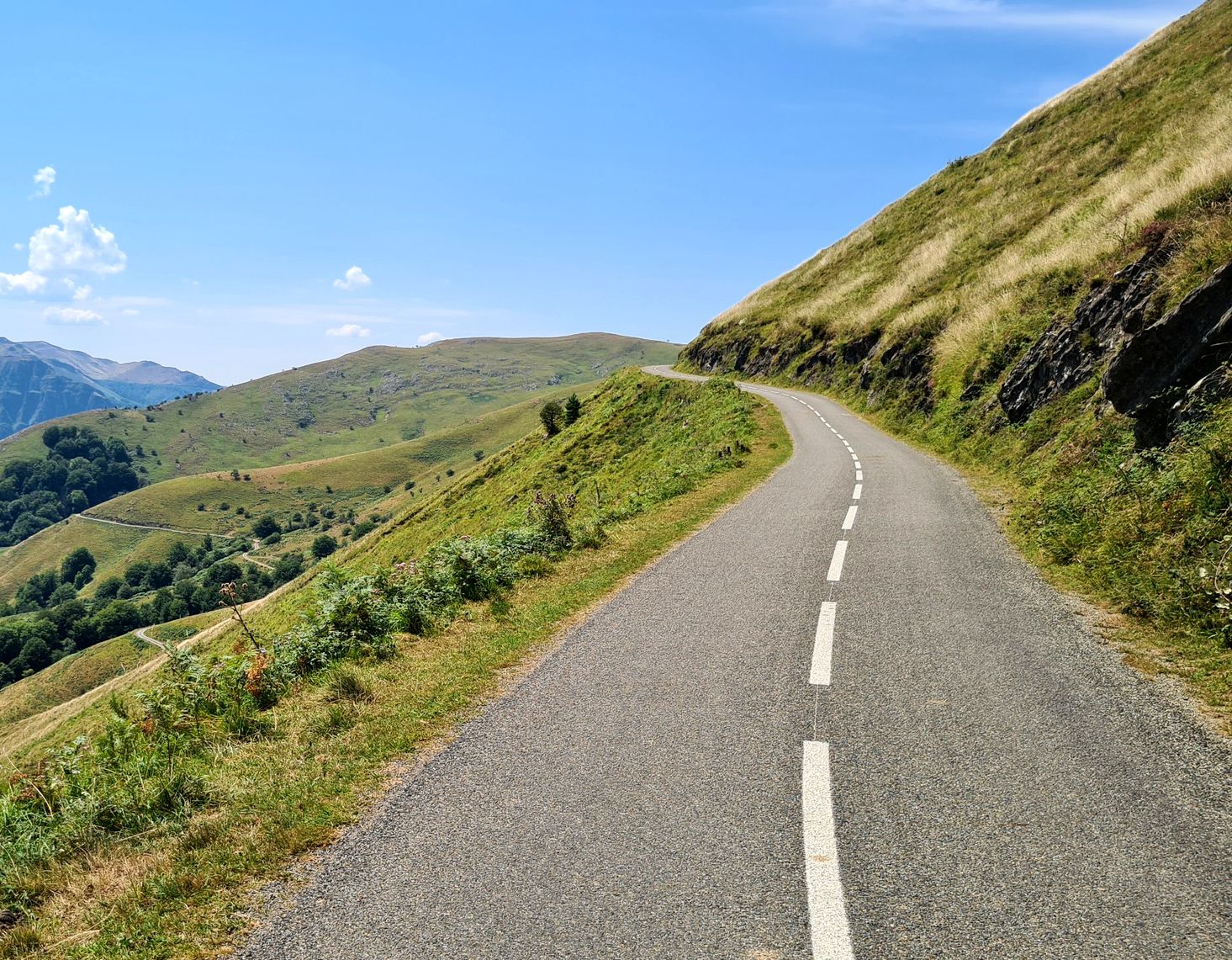
Basque Country mountain passes – Panorama rides
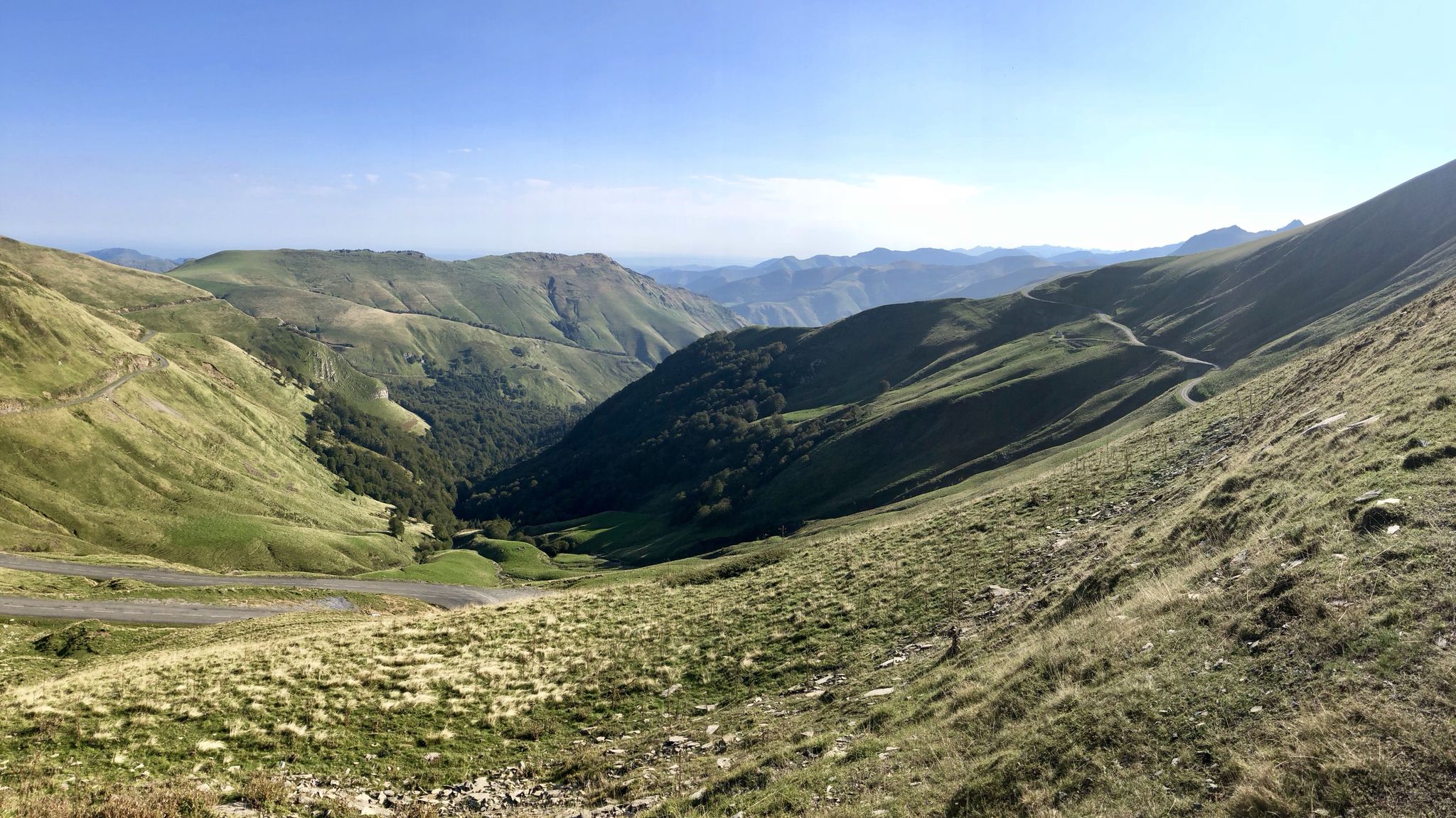
Euskal Herria footpath (GR 12) – The infinite mountain range
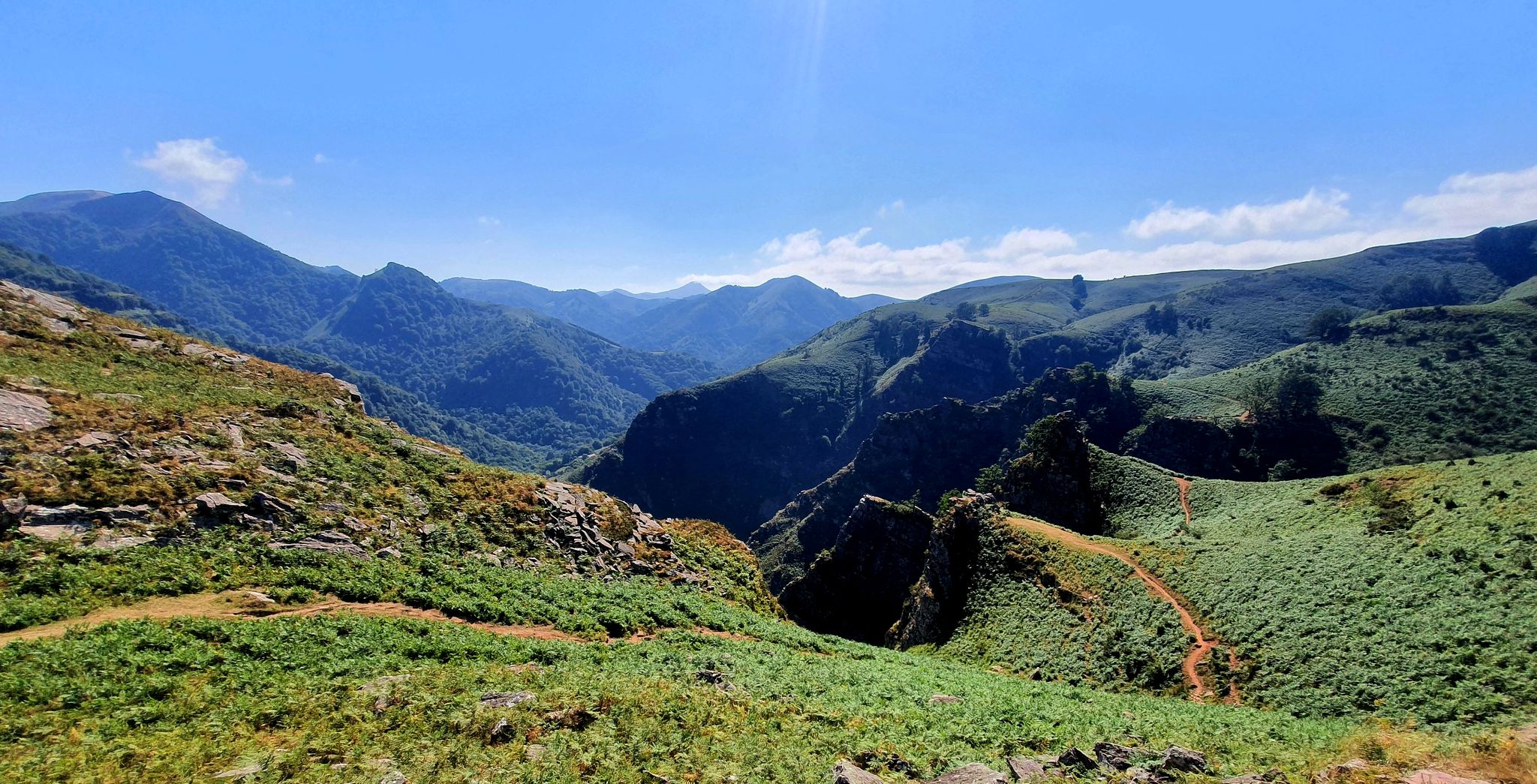
A land rich in character – running in the Basque Country
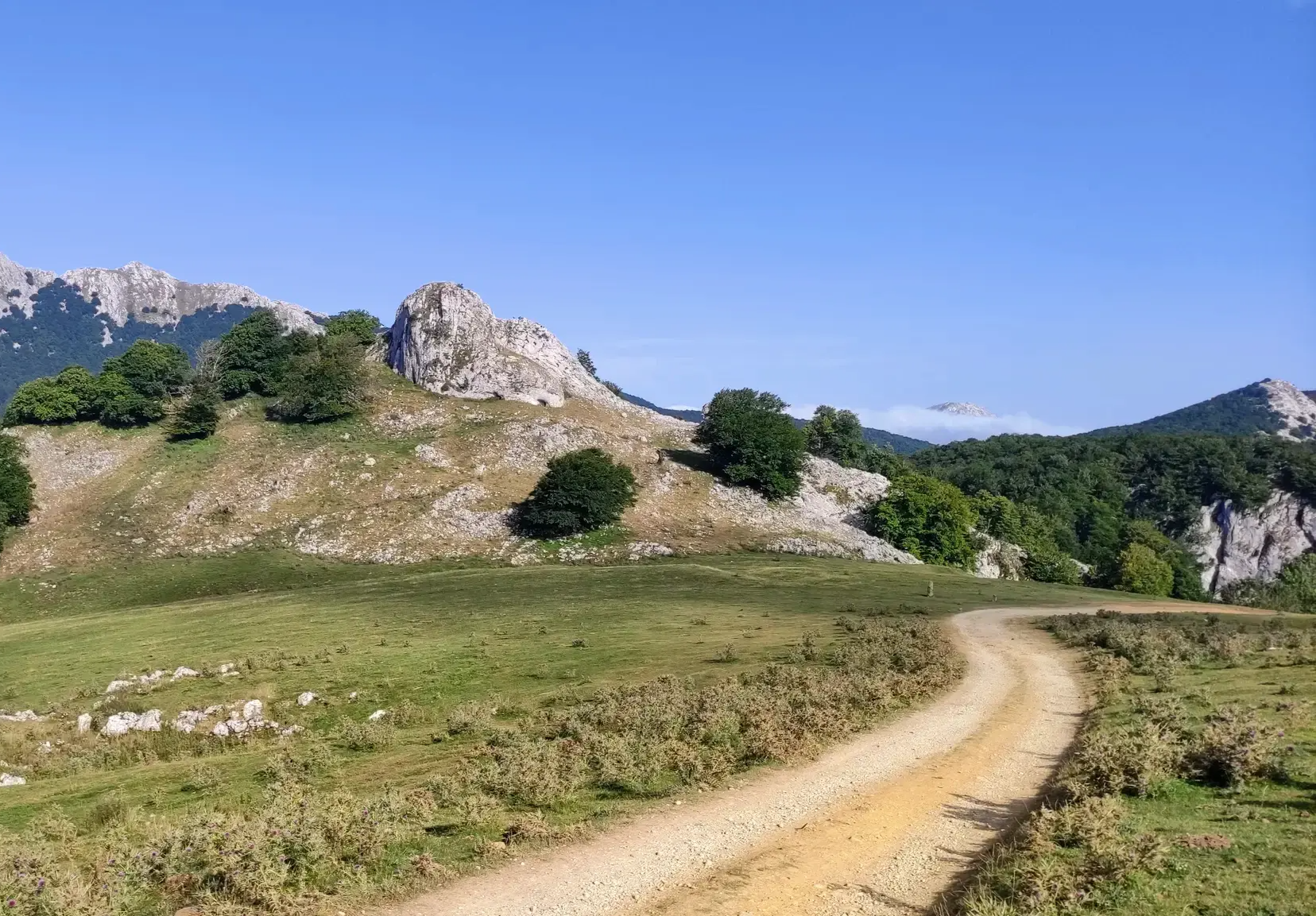
The Ignatian Way - In the footsteps of Ignatius of Loyola
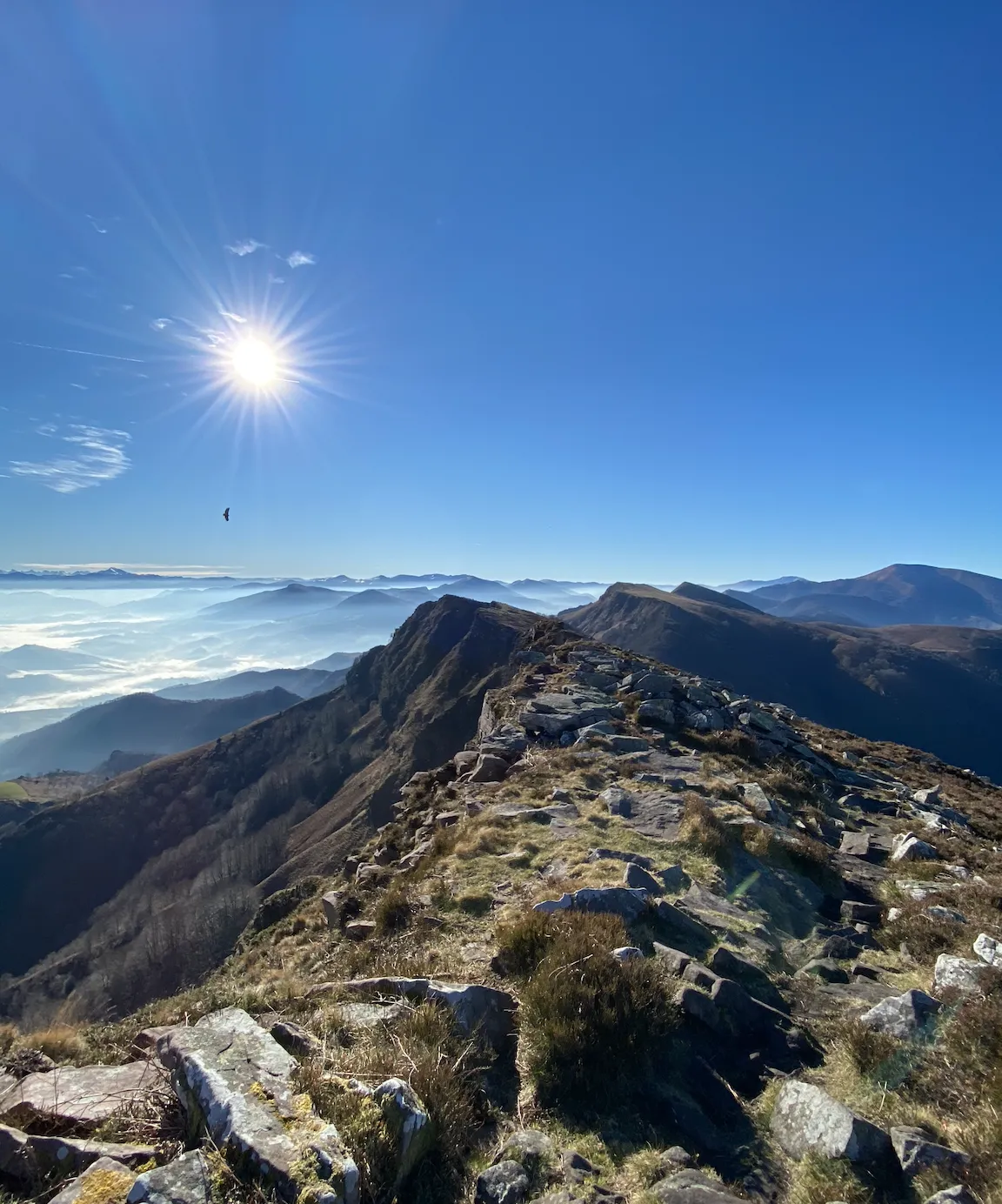
The coast to the mountains – the best hikes in Spain’s Basque Country
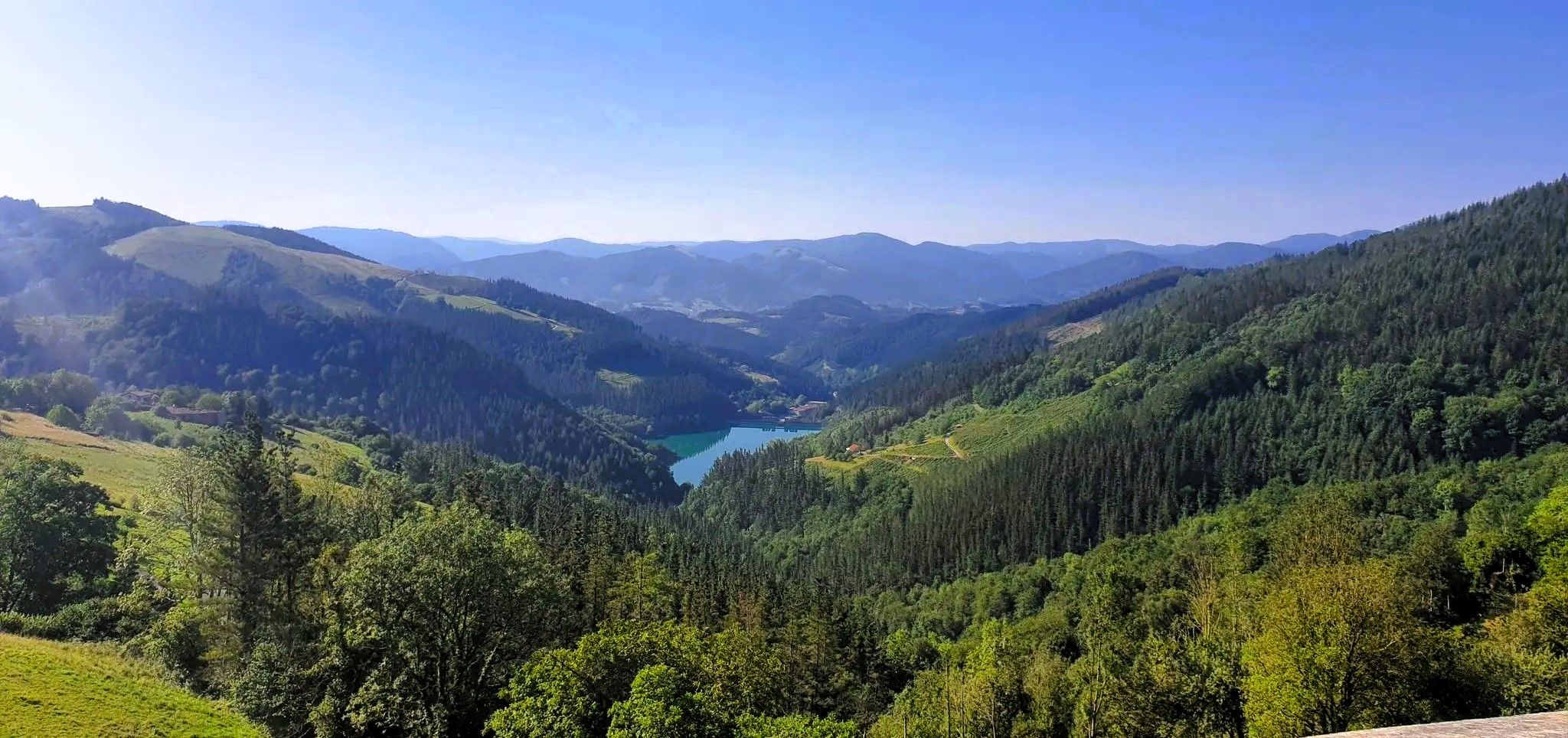
Through the Basque Country on shepherd's paths - Caminos de Transhumancia (GR 34)
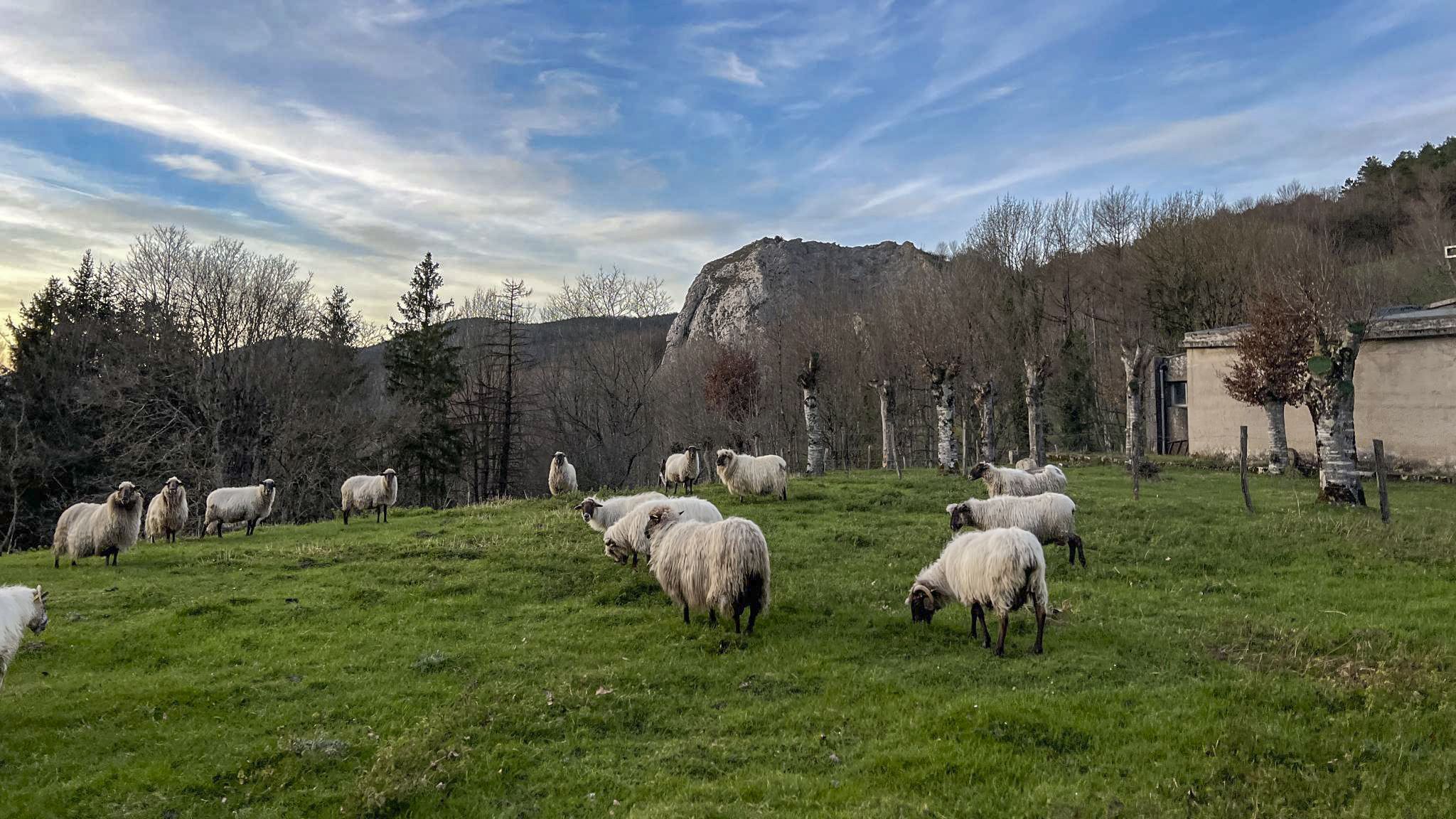
Basque Traditions and Landscapes - Idiazabal Cheese Route (GR 283)
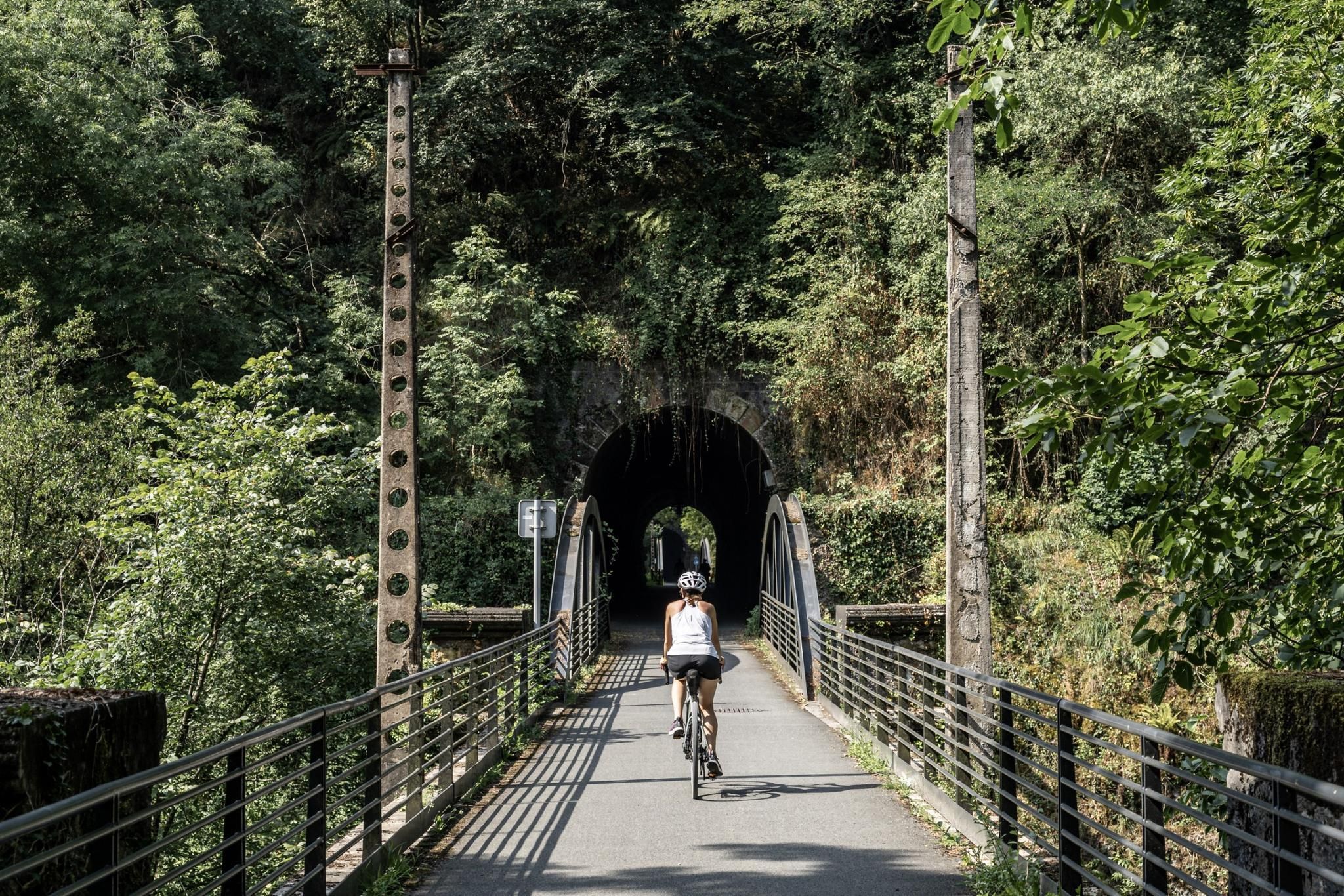
A walk through the Basque forests — Urola Greenway
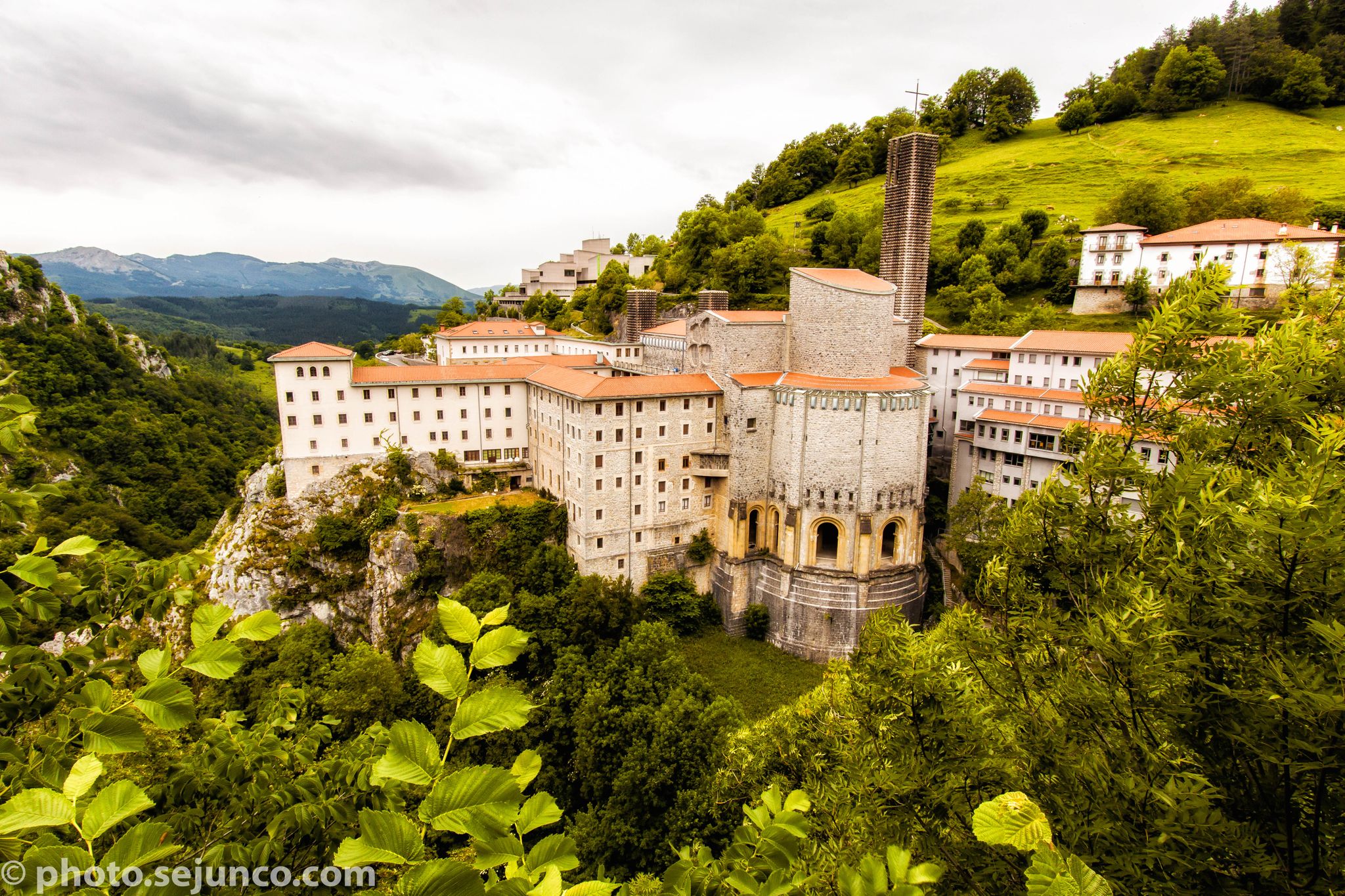
A three-day hike in the Basque Country – Route of the Three Temples
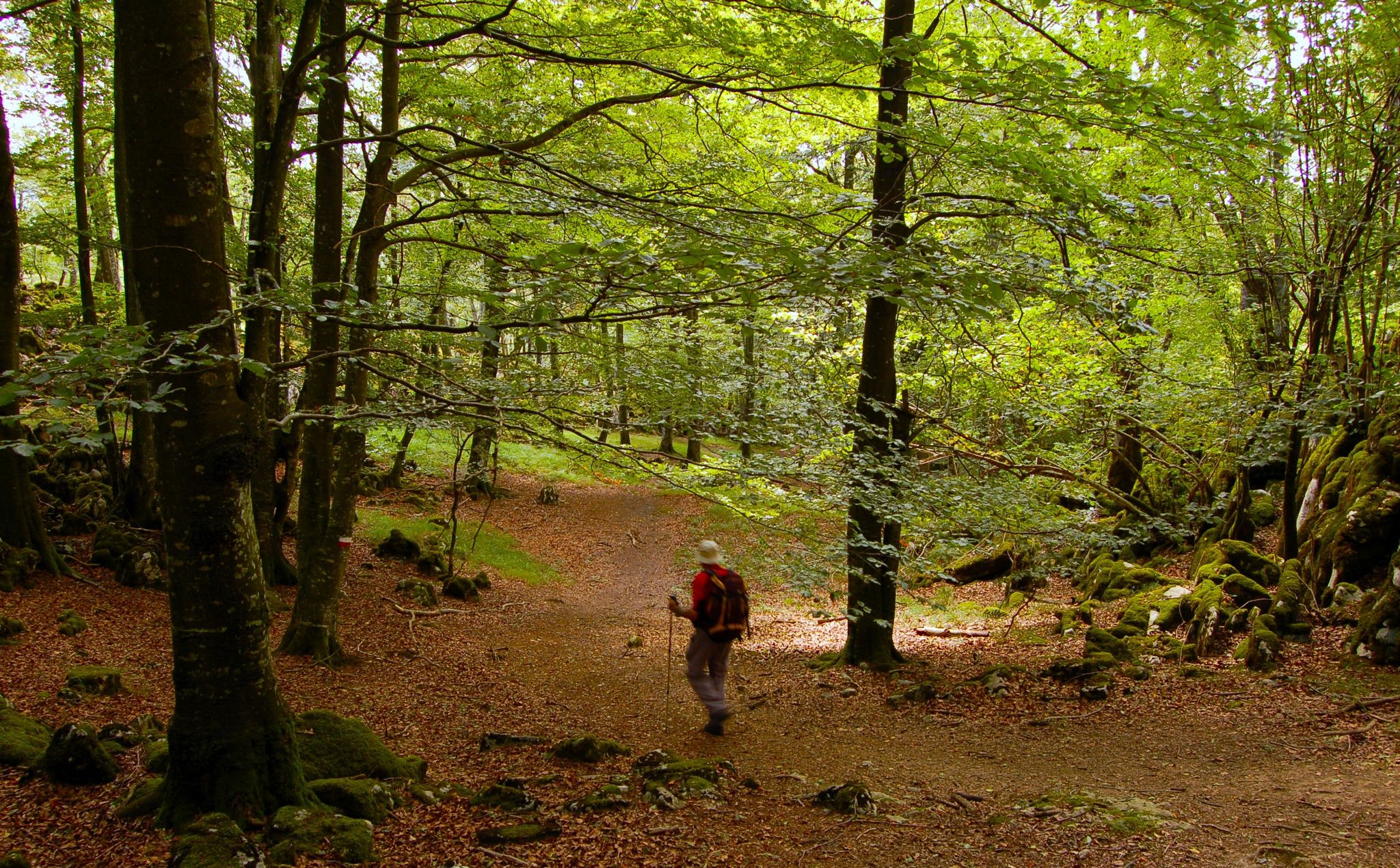
Aromas of the north – Tour of Aralar (GR 20)
Other adventures in Gipuzkoa


Tips from the Community


At the SSIFF with an exciting environment
0
0


The first (or last section if reversing the route) section is absolutely NOT accessible. Possibly only at extreme low tide. We were there an hour before extreme low tide, and it was completely impossible. I would choose to simply follow the route at a higher elevation and skip the "beach" section. Especially since the beach is made up of large stones and rocks, difficult to walk on because you always have to watch your step due to loose stones.
1
0

Mostly the area is windy especially due to topography. Do not forget to carry water with yourself. Enjoy the Bay of Biscay
3
0

boat crossing to the other side of the Camino de Santiago and public. This avoids a big detour, price 2.50 euros
2
0

Also a great place for a breather when it rains...
0
0
Frequently Asked Questions
What natural wonders can I explore in Gipuzkoa?
Gipuzkoa offers diverse natural beauty. You can witness the impressive Algorri Flysch, unique rock structures revealing millions of years of Earth's history, part of the Basque Coast Geopark. For panoramic views, ascend Jaizkibel Summit, the westernmost mountain of the Pyrenees. The region also boasts several natural parks like Aizkorri-Aratz, Aralar, and Pagoeta, ideal for hiking and appreciating nature.
Are there historical sites or cultural landmarks to visit in Gipuzkoa?
Absolutely. In San Sebastián, explore the magnificent San Sebastián City Hall and the historic Constitution Square. The Miramar Palace offers historical insights with beautiful views. Beyond the capital, visit the medieval quarter of Hondarribia with its Castle of Charles V, or the charming town of Oñati, known for its Sancti Spiritus University and San Miguel church.
What are some family-friendly attractions in Gipuzkoa?
Many attractions cater to families. La Concha Beach in San Sebastián is perfect for swimming and relaxing. The San Sebastián City Hall and Constitution Square are central and lively. The Aquarium Donostia-San Sebastián and Eureka! Zientzia Museoa offer interactive experiences for all ages. The Urkulu Reservoir also provides a pleasant green trail for walking or cycling.
What kind of outdoor activities or routes are available near these attractions?
Gipuzkoa is excellent for outdoor enthusiasts. You can find numerous mountain hikes, including challenging routes like the Aitxuri – Aizkorri loop or moderate ones like the Hernio loop. For cycling, explore routes such as the Monte Igeldo or the Vía Verde del Urola. Gravel biking options include coastal routes from Zarautz to Lekeitio. For more details on these and other routes, visit the Mountain Hikes in Gipuzkoa, Cycling in Gipuzkoa, and Gravel biking in Gipuzkoa guides.
Are there any coastal attractions in Gipuzkoa beyond San Sebastián's main beaches?
Yes, the Gipuzkoan coastline offers more than just San Sebastián. Explore the charming fishing village of Getaria, known for its grilled fish and the Cristóbal Balenciaga Museum. The town of Hondarribia, at the mouth of the Bidasoa River, features a well-preserved medieval quarter and colorful Marina district. Don't miss the wild Sakoneta beach in Deba for more stunning flysch formations.
Where can I experience Gipuzkoa's unique Basque culture and heritage?
To immerse yourself in Basque culture, visit the San Telmo Museum in San Sebastián, the oldest museum dedicated to Basque history. Explore the Albaola The Sea Factory of the Basques in Pasaia to learn about maritime heritage. The Route of the Three Temples connects significant religious sites like the Loyola Basilica and the avant-garde Aránzazu Sanctuary, showcasing Basque art and architecture.
What is the best time of year to visit Gipuzkoa for sightseeing and outdoor activities?
The best time to visit Gipuzkoa is generally from late spring to early autumn (May to October) when the weather is mild and pleasant, ideal for exploring coastal areas, hiking in natural parks, and enjoying city attractions. Summer months (July and August) are popular for beaches and festivals, but can be crowded. Spring and autumn offer comfortable temperatures and fewer tourists.
Are there any unique museums or art installations in Gipuzkoa?
Gipuzkoa has a rich cultural scene. The Chillida-Leku museum in Hernani is dedicated to the works of sculptor Eduardo Chillida, harmonizing art and nature. The Cristóbal Balenciaga Museum in Getaria celebrates the renowned fashion designer. For a sweet journey, visit the Gorrotxategi Confectionery Museum in Tolosa, or explore prehistoric art at Ekainberri in Zestoa, a reproduction of the Ekain Cave.
Can I find wheelchair-accessible attractions in Gipuzkoa?
Yes, several attractions in Gipuzkoa are wheelchair accessible. In San Sebastián, the San Sebastián City Hall, Kursaal Bridge, and Constitution Square are noted for their accessibility. Many urban areas and modern facilities are designed to be inclusive. It's always recommended to check specific venue details for the most up-to-date accessibility information.
What do visitors enjoy most about the attractions in Gipuzkoa?
Visitors frequently praise the stunning natural beauty, especially the unique shell shape of La Concha Beach and the geological marvels of the Algorri Flysch. The panoramic views from spots like Jaizkibel Summit are also highly appreciated. The blend of historical architecture, vibrant city life, and the region's rich cultural heritage consistently receives positive feedback from the komoot community.
Are there any hidden gems or lesser-known spots worth visiting in Gipuzkoa?
Beyond the main highlights, consider exploring the enchanting municipality of Pasaia (Pasajes) with its strong maritime essence and historical buildings in San Juan. The Oñati-Arrikrutz Caves offer a fascinating glimpse into a karst landscape with traces of ancient animals. The Leitzaran Valley, a protected biotope, is also a serene spot recognized for its high biodiversity and quality riverside forest.
What are the options for public transport to reach attractions in Gipuzkoa?
Public transport in Gipuzkoa is well-developed, especially connecting major towns and cities like San Sebastián, Hondarribia, and Zarautz. Buses are a primary mode of transport, with extensive networks covering the region. Trains also connect some areas. For specific attractions, it's advisable to check local bus routes or train schedules, as some natural parks or more remote sites might require a car or a combination of transport options.
Most popular routes in Gipuzkoa
Most popular attractions in Gipuzkoa

Get inspired with the komoot mobile app


Didn’t find what you were looking for?
Are you keen on exploring more awesome places nearby? Browse our guides:
Explore more
Still not found the Highlight you’re looking for? See guides of the top attractions in other regions:
