Top 20 Castles in Ávila
Castles in Ávila are a prominent feature of this Spanish province, known for its historical significance and medieval architecture. The region boasts an impressive array of fortified structures, including the iconic Walls of Ávila. These sites offer insights into centuries of history, from medieval military architecture to Renaissance styles. The province's landscape provides a backdrop for these historical monuments.
Best castles in Ávila
- The most popular castles is Ávila City Walls, a man_made_monument that preserves remains of the old wall very well. These walls are considered among the most complete and best-preserved medieval fortifications in Spain.
- Another must-see spot is Castle of Arenas de San Pedro, a castle located in the heart of the town. This Gothic-style castle, built in the 15th century, is known as "the Sad Countess" castle.
- Visitors also love Valdecorneja Castle, a medieval gem that dominates the Tormes River valley. It is considered one of the most emblematic monuments in the province of Ávila.
- Ávila is known for its medieval military architecture, Gothic-style castles, and Renaissance palaces. Visitors can explore a variety of castles, from defensive fortresses to residential structures.
- The castles in Ávila are appreciated by the komoot community, with more than 30 upvotes and over 40 photos shared.
Last updated: October 16, 2026
Walls of Ávila
Highlight • Monument
Showing Translation
Tip by

Castle of Arenas de San Pedro
Highlight • Castle
The castle is Gothic in style, built in the 15th century. Popularly known as “the Sad Countess” castle.
Translated by Google •
Tip by

Sign up now to discover places like this
Get recommendations on the best single tracks, peaks, & plenty of other exciting outdoor places.
El Barco de Ávila
Highlight • Settlement
Translated by Google •
Tip by

Valdecorneja Castle
Highlight • Castle
Translated by Google •
Tip by
Castle of the Constable Dávalos (Castle of the Sad Countess)
Highlight • Castle
It is known as the Castle of the Sad Countess, because after the execution of Don Álvaro de Luna in 1453, Juan II allowed the town to remain in the possession of his widow, Doña Juana de Pimentel, popularly known by this nickname.
Translated by Google •
Tip by
Castle of El Barco de Ávila
Highlight • Castle
The main door has a Gothic arch with large voussoirs, to the right is the keep, square, through which you can access the battlements and towers.
Translated by Google •
Tip by
Manqueospese Castle
Highlight • Castle
Construction of the castle began in the 15th century by the Dávila family and was completed by Esteban Dávila in the 16th century. The castle is surrounded by legends, including stories of unrequited love and rivalries between knights. Its name, "Manqueospese," is said to come from the expression "although it weighs on you," which is related to these legends.
From its privileged position, the castle offers stunning views of the Amblés Valley and the walls of Ávila. Although it is currently in ruins, restoration and cleaning work are underway.
Translated by Google •
Tip by
Mombeltrán
Highlight • Settlement
Translated by Google •
Tip by

Arévalo Castle
Highlight • Castle
Translated by Google •
Tip by
Castle of Narros de Saldueña
Highlight • Castle
Translated by Google •
Tip by
Sign up for free to discover even more castles in Ávila.
Already have an account?
Start today with a free account
Your next adventure awaits.
Popular around Ávila
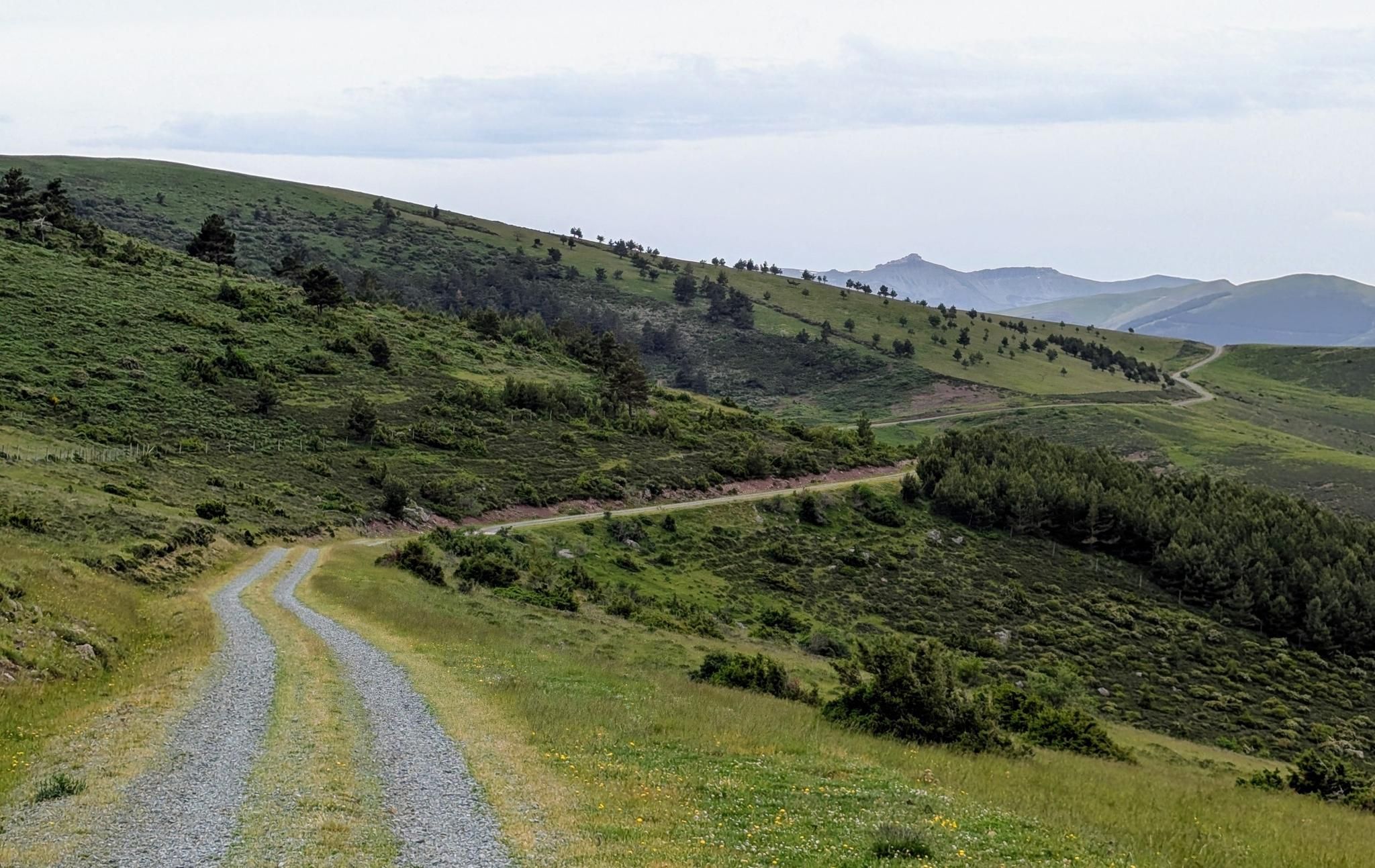
MTB Transhumance — Cañada Real Soriana Occidental
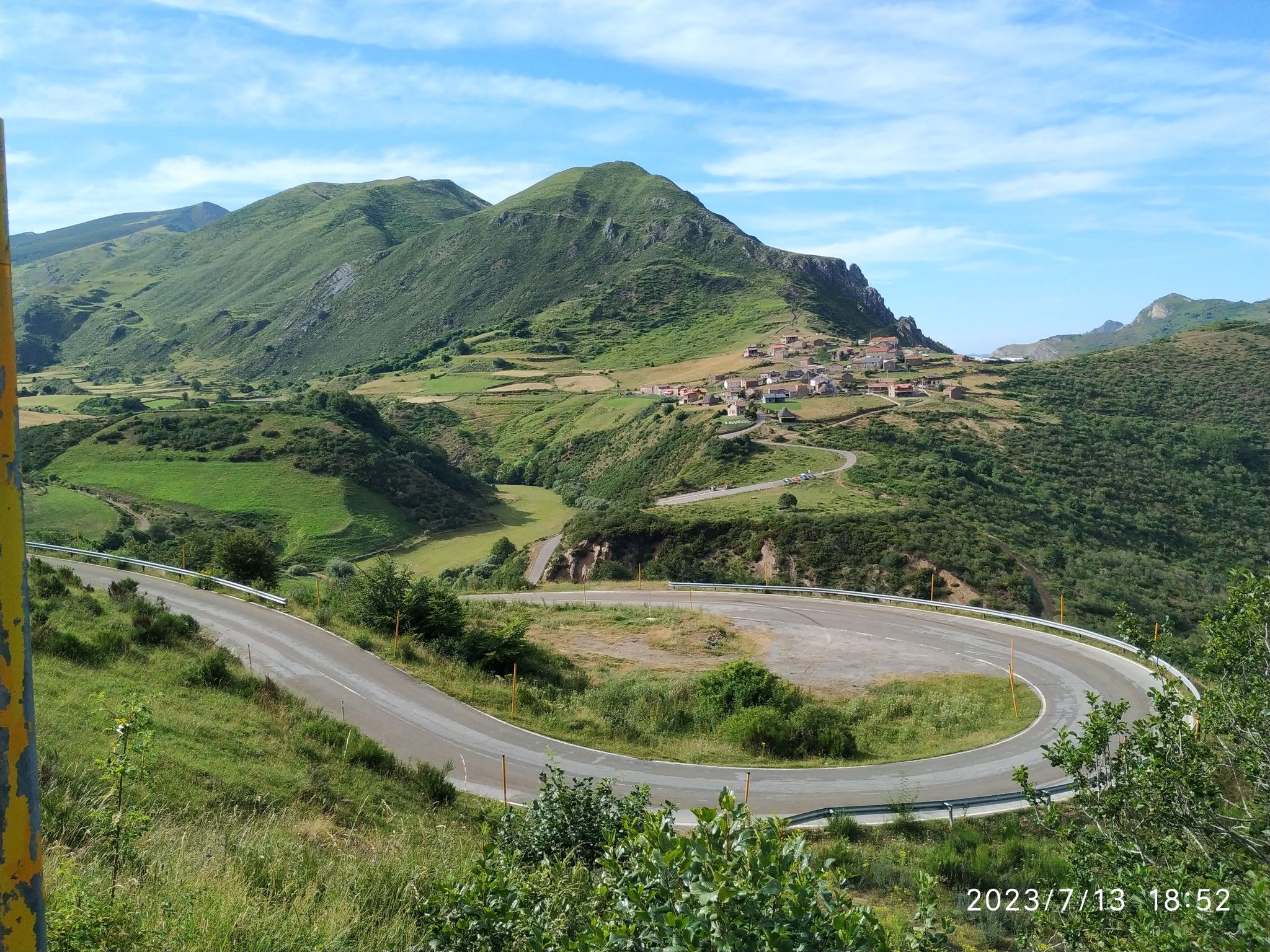
Height Challenges — Ports in Castilla y León
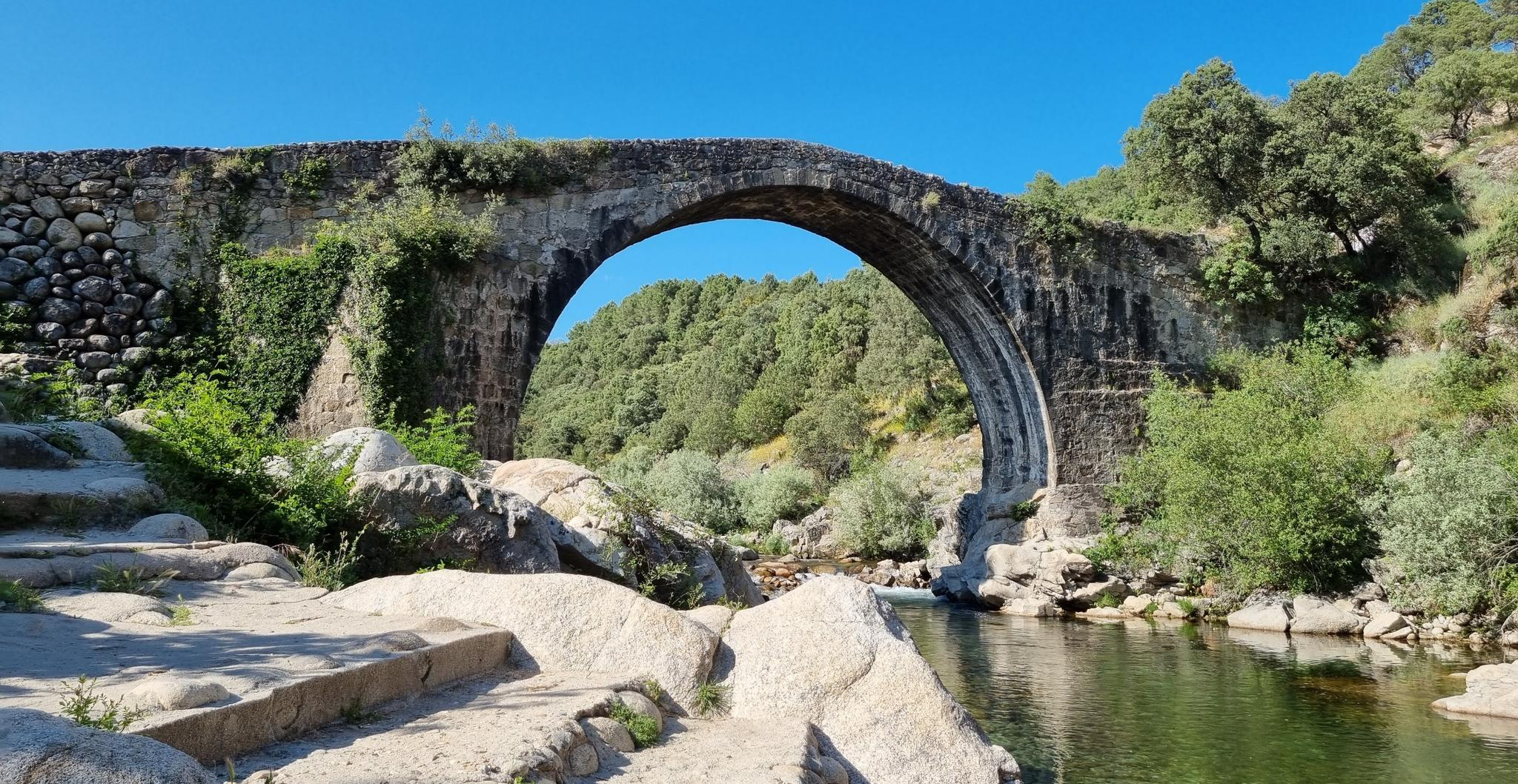
Monumental and Natural History — The Way of La Vera GR-111
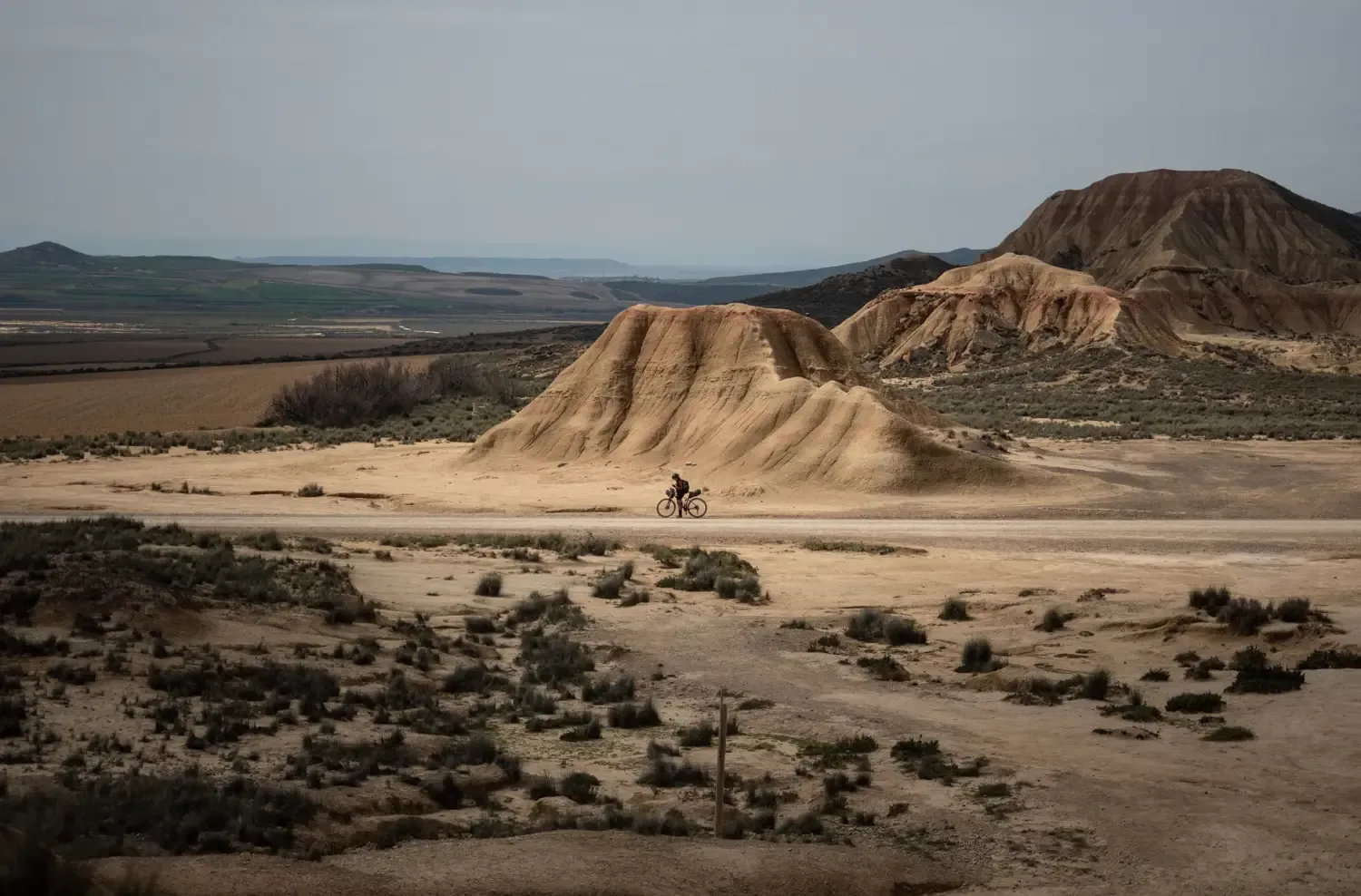
9 mountain biking routes in undiscovered Spain
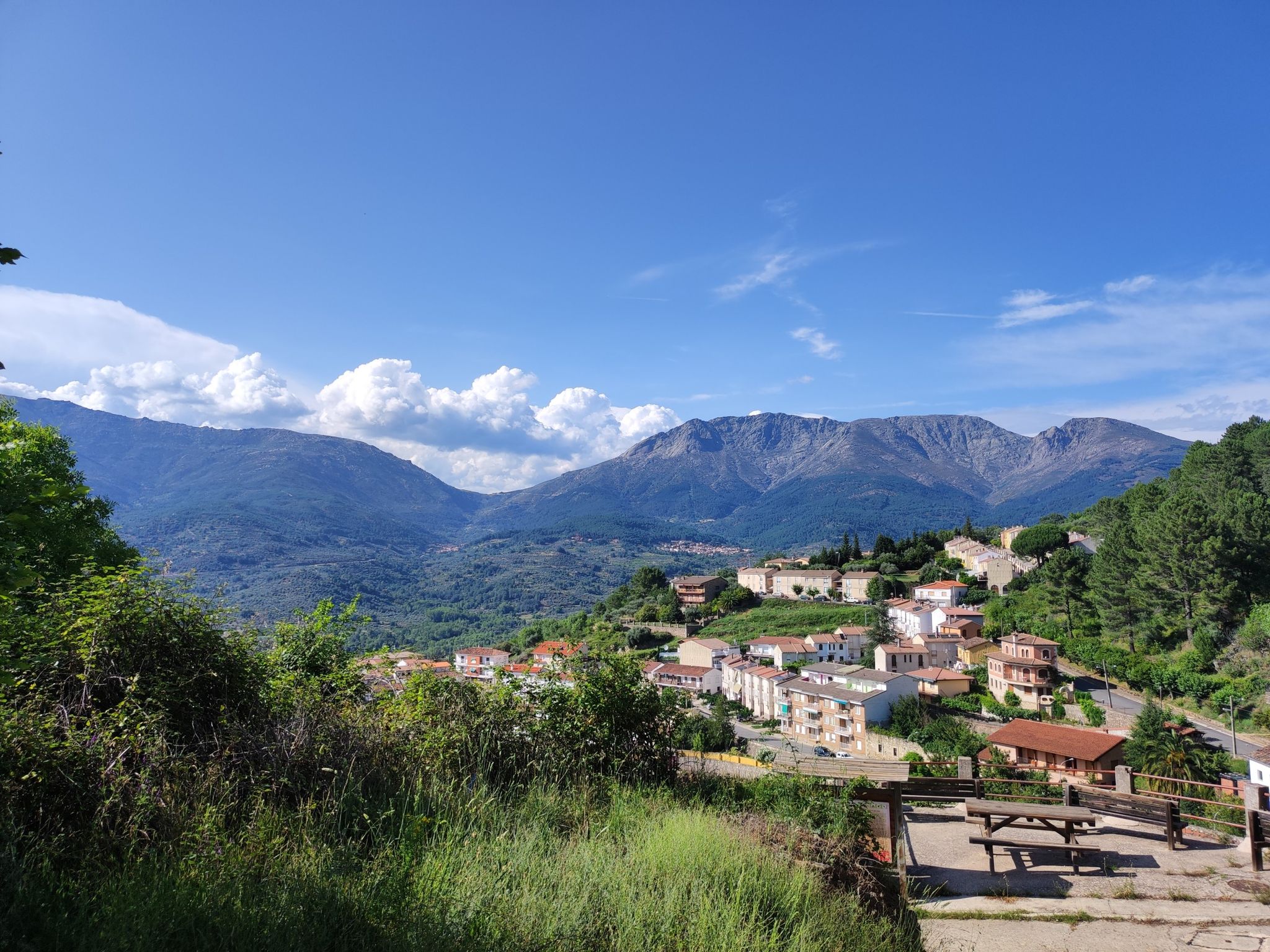
An epic hike in Spain’s Tiétar Valley – Valle del Tiétar (GR 180)
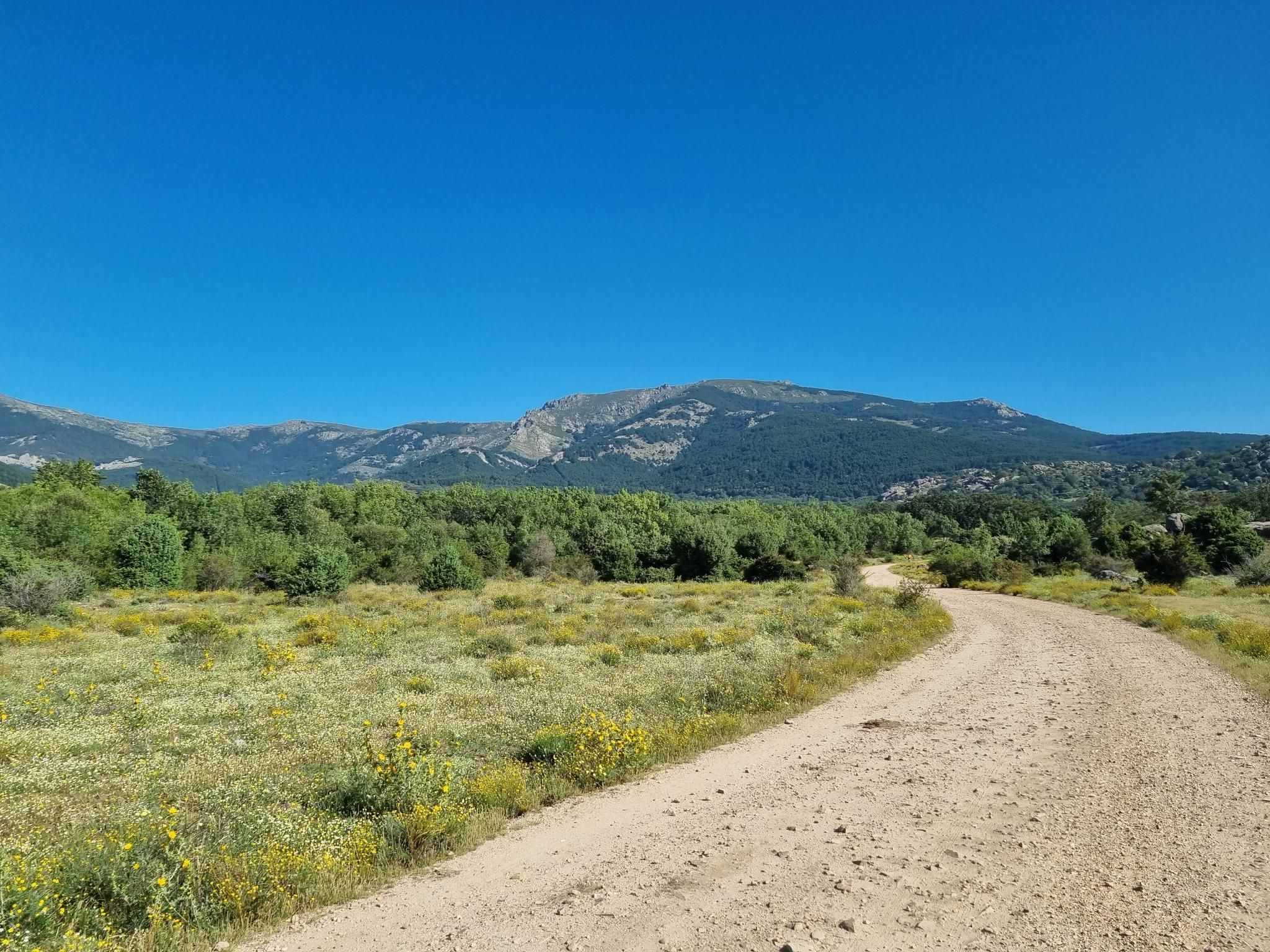
The treasures of Guadarrama – on foot along the GR 10 in Madrid
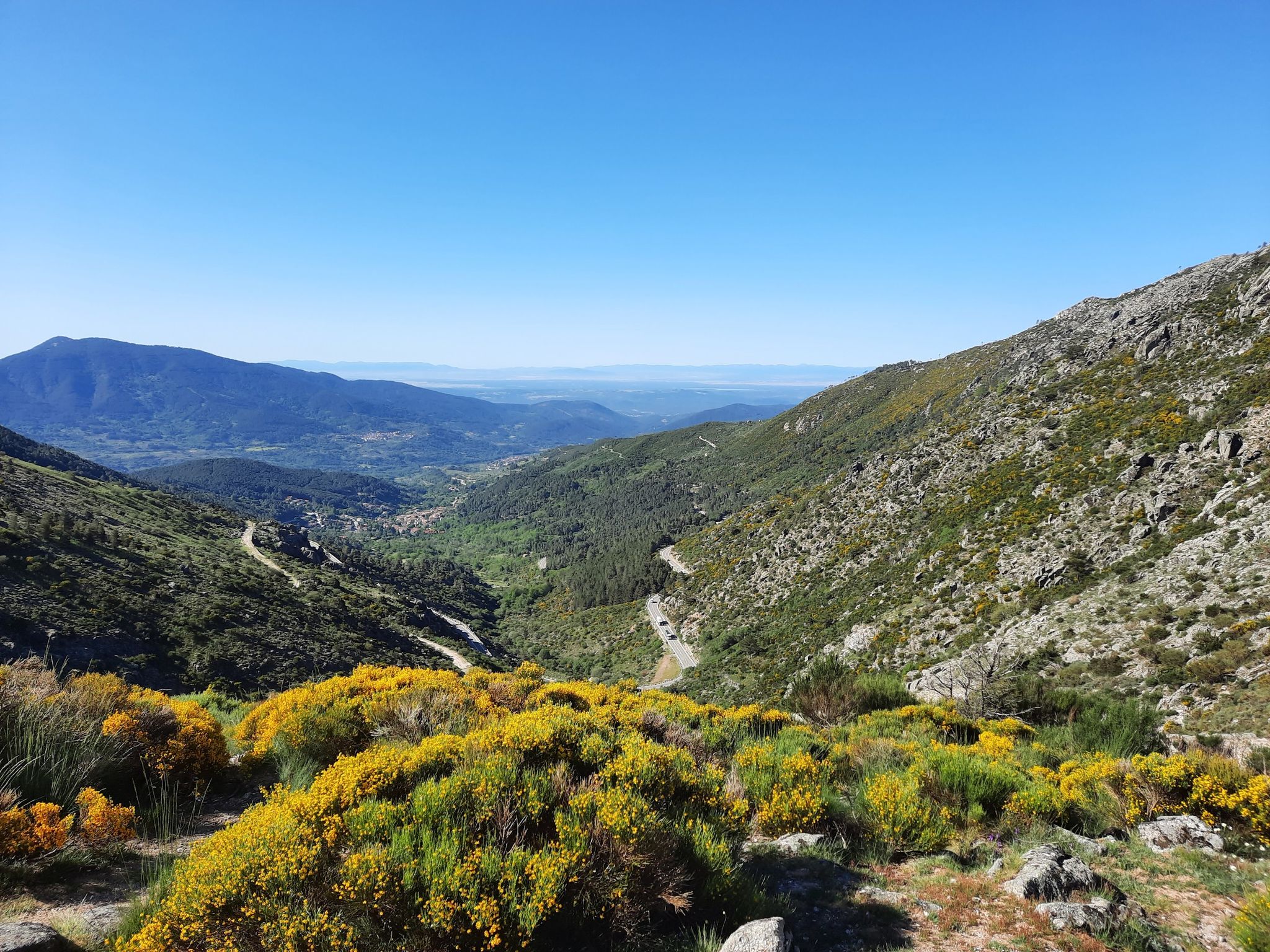
Ávila in Spain – Tour of Gredos by MTB
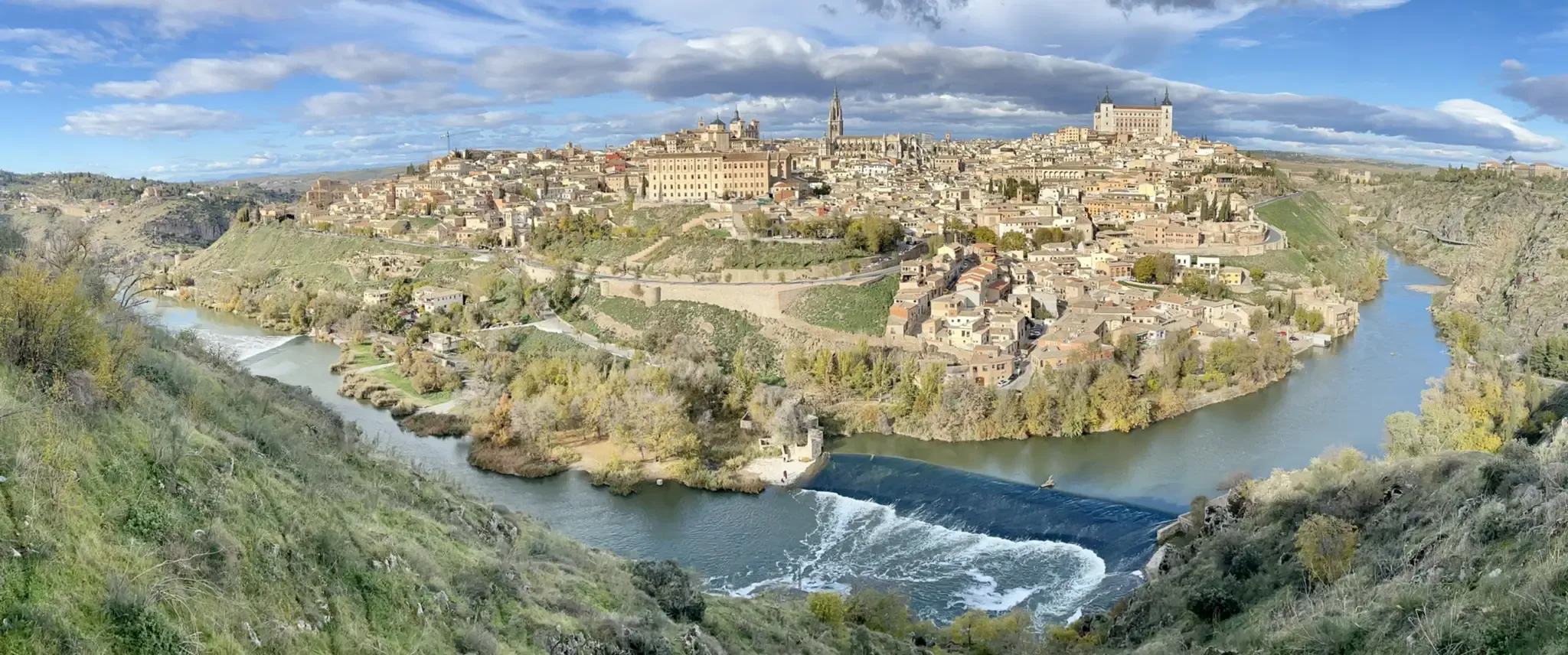
A journey to the interior of the Iberian Peninsula – Levante Way (GR 239)
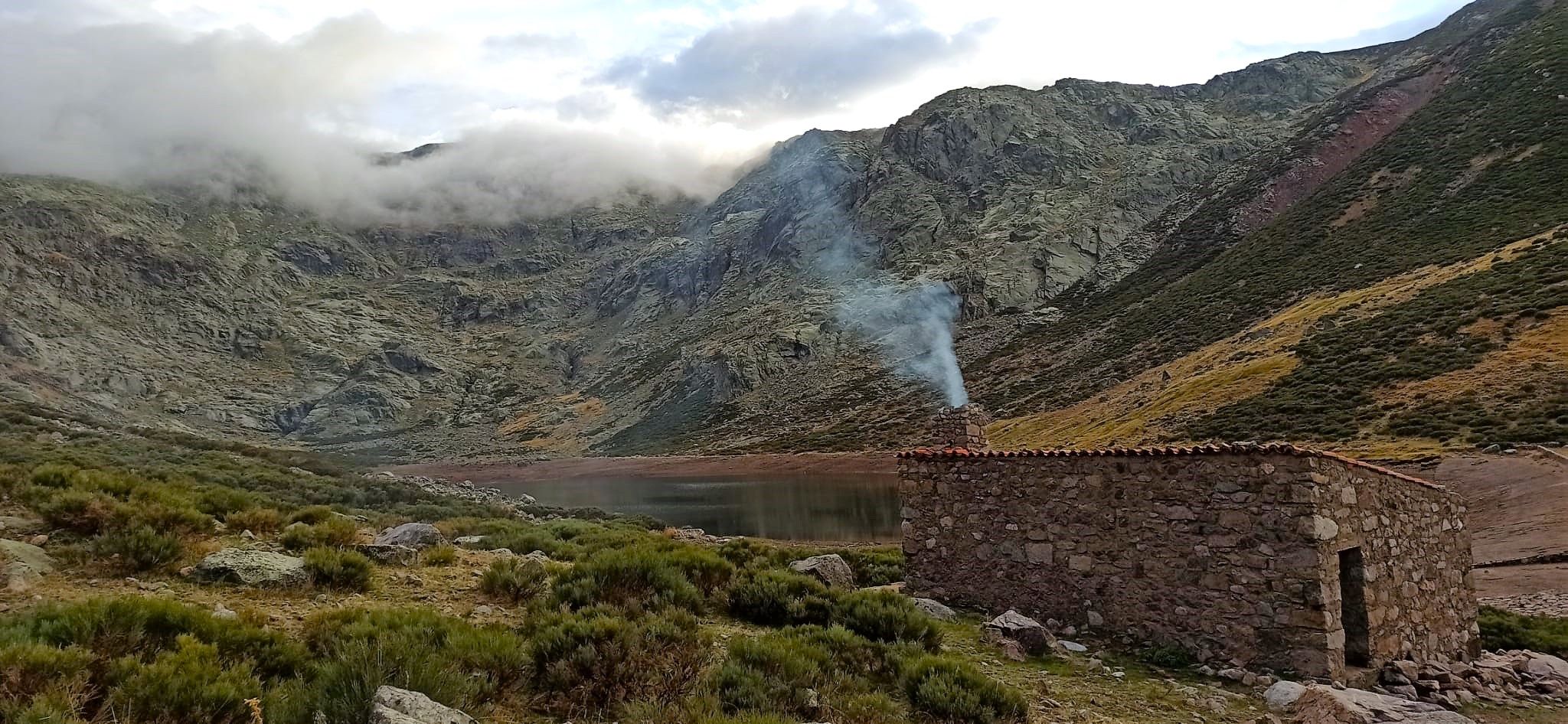
Between lagoons and goat paths – hike in Spain’s Gredos Mountains
Las Cumbres Reinas de España — Spanish mountain trail races
Other adventures in Ávila


Tips from the Community

Narros de Saldueña Castle, also known as the Castle of the Duke of Montellano, is one of the best-preserved fortresses in the province of Ávila. It is located in the town of Narros de Saldueña, within the town limits. Construction: Late 15th century, attributed to Rodrigo de Valderrábanos, Lord of the Saldueña Estate. Expansions: It was renovated and enlarged at the beginning of the 16th century by his successors.
4
0
Arévalo Castle, located in the town of Arévalo (province of Ávila, Castile and León), is one of the most representative examples of Castilian Mudéjar architecture. Its origins date back to the 14th century, although it was built upon earlier fortifications. It was expanded between the 15th and 16th centuries, especially during the reign of the Catholic Monarchs. It played an important role as a noble and military castle, but also as an administrative building. In the 20th century, it fell into near ruin until its restoration, beginning in 1952, by the Ministry of Agriculture, which uses it as the headquarters of a research center.
5
0
Arévalo Castle, located in the town of Arévalo (province of Ávila, Castile and León), is one of the most representative examples of Castilian Mudéjar architecture. Its origins date back to the 14th century, although it was built upon earlier fortifications. It was expanded between the 15th and 16th centuries, especially during the reign of the Catholic Monarchs. It played an important role as a noble and military castle, but also as an administrative building. In the 20th century, it fell into near ruin until it was restored starting in 1952 by the Ministry of Agriculture, which uses it as the headquarters of a research center.
5
0
This village is located in the Sierra de Gredos mountains (Ávila) and is famous for its natural surroundings, the Castle of Constable Dávalos, the Mosquera Palace, and the Eagle Caves. It is also ideal for hiking and rural tourism.
7
0

Mombeltrán Castle is situated in a beautiful spot in the Sierra de Gredos mountains, just south of the Puerto del Pico Pass (altitude 1352 m).
0
0
Valdecorneja Castle, located in El Barco de Ávila, is a medieval gem that dominates the Tormes River valley from a strategic, elevated position. It is one of the most emblematic monuments in the province of Ávila and a must-see for history and architecture lovers.
2
0
Visiting El Barco de Ávila is an excellent option for a cultural and natural getaway at any time of year. This medieval town, located in the Alto Tormes region and at the gateway to the Sierra de Gredos, combines history, architecture, landscapes, and gastronomy in a charming way.
2
0

Built on a Vettonian fort that was destroyed by the Romans, it was built in the 12th century and rebuilt in the 14th century. After being conquered from the Arabs, King Alfonso VI donated the Lordship of Valdecorneja to his daughter and son-in-law, Ramon de Borgoña, for repopulation. At the beginning of the 14th century, Henry II of Trastamara donated these lands to the House of Alba in the person of Don García Álvarez de Toledo. The House of Alba was responsible for building the castle. Grand Duke Don Fernando Álvarez de Toledo had his second residence here. During the Peninsular War, it suffered significant deterioration, not only due to the war itself but also because its stones were used to build private homes. The old interior arcade (which apparently formed a double gallery on the inside of the tower) was dismantled and rebuilt to provide arcades for the town hall building, located in the Plaza Mayor. Between 1851 and 1904, the interior of the castle grounds was used as a municipal cemetery, which further deteriorated its condition. Today, the exterior is in perfect condition after restorations carried out in 1985 and 2004, preserving its original perimeter. The pavement and part of the keep were repaired. Access to the monument is free, and visitors can see the well located in the center of the courtyard, a vaulted cistern excavated in the subsoil rock, and the ancient windows and oriel windows with double pointed arches. The courtyard is used for certain cultural events held in this town.
1
0
Frequently Asked Questions
What are some of the most historically significant castles in Ávila?
The most historically significant feature is undoubtedly the Ávila City Walls, an extraordinary example of medieval military architecture and a UNESCO World Heritage Site. Other notable castles include Valdecorneja Castle in El Barco de Ávila, which dates back to the 12th century, and the Castle of Arenas de San Pedro, a Gothic-style fortress from the 15th century associated with Constable Dávalos and known as 'the Sad Countess' castle.
Which castles in Ávila offer unique architectural styles?
Ávila's castles showcase a range of architectural styles. The Ávila City Walls are a prime example of Romanesque military architecture. The Castle of Arenas de San Pedro is a prominent Gothic-style building. For a different perspective, Castillo de Narros de Saldueña exhibits Mudejar architecture, designed more as a residential palace than a defensive structure. Castillo Palacio Magalia in Las Navas del Marqués stands out with its Renaissance style, blending a 13th-century keep with 16th-century additions.
Can I walk along the Walls of Ávila?
Yes, visitors can walk along extensive sections of the Ávila City Walls. This offers unique historical perspectives and breathtaking panoramic views of the city and surrounding countryside. It's especially recommended at dusk when the walls are illuminated.
What is the best time of year to visit the castles in Ávila?
The walls are especially magical at dusk when they are illuminated. Generally, spring and autumn offer pleasant weather for exploring. Summer can be hot, but the evenings are often enjoyable for walks. Winter can be cold, but the illuminated walls provide a unique atmosphere.
Are there family-friendly castles in Ávila?
Many castles in Ávila are suitable for families. The Ávila City Walls offer an engaging historical experience for all ages. The Castle of Arenas de San Pedro and Valdecorneja Castle are also listed as family-friendly highlights, providing historical exploration in charming settings.
What outdoor activities can I do near the castles in Ávila?
The region around Ávila's castles offers various outdoor activities. You can find numerous hiking trails, such as the 'Ruta de los Pescadores' near Arenas de San Pedro, or explore the Sierra de Gredos. For cycling enthusiasts, there are MTB trails like the 'Valle de Iruelas and Puerto de Casillas Loop' and challenging road cycling routes like 'The Three Passes of Gredos'. You can find more details on these activities in the Hiking in Ávila, MTB Trails in Ávila, and Road Cycling Routes in Ávila guides.
Are there hiking trails near the castles in Ávila?
Yes, there are several hiking trails near the castles. For instance, near Valdecorneja Castle in El Barco de Ávila, you can find routes that pass by the Roman bridge and through the historic town center. The area around Arenas de San Pedro, home to the Castle of Arenas de San Pedro, is also ideal for hiking and rural tourism, with trails like the 'Ruta de los Pescadores'. Explore more options in the Hiking in Ávila guide.
What natural features can I see around the castles?
Many castles in Ávila are set amidst beautiful natural landscapes. Valdecorneja Castle dominates the Tormes River valley. Mombeltrán Castle offers splendid views of the Sierra de Gredos. The natural surroundings of the Sierra de Gredos mountains are a significant draw, especially near Arenas de San Pedro, which is also known for its Eagle Caves.
Are there guided tours available for the castles?
Yes, some castles offer guided tours. For example, Arévalo Castle is open for guided tours on weekends, allowing visitors to explore its history and impressive rooms. The Castle of the Constable Dávalos (Castle of the Sad Countess) in Arenas de San Pedro also offers guided tours.
What are the best viewpoints for the Walls of Ávila?
The Ávila City Walls themselves offer breathtaking panoramic views from their ramparts. For external views, the 'Cuatro Postes' (Four Posts) monument just outside the city provides an iconic vista of the entire walled city, especially stunning at sunset or when the walls are illuminated at night.
Are any castles in Ávila wheelchair accessible?
While the ancient nature of many castles can present accessibility challenges, some sections of the Ávila City Walls are accessible. It is advisable to check specific accessibility details with individual sites before your visit, as conditions can vary.
How can I get to the castles in Ávila by public transport?
Ávila city is well-connected by train and bus from major Spanish cities like Madrid. Once in Ávila, the Ávila City Walls are centrally located and easily accessible on foot. For castles outside the city, such as those in El Barco de Ávila or Arenas de San Pedro, local bus services connect these towns, though schedules may be less frequent. Planning ahead is recommended.
Are there any 'hidden gem' castles worth visiting in Ávila province?
While the Walls of Ávila are iconic, Castillo de Narros de Saldueña, also known as the Castle of the Duke of Montellano, is a unique 'hidden gem'. This 15th-century castle was designed more as a residential palace with Mudejar architecture, built with brick and mud. Although privately owned, its exterior is in an optimal state of conservation and offers a distinct architectural experience.
Most popular routes in Ávila
Most popular attractions in Ávila

Get inspired with the komoot mobile app


Didn’t find what you were looking for?
Explore Ávila’s best castles region by region:
Explore more
Looking for the best castles somewhere else? Discover other guides in Ávila:
