Attractions and Places To See in Ávila - Top 20
Best attractions and places to see in Ávila include its remarkably preserved medieval walls, rich history, and profound cultural significance. The city, a UNESCO World Heritage site, is situated on the Adaja River and offers a captivating journey back in time. Visitors can explore a wealth of landmarks, cultural sites, and natural features, including the nearby Sierra de Gredos mountain range.
Best attractions and places to see in Ávila
- The most popular attractions is Ávila City Walls (North Section),…
Last updated: August 17, 2026
Ávila City Walls (North Section)
Highlight • Monument
Translated by Google •
Tip by

Walls of Ávila
Highlight • Monument
Showing Translation
Tip by

Sign up now to discover places like this
Get recommendations on the best single tracks, peaks, & plenty of other exciting outdoor places.
Sign up for free
Plaza del Mercado Chico
Highlight • Historical Site
Translated by Google •
Tip by
Puerto de Casillas – Entrance to the Valle de Iruelas Nature Reserve
Highlight • Mountain Pass
The port of Casillas is one …
Translated by Google •
Tip by

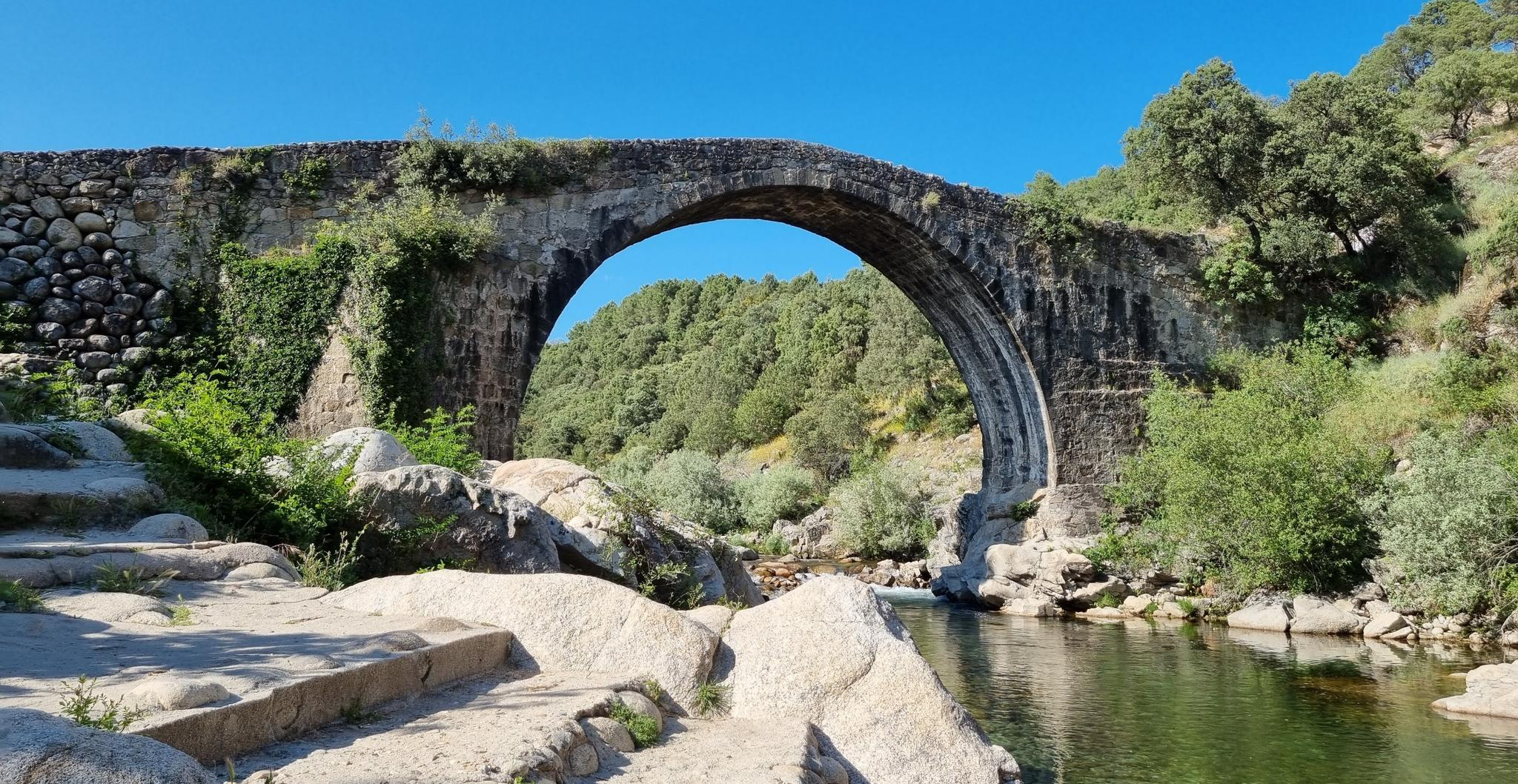
Aquelcabos Medieval Bridge
Highlight • Bridge
Translated by Google •
Tip by
Puerto de Pedro Bernardo
Highlight • Mountain Pass
Translated by Google •
Tip by

Monument to the Iberian Ibex at Nogal del Barranco
Highlight • Monument
Translated by Google •
Tip by
Puerto de Mijares
Highlight • Mountain Pass
Translated by Google •
Tip by

Serranillos Pass
Highlight • Mountain Pass
Translated by Google •
Tip by
San Pedro de Alcántara Sanctuary
Highlight • Religious Site
Translated by Google •
Tip by

Sign up for free to discover even more attractions in Ávila.
Sign up for free
Already have an account?
Start today with a free account
Your next adventure awaits.
Login or Signup
Popular around Ávila
Height Challenges — Ports in Castilla y León
Monumental and Natural History — The Way of La Vera GR-111
9 mountain biking routes in undiscovered Spain
An epic hike in Spain’s Tiétar Valley – Valle del Tiétar (GR 180)
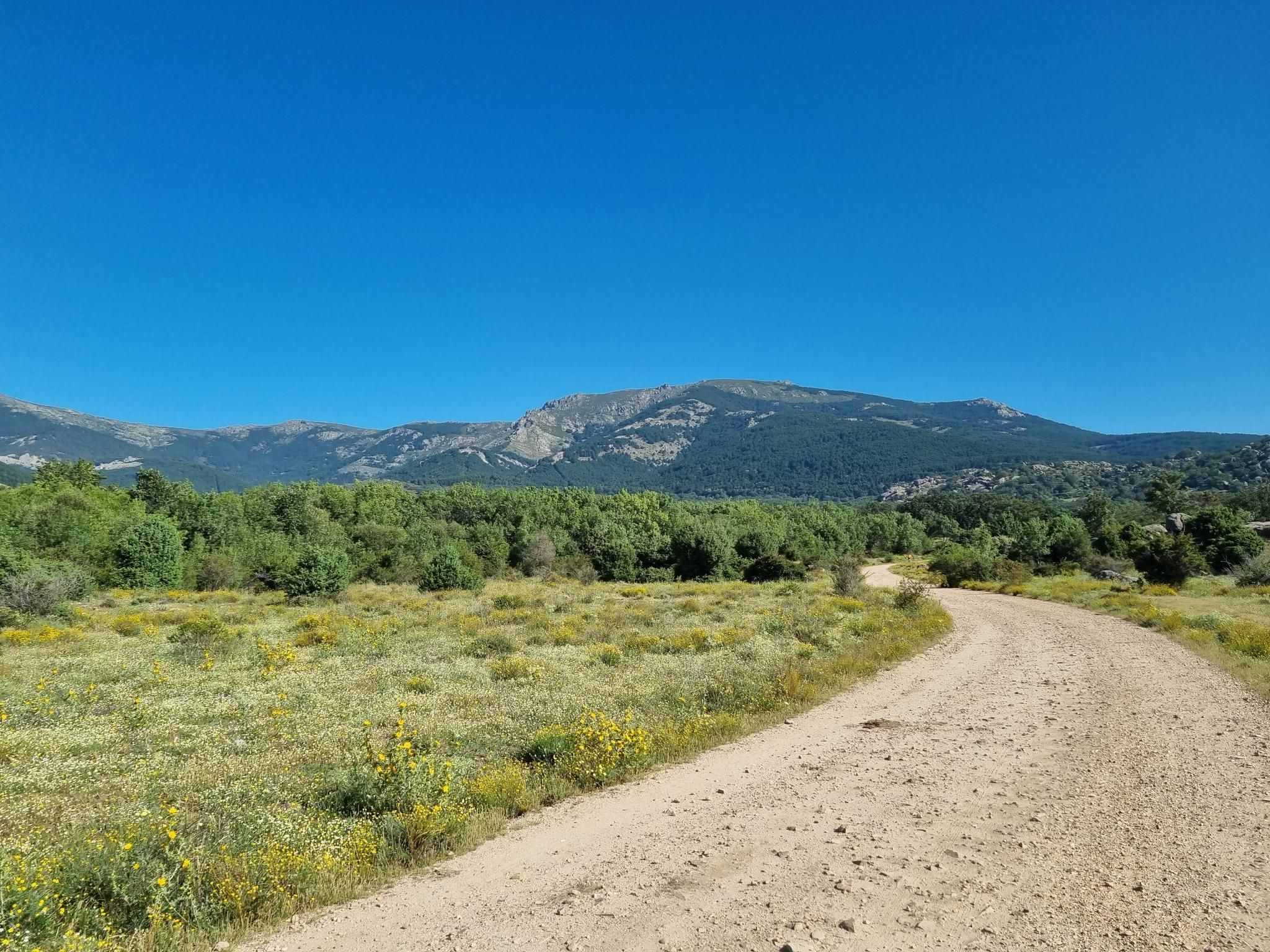
The treasures of Guadarrama – on foot along the GR 10 in Madrid
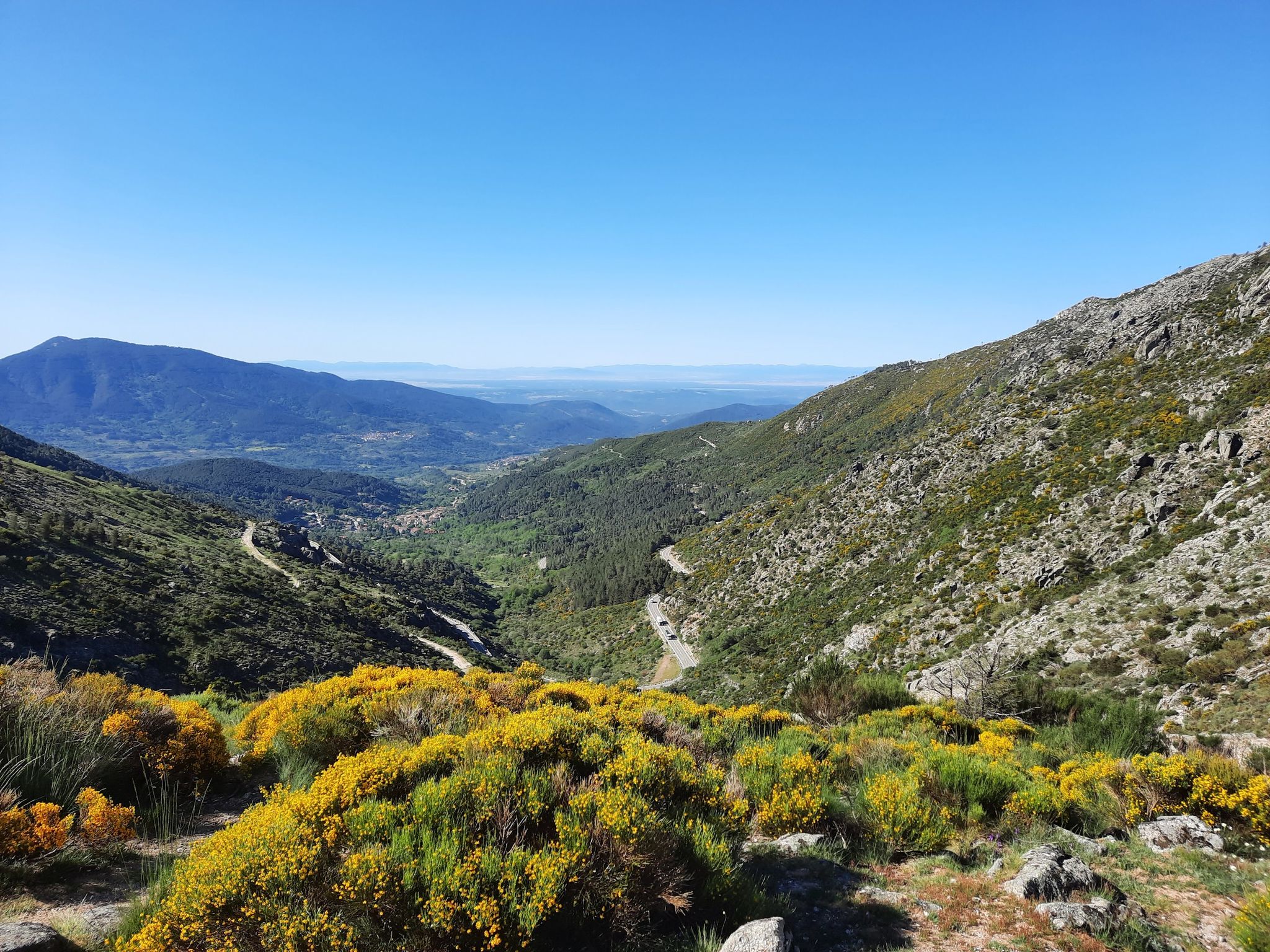
Ávila in Spain – Tour of Gredos by MTB
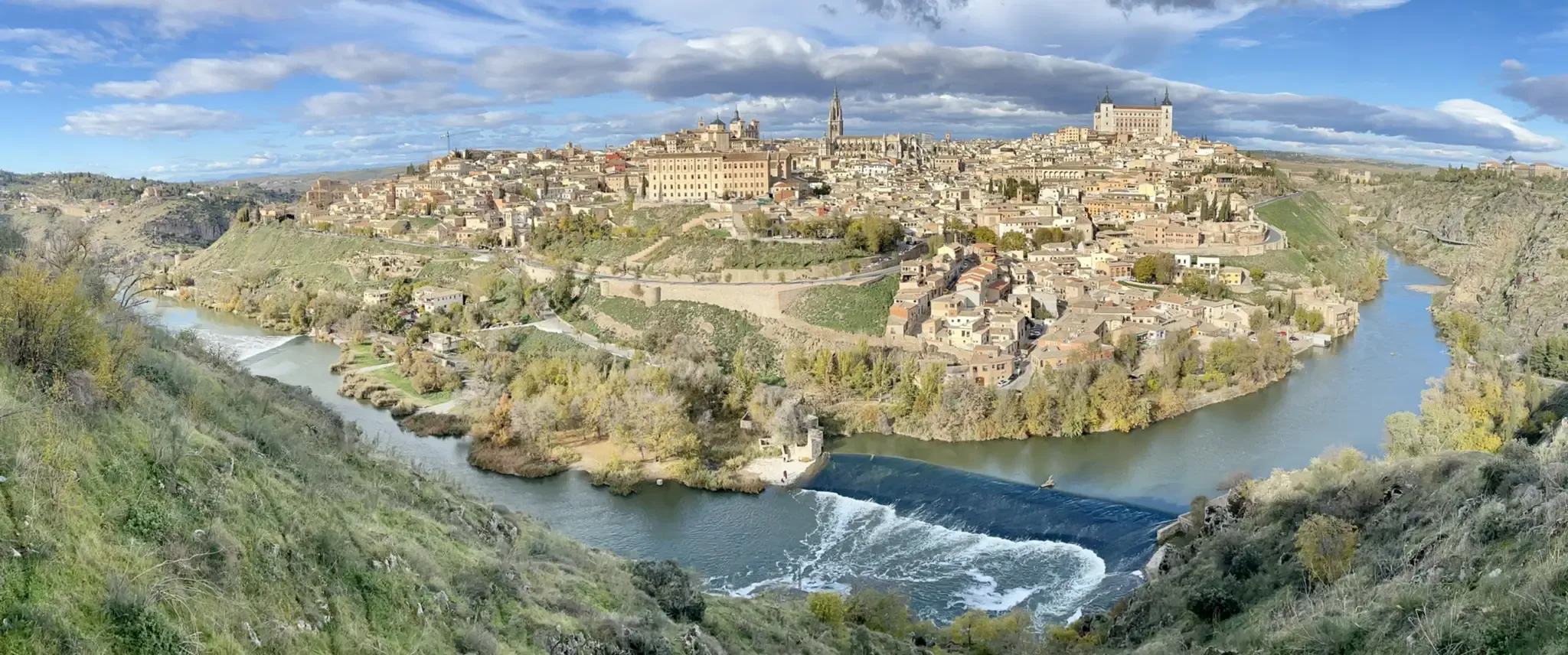
A journey to the interior of the Iberian Peninsula – Levante Way (GR 239)
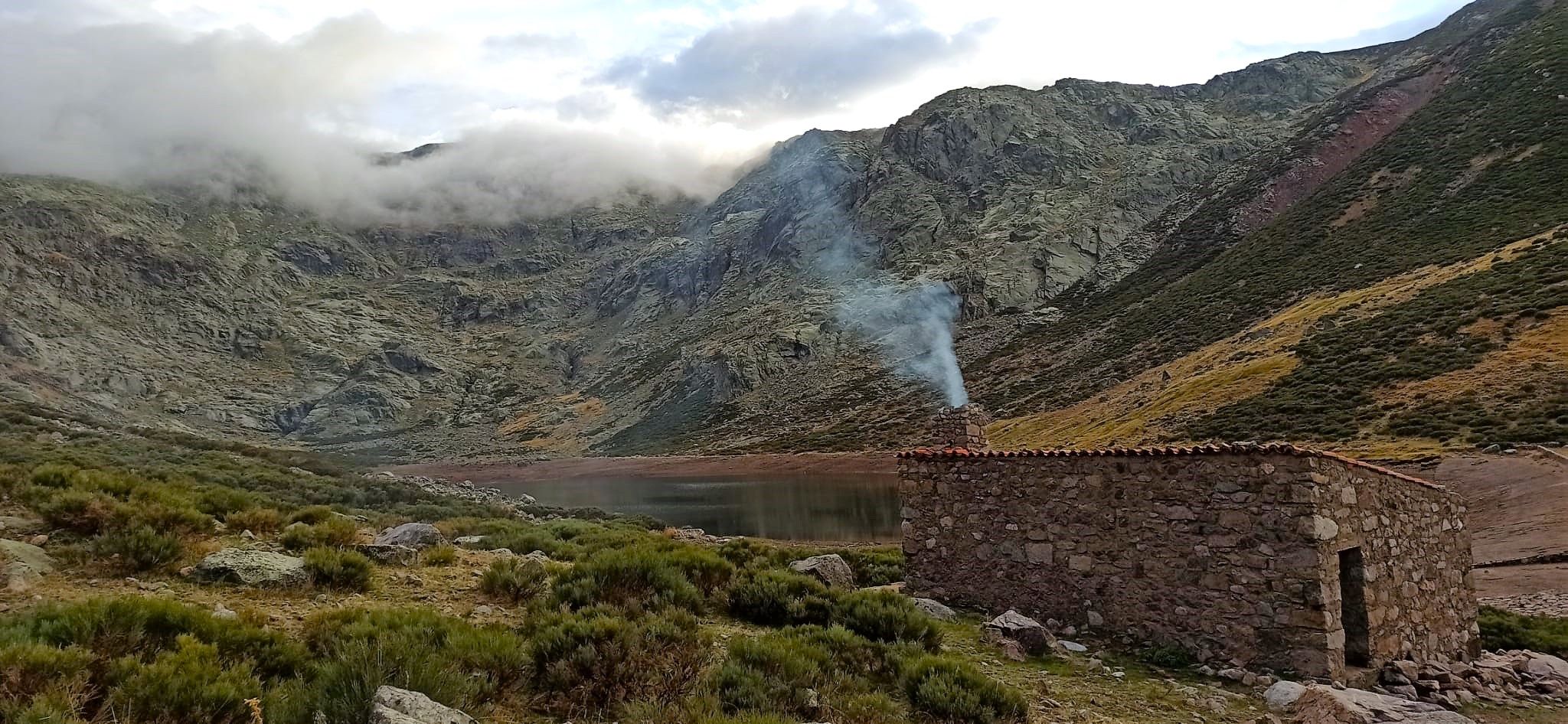
Between lagoons and goat paths – hike in Spain’s Gredos Mountains
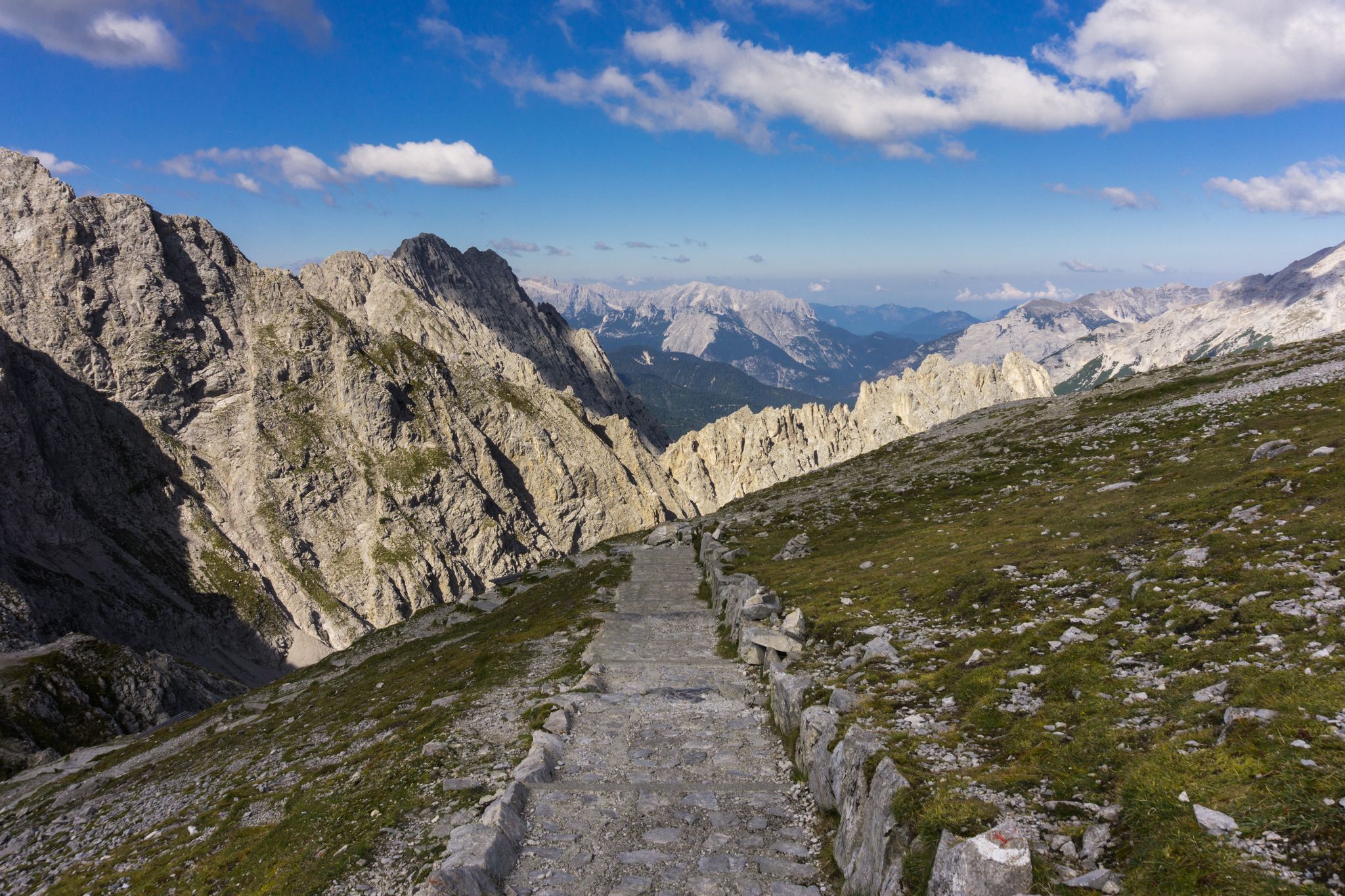
Las Cumbres Reinas de España — Spanish mountain trail races
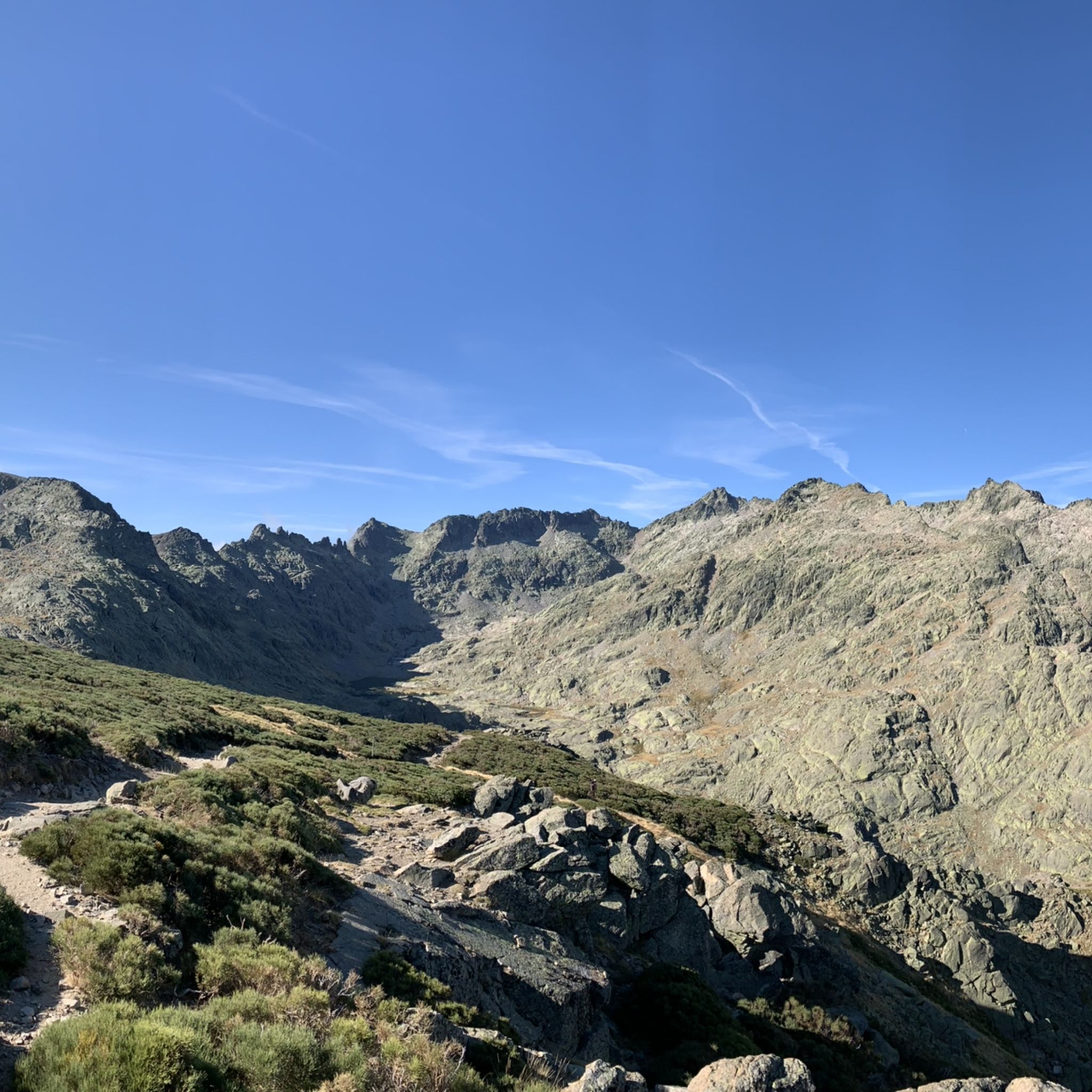
Hiking in Ávila
Other adventures in Ávila


Tips from the Community

The visit to the medieval city wall from the 11th-14th century is highly recommended with its 88 towers and 9 city gates - the entrance fee is justified, a large part of the city wall is accessible. Unfortunately, there were too few audio guides - we didn't have any. You have grandiose views of the Congress Hall, the Carmelite Convent of San José (place of activity of St. Teresa in the 16th century), the Cathedral, the Romanesque Church of San Vicente and into the nearby mountains.
0
0

phenomenal
0
1

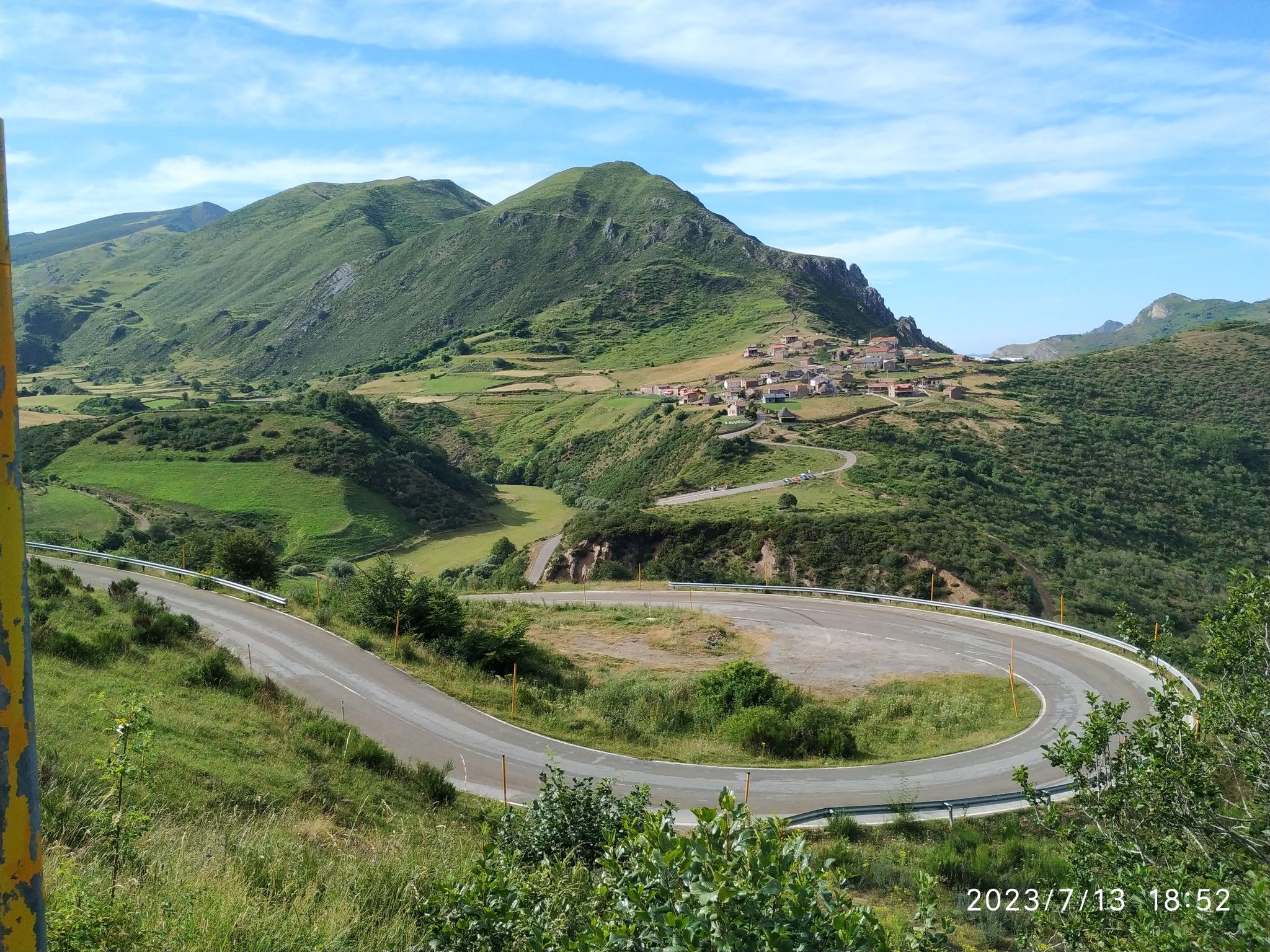
The Serranillos Pass is one of the most iconic mountain passes in the Sierra de Gredos, famous for its beauty and for being a historic stage in the Vuelta a España (Hinault's legendary stage in 1983). Views of the Cinco Villas Valley and the Gredos peaks. Spectacular scenery throughout the climb. Signage with gradient and remaining distance information. Ideal for linking up with Puerto del Pico, Pedro Bernardo, and Mijares for an epic stage.
1
0
The Mijares Pass is one of the great mountain passes in the Sierra de Gredos, highly prized by cyclists for its length, elevation gain, and scenic beauty. Maximum gradient: 11% (on short ramps before Mijares). There are several steep sections in the villages and near the Horcajo area, as well as another one 2 km from the summit.
1
0
The Pedro Bernardo Pass is one of the classic climbs in the Sierra de Gredos mountains, highly prized by cyclists and a regular feature of races like the Vuelta a España. First section: Up to the village (Pedro Bernardo), with gradients of 5-6%, a road in good condition, and spectacular views of the Tiétar Valley. Urban section: In the village, the gradient eases, even offering some flatter sections. Second section: After the village, the asphalt becomes rougher, and the toughest kilometer (7-8%) appears, followed by a "balcony" section with incredible views and a sustained 5% gradient to the summit.
1
0

A nice climb from the El Burguillo reservoir. The first part is asphalt in very good condition (as of November 1, 2025), and the second part is a dirt track, also in very good condition. It's a demanding climb; the asphalt section offers some flatter sections, but the dirt track is practically a continuous gradient of around 10%.
0
1

You cool down very quickly up here, especially when it's windy.
7
0

Highest point 1580 on this route, there is a large parking lot to enjoy the view.
16
0
Frequently Asked Questions
What are the most significant historical landmarks in Ávila?
Ávila is renowned for its historical landmarks. The most iconic are the Ávila City Walls, considered among the best-preserved medieval fortifications in Europe. You can also explore the Ávila Cathedral, partially integrated into the city walls, and the magnificent Romanesque Basilica of San Vicente. For a deeper dive into history, visit the Plaza del Mercado Chico, which has been the city's heart since Roman times.
Where can I find the best panoramic views of Ávila?
For breathtaking panoramic views of Ávila, especially at sunset when the walls are floodlit, head to Los Cuatro Postes. This 16th-century religious monument, located just outside the city walls, offers an unparalleled perspective of the city's iconic fortifications.
Are there any natural areas or features to explore near Ávila?
Yes, Ávila offers several natural escapes. The Puerto de Casillas serves as an entrance to the Valle de Iruelas Nature Reserve, a space of great ecological value known for black vultures and diverse wildlife. Further afield, the Sierra de Gredos mountain range to the south provides stunning landscapes and opportunities for outdoor activities. The city itself is situated on the Adaja River, with an old Roman bridge also being a point of interest.
What cultural sites related to Saint Teresa of Ávila can I visit?
Ávila has a strong connection to Saint Teresa. You can visit the Convent of Santa Teresa de Jesús, built on her birthplace, which features a church, museum, and relics. The Monastery of the Incarnation also played a key role in her life and is another significant site for those interested in her legacy.
Are there family-friendly attractions in Ávila?
Many attractions in Ávila are suitable for families. Walking along portions of the Ávila City Walls offers an engaging historical experience. The Plaza del Mercado Chico is a lively central square where families can relax. Additionally, the Aquelcabos Medieval Bridge and the Monument to the Iberian Ibex at Nogal del Barranco are also listed as family-friendly highlights.
What kind of outdoor activities or hiking trails are available near Ávila?
Ávila and its surroundings offer various outdoor activities, particularly hiking. You can find routes for different difficulty levels, including waterfall hikes, easy hikes, and more challenging general hiking trails. Popular options include the 'Ruta de los Pescadores' near Arenas de San Pedro and routes exploring the Sierra de Gredos Regional Park.
What is the Real Monasterio de Santo Tomás and what can I see there?
The Real Monasterio de Santo Tomás is a stunning Gothic masterpiece completed in 1493. It features three distinct cloisters and houses the tombs of Tomás de Torquemada and Don Juan, the only son of Ferdinand and Isabella. The monastery also contains an Oriental Art Museum and a Natural Science Museum, offering a rich cultural and historical experience.
Are there any unique or lesser-known places to visit in Ávila?
Beyond the main attractions, consider visiting the Mysticism Interpretation Centre for insights into Christian mysticism. The Palace of Superunda, a Gothic and Renaissance building, hosts an exhibition of paintings by Guido Caprotti and pieces by Joaquín Sorolla. For ancient history enthusiasts, the Dolmen El Prado de las Cruces is a prehistoric monument worth exploring.
What local specialties or cuisine should I try in Ávila?
When in Ávila, be sure to try the local cuisine. The city is famous for its 'chuletón de Ávila,' which are delicious T-bone steaks. For something sweet, don't miss 'yemas de Santa Teresa,' traditional confections made from egg yolks and sugar.
What is the best time to visit Ávila for sightseeing and outdoor activities?
Ávila can be enjoyed throughout the year. Spring and autumn offer pleasant temperatures ideal for sightseeing and hiking. Summers can be warm, but the evenings are often cooler, perfect for enjoying the floodlit walls. Winters are colder but provide a unique atmosphere for exploring the historic city.
How accessible are Ávila's attractions for visitors with mobility considerations?
While many historical sites in Ávila, such as the medieval walls, involve uneven terrain or steps, efforts are being made to improve accessibility. The Plaza del Mercado Chico is noted as wheelchair accessible. It's advisable to check specific accessibility details for individual attractions before your visit. For general information on accessibility in Spain, you might find resources on spain.info helpful.
Most popular routes in Ávila
Most popular attractions in Ávila

Get inspired with the komoot mobile app


Didn’t find what you were looking for?
Are you keen on exploring more awesome places nearby? Browse our guides:
Explore more
Still not found the Highlight you’re looking for? See guides of the top attractions in other regions:
