Top 16 Castles in Huelva
Castles in Huelva province, situated on the Atlantic coast and bordering Portugal, offer a journey through centuries of defense and cultural heritage. This region features a collection of strongholds, ranging from inland medieval fortresses to coastal defensive towers. These structures reflect Huelva's historical role as a frontier territory. Exploring them provides insight into the region's cultural richness and architectural evolution.
Top castles in Huelva
- The most popular castles is Niebla Castle, a castle that incorporates elements from Roman, Visigothic,…
Last updated: August 23, 2026
Castillo de los Zúñiga
Highlight • Castle
Translated by Google •
Tip by

Isla Canela Tower
Highlight • Monument
Translated by Google •
Tip by

Sign up now to discover places like this
Get recommendations on the best single tracks, peaks, & plenty of other exciting outdoor places.
Sign up for free
Aracena Castle – panoramic views
Highlight • Castle
In this location, recent archaeological studies have found remains of dwellings dating from the 10th to the 13th …
Translated by Google •
Tip by
Mosque of Almonaster la Real
Highlight • Religious Site
Translated by Google •
Tip by
Niebla Castle
Highlight • Castle
Tip by

Cortegana Castle
Highlight • Castle
Translated by Google •
Tip by
Alcázar or Castle of the Guzmáns
Highlight • Castle
Translated by Google •
Tip by

San Marcos viewpoint and castle
Highlight • Castle
Translated by Google •
Tip by
Roman Walls – North Gate, Niebla
Highlight • Historical Site
Translated by Google •
Tip by
Santa Olalla Castle
Highlight • Castle
Translated by Google •
Tip by
Sign up for free to discover even more castles in Huelva.
Sign up for free
Already have an account?
Start today with a free account
Your next adventure awaits.
Login or Signup
Popular around Huelva

Triathlon 360 – my journey around the world

European Divide Trail — 7,600 km across the continent

Road to Lisbon – bikepacking the Alps, Pyrenees and Picos de Europa

La Vuelta 26 — All Official Stages

A winter getaway along the greenways of Andalusia in Spain
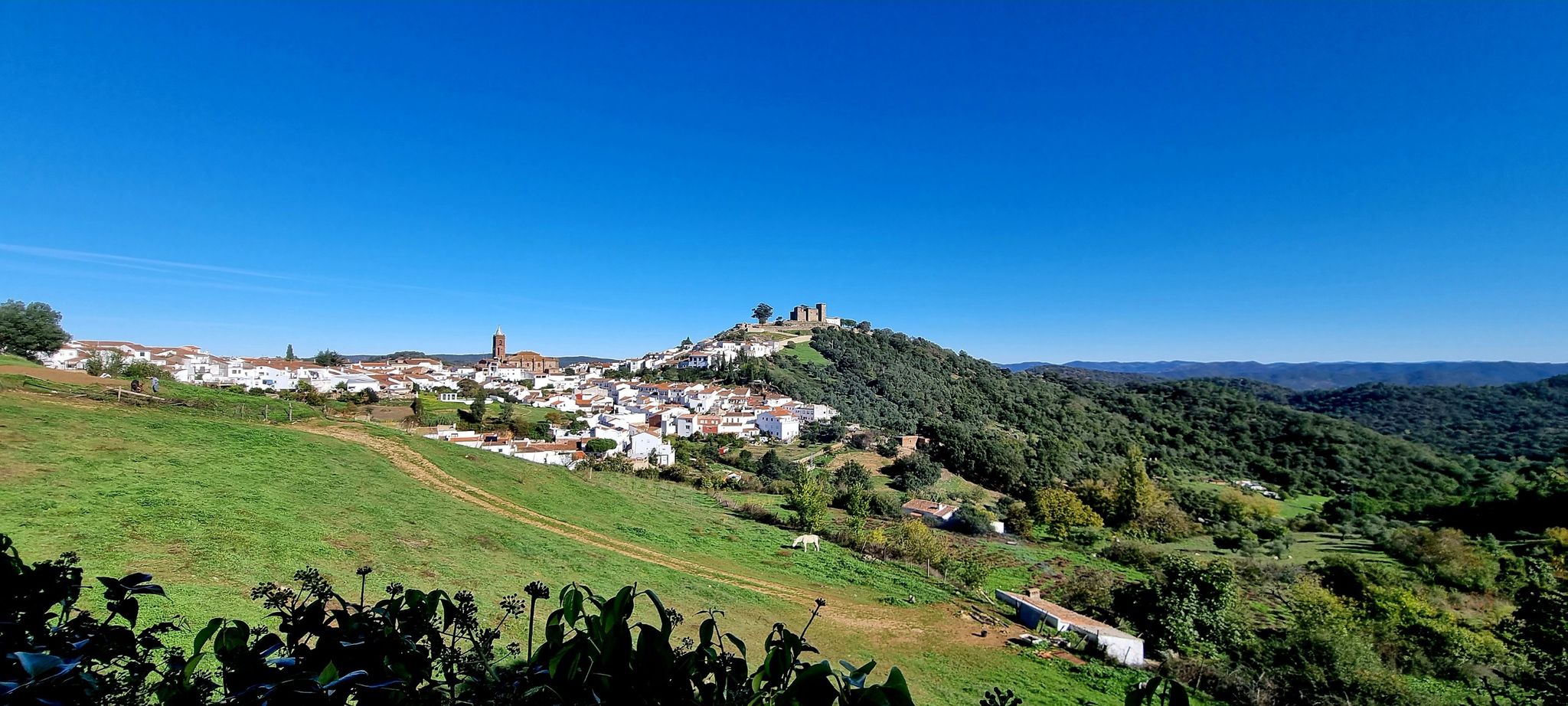
European Divide Trail across the Iberian Peninsula – south
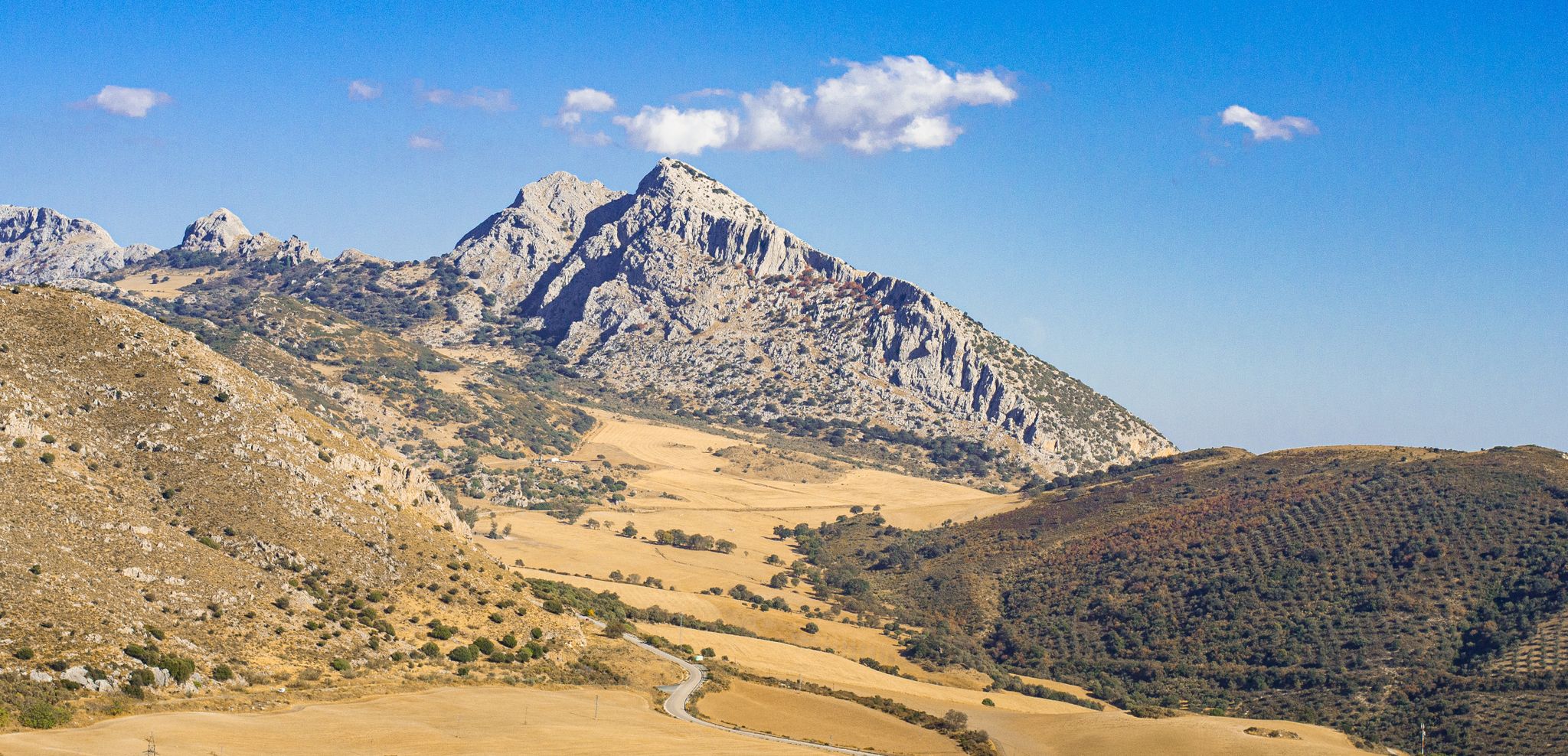
The beauty of the Andalusian mountains – Transandalus southern section
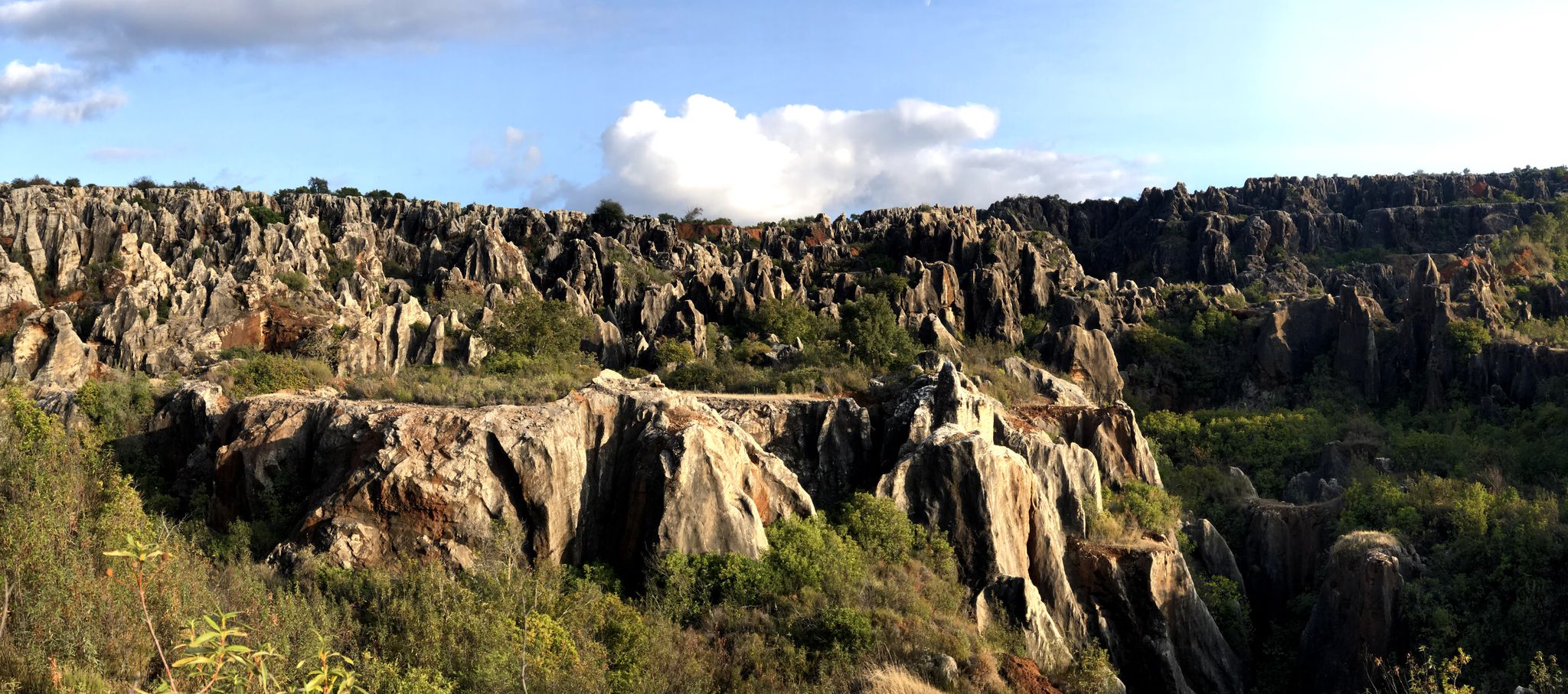
Cycling among the mysterious faults – Sierra Morena (GR 48)
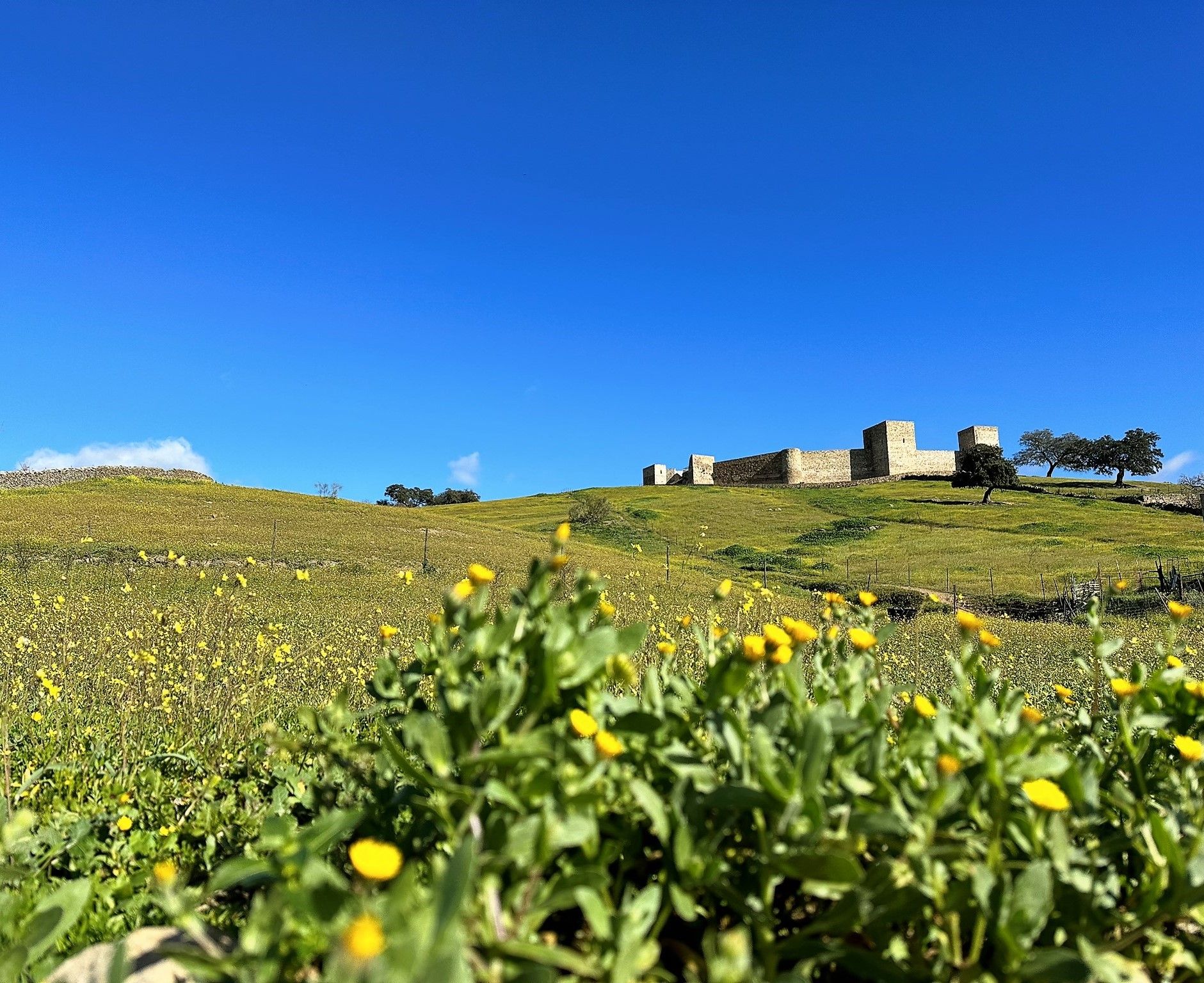
Dehesas and castles of Sierra Morena – Huelva and Seville on foot (GR 48)
Wild and free Andalusia – Transandalus through the interior
Other adventures in Huelva


Tips from the Community


The entrance to the castle is included in the ticket for the cave, so it is definitely worth visiting.
1
0


Santa Olalla del Cala Castle is an impressive fortress located in the town of Santa Olalla del Cala, in the province of Huelva, Andalusia. This castle, of Muslim origin, was built in the 13th century and later renovated by the Christians after the Reconquista. The castle is located in a strategic position, on top of a hill, which allowed it to control the passage between Seville and the Sierra de Aracena. Its structure includes robust walls, defensive towers and a parade ground. The keep is one of the most outstanding elements of the castle, offering panoramic views of the surroundings. Today, Santa Olalla del Cala Castle is an important tourist attraction and a symbol of the historical heritage of the region. Guided tours are available that allow visitors to explore its corners and learn more about its history and architecture.
4
0

Beautiful castle in a small village.
0
0
The mosque is built on a hill overlooking the town of Almonaster la Real. It is integrated into a complex that includes, in addition to the oratory, an old Muslim fortress attached to a bullring. It is a trapezoidal construction, with an ablution courtyard or sahn and a prayer room or haram. The prayer room consists of five naves of unequal width, with arcades that run transverse to the qibla. The fabric of the building is made of brick, granite blocks and masonry. Carry materials were used for its construction, such as funerary altars, Roman columns and capitals, as well as Visigothic fragments. It is a fascinating historical and architectural place that is worth a visit to appreciate its rich history and unique beauty.
3
0

The current appearance of the castillo dates back to the 15th century. Inside is the weapons yard. Steps and stairs lead up to the fortress walls. From here you can enjoy a beautiful panoramic view (apart from the ugly cement factory) of the town, the surrounding area and the Río Tinto.
1
0

The impressive castle of Santa Olalla del Cala sits on a hill 540 meters above sea level. It was built in the 13th century with the purpose of acting as a defense against Portuguese attacks, which is why the Banda Gallega is included within the set of fortresses. It has ten towers that give it an extraordinary appearance. It can be visited on weekends from 10:00 a.m. to 6:00 p.m.
3
0
Frequently Asked Questions
What are some of the most historically significant castles in Huelva?
Huelva province is rich in historical strongholds. The Niebla Castle is particularly notable, incorporating elements from Roman, Visigothic, and Moorish periods, with its ancient town walls being among the best-preserved in Andalusia. The Aracena Castle also holds significant history, with archaeological findings dating back to the 10th-13th centuries. Additionally, the Mosque of Almonaster la Real, integrated into a castle complex, is a rare example of Islamic architecture in a rural setting.
Are there castles in Huelva that offer panoramic views?
Yes, several castles provide stunning vistas. The Aracena Castle, perched atop a hill in the Sierra de Aracena, offers breathtaking panoramic views of the surrounding countryside. From the Niebla Castle, you can enjoy impressive views of the Tinto River from its towers. The Mosque of Almonaster la Real, located at the highest point of the town, also provides excellent views.
Which castles in Huelva are particularly family-friendly?
Many castles in Huelva offer engaging experiences for families. The Niebla Castle, for instance, has interactive displays within its museum and well-preserved rooms, chambers, and dungeons that can captivate younger visitors. The Castillo de los Zúñiga in Cartaya is also in perfect condition and can be an interesting visit for families to learn about coastal defense.
What outdoor activities can I do near Huelva's castles?
The region around Huelva's castles offers various outdoor activities. You can find numerous hiking and cycling routes. For instance, near some castles, you might find routes like the 'Natural Area Marismas del Río Piedras – circular from El Rompido' or 'Doñana Natural Park - circular via the Charco de la Boca Trail'. For more options, explore the Hiking in Huelva guide or the Cycling in Huelva guide.
Are there hiking trails directly to or around specific castles?
While specific trails leading directly to every castle might vary, many are situated in areas conducive to walking and hiking. For example, the Aracena Castle is located in the Sierra de Aracena, an area known for its natural beauty and walking routes. Exploring the ancient walls of Niebla Castle is also a recommended walk. You can find more general hiking options in the region through the Hiking in Huelva guide.
What is the best time of year to visit castles in Huelva?
The best time to visit castles in Huelva is generally during the spring (April to June) and autumn (September to November). During these seasons, the weather is typically mild and pleasant, making it ideal for exploring both inland fortresses and coastal towers. Summers can be very hot, especially inland, while winters are generally mild but can have more rainfall.
Which castles in Huelva were built for coastal defense?
Huelva's strategic coastal location led to the construction of several defensive structures. The Castillo de los Zúñiga in Cartaya was built in the 15th century specifically to defend against pirate raids. The Isla Canela Tower, built between 1585 and 1608, served as a crucial defense against corsairs and European powers attacking the Spanish monarchy.
Can I find Roman or Moorish architectural elements in Huelva's castles?
Absolutely. The region's long history means many castles showcase diverse architectural influences. The Niebla Castle, for example, incorporates elements from Roman, Visigothic, and Moorish periods. The Mosque of Almonaster la Real, integrated into a castle complex, is a significant example of Islamic architecture, built with materials like Roman columns and Visigothic fragments.
Are there any castles in Huelva that are less crowded but still worth visiting?
While popular sites like Niebla and Aracena attract many visitors, exploring castles slightly off the main tourist path can offer a more tranquil experience. The San Marcos viewpoint and castle or Cortegana Castle might offer a quieter visit while still providing historical interest and scenic views.
What kind of natural features can I expect to see around Huelva's castles?
Huelva's castles are often set amidst diverse natural landscapes. Inland castles like Aracena Castle offer views of rolling hills and the Sierra de Aracena. Coastal defenses like Isla Canela Tower are situated near beaches and estuaries. The Niebla Castle overlooks the Tinto River, known for its unique reddish waters.
Are there options for public transport to reach castles in Huelva?
Public transport options vary depending on the specific castle. Larger towns like Niebla and Aracena, where prominent castles are located, are generally accessible by bus from Huelva city. However, for more remote castles or coastal towers, public transport might be limited, and a car could be more convenient for direct access. It's advisable to check local bus schedules for your chosen destination.
What do visitors enjoy most about the castles in Huelva?
Visitors frequently appreciate the rich history and diverse architectural styles, from Roman remnants to Moorish influences. The panoramic views offered by castles like Aracena are a major draw. Many also enjoy the well-preserved nature of sites such as Castillo de los Zúñiga and the opportunity to explore ancient fortifications like the walls of Niebla.
Most popular routes in Huelva
Most popular attractions in Huelva

Get inspired with the komoot mobile app


Didn’t find what you were looking for?
Explore Huelva’s best castles region by region:
Explore more
Looking for the best castles somewhere else? Discover other guides in Huelva:
