Top 20 Castles in Badajoz
Castles in Badajoz province, located in Extremadura, Spain, reflect a rich history. The region features a diverse landscape, from the Guadiana river to the Sierra de San Pedro, providing strategic locations for these historical structures. Many castles offer panoramic views of the surrounding plains and reservoirs. These sites provide insight into the area's past, including Moorish, Templar, and medieval influences.
Best castles in Badajoz
- The most popular castles is Castle of the Towers, a castle that features three rounded…
Last updated: October 11, 2026
Castle of the Towers
Highlight • Castle
Translated by Google •
Tip by

Alange Castle
Highlight • Castle
Translated by Google •
Tip by
Sign up now to discover places like this
Get recommendations on the best single tracks, peaks, & plenty of other exciting outdoor places.
Parador Nacional Duques de Feria
Highlight • Castle
Translated by Google •
Tip by
Alcazaba of Badajoz
Highlight • Castle
Translated by Google •
Tip by
Castle of Luna
Highlight • Castle
Translated by Google •
Tip by
Walled Enclosure (Alcazaba)
Highlight • Castle
Translated by Google •
Tip by

Views of the Alange Reservoir
Highlight • Viewpoint
The concrete dam was …
Translated by Google •
Tip by
Castillo de las Torres and Dehesa on the Vía de la Plata
Highlight (Segment) • Castle
Translated by Google •
Tip by

Castle of Puebla de Alcocer
Highlight • Castle
Its origins date back to the 12th and 13th centuries, possibly built …
Translated by Google •
Tip by
Roman Theater and Castle of Medellín
Highlight • Historical Site
Translated by Google •
Tip by
Sign up for free to discover even more castles in Badajoz.
Already have an account?
Start today with a free account
Your next adventure awaits.
Popular around Badajoz
MTB Transhumance — Cañada Real Soriana Occidental
Mozarabic Way to Santiago – Gravel between two worlds

Around the World in 80 Days
Pedalea junto al gran río — Camino Natural del Guadiana
Six routes to discover Extremadura on foot
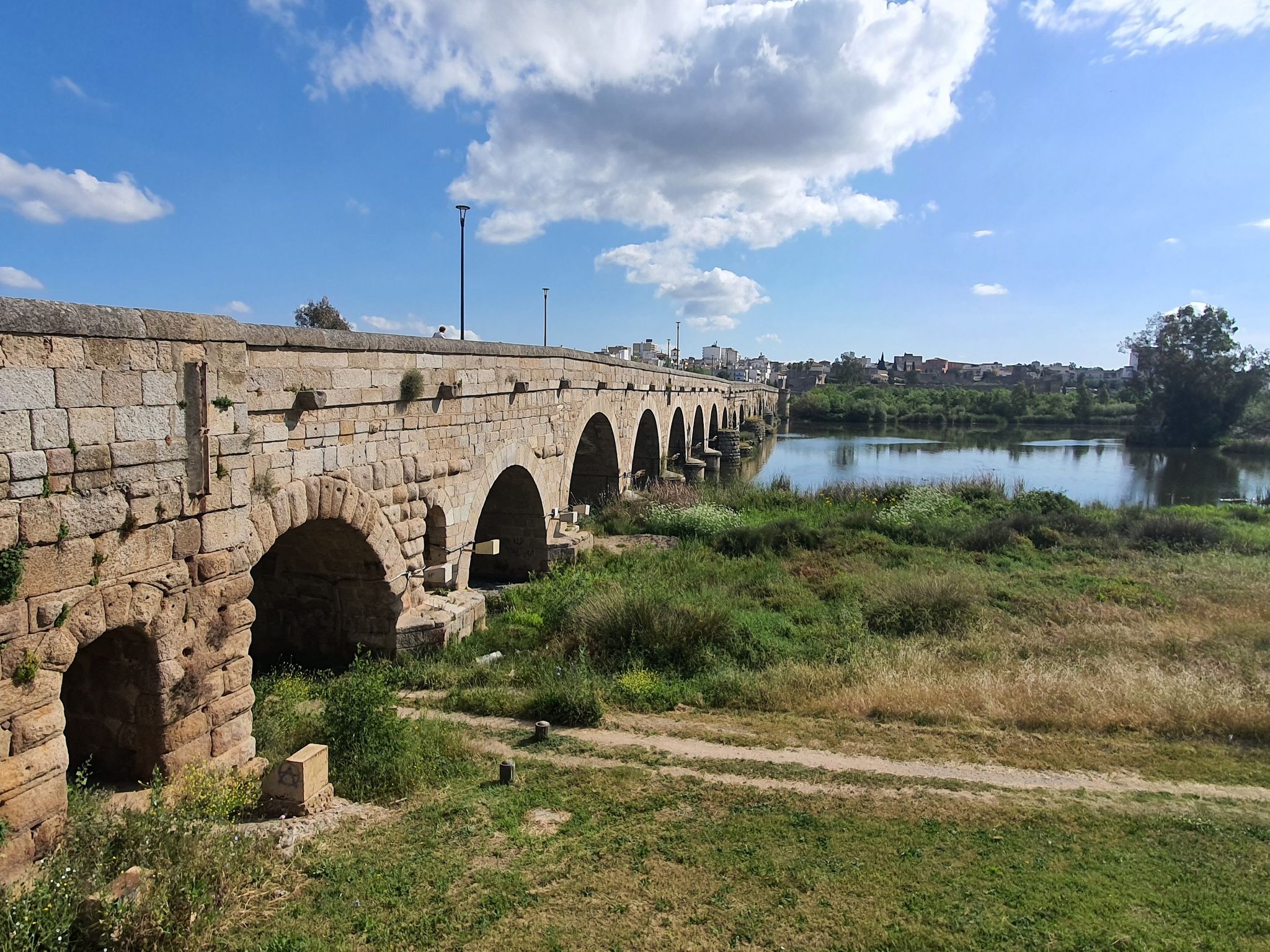
Gijón to Sevilla in Spain – Vía de la Plata (GR 100)
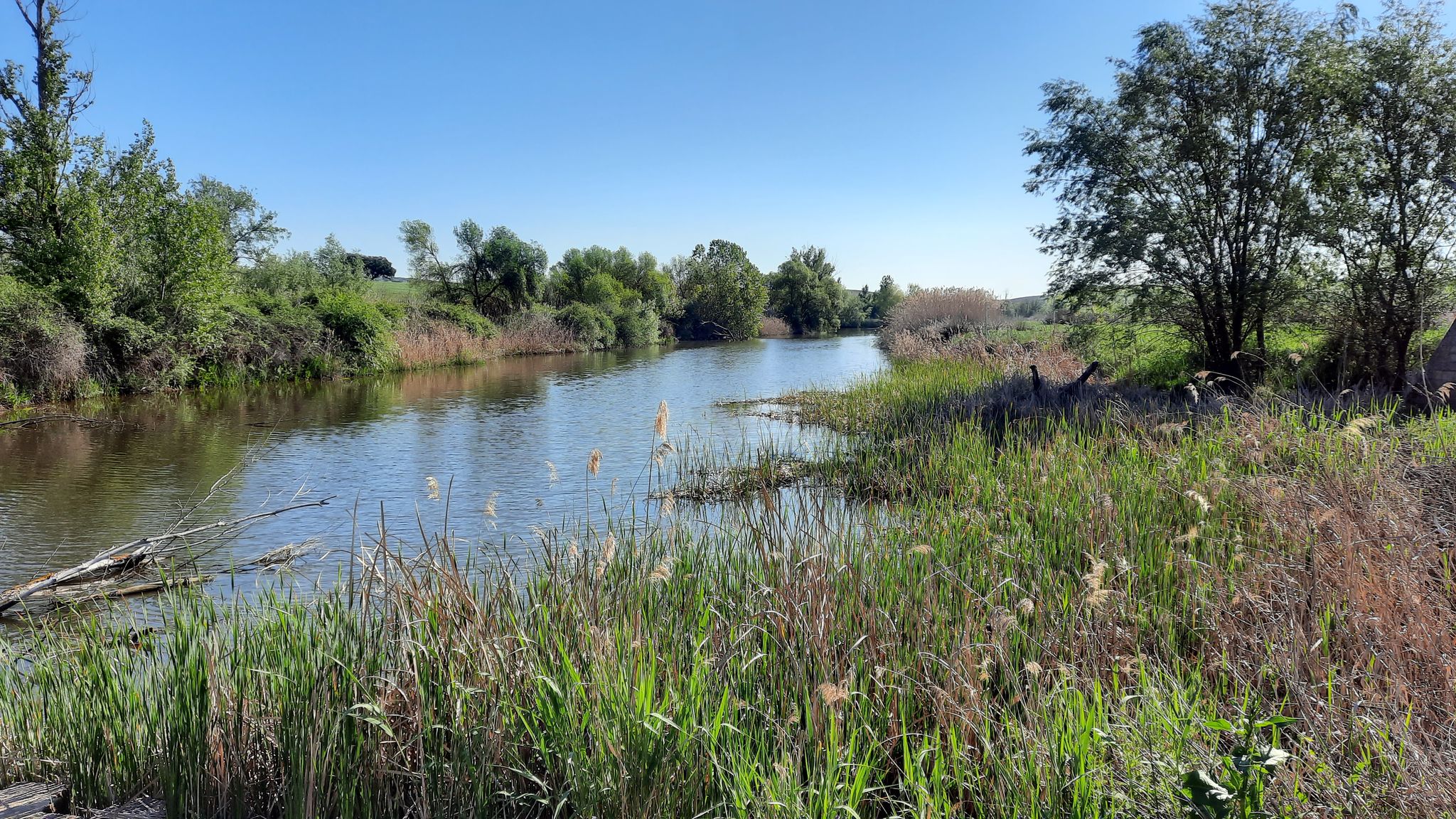
The magic of an endless river – Spain's Guadiana Natural Trail (GR 114)
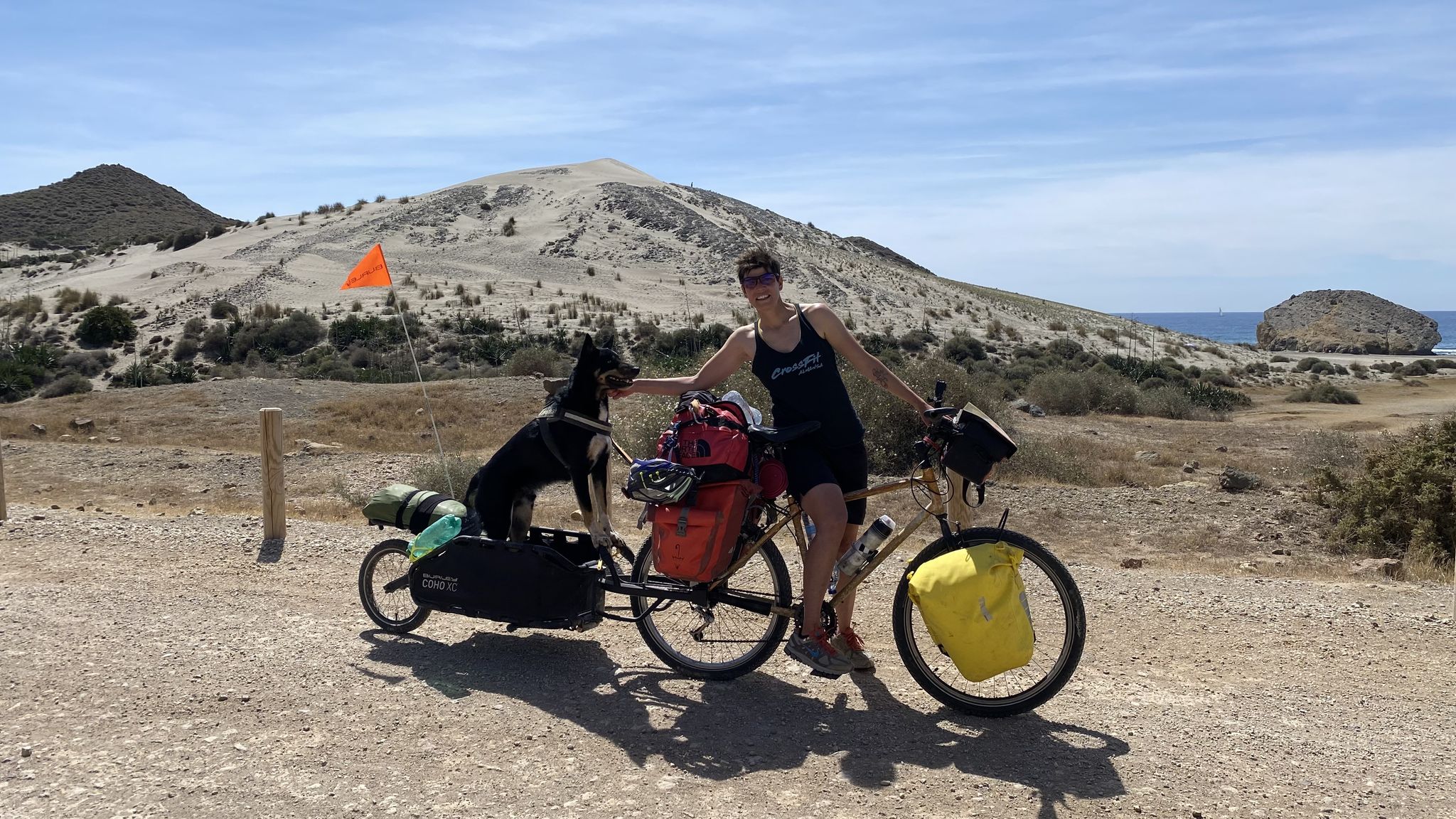
Let’s head south – cycle in Andalusia with me and my dog
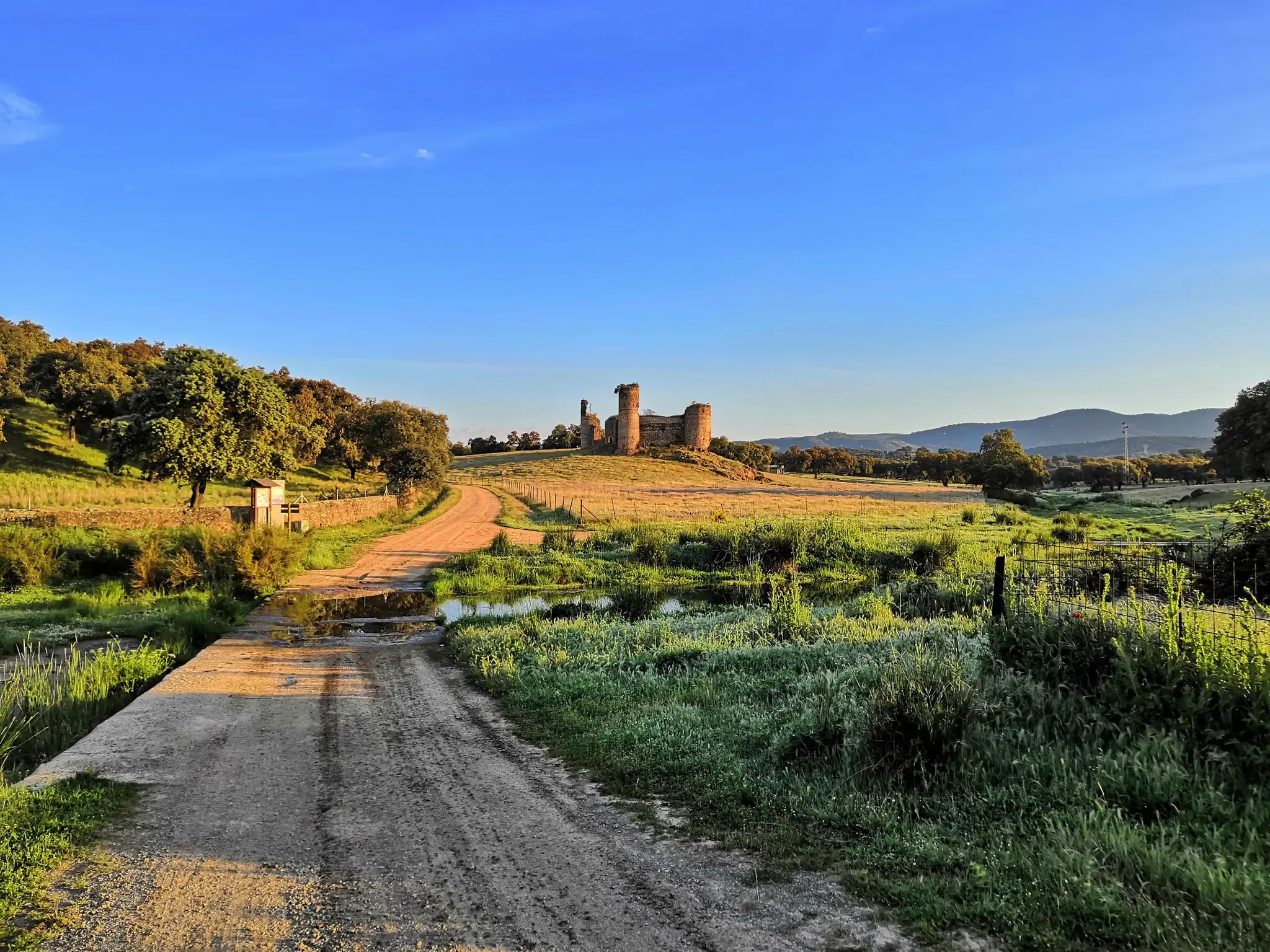
A romantic journey in the footsteps of the Romans – Via de la Plata
Explore Spain’s monuments and landscapes – cycle the Via de la Plata
Other adventures in Badajoz


Tips from the Community

Section of the Camino de Santiago towards Monesterio.
0
1

The best views in the La Siberia Extremeña region
0
0

The castle sits atop a hill in Puebla de Alcocer (Badajoz, Extremadura), approximately 550 meters above sea level. Its origins date back to the 12th and 13th centuries, possibly built upon the site of an earlier Mudéjar fortress. It was remodeled in 1445 after being donated to Don Gutierre de Sotomayor, Master of the Order of Alcántara, by King John II of Castile. At the end of the 15th century, it passed to Doña Elvira de Zúñiga, as reflected in the coat of arms on the keep.
2
0
The Parador de Zafra is located in what was once the palace of the Dukes of Feria. The building clearly reflects its long and rich history, which includes the Extremaduran explorer Hernán Cortés, a distinguished guest of the palace. The Parador preserves beautiful coffered ceilings, chests, ironwork, handrails, and decorative elements from the former palace.
6
0
The Alange Reservoir is an impressive engineering work located in the province of Badajoz, Extremadura, near the town of Alange and about 20 km from Mérida. The concrete dam was inaugurated in 1992 and is located on the Matachel River, close to its mouth in the Guadiana River.
3
0
Luna Castle, also known as Alburquerque Castle, is an impressive medieval fortress located in the town of Alburquerque, in the province of Badajoz, on top of a hill in the Sierra de San Pedro, dominating the town of Alburquerque and offering panoramic views of the Los Baldíos region. Built between the 13th and 15th centuries, the castle was expanded and reinforced by Álvaro de Luna, Master of the Order of Santiago and Constable of Castile, hence its name. Luna Castle is one of the most outstanding castles in Extremadura and a must-see for lovers of history and medieval architecture.
4
0
The Alange Castle, also known as the Culebra Castle, is a medieval fortress located in the municipality of Alange. It is located on the Cerro de la Culebra, 485 meters above sea level, offering panoramic views of the region. Built in the 9th century by the Moors on an old Roman fortress. It was conquered by the Christians in the 13th century and used until the 16th century. The castle is a fascinating place to explore history and enjoy nature.
7
0
The Castillo de las Torres is a fortress located in the municipality of Monesterio, in the province of Badajoz, Extremadura. It is believed that due to its typology it could date from the 15th or 16th century. This castle is located on a small rocky hill, near the Torres stream and the road that connects Monesterio with El Real de la Jara (old Camino de la Plata). Although it is in the municipality of Monesterio, it is only 1 kilometer from the town of El Real de la Jara in the province of Seville
6
0
Frequently Asked Questions
What are some of the most historically significant castles in Badajoz province?
Badajoz province is rich in history. The Alcazaba of Badajoz is a prime example, being one of the largest Moorish citadels in Spain with origins dating back to the 9th century. Another significant site is Luna Castle (Alburquerque Castle), known for its Templar origins and medieval architecture. Burguillos del Cerro Castle also offers a layered history, from its Moorish beginnings to Templar occupation.
Are there family-friendly castles to visit in Badajoz?
Yes, several castles in Badajoz are suitable for families. The Alcazaba of Badajoz is listed as family-friendly, offering extensive grounds to explore and a Provincial Archaeological Museum. The Walled Enclosure (Alcazaba) is also noted as family-friendly. Exploring these historical sites can be an engaging experience for all ages.
What kind of views can I expect from the castles in Badajoz?
Many castles in Badajoz are strategically located on hilltops, offering panoramic views of the surrounding landscape. For instance, the Alcazaba of Badajoz provides extensive views over the city and the Guadiana river. Luna Castle (Alburquerque Castle) offers panoramic views of the Los Baldíos region, and Puebla de Alcocer Castle is known for its commanding views of the La Serena and La Siberia regions, including large reservoirs.
What outdoor activities can I do near the castles in Badajoz?
The region around Badajoz castles offers various outdoor activities. You can find numerous cycling, running, and hiking routes. For example, near some castles, you can explore sections of the Guadiana Natural Trail or the Vía de la Plata. There are also routes like the 'Culebra Castle Trail' which specifically incorporate historical sites. You can find more details on these activities in the Cycling in Badajoz, Running Trails in Badajoz, and Hiking in Badajoz guides.
What is the best time of year to visit the castles in Badajoz?
The best time to visit the castles in Badajoz is generally during the spring (March to May) and autumn (September to November). During these seasons, the weather is milder and more pleasant for exploring outdoor sites. Summers can be very hot, making extensive outdoor exploration less comfortable.
How long does it typically take to visit the Alcazaba of Badajoz?
The Alcazaba of Badajoz is one of the largest in Spain, with extensive grounds and an archaeological museum. A thorough visit, including walking the ramparts, exploring the towers, and visiting the museum, could easily take 2-3 hours or more, depending on your interest level.
Are there any castles in Badajoz with unique features or modern uses?
Yes, Fregenal de la Sierra Castle is particularly unique. While it has a rich Templar past, its interior now remarkably houses a bullring (Plaza de Toros) from the late 18th century and a municipal market (Plaza de Abastos) from the early 20th century. This blend of ancient history and modern local culture makes it a fascinating visit.
Is public transport available to reach castles in Badajoz province?
While major cities like Badajoz itself are well-connected by public transport, reaching some of the more rural castles in the province can be challenging without a car. For castles within or very close to towns, local buses might be an option, but for remote sites, driving is often the most convenient way to access them.
Are there amenities like cafes or accommodation near the castles?
Amenities vary by location. Larger towns like Badajoz will have plenty of cafes and accommodation near the Alcazaba of Badajoz. For more rural castles, options might be limited to the nearest village. For example, the Parador Nacional Duques de Feria is a castle that also functions as accommodation, offering a unique stay.
What should I wear when visiting castles in Badajoz?
Comfortable walking shoes are highly recommended, as many castles involve walking on uneven terrain, climbing stairs, and exploring extensive grounds. Dressing in layers is also advisable, especially during spring and autumn, to adapt to changing temperatures. During summer, light clothing, a hat, and sunscreen are essential due to the strong sun.
Are there any lesser-known or 'hidden gem' castles worth exploring in Extremadura near Badajoz?
While not a 'hidden gem' in the sense of being completely unknown, Magacela Castle offers a less crowded experience compared to the more prominent sites. Its ruins provide a sense of ancient history and often come with impressive views, making it a rewarding visit for those looking to explore beyond the main attractions.
Are there hiking routes that incorporate castles in Badajoz?
Yes, several hiking routes in the region allow you to combine nature with historical exploration. For example, the 'Culebra Castle Trail' is a moderate 5.2 km hike that takes you to Alange Castle, offering fantastic views of the Alange Reservoir. Another route, 'Castillo de las Torres and Dehesa on the Vía de la Plata', passes by the Castle of the Towers. You can find more hiking options in the Hiking in Badajoz guide.
What is the significance of the Alcazaba of Badajoz?
The Alcazaba of Badajoz is a monumental Moorish citadel, largely built by the Almohads in the 12th century, though its origins trace back to the 9th century. It served as a residence for rulers and was crucial for controlling passage between Portugal and central Iberia. Its impressive walls, numerous towers like the Espantaperros Tower, and the Provincial Archaeological Museum within its grounds highlight its immense historical and architectural importance. It was declared a national monument in 1931. For more detailed information, you can visit its Wikipedia page: Alcazaba of Badajoz on Wikipedia.
Most popular routes in Badajoz
Most popular attractions in Badajoz

Get inspired with the komoot mobile app


Didn’t find what you were looking for?
Explore Badajoz’s best castles region by region:
Explore more
Looking for the best castles somewhere else? Discover other guides in Badajoz:
