The 12 Most Amazing Peaks in Badajoz
Mountain peaks in Badajoz, a province in western Spain, offer diverse natural landscapes and opportunities for outdoor activities. The region features several mountain ranges, including the Sierra de Tentudía and Sierra Grande de Hornachos, known for their varied ecosystems. These areas are characterized by Mediterranean forests, dehesas, and significant biodiversity. Badajoz's peaks provide panoramic views and serve as important habitats for wildlife.
Best mountain peaks in Badajoz
- The most popular mountain peaks is View from Cerro de San Serván,…
Last updated: October 4, 2026
Bonales Oriental Summit
Highlight • Summit
Translated by Google •
Tip by

Cerro Masatrigo
Highlight • Summit
Translated by Google •
Tip by
Sign up now to discover places like this
Get recommendations on the best single tracks, peaks, & plenty of other exciting outdoor places.
Sierra Bienvenida Summit Monument
Highlight • Summit
Translated by Google •
Tip by
View from Cerro de San Serván
Highlight • Viewpoint
Translated by Google •
Tip by
Tentudía Summit
Highlight • Summit
Translated by Google •
Tip by

La Serena Reservoir and Masatrigo Hill
Highlight • Lake
Translated by Google •
Tip by
Watchtower of Alto de Aguafría
Highlight • Monument
Translated by Google •
Tip by
Alto del Centinela
Highlight • Viewpoint
Translated by Google •
Tip by

View from Peñón del Pez
Highlight • Viewpoint
Translated by Google •
Tip by
Cima de las Poyatas (856 m)
Highlight • Summit
Translated by Google •
Tip by

Sign up for free to discover even more peaks in Badajoz.
Already have an account?
Start today with a free account
Your next adventure awaits.
Popular around Badajoz
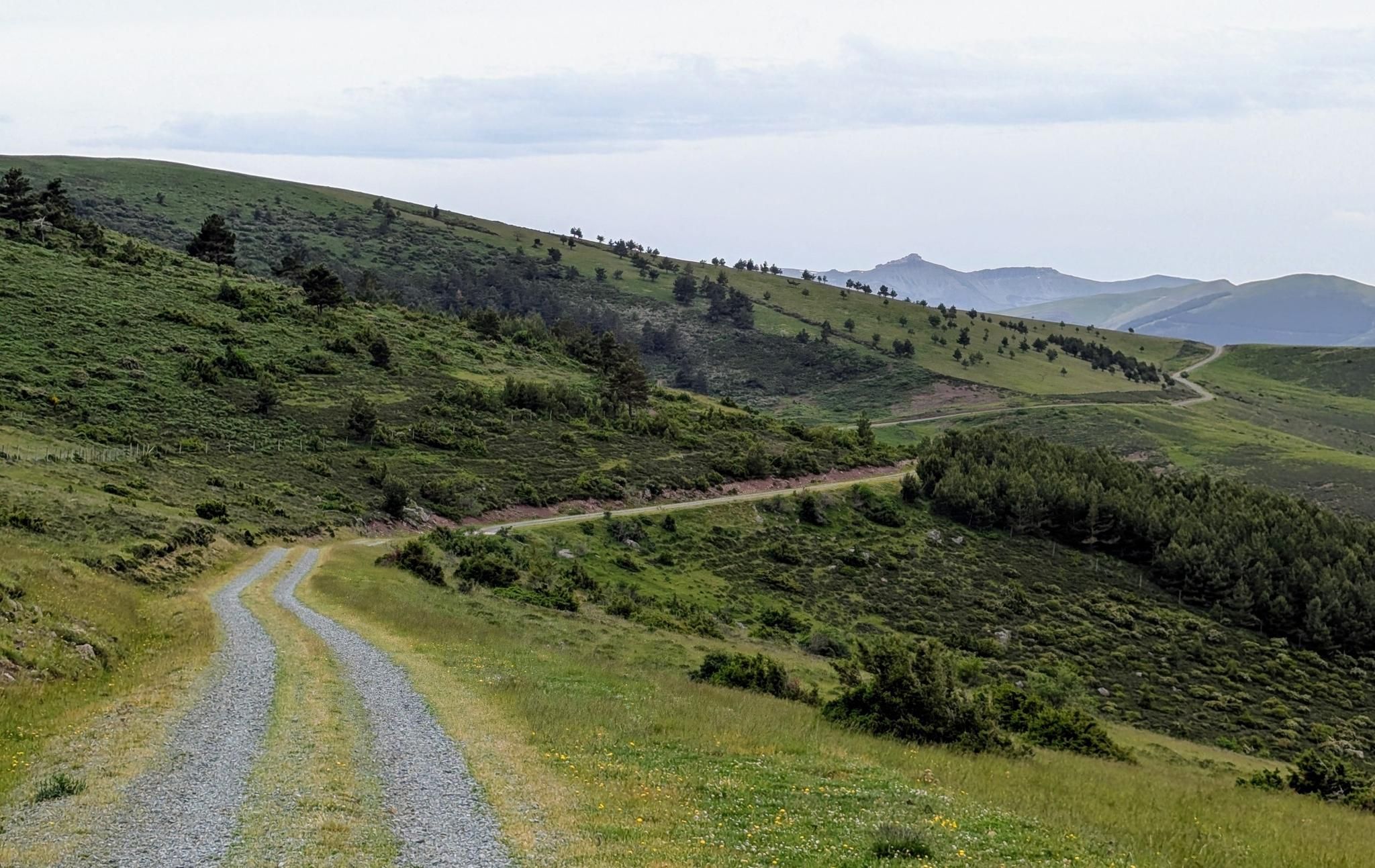
MTB Transhumance — Cañada Real Soriana Occidental
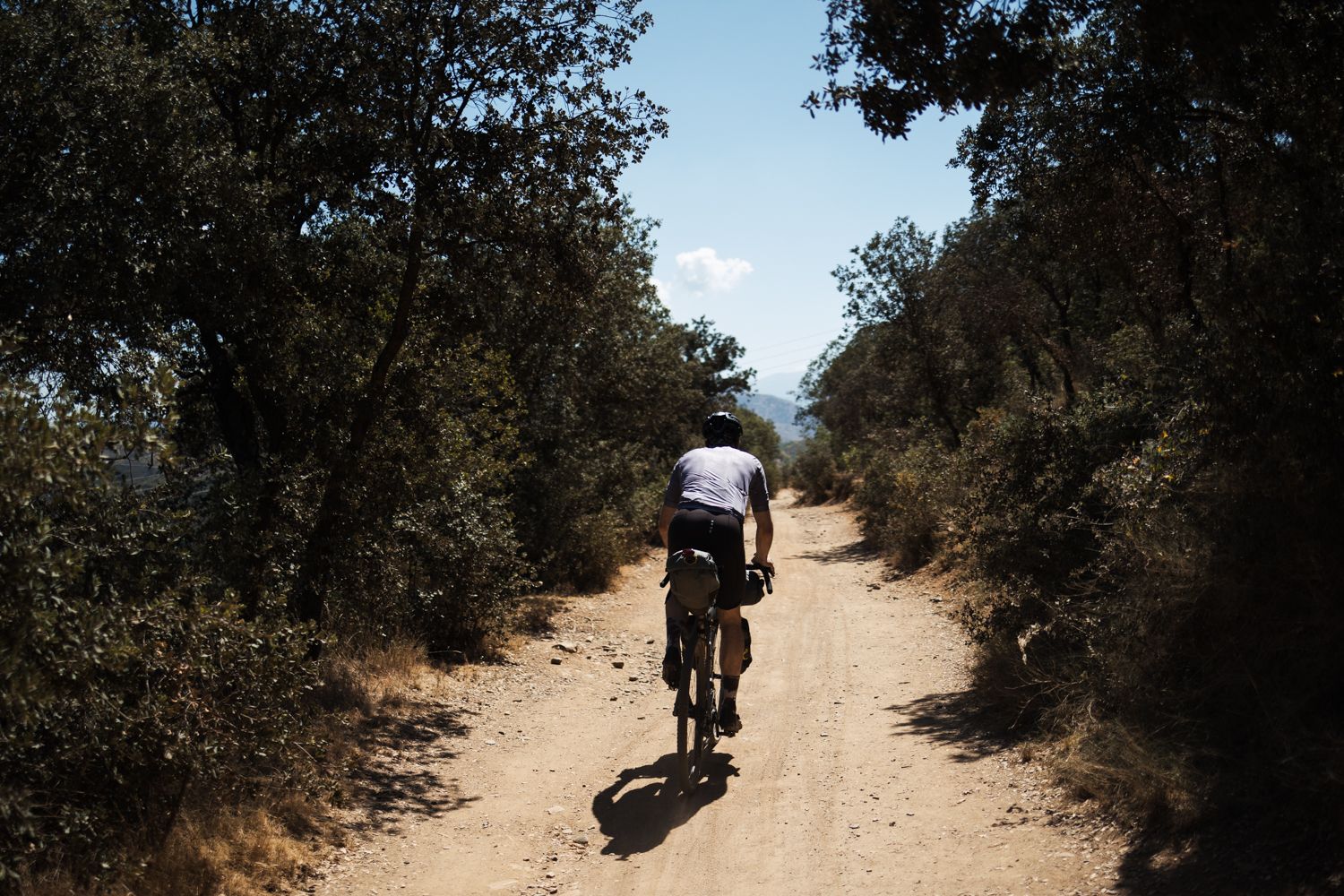
Mozarabic Way to Santiago – Gravel between two worlds

Around the World in 80 Days
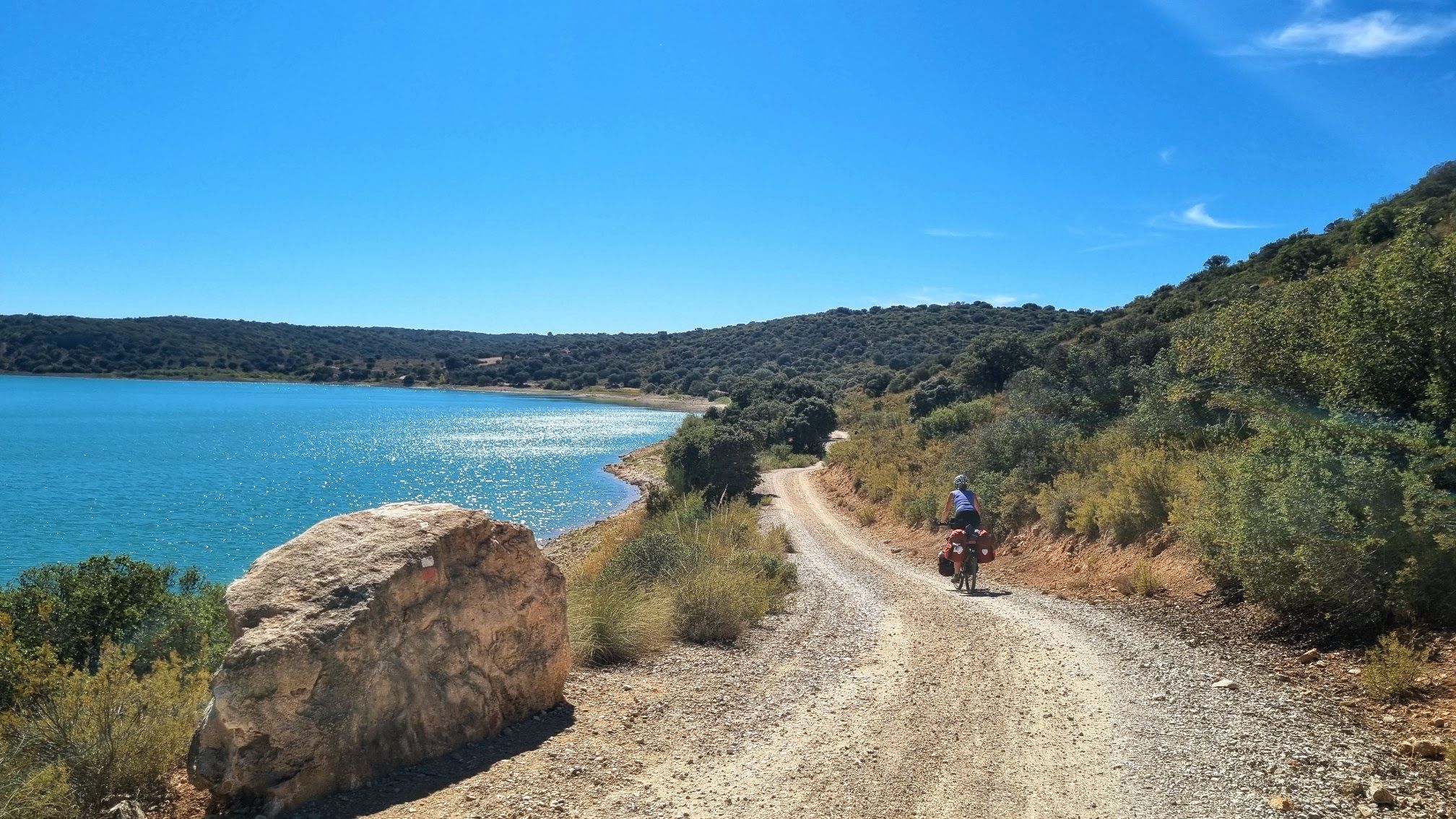
Pedalea junto al gran río — Camino Natural del Guadiana
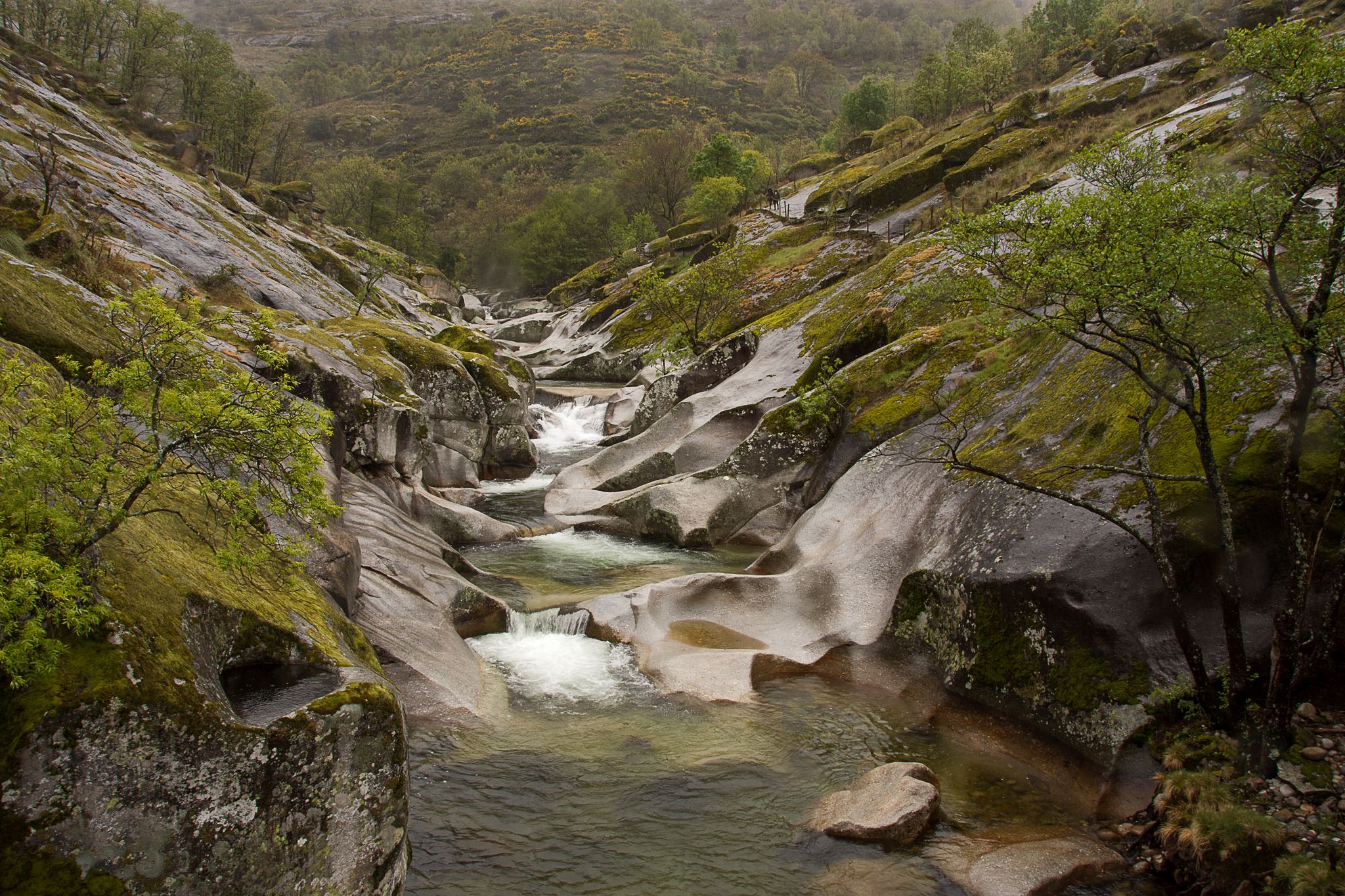
Six routes to discover Extremadura on foot
Gijón to Sevilla in Spain – Vía de la Plata (GR 100)
The magic of an endless river – Spain's Guadiana Natural Trail (GR 114)
Let’s head south – cycle in Andalusia with me and my dog
A romantic journey in the footsteps of the Romans – Via de la Plata
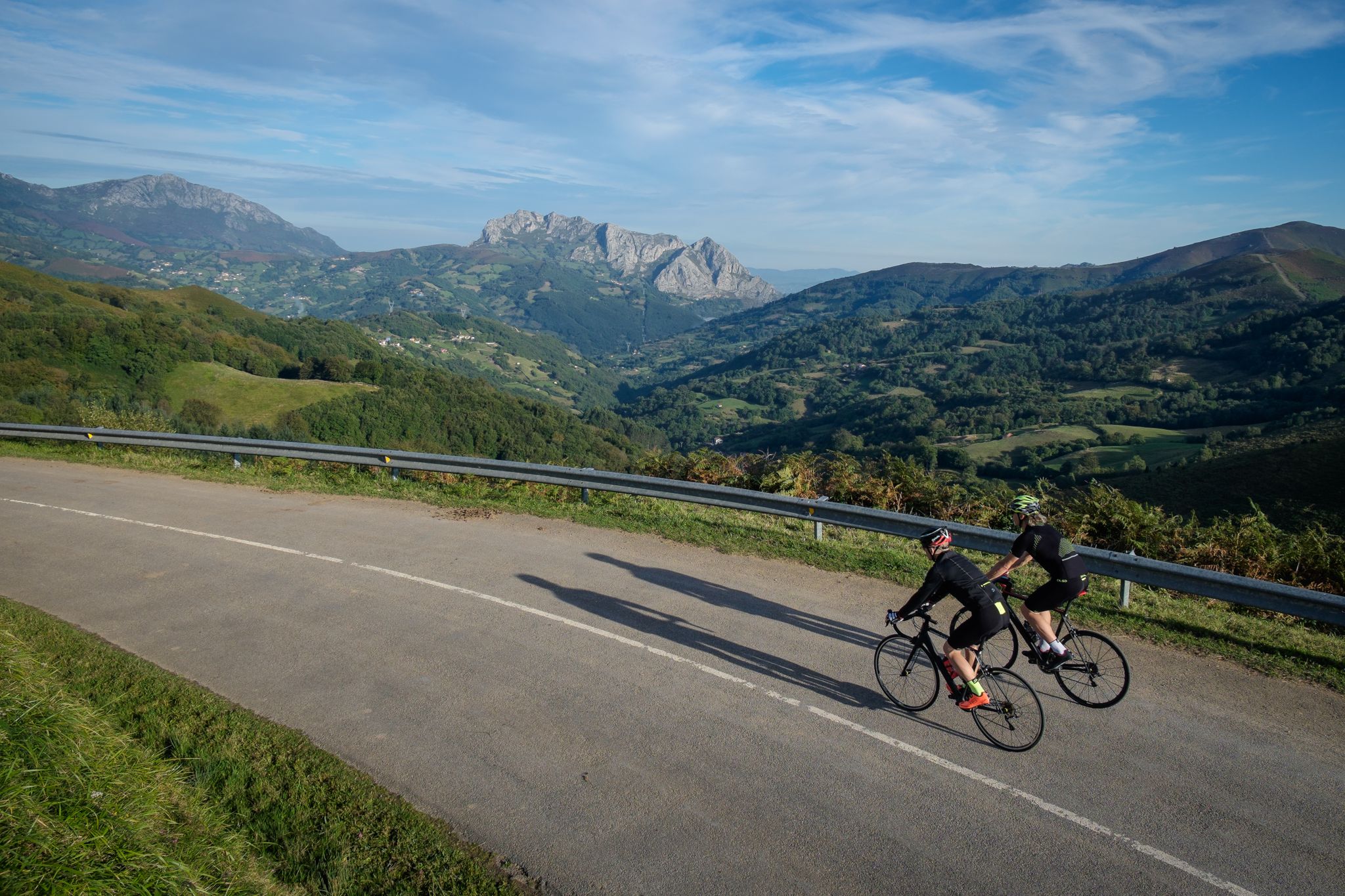
Explore Spain’s monuments and landscapes – cycle the Via de la Plata
Other adventures in Badajoz


Tips from the Community

The sentinel's house, which, if you advance a little further, leads to some cliffs with good views.
0
0

Cerro Masatrigo is a hill located in the municipality of Esparragosa de Lares. This hill is known for its almost perfect conical shape, which has earned it the nickname "the magic mountain." It rises 501 meters above sea level and 161 meters above the surrounding terrain. After the construction of the La Serena Dam, Cerro Masatrigo became a peninsula surrounded by the waters of the reservoir.
6
0
The Alto de Aguafría Tower, located in the municipality of Monesterio (Badajoz), is a fire watchtower located at one of the highest points in the Sierra de Aguafría, at an altitude of 1,079 meters.
4
0
Peñón del Pez is a rock formation located in the town of Capilla, in the province of Badajoz. This rock is known for its impressive landscape and rich biodiversity, which includes species such as vultures, Bonelli's eagles, black storks and peregrine falcons.
7
0
Cerro Masatrigo is a hill located in the municipality of Esparragosa de Lares. This hill is known for its almost perfect conical shape, which has earned it the nickname "the magic mountain" It rises 501 meters above sea level and 161 meters above the surrounding terrain. After the construction of the La Serena Dam, Cerro Masatrigo became a peninsula surrounded by the waters of the reservoir.
7
0
The Torreta de Bienvenida, located on Cerro del Monigote, is a popular destination for hiking lovers in the Extremadura region. This hill offers hiking routes of intermediate difficulty, ideal for enjoying nature and panoramic views.
3
0
Bonales Oriental is one of the most outstanding peaks of the Sierra de Tentudía, located in Calera de León. It is an ideal route for hiking lovers looking to enjoy nature and spectacular views.
6
0
Cerro de San Serván is a popular hiking destination in the Arroyo de San Serván mountain range near Mérida. At an altitude of 608 metres, it offers stunning views of the surrounding plain.
4
0
Frequently Asked Questions
What is the highest mountain peak in Badajoz?
The highest point in the province of Badajoz is Cerro de Tentudía, reaching an elevation of 1,112 meters. It is located in the Sierra de Tentudía, a Special Conservation Area known for its rich biodiversity and the historic Monastery of Tentudía at its summit.
Which mountain peaks are most popular for visitors in Badajoz?
Visitors frequently enjoy View from Cerro de San Serván, offering stunning views near Mérida. Other popular spots include Bonales Oriental Summit in the Sierra de Tentudía, and Tentudía Summit, which is part of a route leading to the Tentudía Monastery.
What kind of natural features can I expect to see in the mountain regions of Badajoz?
Badajoz's mountain regions showcase diverse natural features. You'll find extensive Mediterranean forests of oak, cork oak, and melojo trees, especially in areas like Sierra de Tentudía and Sierra Grande de Hornachos. Unique geological formations like the conical Cerro Masatrigo, surrounded by the La Serena Dam, and the impressive rock formations of Peñón del Pez are also notable.
Are there historical or cultural sites near the mountain peaks?
Yes, several peaks are close to significant historical and cultural sites. The 13th-century Monastery of Tentudía is located at the summit of Cerro de Tentudía. The Sierra Suroeste region also features charming towns with rich historical and artistic heritage, including castles and archaeological sites. Additionally, the Alto del Centinela is recognized as a historical site.
What wildlife can be observed in the mountains of Badajoz?
The mountains of Badajoz are rich in wildlife. The Sierra de Tentudía is home to deer, wild boar, genets, foxes, and various birds. The Sierra Grande de Hornachos is a Special Protection Area for Birds (ZEPA), hosting over 220 vertebrate species, including tawny vultures, golden eagles, and is a dispersal zone for the Iberian lynx. Peñón del Pez is known for raptors like vultures, Bonelli's eagles, and peregrine falcons, while the Sierra Suroeste is crucial for black stork conservation.
Are there family-friendly hiking options in the Badajoz mountains?
While many trails are intermediate, some areas offer more accessible options. For instance, the Sierra de Tentudía provides routes suitable for various skill levels, allowing families to enjoy nature and panoramic views. When planning, look for trails described as 'easy' or 'intermediate' and check specific route details for distance and elevation gain.
What outdoor activities can I do near the mountain peaks in Badajoz?
Beyond hiking, the region offers various outdoor activities. You can find numerous road cycling routes, such as the Vegas Bajas del Guadiana Loop. For runners, there are trails like the Guadiana Natural Trail. Mountain biking enthusiasts can explore routes like the Badajoz and Valdebótoa Loop.
What is the best time of year to visit the mountain peaks in Badajoz?
The best time to visit the mountain peaks in Badajoz is generally during spring (March to May) and autumn (September to November). During these seasons, temperatures are milder, making hiking and outdoor activities more comfortable. The landscapes are also particularly vibrant with blooming flora in spring or rich colors in autumn.
Are there any unique or unusual peaks to visit in Badajoz?
Yes, Cerro Masatrigo stands out for its almost perfect conical shape, earning it the nickname 'the magic mountain.' It's unique as it became a peninsula surrounded by the waters of the La Serena Dam after its construction. Another remarkable spot is Peñón del Pez near Capilla, known for its impressive rock formations and rich biodiversity.
Where can I find panoramic views of the region?
Many peaks and viewpoints offer spectacular panoramic views. View from Cerro de San Serván provides stunning vistas of the surrounding plain. The Monastery of Tentudía at the summit of Cerro de Tentudía also offers breathtaking outlooks. For high-altitude views, the Watchtower of Alto de Aguafría, situated at 1,079 meters, is an excellent choice.
What is special about the Sierra Grande de Hornachos?
The Sierra Grande de Hornachos is often referred to as a 'mountain-island' due to its prominence in a relatively flat landscape. It is a protected natural space, classified as a Zone of Regional Interest (ZIR) and a Special Protection Area for Birds (ZEPA). It's a haven for wildlife, particularly impressive birds of prey, and features dense Mediterranean forests. For more information, you can visit visit-western-spain.com.
Are there dog-friendly trails in the Badajoz mountains?
Yes, some trails and areas are suitable for hiking with dogs. For example, the Watchtower of Alto de Aguafría is listed as dog-friendly. Always check specific trail regulations and local signage, and ensure your dog is on a leash where required to protect wildlife.
Most popular routes in Badajoz
Most popular attractions in Badajoz

Get inspired with the komoot mobile app


Didn’t find what you were looking for?
Discover Badajoz’s best peaks and summits by region:
Explore more
See even more amazing summits in Badajoz with these guides:
