Attractions and Places To See in Badajoz - Top 20
Best attractions and places to see in Badajoz, a city situated on the Guadiana River, include a range of historical landmarks, cultural sites, and natural features. The region offers a diverse landscape, from ancient fortresses to riverine paths and nearby natural reserves. Visitors can explore a blend of architectural styles reflecting its rich history.
Best attractions and places to see in Badajoz
- The most popular attractions is Temple of Diana (Mérida), a historical site that was built with granite from local quarries and covered with stucco. This impressive historical building from Roman times is located in the city center.
- Another must-see spot is Los Milagros Aqueduct, a man-made monument. This colossal aqueduct is part of a hydraulic pipeline, with more than 800 meters remaining and some piles rising 27 meters above the ground.
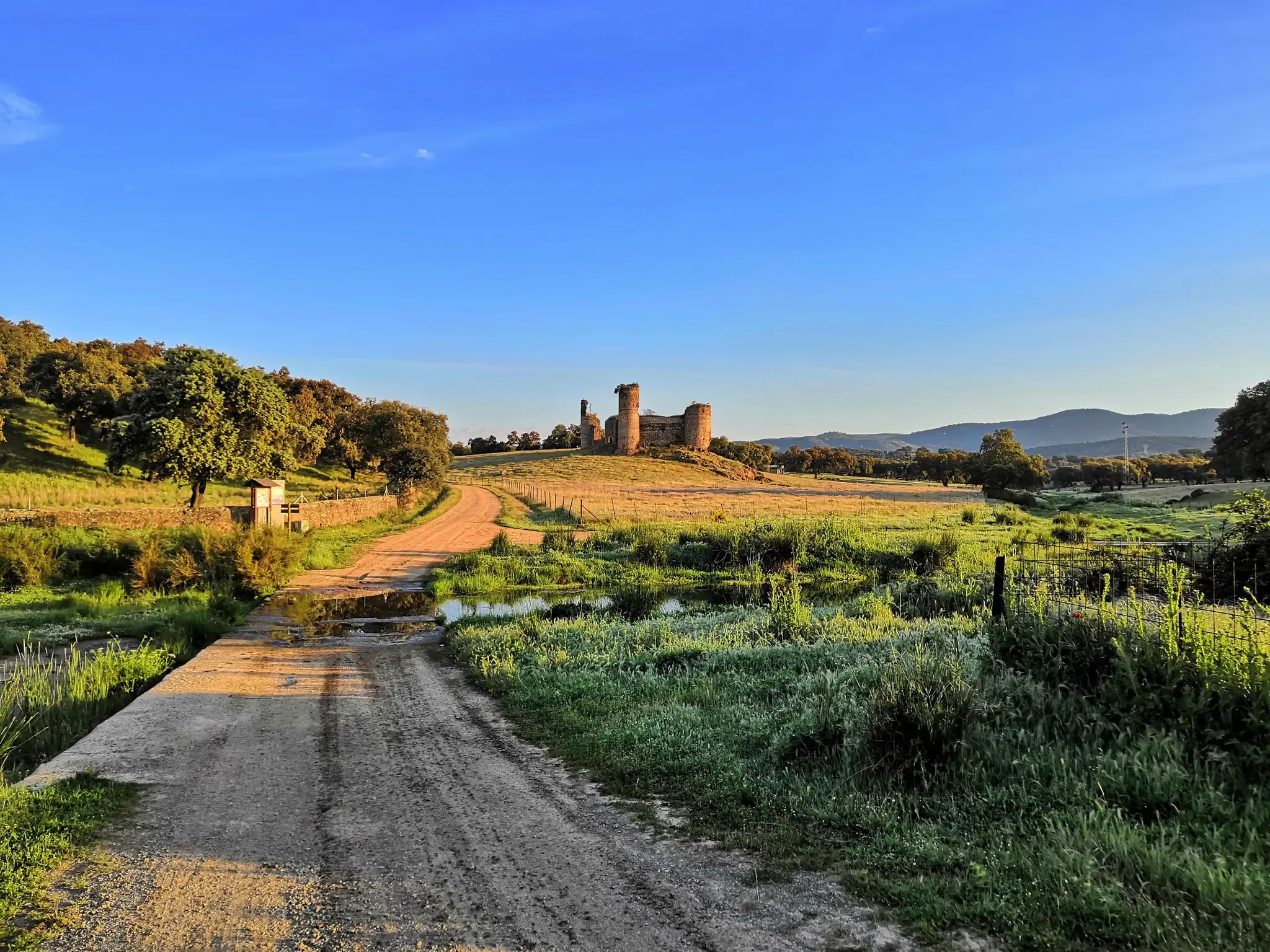
- Visitors also love Castle of the Towers, a castle located on the border between Andalusia and Extremadura. From its three rounded towers, it was possible to watch over the nearby Vía de la Plata.
- Badajoz is known for its historical sites, ancient bridges, and castles. The region offers a variety of attractions to see and explore, from Roman ruins to medieval fortresses.
- The attractions in Badajoz are appreciated by the komoot community, with 68 upvotes and 60 photos shared by visitors.
Last updated: October 9, 2026
Temple of Diana (Mérida)
Highlight • Historical Site
Since the 17th century, it has been popularly known as the Temple of Diana, although we currently know that it was consecrated to Rome and the Emperor.
Translated by Google •
Tip by

Los Milagros Aqueduct
Highlight • Monument
Translated by Google •
Tip by
Sign up now to discover places like this
Get recommendations on the best single tracks, peaks, & plenty of other exciting outdoor places.
Roman Theatre of Mérida
Highlight • Historical Site
Translated by Google •
Tip by
Roman Monuments of Mérida
Highlight • Historical Site
Emerita Augusta was planned as a version of the capital of the empire in Lusitania, in its Roman theater a classical theater festival is still held today. The Roman bridge over the Guadiana, with its 800 meters, is the longest in the Iberian Peninsula. Mérida also has other Roman monuments such as the temple of Diana or the aqueduct. Its Arab citadel was also one of the bastions of the Muslim kingdom of Al-Andalus.
Translated by Google •
Tip by

Roman Bridge of Mérida
Highlight • Bridge
Translated by Google •
Tip by
Castle of the Towers
Highlight • Castle
Translated by Google •
Tip by
Plaza Alta
Highlight • Historical Site
Translated by Google •
Tip by
Alange Castle
Highlight • Castle
Translated by Google •
Tip by
Puente de Palmas
Highlight • Bridge
Translated by Google •
Tip by
Parador Nacional Duques de Feria
Highlight • Castle
The Parador preserves beautiful coffered ceilings, chests, ironwork, handrails and decorative elements from the old palace.
Translated by Google •
Tip by
Sign up for free to discover even more attractions in Badajoz.
Already have an account?
Start today with a free account
Your next adventure awaits.
Popular around Badajoz
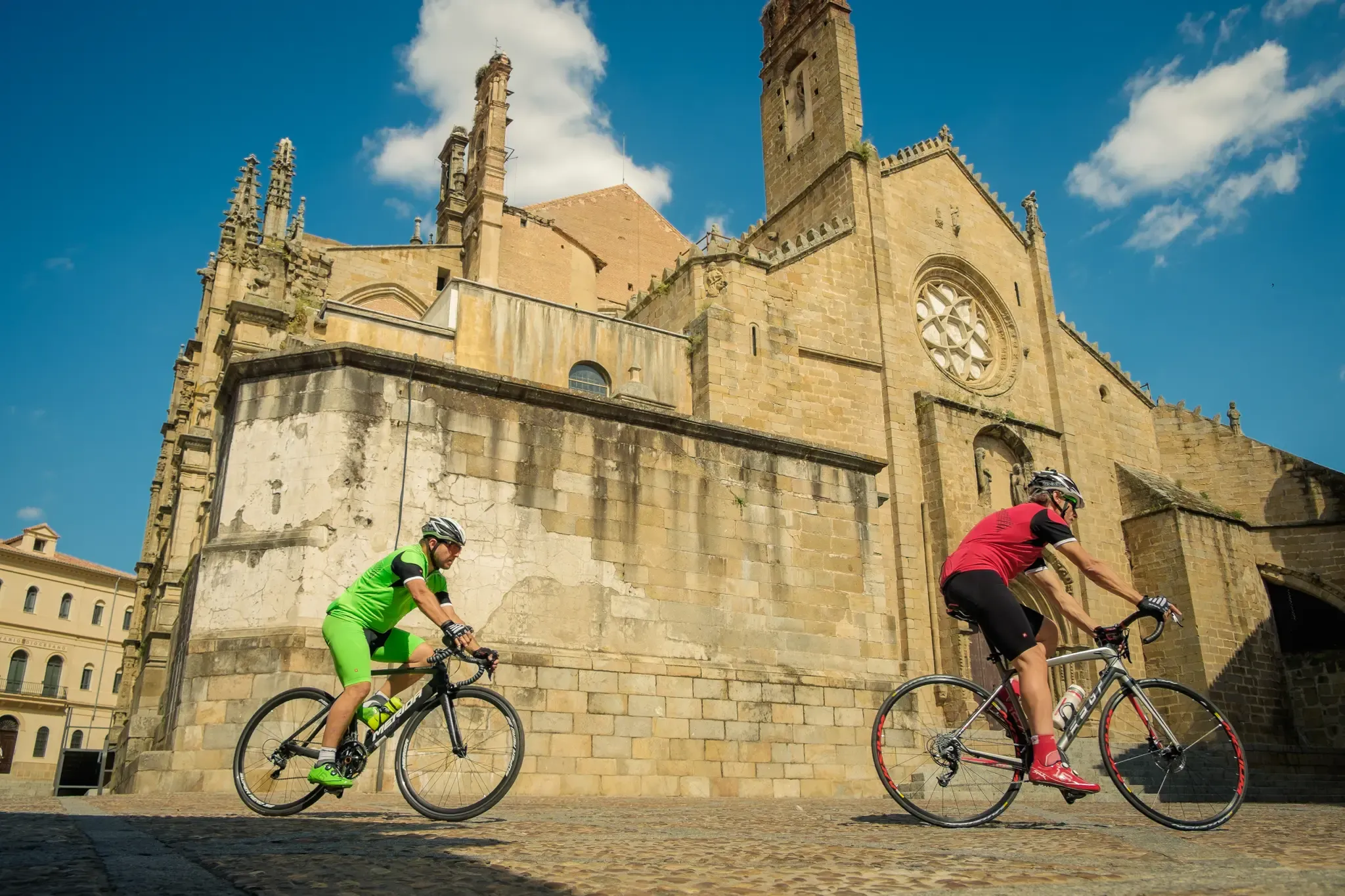
Vía de la Plata – from Seville to Gijón by bike
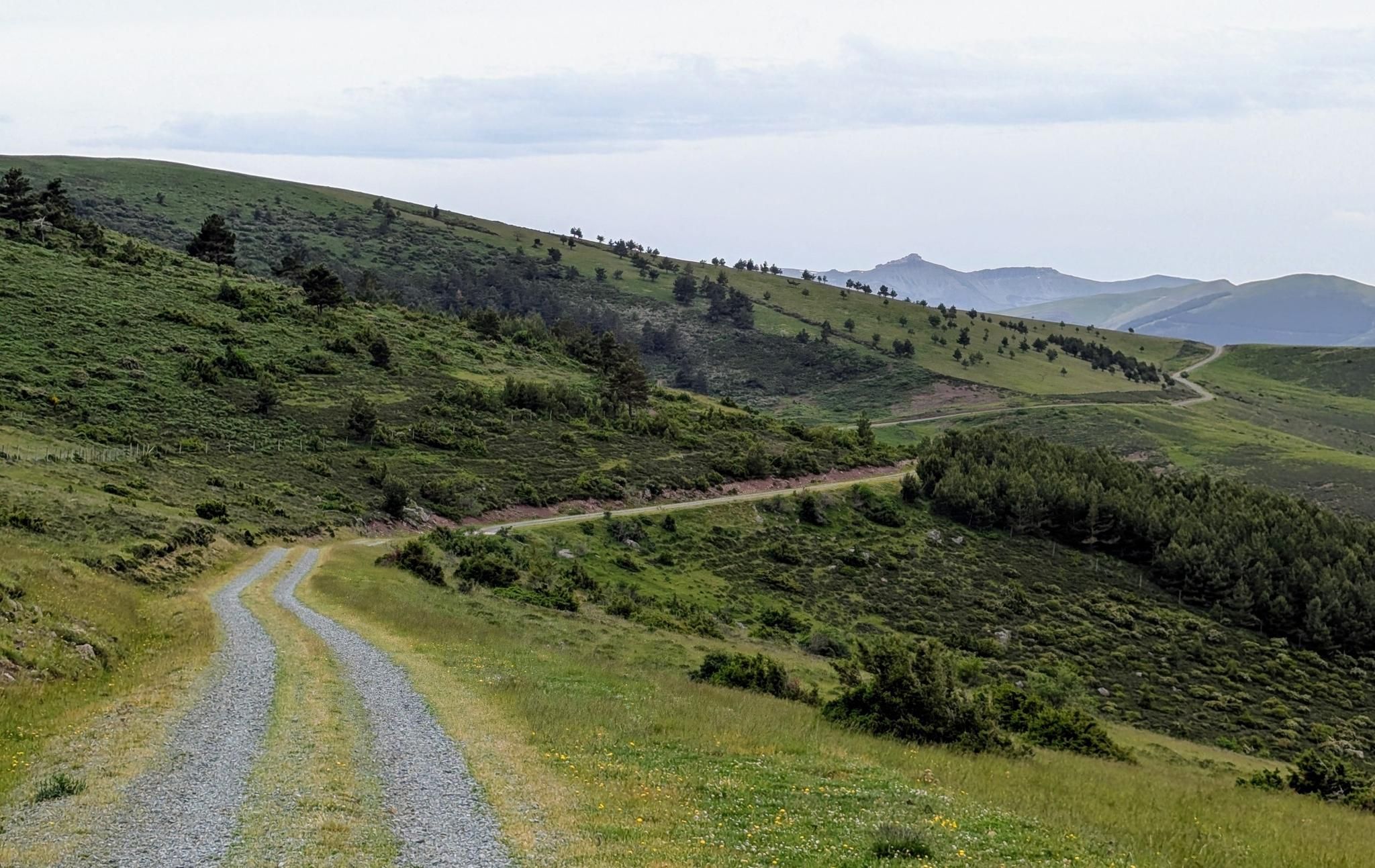
MTB Transhumance — Cañada Real Soriana Occidental
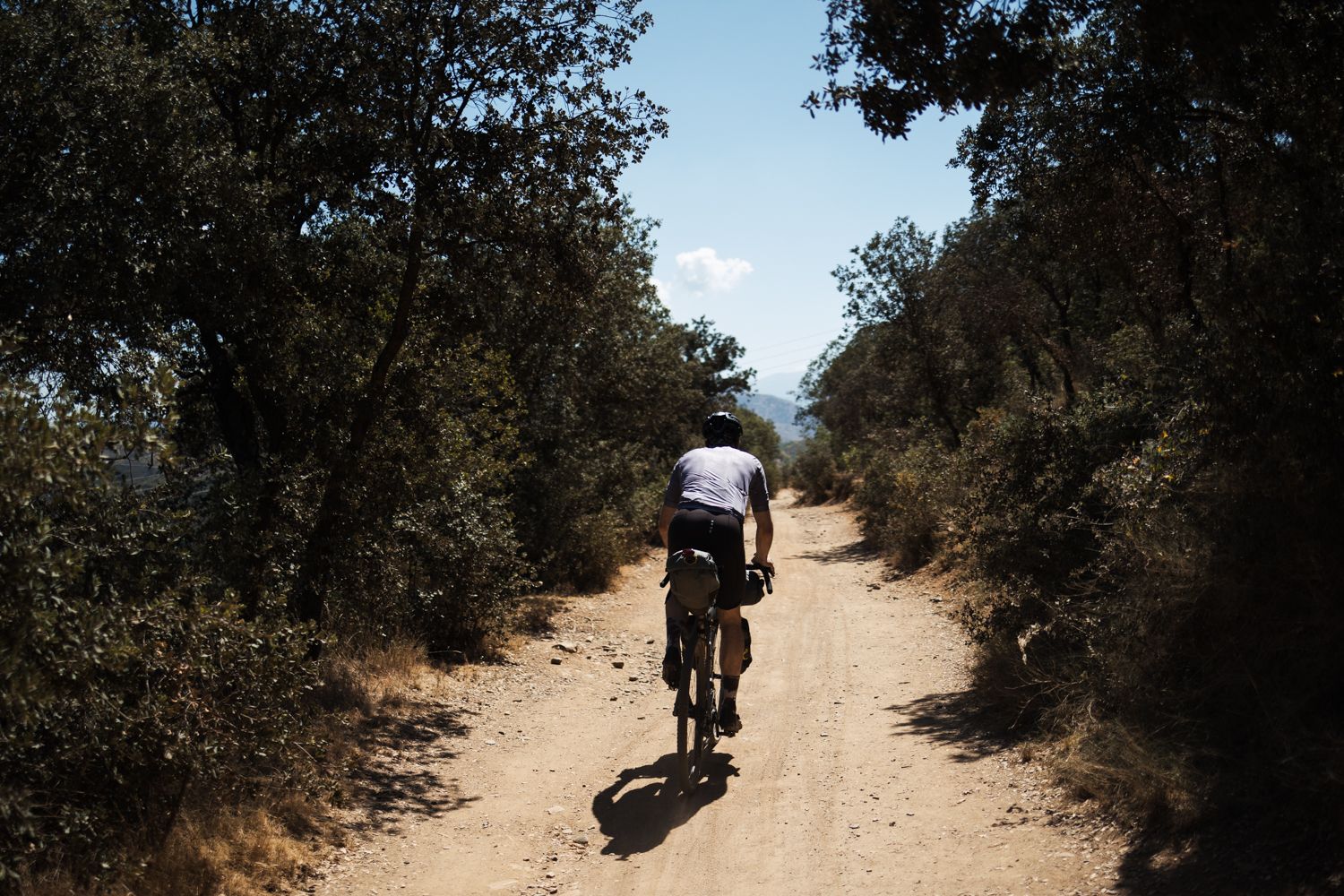
Mozarabic Way to Santiago – Gravel between two worlds

Around the World in 80 Days
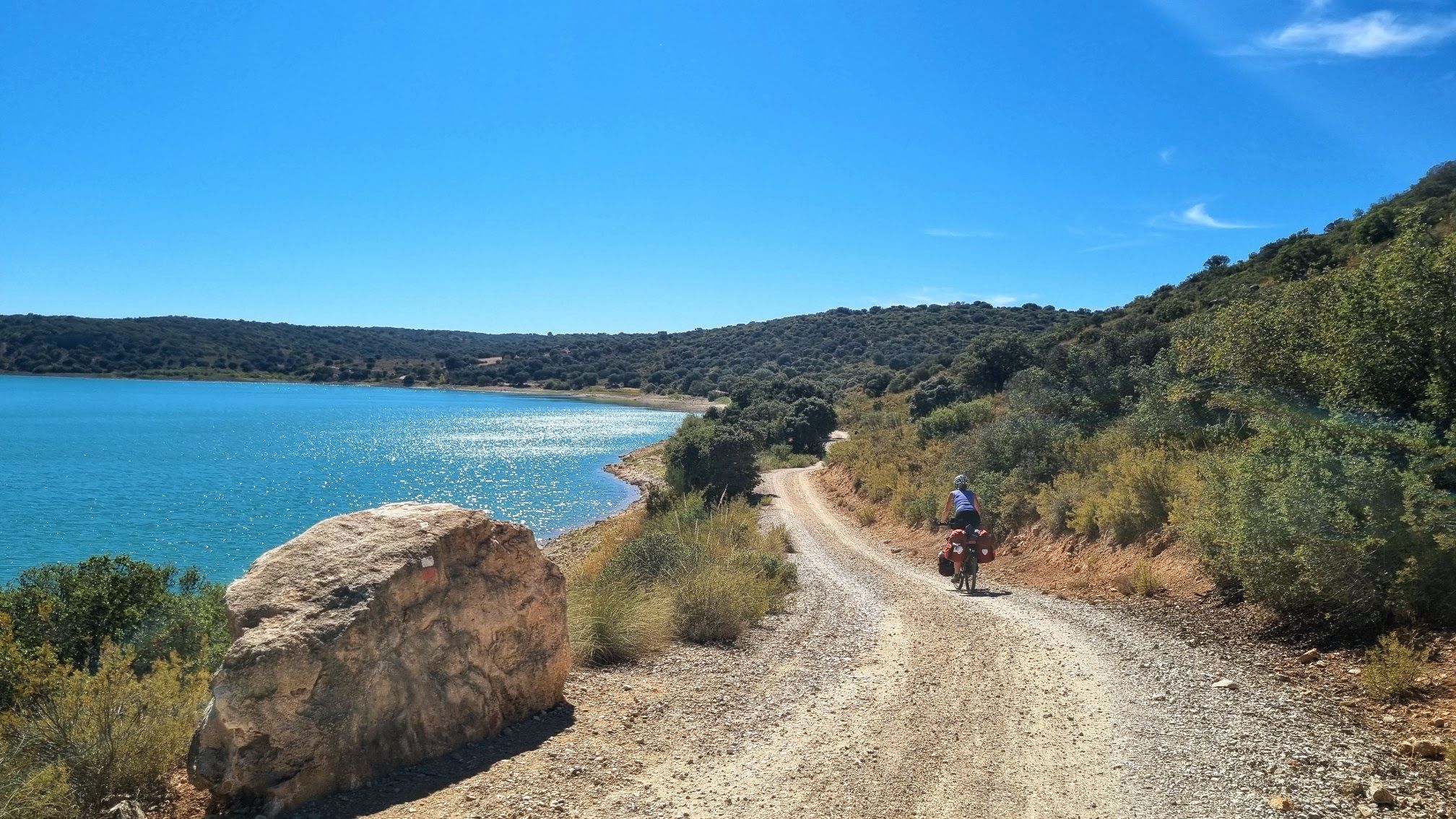
Pedalea junto al gran río — Camino Natural del Guadiana
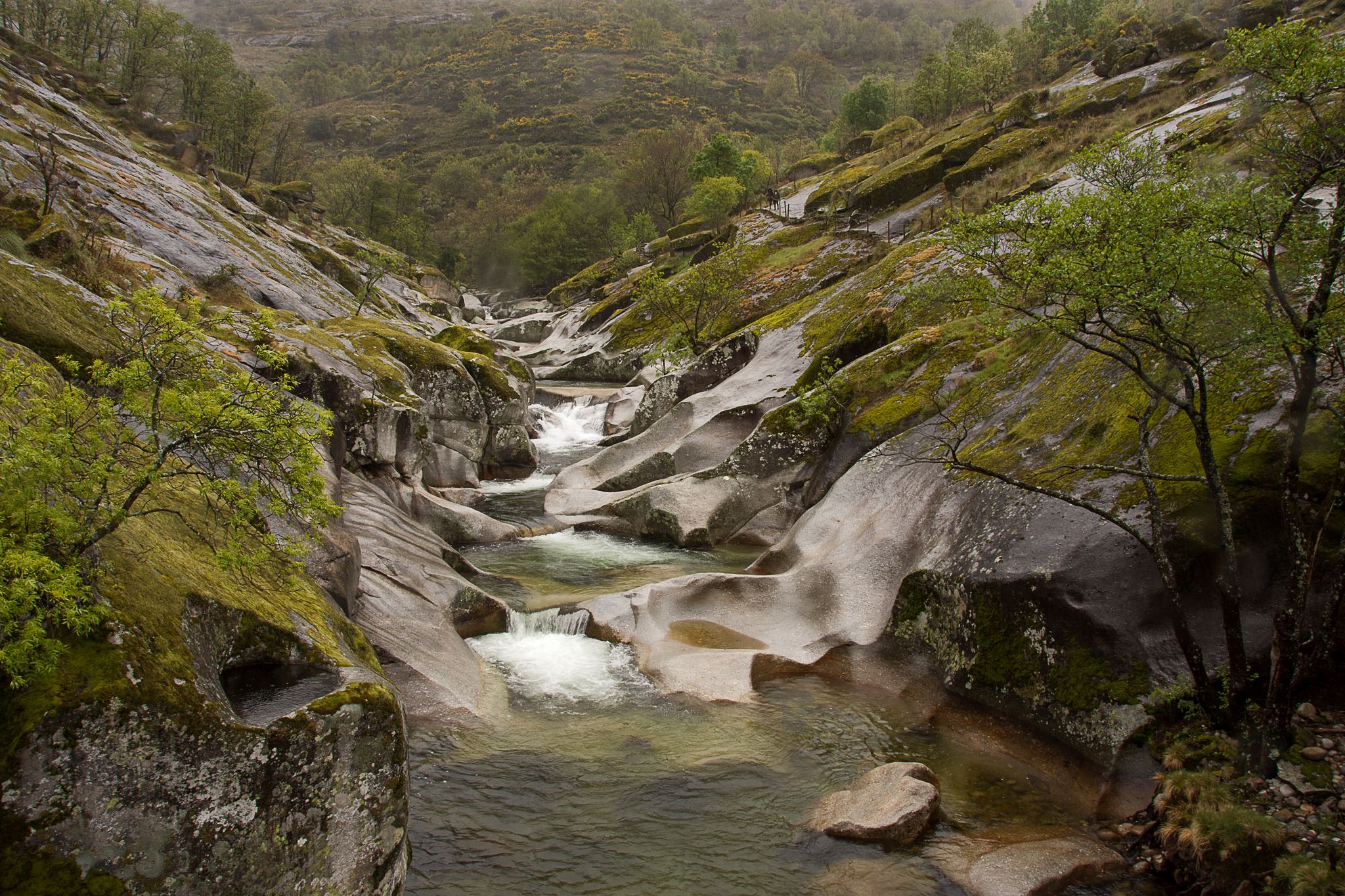
Six routes to discover Extremadura on foot
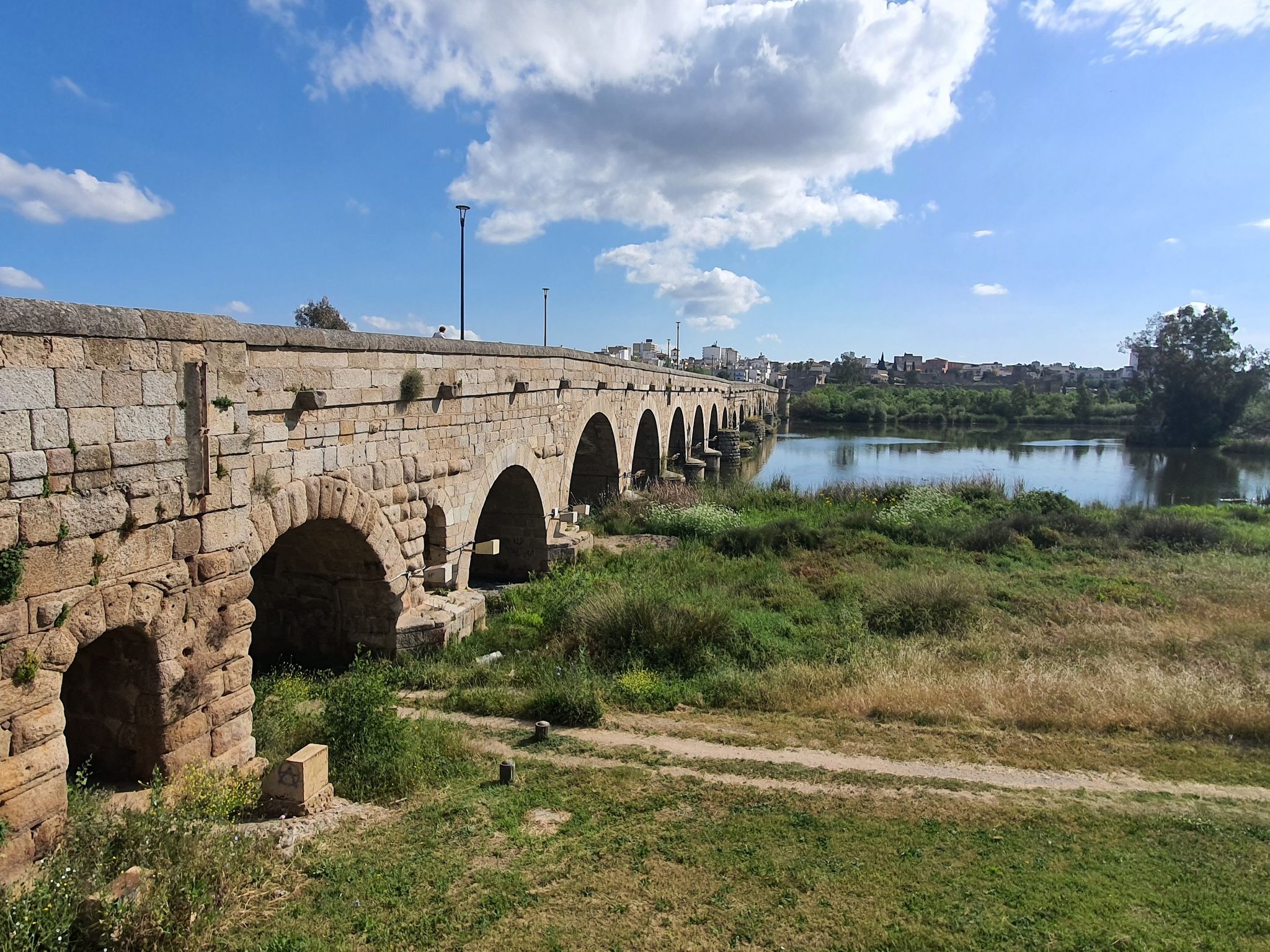
Gijón to Sevilla in Spain – Vía de la Plata (GR 100)
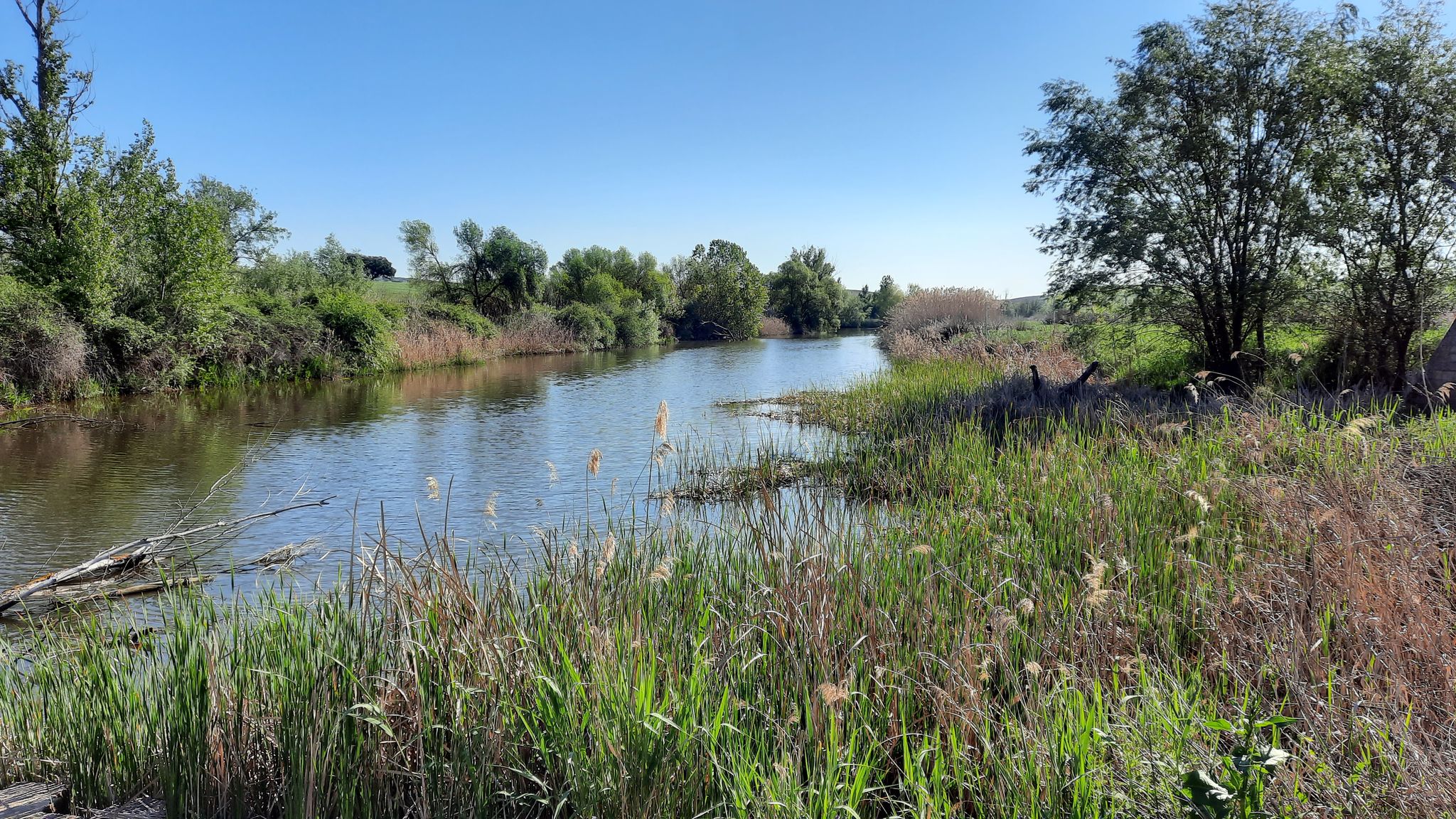
The magic of an endless river – Spain's Guadiana Natural Trail (GR 114)
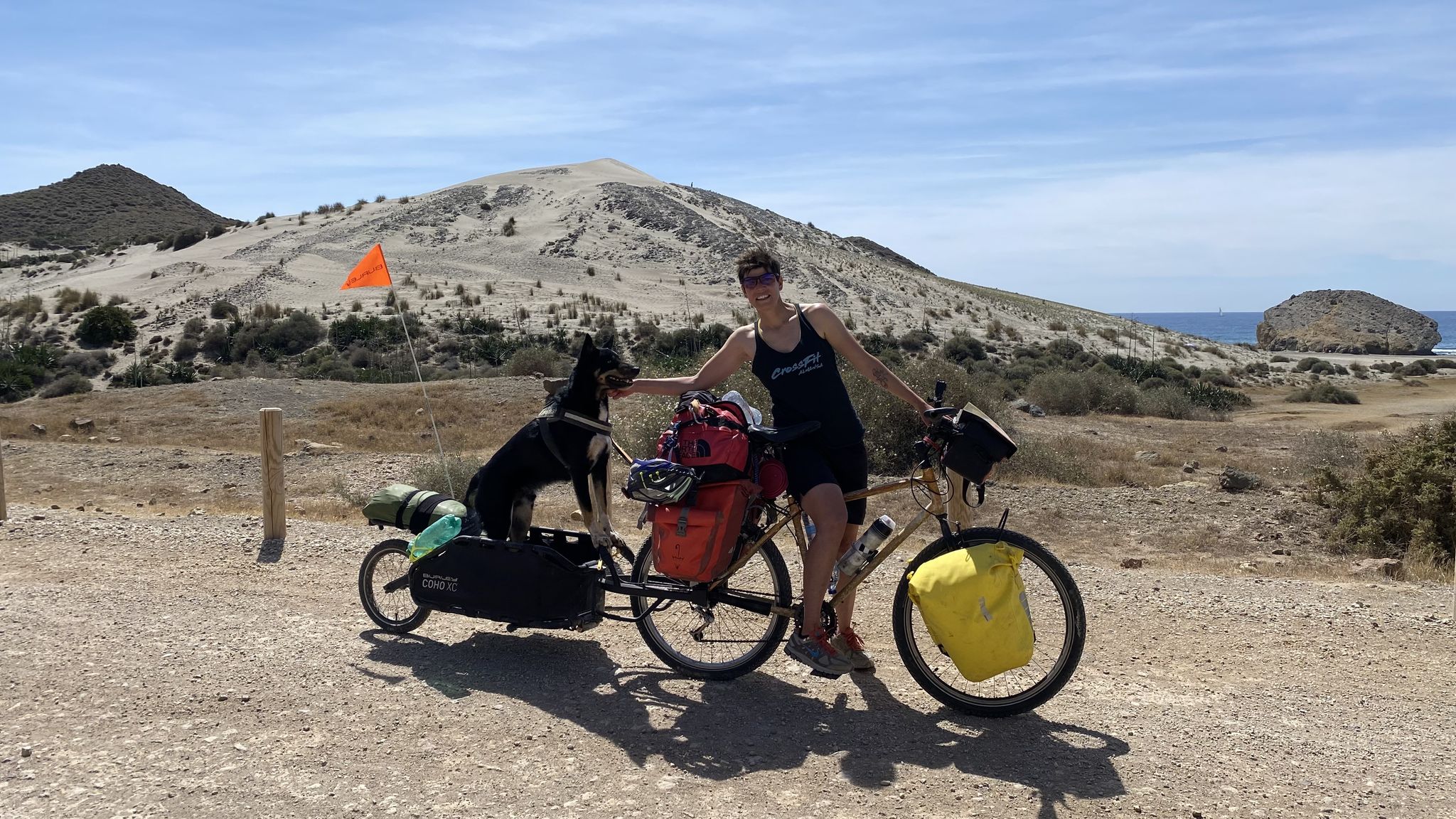
Let’s head south – cycle in Andalusia with me and my dog
A romantic journey in the footsteps of the Romans – Via de la Plata
Other adventures in Badajoz


Tips from the Community

A beautiful square of medieval origin, renovated between the 17th and 18th centuries.
1
1

In Tarragona, Mérida has the most Roman remains that are worth seeing one by one. The city of Mérida is on the Unesco World Heritage List. There is so much beauty to see!!
15
0
After Tarragona, Mérida has the most Roman remains, each one worth the effort. The city of Mérida is on the UNESCO World Heritage list.
13
0

Section of the Camino de Santiago towards Monesterio.
0
1

If you pass through Badajoz, you shouldn't miss visiting at least its Puerta de Palmas, its Alcazaba, and its cathedral.
1
0

Plasencia deserves to be walked through.
1
0

The Parador de Zafra is located in what was once the palace of the Dukes of Feria. The building clearly reflects its long and rich history, which includes the Extremaduran explorer Hernán Cortés, a distinguished guest of the palace. The Parador preserves beautiful coffered ceilings, chests, ironwork, handrails, and decorative elements from the former palace.
6
0
The Alange Castle, also known as the Culebra Castle, is a medieval fortress located in the municipality of Alange. It is located on the Cerro de la Culebra, 485 meters above sea level, offering panoramic views of the region. Built in the 9th century by the Moors on an old Roman fortress. It was conquered by the Christians in the 13th century and used until the 16th century. The castle is a fascinating place to explore history and enjoy nature.
7
0
Frequently Asked Questions
What are the most significant historical landmarks to visit in Badajoz?
Badajoz boasts a rich history reflected in its landmarks. Don't miss the impressive 9th-century Moorish citadel, the Alcazaba de Badajoz, which offers panoramic city views and houses the Provincial Archaeological Museum. Another key site is the monumental 16th-century Puerta de Palmas, once the main entrance to the walled city. The Puente de Palmas, the city's oldest bridge over the Guadiana River, is also a significant historical structure.
Are there any Roman ruins or sites near Badajoz?
Yes, the nearby city of Mérida, a UNESCO World Heritage site, is a treasure trove of Roman heritage. You can explore the Temple of Diana (Mérida), a well-preserved Roman temple, and the colossal Los Milagros Aqueduct. The Roman Bridge of Mérida, one of the longest in the Iberian Peninsula, is also a must-see.
What natural attractions or green spaces can I explore in and around Badajoz?
Within the city, you can enjoy the scenic Rivillas and Guadiana River Walk along the Guadiana River. Castelar Park, known for its tropical palm trees, and the Arabic-style Galera Gardens, overlooked by the Espantaperros Tower, offer pleasant green escapes. For a day trip, the Cornalvo Nature Reserve, centered around a Roman-era dam, is ideal for nature lovers. You can also visit the Cornalvo Dam itself.
Are there family-friendly attractions in Badajoz?
Many of Badajoz's historical sites are suitable for families, including walks along the Alcazaba walls and exploring the Puente de Palmas. The Los Milagros Aqueduct and Roman Monuments of Mérida are also listed as family-friendly. Castelar Park provides children's areas, and the nearby Cornalvo Dam offers easy trails for all ages.
Where can I find cultural sites and museums in Badajoz?
Badajoz offers several cultural sites. The Provincial Archaeological Museum, located within the Alcazaba, showcases over 15,000 pieces from the region. For modern art, visit the Museo Extremeño e Iberoamericano de Arte Contemporáneo (MEIAC). The Badajoz Carnival Museum provides insight into the city's important Carnival traditions. Don't forget to wander through the historic Plaza Alta and Plaza de España for a taste of local life.
What outdoor activities, like hiking or cycling, are available near Badajoz?
The region around Badajoz offers various outdoor activities. For hiking, you can find routes like the 'Embalse de Proserpina – circular walk' or the 'Cornalvo Reservoir Loop'. Cyclists can enjoy the 'Guadiana Natural Trail' or the 'Cornalvo Park and Reservoirs Loop'. You can explore more options for hiking, running, and cycling in the Badajoz guides.
Are there any castles or fortresses to visit in the Badajoz region?
Beyond the Alcazaba de Badajoz, you can visit the Castle of the Towers, located on the border between Andalusia and Extremadura, offering historical insights and views. Another notable fortress is Alange Castle. For a unique experience, the Parador Nacional Duques de Feria is a castle that has been converted into accommodation, allowing visitors to stay within a historical setting.
What are some less crowded or 'hidden gem' attractions in Badajoz?
For a quieter experience, explore the charming narrow streets of the Old Town (Casco Antiguo) to discover hidden courtyards and architectural details. The Plaza de la Soledad, home to the Ermita de la Soledad and La Giraldilla, offers a serene atmosphere. The Dolmen de Magacela is a historical site that provides a glimpse into ancient times away from the main city bustle.
Are there any viewpoints in Badajoz offering scenic panoramas?
The Alcazaba de Badajoz is an excellent spot for panoramic views of the city and the Guadiana River. The Castle of the Towers also provides a viewpoint over the surrounding landscape. For a pleasant stroll with views, the Puente de Palmas offers beautiful vistas, especially during sunrise or sunset.
What unique geological sites can be found in the province of Badajoz?
The province of Badajoz offers some fascinating geological sites. The Caves of Fuentes de León, located south of the city, are significant for their impressive stalactites and stalagmites. Another unique site is the Jayona Mine, a former iron ore mine converted into a geo-ecological interest site, featuring a distinct microclimate and diverse flora and fauna.
Is Badajoz accessible for visitors with wheelchairs?
The Puente de Palmas is listed as wheelchair accessible, offering a pleasant and inclusive experience for visitors to enjoy the river views and historical architecture. While many older sites may have limitations, modern infrastructure in the city center and some parks are generally more accessible.
Most popular routes in Badajoz
Most popular attractions in Badajoz

Get inspired with the komoot mobile app


Didn’t find what you were looking for?
Are you keen on exploring more awesome places nearby? Browse our guides:
Explore more
Still not found the Highlight you’re looking for? See guides of the top attractions in other regions:
