The 12 Most Amazing Peaks in Lugo
Best mountain peaks in Lugo are found across diverse landscapes, including the Sierra de los Ancares, Sierra de O Courel, and the mountainous areas of Ribeira Sacra. This province in Spain offers a range of natural features, from high peaks and deep valleys to forests and river canyons. The region is characterized by its natural beauty, providing opportunities for outdoor activities and insights into traditional Galician culture. Lugo's mountains feature peaks up to 1,935 meters, offering varied terrain for exploration.
…Last updated: October 16, 2026
Cebreiro Pass
Highlight • Mountain Pass
Translated by Google •
Tip by

The three passes of O Cebreiro
Highlight (Segment) • Mountain Pass
Tip by

Sign up now to discover places like this
Get recommendations on the best single tracks, peaks, & plenty of other exciting outdoor places.
Penedos de Casacamiño
Highlight • Natural Monument
Translated by Google •
Tip by

Pico dos Tres Bispos
Highlight • Summit
Translated by Google •
Tip by

The three peaks of Cebreiro
Highlight (Segment) • Mountain Pass
In the …
Translated by Google •
Tip by
Monte Faro Summit and Viewpoint
Highlight • Summit
Translated by Google •
Tip by
Monte Farelo Viewpoint
Highlight • Viewpoint
Translated by Google •
Tip by
Gravel Path to Monte Faro
Highlight • Trail
Translated by Google •
Tip by

Pico Mostallar
Highlight • Summit
Translated by Google •
Tip by
Pico Formigueiros
Highlight • Summit
Translated by Google •
Tip by
Sign up for free to discover even more peaks in Lugo.
Already have an account?
Start today with a free account
Your next adventure awaits.
Popular around Lugo
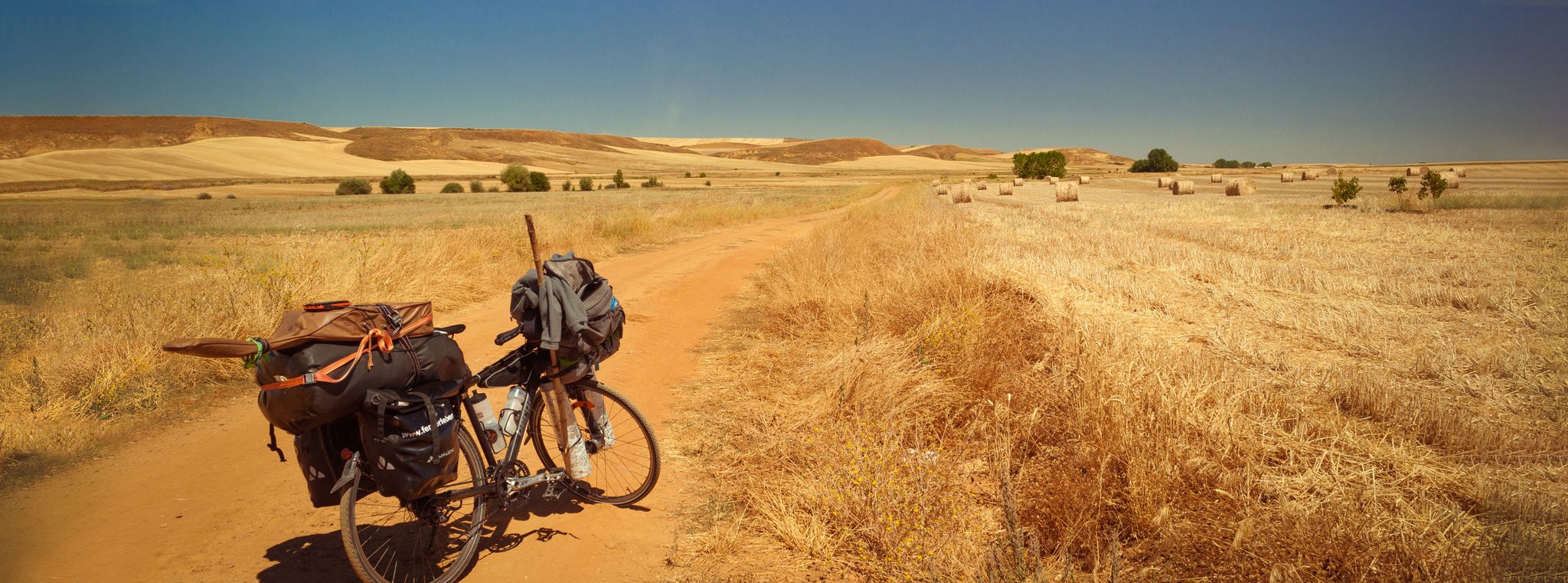
Camino Francés and Camino Finisterre – Cycling pilgrimages in Spain
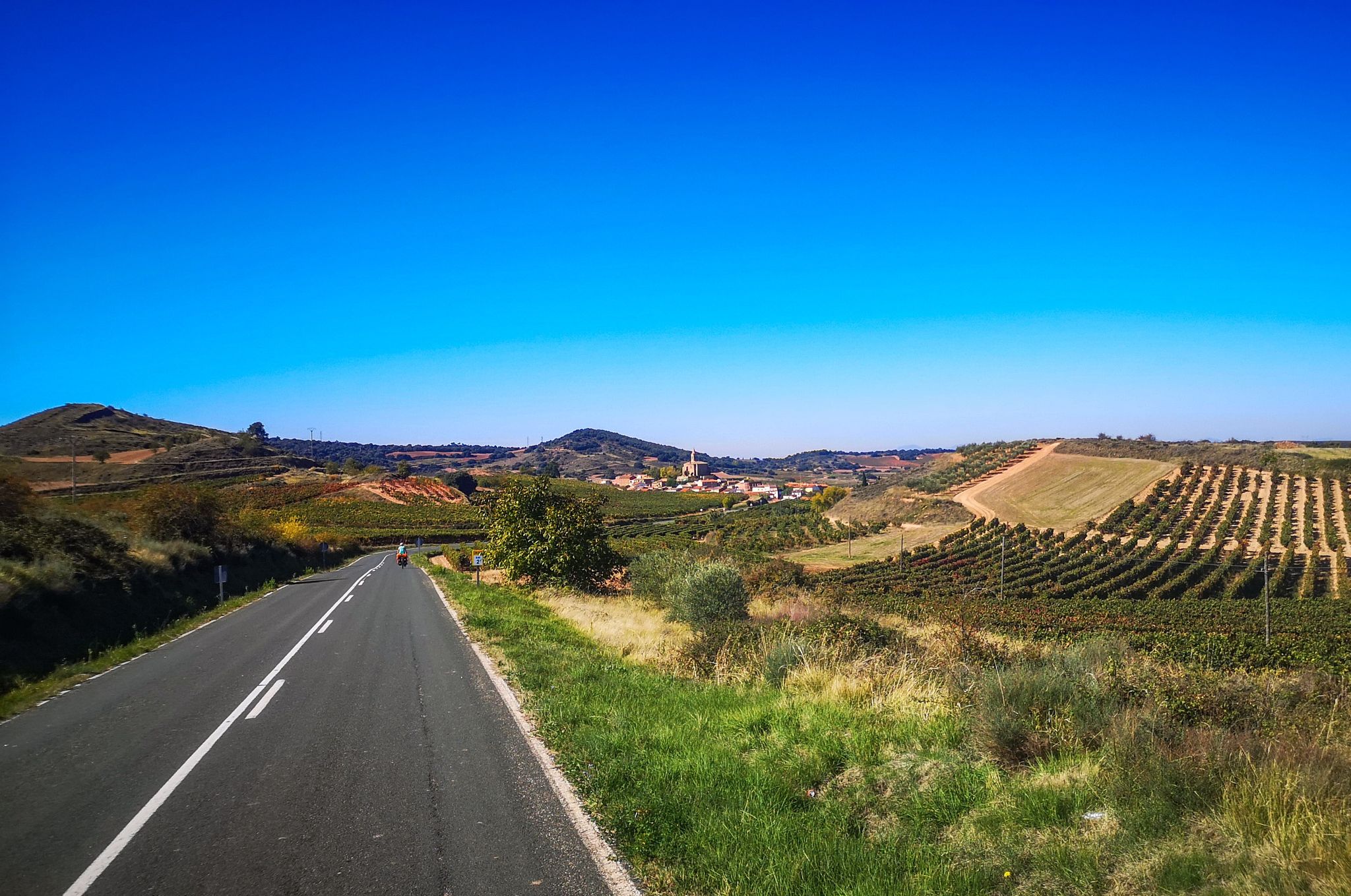
Santiago de Compostela – A journey through northern Spain (10 days)
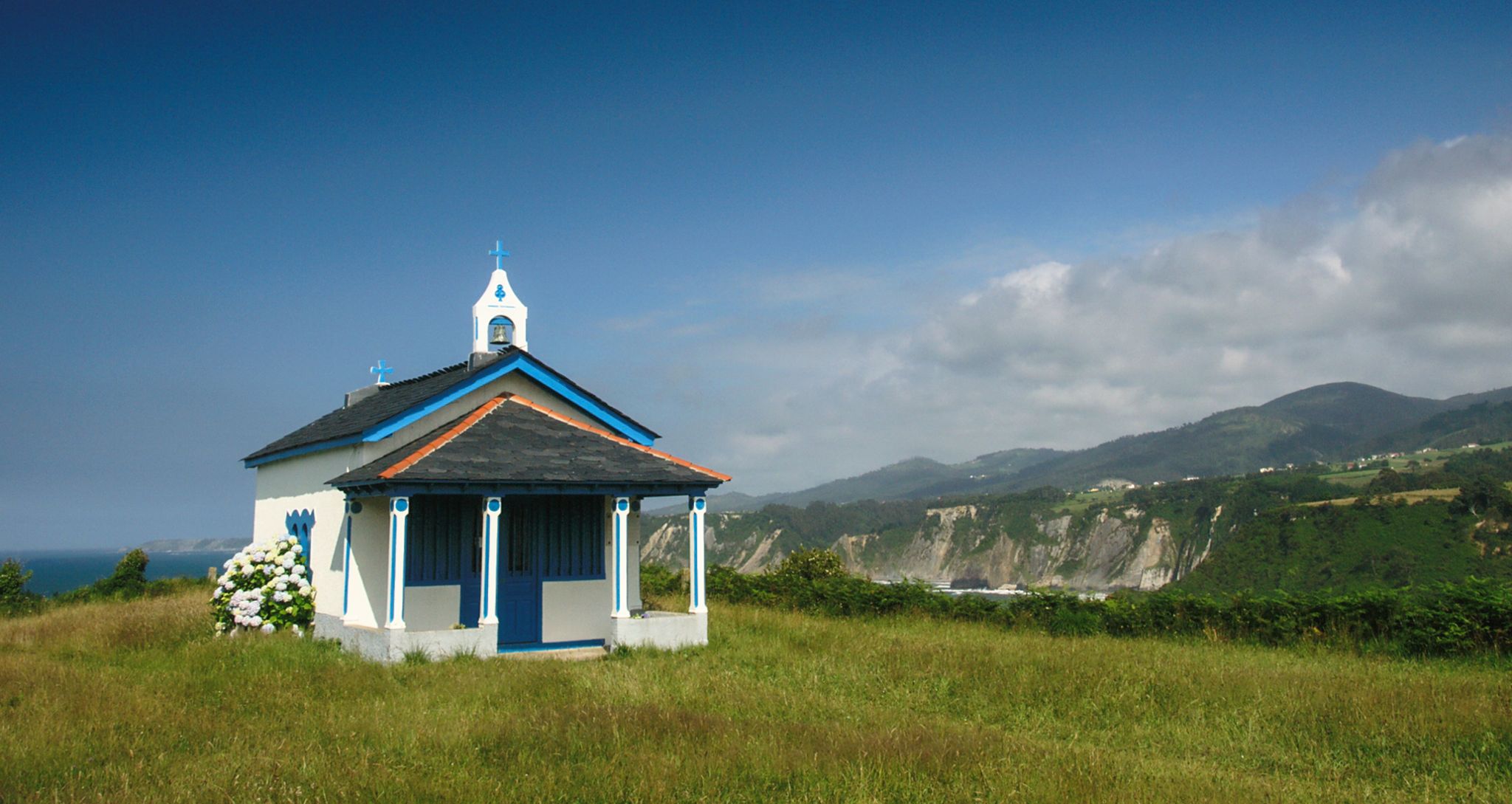
Camino del Norte – 15 stages
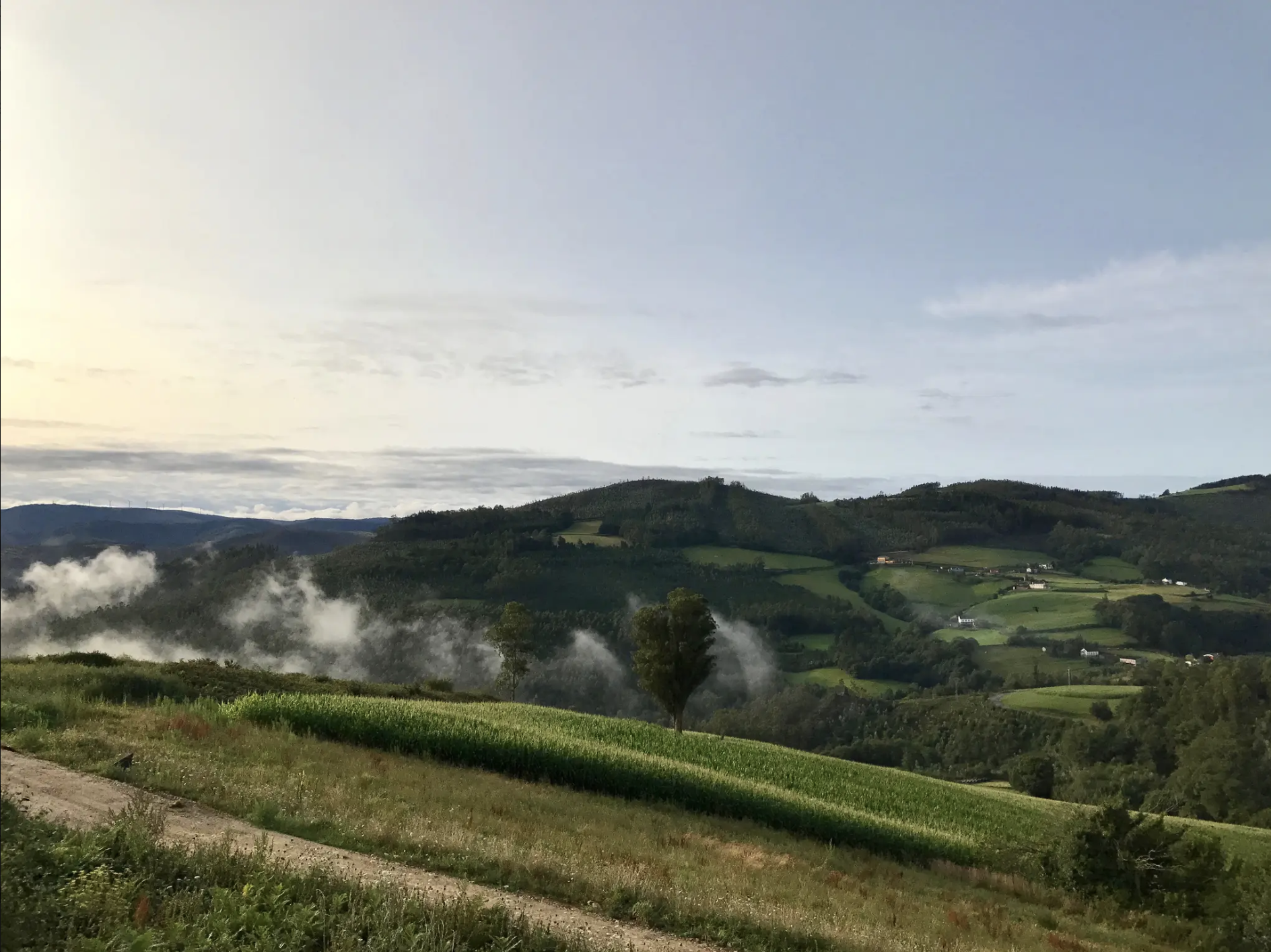
Camino del Norte (in reverse) – Discovering northern Spain's stunning coastline
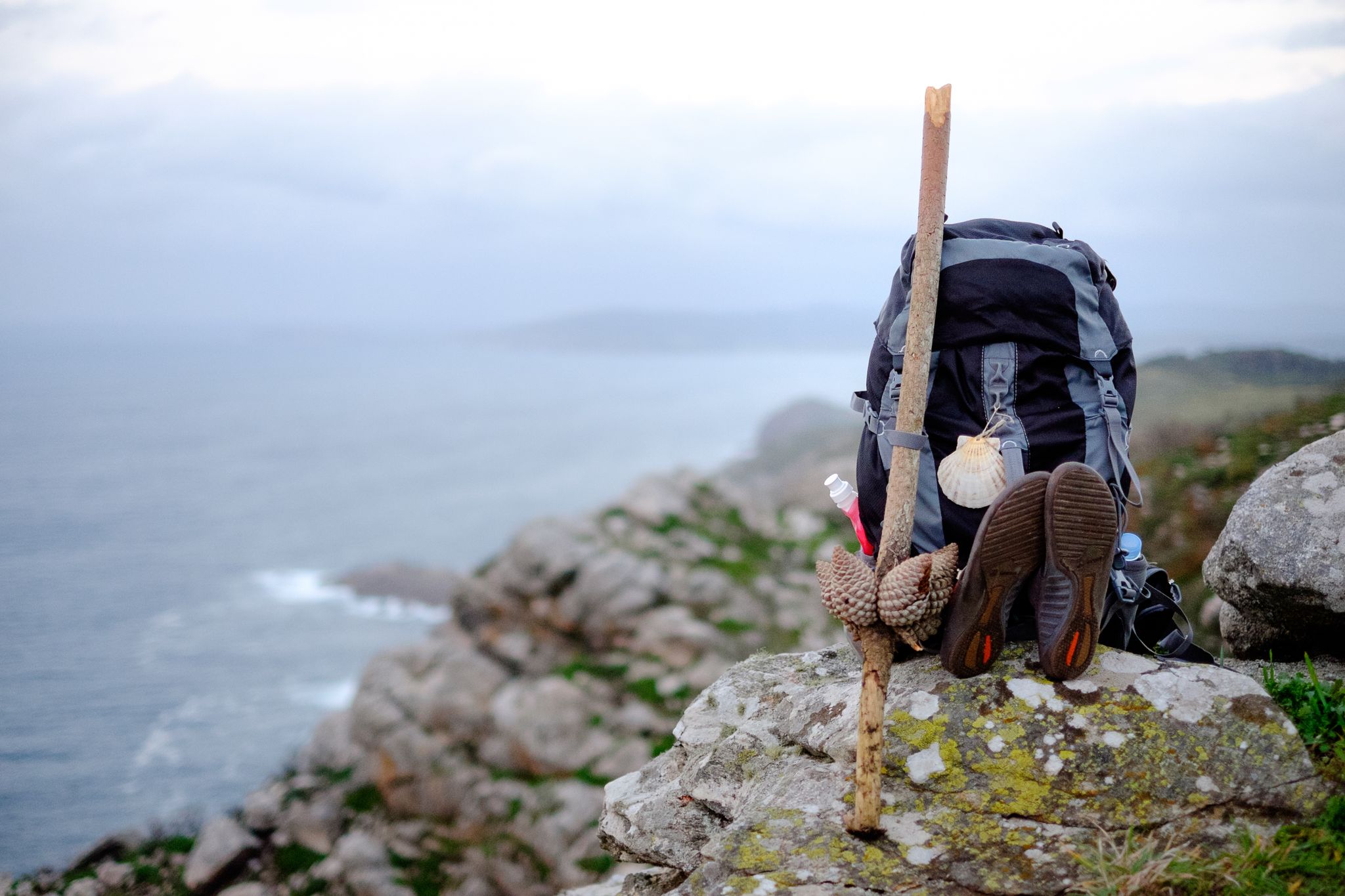
Way of St. James – 60 miles
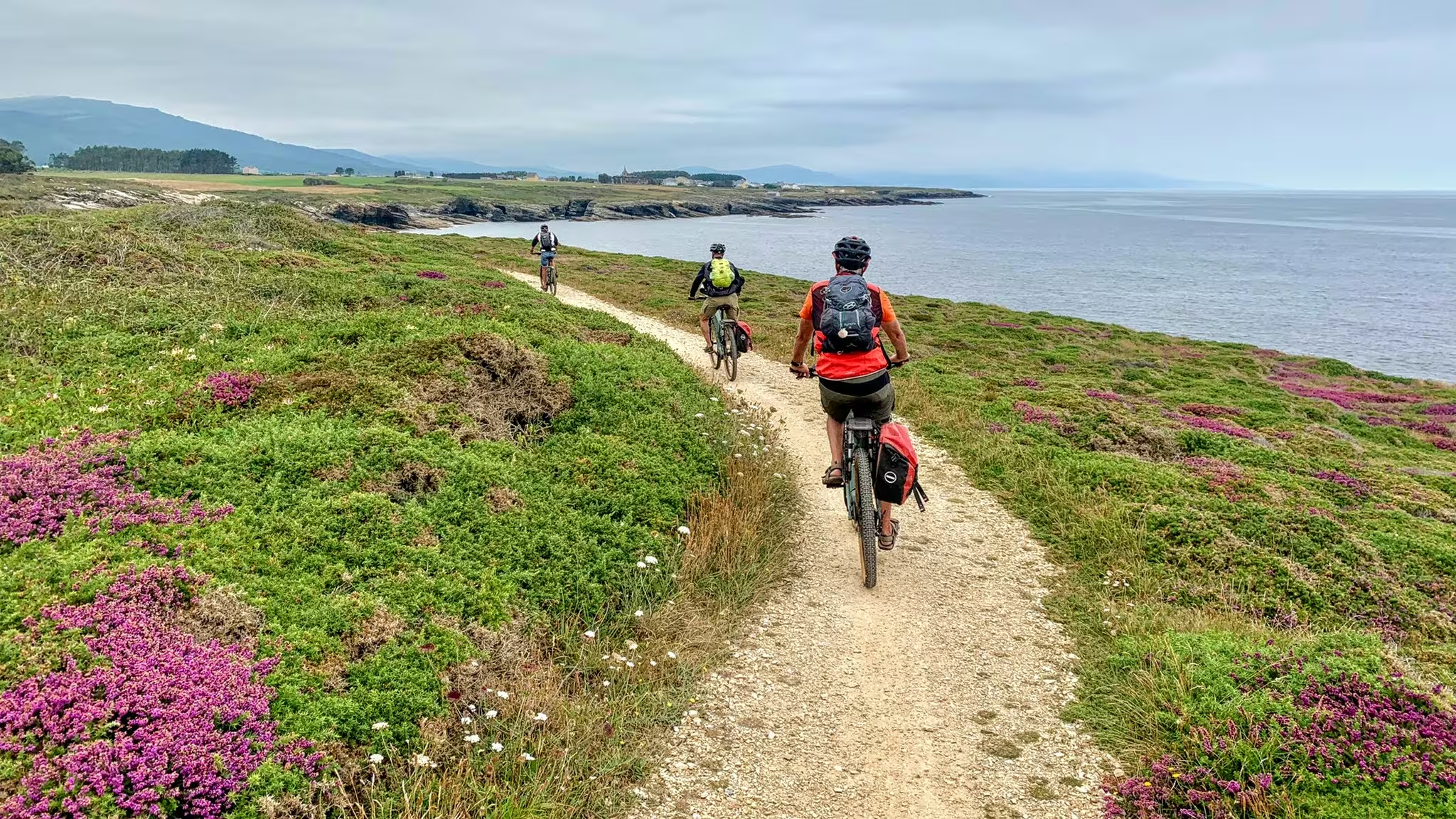
Galician coast by bike – Cantabrian Route nature trail
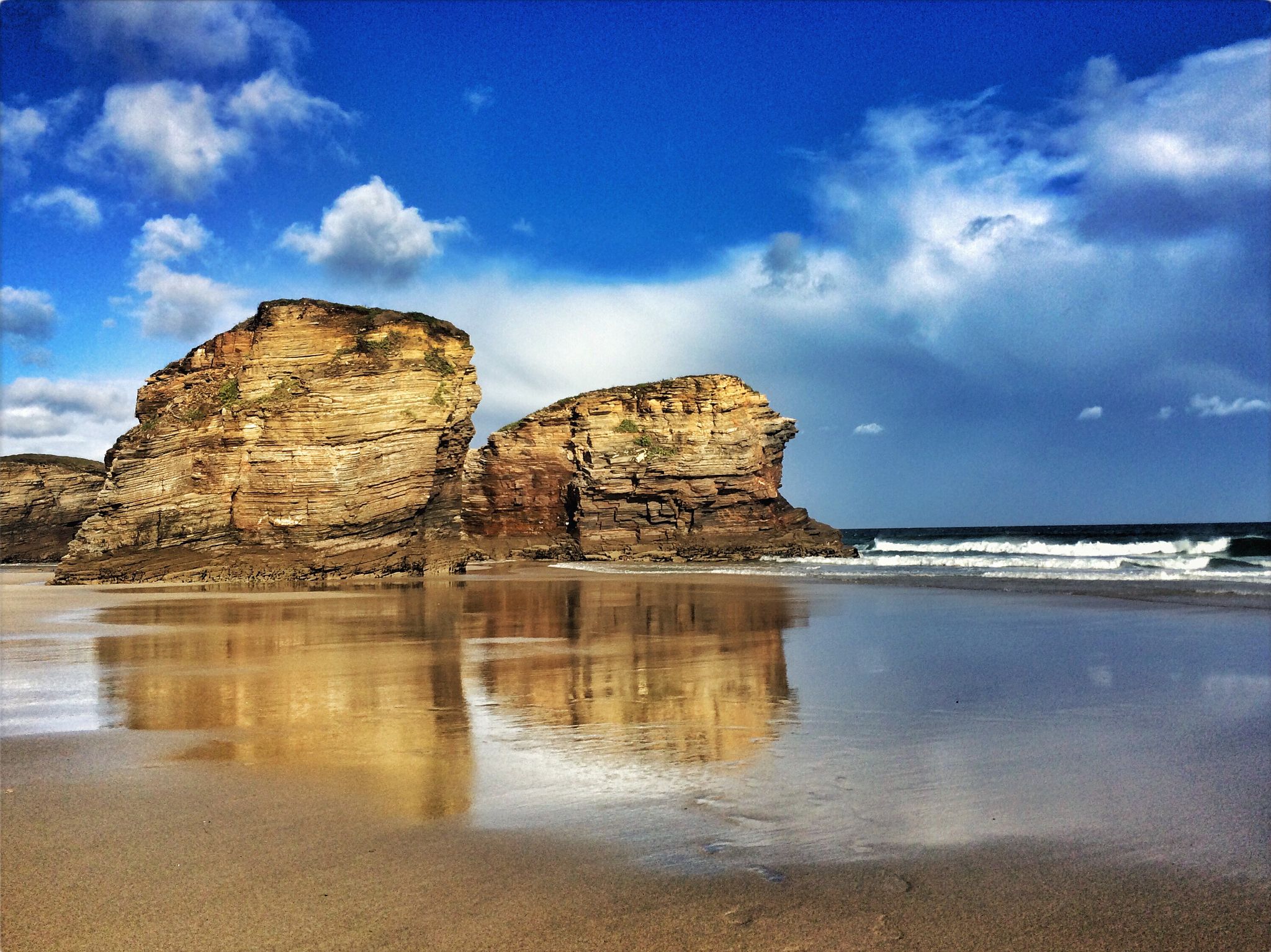
Along the Galician Coast - Camino Natural de la Ruta del Cantábrico
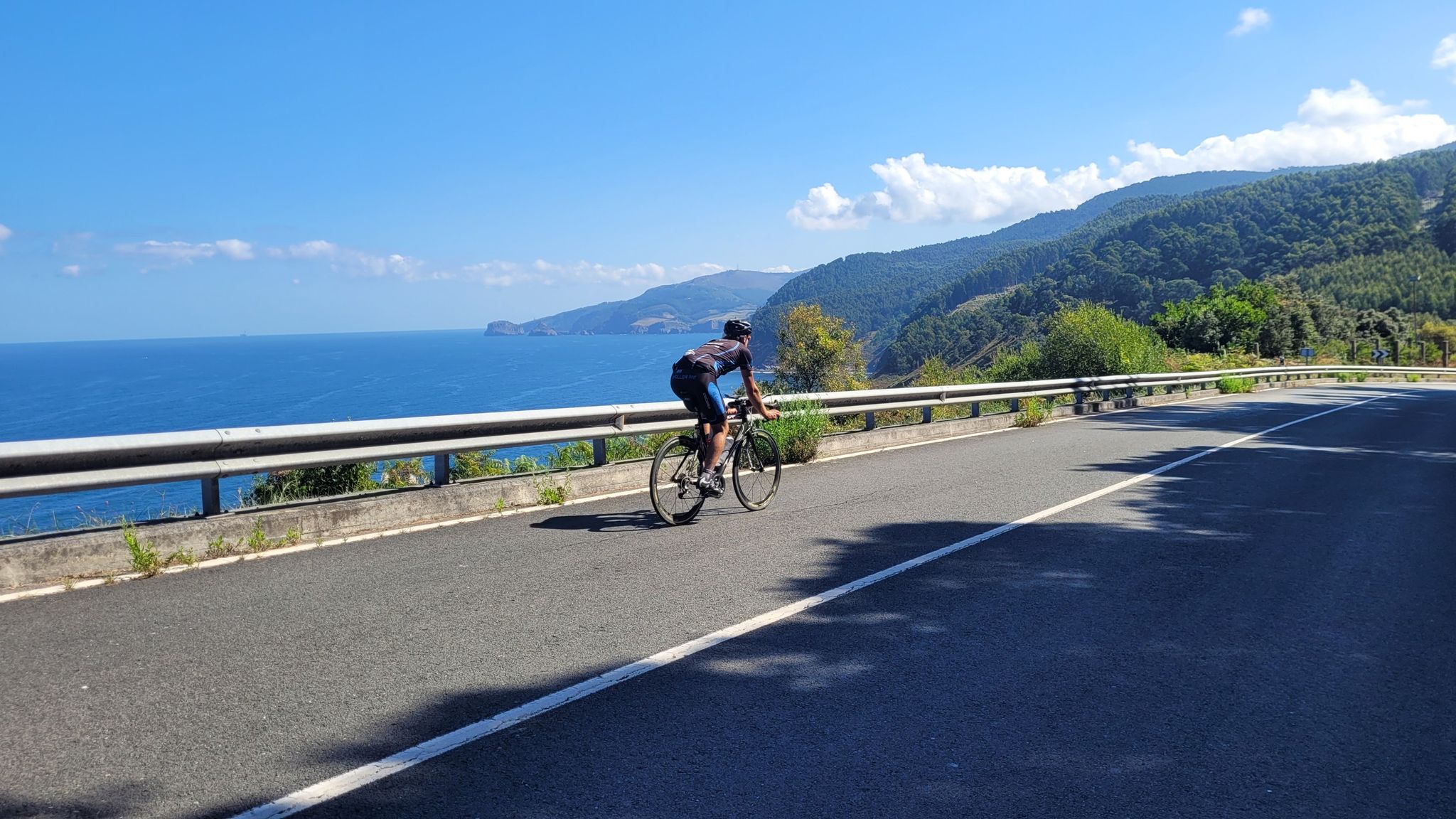
Cycling along the Cantabrian coast – the Northern Way
A pilgrimage on foot – Spain’s Primitive Way
The Camino Primitivo — From Oviedo to Santiago through history
Other adventures in Lugo


Tips from the Community

The Monte Farelo viewpoint is located between the provinces of Lugo and Pontevedra, in the municipalities of Agolada and Antas de Ulla, at an altitude of approximately 1,000 meters. From its platform with a railing, you can enjoy panoramic views that, on very clear days, extend to all four Galician provinces. From the summit of Monte Farelo, you can see: The Galician Ridge and mountain ranges such as O Faro, O Careón, O Xistral, and Os Ancares. A vast natural landscape encompassing forests, wind farms, and a privileged view of the geographical heart of Galicia.
3
0


Famous pass, feared by medieval pilgrims, practically connects the Bierzo with Galicia. The climb from Villafranca del Bierzo is no joke, but doable. Just take it easy.
4
0

Perfect road for a bike ride, you have to be careful in summer because of the vehicle traffic
0
0

Just a rock formation on the side of the road 🤙
2
1

At an altitude of approximately 950 metres, this viewing point offers spectacular panoramic views of the surrounding valleys and mountains, as well as the rivers that run through the area. Monte Farelo is an ideal place for hiking and nature lovers, offering a unique perspective of the Galician rural landscape. This viewing point is a point of reference in the region, providing a broad view of the surroundings, with a peaceful and natural environment, ideal for disconnecting and enjoying the mountainous landscape that characterises this area of Galicia.
1
1
Monte Faro, with a height of 1,187 metres, is located on the border between the provinces of Lugo and Ourense, Galicia. It is one of the highest points in the region and offers spectacular panoramic views of the Ribeira Sacra, the surrounding mountains and the valleys of the Miño and Sil. At its summit there is a hermitage dedicated to the Virgin of Monte Faro, a place of pilgrimage and local devotion.
0
0

After a long and hard climb you finally reach the pass and can be proud of yourself.
3
1
Frequently Asked Questions
What are the most popular mountain peaks and passes in Lugo?
Among the most popular are The three passes of O Cebreiro, a significant stage of the Camino de Santiago, featuring Alto do Cebreiro, Alto de San Roque, and Alto do Poio. Another highly regarded peak is Pico Mostallar, which is the highest point in Los Ancares and the entire province of Lugo.
Which mountain peak is the highest in Lugo province?
Pico Mostallar, located in the Sierra de los Ancares, stands at an altitude of 1,935 meters, making it the highest and most emblematic peak in the province of Lugo.
Are there any mountain peaks in Lugo that offer views across regional borders?
Yes, Pico dos Tres Bispos, at 1,794 meters, offers beautiful views over the Serra dos Ancares and marks the point where Galicia borders Castilla y León.
What kind of natural features can I expect to see when visiting Lugo's mountain peaks?
Lugo's mountain peaks offer a diverse range of natural features. You can find lush forests, deep valleys, and high peaks in the Sierra de los Ancares, which is also a UNESCO Biosphere Reserve. The Sierra de O Courel boasts thick vegetation, including unique *devesas* (diverse species forests), and the Ribeira Sacra features dramatic river canyons and terraced vineyards. Many peaks also offer spectacular viewpoints.
What historical or cultural sites are associated with the mountain peaks in Lugo?
The mountain regions of Lugo are rich in history and culture. The three passes of O Cebreiro are a crucial part of the Camino de Santiago, with the village of O Cebreiro known for its traditional *pallozas*. In the Sierra de O Courel, you can find Roman settlements and medieval buildings, while the Ribeira Sacra is famous for its numerous monasteries and Romanesque temples. Monte Faro also has a hermitage dedicated to the Virgin, a place of pilgrimage.
What outdoor activities can I do near the mountain peaks in Lugo?
The mountainous areas of Lugo are excellent for various outdoor activities. Hiking is very popular, with trails like the Ruta dos Ancares and routes in Devesa da Rogueira. You can also find mountain biking opportunities, especially around areas like Monte Faro. For more detailed route information, you can explore the Hiking in Lugo and MTB Trails in Lugo guides.
Are there any easy or family-friendly mountain walks in Lugo?
While many peaks offer challenging routes, there are also easier options. For instance, the area around Penedos de Casacamiño in the Sierra de Careón offers routes mainly along wide tracks. For a broader selection of less strenuous options, check out the Easy hikes in Lugo guide, which includes routes like the Augacaída Waterfall and Castro de Marce.
What is the best time of year to visit the mountain peaks in Lugo?
The best time to visit Lugo's mountains for hiking and outdoor activities is generally during spring (April to June) and autumn (September to October). During these seasons, the weather is typically mild, and the landscapes are vibrant. Summer can also be pleasant, especially at higher altitudes, but can be warmer. Winter can bring snow, particularly to the higher peaks like Pico Mostallar, offering different challenges and scenery.
Can I find viewpoints that offer panoramic vistas of the region?
Absolutely. Many peaks and passes in Lugo are renowned for their panoramic views. Monte Farelo Viewpoint is a notable spot, and Monte Faro offers spectacular panoramic views of the Ribeira Sacra and the valleys of the Miño and Sil rivers. Peaks like Pico Formigueiros and Monseivane Summit also provide excellent vantage points.
What kind of wildlife can be spotted in the mountain ranges of Lugo?
The Sierra de los Ancares, a UNESCO Biosphere Reserve, is particularly rich in diverse flora and fauna, making it excellent for observing rare wildlife and birdwatching. The region's lush forests and varied ecosystems support a range of species, offering opportunities for nature enthusiasts to spot local wildlife.
Are there any unique geological formations to see in Lugo's mountains?
Yes, the Penedos de Casacamiño in the Sierra de Careón are an interesting example of unique rock formations. These snow-capped rocks stand out over the scrubland, providing a distinctive geological feature to explore.
Most popular routes in Lugo
Most popular attractions in Lugo

Get inspired with the komoot mobile app


Didn’t find what you were looking for?
Discover Lugo’s best peaks and summits by region:
Explore more
See even more amazing summits in Lugo with these guides:
