Attractions and Places To See in Monmouthshire - Top 20
Best attractions and places to see in Monmouthshire include a mix of historic sites, natural landscapes, and cultural experiences in southeast Wales. The region is characterized by its river valleys, such as the Wye and Usk, and its proximity to the Bannau Brycheiniog (Brecon Beacons) National Park. Monmouthshire features numerous castles and ancient structures, reflecting its historical significance as a border region. Diverse natural features range from dramatic limestone gorges to mountain peaks, offering varied outdoor exploration.
Best attractions and places to see in Monmouthshire
- The most popular attractions is Sugar Loaf Summit, a summit that offers panoramic views across the Brecon Beacons National Park and the River Severn. Its conical shape makes it a distinctive landmark in the Black Mountains.
- Another must-see spot is Skirrid Fawr summit, a natural monument and challenging climb. This iconic mountain, also known as the Holy Mountain, features the ruins of an Iron Age hill fort and a medieval chapel at its summit.
- Visitors also love Tintern Abbey, a historical site and religious building. These exquisitely preserved ruins, founded in 1131, stand on the banks of the River Wye and have inspired artists and poets for centuries.
- Monmouthshire is known for its impressive collection of castles, diverse natural landscapes, and cultural sites. Visitors can explore ancient fortifications, river valleys, and museums, alongside opportunities for stargazing.
- The attractions in Monmouthshire are appreciated by the komoot community. Over 200 users have upvoted these highlights, and more than 130 photos have been shared.
Last updated: October 9, 2026
Blorenge summit
Highlight • Natural Monument
Tip by

Skirrid Fawr summit
Highlight • Climb
Tip by

Sign up now to discover places like this
Get recommendations on the best single tracks, peaks, & plenty of other exciting outdoor places.
Sugar Loaf Summit
Highlight • Summit
Tip by

Biblins Suspension Bridge
Highlight • Viewpoint
Tip by
Tintern Abbey
Highlight • Historical Site
The abbey fell into ruin after the Dissolution but its fame didn't fade for long. In fact, it's been the subject of poetry and art since the 18th century, notably featuring in William Turner's painting, The Chancel and Crossing of Tintern Abbey. It's under the management of the Welsh government's Cadw department and there's an entry fee if you'd like to walk around the ruins.
Tip by

Keeper's Pond (Pen-Ffordd-Goch Pond)
Highlight • Natural Monument
Tip by
The Punchbowl Lake
Highlight • Natural
Tip by

Skirrid Ridge (Ysgyryd Fawr)
Highlight (Segment) • Trail
Tip by

Gospel Pass (Bwlch yr Efengyl)
Highlight (Segment) • Mountain Pass
Tip by

Chepstow Castle
Highlight • Viewpoint
Tip by
Sign up for free to discover even more attractions in Monmouthshire.
Already have an account?
Start today with a free account
Your next adventure awaits.
Popular around Monmouthshire
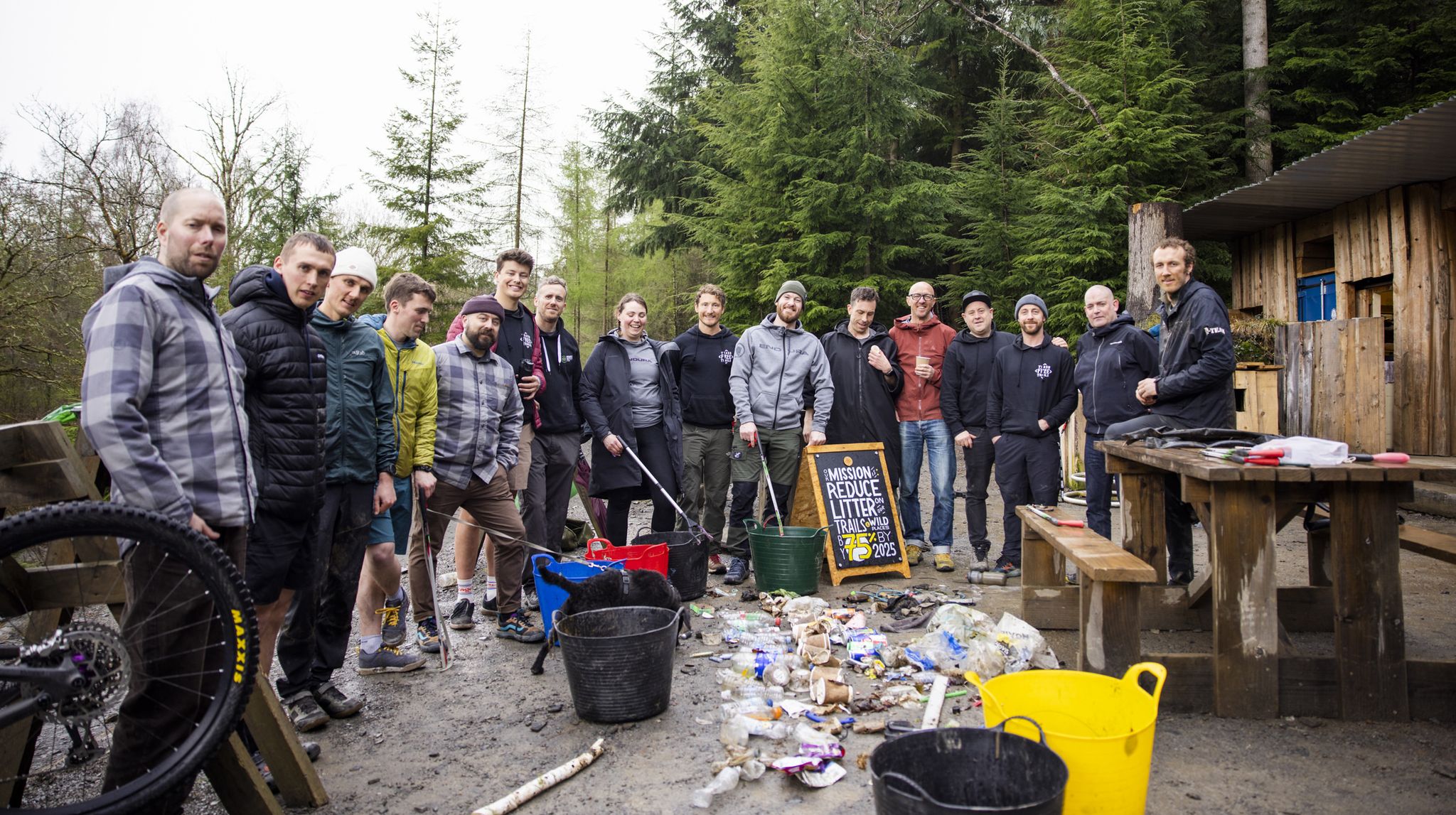
Adventures with a Purpose – our A-TEAMers’ best routes
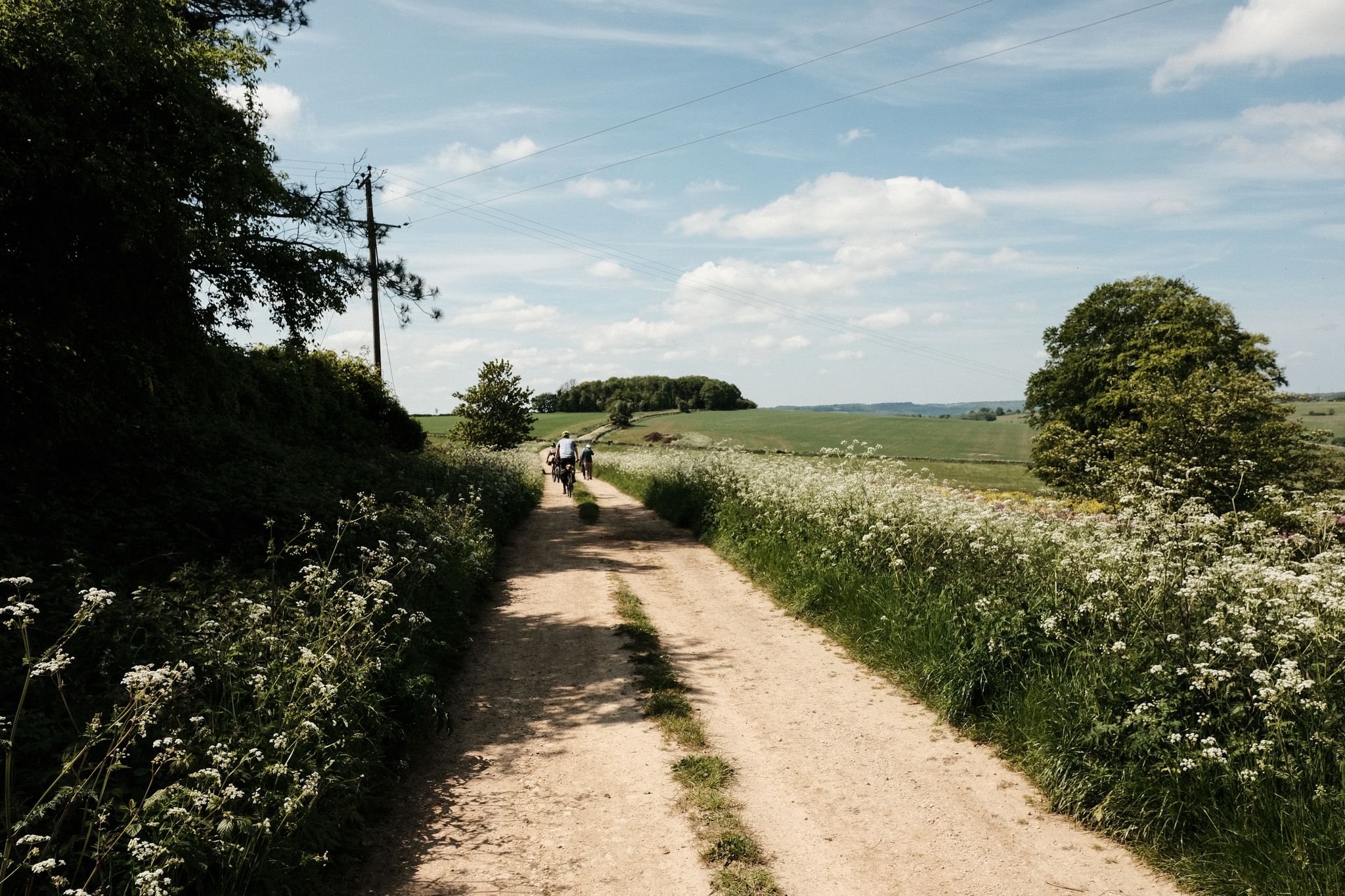
Middle Earth Loop — bikepacking the Wye, Malverns and Cotswolds
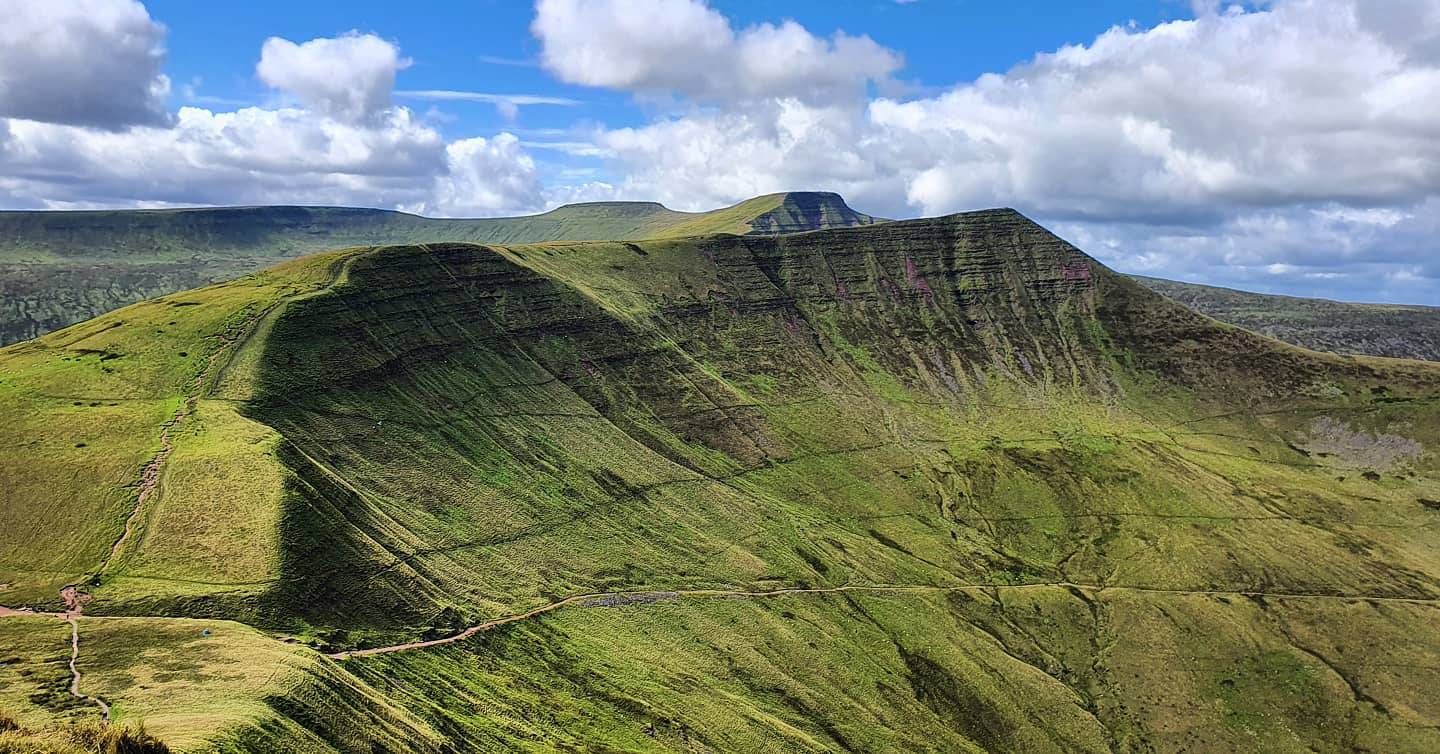
Beacons Way — Hike the high, emerald spine of South Wales
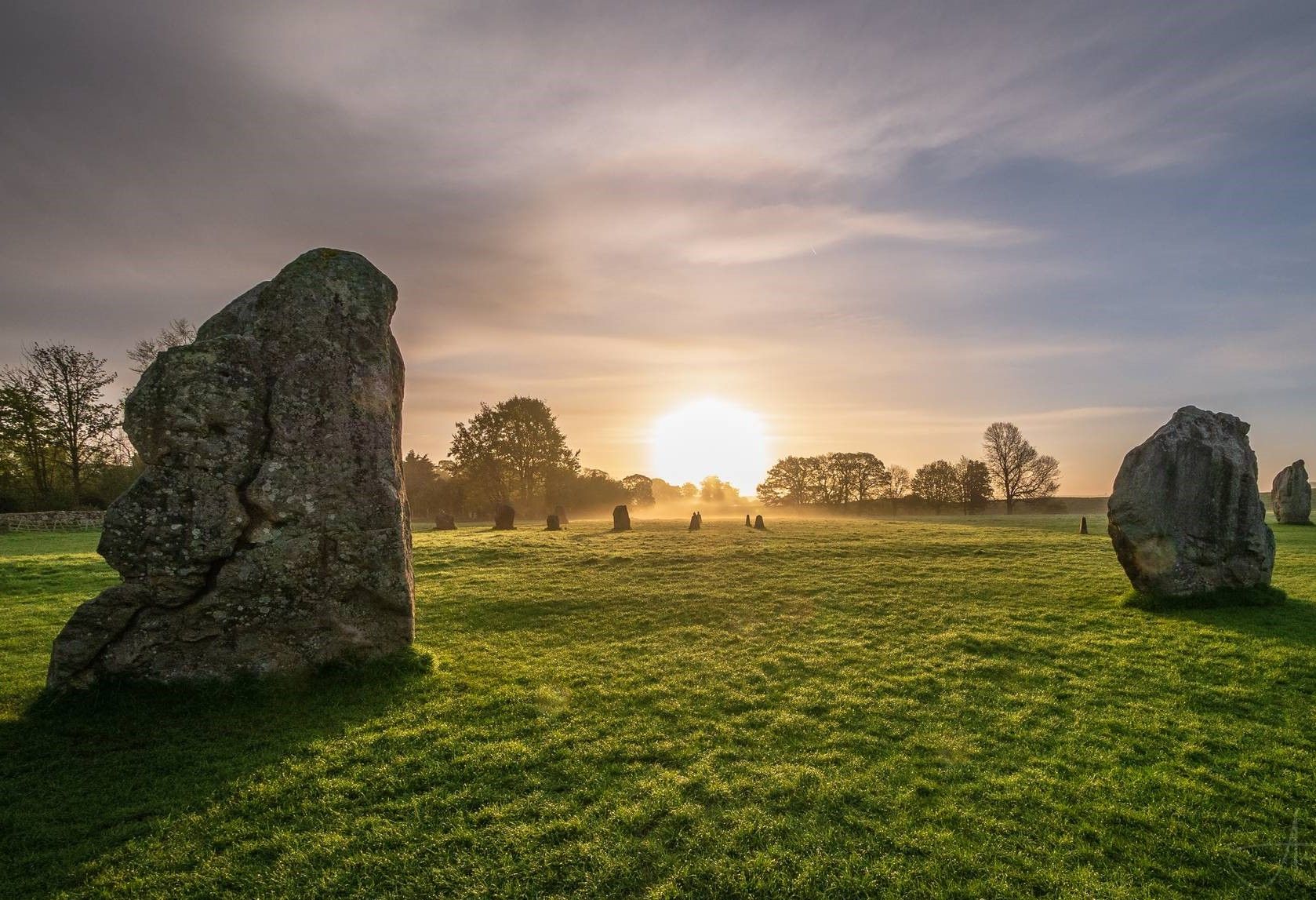
Celtic Way — An epic pilgrimage through prehistory and wild beauty
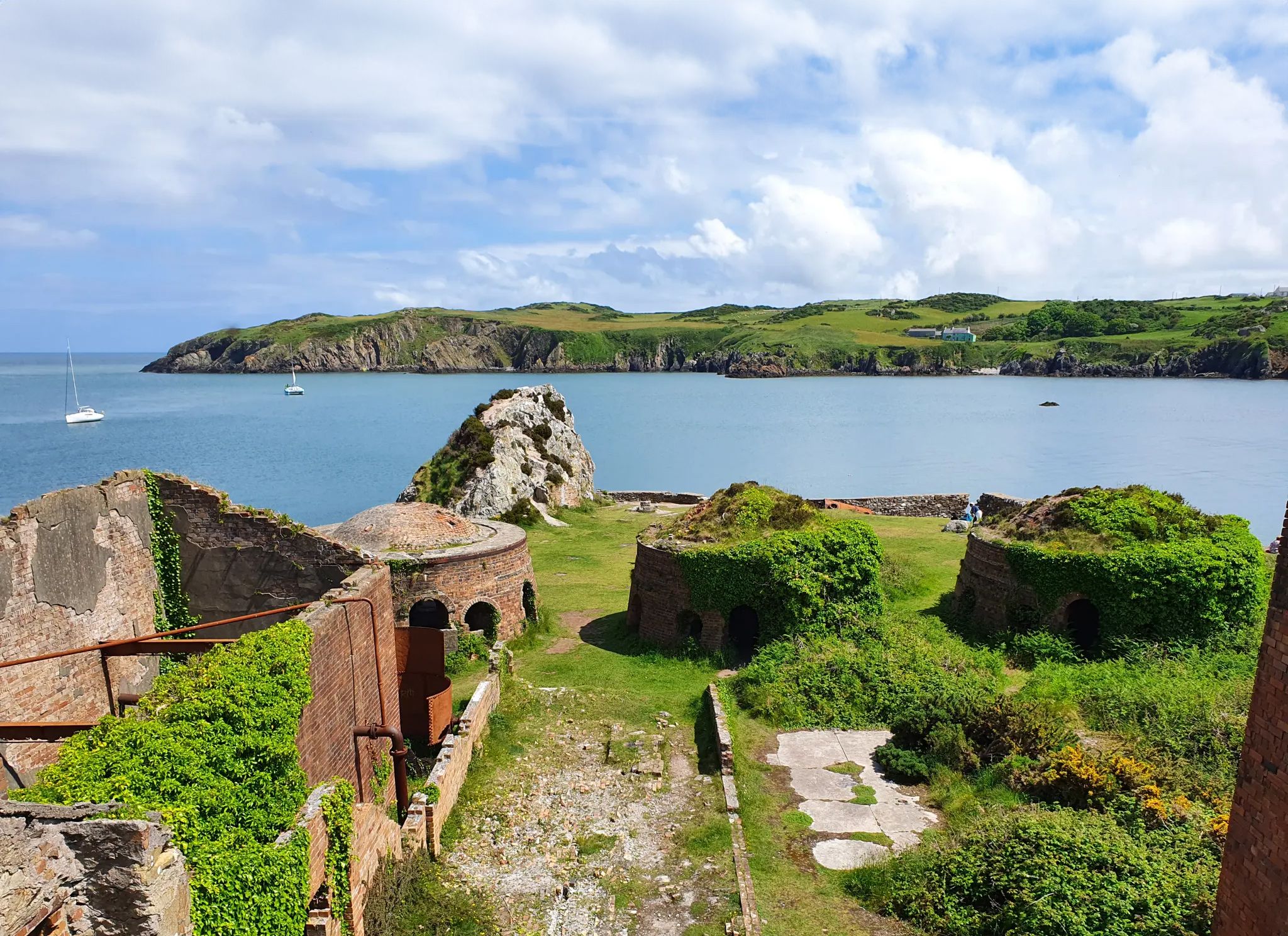
O Fon i Fynwy — Exploring Wales on foot from top to bottom
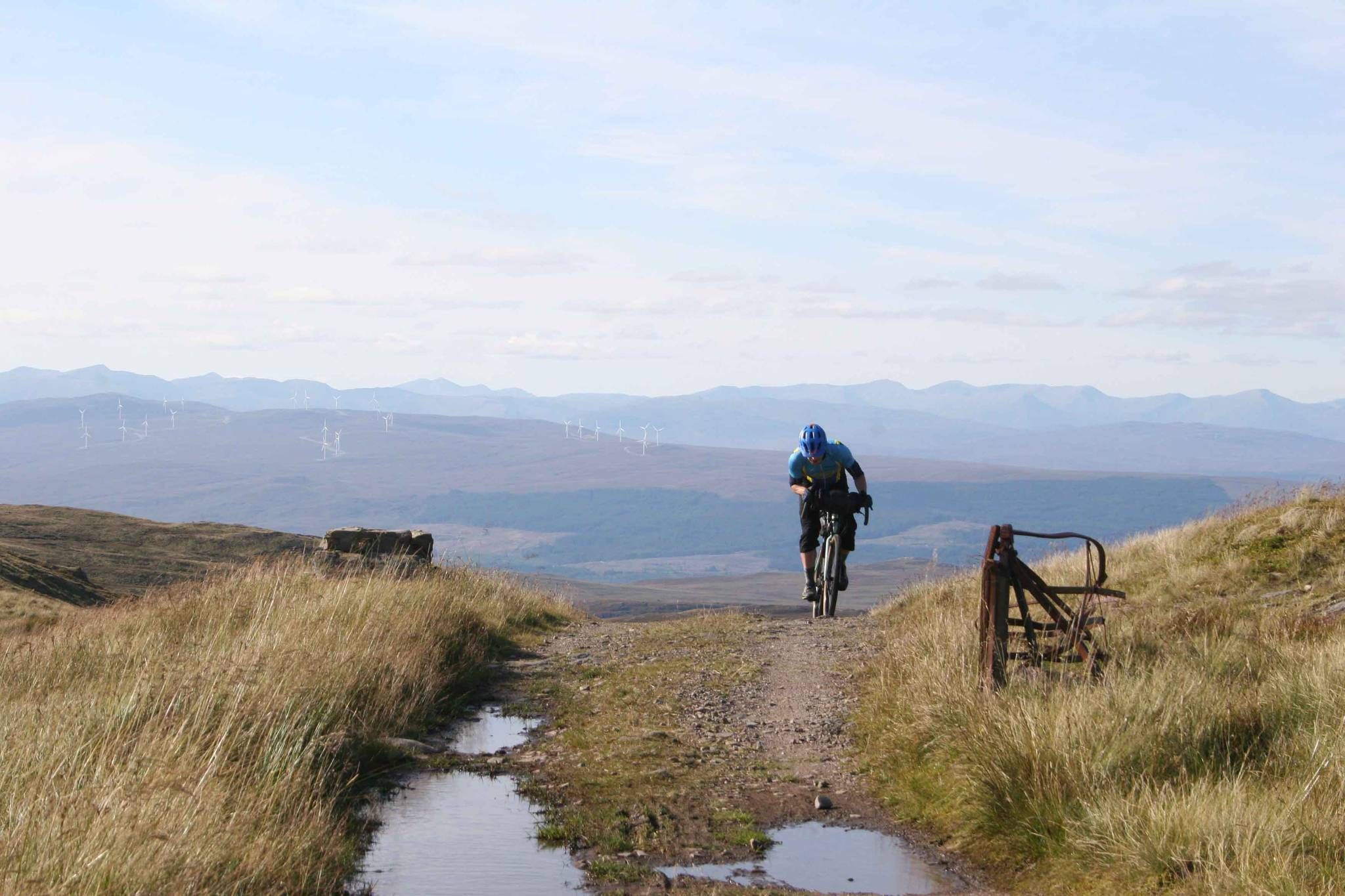
GB Divide — Great Britain end to end off-road on GBDURO
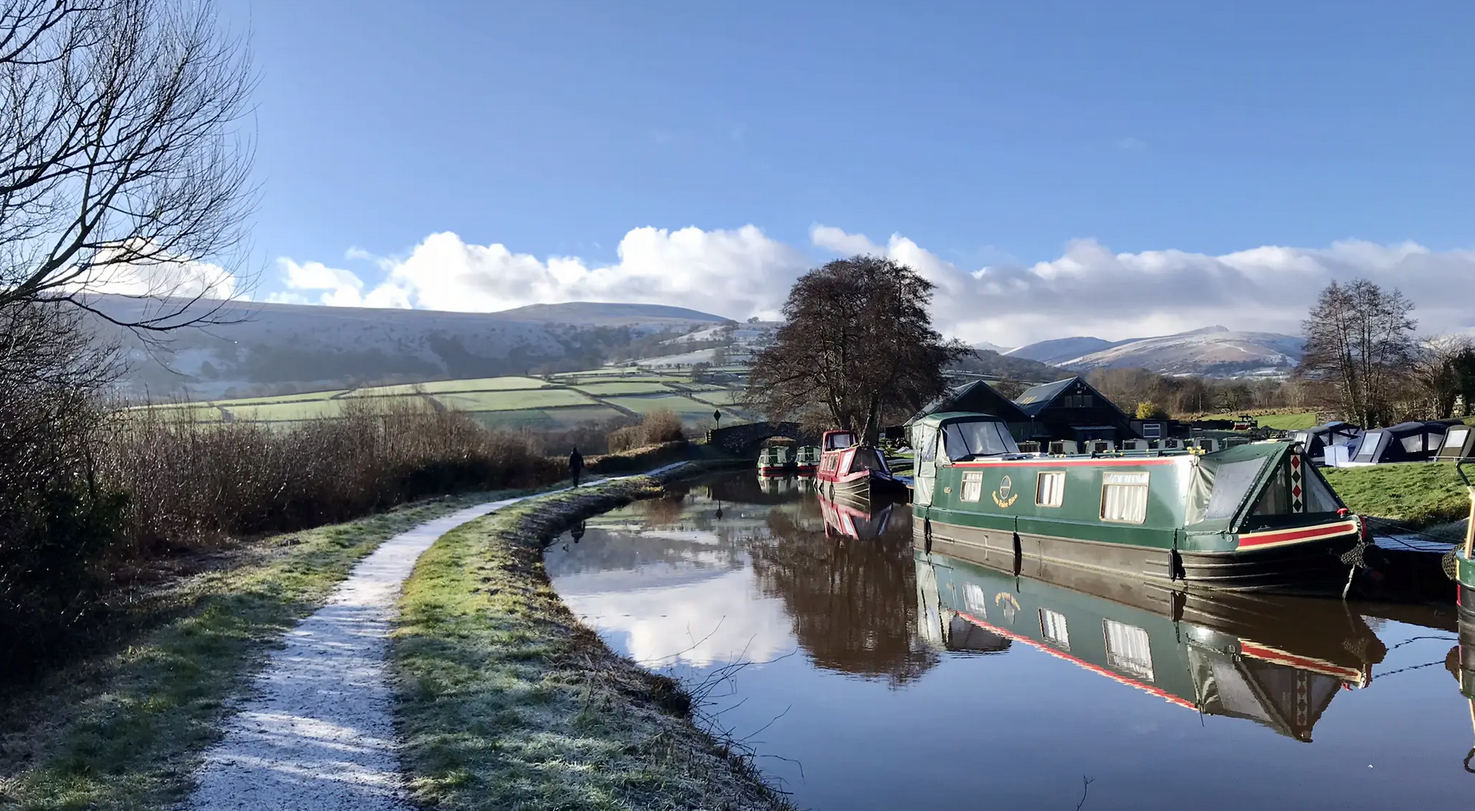
Usk Valley Walk — A river ramble into the Brecon Beacons
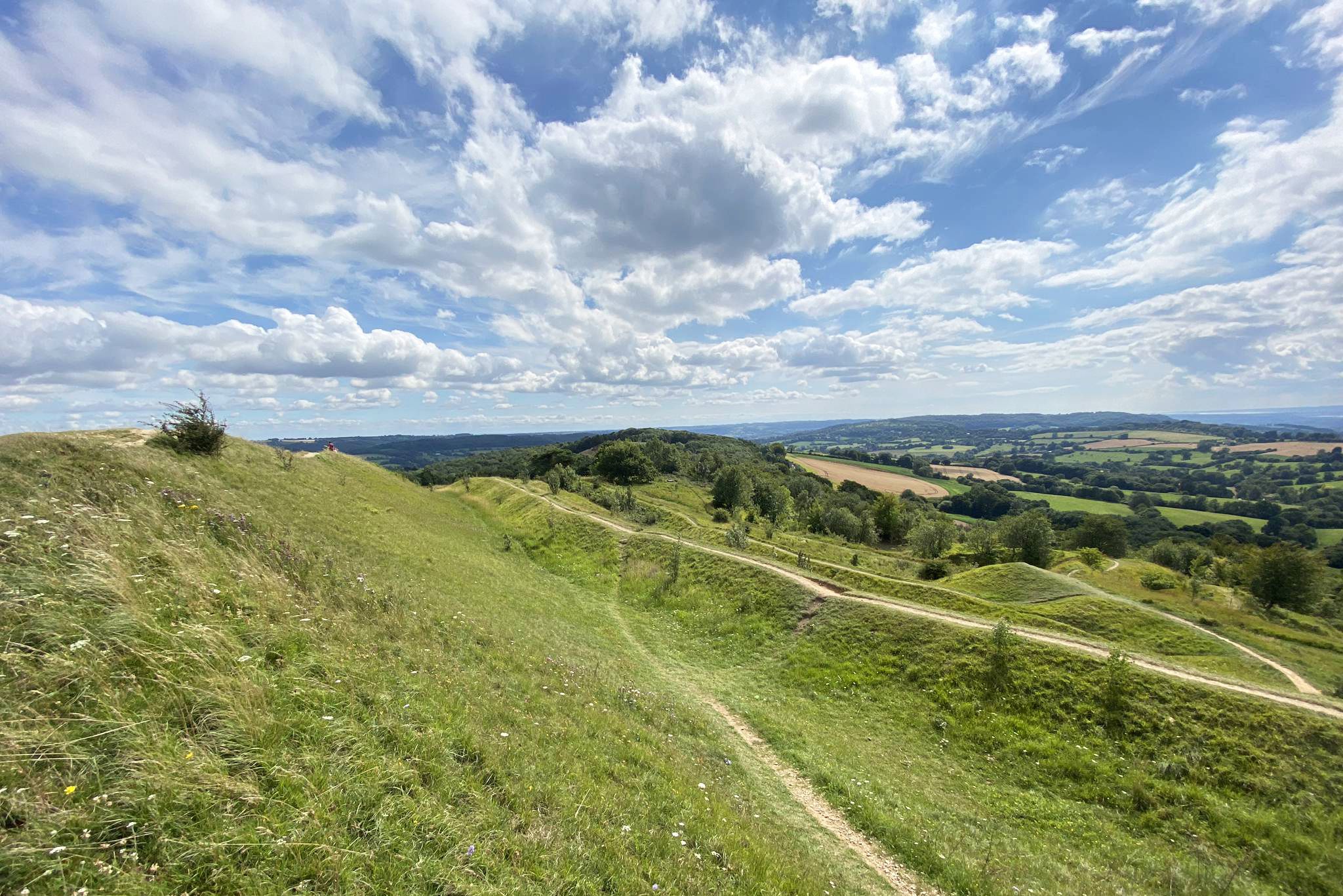
Wysis Way — Hike the golden link between the Wye and Thames
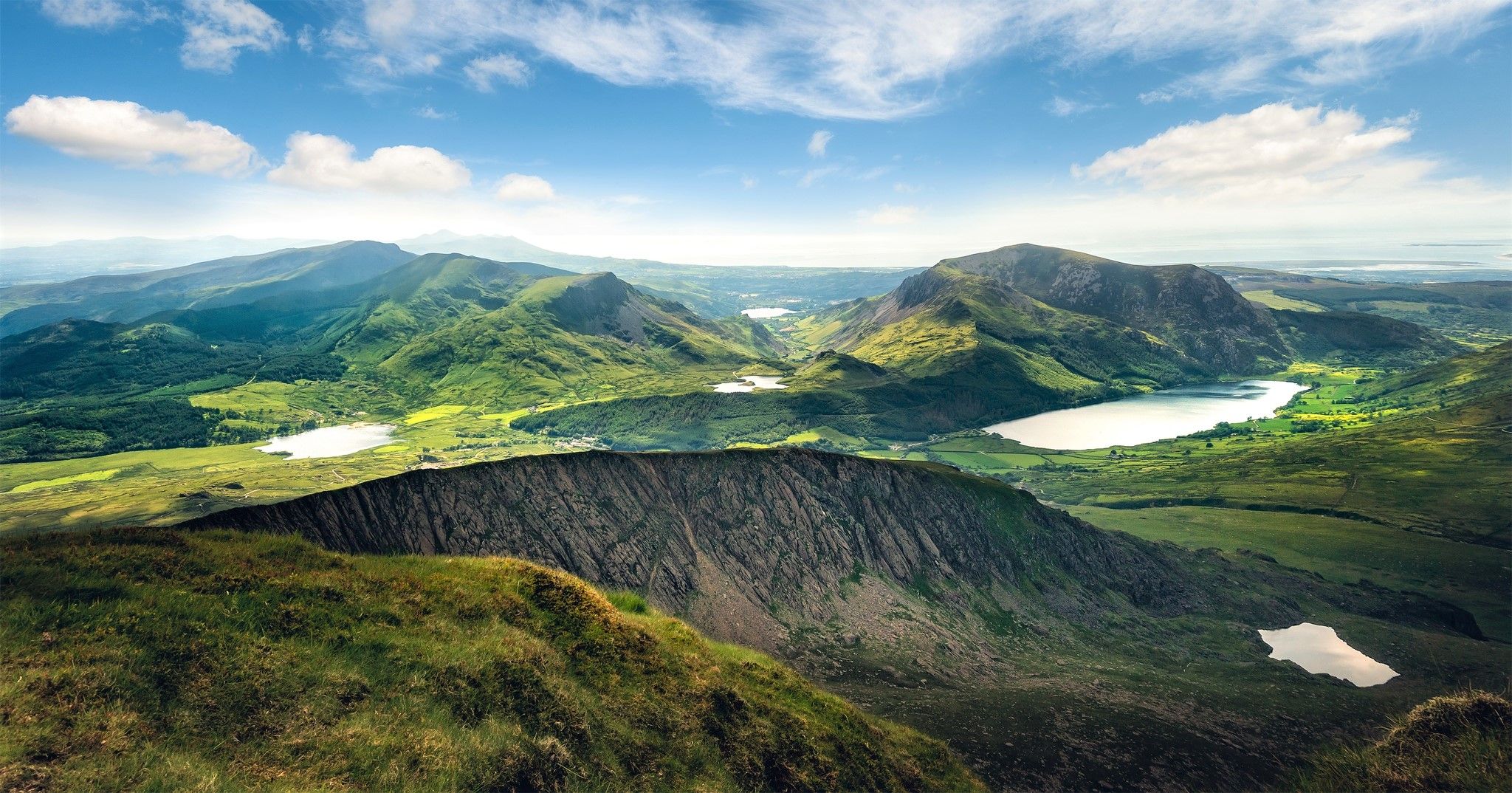
Cambrian Way — Hike the highest, wildest and most beautiful trail in Wales
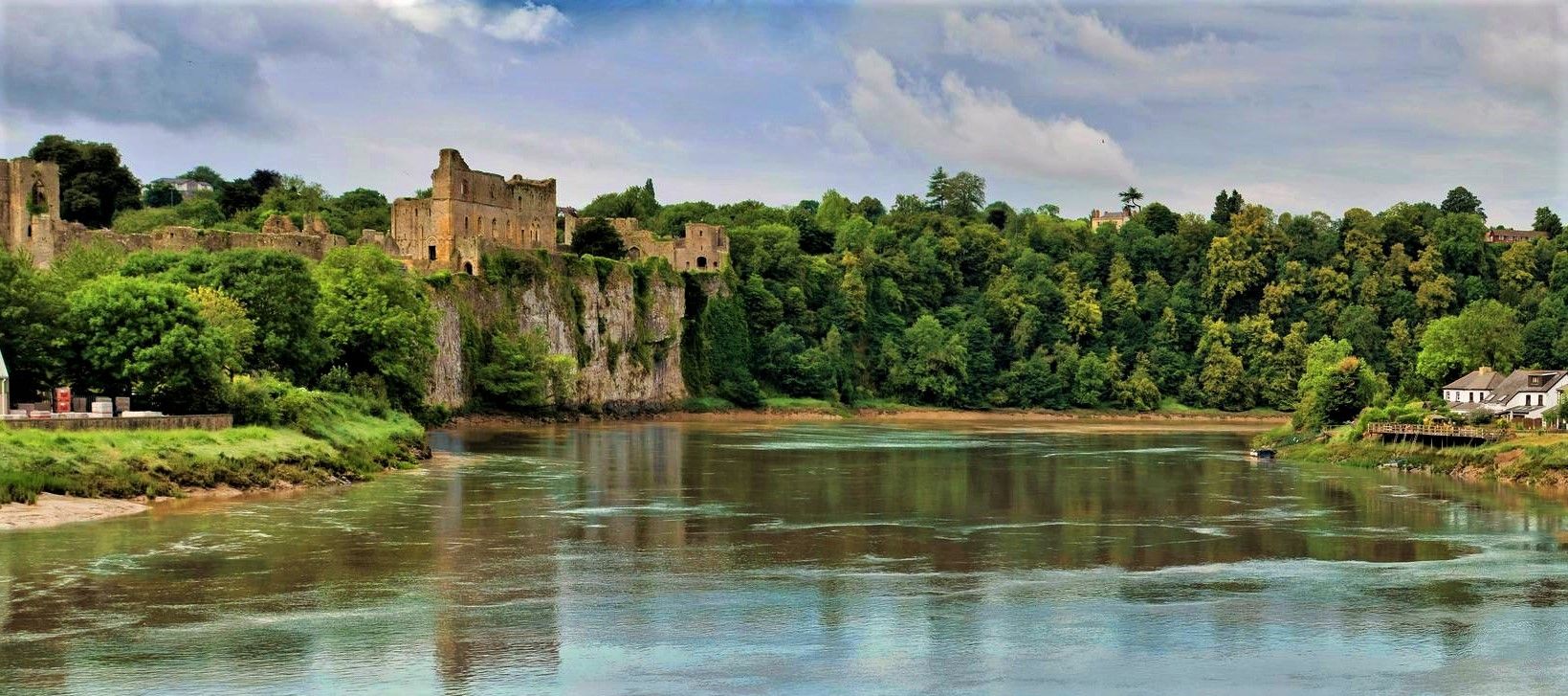
Wye Valley Walk — A riverside hike from lowlands to mountains
Other adventures in Monmouthshire


Tips from the Community

Fine little hill, Black Mountains outlier. Steepish at first but a straightforward and rewarding outing.
0
0

Easy accent if climbing from the side of the national trust carpark. For a more challenging climb, accend from the opposite side.
0
0

The Gospel Pass (Welsh: Bwlch yr Efengyl) is the highest road pass in Wales. It is at the head of the Vale of Ewyas in the Black Mountains of southeast Wales. Starting from Abergavenny the narrow mountain road climbs steeply to a height of 549 metres (1,801 ft) above sea level, squeezing between the mountains of Twmpa to the west and Hay Bluff to the east, before dropping down into the valley to the south on its way to Llanthony Priory, Llanfihangel Crucorney and Abergavenny. At one time a small lead-mining operation was established at the pass. The Gospel Pass is one of the most celebrated locations within the Brecon Beacons National Park, being a popular destination for sightseers and is popular too with walkers and cyclists. Indeed, the Gospel Pass road forms a part of route 42 of the National Cycle Network. It also featured in the opening scenes of the film "An American Werewolf In London".
2
0

Easy walk, bit rocky at the top, very enjoyable walk
0
0

Formally known as the Sugar Loaf Mountain and is one of the highest peaks in the heart of the Black Mountains. It stands at 1,955 feet high (596 metres). An iconic peak Its conical shape is reminiscent of a volcano, but the mountain is made of the same old red sandstone as the rest of the Black Mountains.
2
0

It was a very nice and enjoyable walk good if you don't like very hill walks. when we got to the caves we decided to take another footpath that said it was quicker and because it was raining and the path was next to a cliff face we were stuck for like half an hour until we found a dirt road that lead down the hill . other than that good walk and cool bridge
1
0

Keeper’s Pond is an amazing pond, outstanding beauty with great views of the Usk valley 🤩
0
2

everyone who's been here knows this ..views are 360 and amazing. almost blown off the ridge on this occasion
0
0
Frequently Asked Questions
What historical sites can I visit in Monmouthshire?
Monmouthshire is rich in history, particularly known for its castles. You can explore the impressive ruins of Tintern Abbey, the oldest surviving post-Roman stone fortification at Chepstow Castle, or the grand Raglan Castle. Other notable sites include Caldicot Castle, Monmouth Castle (birthplace of King Henry V), and the Roman remains at Caerwent Roman Town. For a unique experience, consider the 'Three Castles Walk' linking Grosmont, Skenfrith, and White Castles.
Are there natural landmarks or viewpoints to explore in Monmouthshire?
Yes, Monmouthshire offers diverse natural beauty. You can climb to the Sugar Loaf Summit or Skirrid Fawr summit for panoramic views across the Brecon Beacons National Park and the River Severn. The Blorenge summit also provides fine views over Abergavenny and the Usk Valley. The Wye Valley Area of Outstanding Natural Beauty (AONB) features dramatic limestone gorges and ancient woodlands. Don't miss the tranquil Keeper's Pond or the secluded The Punchbowl Lake.
What family-friendly attractions are available in Monmouthshire?
Many attractions in Monmouthshire are suitable for families. Historic sites like Tintern Abbey and Chepstow Castle often host family events. The Biblins Suspension Bridge offers a fun crossing over the Wye. The Monmouthshire and Brecon Canal is popular for gentle walks and wildlife spotting. Caldicot Castle, set within a country park, is another great option. For outdoor fun, Cwmbran Boating Lake provides activities for all ages.
Where can I go for outdoor activities like hiking or cycling in Monmouthshire?
Monmouthshire is excellent for outdoor enthusiasts. The region offers numerous hiking opportunities, including challenging climbs up Sugar Loaf and Skirrid Fawr. The Offa's Dyke Path National Trail also cuts through the landscape. For cycling, you can explore various routes, including gravel biking trails like the Forest of Dean Family Trail or road cycling routes around the Wye Valley. Find more detailed routes and guides for gravel biking, general cycling, and road cycling in Monmouthshire.
Are there any unique or 'hidden gem' attractions in Monmouthshire?
Beyond the well-known sites, consider visiting Llanthony Priory, an equally inspirational Augustinian priory nestled in the secluded Vale of Ewyas. St. Martin's Church in Cwmyoy is notable for its dramatically leaning walls. The Monnow Bridge in Monmouth is Britain's only surviving fortified bridge with its gate tower intact. For nature lovers, the Gwent Levels offer a unique man-made landscape of reens and grazing marsh, important for diverse wildlife.
What are the best places for stargazing in Monmouthshire?
Monmouthshire is an excellent destination for stargazing, boasting five official Dark Sky Discovery Sites. Three of these are castles: Abergavenny Castle, Caldicot Castle, and Skenfrith Castle. These locations offer clear, dark skies, perfect for observing celestial wonders.
Can I find attractions related to Roman history in Monmouthshire?
Yes, for those interested in Roman history, Caerwent Roman Town is a significant site. Founded in 75 AD, it was the largest center of civilian population in Roman Wales, offering a glimpse into the region's ancient past.
What kind of wildlife can I expect to see in Monmouthshire?
Monmouthshire's diverse landscapes support a rich variety of wildlife. In the Wye Valley AONB, you might spot deer, bats, otters, kingfishers, and wild boar. The Rivers Wye and Usk are Special Areas of Conservation, with the Wye occasionally hosting porpoises or seals, and the Usk home to Atlantic salmon and otters. The Gwent Levels are vital for species like the shrill carder bee, water vole, common crane, and bittern. The Monmouthshire and Brecon Canal is also a great place to see herons.
Is Monmouthshire known for its food and drink?
Absolutely. Monmouthshire is often called the 'Food Capital of Wales.' It hosts the UK's largest annual food festival in Abergavenny and features a vibrant culinary scene with numerous independent bakeries, breweries, distilleries, and vineyards. White Castle Vineyard is a highly regarded local producer, offering a taste of the region's viticulture.
What is the best time of year to visit Monmouthshire?
The best time to visit Monmouthshire largely depends on your interests. Spring and summer (April to September) offer pleasant weather for outdoor activities like hiking and cycling, with longer daylight hours. Many gardens, like Wyndcliffe Court, are open during these months. Autumn brings beautiful foliage to the Wye Valley. For stargazing, clear nights are best, which can occur year-round, but winter often provides the darkest skies.
Are there museums in Monmouthshire that showcase local history and culture?
Yes, several museums offer insights into Monmouthshire's heritage. The Shire Hall Museum in Monmouth, dating back to 1724, was the site of the Chartist trial of 1839. Abergavenny Museum and Castle tells the story of the market town, while Chepstow Museum reveals the rich past of its ancient town. For a look into rural life, the Usk Rural Life Museum, housed in a 16th-century malt barn, showcases the county's countryside history.
Can I find attractions related to industrial heritage in Monmouthshire?
Yes, the Blaenavon Industrial Landscape, a UNESCO World Heritage Site, is partly within Monmouthshire. This area is an outstanding example of a 19th-century industrial landscape. You can explore sites like Keeper's Pond, which is within this heritage site, and discover the rich history of iron and coal production that shaped the region.
Most popular routes in Monmouthshire
Most popular attractions in Monmouthshire

Get inspired with the komoot mobile app


Didn’t find what you were looking for?
Are you keen on exploring more awesome places nearby? Browse our guides:
Explore more
Still not found the Highlight you’re looking for? See guides of the top attractions in other regions:
