Top 12 Castles in Gwynedd
Best castles in Gwynedd are primarily medieval fortresses built by King Edward I during his conquest of Wales, with four recognized as a UNESCO World Heritage Site. Gwynedd, a historic county in North Wales, features a landscape of mountains, coastline, and river estuaries. These structures offer insights into a turbulent historical period and military architecture. The region's castles are well-preserved and provide opportunities to explore Welsh history.
Best castles in Gwynedd
- The most popular castles is Dolbadarn Castle, a…
Last updated: October 9, 2026
Ruins of the Britannia Copper Mine at Llyn Llydaw
Highlight • Historical Site
Tip by

Dolbadarn Castle
Highlight • Historical Site
Tip by

Sign up now to discover places like this
Get recommendations on the best single tracks, peaks, & plenty of other exciting outdoor places.
Caernarfon Castle
Highlight • Castle
Tip by

Harlech Castle
Highlight • Viewpoint
Translated by Google •
Tip by

Castell y Bere
Highlight • Castle
Tip by

Criccieth Castle
Highlight • Historical Site
Tip by
The Two Kings Statue at Harlech Castle
Highlight • Monument
Bendigeidfran is a giant …
Translated by Google •
Tip by
Penrhyn Castle
Highlight • Viewpoint
Tip by

Padarn Country Park
Highlight • Castle
Tip by
Criccieth Castle, town and seafront
Highlight • Viewpoint
Tip by

Sign up for free to discover even more castles in Gwynedd.
Already have an account?
Start today with a free account
Your next adventure awaits.
Popular around Gwynedd
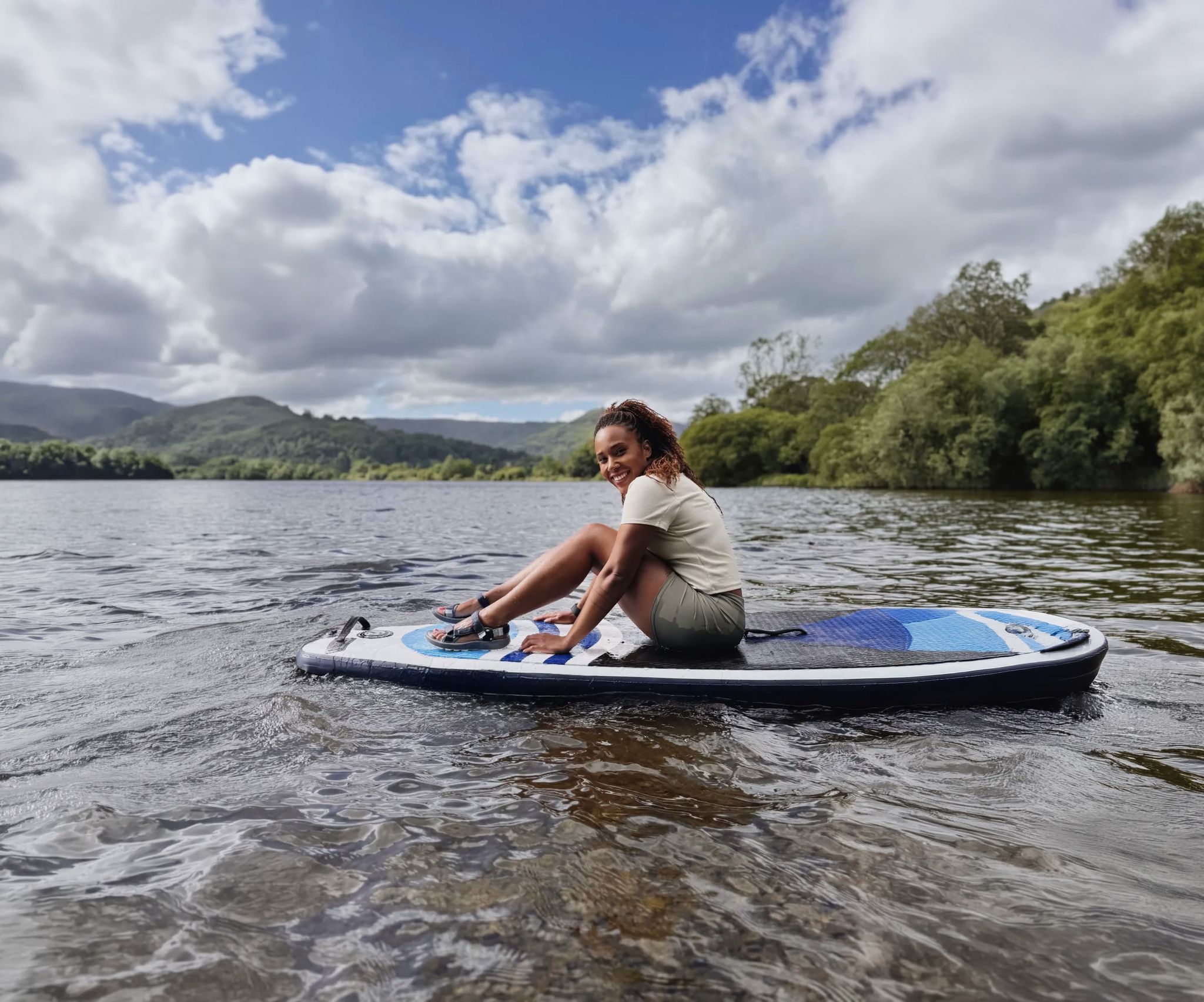
Scenic hikes to stand-up paddleboarding locations in the UK
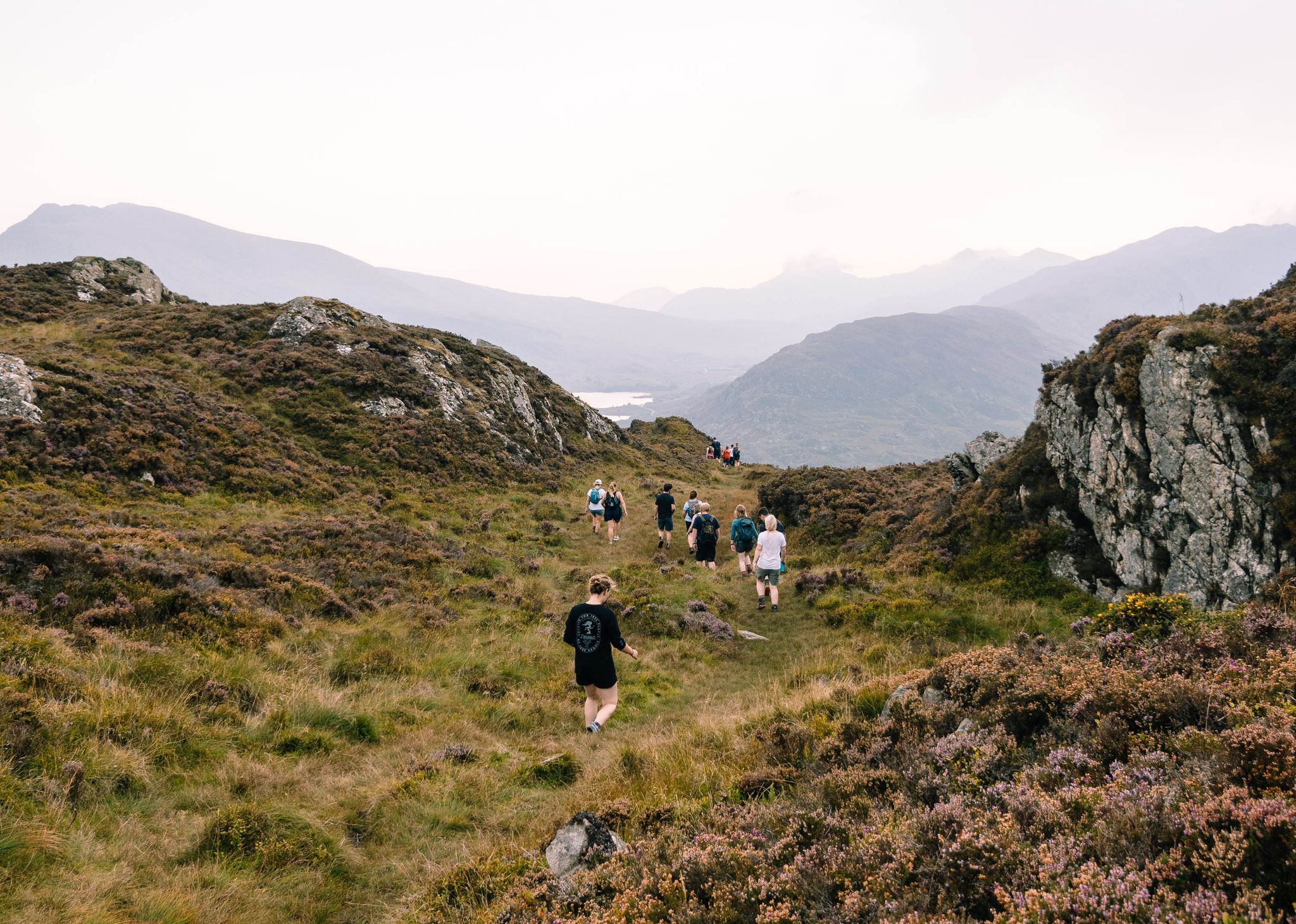
Connect with Nature – Purposeful Adventures in 2024
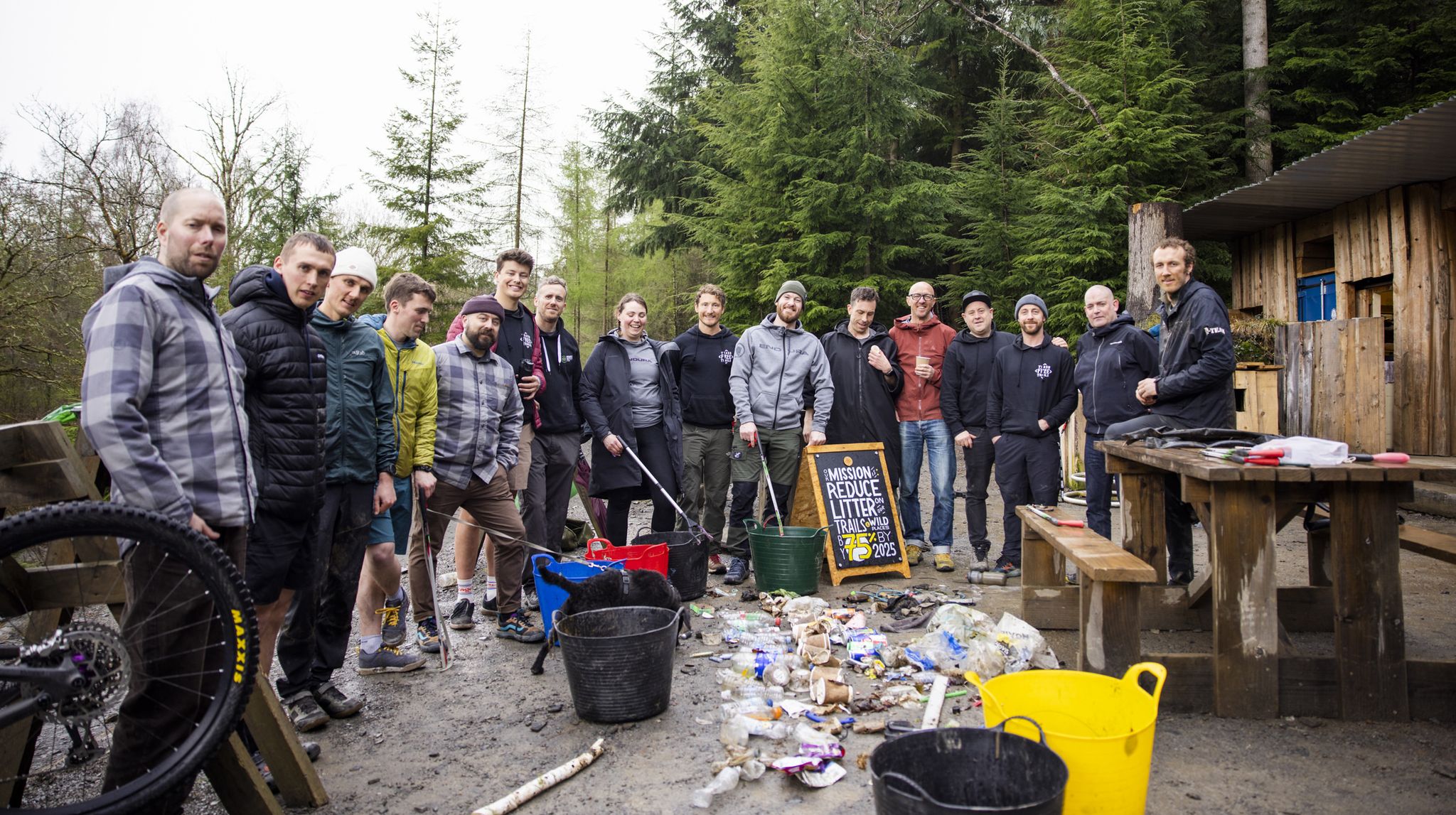
Adventures with a Purpose – our A-TEAMers’ best routes
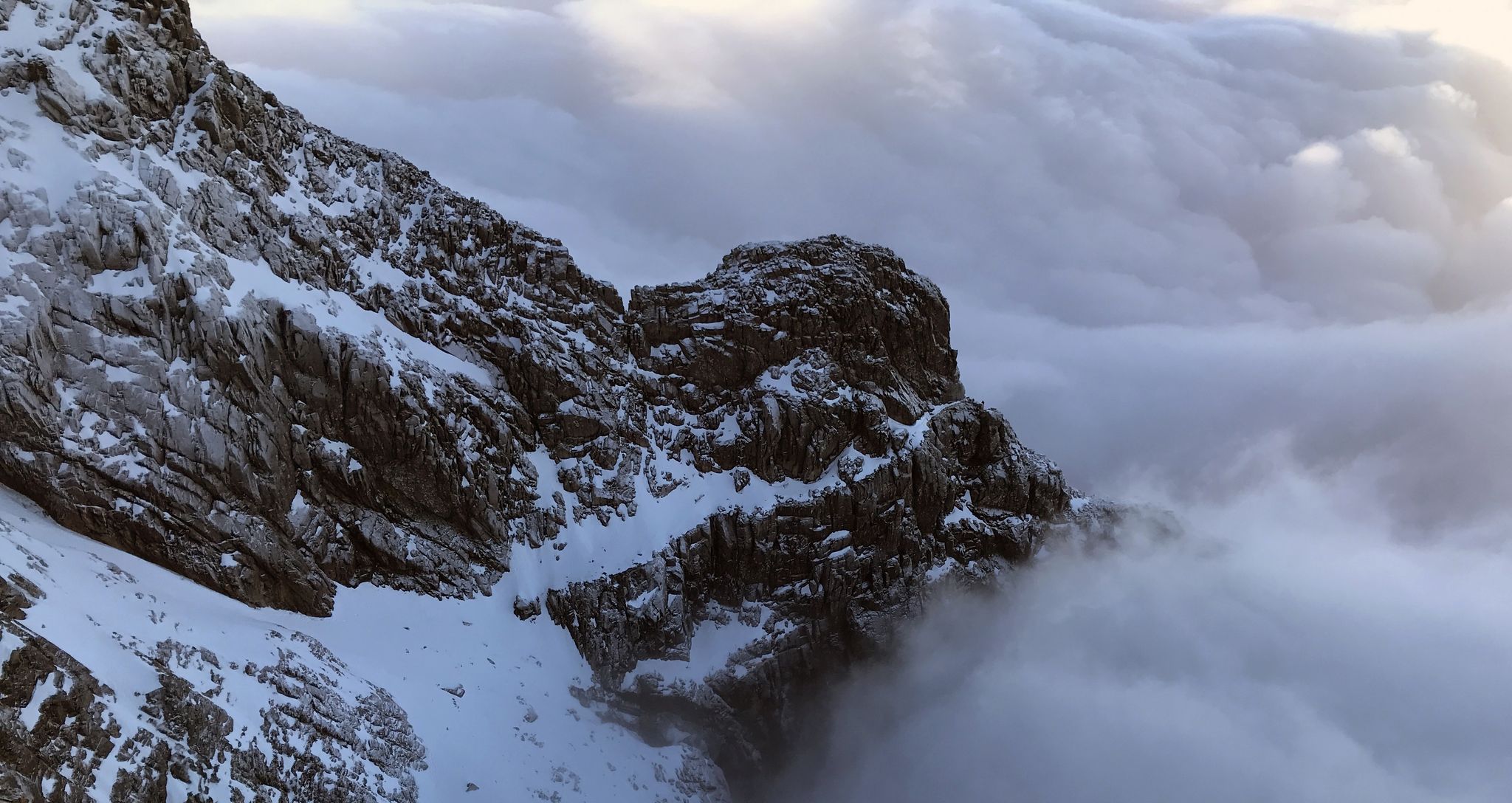
Ephemeral Lines – Stunning UK Winter Ridges
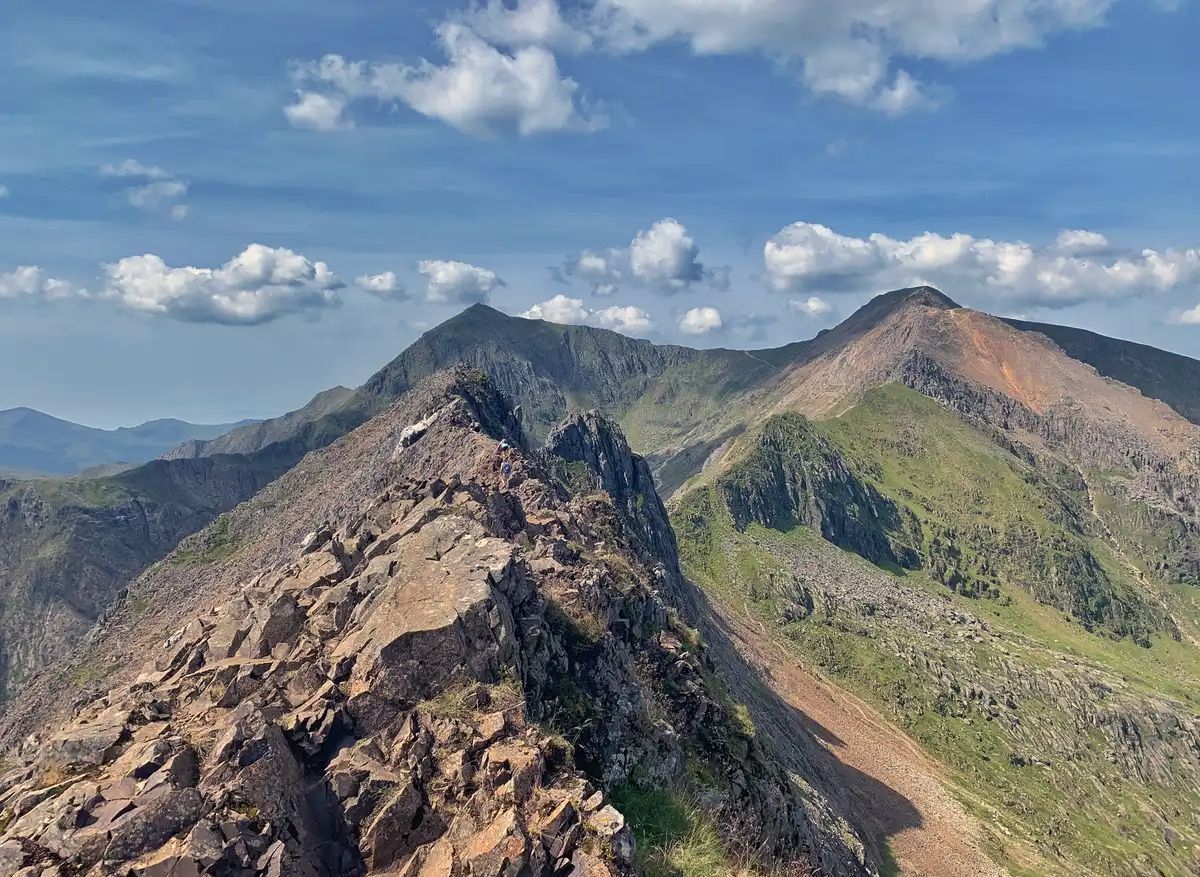
The Dragon's Back – running the spine of Wales
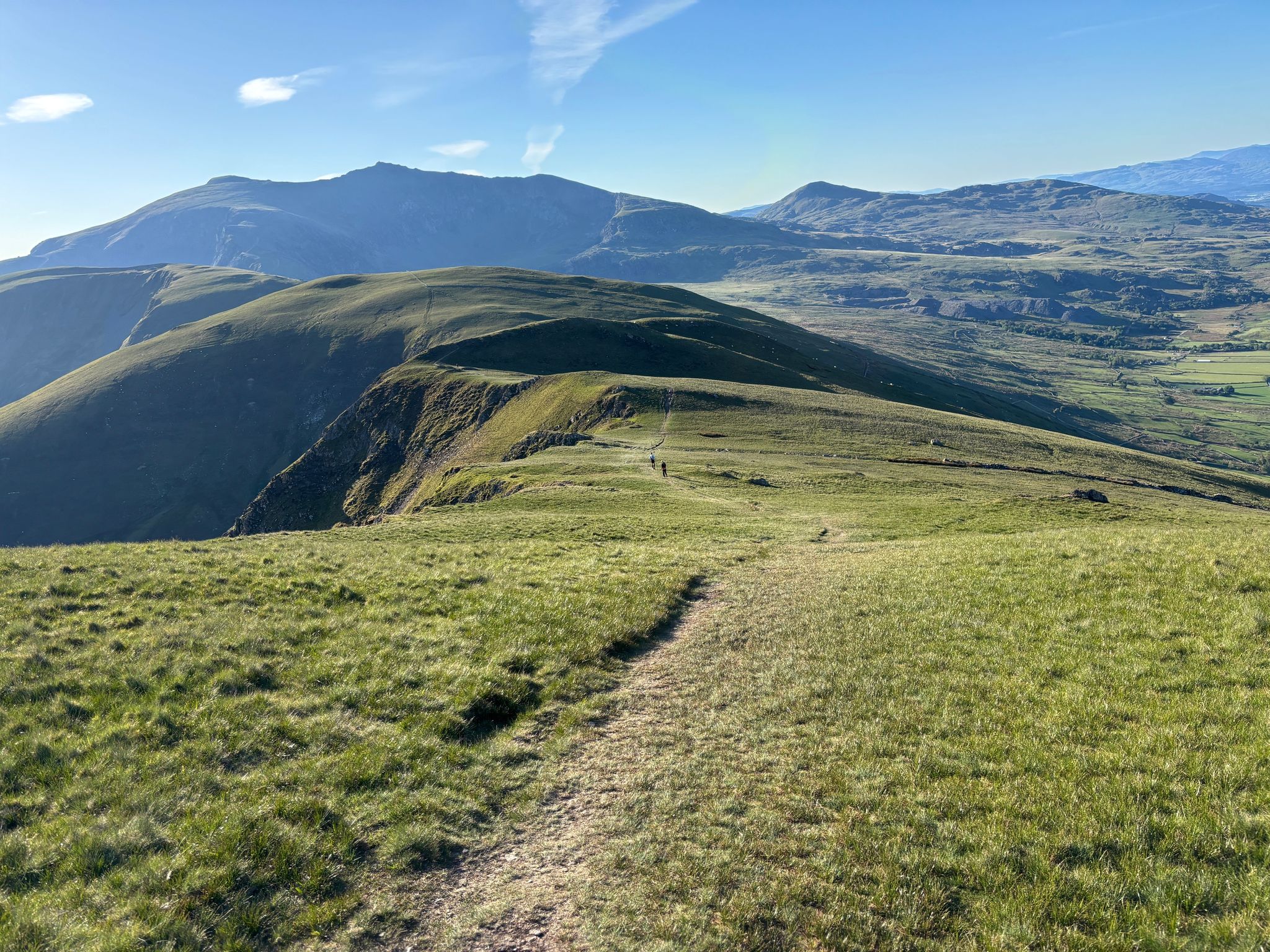
Ultra Trail Snowdonia by UTMB – 100 epic miles in Eryri
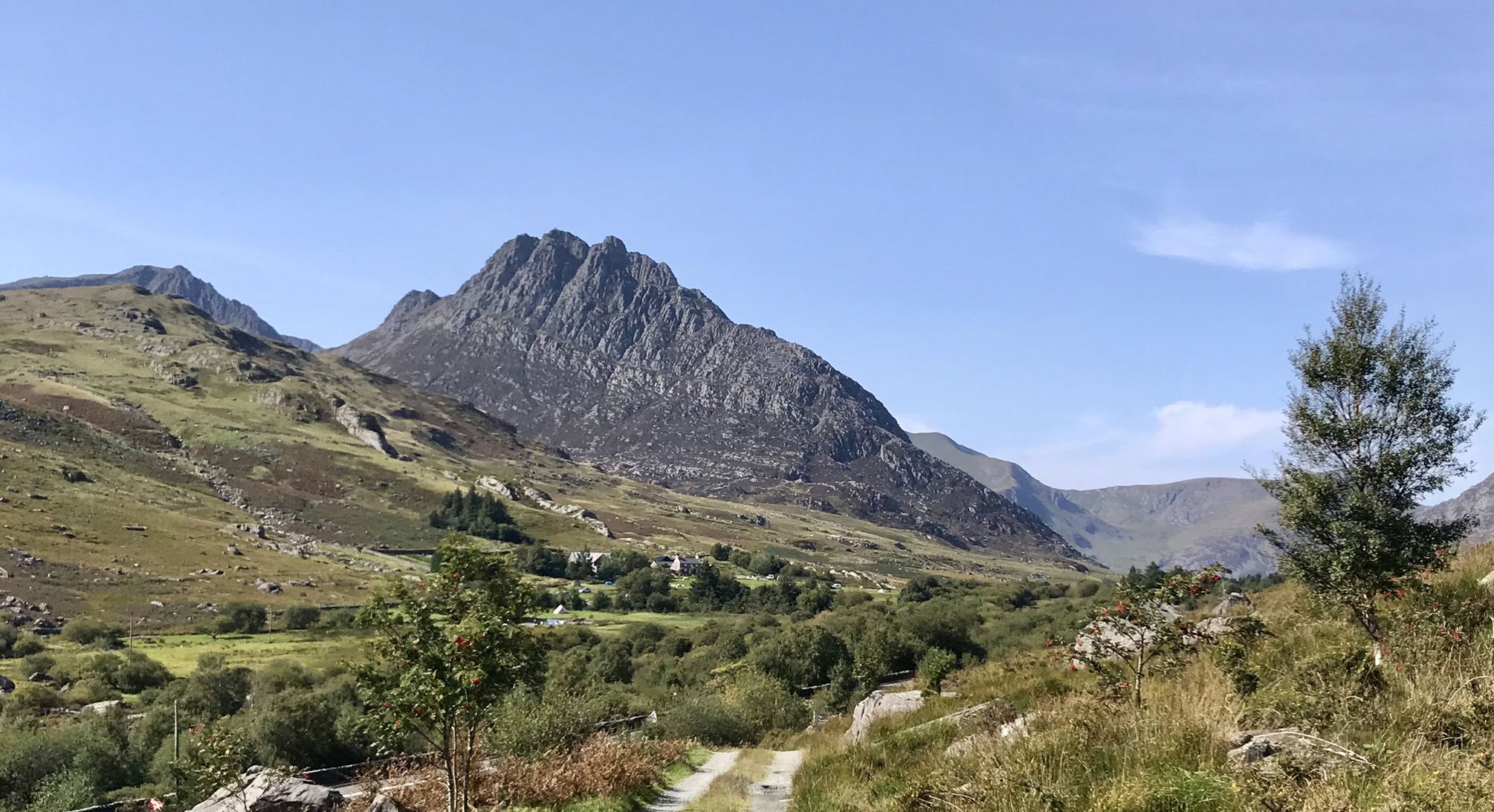
Snowdonia Way – A dramatic hike through Eryri's mountainous heart
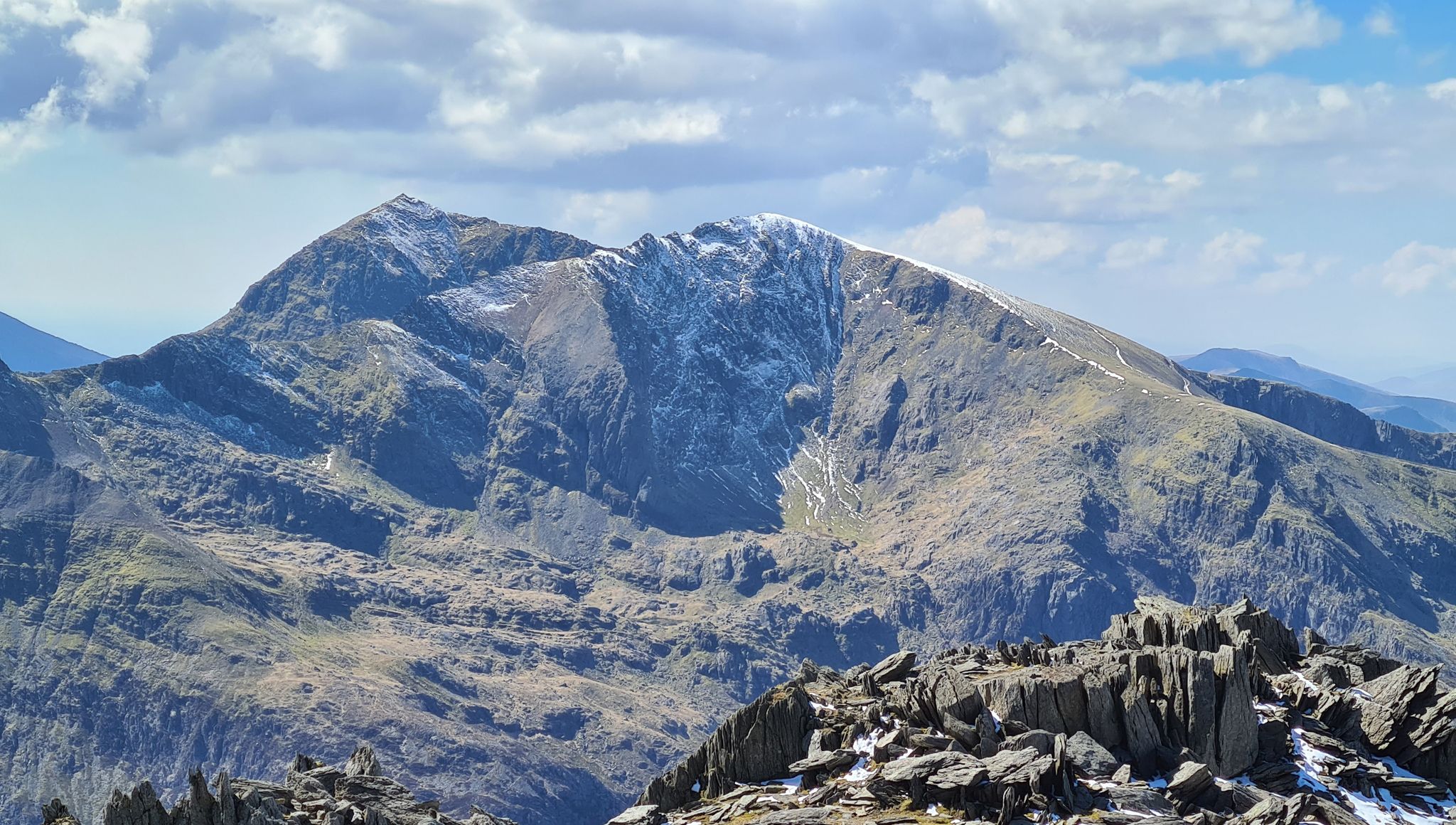
Snowdonia Way Mountain Route – Rise to Eryri's awesome summits

Traws Eryri — Bikepacking Snowdonia from Machynlleth to Conwy
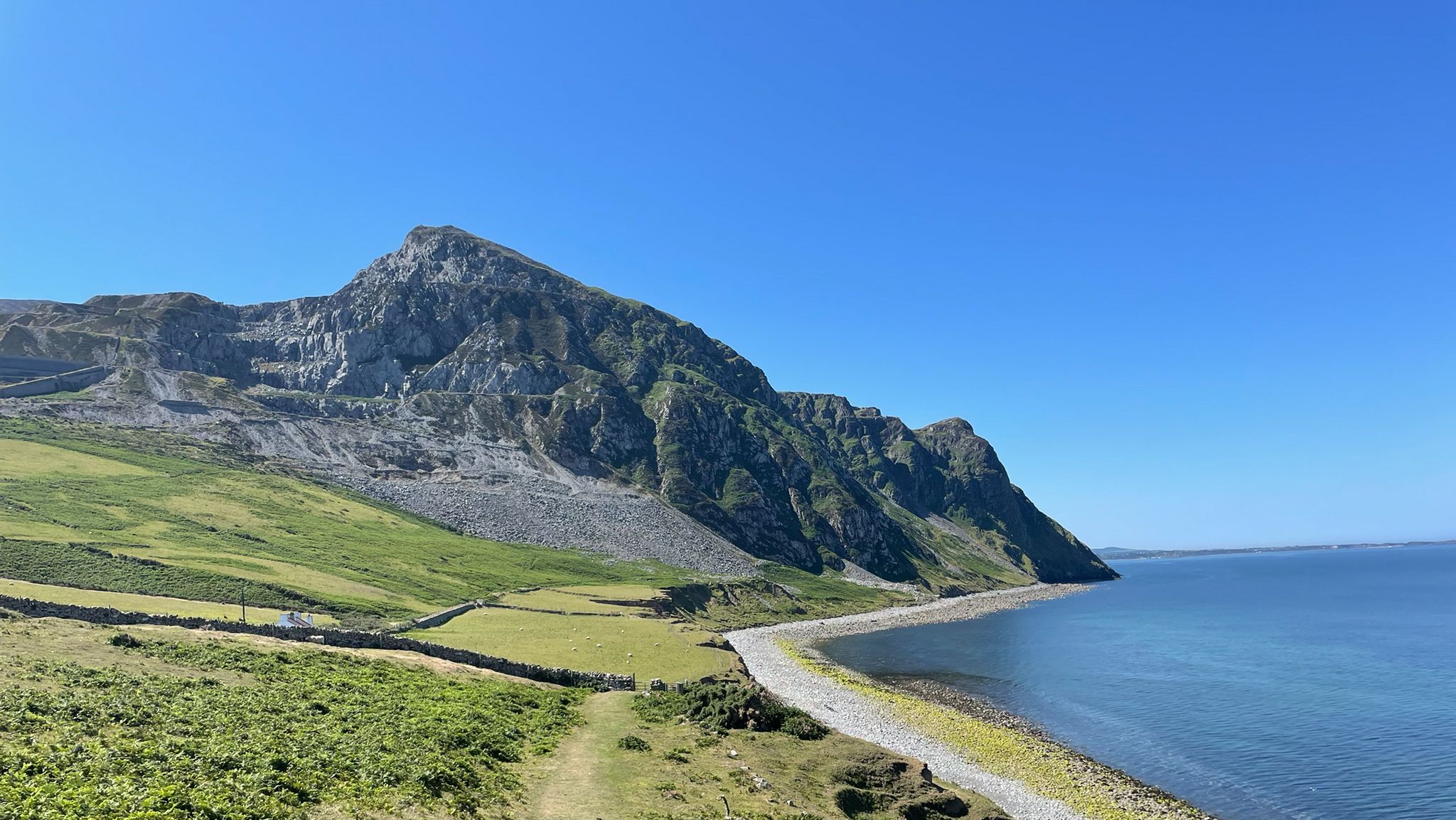
The Llŷn Peninsula Path — Cliffs and castles in North Wales
Other adventures in Gwynedd


Tips from the Community

Penrhyn Castle’s dominant stone façade belies more than its internal red-brick construction. Built in the early 19th century, its formidable architecture, opulent interiors and art collection draw on a long history of sugar and slate fortunes, social unrest and the longest-running labour dispute in British history. Owned by the Pennant family, Penrhyn is a prime example of how wealth derived from slavery has shaped Welsh buildings and local labour history. Richard Pennant, a staunch anti-abolitionist, used his fortune – acquired from slave-owning sugar plantations in Jamaica – to fund roads, railways, schools, hotels, workers’ cottages, churches and farms in North Wales. The Penrhyn Slate Quarry and Port Penrhyn, founded by the Pennants, dominated the Welsh slate industry for almost 150 years. Penrhyn Castle’s vast rooms, rich neo-Norman architecture and opulent furnishings are steeped in this colonial history. Penrhyn Castle is situated on the Menai Strait, with the peaks of the Eryri (Snowdonia) in the background, overlooking the quarry and harbour from which the slate was exported all over the world. It is surrounded by wooded and open parkland, ideal for exploring, and a walled garden that predates the castle and provides a peaceful haven for relaxation. (National Trust)
4
0

Llewellyn's protecting castle for his lands on his southern border.
0
0


Harlech Castle is a striking medieval fortress and classified UNESCO World Heritage Site. It was built in the 13th century by Edward I. It overlooks the town of Harlech and the stunning Snowdonia mountains.
1
0
Against stiff competition from Conwy, Caernarfon and Beaumaris, this is probably the most spectacular setting for an Edward I castle in North Wales. All four are recognized as World Heritage Sites. Harlech was completed from ground to battlements in just seven years under the guidance of the gifted architect Master James of St. George. The classic 'walls within walls' design makes optimal use of the difficult natural defenses. Even when the castle was completely cut off by Madog ap Llewelyn's rebellion, it held strong – thanks to the 'Way from the Sea'. Via this path of 108 steps, which climbed steeply up the rock face, the besieged defenders could be supplied with food and drink by ship. Harlech is easier to conquer these days. You can enter this amazing castle via an incredible 'floating' walkway. (Cadw Wales)
7
0
Thanks for the information, I will try to figure it out for more. Keep sharing such informative post keep suggesting such post. https://www.njmcdirect.life/
0
1

Criccieth Castle overlooks Tremadog Bay on the Llŷn Peninsula in North Wales. It was built in the 13th century and remains in remarkably good condition. It's well worth looking inside, although there is a charge, and you can learn about its history from boards. As you might expect, it's blessed with absolutely fantastic views.
0
0
Frequently Asked Questions
What makes the castles in Gwynedd historically significant?
Gwynedd is home to some of Europe's most magnificent medieval castles, primarily those built by King Edward I during his conquest of Wales. Four of these fortresses – Caernarfon, Conwy, Harlech, and Beaumaris – are recognized as a UNESCO World Heritage Site, celebrated as "the finest examples of late 13th century and early 14th century military architecture in Europe." They offer a captivating glimpse into a turbulent historical period.
Which castles in Gwynedd are best for history enthusiasts?
For history buffs, Caernarfon Castle is a must-see, known for its imperial Roman architectural influences and its role in the investiture of Princes of Wales. Dolbadarn Castle offers insights into Welsh princely history, having held Owain Goch captive for twenty-two years. Additionally, Castell y Bere, built by Llywelyn the Great, provides a glimpse into native Welsh defenses.
Are there family-friendly castles to visit in Gwynedd?
Yes, several castles in Gwynedd are great for families. Caernarfon Castle allows visitors to explore nearly every part, including climbing towers for panoramic views. Harlech Castle is also family-friendly, with an informative video, exhibits, and a park nearby. Penrhyn Castle offers extensive grounds and gardens for exploration.
Which castles offer the most scenic views in Gwynedd?
Harlech Castle is dramatically perched on a rocky crag overlooking the Irish Sea and backed by the Snowdonia mountains, offering spectacular panoramic views. Criccieth Castle, on a rocky cliff overlooking Tremadog Bay, also provides fantastic coastal vistas. From Caernarfon Castle, you can climb towers for views of Anglesey and the mountains.
What is the best time of year to visit the castles in Gwynedd?
The best time to visit is generally during the spring (April-May) and autumn (September-October) when the weather is milder and the crowds are smaller. Summer (June-August) offers the warmest weather but also the busiest periods. Visiting in winter can be atmospheric, but some facilities or access might be limited due to weather conditions.
Are there any accessible castles in Gwynedd for wheelchair users?
While many medieval castles present challenges for full accessibility due to their historic nature, some have made efforts to improve access. For specific accessibility information, it's best to check the official websites of individual castles before your visit. For example, Cadw (Welsh Government's historic environment service) provides detailed access statements for sites like Caernarfon Castle.
What outdoor activities can I do near the castles in Gwynedd?
Gwynedd offers a variety of outdoor activities near its castles. You can find numerous hiking trails, including easy hikes like the Llyn Idwal loop or more challenging routes like those around Snowdonia. There are also gravel biking opportunities, such as the Mawddach Trail. For more details on routes, explore the easy hikes in Gwynedd or gravel biking in Gwynedd guides.
Are there hiking trails near Gwynedd castles?
Yes, many castles are situated in scenic areas with nearby hiking opportunities. For instance, Dolbadarn Castle is an easy walk up from nearby accommodation, offering great views. You can find various routes, from easy to difficult, in the region. Check out the easy hikes in Gwynedd guide for options like the Llyn Idwal loop.
Where can I find parking when visiting castles in Gwynedd?
Most major castles like Caernarfon, Conwy, and Harlech have dedicated parking facilities, often paid, or nearby public car parks. For Harlech Castle, parking is available on-site, though it can be a small car park. It's advisable to check the specific castle's official website for the most up-to-date parking information and charges before your visit.
Are there any lesser-known or 'hidden gem' castles in Gwynedd?
Beyond the famous Edwardian fortresses, Castell y Bere is a remote and evocative 13th-century ruined castle built by Llywelyn the Great, set against a stunning mountainous backdrop. It offers a more secluded and atmospheric experience away from the main tourist trails.
What is the difference between Conwy Castle and Beaumaris Castle?
Both are UNESCO World Heritage Sites built by Edward I. Conwy Castle is known for its exceptionally well-preserved royal apartments and its integration with the town walls, offering vivid insights into royal life. Beaumaris Castle, though never fully completed, is celebrated for its perfectly symmetrical concentric design and advanced medieval engineering, considered the most technically perfect castle in Britain.
Can I visit the castles in Gwynedd using public transport?
Many of Gwynedd's castles, especially the larger ones like Caernarfon and Conwy, are accessible by public transport, including local bus services and some train lines. For example, Conwy Castle is located within the town of Conwy, which has a train station. It's recommended to check local bus and train schedules for specific routes to each castle.
Most popular routes in Gwynedd
Most popular attractions in Gwynedd

Get inspired with the komoot mobile app


Didn’t find what you were looking for?
Explore Gwynedd’s best castles region by region:
Explore more
Looking for the best castles somewhere else? Discover other guides in Gwynedd:
