Attractions and Places To See in Denbighshire - Top 20
Best attractions and places to see in Denbighshire include a diverse range of historic landmarks, natural landscapes, and cultural sites. The county, located in North Wales, features the Clwydian Range and Dee Valley Area of Outstanding Natural Beauty, offering varied terrain. Historic castles and ancient religious structures are present throughout the region. Denbighshire provides a mix of outdoor exploration and cultural discovery.
Best attractions and places to see in Denbighshire
- The most popular attractions is Jubilee Tower on Moel Famau, a man_made_monument that marks the highest point within the Clwydian Range. Crowning the summit, this Grade II-listed tower was built to commemorate the golden jubilee of George III in 1810 and offers views across the Vale of Clwyd to Snowdonia.
- Another must-see spot is Dinas Bran Castle, a castle ruin situated atop a prominent hilltop above Llangollen. This medieval fortification, dating from the 13th century, provides views of the Dee Valley and the surrounding landscape.
- Visitors also love Horseshoe Falls, a man_made_monument and weir designed by Thomas Telford. This 140-meter-long structure diverts water from the River Dee into the Llangollen Canal, marking the beginning of the Pontcysyllte Aqueduct and Canal World Heritage site.
- Denbighshire is known for its historic castles, natural summits, and significant engineering works. The region offers a variety of attractions, from ancient ruins to scenic viewpoints and cultural sites.
- The attractions in Denbighshire are appreciated by the komoot community, with 147 highlights, over 220 photos, and more than 270 upvotes.
Last updated: August 29, 2026
Jubilee Tower on Moel Famau
Highlight • Monument
Tip by

Cadair Bronwen Summit Cairn
Highlight • Natural Monument
Tip by

Sign up now to discover places like this
Get recommendations on the best single tracks, peaks, & plenty of other exciting outdoor places.
Sign up for free
Moel Sych Summit Cairn
Highlight • Viewpoint
Tip by

Moel Fferna
Highlight • Viewpoint
The Dee Valley is a good base for hikes to Moel Fferna, with plenty of accommodation options and places to eat and drink.
Tip by
Dinas Bran Castle
Highlight • Castle
In fine weather, especially in morning and evening light, fantastic for photo sessions!
Translated by Google •
Tip by

Moel Arthur
Highlight • Viewpoint
Tip by

Llangollen Wharf
Highlight • Rest Area
Tip by

Horseshoe Falls
Highlight • Monument
Tip by

Dyserth Waterfall
Highlight • Viewpoint
Tip by

Horseshoe Pass (Bwlch yr Oernant) Climb from Llangollen
Highlight (Segment) • Mountain Pass
Tip by

Sign up for free to discover even more attractions in Denbighshire.
Sign up for free
Already have an account?
Start today with a free account
Your next adventure awaits.
Login or Signup
Popular around Denbighshire
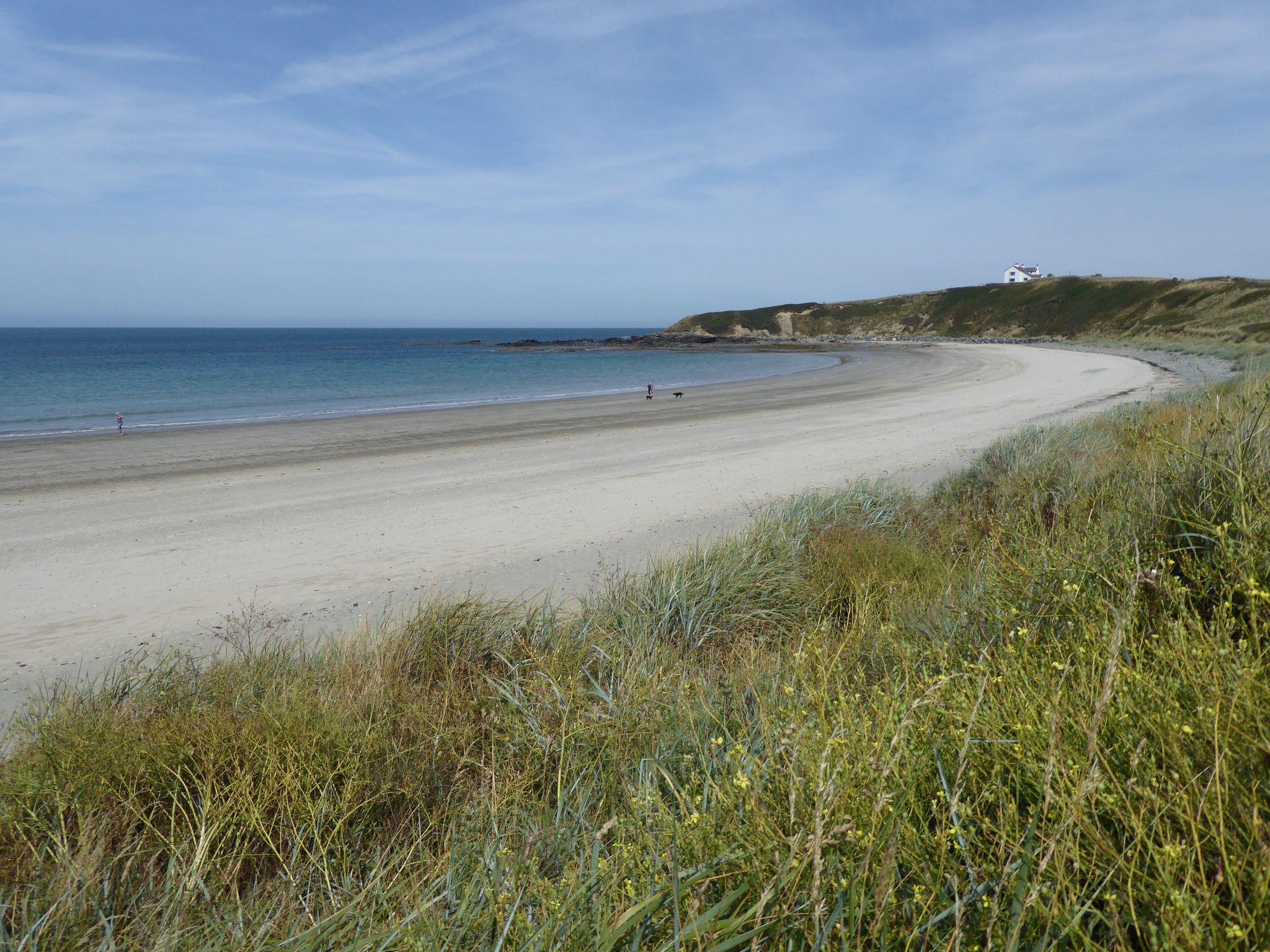
Cycling the North Wales Coastal Route – Ice cream & incredible views
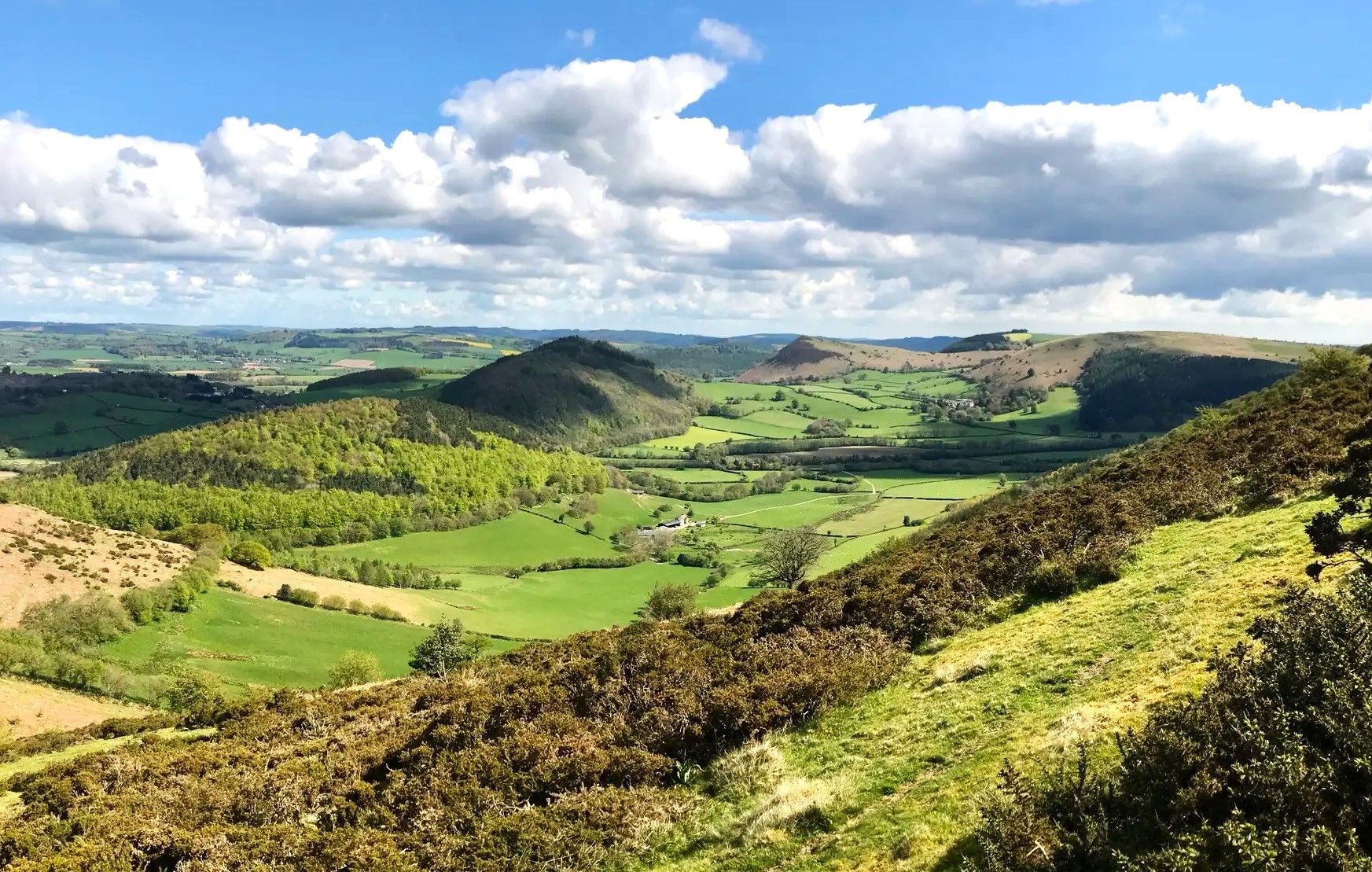
Offa's Dyke Path — Epic coast-to-coast hike along ancient monument
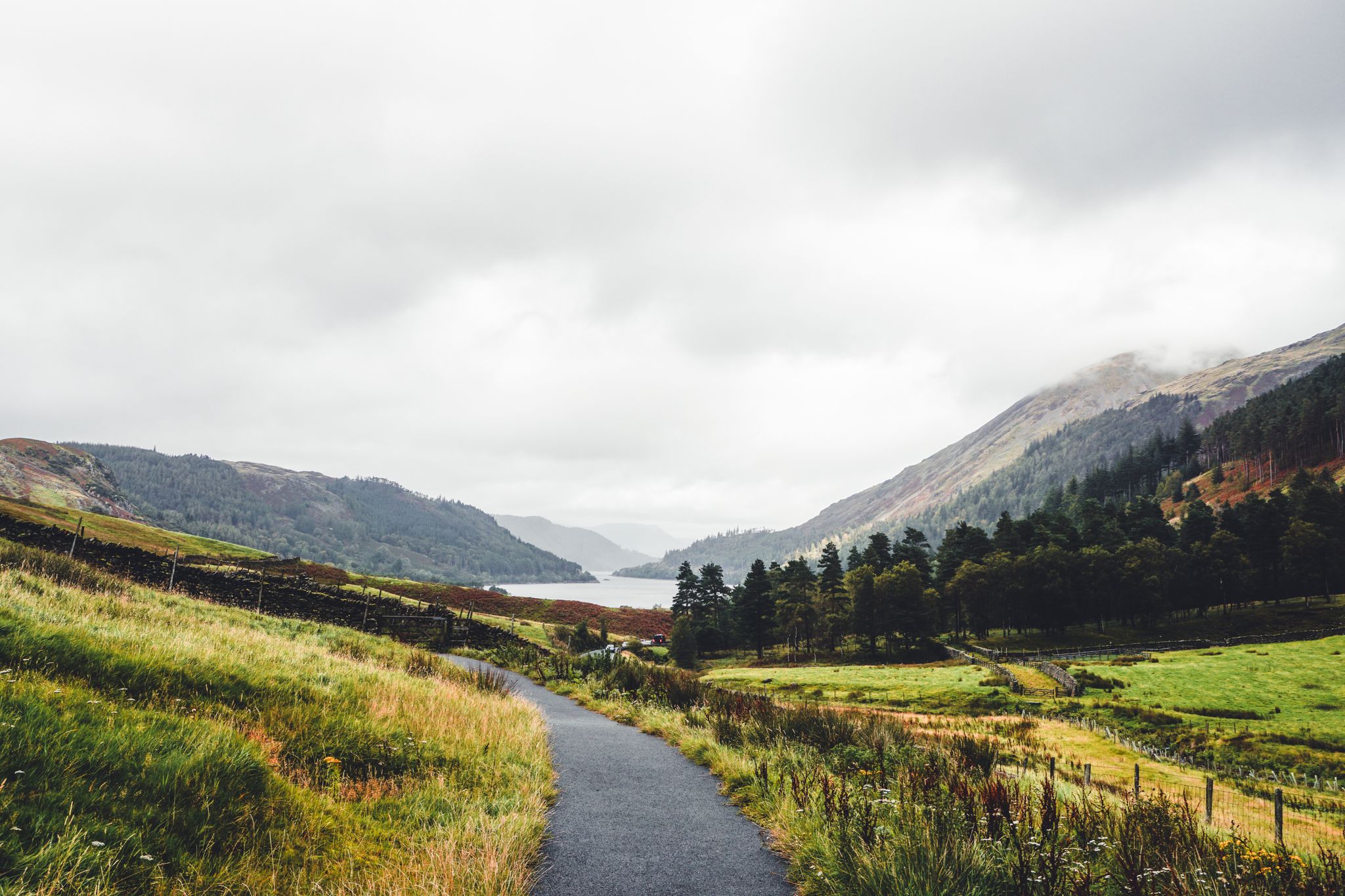
Gravel bike in the UK's wildest landscapes with Wild Cycles
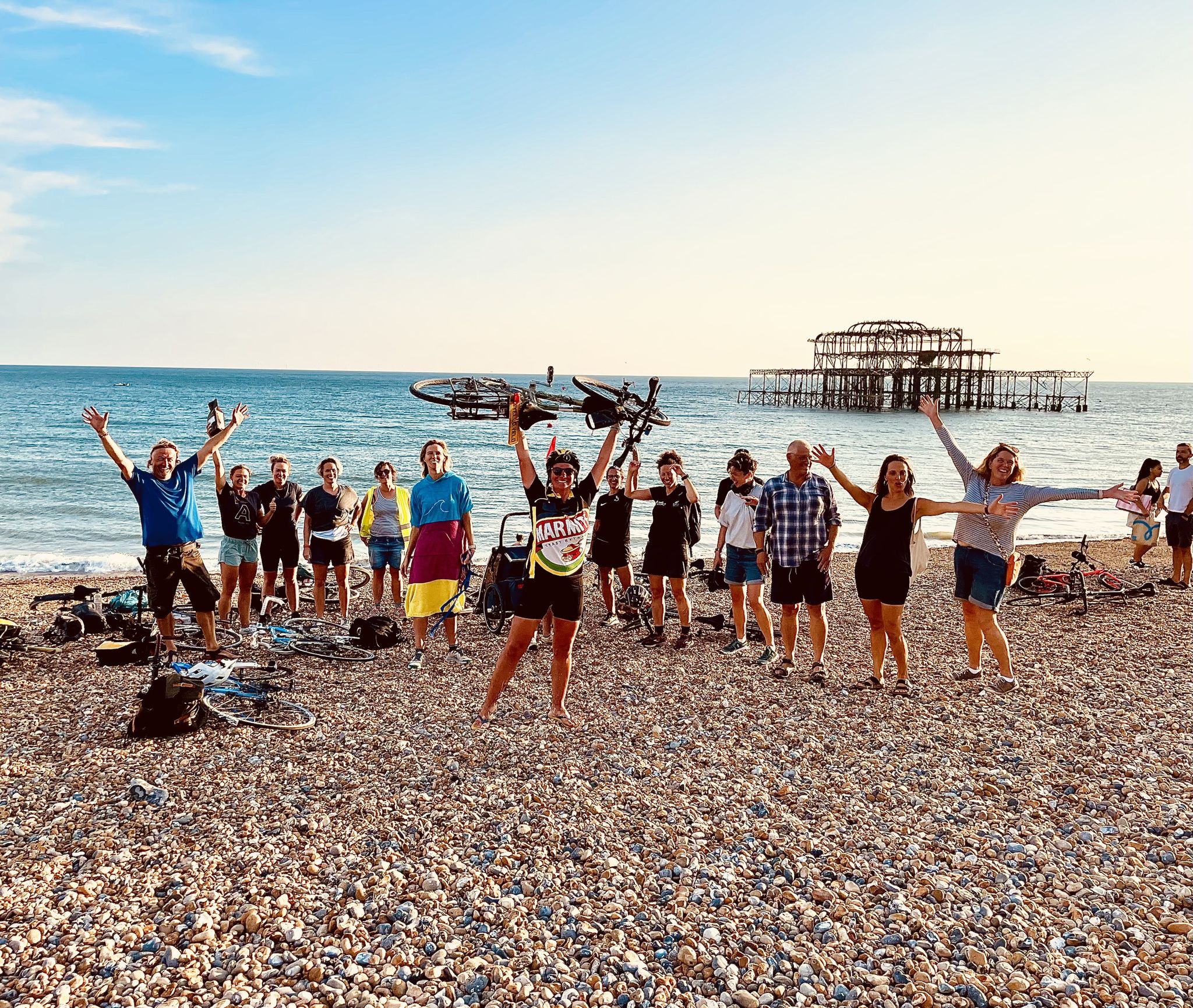
Around the edge in 80 days — cycling the coastline of Britain
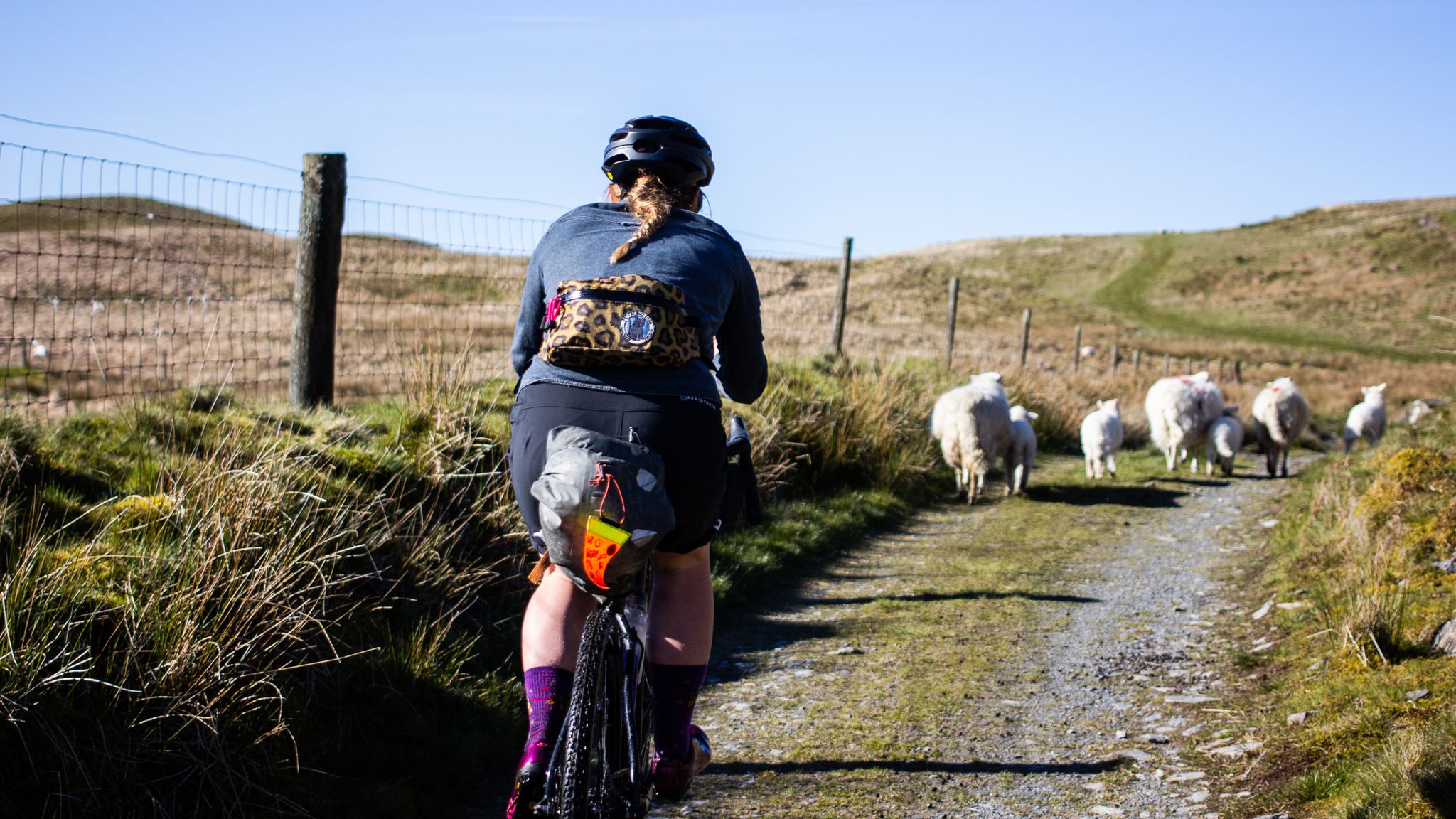
My favourite Welsh off-road rides — Gravel heaven in Wales
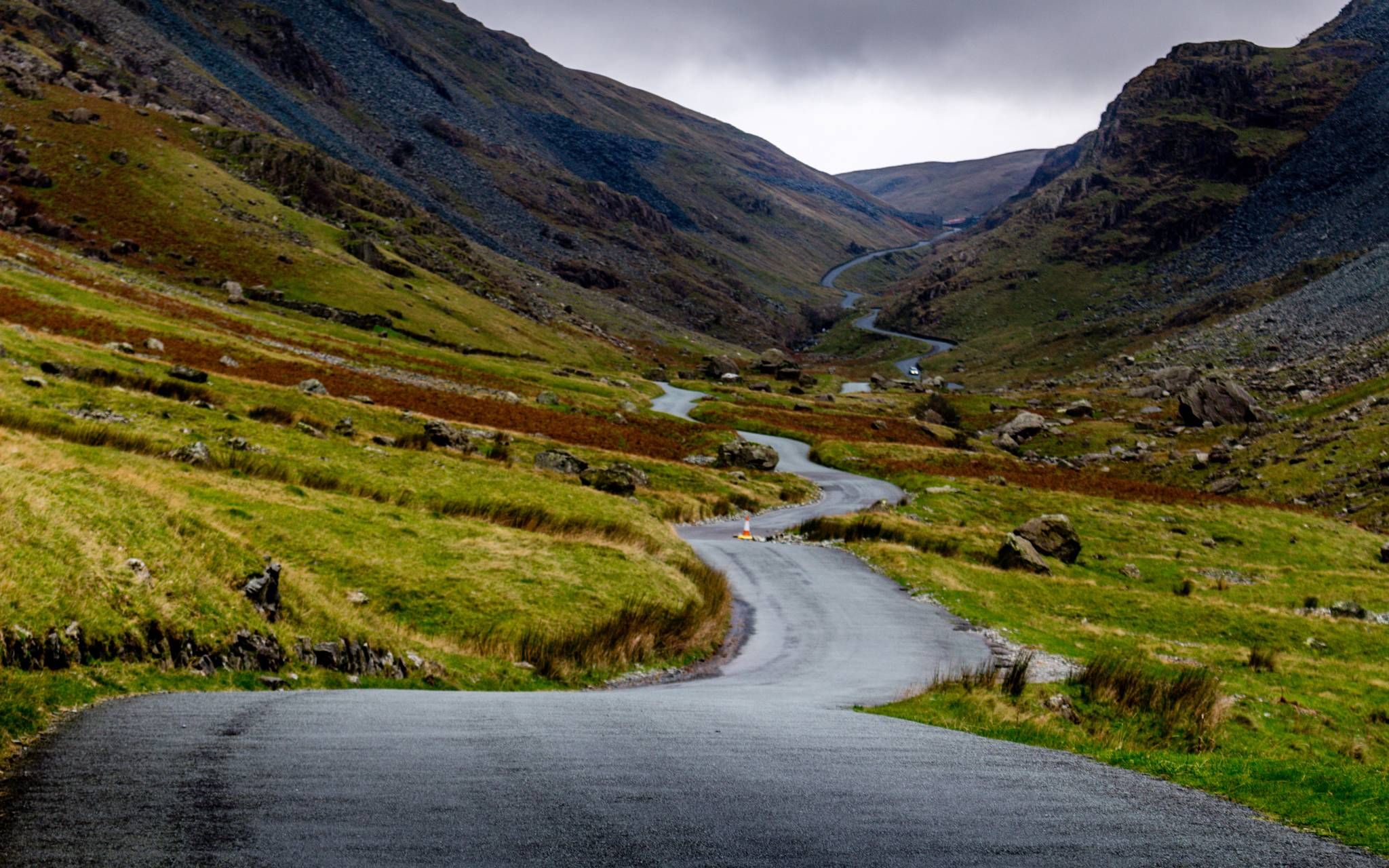
Best of British road climbs
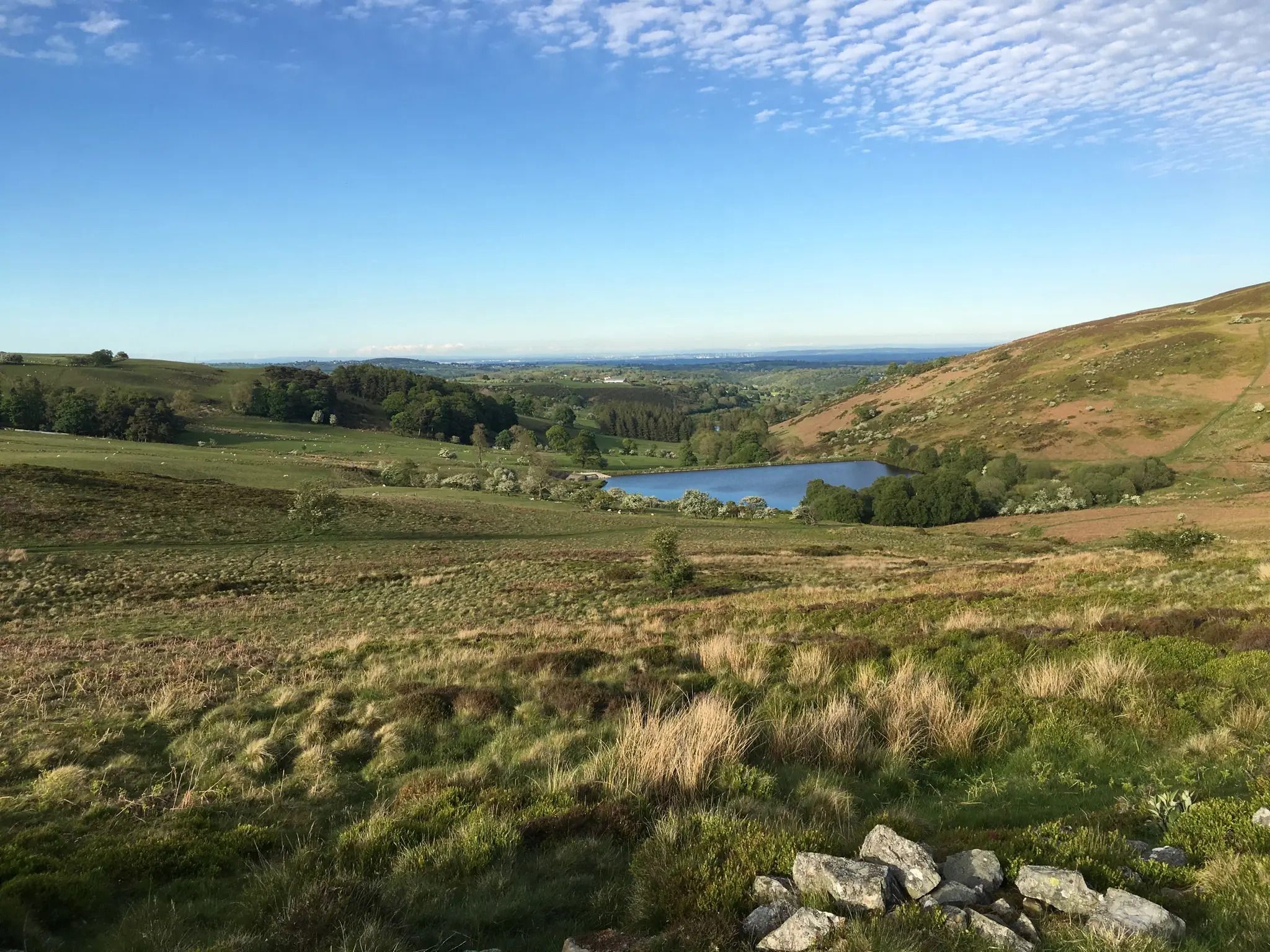
North-East Wales' Secret MTB Paradise — The Triban Trail
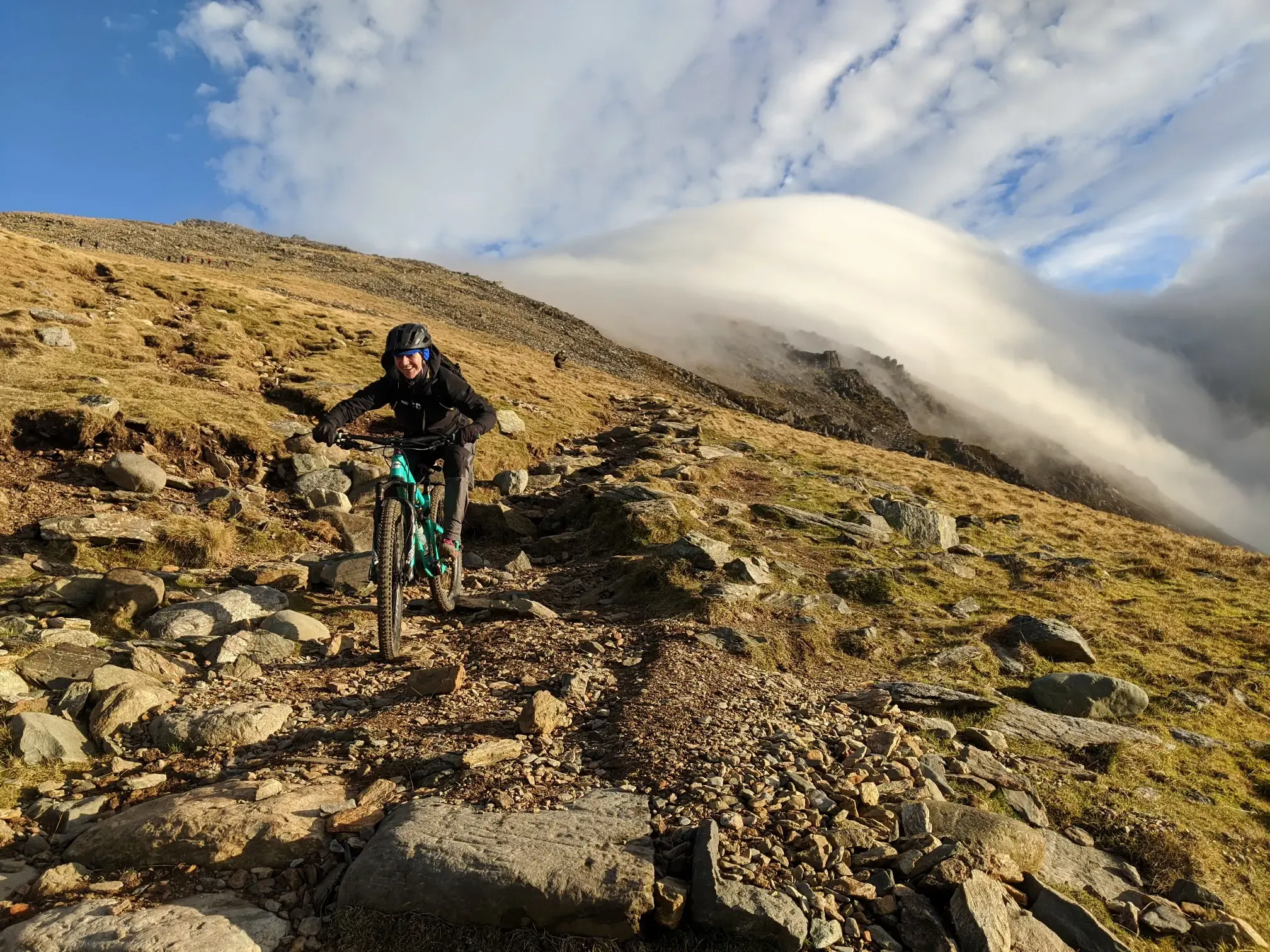
North Wales mountain biking — Gogledd Cymru's finest
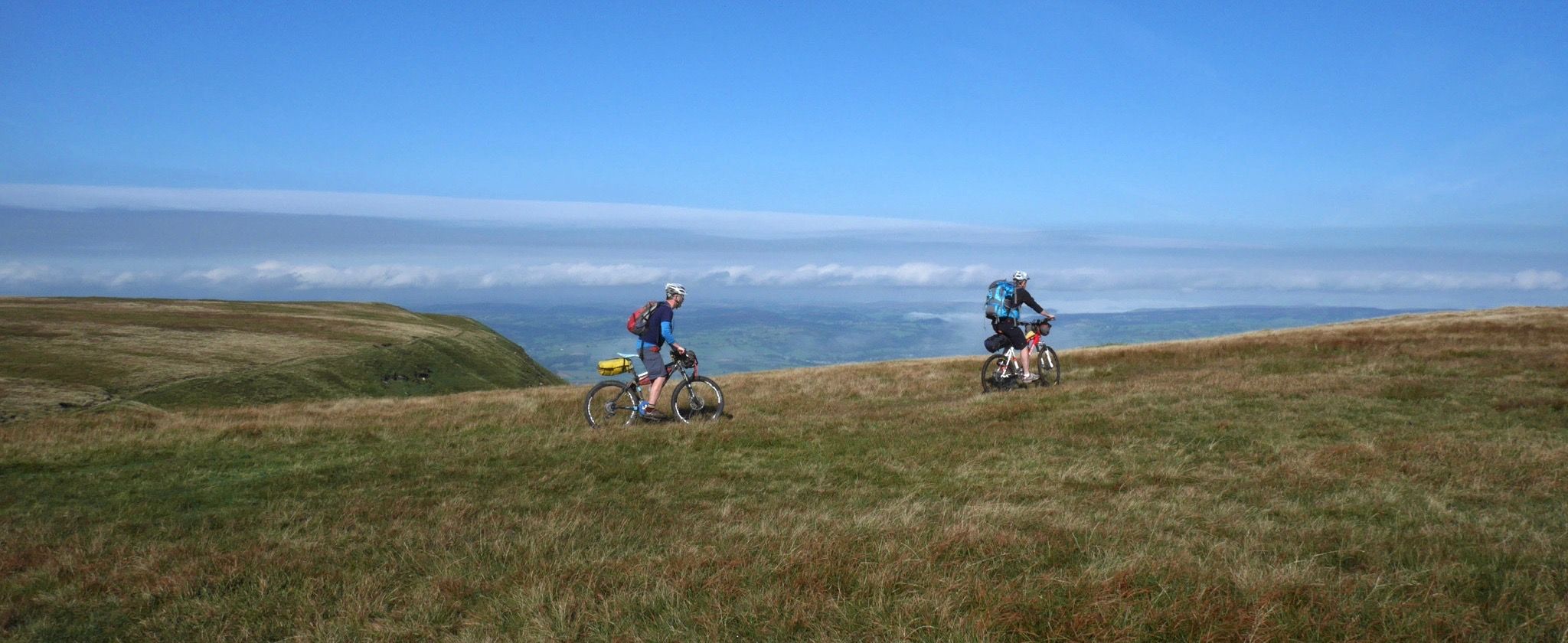
Trans-Wales bikepacking in 4 days
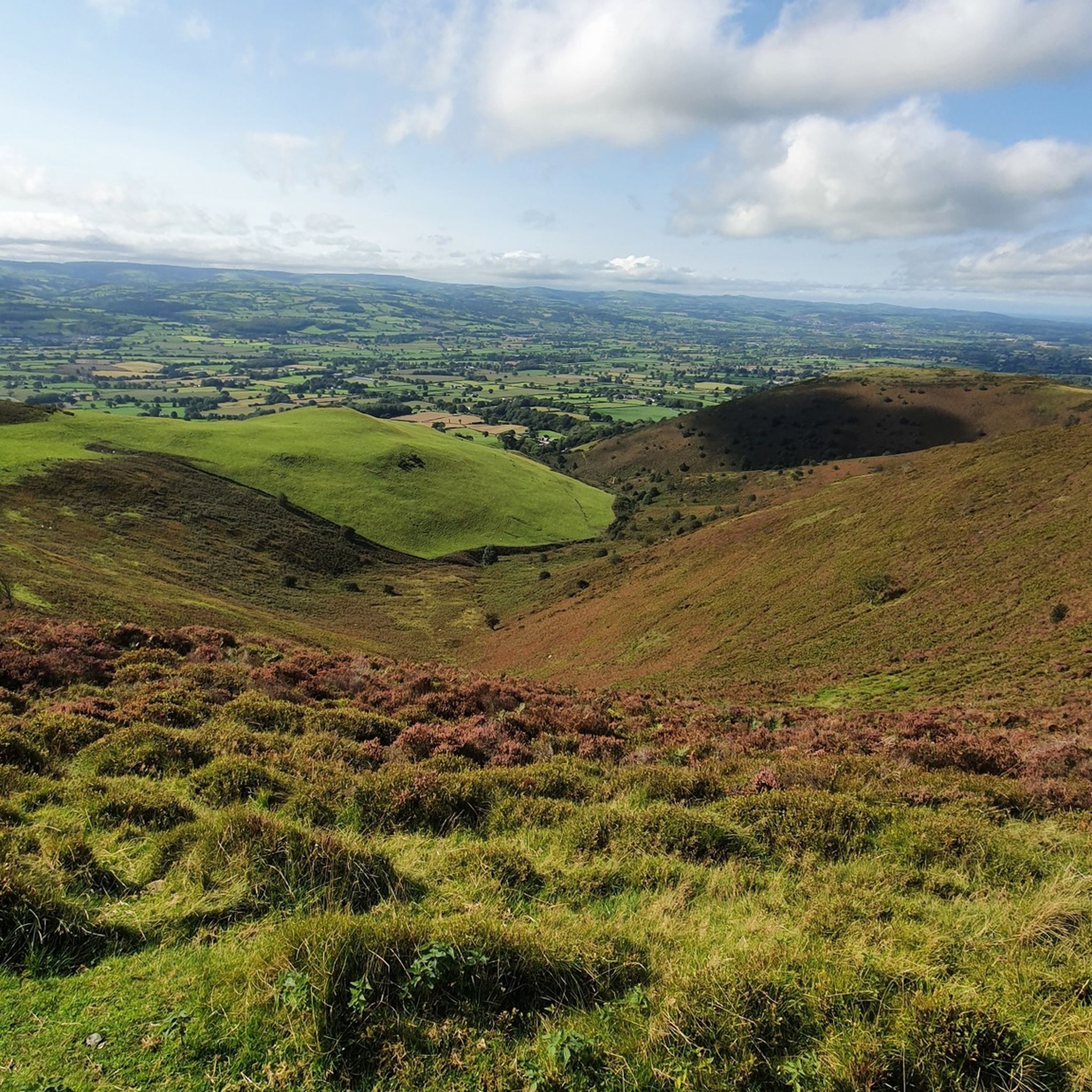
Hiking in Denbighshire
Other adventures in Denbighshire


Tips from the Community

Climbed from ‘the back’ according to the locals. There is space for about 5-7 cars to park on this side. Free parking and. No charge for admission.
0
0


The Llantysilio Green weir, more commonly known as the Horseshoe Falls, is a 140-meter-long, horseshoe-shaped weir designed by Thomas Telford in 1808 to divert water from the River Dee into the Llangollen Canal. This prominent structure is a significant piece of engineering and a feature of the World Heritage Site, providing water for the canal and attracting tourists with its unique design and surrounding landscape. The Llantysilio Green Car Park is a designated access point for visiting the falls. In the late 19th century a long piece of wood, about 30cm wide, floated on the water here to deflect floating debris away from the canal intake. It was fixed at one end. It’s visible in the photo, taken c.1890. Some trippers couldn’t resist the temptation to walk along it, ignoring a warning sign nearby, if they weren’t spotted by the “waterman” in charge of the sluice. Local residents took a dim view of such “unheeding folly”. 😂😂
4
0

A nice little stop with the pooch and I both getting an ice-cream, plenty of seating outside in a big garden right next to the waterfall
0
0

The loop from Llandrillo going anticlockwise is very steady and pleasant. But be prepared for substantial bog trotting in the central part of the valley passing the area marked as Gwern Wynodl. Even with newish goretex boots, we came away with wet feet. Good boots and gaiters, or wellies for that section highly recommended. Return section (first section if doing it clockwise) is also pretty boggy in parts. It also seemed like a bit more of a slog doing it clockwise.
0
0

Went up on a beautiful crisp late morning hike from car park but could be nice to go from town of Llangollen
0
0

handy car park for the climb up moel Arthur and to walk a piece of the offas dyke path
1
0
Located on the River Dee, near to Llantysilio, this masterpiece of Thomas Telford Engineering is where the Pontcysllte Aqueduct and Canal World Heritage site begins. He designed this weir to draw water from the River Dee in to the canal, and it became a stunning addition to the landscape. At 460ft (140M) long, it’s a sight to behold.
6
0
Frequently Asked Questions
What natural landscapes and viewpoints can I explore in Denbighshire?
Denbighshire is rich in natural beauty, particularly within the Clwydian Range and Dee Valley Area of Outstanding Natural Beauty (AONB). You can ascend Jubilee Tower on Moel Famau, the highest point in the Clwydian Range, for spectacular views across the Vale of Clwyd to Snowdonia. Other notable summits offering expansive vistas include Moel Sych Summit Cairn and Moel Arthur. For coastal scenery, the Gronant Dunes offer unspoiled sand dunes and a rare little tern colony.
Are there historical castles or ancient sites to visit in Denbighshire?
Yes, Denbighshire boasts a rich history with several impressive castles and ancient sites. Explore the ruins of Dinas Bran Castle, perched dramatically above Llangollen, or visit Denbigh Castle with its triple-towered gatehouse. Other significant fortifications include Rhuddlan Castle and Ruthin Castle. For a glimpse into earlier history, the Pontnewydd Palaeolithic site contains Neanderthal remains, and Gop Hill is the largest prehistoric monument in Wales.
What family-friendly attractions are available in Denbighshire?
Denbighshire offers several attractions suitable for families. The Horseshoe Falls, a unique weir designed by Thomas Telford, is a fascinating spot for all ages. Families can also enjoy the Llangollen Steam Railway for a nostalgic journey, or explore the interactive exhibits at Ruthin Gaol, a historic Victorian prison. Many of the natural sites, like Dyserth Waterfall, are also popular with families.
What outdoor activities and trails can I find in Denbighshire?
Denbighshire is ideal for outdoor enthusiasts. You can find numerous hiking trails, including easy options like the Llangollen History Trail or the Jubilee Tower loop on Moel Famau. For cycling, there are road cycling routes around Llyn Tegid and the Clocaenog Forest, as well as gravel biking trails around Llyn Brenig and the Clwydian Range. You can explore more options on the Easy hikes in Denbighshire, Road Cycling Routes in Denbighshire, and Gravel biking in Denbighshire guide pages.
Are there any easy walking trails suitable for all abilities in Denbighshire?
Yes, Denbighshire has several easy walking trails. The Llangollen History Trail offers a gentle exploration of the town's past. A popular easy hike is the loop to Jubilee Tower on Moel Famau from the Clwydian Range, with a gentler route available. Many sections of the Dee Valley and paths around Llyn Brenig also provide accessible and enjoyable walks. For more details, refer to the Easy hikes in Denbighshire guide.
Where can I find impressive waterfalls in Denbighshire?
You can visit Dyserth Waterfall, a beautiful natural feature that is also dog-friendly. While not a natural waterfall, the Horseshoe Falls on the River Dee is a significant and visually striking weir that creates a waterfall-like effect and is a popular spot.
What cultural experiences does Denbighshire offer?
Denbighshire provides a rich cultural tapestry. You can visit Valle Crucis Abbey, a well-preserved 13th-century monastery, or explore St Asaph Cathedral, Britain's smallest ancient cathedral. The town of Llangollen is famous for the Llangollen International Musical Eisteddfod held every July. Don't miss Plas Newydd in Llangollen, a historic home turned museum, or the unique experience at Ruthin Gaol.
What are some unique or 'hidden gem' attractions in Denbighshire?
Beyond the main highlights, Denbighshire offers some unique spots. Explore Nantclwyd y Dre in Ruthin, a Grade I listed townhouse showcasing over 500 years of history. The Wireless in Wales museum in Denbigh offers a niche but fascinating look at broadcasting history. For a truly ancient experience, the Pontnewydd Palaeolithic site reveals evidence of Neanderthal habitation from 225,000 years ago.
What is the best time of year to visit Denbighshire for outdoor activities?
The spring and summer months (April to September) generally offer the best weather for outdoor activities in Denbighshire, with milder temperatures and longer daylight hours. This is ideal for hiking the Clwydian Range, cycling around Llyn Brenig, or exploring the Dee Valley. However, the landscapes offer dramatic views even in winter, particularly for those seeking quieter walks with crisp air.
Are there attractions in Denbighshire that are accessible for visitors with mobility considerations?
While many historic sites may have limited accessibility due to their age and terrain, some areas offer easier access. The paths around Llangollen Wharf and sections of the canal towpath, including near the Horseshoe Falls, are generally flatter. It's advisable to check specific venue websites for detailed accessibility information before visiting, such as those listed on denbighshire.gov.uk.
What can I do in Denbighshire on a rainy day?
On a rainy day, Denbighshire still offers plenty to do indoors. You can delve into history at Ruthin Gaol, an interactive Victorian prison museum, or explore Plas Newydd in Llangollen. The Llangollen Museum and Rhyl Museum provide insights into local history and seaside life. The Wireless in Wales museum in Denbigh is another interesting indoor option.
Can I bring my dog to attractions and walks in Denbighshire?
Many of Denbighshire's natural outdoor spaces and walking trails are dog-friendly. For example, Dyserth Waterfall is a popular spot for dog walkers. The Clwydian Range and Dee Valley AONB offers numerous routes where dogs are welcome, though it's important to keep them on a lead, especially near livestock. Always check specific attraction rules regarding dogs before visiting.
Where can I experience the region's industrial heritage?
Denbighshire's industrial heritage is best experienced at the Pontcysyllte Aqueduct and Canal World Heritage Site. You can take canal boat rides along this spectacular 11-mile stretch. The Horseshoe Falls, a masterpiece of Thomas Telford's engineering, marks the beginning of this site, diverting water into the Llangollen Canal.
What are some of the most significant prehistoric sites in Denbighshire?
Denbighshire has a deep prehistoric past. The Pontnewydd Palaeolithic site is significant for its Neanderthal remains, dating back approximately 225,000 years. Gop Hill is recognized as the biggest prehistoric monument in Wales, and the region also features various well-preserved Iron Age hillforts, such as Caer Drewyn and those found along the Clwydian Range.
What do visitors particularly enjoy about the attractions in Denbighshire?
Visitors frequently praise the breathtaking views from sites like Dinas Bran Castle and Jubilee Tower on Moel Famau. The historical depth of the castles and ancient sites, combined with the dramatic natural landscapes of the Clwydian Range and Dee Valley, are often highlighted. The unique engineering of the Horseshoe Falls also receives positive comments for its beauty and historical significance.
Most popular routes in Denbighshire
Most popular attractions in Denbighshire

Get inspired with the komoot mobile app


Didn’t find what you were looking for?
Are you keen on exploring more awesome places nearby? Browse our guides:
Explore more
Still not found the Highlight you’re looking for? See guides of the top attractions in other regions:
