Attractions and Places To See around York - Top 20
Best attractions and places to see around York include a diverse range of historical sites, cultural experiences, and natural spaces. The city is known for its ancient landmarks, medieval architecture, and significant historical events spanning over 2,000 years. Visitors can explore its rich past within the city walls and discover green areas like Rowntree Park. The surrounding North Yorkshire countryside also offers natural beauty, including the North York Moors and Yorkshire Dales.
Best attractions and places to see around York
- The most popular attractions is Historic Centre of York, a man-made monument that dates back 2,000 years. This ancient walled city is characterized by its historic buildings, outstanding architecture, and narrow medieval streets.
- Another must-see spot is The Sun – York Solar System Greenway (York End), an other man-made attraction. This is the York end of the 6.4 mile York Solar System Cycleway, featuring scale models of all the planets in our solar system along the track.
- Visitors also love York Millennium Bridge, a cycle way. This modern foot and cycle bridge offers a viewpoint and seating area for views along the River Ouse.
- York is known for its historical sites, unique cycle routes, and urban parks. The region offers a variety of attractions to see and explore, from ancient city gates to modern bridges and green spaces.
- The attractions around York are appreciated by the komoot community, with more than 185 upvotes and 16 photos shared across over 90 highlights.
Last updated: October 9, 2026
The Sun – York Solar System Greenway (York End)
Highlight • Structure
It's a pan-flat disused railway with incredibly hard-packed gravel that's basically tarmac so any touring bike would cope. The whole stretch of the bike path is laid out like a scale model of the Solar System, with scale models of all the planets in our solar system on the edge of the track – naturally, in the order that you'd find them away from the sun. A really great educational addition to what is otherwise a beautiful, albeit quite standard, bike path!
Tip by

York Millennium Bridge
Highlight • Cycleway
Tip by

Sign up now to discover places like this
Get recommendations on the best single tracks, peaks, & plenty of other exciting outdoor places.
York City Walls
Highlight • Historical Site
Not suitable for young children if not kept close, as large sections have a 15-20 foot (4-6m) drop in places from the unprotected edge of the wall.
The section from Layerthorpe Bridge to Bootham bar is quite narrow but does have a railing to protect those walking from falling off the edge.
Tip by
Micklegate Bar
Highlight • Structure
Serving as the primary entrance to the city for those arriving from the South, this historic gate witnessed the passage of numerous reigning monarchs, who adhered to the tradition of seeking the Lord Mayor's permission before entering the city.
Tip by

Clifford's Tower
Highlight • Historical Site
Translated by Google •
Tip by

Walmgate Bar
Highlight • Historical Site
Translated by Google •
Tip by

Historic Centre of York
Highlight • Monument
Tip by
Rowntree Park
Highlight • Natural
Tip by
Lendal Bridge
Highlight • Bridge
Translated by Google •
Tip by
Monk Bar
Highlight • Monument
Monk Bar has the city’s only working portcullis, in use until 1970. Like the other main gateways, Monk Bar originally had a barbican on the front. This was demolished in 1825.
The rooms above the gateway have had various uses over the years, including as a home and as a jail for rebellious Catholics in the 16th century.
Tip by

Sign up for free to discover even more attractions around York.
Already have an account?
Start today with a free account
Your next adventure awaits.
Popular around York
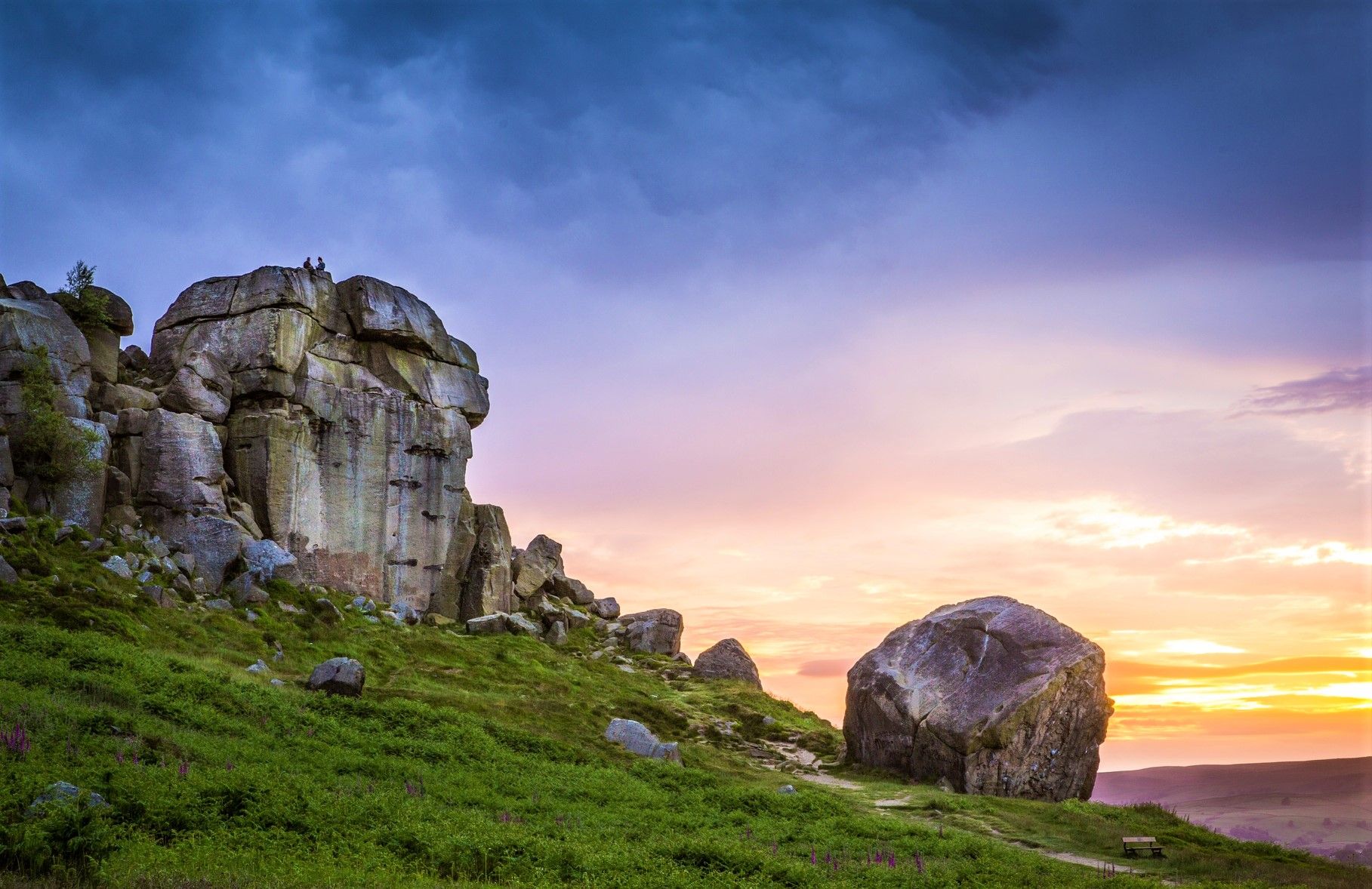
Ebor Way – Discover Yorkshire's scenic splendour
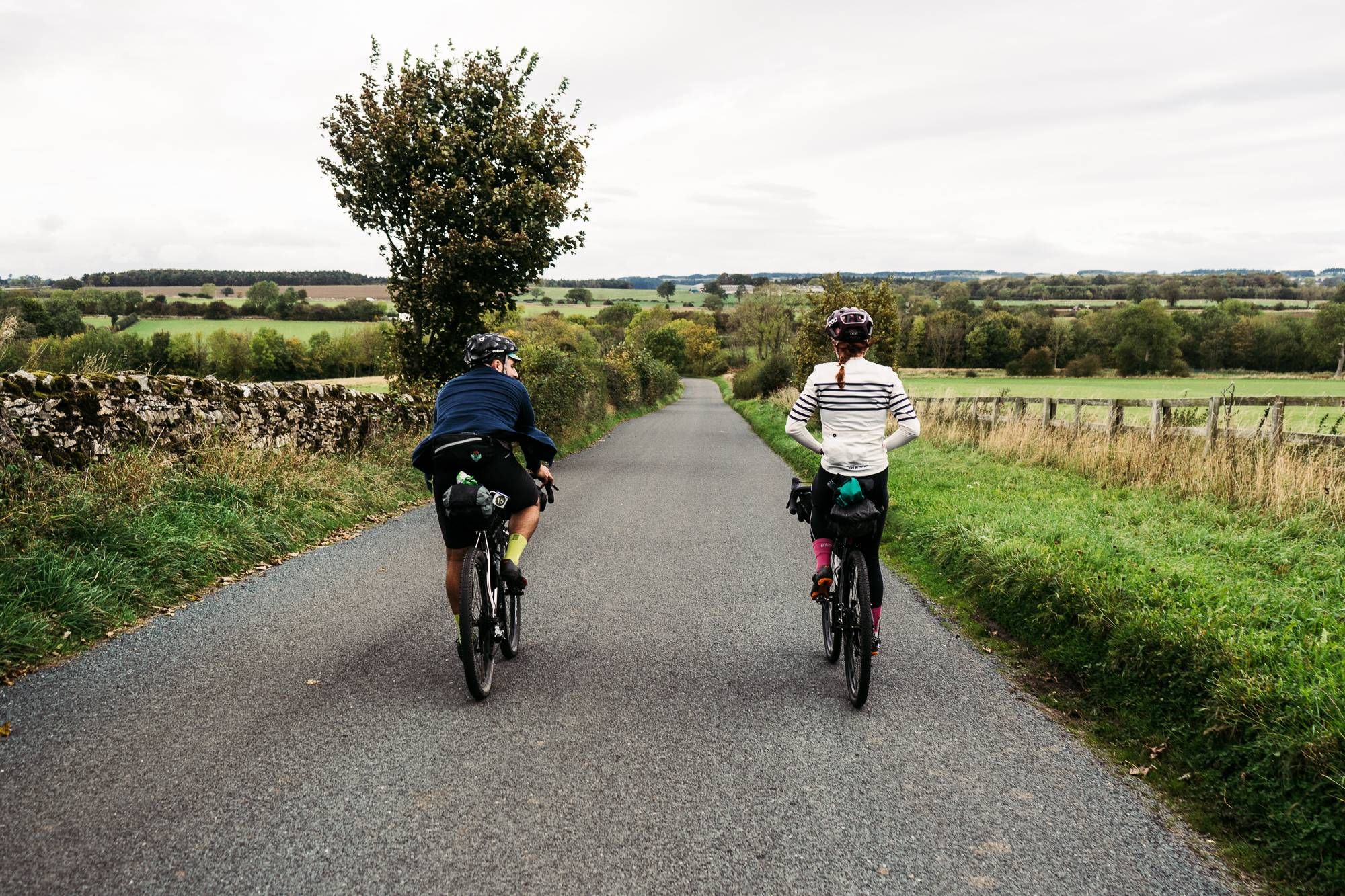
Cycle the Way of the Roses – Historic cities to rolling hills
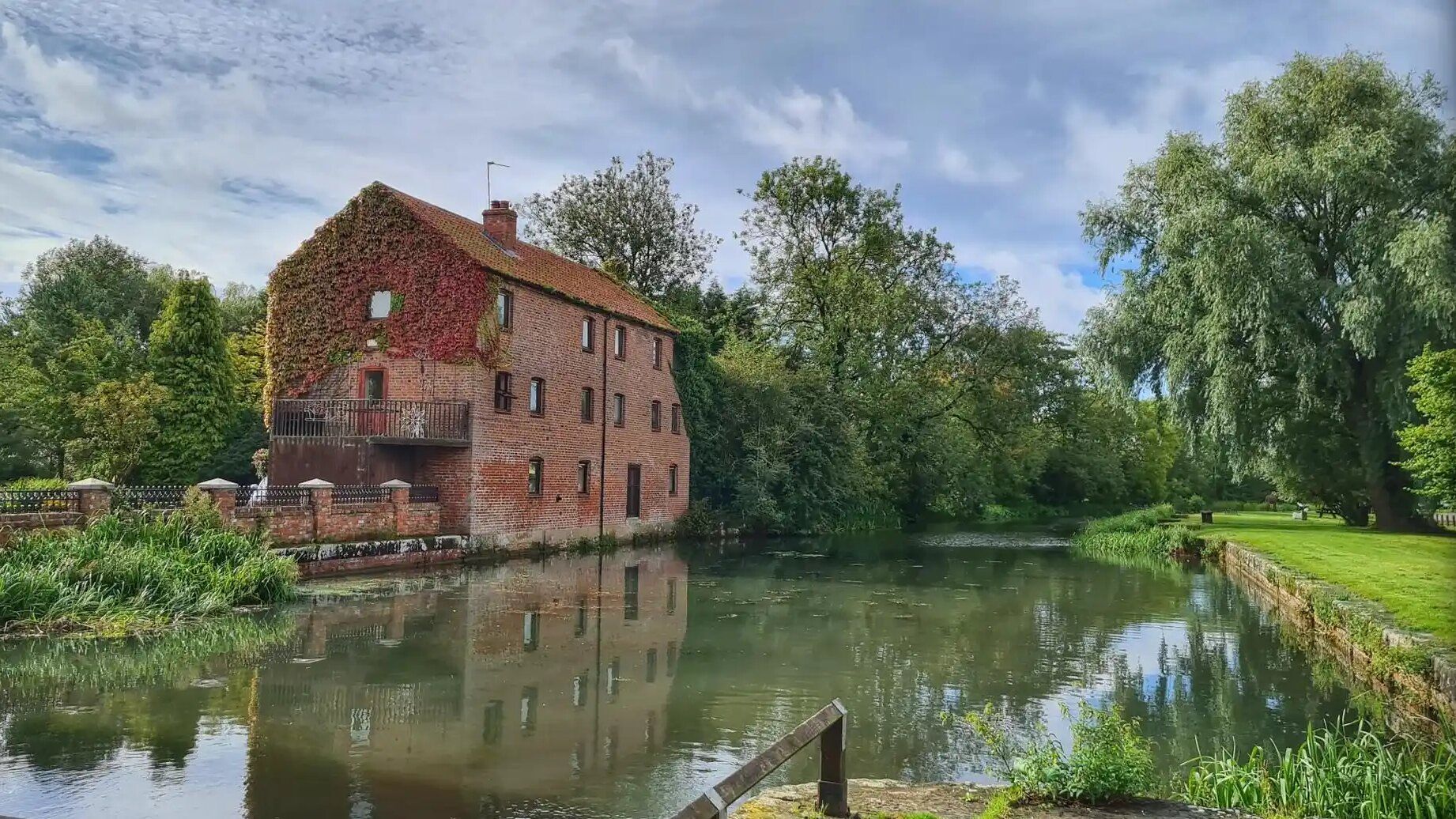
Wolds, waterways & a tribute to a hero – Wilberforce Way
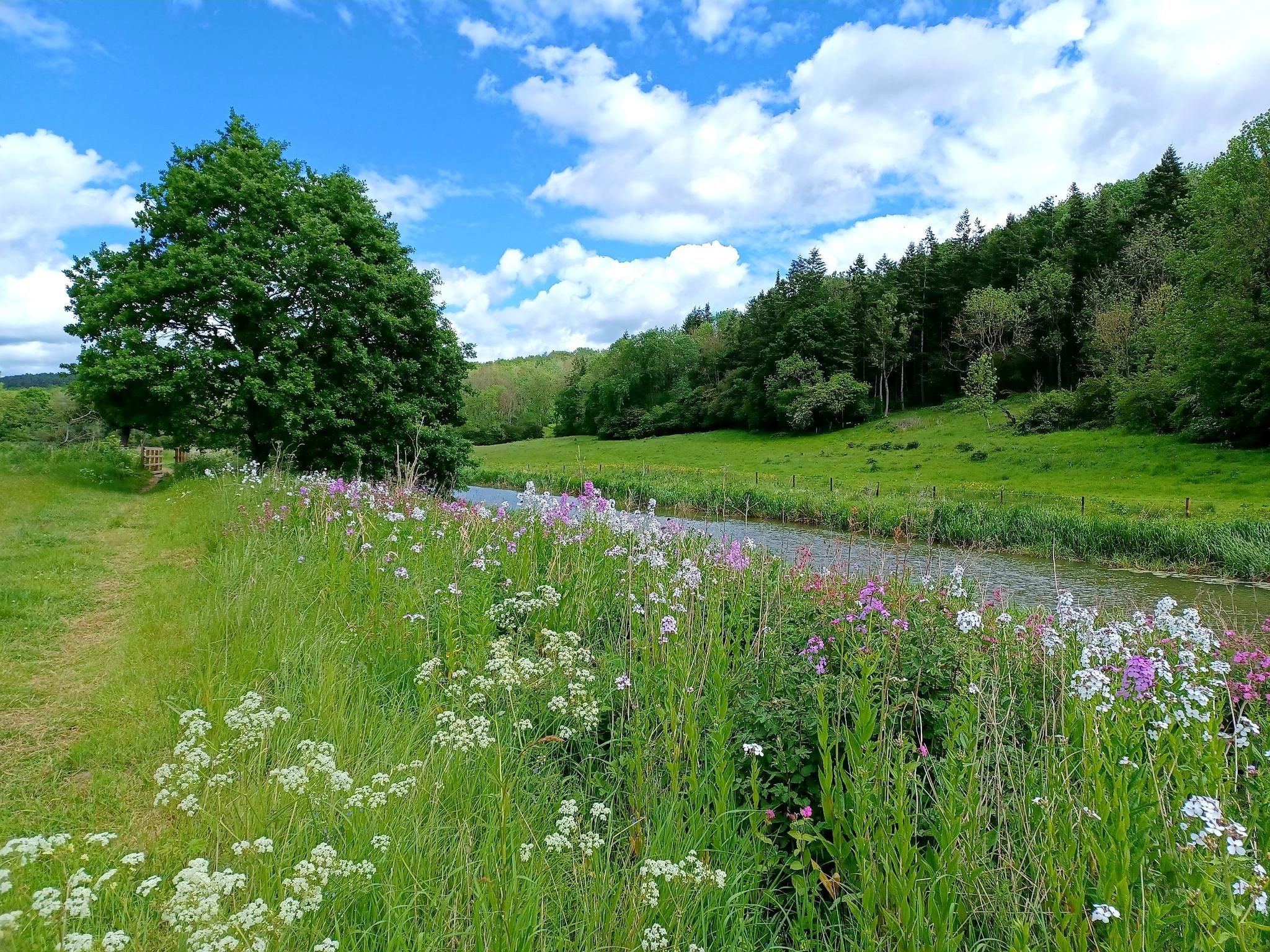
Hike 'God's Own County' – White Rose Way
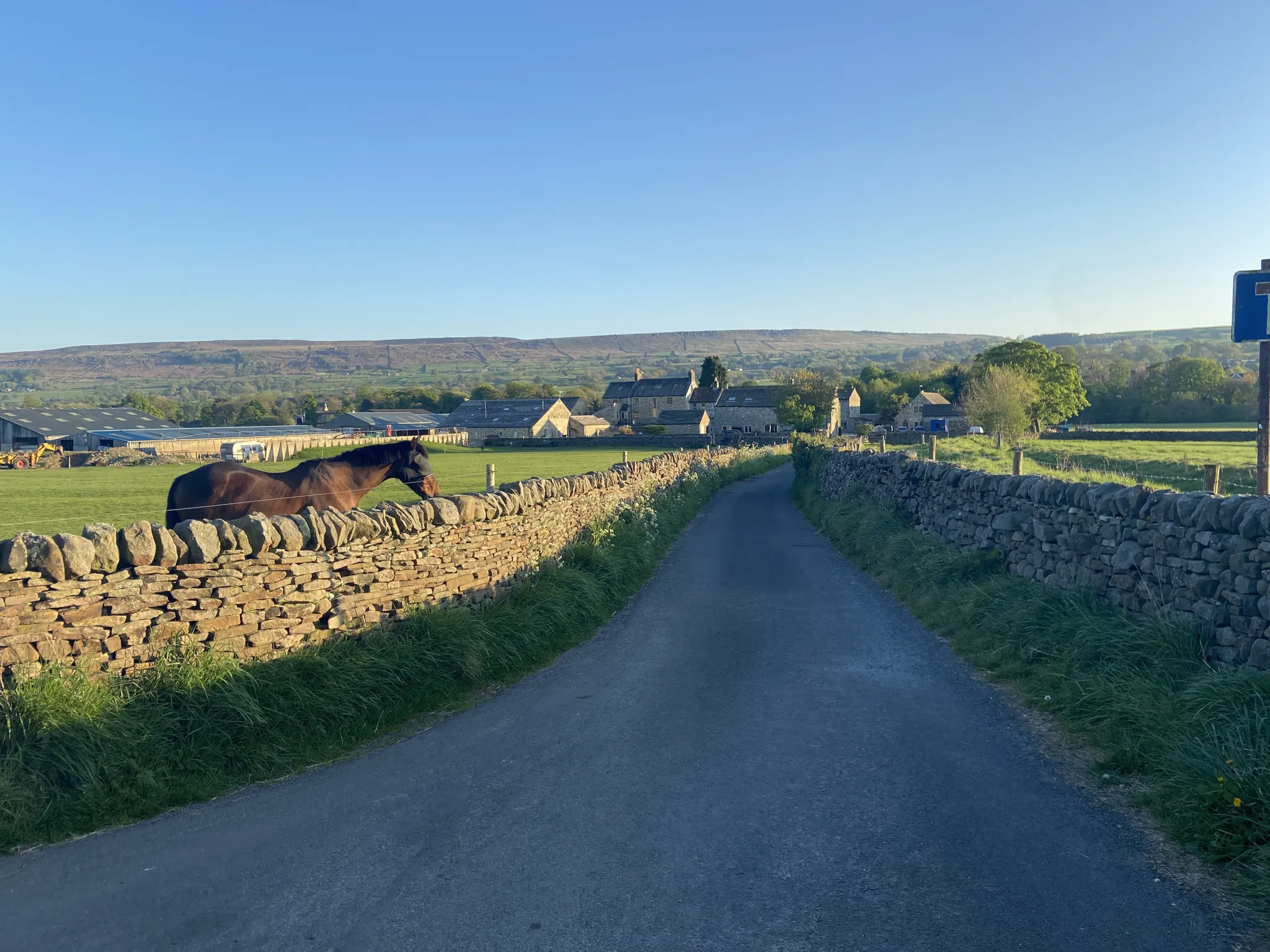
Yorkshire's Finest – A World Championship host for good reason
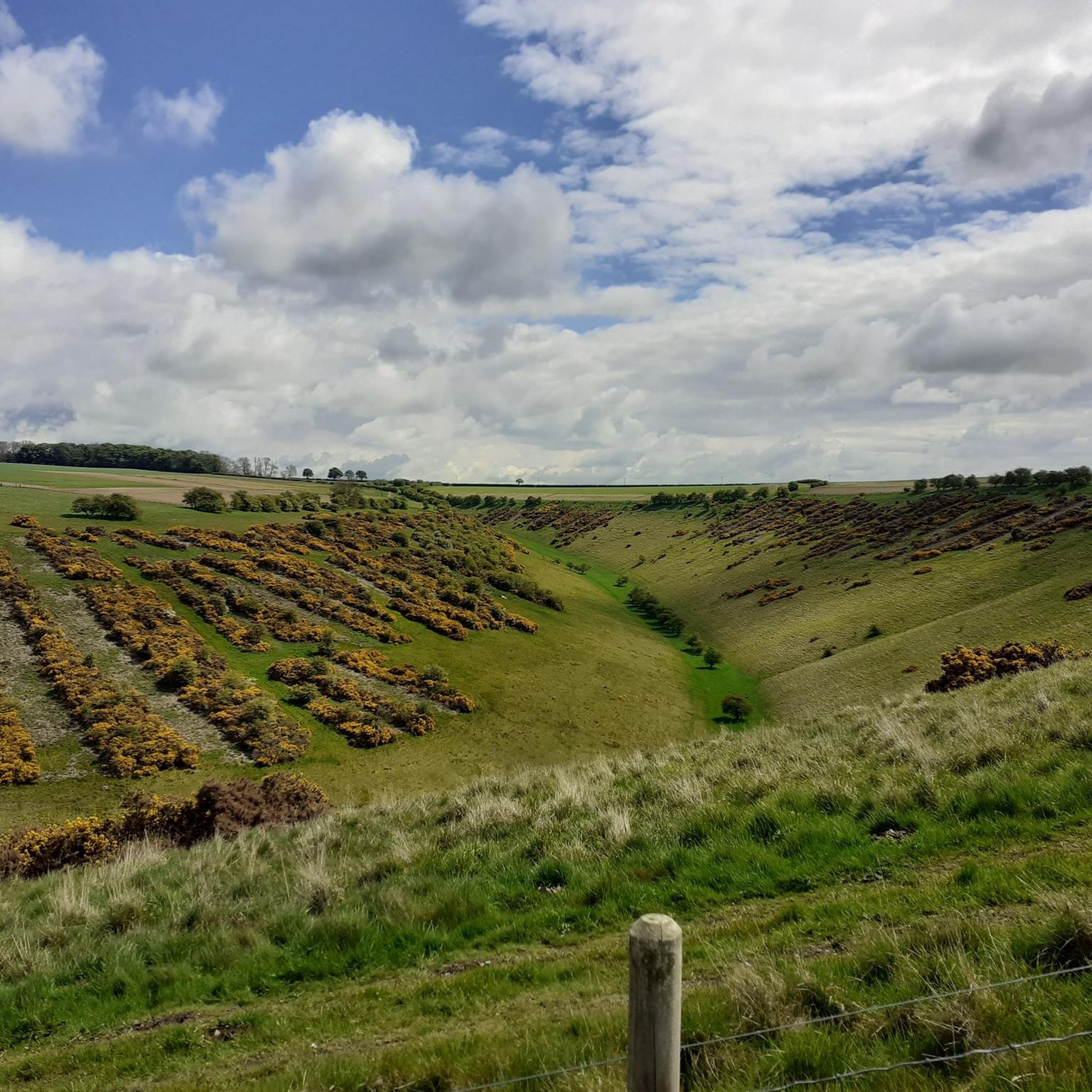
Running Trails around York
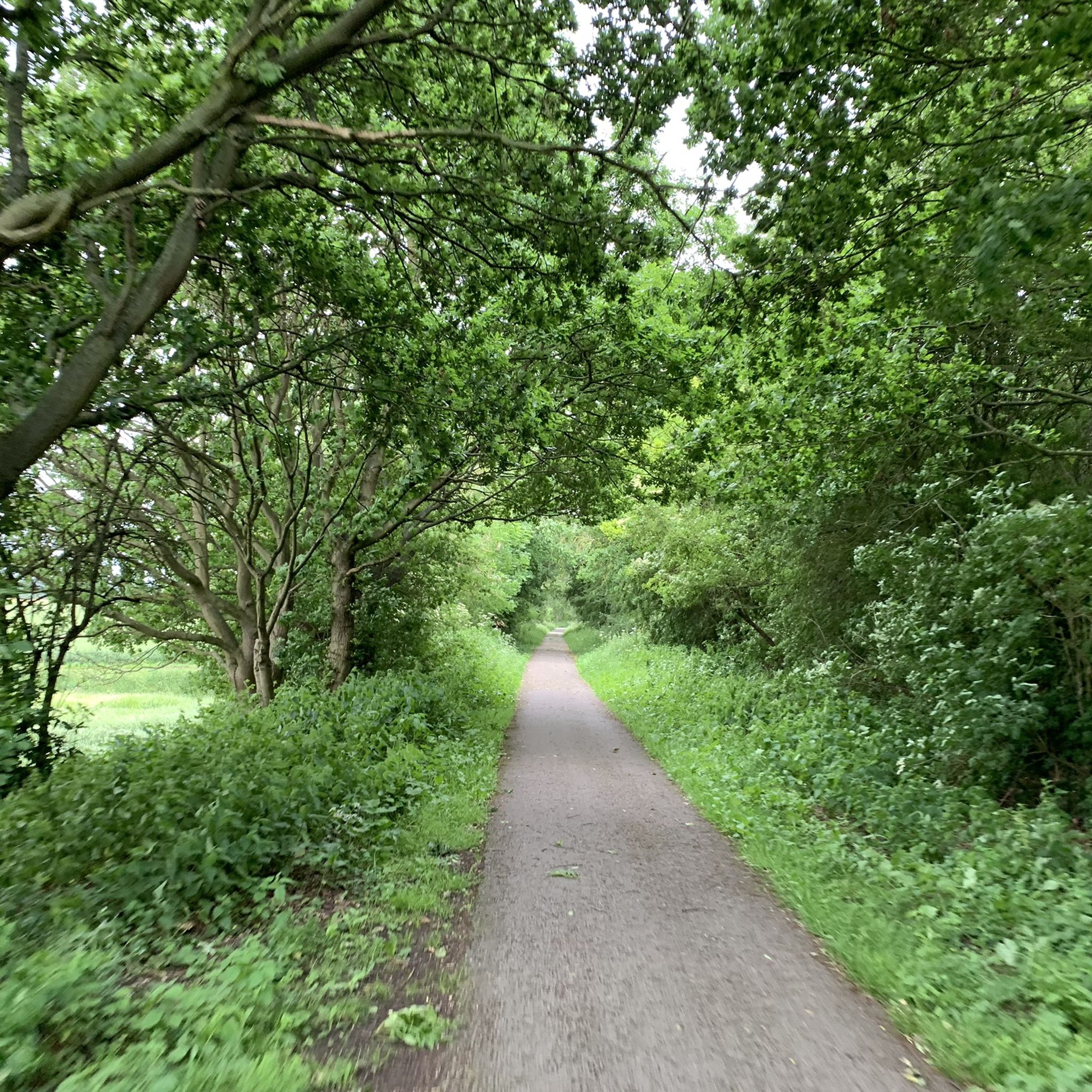
Road Cycling Routes around York
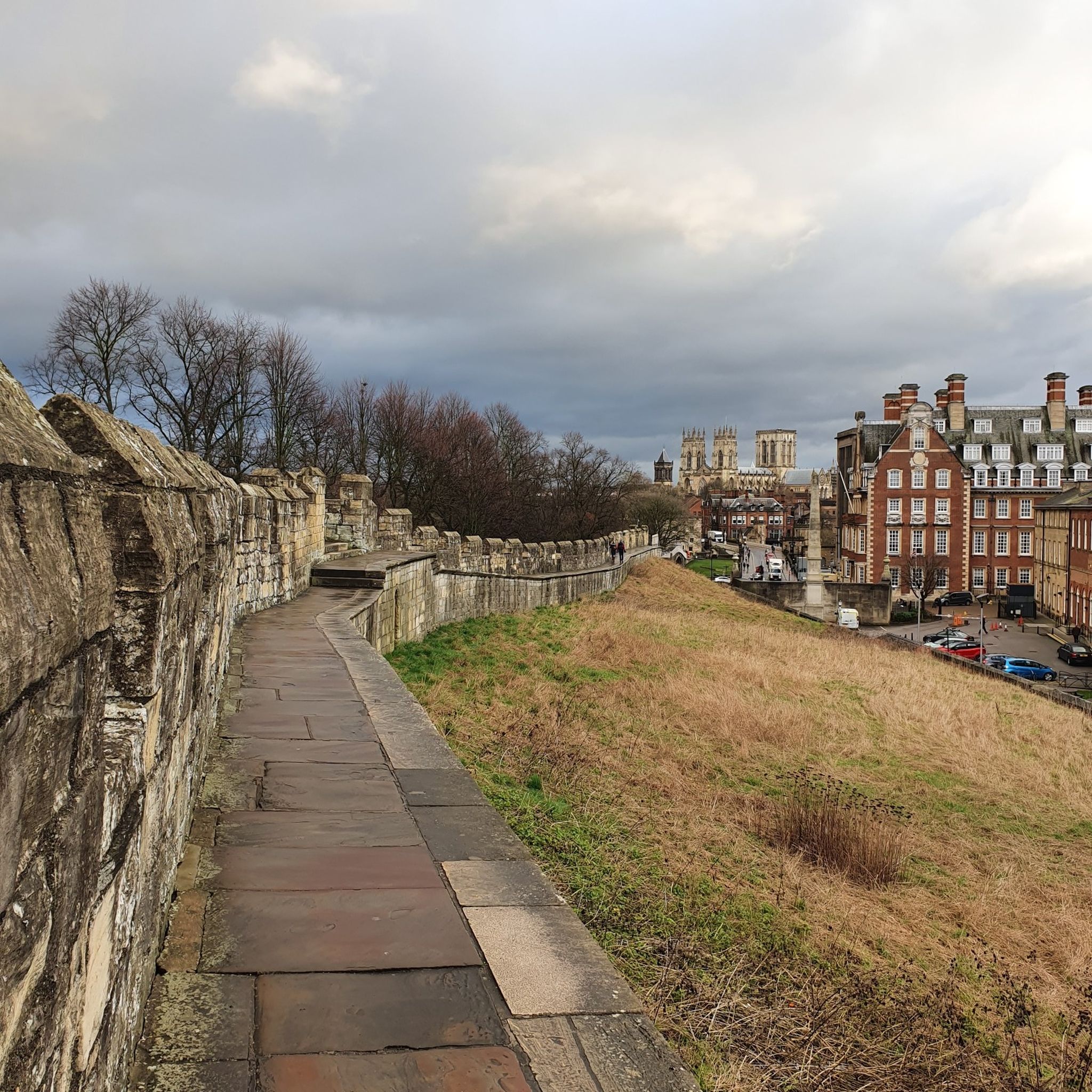
Hiking around York
Cycling around York
MTB Trails around York
Other adventures around York


Tips from the Community


Built in 2001 for over £4m, the York Millennium Bridge is a pedestrian and cycle bridge over the River Ouse in York, England. It connects New Walk to Terry Avenue, south of the city centre, and is part of a popular circular walking route. The bridge was designed to shorten the walking and cycling routes for people in the South Bank area of the city to the University of York and the city centre. If you are a pedestrian, then keep your wits about you. Cyclists will not give you any room and will not slow down either.
1
0
Don't visit in winter. Very good chance it will be under water, or sludge after the River Ouse floodwaters have receded. Bearing that in mind, YCC and the keepers do a pretty good job of maintaining the park. The park was created in memory of employees of Rowntree's who died in the First World War, and was opened on 16 July 1921 by local entrepreneur and philanthropist Joseph Rowntree. Upon their purchase in 1919, the 17 acres of land cost £1,500. The park now covers an area of 25 acres, with it being extended in 1926/7 with the purchase of Clementhorpe allotments, and further in 2000 with the purchase of Butcher Terrace football fields. The gates at the riverbank entrance are eighteenth-century and were given by the company as a memorial to the people of York who died in the Second World War. There are further commemorative plaques on the dovecote. https://en.wikipedia.org/wiki/Rowntree_Park
1
1
The Bar, which lies 100 yds. southeast of the porta decumana of the legionary fortress, is built almost entirely of magnesian limestone and dates from the early 14th century; the uppermost storey was added in the late 15th century and windows were renewed in the 16th century. The gatehouse was built to a sophisticated design, making it a self-contained fortress with each floor defensible, even when the others had been captured. Variations in stone sizes and irregular coursing indicate several stages during the construction, with the front wall apparently preceding the vaulting. There is no trace of an earlier gate on this site.
1
0
Welcome to the most popular city in the UK in 2025 (if you believe YouGov polls... https://yougov.co.uk/ratings/travel/popularity/cities/all). Staggering amount of fascinating history and Wikipedia does a decent job of making it accessible, or you can go really deep into something like the five-volume "An Inventory of the Historical Monuments in City of York": https://en.wikipedia.org/wiki/History_of_York https://en.wikipedia.org/wiki/Eboracum https://en.wikipedia.org/wiki/Scandinavian_York https://www.british-history.ac.uk/rchme/york/vol1
1
0
Along with The Norman House near Stonegate, this is probably one of the oldest surviving buildings in York, and is the only Bar with its Barbican intact. Walmgate Bar consists of a passageway with arches at each end and a rectangular gatehouse of two storeys above. There are bartizans at the angles towards Lawrence Street, and at the rear is a timber-framed projection supported on two stone columns. The barbican, portcullis and wooden inner doors still remain. The Bar is built of magnesian limestone and was heavily restored in 1645–8. Its upper floors have been used by Gatehouse Coffee for a few years now, and were once a bookshop. Walmgate Bar is first mentioned in the mid 12th century. The earliest surviving masonry, the inner arch of the main gate, is of this date.
1
0
Old Norse "mykill" (great) and "gata" (street), the "gate" suffix being very common among York street names. You can also add the heads of Edmund, Earl of Rutland and Richard Neville, 5th Earl of Salisbury to the Bar, and some say that the Duke of York's participation in the Battle of Wakefield is the source of the phrase for remembering the traditional colours of the rainbow, Richard Of York Gave Battle in Vain...
1
0
You can't come to York and not walk some of the walls, the most scenic parts are the North Corner around the Minster on the north side of the city centre. Opening times and other notices here: https://www.york.gov.uk/york-city-centre/city-walls/3 Maps and descriptions of wall walks here: https://www.yorkwalls.org.uk/?page_id=3690
1
0
Frequently Asked Questions
What are some must-see historical landmarks in York?
York is rich in history. You should definitely visit Historic Centre of York, which dates back 2,000 years and is characterized by its ancient buildings and medieval streets. Other significant landmarks include the iconic York Minster, Clifford's Tower, and the medieval Shambles. You can also explore the ancient Micklegate Bar and Walmgate Bar, which are part of the city's historic walls.
Are there any unique attractions or experiences in York?
Beyond the traditional historical sites, York offers several unique experiences. The York Solar System Greenway is a 6.4-mile cycleway featuring scale models of planets. You can also delve into the city's Viking past at the Jorvik Viking Centre, explore the National Railway Museum, or discover York's chocolate-making heritage at York's Chocolate Story.
What outdoor activities can I do near York's attractions?
York offers a variety of outdoor activities, especially cycling and hiking. You can explore routes like the easy 'Naburn Railway Bridge – Millennium Bridge York loop' or the more challenging 'Kirkham Priory & Pocklington loop'. For hiking, consider the 'York City Walls – York Minster loop' or the 'St Mary's Abbey Ruins – Barker Tower loop'. Find more options on the Cycling around York and Hiking around York guide pages.
Are there family-friendly attractions in York?
Yes, York has many family-friendly options. The York Solar System Greenway is a fun and educational cycling route. Rowntree Park offers playgrounds and open spaces for children. The National Railway Museum and Jorvik Viking Centre are also popular with families, providing interactive and immersive experiences.
Where can I find green spaces or natural features for relaxation in York?
For a tranquil escape, visit the Museum Gardens, which house the picturesque ruins of St Mary's Abbey. Rowntree Park is another popular spot with open lawns and a lake. For more extensive natural beauty, the wider North Yorkshire countryside, including the North York Moors and Yorkshire Dales, is easily accessible from York.
Can I walk along the historic city walls of York?
Yes, York's city walls encircle the city and offer a unique historic walk. You can access them from various points, including Micklegate Bar, Walmgate Bar, and Monk Bar. This walk provides excellent views of the city's Roman ruins and modern cityscape.
What are some lesser-known historical gems in York?
Beyond the major landmarks, explore the Merchant Adventurers' Hall, one of the finest medieval guildhalls, or Barley Hall, a reconstructed medieval townhouse offering insight into 15th-century life. Fairfax House is a beautifully preserved Georgian townhouse, and the ruins of St Mary's Abbey within the Museum Gardens are also worth a visit.
Are there any accessible attractions for visitors with mobility needs?
The York Millennium Bridge is wheelchair accessible, offering views along the River Ouse. Many of York's museums and larger attractions, such as the National Railway Museum, also strive to provide good accessibility. It's always recommended to check specific venue websites for detailed accessibility information before your visit.
Where can I find scenic viewpoints in York?
For panoramic views, consider a tower tour at York Minster. Clifford's Tower, perched on a hill, also provides excellent vistas of the city and surrounding Yorkshire countryside. The York Millennium Bridge and Lendal Bridge offer pleasant views along the River Ouse.
What do visitors enjoy most about York?
Visitors frequently praise York's rich history, outstanding architecture, and the charm of its narrow medieval streets like The Shambles. The city's blend of ancient landmarks, unique cultural experiences, and accessible green spaces makes it a popular destination. Many appreciate the ability to explore on foot or by bike, taking in the sights and enjoying the vibrant atmosphere.
Are there any good places for cycling in and around York?
York is very cycle-friendly. The York Solar System Greenway is a popular, flat route. You can also find various cycling routes, from easy to difficult, such as the 'Naburn Railway Bridge – Millennium Bridge York loop' or the 'Vale of York loop'. More details are available on the Cycling around York guide page.
What are some historical sites related to York's Roman and Viking past?
York, originally the Roman Eboracum, has a deep Roman history, with remnants visible along the city walls. For its Viking legacy, the Jorvik Viking Centre offers an immersive journey back to 975 AD. The Yorkshire Museum also features an outstanding Roman Britain section and covers Viking and medieval times.
Most popular routes around York
Most popular attractions around York

Get inspired with the komoot mobile app


Explore more
Still not found the Highlight you’re looking for? See guides of the top attractions in other regions:
