The 20 Most Amazing Peaks in West Sussex
Best mountain peaks in West Sussex are characterized by prominent hills and elevated landscapes within the South Downs National Park. The region's highest point is Black Down, reaching 280 meters. These areas offer diverse terrain, including heathland, ancient woodlands, and open meadows. They provide opportunities for outdoor activities and feature significant historical sites.
Best mountain peaks in West Sussex
- The most popular mountain peaks is Chanctonbury Ring hillfort, a historical site that boasts sublime views over the South Downs countryside. It is a prehistoric hill fort atop Chanctonbury Hill, known for its prominent beech trees and historical significance.
- Another must-see spot is Halnaker Windmill, a historical site and man-made monument. Visitors can enjoy fantastic 360 degree views from the top of the hill where the windmill is located.
- Visitors also love Temple of the Wind Viewpoint, a viewpoint offering expansive vistas. This location provides views for miles, making it a notable spot for panoramic scenery.
- West Sussex is known for its historical hill forts, natural viewpoints, and prominent hills. The region offers a variety of mountain peaks to see and explore, ranging from ancient sites to scenic overlooks.
- The mountain peaks in West Sussex are appreciated by the komoot community, with more than 350 upvotes and 100 photos shared by visitors.
Last updated: October 10, 2026
Chanctonbury Ring hillfort
Highlight • Historical Site
Tip by

Cissbury Ring Hill Fort
Highlight • Historical Site
During spring and autumn you are able to observe a wide variety of migratory birds here as Cissbury is one of the first coastal landing points. The fort is managed by the National Trust and is accessible at any time, free of charge.
Tip by
Sign up now to discover places like this
Get recommendations on the best single tracks, peaks, & plenty of other exciting outdoor places.
Devil's Humps (Bronze Age Barrows)
Highlight • Historical Site
Tip by

Bignor Hill summit and Roman road signpost
Highlight • Monument
Tip by
Halnaker Windmill
Highlight • Historical Site
Tip by

Chantry Hill
Highlight • Viewpoint
Tip by
Torberry Hill Iron Age Hillfort
Highlight • Historical Site
The hillfort has a pear-shaped layout and covers an area of 2.8 hectares. It has a low dump rampart and a ditch that enclose the western part of the hill. The eastern part is defended by the steep slope of the hill. The interior of the hillfort contains several storage pits that date to the Iron Age. The hillfort was built in several phases, starting from the 5th century BC.
Torberry Hill is also a mountain summit that is 156 metres high with a prominence of 65 metres. The summit can be identified by a grass mound. There are several walks that can be done around Torberry Hill, such as the one to West Harting Down or Beacon Hill.
Tip by

Barnsfarm Hill on the South Downs Way
Highlight (Segment) • Viewpoint
This climb or descent is steepest at 19%, but only for a short stretch before easing off at the top if you're on the way up. Take a breather at the top to enjoy the views.
Tip by

Wolstonbury Hill
Highlight • Natural Monument
Looking west one can see Newtimber Hill, West Hill with Devil's Dike just beyond, further out Chanctonbury Ring is clearly visible.
quite a challenging walk coming from the north however you are treated with great views from the Top and access to other sections of the South Downs.
Tip by

Temple of the Wind Viewpoint
Highlight • Viewpoint
Tip by

Sign up for free to discover even more peaks in West Sussex.
Already have an account?
Start today with a free account
Your next adventure awaits.
Popular around West Sussex
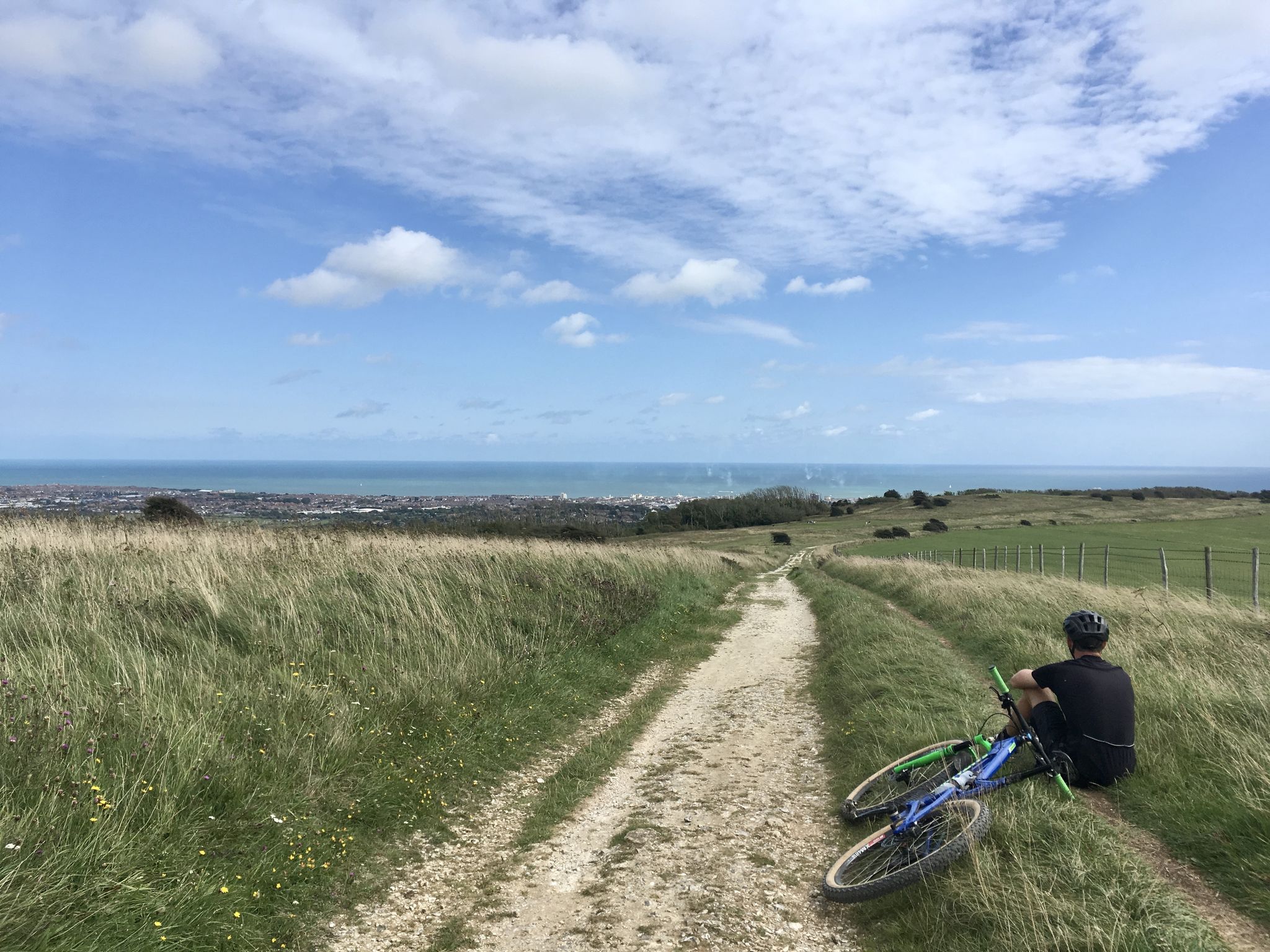
South Downs Way — A Southern off-road utopia
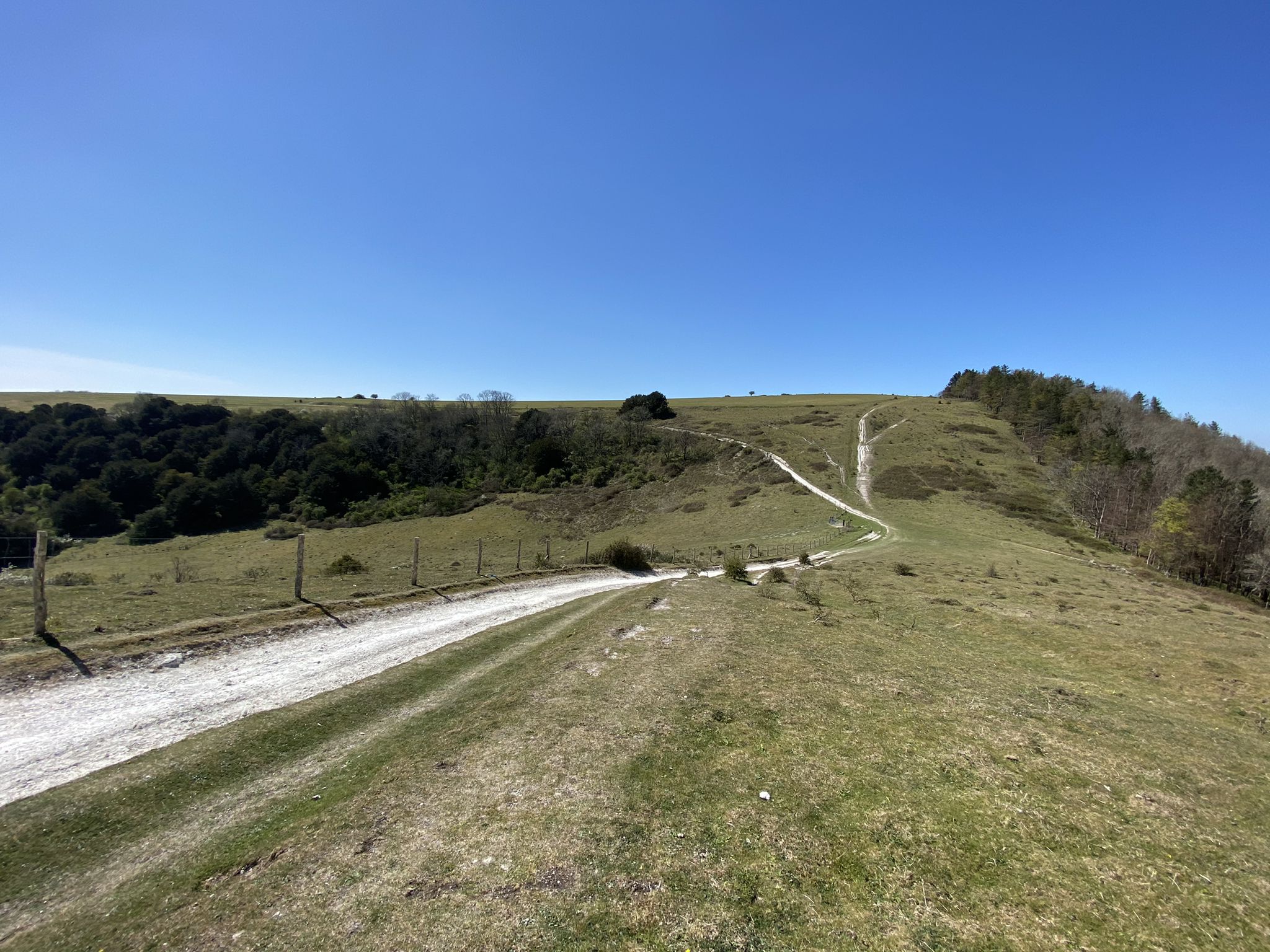
South Downs Way – a 100-mile run across the national park
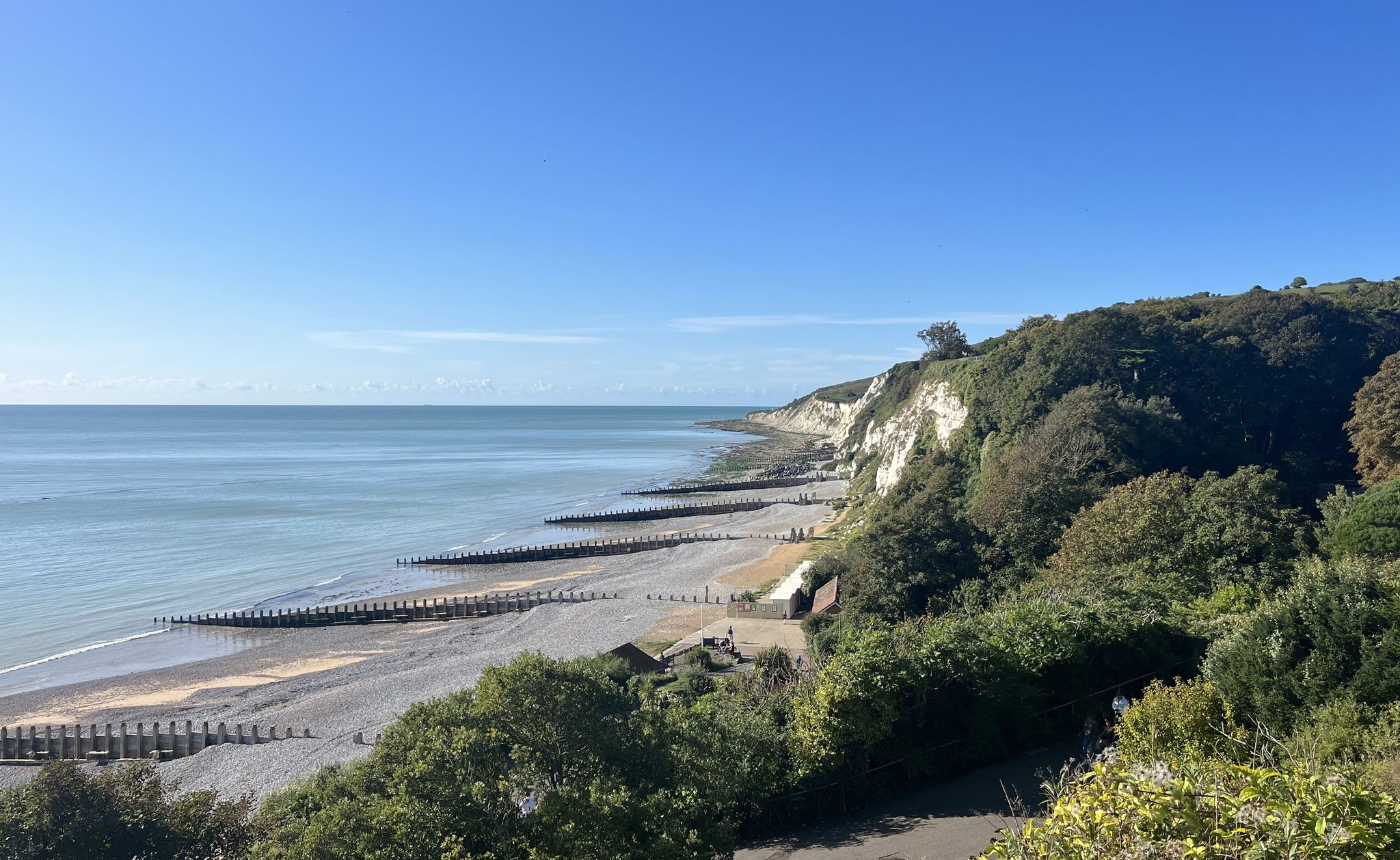
South Downs National Park – A Walk in the Parks
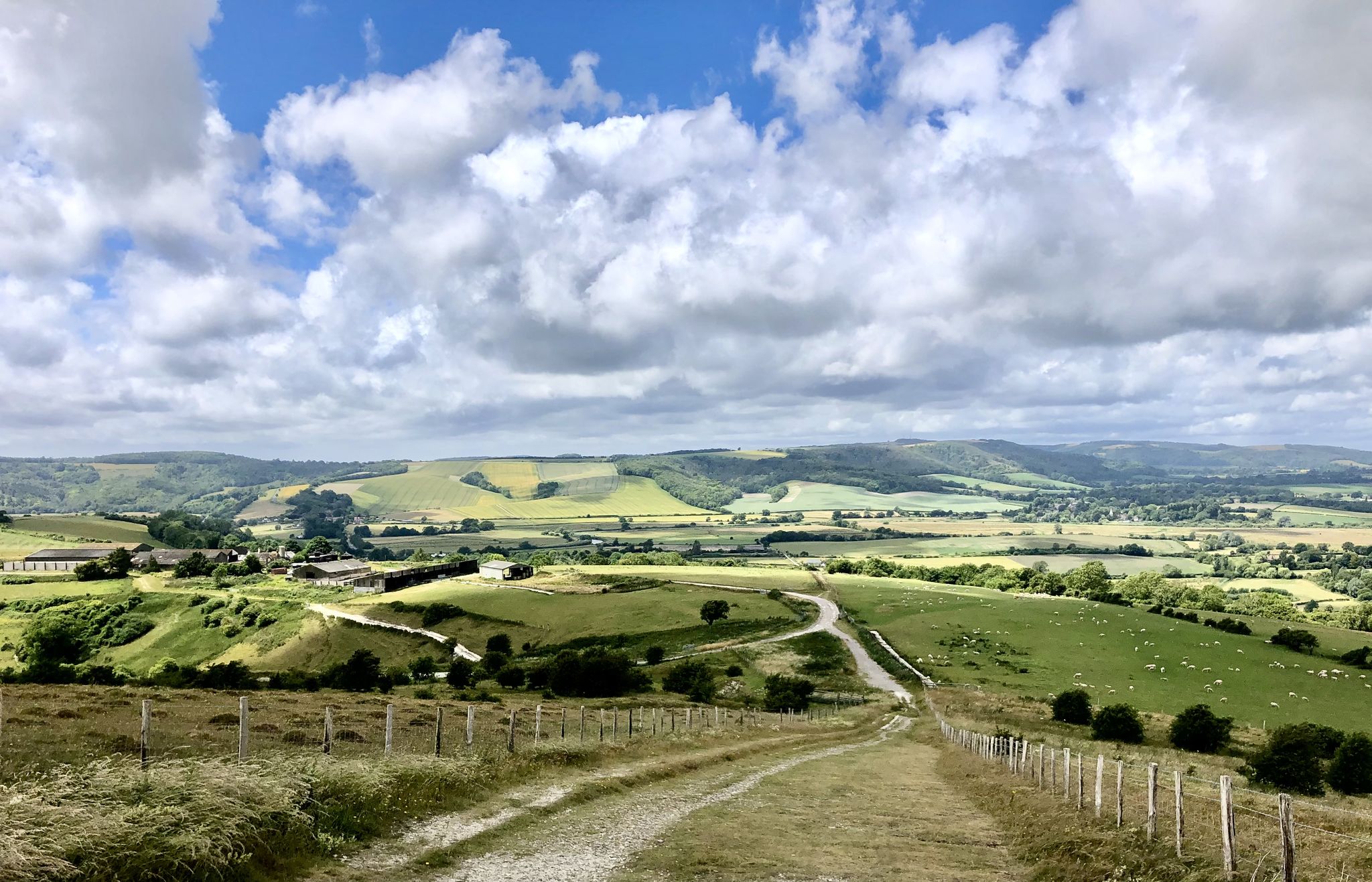
Bikepacking Brighton to Bristol — Ridges, canals and rail paths
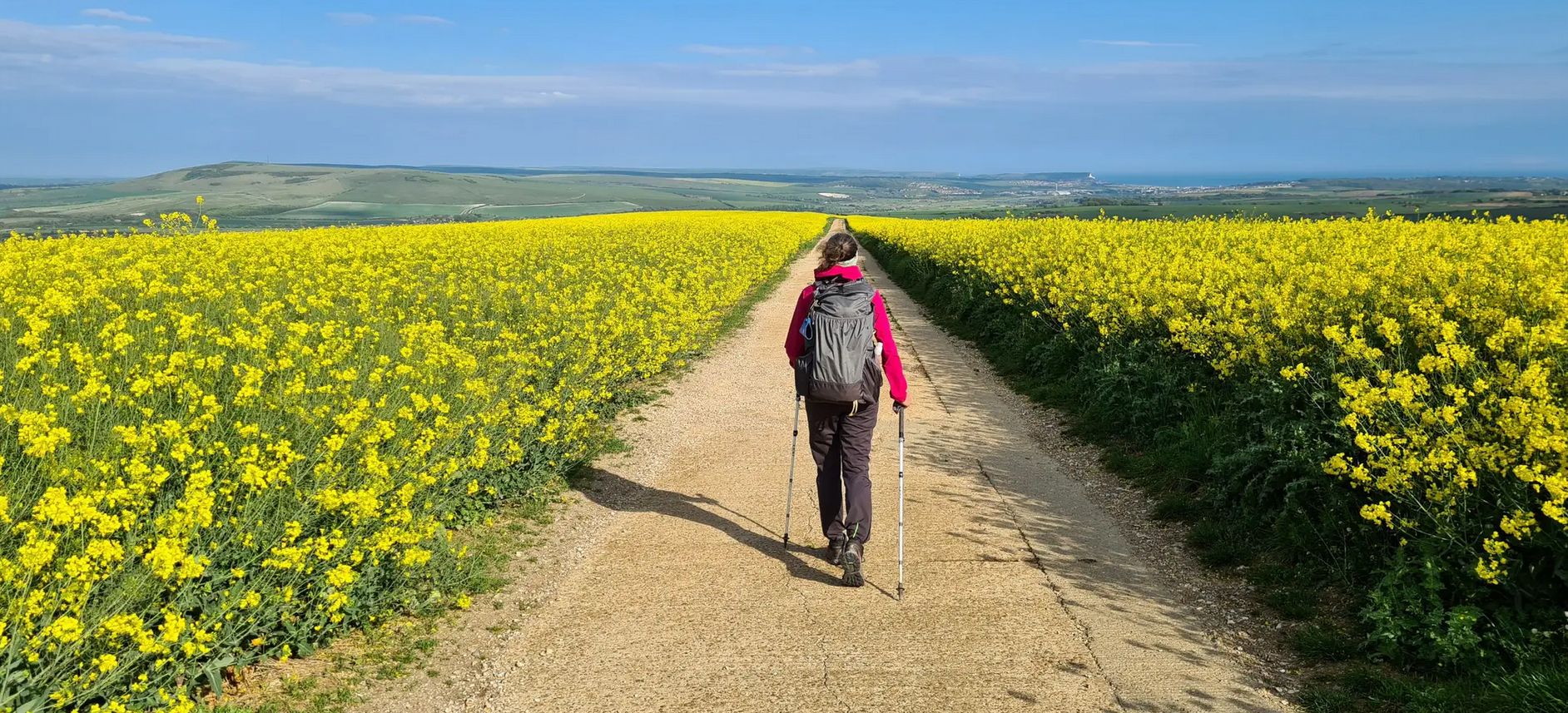
South Downs Way – A captivating hike across Southern England
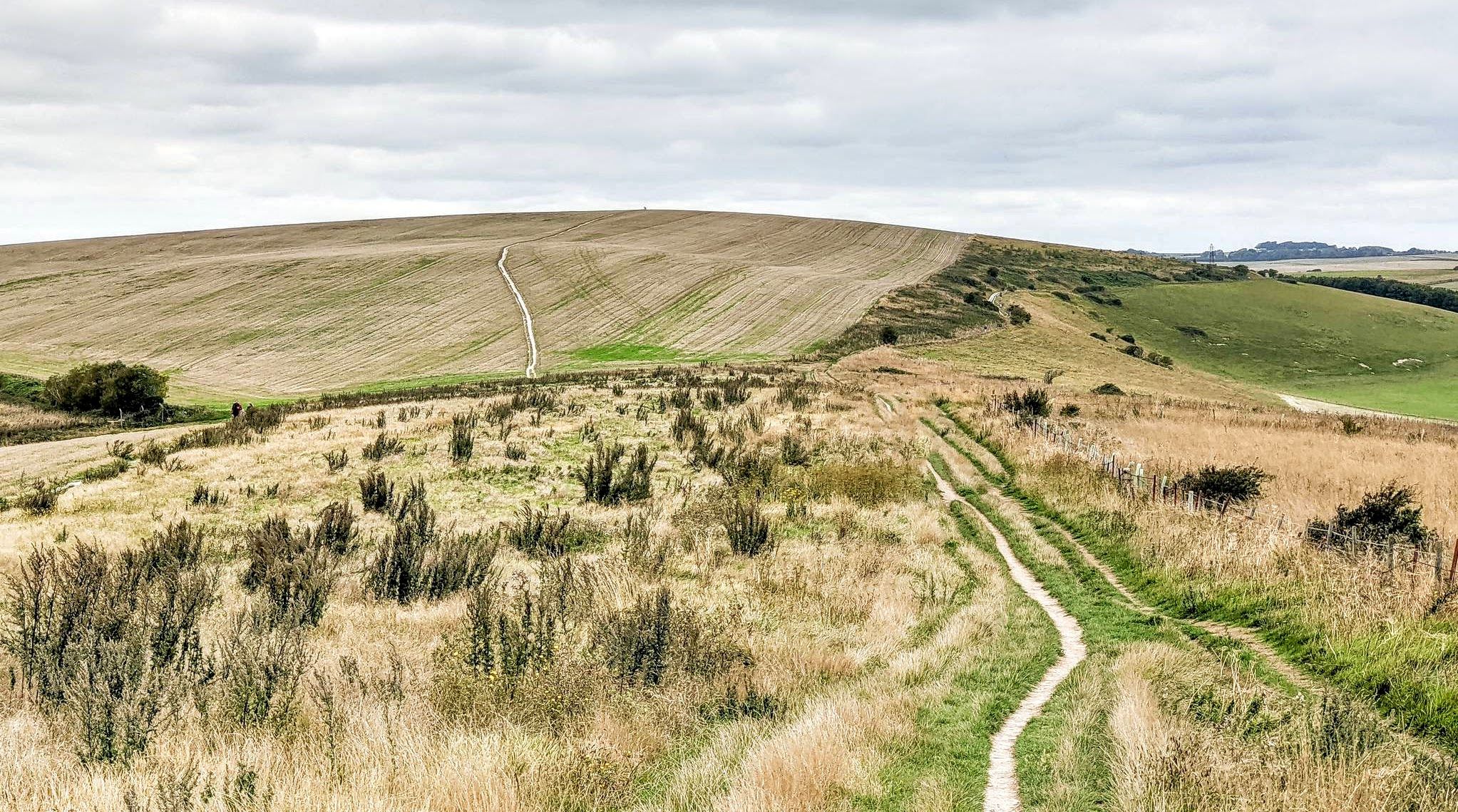
Downs Link and South Downs Way loop from Guildford
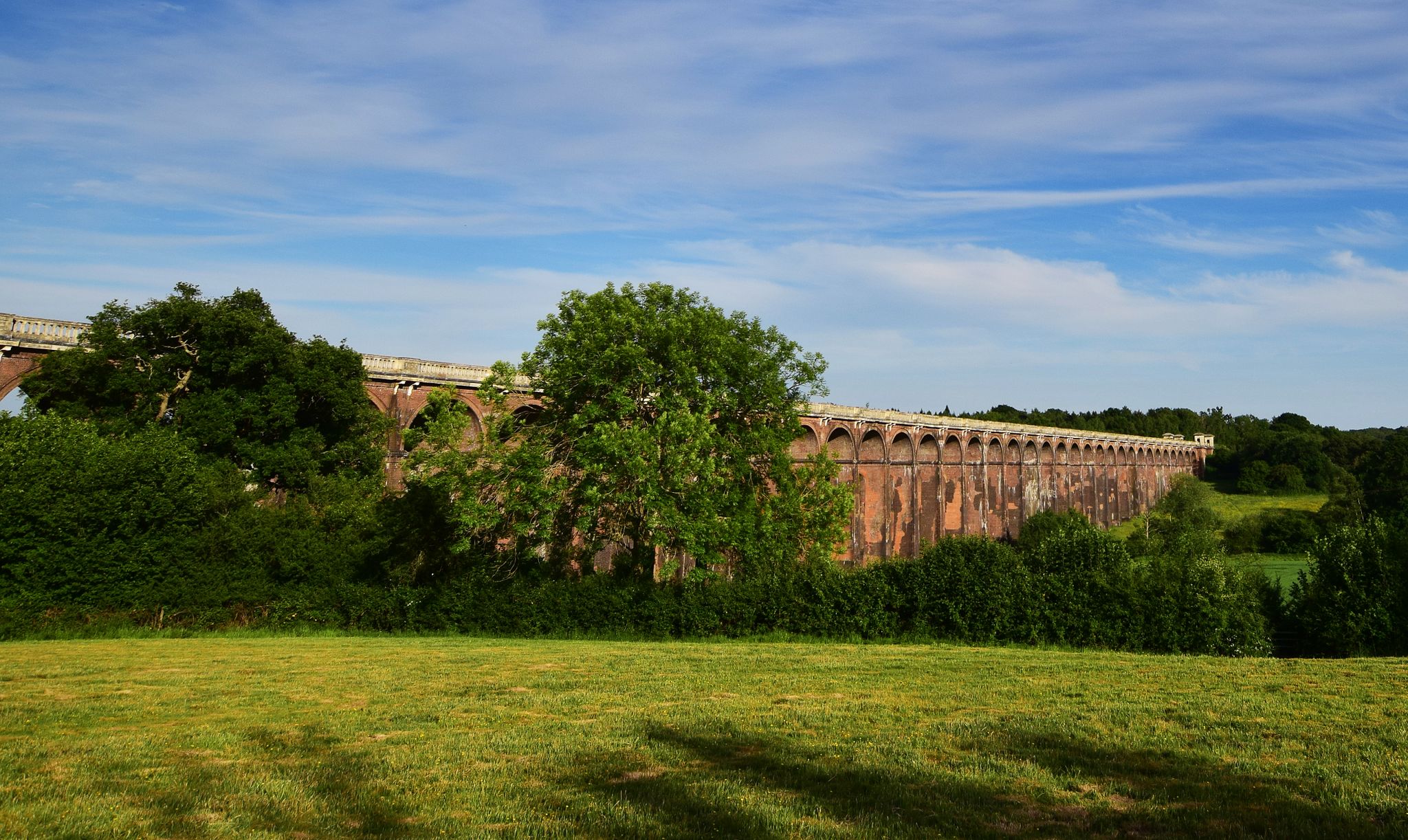
Sussex Ouse Valley Way — From the High Weald to the South Downs
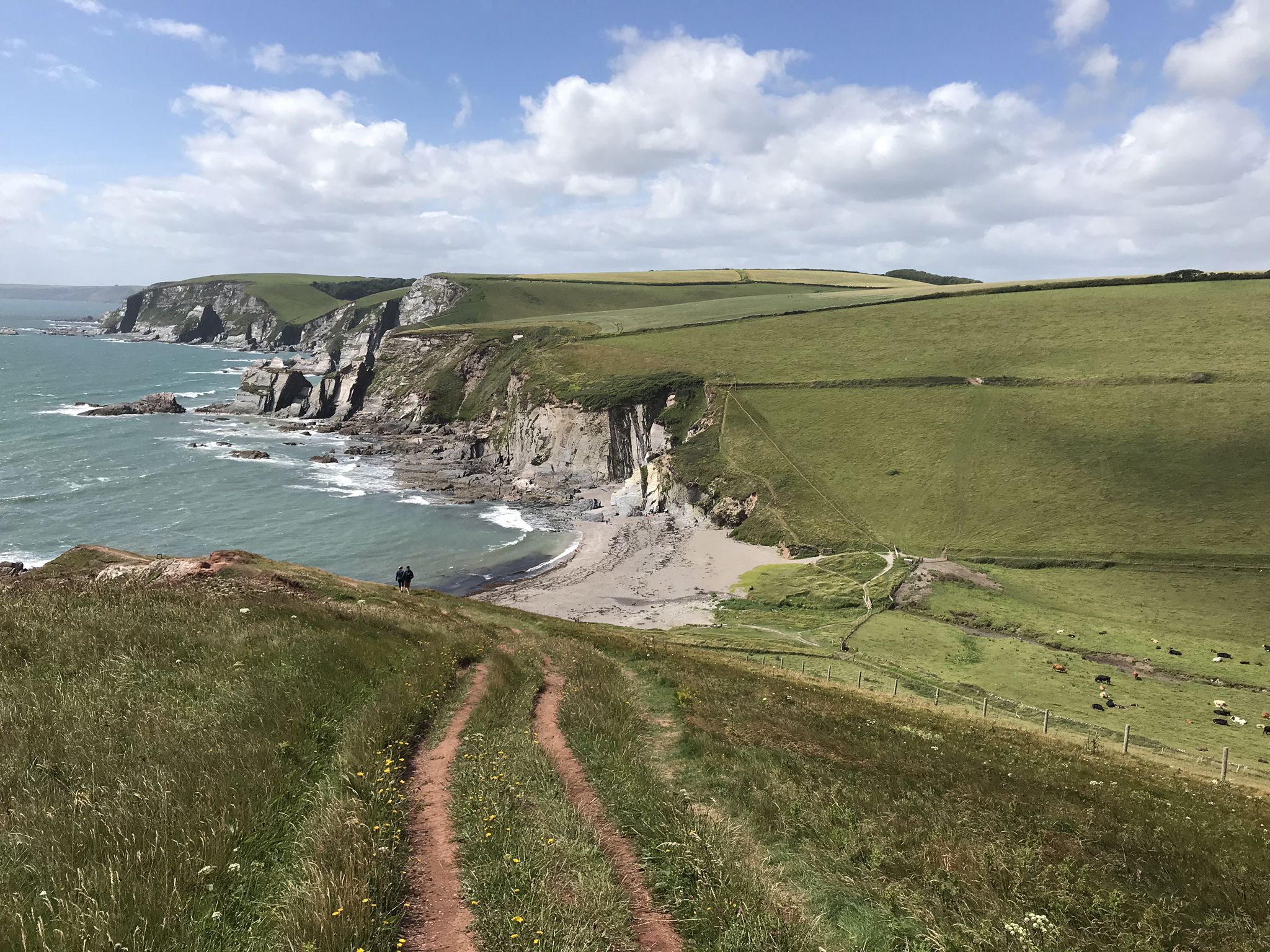
E9 Plymouth to Dover — An epic exploration of England's south coast
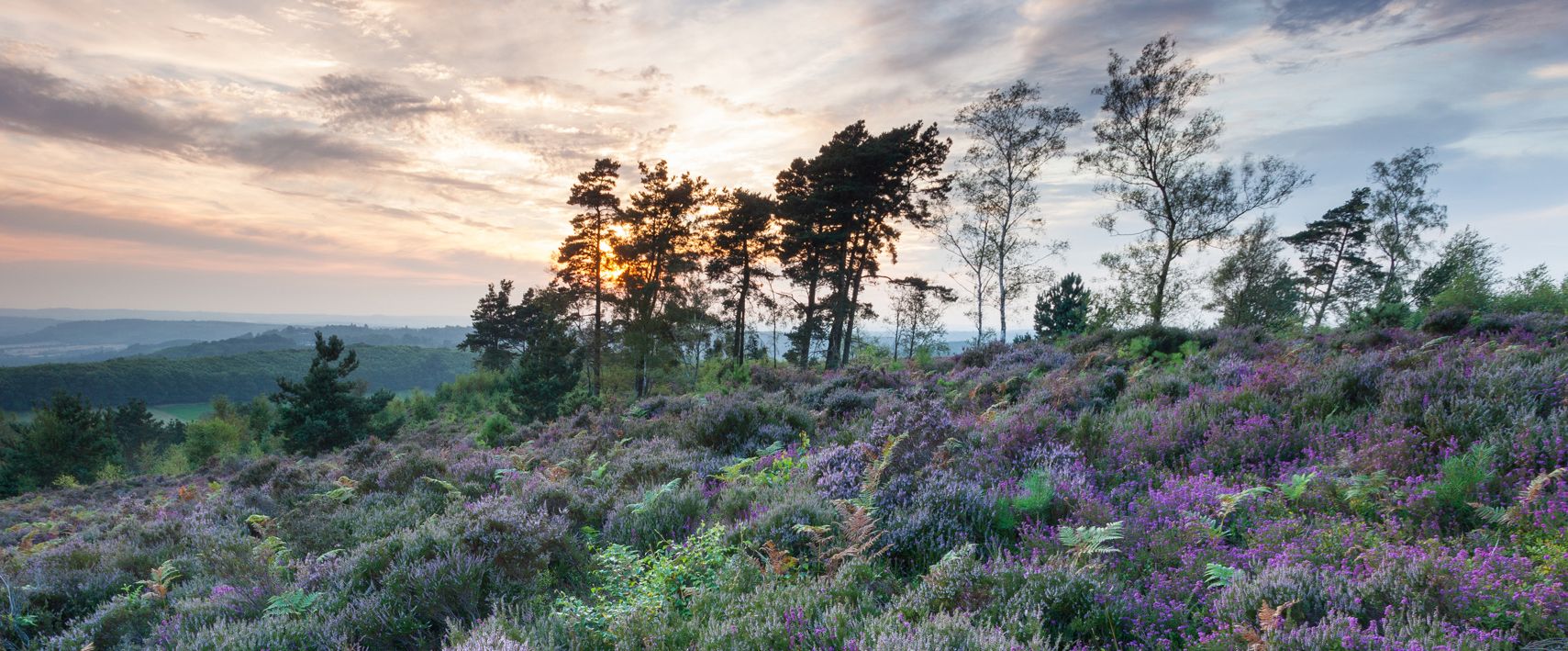
Hiking the Serpent Trail — Snake across Sussex's vibrant Greensand Hills
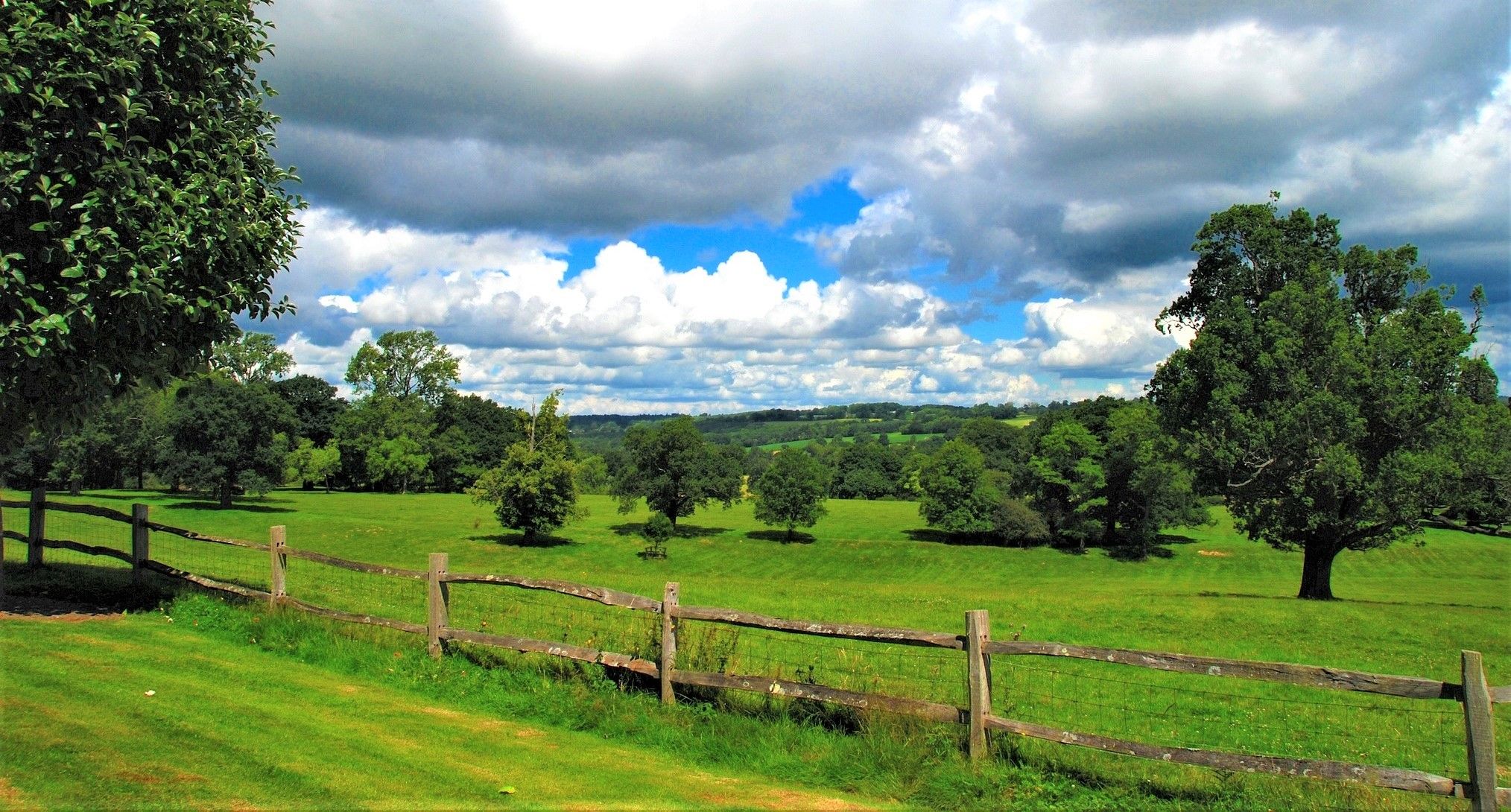
High Weald Landscape Trail — Hike the medieval heart of the South East
Other adventures in West Sussex


Tips from the Community


It's worth noting that the pictures here are of Devil's Humps (10 mins away) not Bow Hill. This marker is in the middle of some woodland without a view (but you do walk past a good view as you turn off the main path!)
0
0

Chantry Hill is adjacent to Kithurst Hill and provides another route to this accessible trig point. The paths and wide open views down over the South Downs are stunning.
0
0

The views were amazing, after the 800 ft climb 😆
1
0


This is a great place to visit at any time of the year, but is particularly special in the autumn. At the NE edge of the village, on the main road (A285), is a new small carpark. The path up to the windmill (Mill Lane track on OS maps) follows the old Roman Road, Stane Street. Beyond the cottages is the famous Halnaker Tree Tunnel. The sunken path has trees on both sides which look particularly fantastic on sunny, autumn days. There are great views in every direction when you get up to the windmill.
0
0

Nice place with spectacular views. Easy path.
2
0
Frequently Asked Questions
What is the highest point in West Sussex?
The highest point in West Sussex is Black Down, standing at an elevation of 280 meters (918 feet). It is also the highest point in the South Downs National Park and offers expansive panoramic views across the Weald and, on clear days, even glimpses of the sea.
Which peaks in West Sussex offer the best panoramic views?
For stunning panoramic views, consider visiting Temple of the Wind Viewpoint on Black Down, which provides views for miles. Chanctonbury Ring hillfort offers far-reaching views across the Weald to the North Downs and the sea. Devil's Dyke provides stunning vistas of the South Downs, The Weald, and sometimes the Isle of Wight. Additionally, Halnaker Windmill boasts fantastic 360-degree views from its hilltop location.
Are there any historical sites among the West Sussex peaks?
Yes, West Sussex is rich in historical sites atop its peaks. Chanctonbury Ring hillfort is a prehistoric hill fort with evidence of Roman-style temples. Cissbury Ring Hill Fort is the largest hill fort in Sussex. Devil's Dyke also contains the ramparts of an Iron Age hillfort. Other notable historical peaks include Torberry Hill Iron Age Hillfort and Devil's Humps (Bronze Age Barrows).
Are there family-friendly peaks or walks in West Sussex?
Several peaks in West Sussex are suitable for families. Halnaker Windmill and Torberry Hill Iron Age Hillfort are both tagged as family-friendly. Barnsfarm Hill on the South Downs Way is also noted as family-friendly, offering pleasant walks and views.
What kind of wildlife can I expect to see on the West Sussex peaks?
The diverse landscapes of West Sussex peaks support various wildlife. On Black Down, you might spot rare species such as nightjars and sand lizards, along with dragonflies near the boggy dew ponds. The heathland is home to purple heather, golden gorse, and bilberry. Cissbury Ring Hill Fort is an excellent spot for observing migratory birds.
What outdoor activities can I do near the West Sussex peaks?
The West Sussex peaks offer a range of outdoor activities. You can enjoy walking and hiking, with the South Downs Way passing through areas like Chanctonbury Ring and Devil's Dyke. For cycling enthusiasts, there are numerous routes, including gravel biking and mountain biking trails. Explore options like the Gravel biking in West Sussex guide or the MTB Trails in West Sussex guide. Devil's Dyke is also popular for model aircraft flying and hang gliding.
Are there specific hiking trails near these mountain peaks?
Yes, many peaks are integrated into popular hiking networks. The South Downs Way is a prominent long-distance path that traverses several peaks, including Chanctonbury Ring and Devil's Dyke. Black Down is accessible via paths like the Sussex Border Path and the Serpent Trail. For more detailed hiking options, you can explore the Running Trails in West Sussex guide, which includes routes like the Thundersbarrow Hill loop from Devils Dyke.
What makes Chanctonbury Ring a unique place to visit?
Chanctonbury Ring hillfort is unique for its distinctive circular clump of beech trees, first planted in 1760, and its rich history as a prehistoric hill fort. It's also steeped in local folklore and mystery, with legends of the Devil and UFO sightings. Visitors can explore the ancient earthworks and enjoy far-reaching views across the Weald and to the sea.
What is the geological significance of Devil's Dyke?
Devil's Dyke is a geologically significant site, recognized as the longest, deepest, and widest dry valley in the UK. It was formed by tremendous amounts of water run-off during the last Ice Age. This unique V-shaped valley, approximately 100 meters deep, offers a dramatic landscape and is part of a Site of Special Scientific Interest.
What do visitors enjoy most about the West Sussex peaks?
Visitors frequently praise the expansive views, the sense of history, and the tranquility of the West Sussex peaks. Many enjoy the challenge of the climbs, such as the 800 ft ascent to Temple of the Wind Viewpoint, which rewards them with amazing vistas. The unique landmarks like the iconic beech trees of Chanctonbury Ring and the picturesque Halnaker Windmill are also highly appreciated.
Are there any challenging day hikes among the West Sussex peaks?
Yes, for those seeking a challenge, peaks like Black Down and Wolstonbury Hill offer more demanding routes. Wolstonbury Hill, for instance, can be quite a challenging walk when approached from the north, but it rewards hikers with great views. Many sections of the South Downs Way that traverse these peaks also present challenging day hike opportunities.
Can I find ancient Roman history near the West Sussex peaks?
Yes, you can encounter Roman history near the West Sussex peaks. Chanctonbury Ring hillfort has archaeological evidence of Roman-style temples within its enclosure. Additionally, the path up to Halnaker Windmill follows the old Roman Road, Stane Street, and Bignor Hill summit and Roman road signpost explicitly marks a Roman road.
Most popular routes in West Sussex
Most popular attractions in West Sussex

Get inspired with the komoot mobile app


Didn’t find what you were looking for?
Discover West Sussex’s best peaks and summits by region:
Explore more
See even more amazing summits in West Sussex with these guides:
